29 April 2026

Share


Often it is the bright colors of maximalism, the muted neutrals of minimalism or another in-vogue style that earns the splashy "design hotel" moniker. But as our editorial team pored through the hundreds of hotels Inspectors have added to our selection in recent months, we found our excitement piqued again and again by aesthetic theories that date back centuries.
The five hotels here are new to the MICHELIN Guide selection and, in several cases, brand new to their mission as hotels. What unifies them is how they draw on philosophies, or on actual buildings, that long predate us. A Mexican mansion retrofitted with the stark structures of brutalism. A Japanese ryokan with each view painstakingly considered. An underground Turkish habitat layered in luxurious fabrics. Although it is their design that stands out, these are not design hotels in the typical sense. What they are, for travelers, are timeless historical fantasies, spots where the aesthetic trends of the everyday take a backseat to the perennial.
Not to mention, each is a joy to gaze upon. After the preamble, we'll put it simply: These are among the most beautiful hotels in the world.
1. Hotel Sevilla — Mérida, Mexico
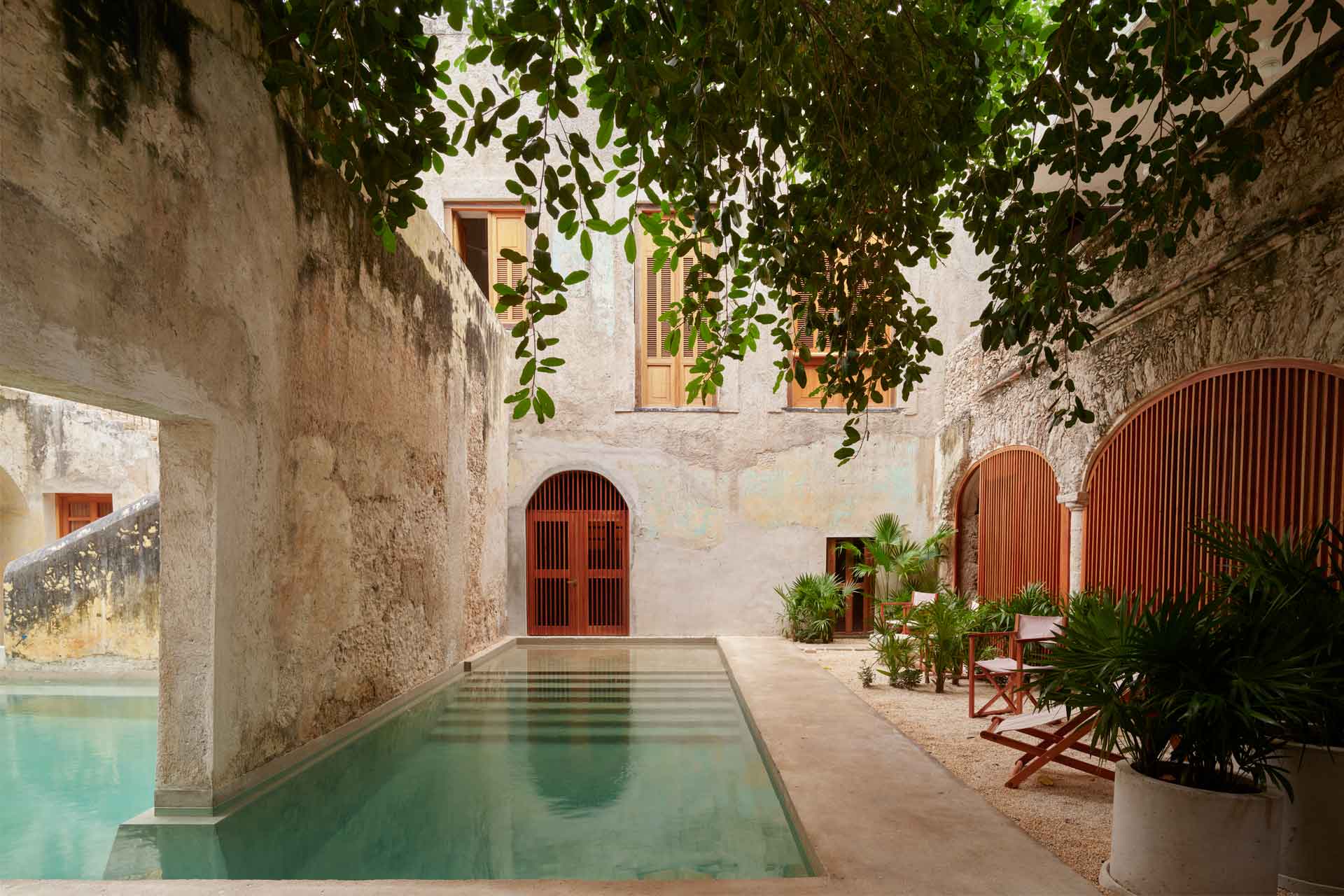
What it's all about: A 16th-century colonial mansion in Mérida's historic center, salvaged through brutalist design.If old-meets-new is a cliché in travel writing, we're happy to retire it just after this entry: Hotel Sevilla is the absolute pinnacle of the expression. The first thing that catches your eye is the sign, in block letters, which still welcomes visitors with the same cinematic flair as it once did in the hotel's former midcentury life.
The idea of a 16th-century villa, reimagined as a design-forward hotel, is nothing new for Mexico, with its wealth of colonial mansions. But the sheer imagination that's gone into Hotel Sevilla is what lands it on this list. In what the designers refer to as architectural "palimpsest" — typically the act of scrubbing text from a manuscript to rewrite on the same surface — they've cut through ancient, crumbling walls with brutalist concrete structures and connected traditional wooden ceilings with a futuristic spiral staircase.
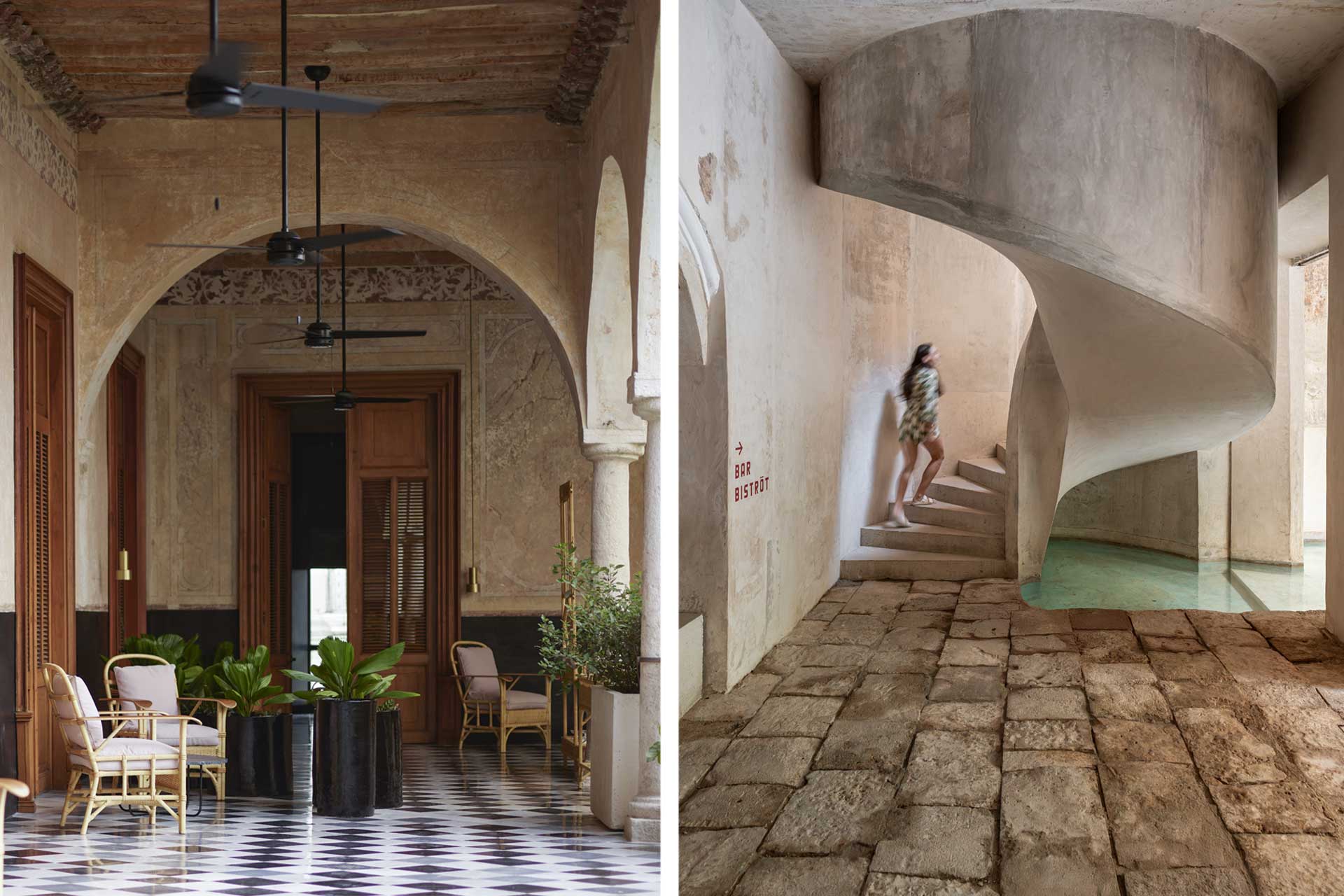
The pool — a slim basin split down the middle by an existing, unfinished wall — is a particularly exceptional feature. One side embraces its past life as a former stable with patinated stone; the other, newly constructed with fresh tile and cushioned daybeds, lands squarely in the present. Guest rooms are, as you might expect, carefully furnished, with contrasts like modern leather-bound benches set against original stone walls.
2. The One Nanyuan — Xinpu, Taiwan
What it's all about: In the wooded hills of Taiwan, a palatial complex conceived from a Song-dynasty scroll.To the untrained eye, it looks ancient. But the One Nanyuan was originally built as a private rural retreat in the 1980s. The concept, conceived of by Taiwanese architect Han Pao-teh, renowned for his role in several Taiwanese preservation projects, is notable beyond its majestic look for its inspiration: a 12th-century painting by Song dynasty artist Zhao Boju.
The painting features an elaborate palace complex of tiered halls, pavilions and courtyards set against a misty mountain landscape. For what would become the One Nanyuan, Pao-teh chose for his canvas a 21-hectare wooded slope facing the mountains.
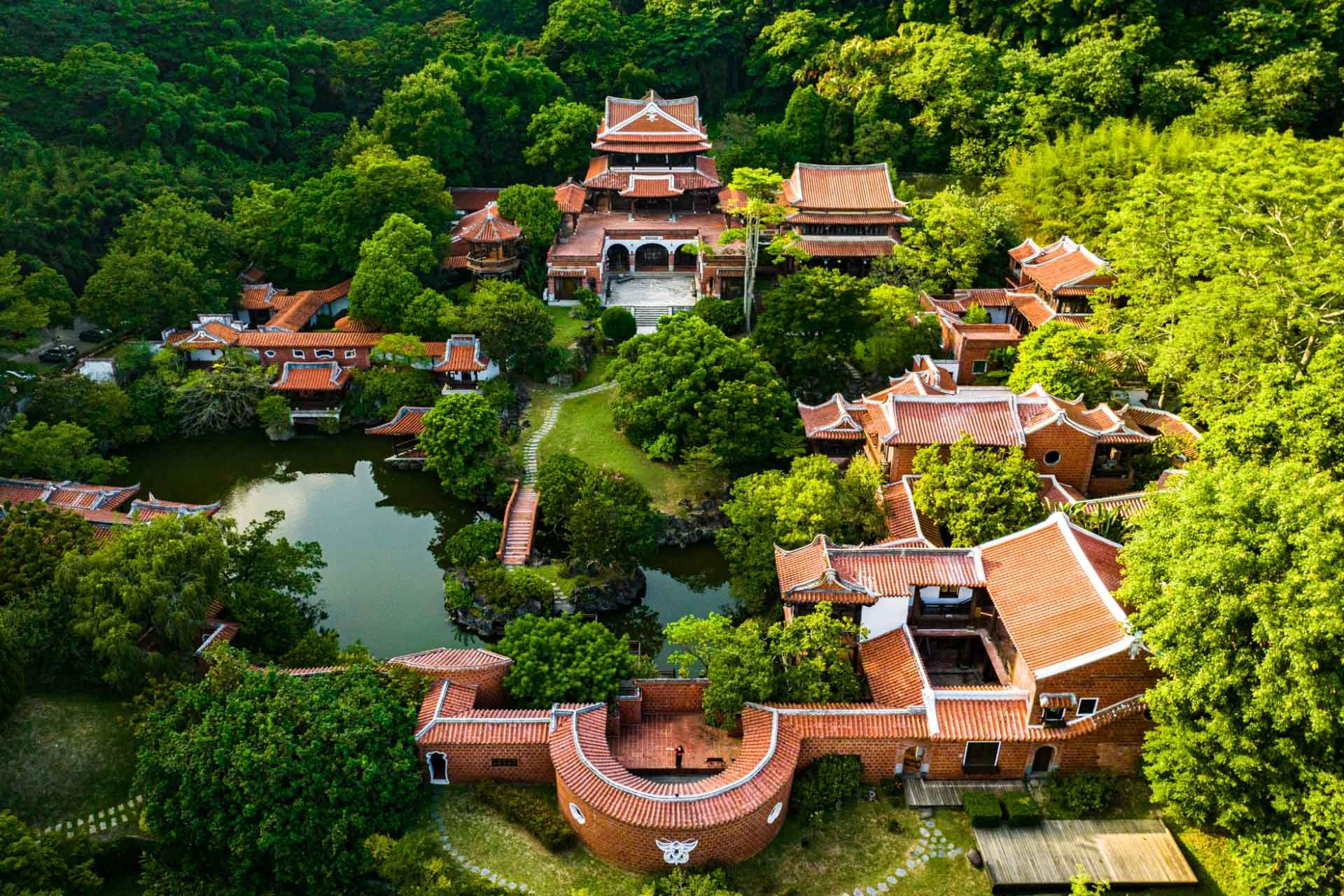
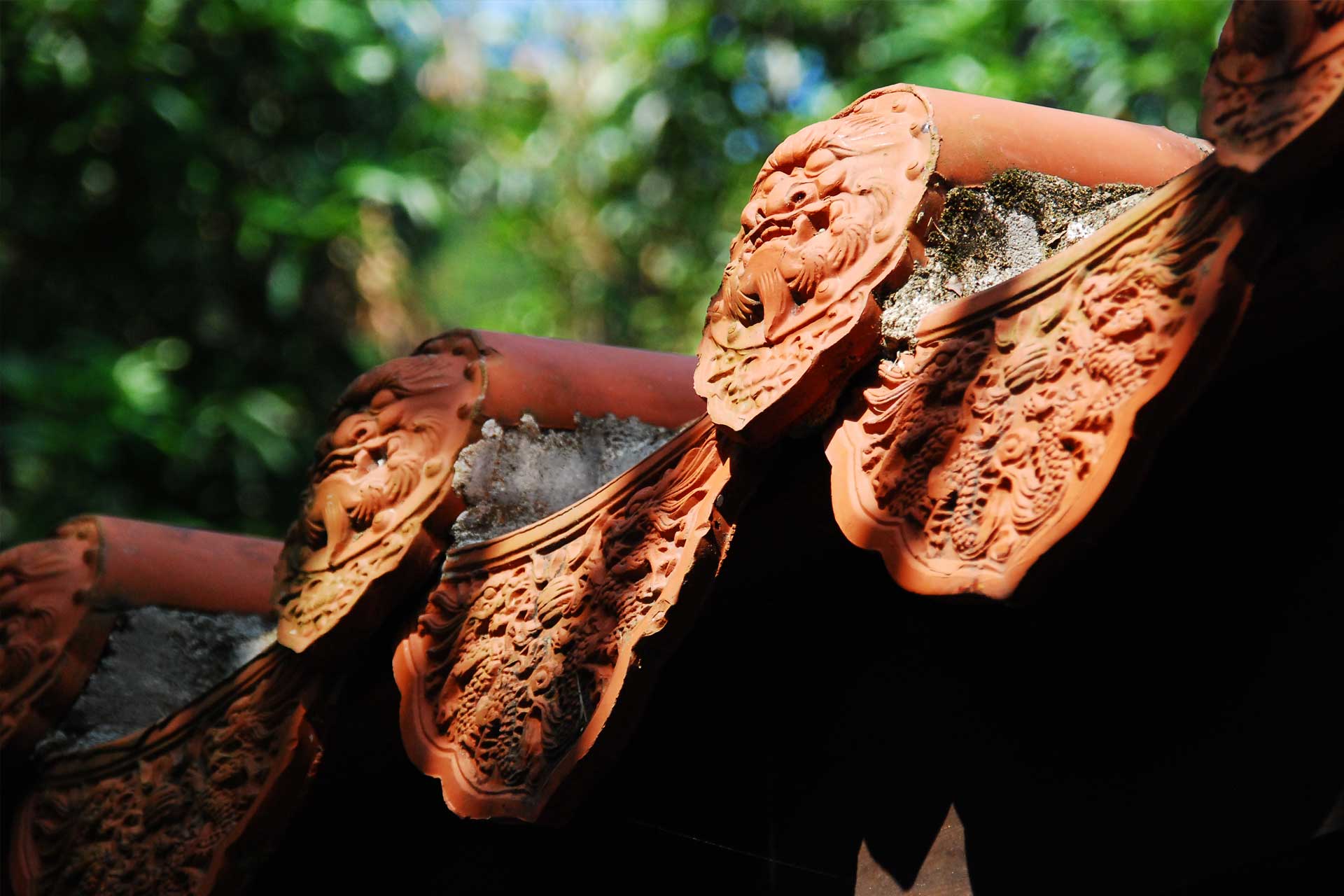
From there, he incorporated Chinese construction methods characterized by the use of timber frames, whitewashed brick and upturned tiled roofs. To construct the main residence and its 20 residential chambers, more than 800 trunks of Taiwanese cypress were fastened together with timber joints, the better for seismic flexibility and the quintessential old-world look.
Opened as a hotel in 2008 and selected this year for the Guide, today's guests stroll the grounds where bridges and pathways have been carefully positioned to showcase picturesque scenes at every turn — foreground, middle ground and background composed as deliberately as brushstrokes.
3. Casa Fuster — Barcelona, Spain
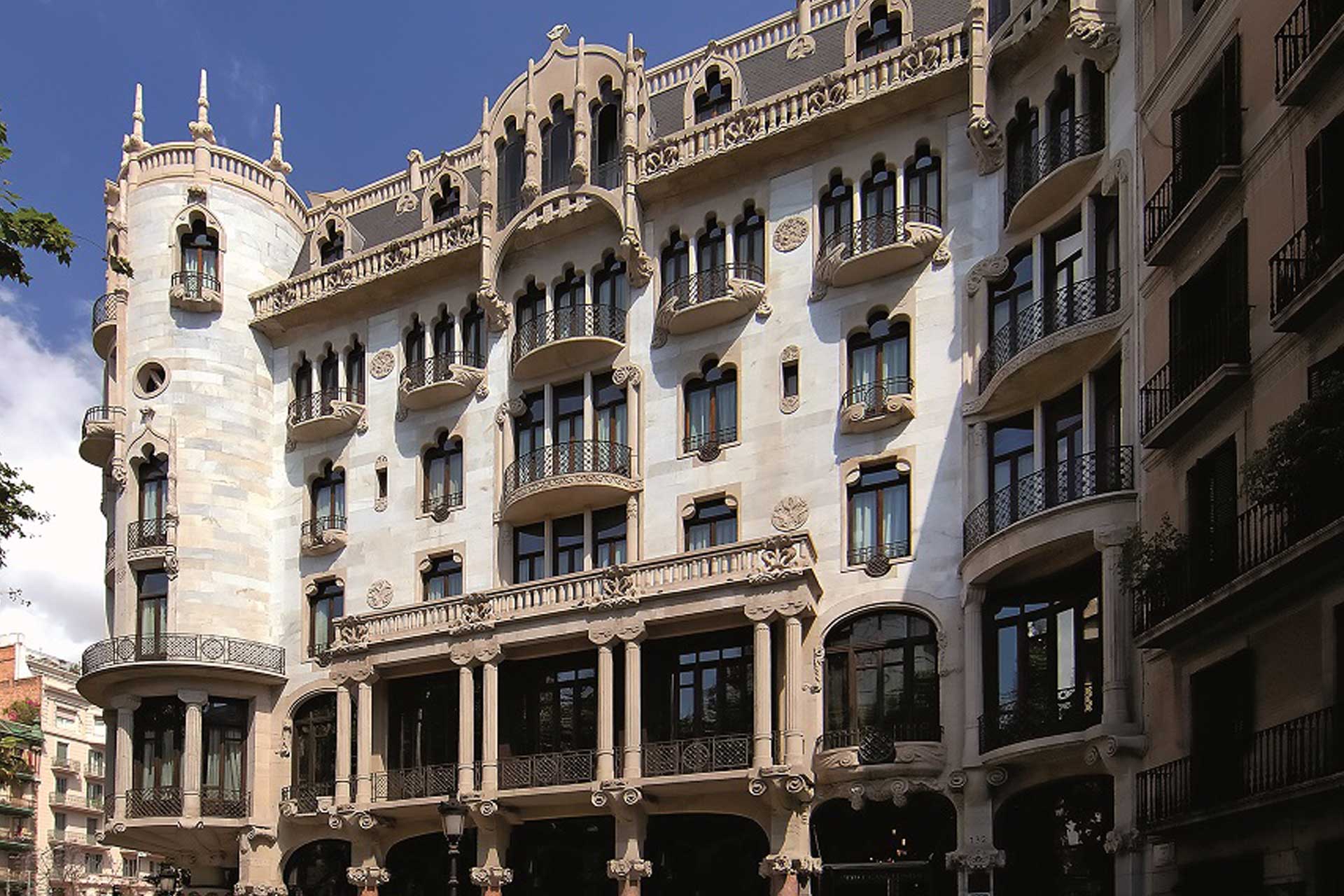
What it's all about: The rare hotel in Barcelona's renowned Catalan Modernisme style.Tourists flock to Barcelona year after year in no small part for the historically tinged, whimsically executed Catalan Modernisme architecture that flourished here at the turn of the 20th century. Where other Art Nouveau masters of the time rejected Neo-Gothicism, architects in Barcelona like the famed Antoni Gaudí embraced it, channeling their pride in their city into the bold, asymmetrical shapes and outrageous flourishes that make this among the most awe-inspiring architectural movements in the world (and one of the easiest for a layperson to appreciate).
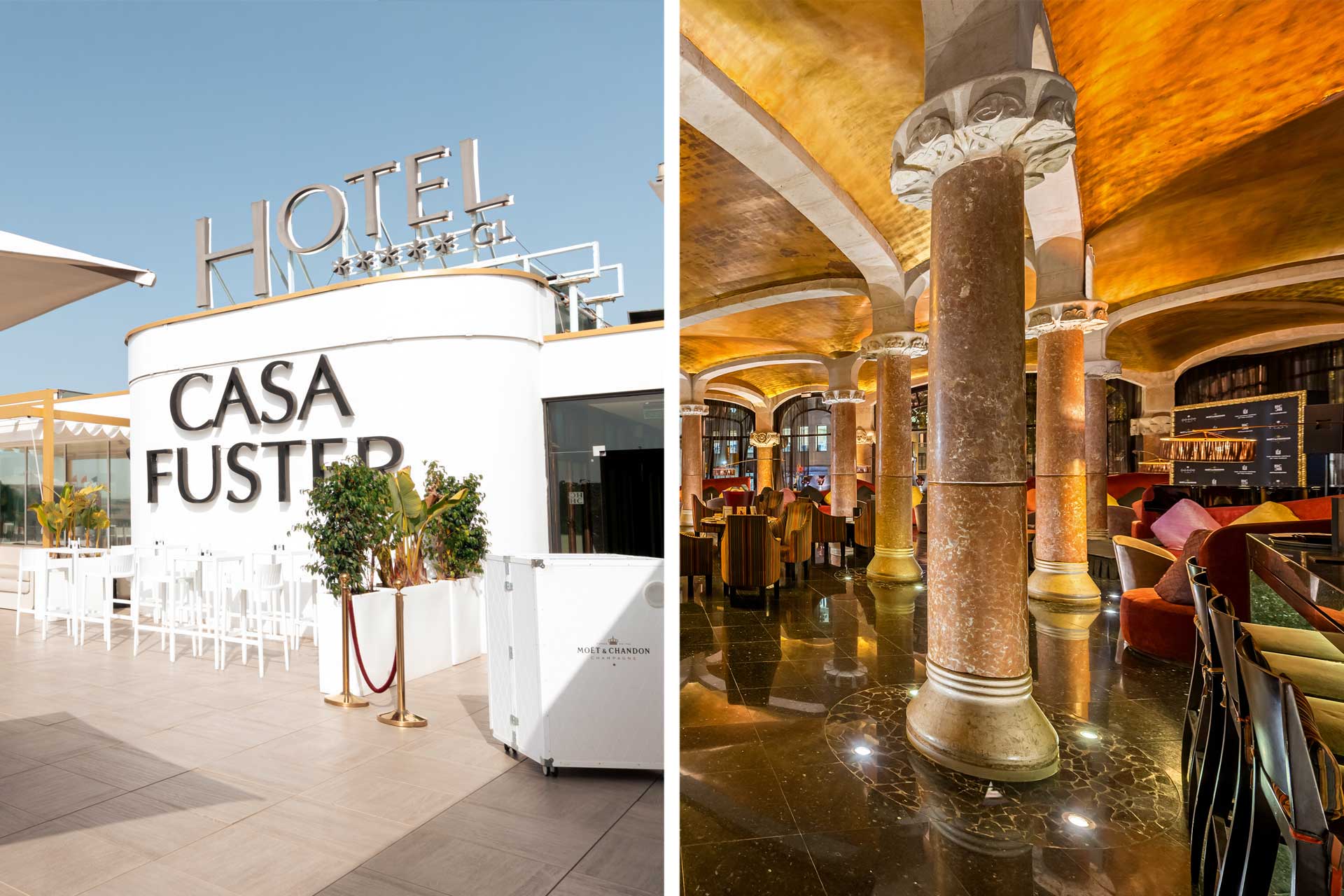
Casa Fuster is not a Gaudí building. But being built by Lluís Domènech i Montaner, considered one of the fathers of Modernisme and a mentor to Gaudí, is no knock on its pedigree. Imagine turning in for the night and walking through this masterpiece, its pink stone columns complemented by trilobate windows, wrought-iron balconies and spherical turrets.
While guest rooms lean more modern in today's contemporary hotel, they play to history with 20th-century touches like velvet drapes and parquet floors. Downstairs, Café Vienés — once a gathering spot for the city’s intellectuals, now a jazz club and Hollywood backdrop — retains its arched ceilings and a view of Barcelona’s grandest boulevard.
4. Signature Cave Cappadocia — Nevsehir, Turkey
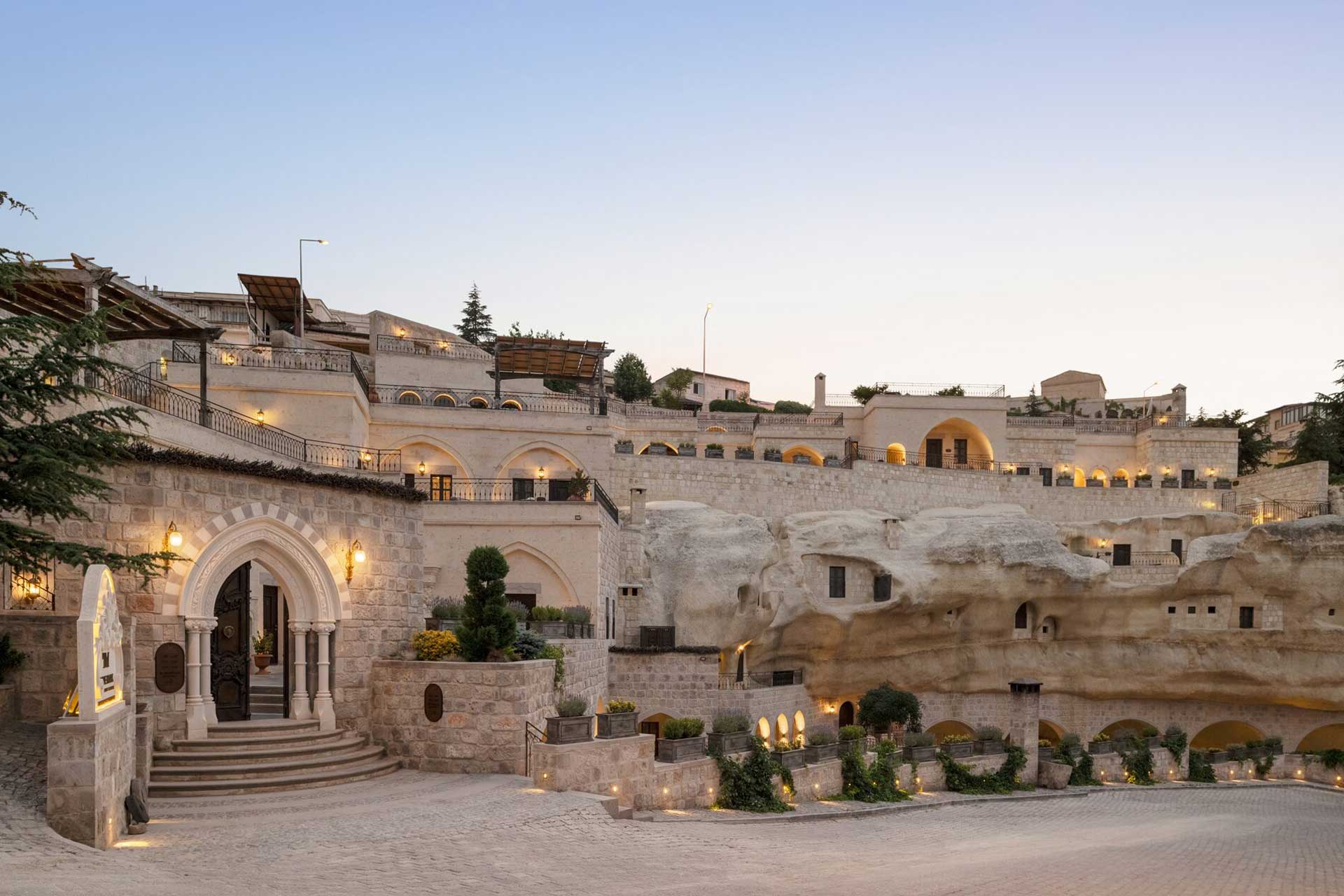
What it's all about: In one of Cappadocia's quieter villages, a newly opened retreat in a truly ancient style.Turkey's Cappadocia region, with its twisting rock forms and malleable earth, has turned the cave accommodation into an art form. But since most cave hotels take advantage of ancient structures in this protected natural region, it's exceedingly rare to find a brand-new entry.
Signature Cave Cappadocia opened in 2025, and as we've come to expect in cave hotels of this quality, rooms fully remake the reputation of subterranean living. Inside, interiors are cozy, with naturally vaulted ceilings and working fireplaces carved directly into the walls. Jetted tubs and private hammams are integrated into select suites, a nod to centuries of Ottoman bath tradition, and rock walls are intentionally left exposed to embrace the novelty. Meanwhile, corridors dug through the hillside open onto terraces that face the famous rock formations of the valley.
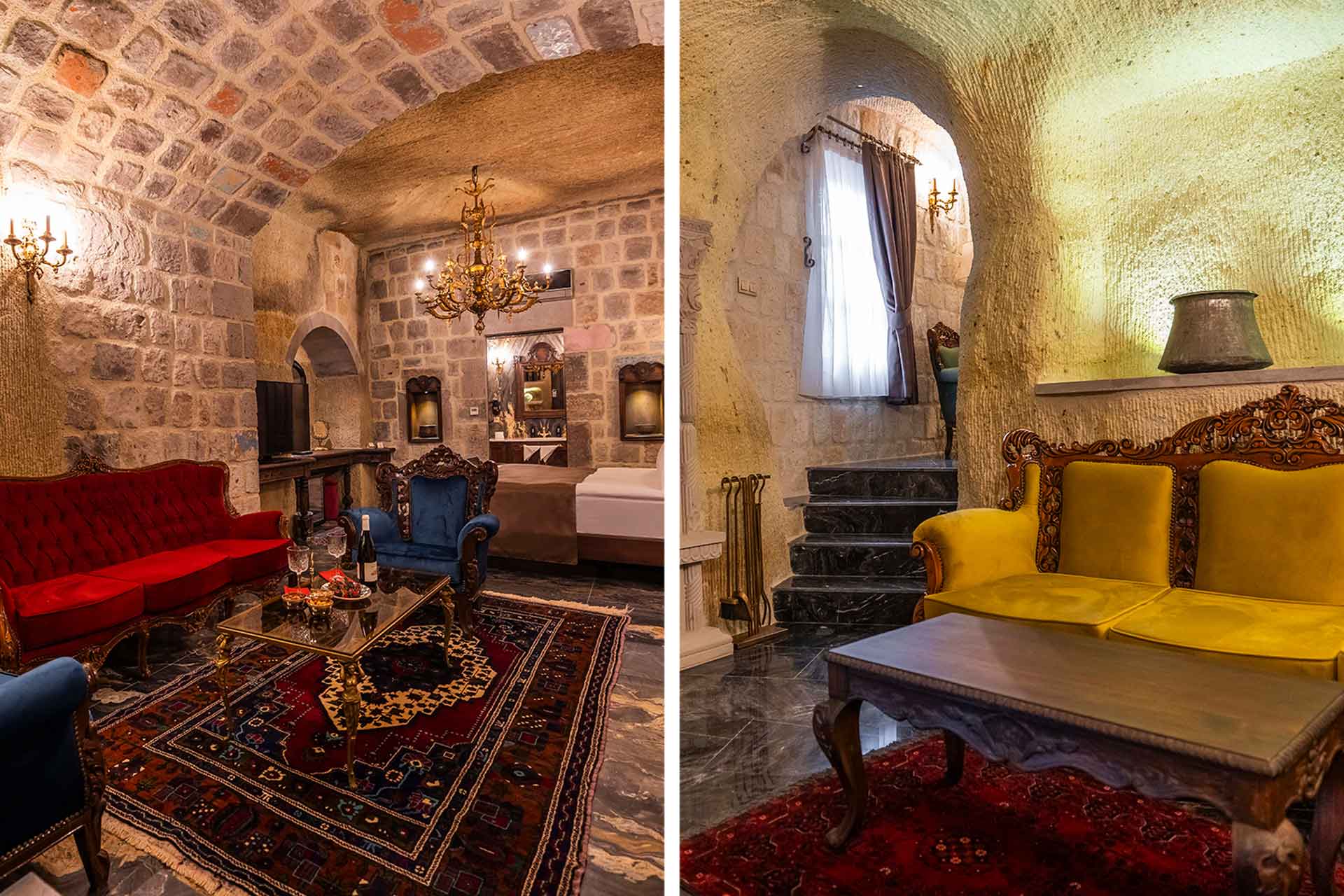
It's a welcome quirk of the design that because caverns naturally maintain a stable temperature, you only very rarely need the available air conditioning, but it's nice to know you have all the usual hotel comforts. Earplugs you can almost certainly skip — dense volcanic rock absorbs any outside noise, including any hint of the famous hot air balloons taking off before sunrise.
5. Kohanyu — Kami, Japan
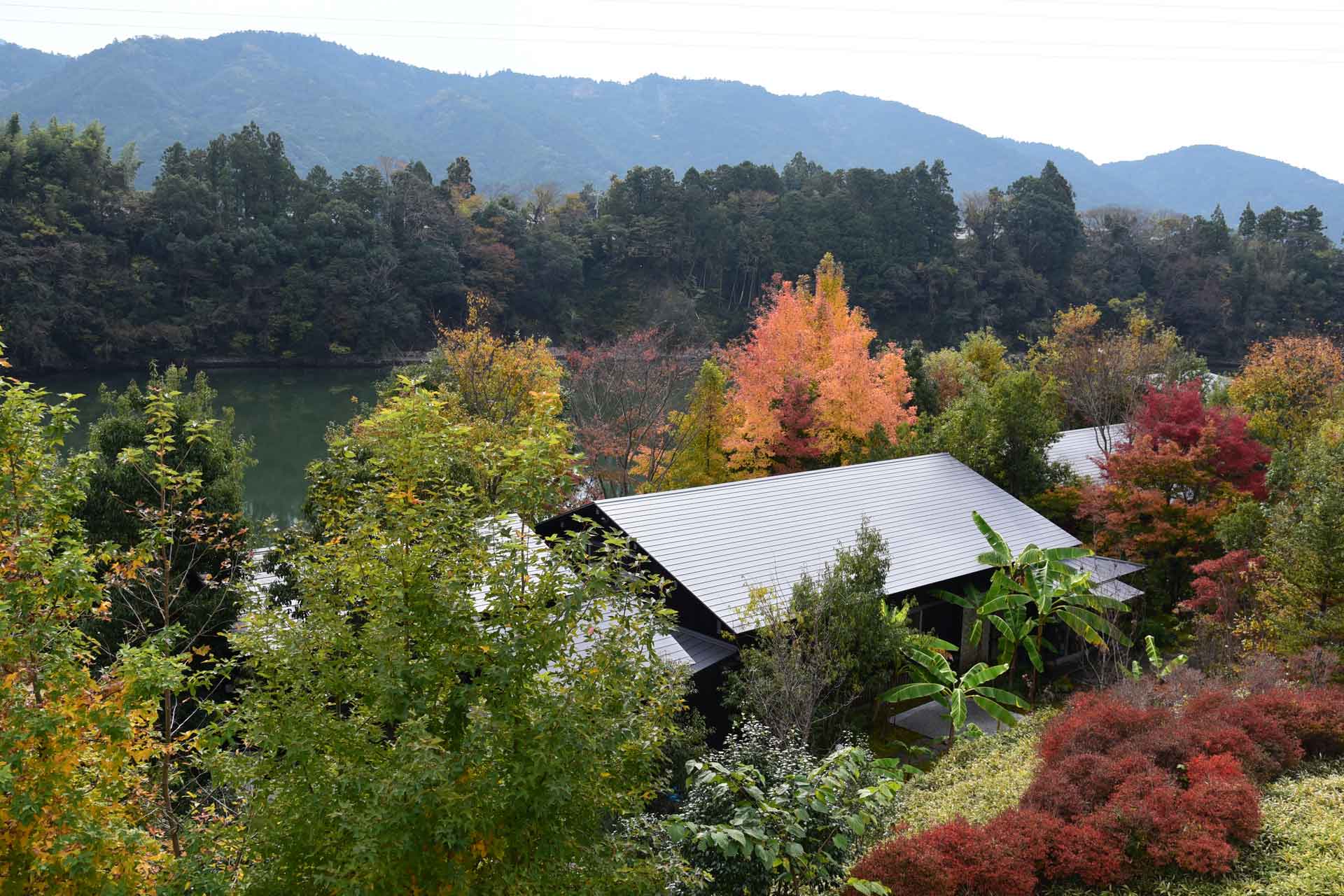
What it's all about: A four-room riverside retreat in Kochi Prefecture, designed to tune the senses to the rhythm of nature.Some hotels tout their visuals, others their technical design. Kohanyu, a riverside retreat in Kochi Prefecture, masters both. Where other hotels offer oversized windows for sweeping views, Kohanyu focuses more on their positioning, outlining a single tree or patch of sky. Sound-absorbing finishes maintain a hushed interior so birdsong and rustling leaves can dominate the soundtrack.
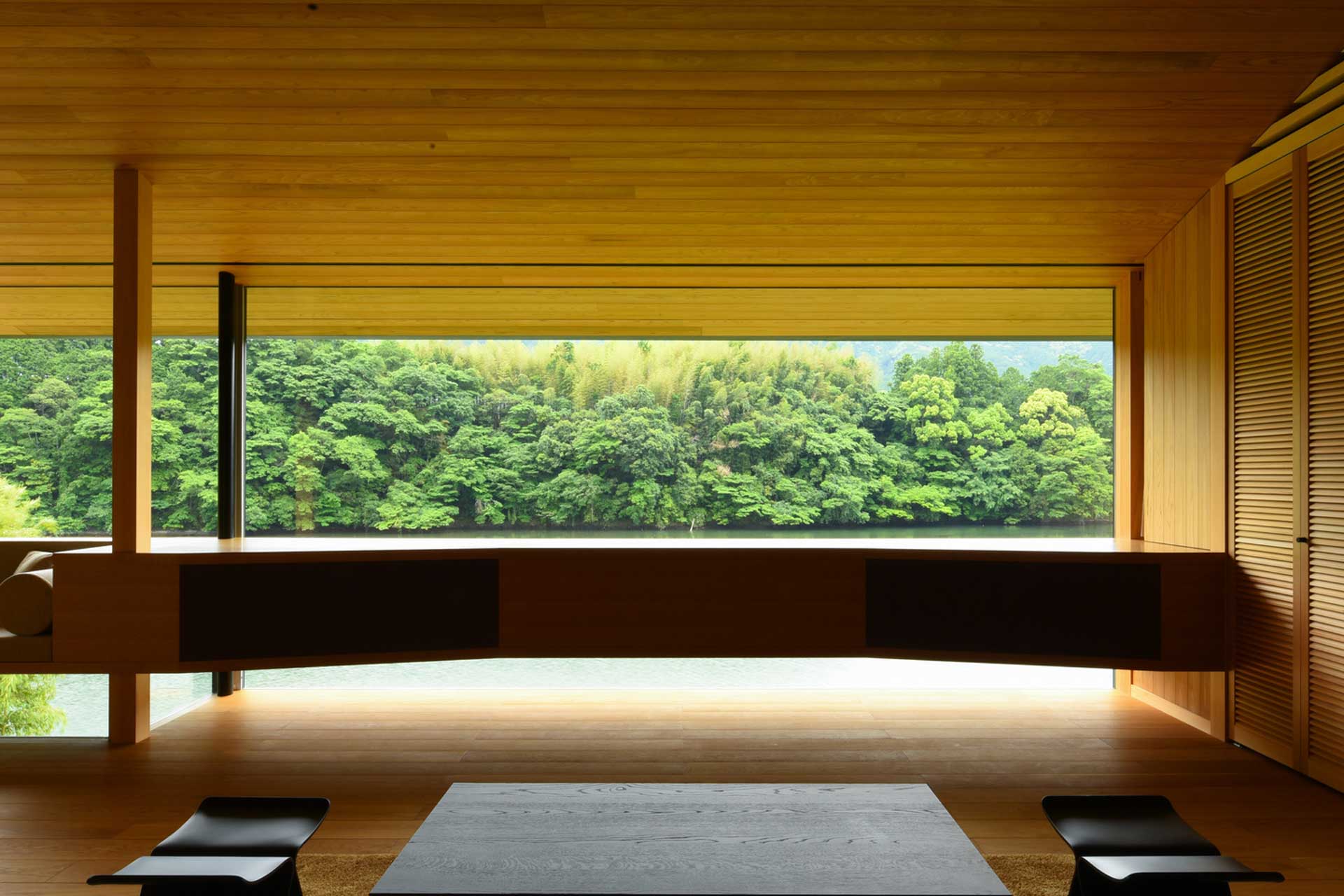
Such understated but technical proficiency is meant to follow the centuries-old satoyama philosophy that strives for harmonious living between people and nature. That's better accomplished with a hotel of such intimate size, where all four guest rooms face the water and private hot spring baths and terraces align to best capture reflections of the forest.
As with the rest of the property, the onsen experience is carefully choreographed: start in a dim corridor, where light and temperature are at their lowest, then journey toward the drifting ribbon of steam of the bath area. Meals at the hotel's restaurant are just as considered, with acoustics calibrated so soft music seems to blur with nature’s symphony.
Related articles:
- Inspector Tips on the Best Hotels for Everything
- Our Complete Hotel Guides — How to choose a hotel in Barcelona, London, New York, Mexico City and Paris
- Essential Hotel Rooftops in the World’s Top Food Cities
Hero Image: Hotel Sevilla, a salvaged 16th-century mansion in Mérida's city center. © Hotel Sevilla