22 Feb to 22 Nov 2026
Share


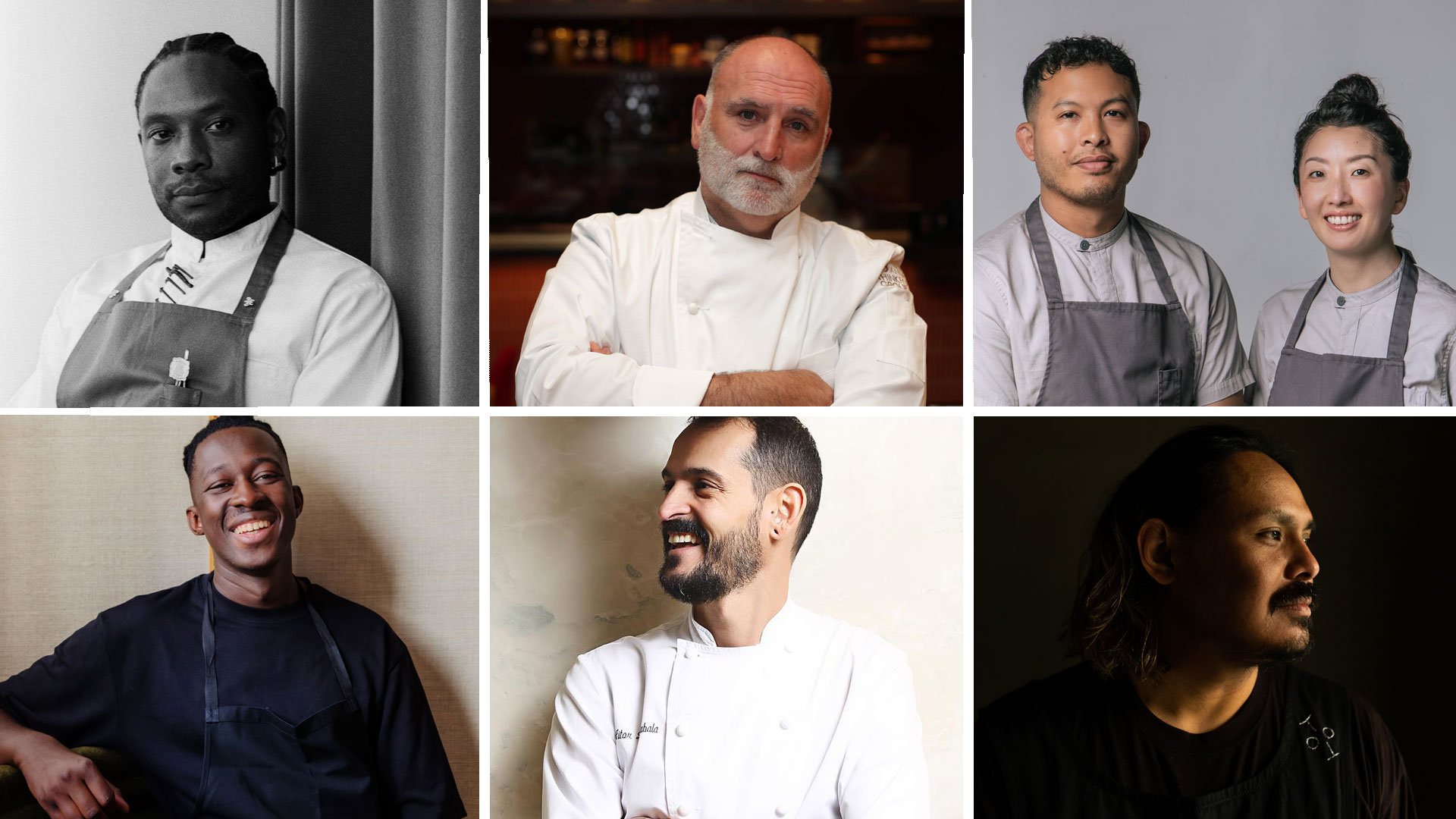
This spring, Capital One introduces Dinner Party, a new monthly series of curated dining gatherings. These events will bring together chefs from across continents, cuisines and culinary philosophies. In New York, Mory Sacko of MoSuke in Paris will join Chef Charlie Mitchell at Saga. In Washington, D.C., Aitor Zabala of Somni reunites with the world-renowned José Andrés of minibar. In Chicago, Filipino cuisine is in full force with Jordy Navarra of Toyo Eatery joining Tim Flores and Genie Kwon of Kasama.
Across these dinners, a unifying theme emerges: the joy of collaboration and the power of the seasons. Each chef pair draws inspiration from spring’s bounty, transforming ingredients at their peak into menus that celebrate both place and perspective. Whether it’s Paris to New York, LA to D.C., or Manila to Chicago, these dinners highlight how chefs can come together to create truly intimate, multisensory experiences.
To purchase tickets to the series, exclusive to eligible Capital One cardholders, visit Capital One Entertainment.
APRIL 18, 2026
A Four Continent Approach: Chefs Leading the Next Generation
Host Chef: Charlie Mitchell of Saga (Two Stars, New York)
Guest Chef: Mory Sacko of MoSuke (One Star, Paris)
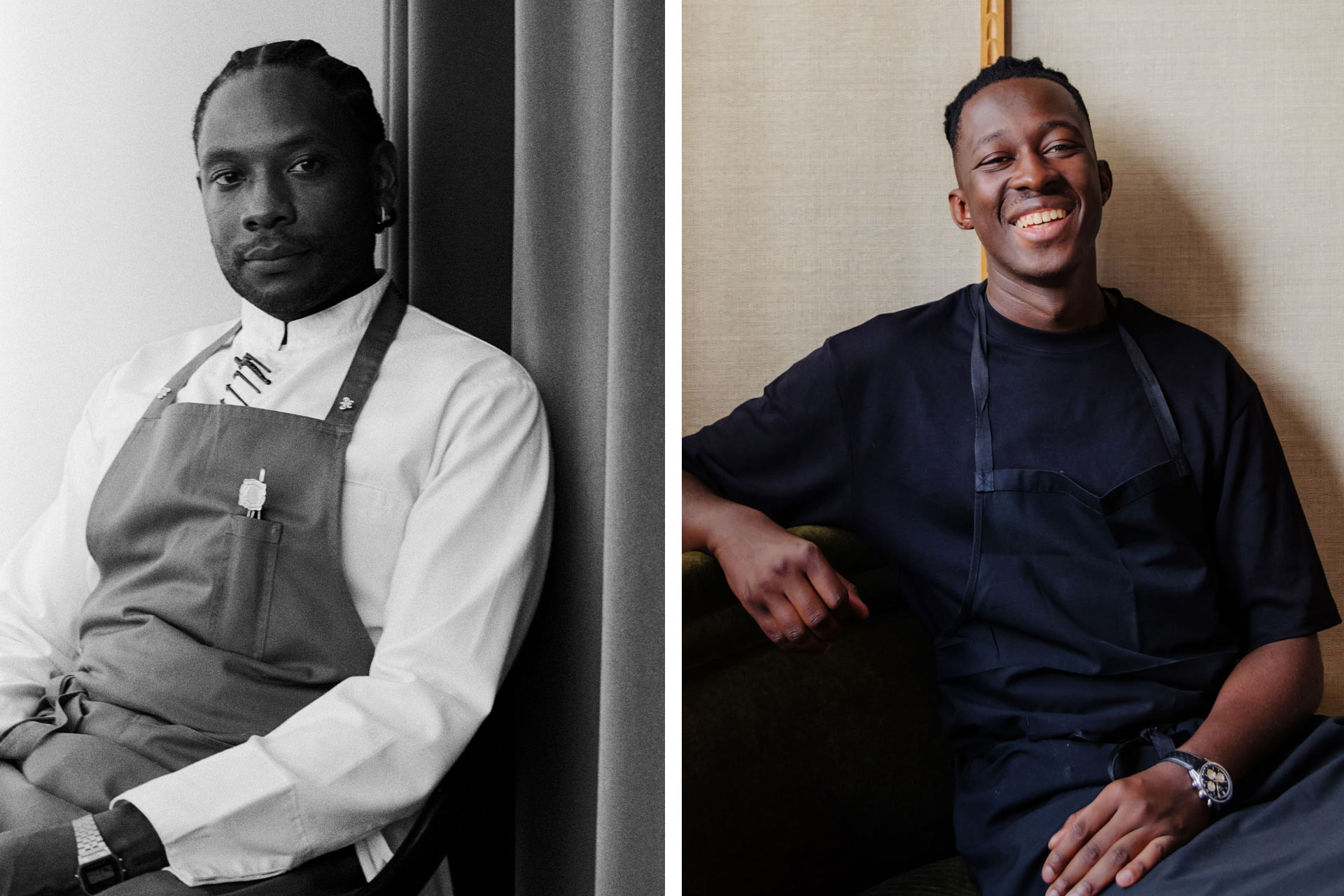
Charlie Mitchell and Mory Sacko come from different cities, cultures and culinary lineages (together, their culinary influences — French, Japanese, West African and American — cover four continents), but they share a devotion to precision, seasonality and emotional resonance on the plate. Together, they represent two modern expressions of fine dining that feel both rooted and forward-looking.
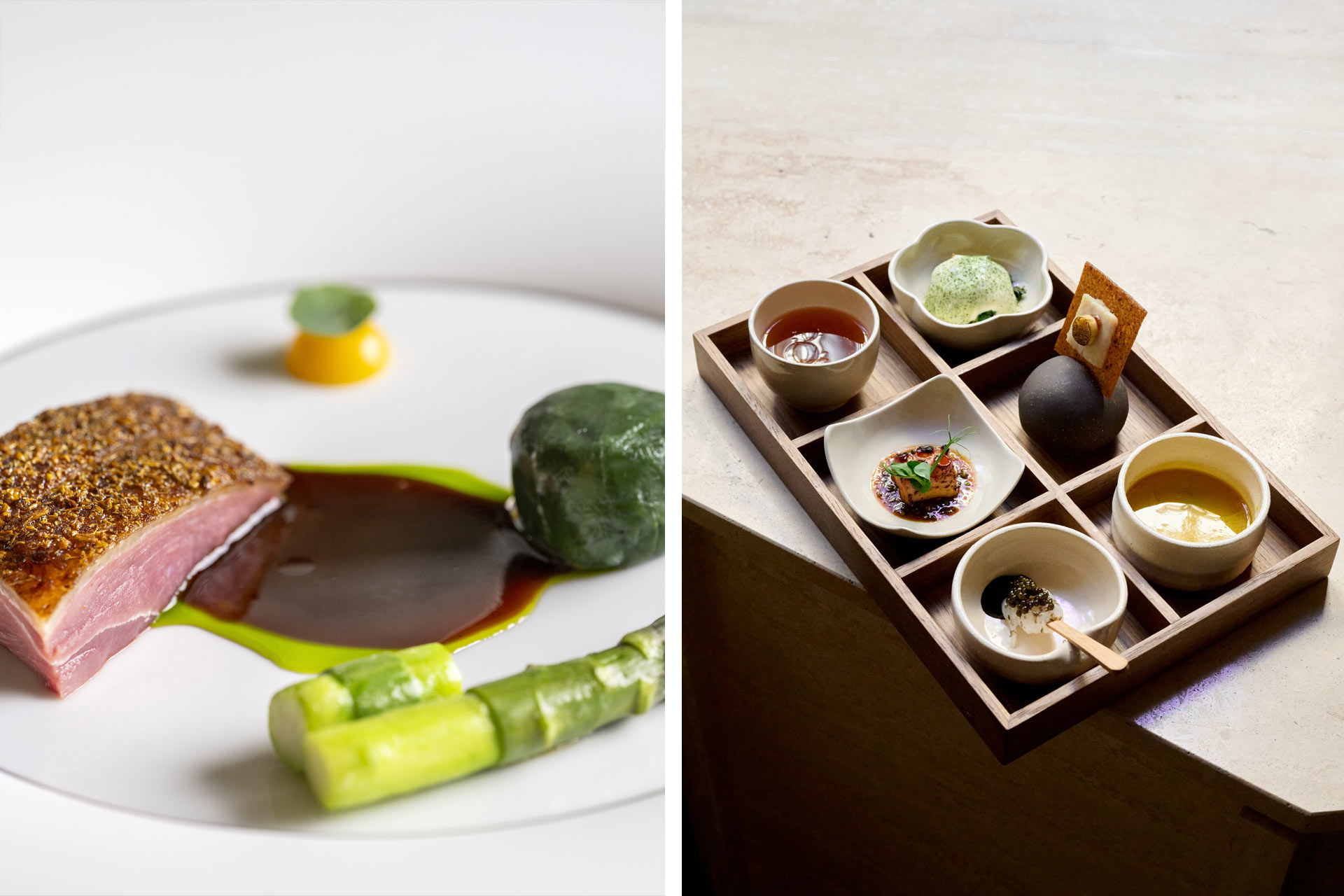
In New York’s ever-evolving dining landscape, Mitchell has emerged as a chef who leads with calm authority and creative focus. At Saga, his cooking is defined by clarity, with each dish built around balance rather than excess. His career has taken him through some of the most exacting kitchens in the country, shaping a style that is thoughtful and elegant. He has a unique ability to pair technical excellence with emotional intelligence, and every plate is composed with intention.
Spring brings a special kind of shared excitement to both chefs. “It's Spring! I'll be excited about everything from white asparagus to stingy nettles. Everything green!” exclaims Mitchell. Sacko says that he really enjoys working with green ingredients such as asparagus, favas and peas. “It's quite a short season, so you have to take the time to appreciate it.”
Their styles, while distinct, are laser focused on building something special. Mitchell describes his cooking as “subtle and intentional with hints of playfulness,” while Sacko sees his own cuisine as a conversation that brings Africa, France and Japan together around the ingredients.
Even without tasting each other’s food yet, there’s a deep sense of mutual respect. Sacko describes Mitchell’s cooking as “technical and sensitive,” a true combination of control and care. Mitchell, in turn, sees Sacko’s approach as “clean, focused and intentional” while also “bringing the flavor.”
When it comes to collaboration, the goal is dialogue. With deep admiration for Sacko’s work, Mitchell explains, “We stay authentic and let the food do the talking.” Sacko emphasizes his appreciation for sharing, comparing it to a dance. “We have to choose the music together first, and then the rest happens naturally, by instinct.”
In the end, both chefs want guests to walk away with an unforgettable experience. Sacko hopes diners will have “a unique moment seeing new things,” and Mitchell would like guests to “most importantly have fun” but also appreciate what each chef has to say.
Sacko stands at the intersection of cultures. At MoSuke in Paris, his cooking is elegant yet soulful, structured yet expressive. Drawing on his West African heritage, his training in French gastronomy and his respect for Japanese precision, Sacko creates food that carries memory and movement. Each plate reflects a chef who understands not just technique, but rhythm, contrast and emotion.
For both Mitchell and Sacko, cooking begins with paying close attention to seasonal ingredients. “The seasons guide my hand and my desires,” says Sacko. “My menu evolves based on the season.” Mitchell adds, “At Saga, the seasons are everything. We start every menu development with our ingredients. First the vegetables, then the seafood. From there, we build on the overarching throughline in the menu.”
MAY 12, 2026
From Spain to the United States: A Culinary Reunion with a Decade of History
Host Chef: José Andrés of minibar (Two Stars, Washington, D.C.)
Guest Chef: Aitor Zabala of Somni (Three Stars, Los Angeles)
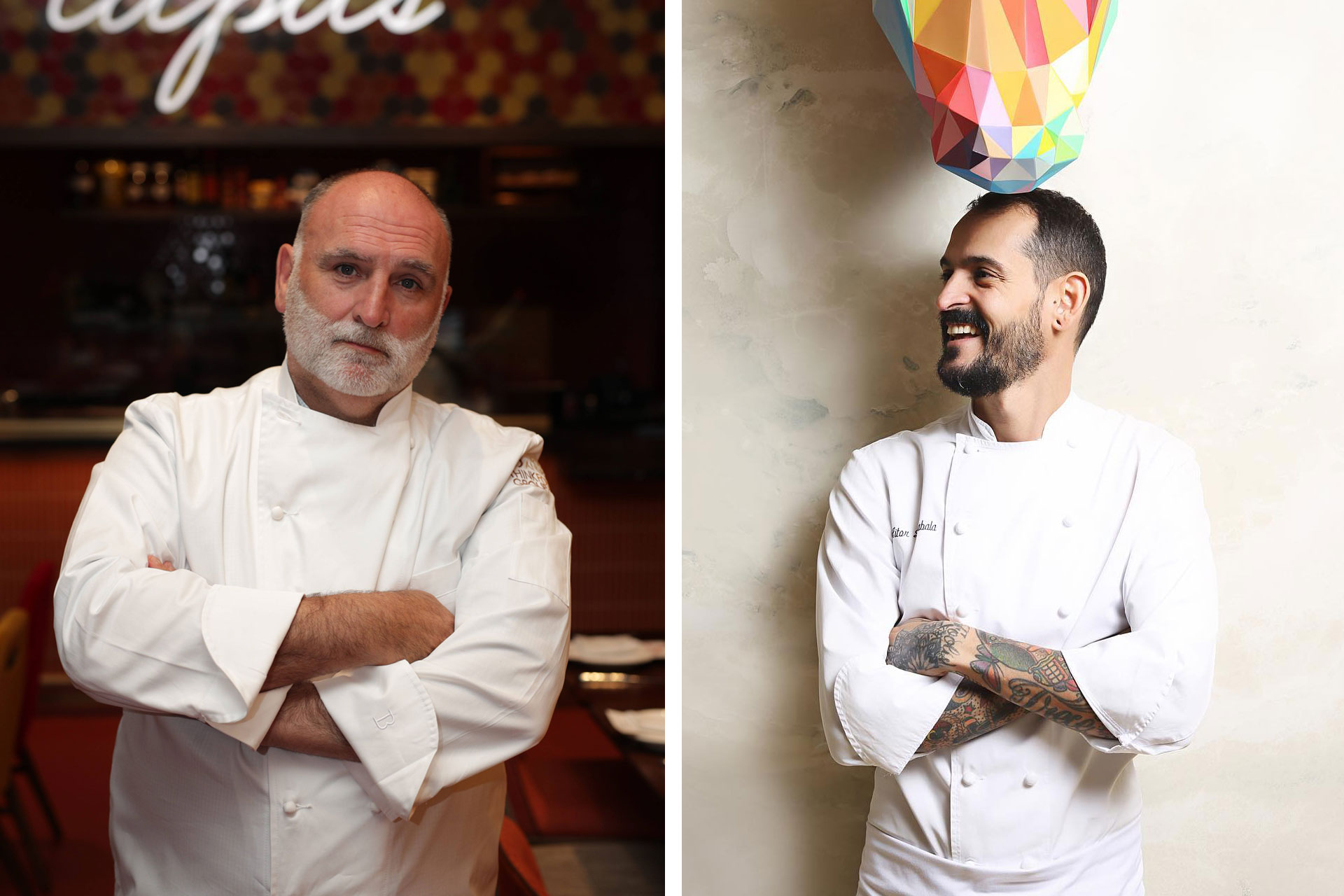
José Andrés and Aitor Zabala are two of Spanish cuisine’s most inventive and influential voices, each carving a distinct path while sharing a common foundation in technique, flavor and storytelling.
Andrés, known for his bold creativity and boundless energy, has built a career on pushing the boundaries of traditional Spanish cuisine, transforming it into a platform for both theatricality and generosity. His kitchens, including minibar, are places where emotion is as essential as flavor, and every dish is an invitation to experience the joy of cooking. Andrés’ impact on the chef community has made him one of the most influential culinary figures today and earned him the 2025 Mentor Chef Award.
Zabala, by contrast, approaches the culinary arts with measured clarity and deliberate precision. Before rising to prominence, he honed his craft at elBulli, working closely with Ferran Adrià, a formative experience that shaped his approach to technique, structure and intention. His cooking at Three-MICHELIN-Star Somni reflects this background, expressing restraint balanced with creativity and a careful attention to the natural qualities of each ingredient.
Together, the two chefs represent complementary philosophies: one expansive and emotive, the other exacting and contemplative. Their shared history, with Zabala spending a decade as Andrés’ Culinary Director, has cultivated a profound understanding of one another’s vision and style. It is this combination of shared language and divergent evolution that makes their collaborations a rare and compelling encounter, a dialogue between kitchens that balances energy with precision, generosity with focus, and creativity with respect for ingredients.
Though they share Spanish roots and plenty of time together in the kitchen, the two chefs have forged distinct culinary personalities. “We speak the same culinary language, but with different accents,” explains Zabala. “My cooking today is more restrained and precise, focused on clarity and conscious decisions, while Chef José Andrés’ cooking is generous, expansive and driven by energy, emotion and hospitality.”
Whether they cook separately or together, seasonality shapes the menu, guiding how each ingredient is highlighted and treated. “I don’t try to force ingredients into something they’re not ready to be,” Zabala explains. “Seasonality keeps my cooking grounded and honest, and it also keeps me alert. What excites me most is working with ingredients at their peak, when very little needs to be added. Products with clarity and tension — vegetables with freshness and bite, seafood with natural sweetness, ingredients that allow precision without heaviness.”
With those complementing culinary characteristics, this spring’s special reunion will surely be an unforgettable one. “Because of our long history working together, the balance feels very natural,” Zabala says. “We trust each other, and that makes the collaboration fluid and intuitive, creating something that neither of us would do alone.”
The goal of the evening is simple: for guests to leave feeling that they experienced “something genuine — something thoughtful, generous and alive.” Zabala smiles, “not just a meal, but a moment where different perspectives came together with intention, respect and pleasure at the table.”
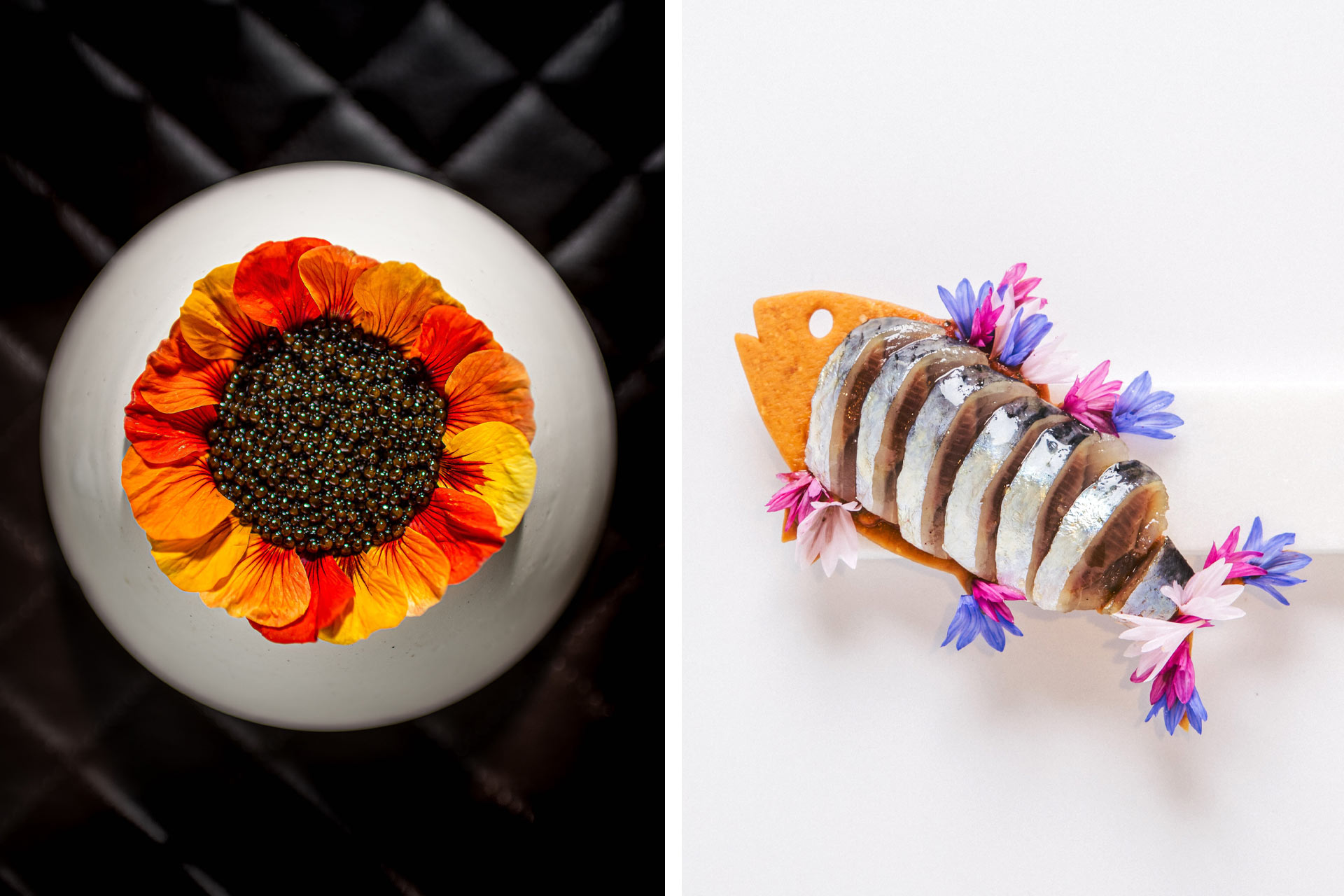
JUNE 6, 2026
First Filipino Stars: A Celebration of Cuisine in Chicago
Host Chefs: Tim Flores and Genie Kwon of Kasama (Two Stars, Chicago)
Guest Chef: Jordy Navarra of Toyo Eatery (One Star, Manila)
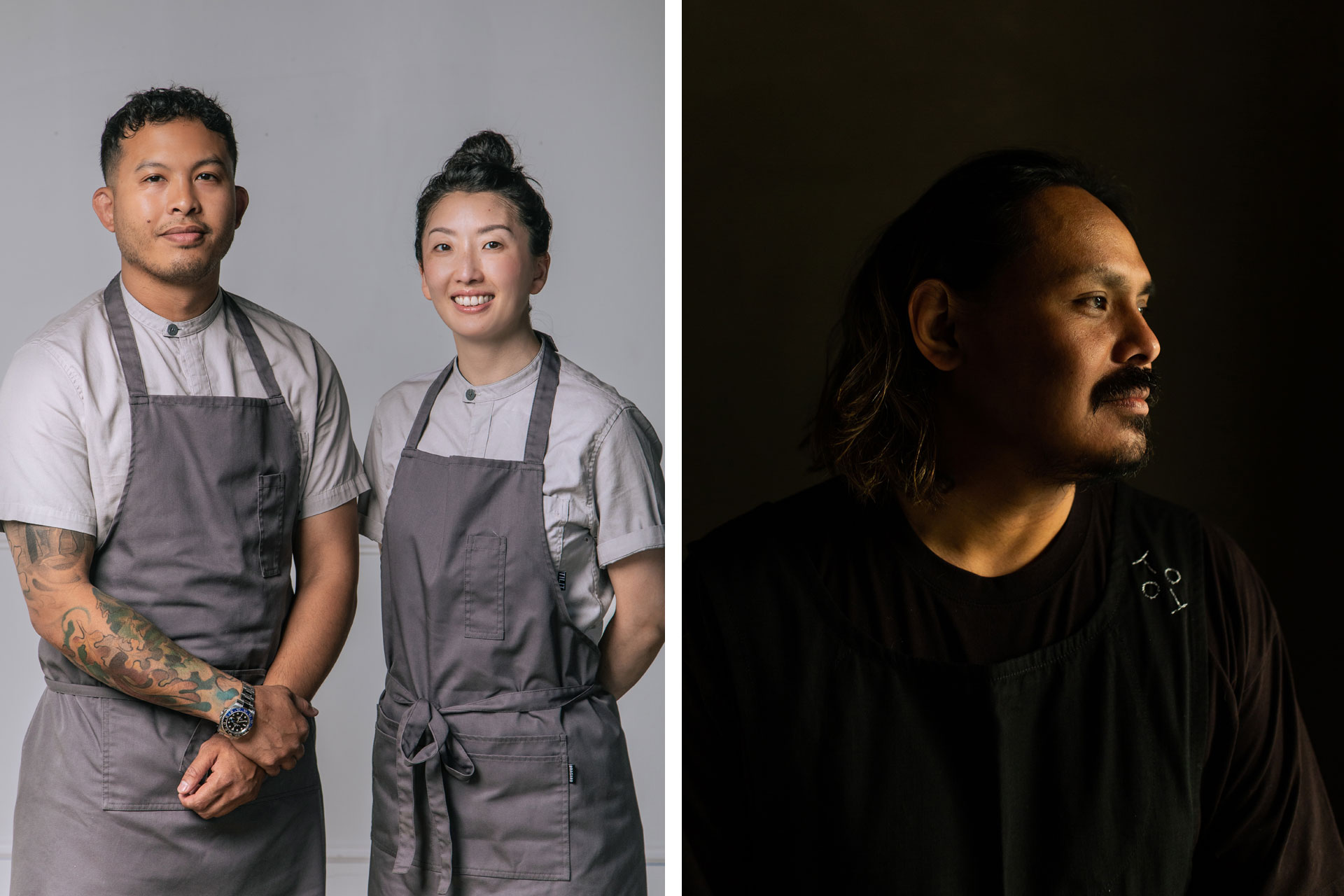
Kasama and Toyo Eatery are two leading innovators in Filipino cuisine. Though separated by thousands of miles, they share a common language: honoring deep-rooted heritage while cooking with deeply personal storytelling.
Winners of the 2024 Service Award, Tim Flores and Genie Kwon have transformed Filipino dining in the United States. Kasama was the world’s first MICHELIN-Starred Filipino restaurant and was recently awarded Two MICHELIN Stars. At Kasama, their approach combines meticulous technique with warmth, offering a cuisine that is precise, elevated and deeply rooted in heritage. “The dishes at Kasama are Tim’s interpretations of the food that he grew up eating,” says Kwon. “He uses more traditional dishes that his mom made so that the guests have a reference if they have never had Filipino food.”
Thousands of miles away, Jordy Navarra is shaping the modern Filipino culinary identity in Manila. “The food we do always draws from culture,” says Navarra. “The idea is to continuously reassess, rediscover and find a deeper understanding of Filipino culture through food. So we take a lot of inspiration from simple Filipino flavors and cooking techniques, which also includes a lot of rural cooking.” Through his work, Navarra has become a defining voice for contemporary Filipino cuisine, creating meals that feel personal, evocative and globally resonant all at once.
When asked about each other’s cooking, the respect is immediate. Navarra deeply admires how Flores and Kwon precisely translate Filipino flavors “in a very joyful and deeply personal way,” while the Kasama team sees Navarra’s work as distinctly Filipino, “using local ingredients, many of which we do not have in the States,” with interpretations that go beyond reference dishes to express the culture fully.
The chefs first met last year during the first-ever MICHELIN Guide ceremony in the Philippines. “Finally getting the opportunity to eat his food and spend time with him in the Philippines was a dream,” says Kwon. “He has been such an inspiration for Filipino chefs all over the world.” Navarra echoes a mutual excitement from that meeting, adding, “We’re connected by the same impulse, which is to honor Filipino cuisine while allowing it to grow, adapt and speak honestly from where we each are.”
This spring, Chicago will become the meeting point for these two influential Filipino kitchens. Kasama will welcome Chef Jordy Navarra for a collaboration that spans continents. For this collaboration, the chefs plan to highlight both individual voices and the dialogue between them, allowing the story of Filipino cuisine to be told through both technique and interpretation. “Being open to one another is a huge part of collaborations,” Navarra says. “It’s an opportunity to learn from each other, highlight each other’s strengths and also just have fun with it.”
Overall, cuisine in the Philippines is shaped by the flow between dry and wet seasons. “Typhoons are common. Harvests can be disrupted, timing is less reliable and availability can change suddenly,” explains Navarra. Using that as a guide, his team works closely with the people growing and catching ingredients, so that they use what is actually available and preserve some for later use. “The beautiful thing about this is how it opens our eyes to the many untapped ingredients in the Philippines. We’ve barely scratched the surface.”
Seasonality will similarly guide this special menu, offering a taste of spring and early summer’s bounty. Kasama’s chefs draw on fresh ingredients that reference the dishes of the Philippines, while Navarra looks forward to fruits like mangoes, cotton fruit, duhat (java plum) and batwan (sour fruit). Together, the chefs will explore how these ingredients can reflect both their culinary worlds and their shared cultural roots, creating a menu that celebrates heritage while embracing creativity.
For the chefs, the goal is simple yet profound: for diners to experience the richness, diversity and depth of Filipino cuisine. “We’re excited that people will be able to see the range of flavors that exist in Filipino cuisine,” says the Kasama team. Navarra hopes guests leave with the sense that they’ve witnessed “a unique moment, seeing how Philippine culture can be interpreted across different kitchens and continents.” This special occasion is a rare chance to see Filipino cuisine through multiple lenses in Chicago, and to taste the richness that comes from dialogue, respect and shared purpose.
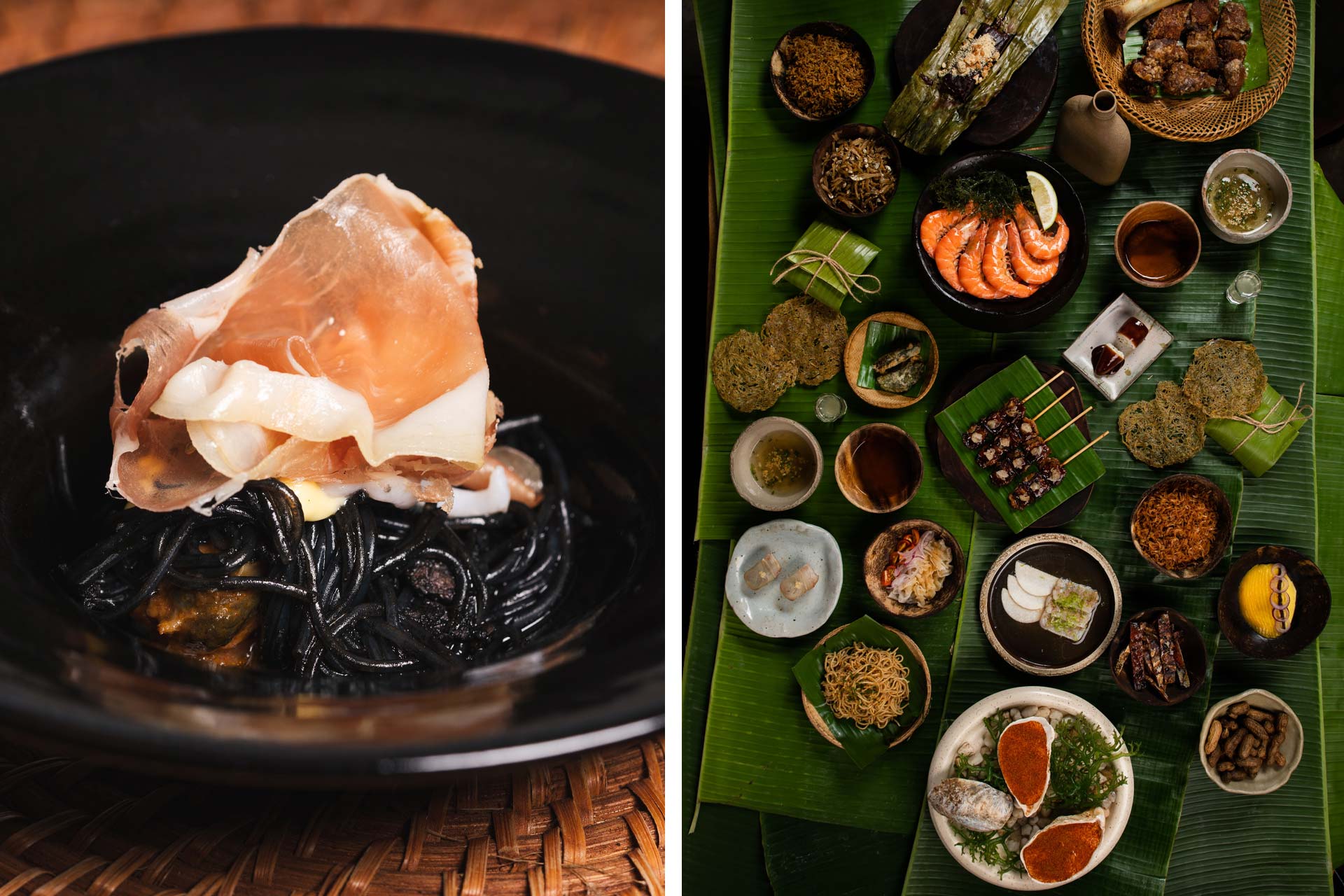

Hero image: Chef collage - © Saga | © Virginie Garnier/MoSuke, ©José Andrés Group | ©Somni & Daniel Kwon/Tim Flores and Genie Kwon | Geric Cruz/Toyo Eatery