13 May 2026

Share


Most journeys through Incheon begin in transit. But step beyond the airport, just an hour from Seoul, and the city reveals a different rhythm — one shaped by its history as a port open to the world. In Incheon Chinatown, the legacy of early Chinese immigrants lives on not only in architecture and street life, but in the enduring popularity of jjajangmyeon. From these streets, Incheon expands outward — to the planned modernity of Songdo, to design-forward hotels and resorts, and to a coastline that leads to beaches and island escapes.
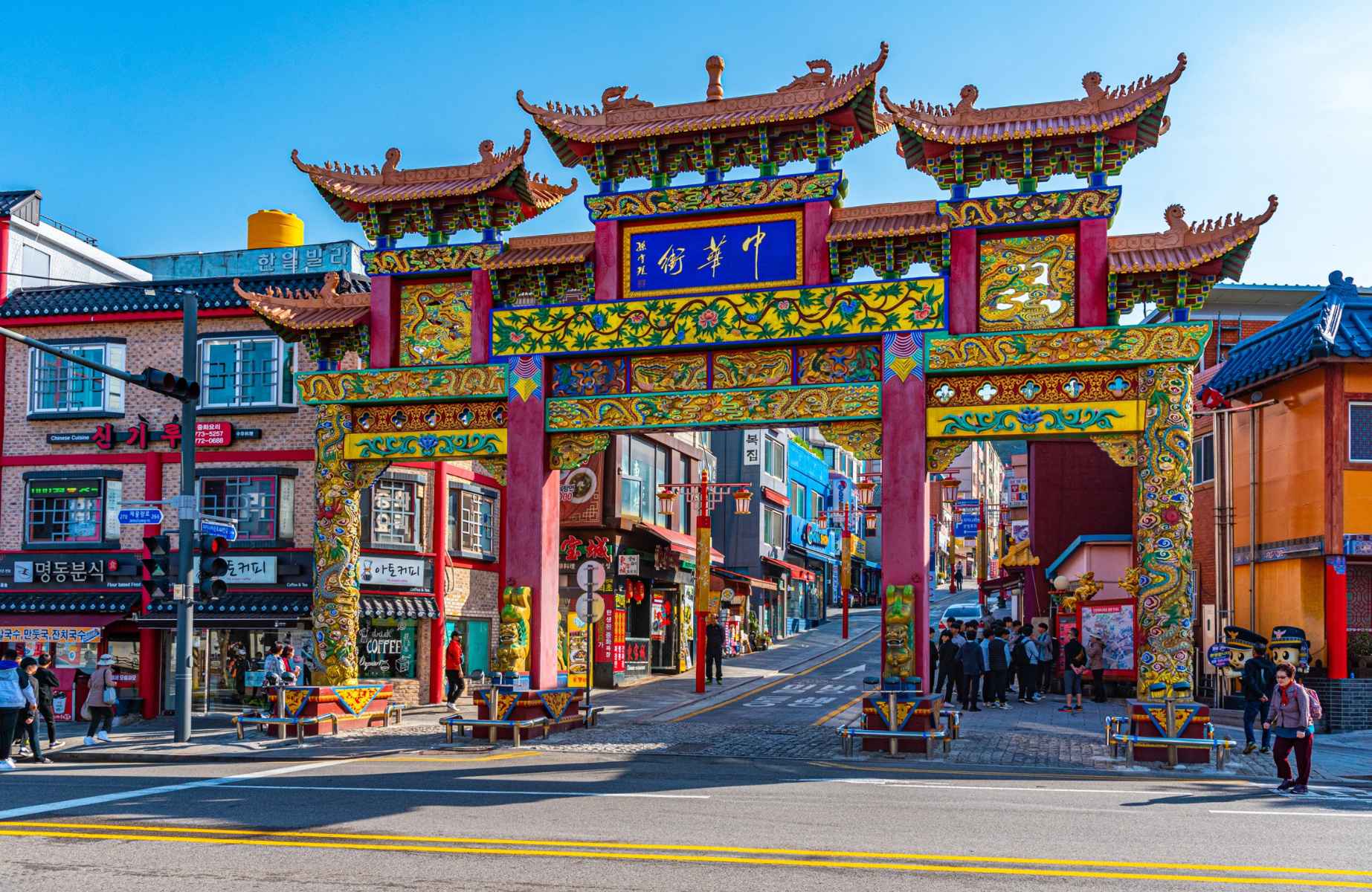
Incheon Chinatown
In Incheon Chinatown, the story of Incheon as a port city comes into sharp focus. Established in 1884 following the opening of the port, the neighborhood grew as Chinese merchants settled in the area, bringing with them not only goods but culinary traditions that would leave a lasting imprint on Korean dining. Among them is jjajangmyeon — noodles in a rich black bean sauce with pork and vegetables — now a national staple, much as General Tso’s chicken has come to represent American Chinese cuisine.
The origins of the dish can be traced back to these streets, where its history is now preserved at the Jjajangmyeon Museum, housed in the former Gonghwachun restaurant where it first gained popularity.
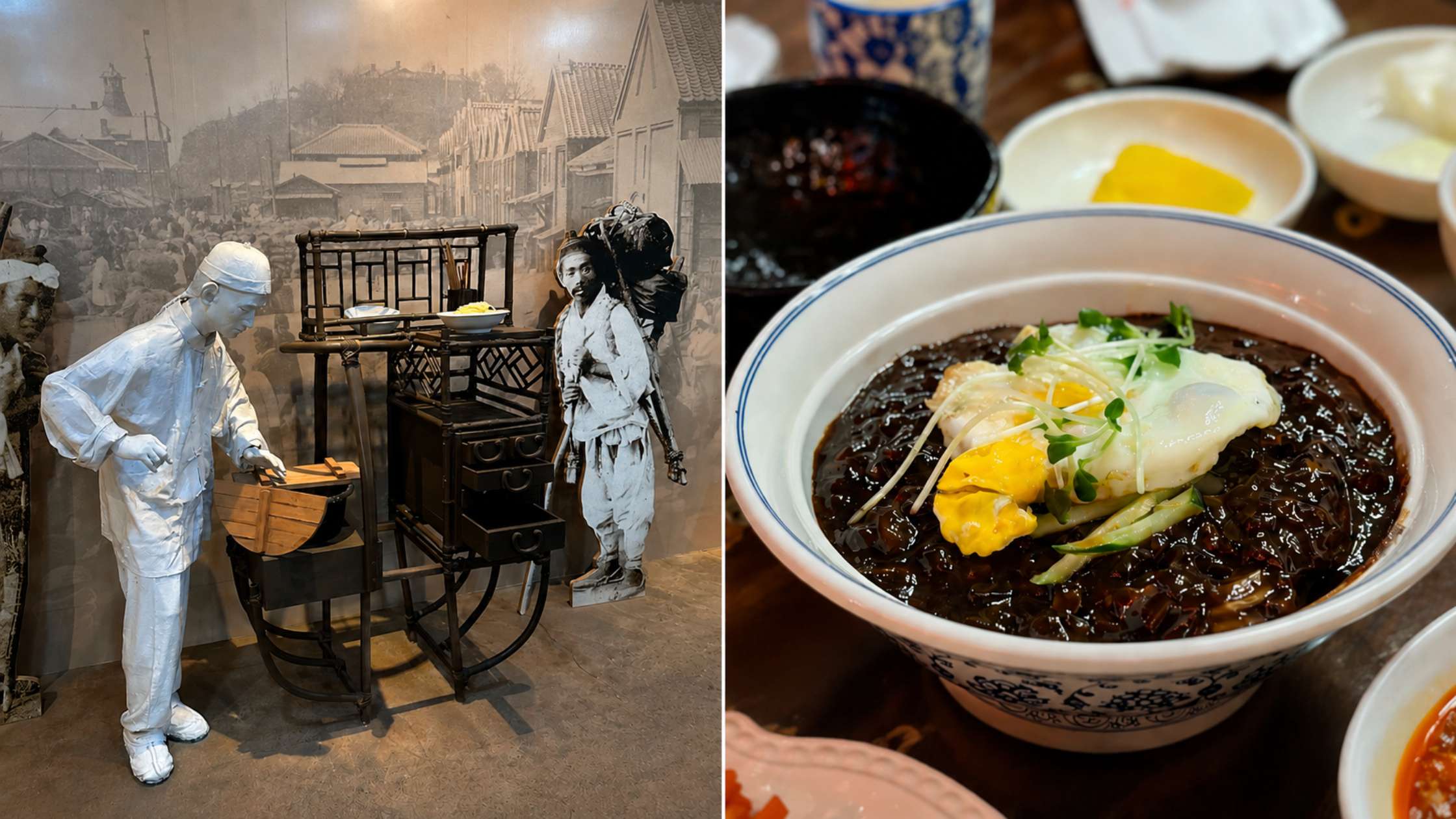
That lineage continues through historic establishments such as Sineung Banjeom, operated by the granddaughter of Gonghwachun’s founder Woo Hee-gwang, and Junghwaru, a nearby institution that has stood as a quiet rival since 1918.
From these beginnings in Incheon, Korean-style Chinese cuisine has since evolved across the country, including in Seoul, where contemporary interpretations can be found at MICHELIN-selected Chinese restaurants such as Haobin and ALT.a, the latter offering a vegan take on the tradition.
Incheon’s role as a gateway city is further reflected in the former Daebul Hotel, Korea’s first Western-style hotel. Today a museum, it recalls a time when Incheon received foreign merchants and visitors at the height of its early international exchange.
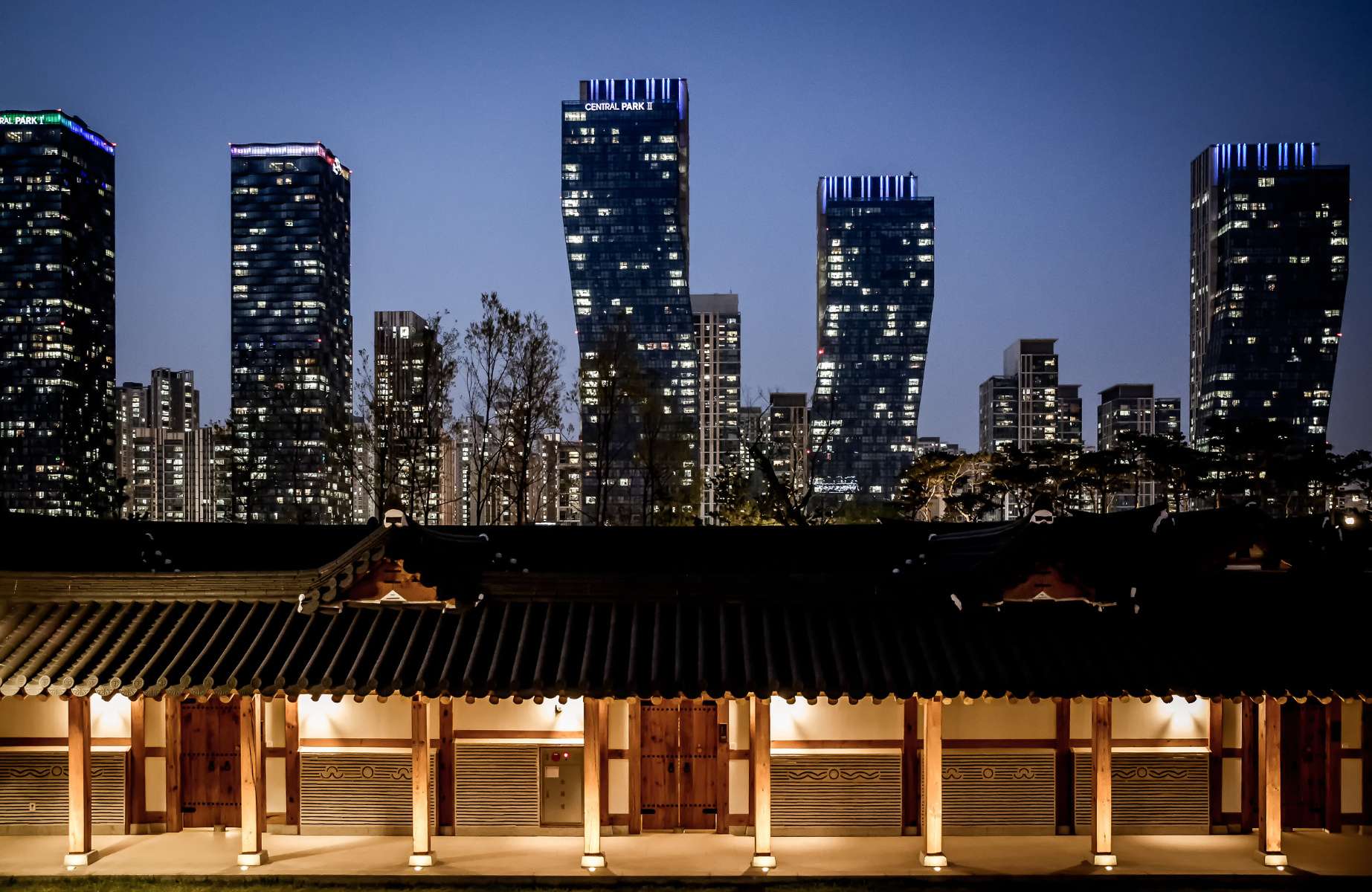
Songdo
If Incheon Chinatown reflects the city’s past, Songdo represents its forward-looking vision. Built on reclaimed land along the waterfront, this planned district offers a different rhythm — one defined by wide boulevards, glass towers and carefully designed green spaces. At its center, Songdo Central Park provides a focal point for daily life, where visitors can take to the water on duck-shaped boats or walk along canals inspired by European cities.Within Songdo’s modern grid, Songdo Hanok Village introduces a quieter note. The hanok-style complex brings elements of traditional architecture into the present, offering a brief shift in pace within the district’s otherwise contemporary landscape.
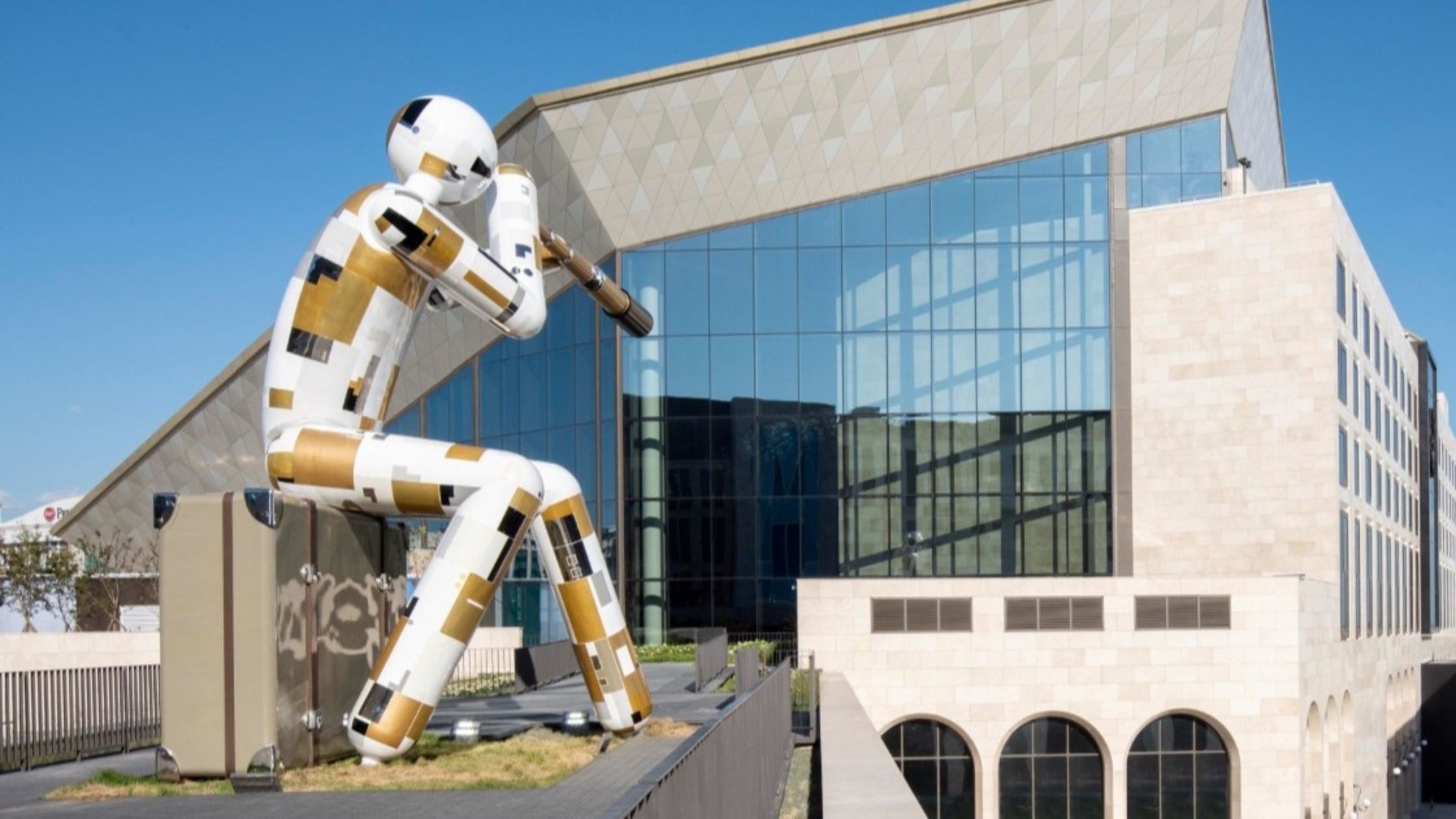
Paradise City Incheon
Just minutes from the airport, Paradise City Incheon presents itself as a destination in its own right. True to its name, the expansive integrated resort spans a vast complex, bringing together contemporary art, design-forward spaces and a wide range of leisure offerings, from indoor and outdoor installations to dining and entertainment. Even for those in transit, it offers a compelling reason to pause — whether for a few hours or an overnight stay.For those with only a few hours between flights, the resort’s state-of-the-art jjimjilbang (bathhouses) provide a restorative pause, offering spa facilities, saunas and quiet spaces to reset before continuing onward. It’s a distinctly Korean form of relaxation, reimagined within a contemporary setting.
Within the complex, Art Paradiso offers a more intimate experience. As a boutique adults-only hotel, it caters to travelers seeking a quieter, more design-led stay — an alternative to the scale and energy of the main resort, and a setting suited to a more private escape.
Where Else to Stay
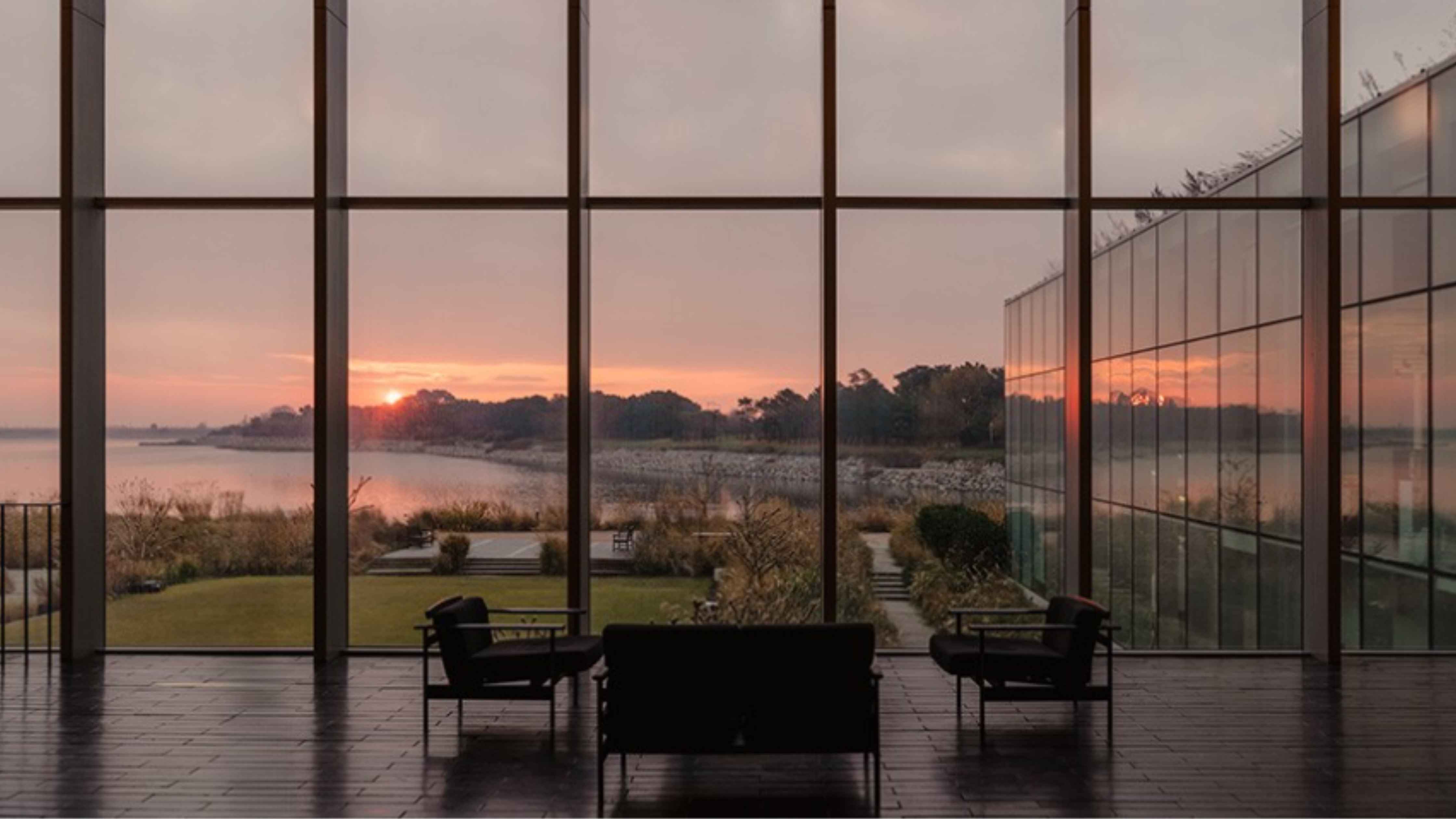
Beyond Paradise City, Incheon’s hotel landscape continues to reflect its dual identity as both gateway and destination. There are two MICHELIN-selected options: Grand Hyatt Incheon, located near the airport, offers ease and efficiency for travelers in transit. Its spacious rooms, large-scale facilities, and direct proximity to the terminals make it a practical yet polished base.Further along the coast on Yeongjong-do, around 15 minutes from the airport by car, Nest Hotel Incheon takes a markedly different approach. Set against quiet shorelines and reed fields near the water, the hotel has built a reputation around wellness-oriented spaces, contemporary architecture and a stronger connection to the surrounding landscape.
Its layered, symmetrical design was conceived to maximize views of the Yellow Sea and nearby pine forests, while guest rooms are filled with natural light through subtly angled floor-to-ceiling windows. Warm natural materials, expansive sea views and quieter communal spaces create an atmosphere that feels removed from the pace of the nearby airport district.
Ganghwa Island
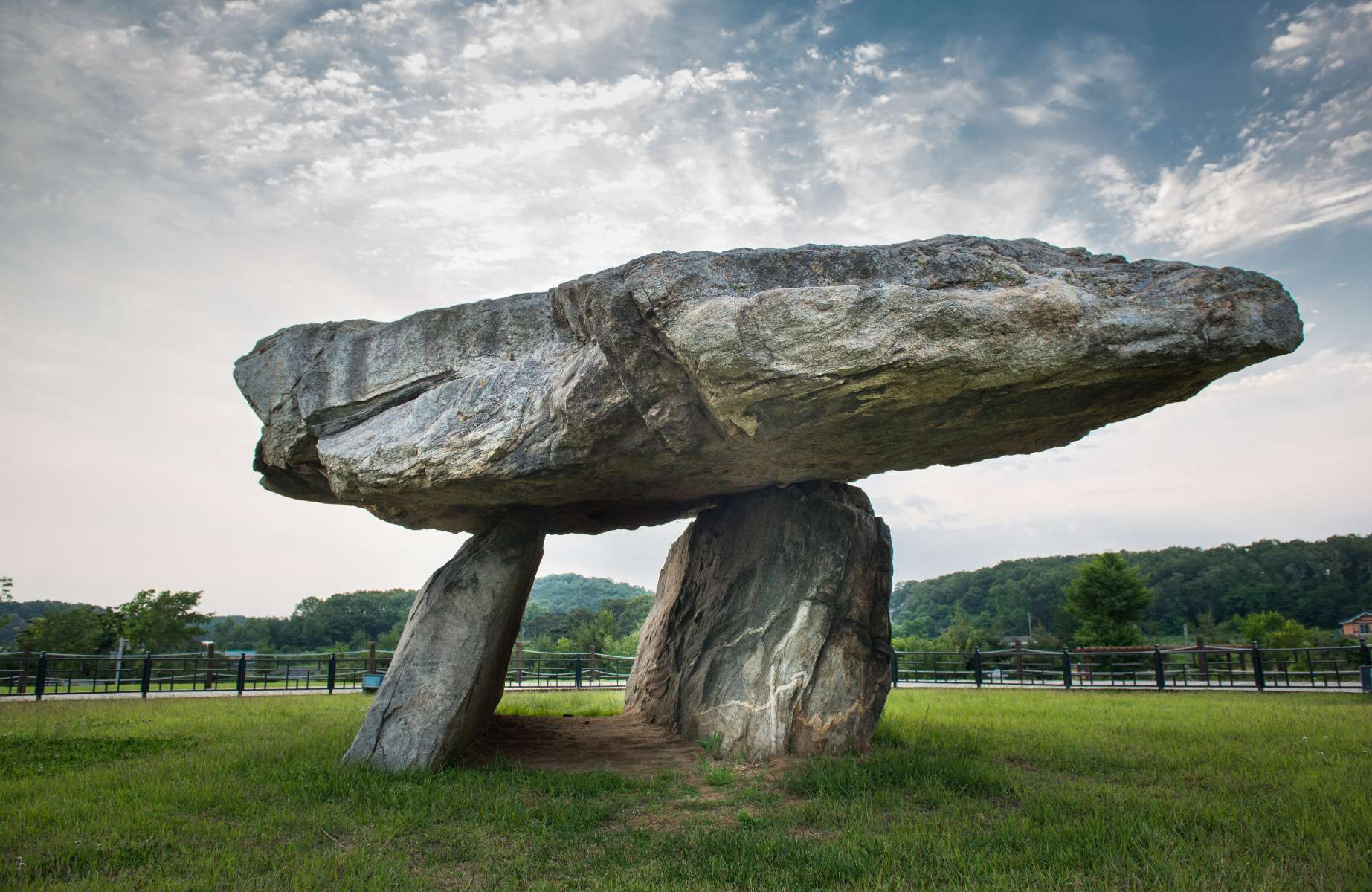
Further from the city center, Ganghwa Island offers a different perspective on Incheon — one shaped by history, nature and distance from the pace of urban life. The island preserves traces of Korea’s prehistoric past, set against wide landscapes that feel far removed from the mainland.Korea is home to more than 30,000 dolmens — prehistoric stone tombs — accounting for nearly 40% of the world’s total. Among the UNESCO-listed sites designated in 2000, Ganghwa’s remaining 150 dolmens include the notable Bugeun-ri Jiseokmyo.
Among its cultural landmarks, the island is home to Jeondeungsa, a Buddhist temple dating back to the fourth century, where layered wooden structures and quiet courtyards speak to centuries of continuity. Elsewhere, small museums and repurposed spaces — such as a textile factory transformed into a café — reflect a more contemporary engagement with the island’s heritage, offering moments of pause between historical sites.
Taken together, these elements position Incheon not simply as a point of transit, but as a destination defined by movement — between past and present, city and coast, arrival and return.
Related Articles:
Hero image: Architectural details in Incheon Chinatown reflect the neighborhood’s long history as one of Korea’s earliest sites of Chinese settlement and cultural exchange. © Shutterstock/03chanchoi