11 July 2025
Share


With well-preserved temples, shrines and lush parklands, Nara is a city where history and nature coexist, all within a compact and walkable area. Go a short train ride further afield, and visitors encounter a side of Japan that hasn’t yet realized it’s in the 21st century.
Nara was established as Japan’s first permanent capital in 710, serving as the political and cultural heart of the nation. The capital was moved to Kyoto in the late 700s as the government grew wary of the increasing power of Nara’s Buddhist clergy, and the region was relegated as a haven for nature and mysticism.
As a result, Nara was spared many of the conflicts that plagued strategic locations over the centuries, and many of the city’s architectural treasures survived intact. Nara’s legacy endures with an impressive collection of historic and cultural landmarks, and today it’s a quaint but lively city whose image has transformed thanks to its iconic, cute four-legged residents.
Food Culture with Tasteful Traditions
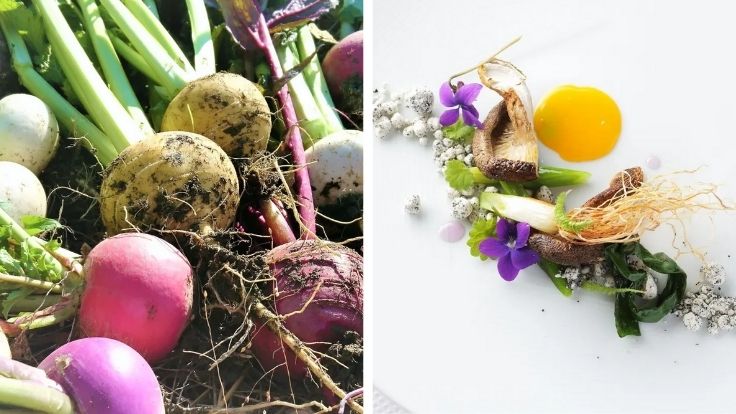
Nara became a stronghold for Buddhism in the sixth century, and temples and pilgrim lodgings began perfecting shojin ryori — a traditional vegetarian cuisine that emphasizes compassion for all living things. Today, keeping touch with modern gastronomy, Nara now boasts a surprisingly high number of MICHELIN-Starred restaurants. And with rent and operating costs lower than in larger neighboring cities like Kyoto and Osaka, it isn’t hard to see why Nara attracts the kind of chefs who devote themselves to their craft above all.
Rich in natural resources and with a long history of cultivating high-quality produce, the area is appealing to chefs who are particular about their ingredients. Nara is very proud of its local meat and produce brands, which must meet stringent certification standards to be labeled “Yamato,” taken from Yamato Province, the former name for Nara Prefecture. Examples include premium Yamato beef and Yamato pork, as well as vegetables known as Yamato Yasai.
Sightseeing and Spiritual Legacy in Nara Park
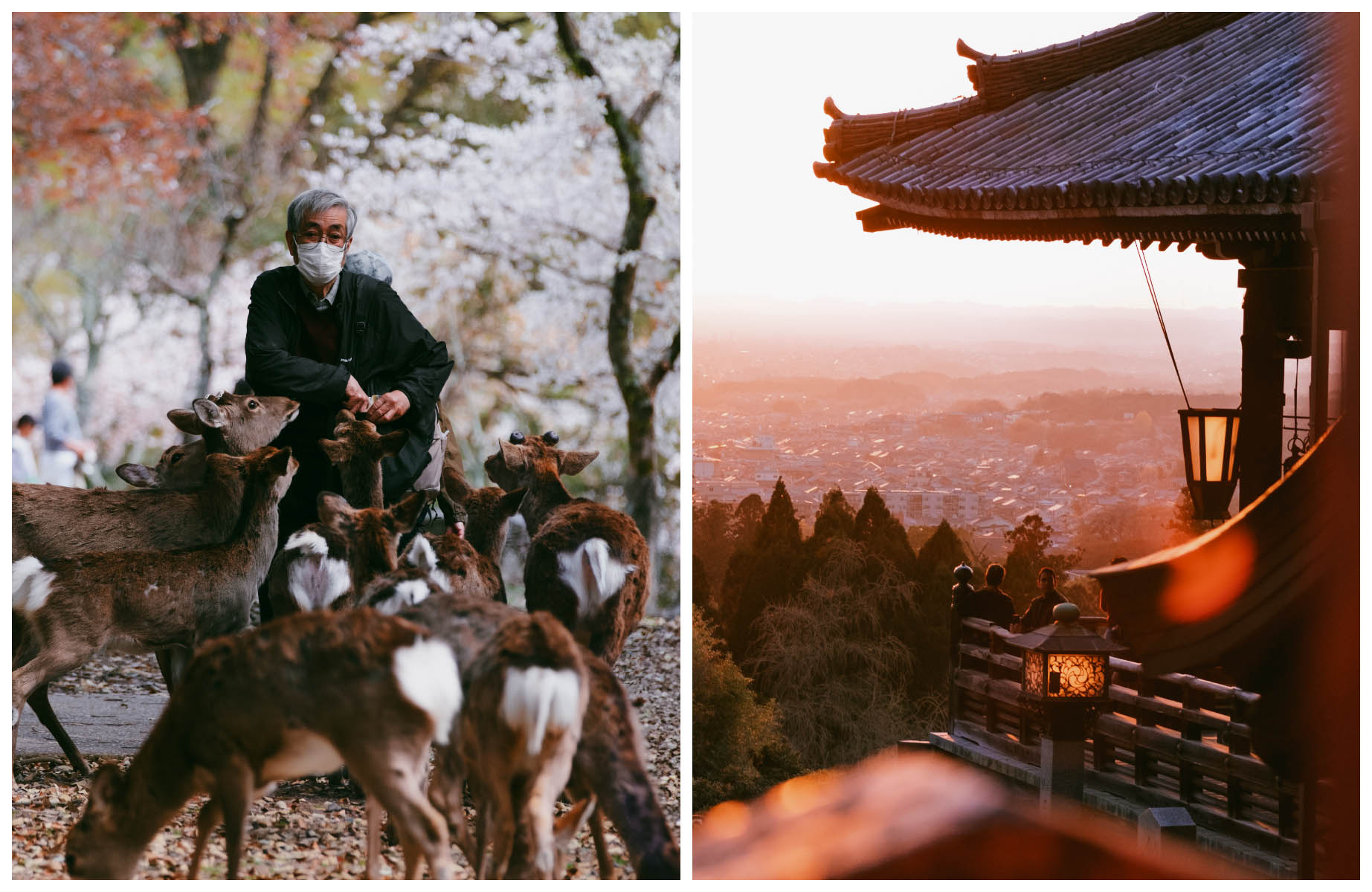
One of Nara’s most iconic sights is the free-range deer that make their home in Nara Park, a sprawling green oasis in the heart of the city. Considered sacred messengers in Shinto tradition, more than 1,000 of the animals wander freely throughout the park. Enjoy interacting with the deer, taking photos and feeding them special crackers available for purchase around the park.
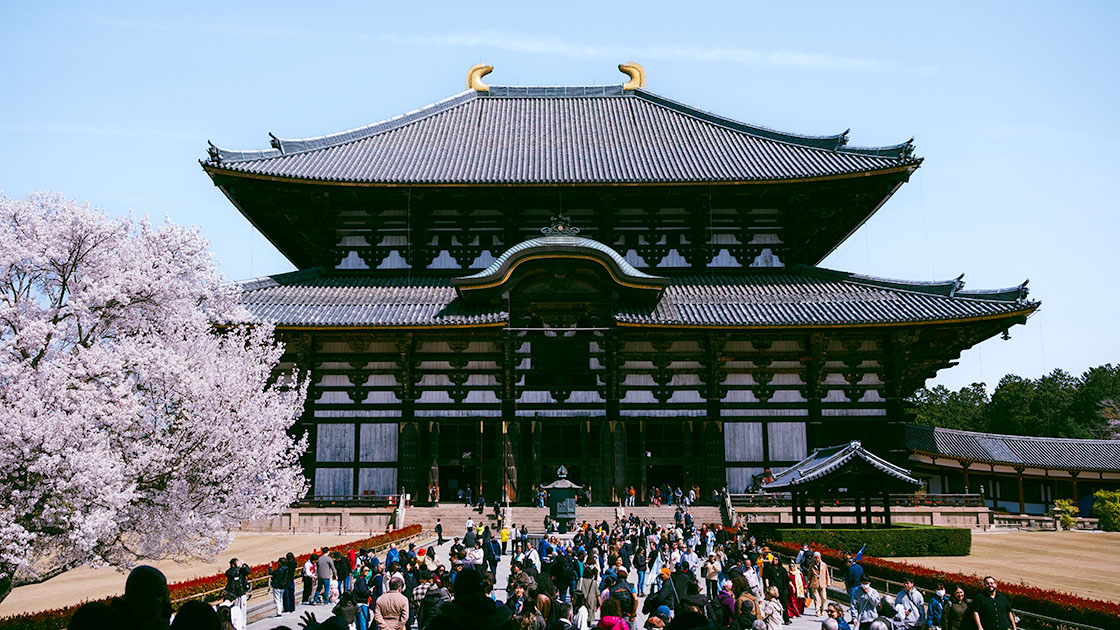
Make time to explore the magnificent cultural sites nearby. Sitting in the northern part of the park, Todai-ji Temple is considered the most important of Nara’s great temples and should be on every visitor’s list. Most notable among the other points of interest is the Nara Daibutsu, a massive bronze statue of Buddha situated within the Daibutsuden, one of the world’s largest wooden structures.
Nearby, the vermilion and white Kasuga Taisha shrine presents a different spiritual atmosphere. Set within an ancient forest, the approach to the shrine is lined with stone and bronze lanterns, which are illuminated during biannual festivals. The garden near the shrine is particularly lovely when the wisteria (late April to May) and irises (early June) are blooming.
Where to Stay Near Nara Park
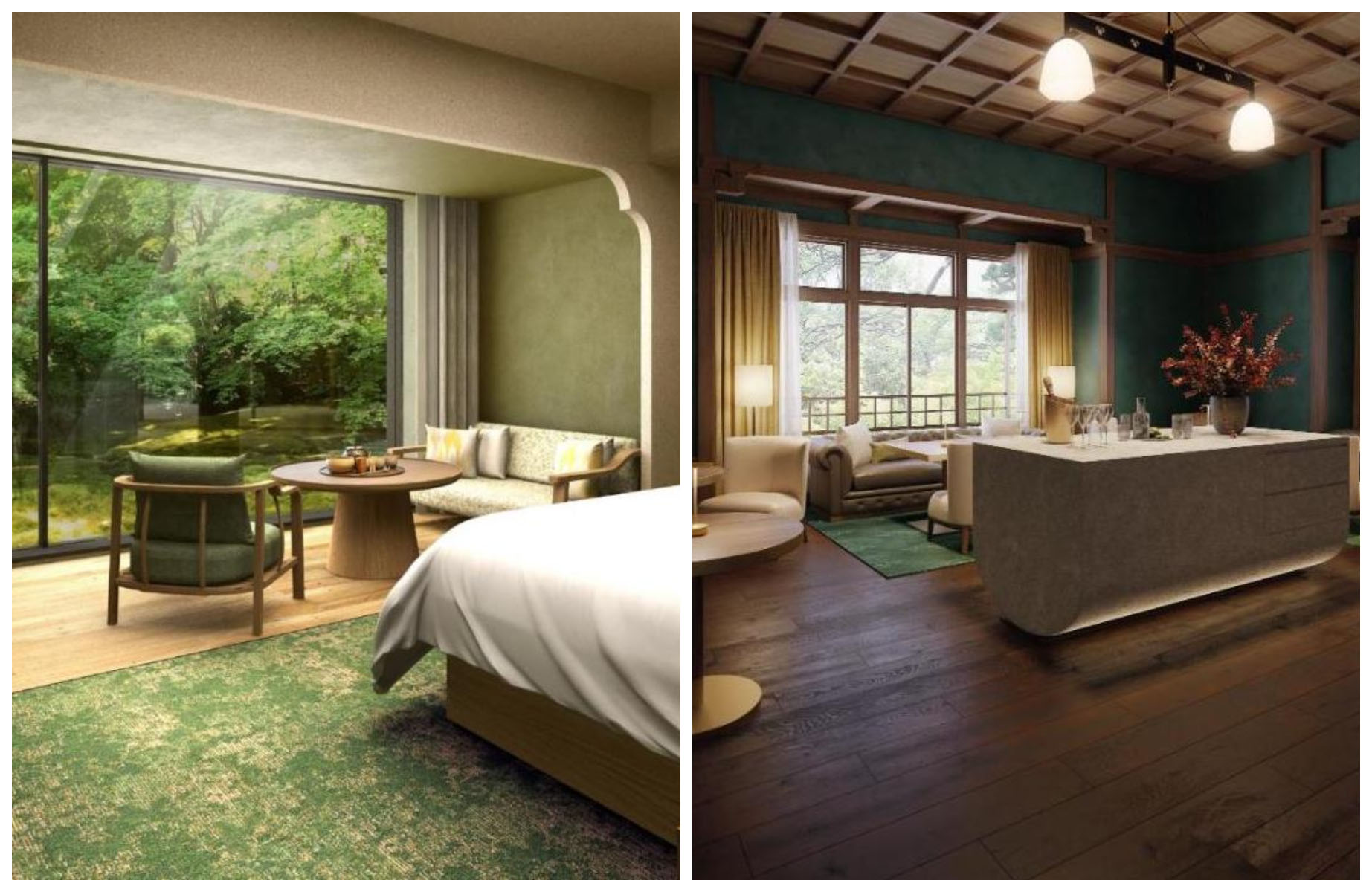
In the heart of Nara Park, a strip of accommodations cloister VIPs into luxury ryokan and hotels at the foot of Mount Wakakusa. Chief among these is Villa Communico, selected by The MICHELIN Guide as both a hotel and a One-Star restaurant. The concept began as restaurant Communico by Chef Daiki Horita and reopened in 2024 as a gastronomic auberge. The stay offers full attention to Nara’s local ingredients while calling back to the chef’s training in Italy. Sleep in one of just five rooms, each themed after an element of nature.
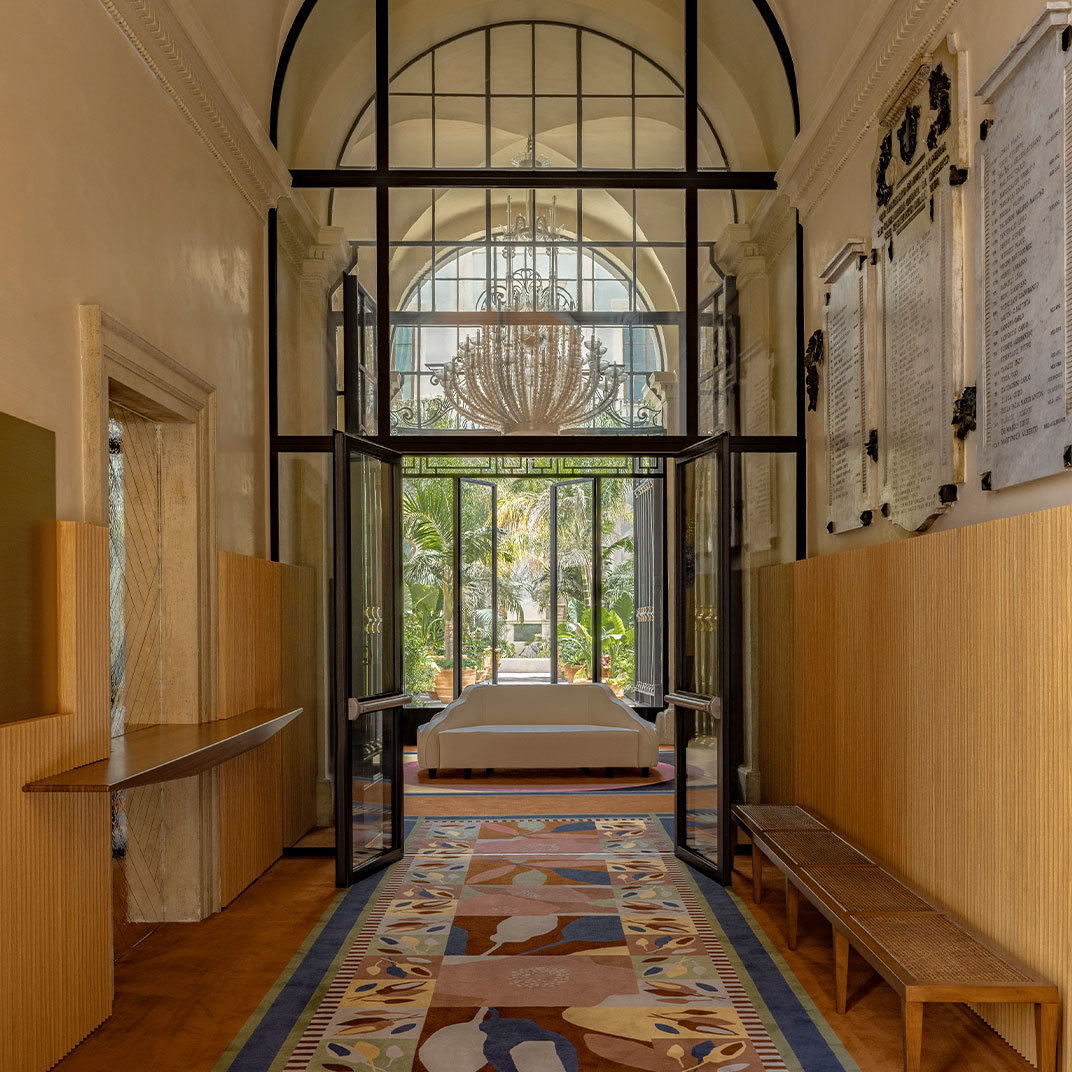
For somewhere with better on-foot access, consider Shisui, a Luxury Collection Hotel, Nara. It’s located on the outskirts of the park, but still close enough to nature for a glimpse of the deer. Hidden behind its old-fashioned facade, rooms recast Nara in modern hues. Formerly the site of the Nara Prefectural Governor’s Office, much of the original 1920s architecture has been preserved in the reception and lobby areas, complemented by a contemporary wing housing the guest rooms.
Facilities include a restaurant, sushi bar, gym and spa. A highlight is the daily champagne hour, when guests are treated to complimentary drinks, including non-alcoholic options, at Saryo Zeze, an atmospheric teahouse that was converted from a former temple building.
Where to Dine Near Nara Park
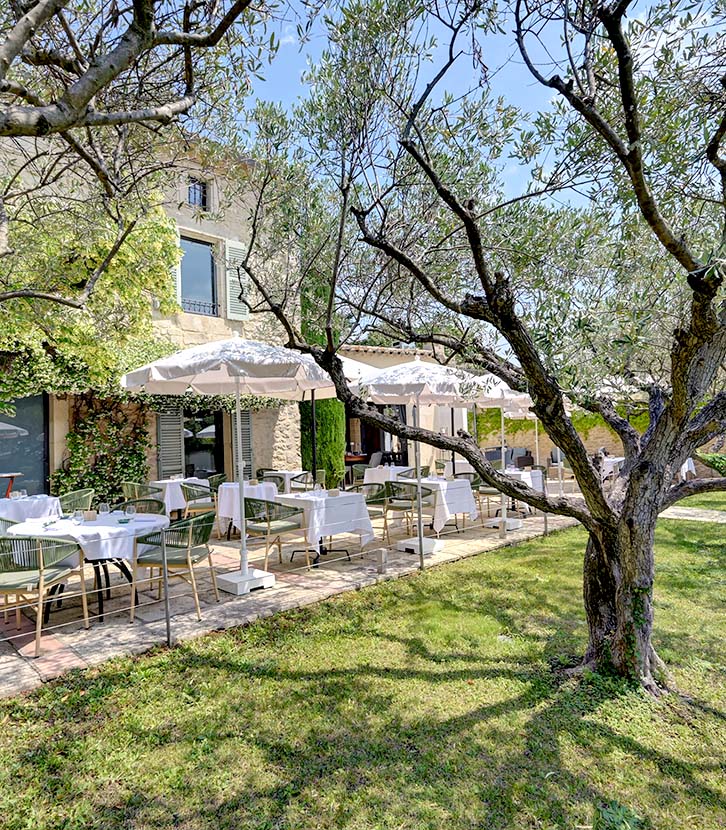
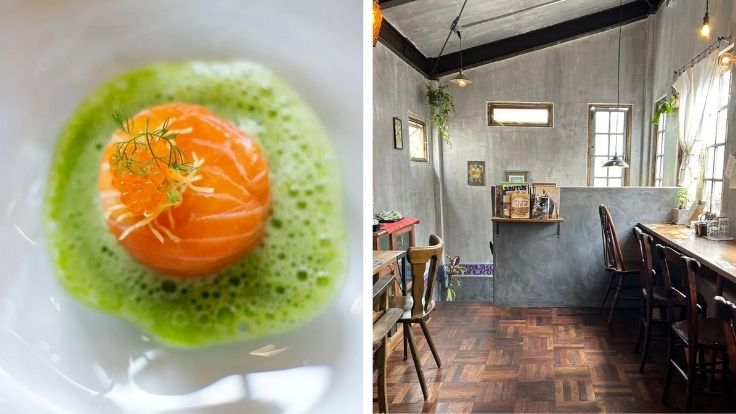
A comfortable walk from any of the major attractions in Nara Park, including the 150-plus-year-old Nara National Museum, Chef Hiroshi Kawashima’s Two-Star akordu enchants guests with a narrative that bridges Basque and Japanese cuisine. His venture lives by the phrase “locally produced and locally consumed.” Diners taste their way through the chef’s personal memories while gazing at what looks like a private backyard — giving the meal an unmistakable hint of hominess.
A few blocks over, toi Inshokuten, which means “trip of imagination,” reinforces Nara’s status as a storybook town. Here, “a land far, far away” means India, and the food is based on thali meals in a teishoku format familiar to Japan. This Bib Gourmand is a formidable lunch option that offers an interesting retrospective on Nara’s Buddhist history.
Town Life in Nara City
Naramachi
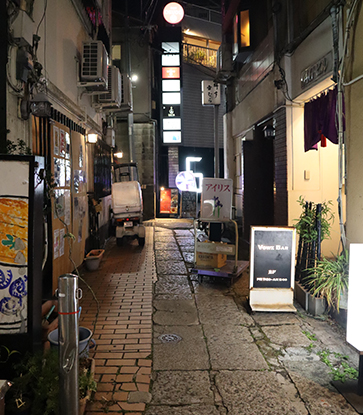
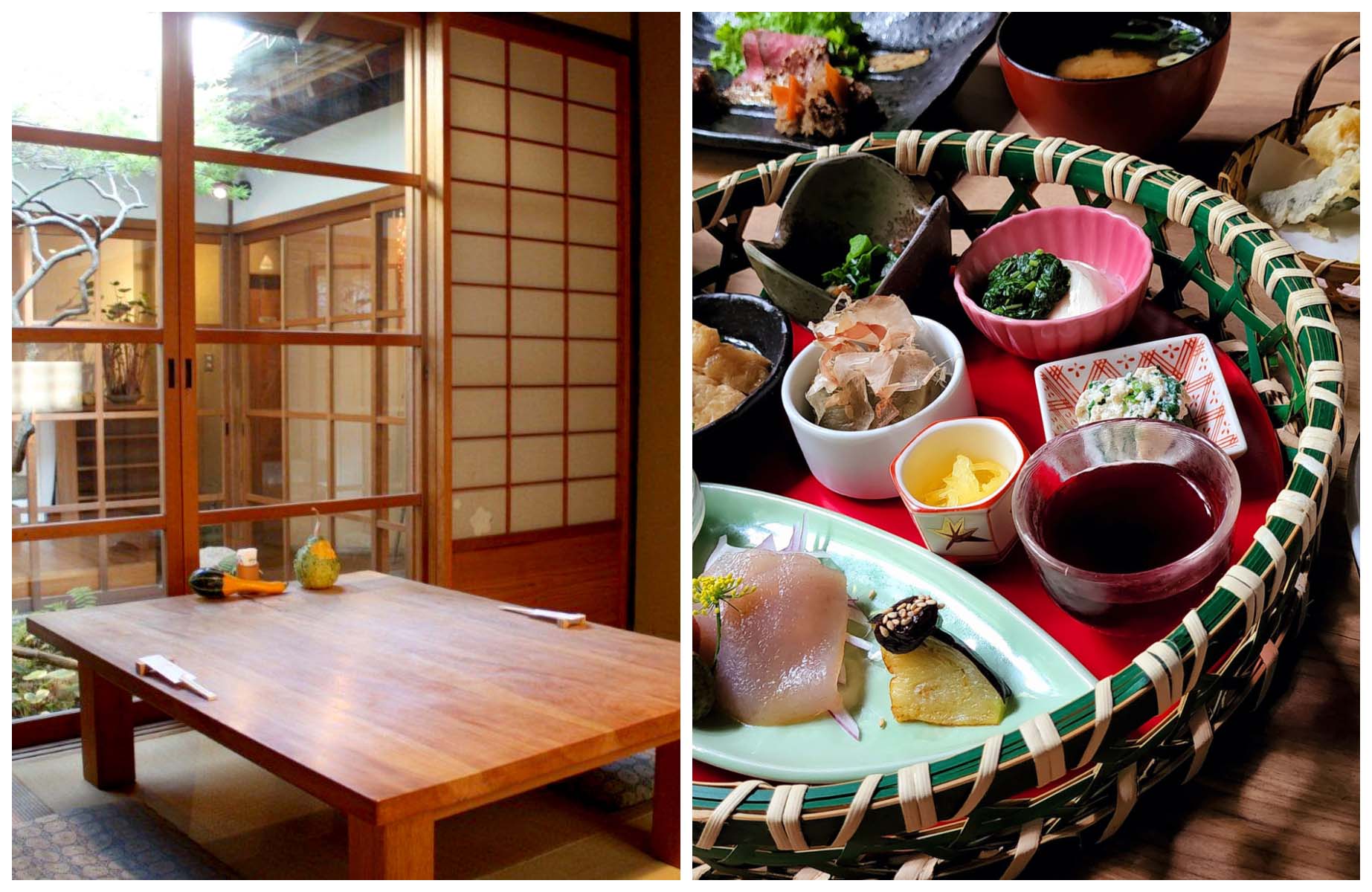
After the park, explore a part of Nara that many visitors never discover: Naramachi, a historic district that retains its traditional atmosphere with narrow streets lined with machiya (townhouses) dating back to the Edo period (1603-1868). Visit restored residences, intriguing museums and shops selling handmade goods. Gain insight into Nara’s historical merchant culture while experiencing a quieter side of the city. While in the area, pay a visit to Naramachi Yotsuba, a pottery shop featuring work by contemporary artists that embody the quaint storybook town.
When it comes to drinking and dining near Naramachi, start with an aperitif of local sake at Harushika sake brewery and store before tucking into dinner at Awa Naramachiten, an offshoot of Kiyosumi no Sato Awa. The MICHELIN-selected restaurant also holds a Green Star for pointed use of local Yamato vegetables that connect kitchen to soil. The farm-to-table restaurant, set in a restored traditional machiya, features kaiseki meals prepared with local vegetables, grains and meat, with a commitment to preservation of local food culture and sustainable farming practices.
Shin Omiya Station and Nara Station
In the heart of the city, Nara takes on a more modern atmosphere, and it is here that visitors will find the luxuries of convenient everyday life. Even so, the town is a bit sleepy. High-rise buildings are mostly hotels with the occasional office, but its understated charm is part of Nara's appeal. Take time to see at least one of the ancient burial mounds — key-shaped tombs housing former emperors and the like — and enjoy shopping at small businesses like Kurumi no Ki, which sell everything from local jams to home goods.
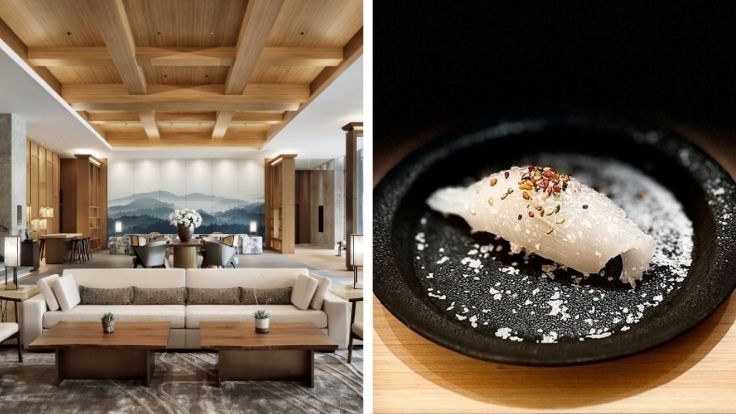
The One-Key JW Marriott Hotel Nara is an obvious choice for those who want to stay close to Nara station. The first of its kind in Japan, the JW Marriott keeps a low profile that fits the city, housing just 158 rooms. Each of these is designed as an homage to the natural materials and deep history that characterize the ancient capital.
For a meal nearby, have dinner at Shikinosushi KROUTO, a rare occasion to sample sushi that straddles both Kansai and Kanto (better known as the essential Edo-mae style) sushi canons. The chef handles over 200 varieties of fish a year, making good on the word for "seasons" in the restaurant's name. Aging and marinating techniques are employed to enhance the fish, while the impressive spread of small plates keeps things interesting.
Western Nara City
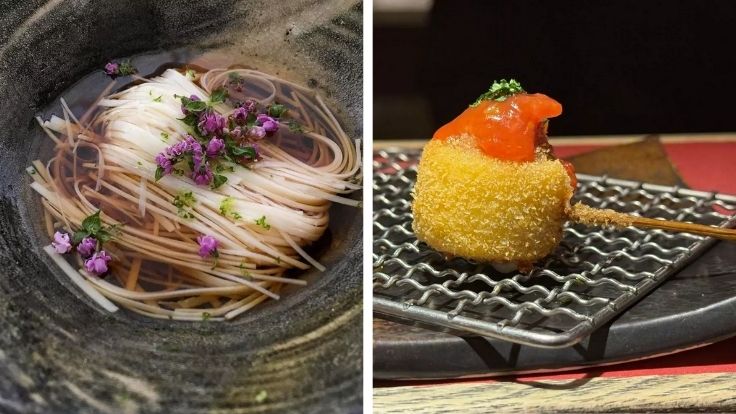
On the opposite side of town from Nara Park, visitors will find that the history museums have been supplanted by art museums with more pockets of nature between them. Further north, the Shohaku Art Museum combines art and park space overlooking Obuchi pond. After checking out the galleries, dine at nearby Ajinotabibito Roman. The One-Star Japanese restaurant is a family affair, where a passionate head chef is supported by his daughters in bringing out the core flavor from each ingredient with sincerity and devotion.
Even further afield, toward Ikoma-sanroku Park, which hedges in the other border of Nara City, Sosakukushinomise Rindo is a mouthful of a Bib Gourmand that serves eclectic takes on Kansai comfort food kushiyaki. The chef has a background in both Western and Japanese cuisine, and he uses his distinct talent in both to create a menu that keeps diners guessing. Nearby attractions include the Midorigaoka Art Museum for pottery and the retro Ikoma Sanjo Amusement Park. It’s free to look around, so go for a final dose of kawaii, Japan’s distinctive cute style, while you’re in the area.
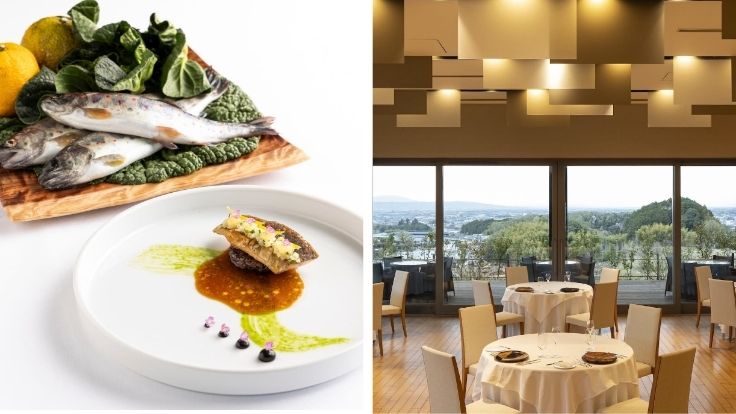
Take full advantage of Nara’s quiet hills and sprawling natural landscapes at AUBERGE de SENVIE, which celebrated both its first anniversary and MICHELIN selection in 2026. Located in Sakurai city, a 45-minute drive south of Nara city, the restaurant invites dedicated foodies to appreciate Nara’s local bounty in unadulterated forms. French technique is used as a vehicle to highlight inherent flavor and natural beauty.
More Notable Nara Restaurants
Chef Shojiro Shimizu opened NARA NIKON when he was just 32 years old. The Two-MICHELIN-Star restaurant honors the path of classical kaiseki. His years spent cooking in Gion and venerable ryotei are reflected in noble, steady dishes that exemplify his excellent sense of timing, from seasonality to serving temperature. The name “Nikon” recalls the Zen principle of living in the moment.
If you have time on the weekend and a rental car, journey to the original Kiyosumi no Sato AWA.This immersive farm restaurant leans on seeds collected and nurtured by Chef Miura himself. Plates full of heirloom vegetables tie the Miuras to Nara’s ancestral Yamato region and reflect their global explorations. The building and menu are classically Nara — idyllic and rooted in nature — though the four-legged friends wandering around are notably more caprine than those at the park.
Hotels in the Historical Heart of Nara
With so much to see and do in Nara, an overnight stay will allow you to experience the city on a deeper level. These centrally located Michelin hotels make ideal bases for exploring Nara at your own pace:
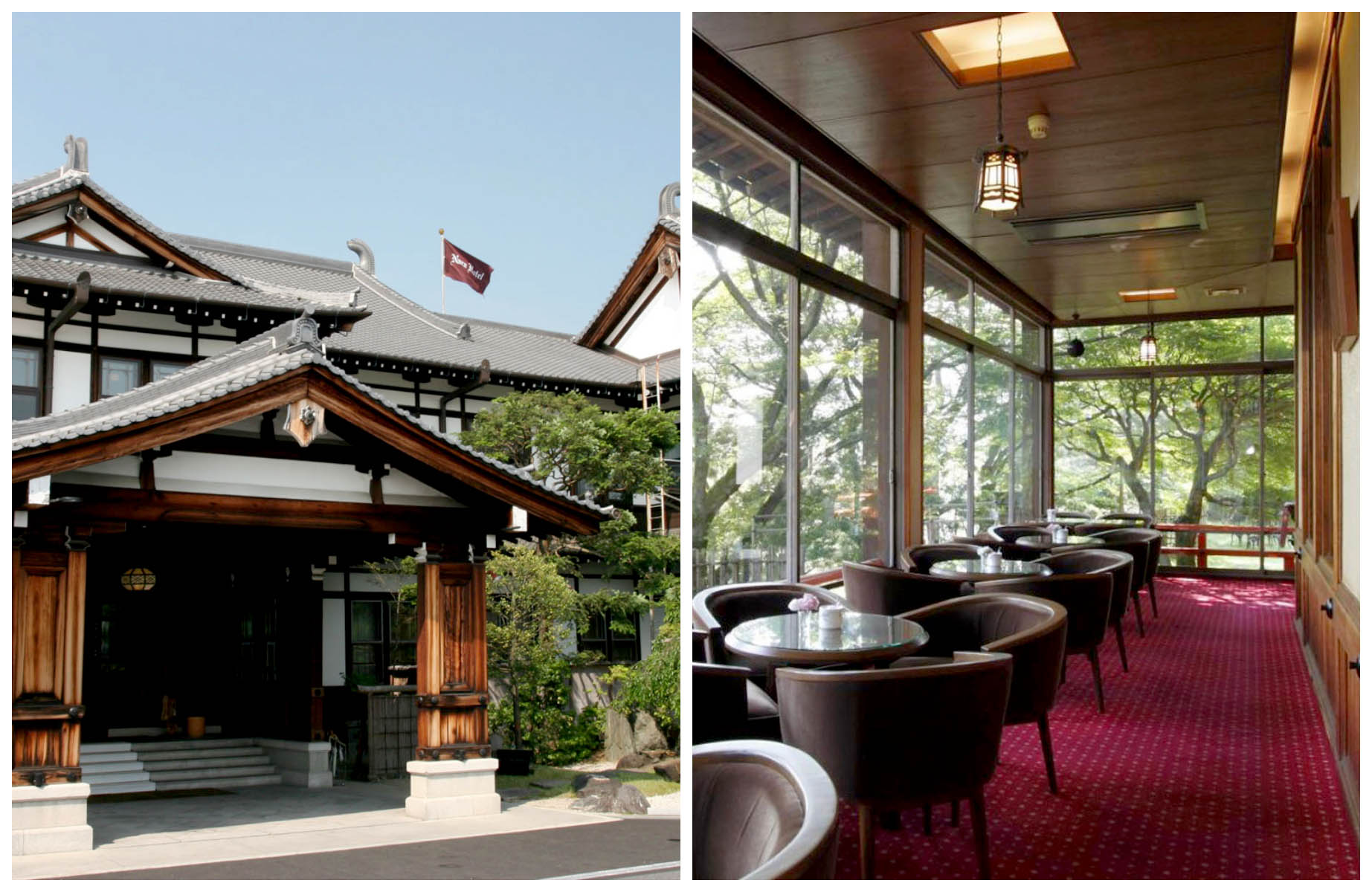
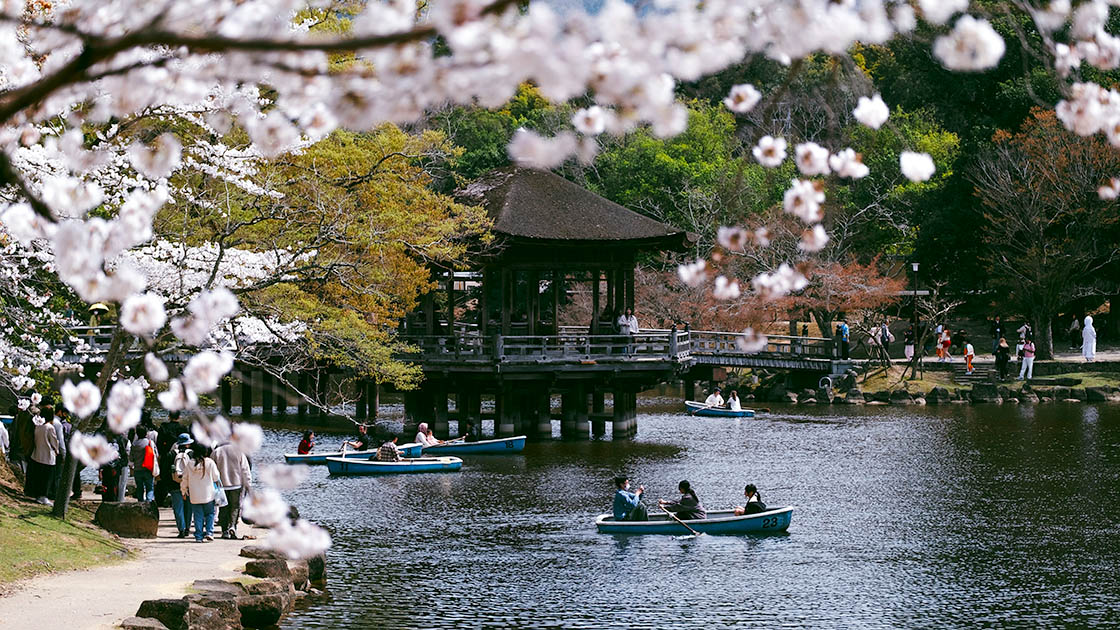
Established in 1909, the Nara Hotel draws on its proud heritage as one of the earliest Western-style hotels in Japan, serving as an important space for exchanging ideas and culture. Over the years, it has welcomed royalty, world leaders and celebrities. The guestrooms marry tasteful tradition with contemporary comfort, and dining options include French and Japanese cuisine, along with a classic tea lounge. Next to the hotel is the Former Daijoin Temple Garden, a peaceful traditional strolling garden centered around a lake.
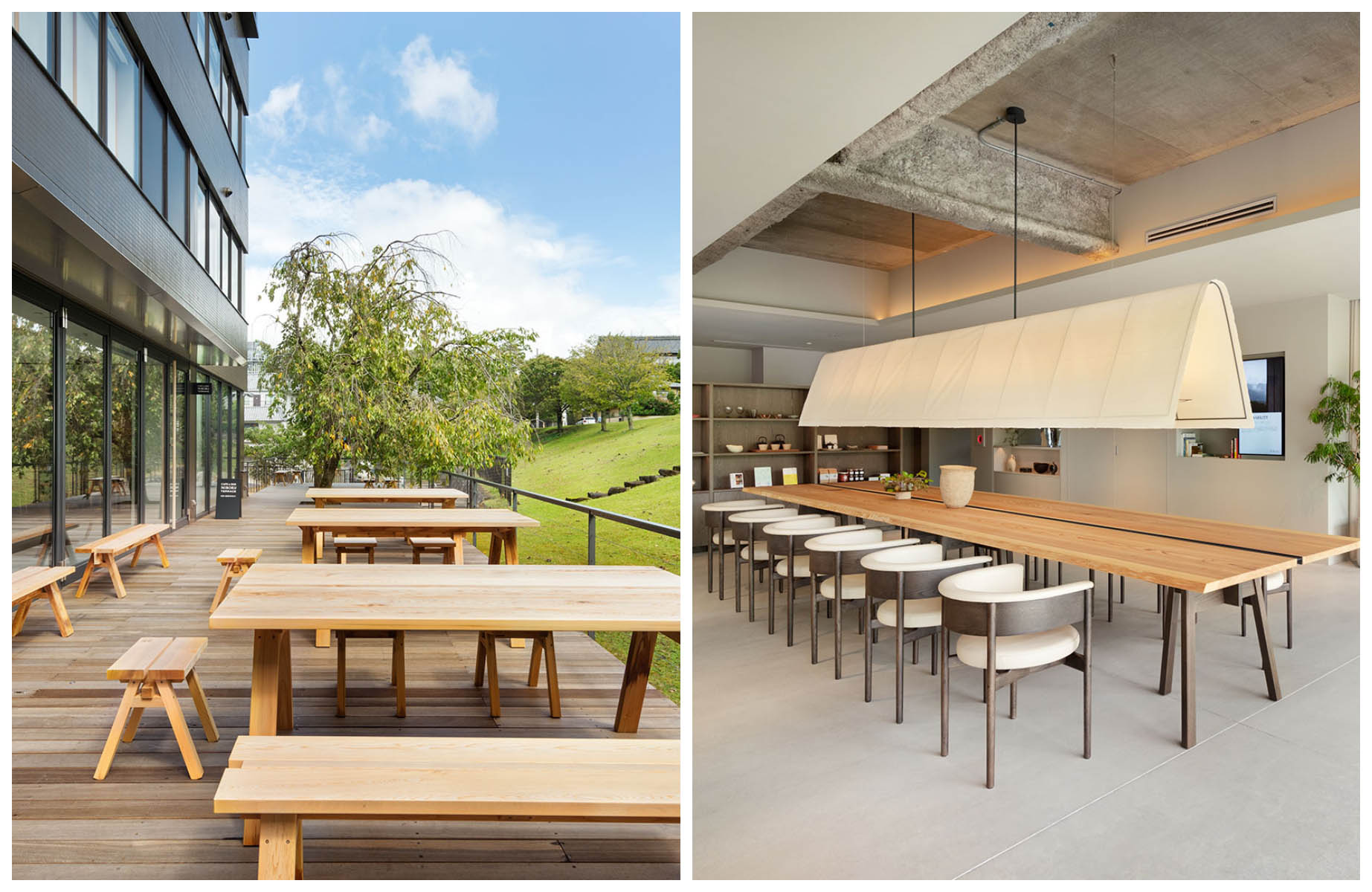
Miroku Nara by The Share Hotels offers a modern perspective on Nara, showcasing the work of young architects and designers. The café bar serves as a breakfast venue for guests in the morning and then as a welcoming space for both guests and visitors from mid-morning until late at night. Get a close-up view of Nara’s famous deer from the café bar’s terrace.
Related Articles:
Hero image: Todaiji Negatsu / © Colin Wee/The MICHELIN Guide