10 February 2026

Share


Nearly any destination — with inevitable corners of chaos and serenity, business and pleasure — can be described as a “land of contrasts.” When one of the greatest American writers of the 20th century, Tennessee Williams, came to New Orleans, he found a welcome twist on that travel writing cliche. Living in the French Quarter, just a few doors down from today’s Celestine hotel, the contrasts were less about the city than about himself: a St. Louis puritan inspired by the revelry of a city that was anything but.
"I found the kind of freedom I had always needed,” Williams told an interviewer in 1958, reflecting on “the wildness of the neighborhood and the shock of it against the puritanism of my nature.”
Of course, lesser writers than Williams will have no trouble playing the contrasts game with New Orleans. The Garden District, with its wide, tree-lined streets and Greek Revival mansions, is the gorgeous, verdant alternative to the iconic chaos of the French Quarter. And there are opposing elements to discover in the French Quarter itself. Outside the pulsing, cardiac event of Bourbon Street, quieter side streets and refined spots for drinking and dining await discovery for moments of breath and reflection.
The courtyard draped in greenery at the Celestine, on Toulouse Street perpendicular to Bourbon, is often one of them. Williams’ first home, at 722 Toulouse, is more or less the direct neighbor of the Celestine — perhaps that’s why he used it to sit for a television interview in 1974. Williams’ subsequent residence was just two streets down, making it easy to imagine him enjoying a break from his regular surroundings to take artistic inspiration at his favorite suite at the former Maison Deville.
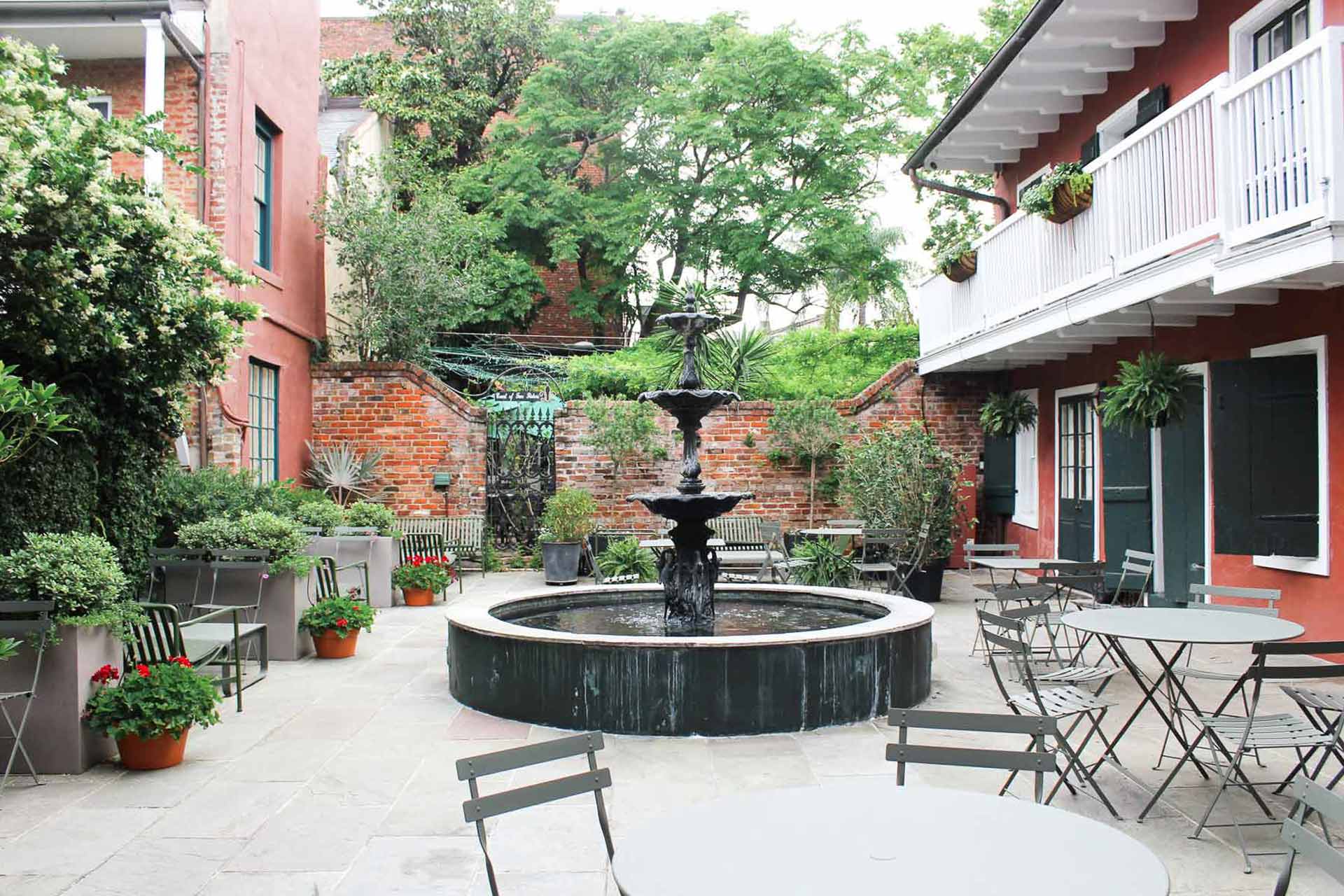
The Celestine, the latest version of the historic hotel, has converted that space into a coffee parlor in honor of Williams for any and all guests, from which they might sit and wonder, gazing out at the scenes that may have inspired him: the tiered stone fountain in the center of the old courtyard, the brick wall and stone tiling, and the 1791 home that became the hotel.
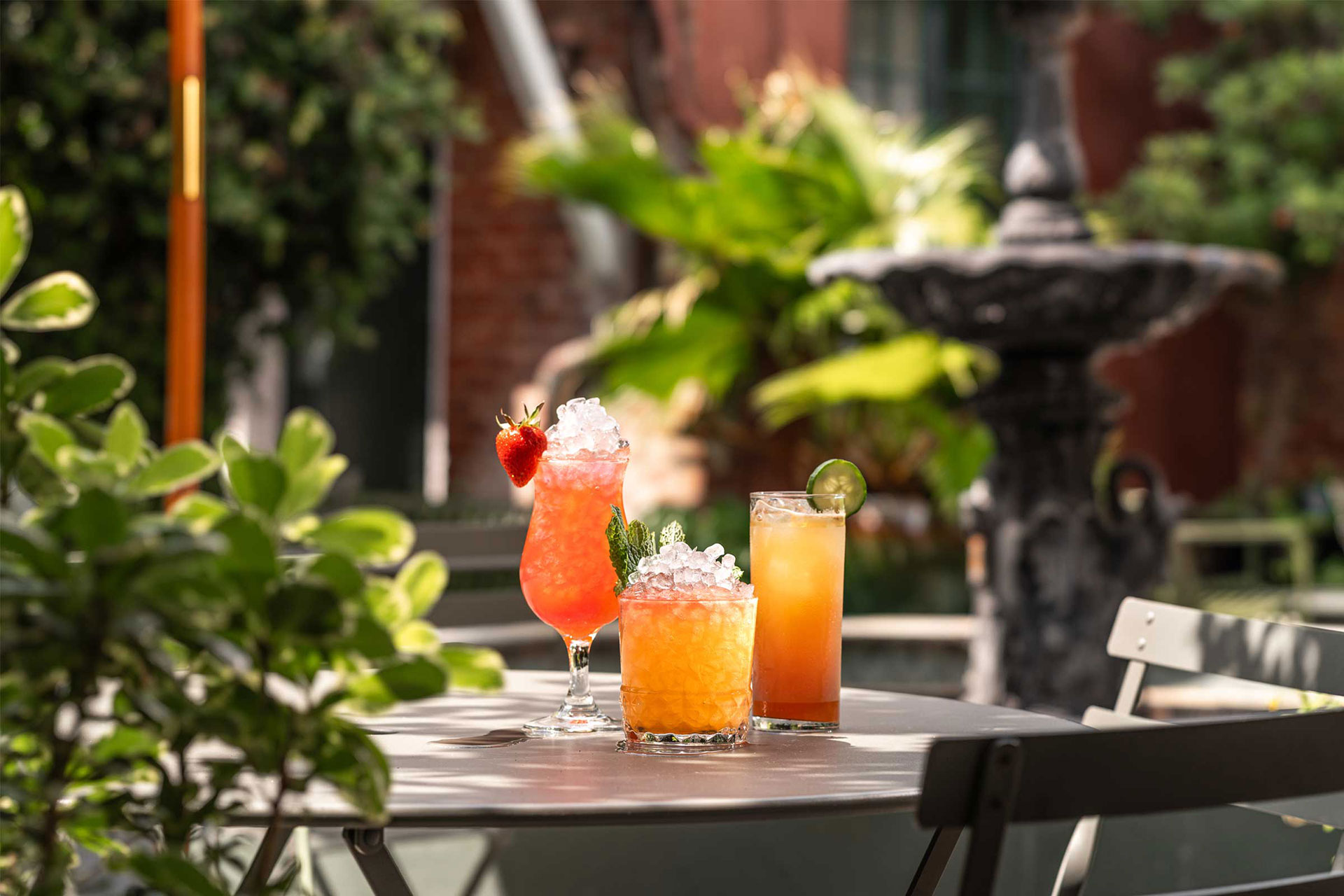
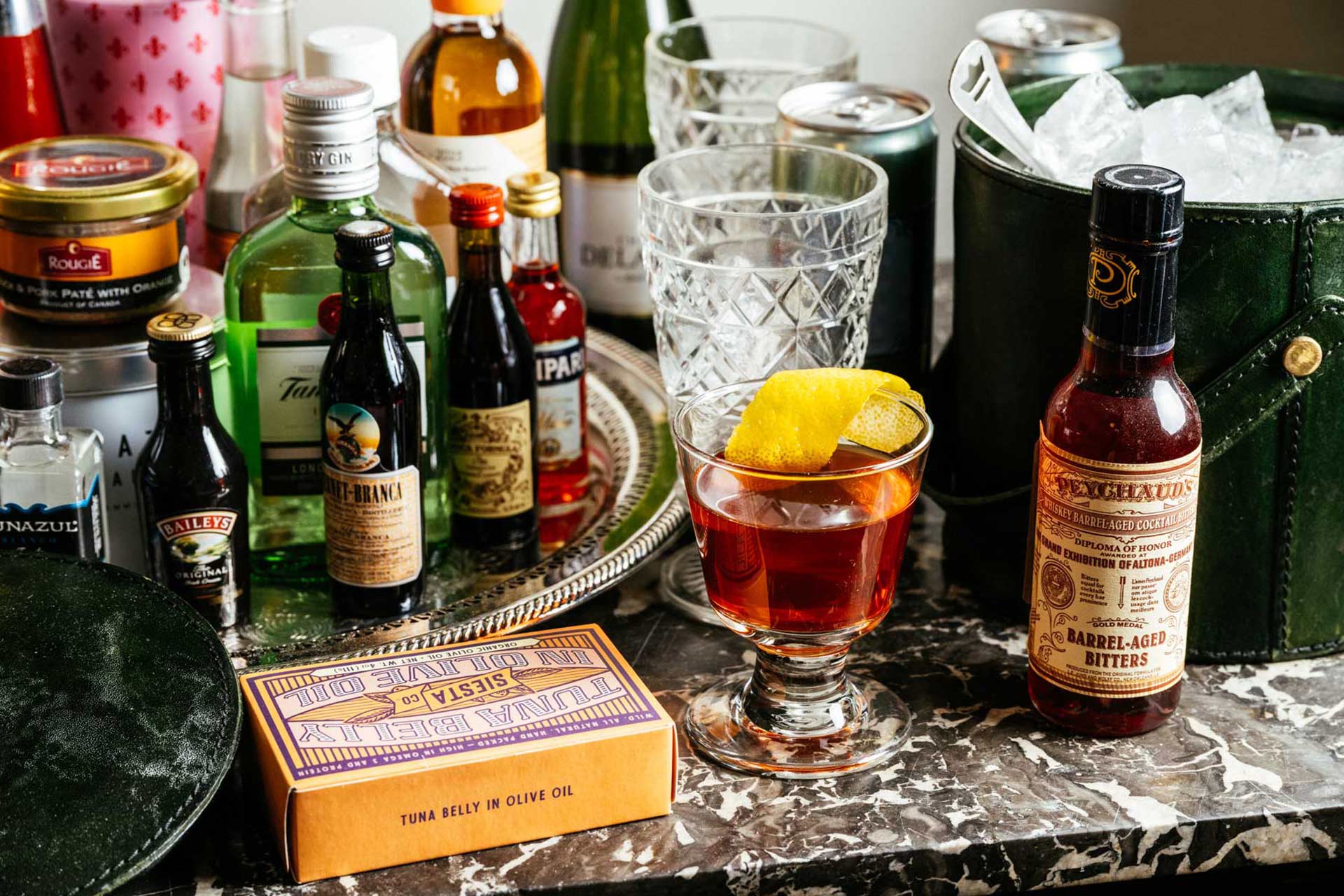
The courtyard, something like a private backyard garden a block removed from Bourbon Street, is still a dreamy space for a cocktail. Although it is a vibrant space befitting the neighborhood, on a weekday, you might even sit there and write, such is the calm relative to the rest of the neighborhood. A courtyard like this is by no means standard at a French Quarter establishment, more the purview of the old residences, a giveaway that the Celestine was once a family home. Built by the father of a famous nun — Henriette DeLille, now under consideration for sainthood — the building later housed Antoine Amédée Peychaud, founder of the Peychaud’s bitters instrumental to the creation of the famous Sazerac, and his wife, Celestine.
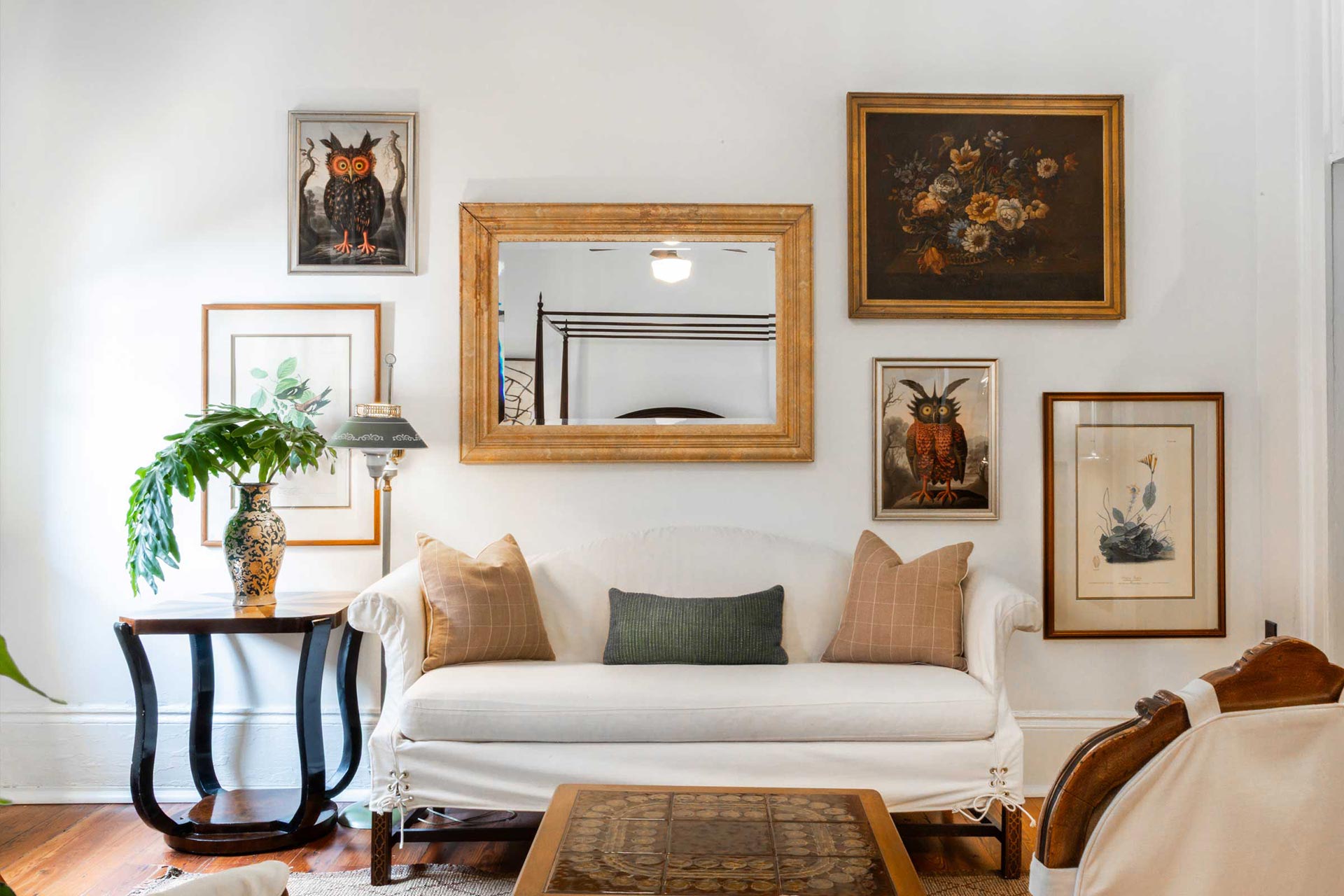
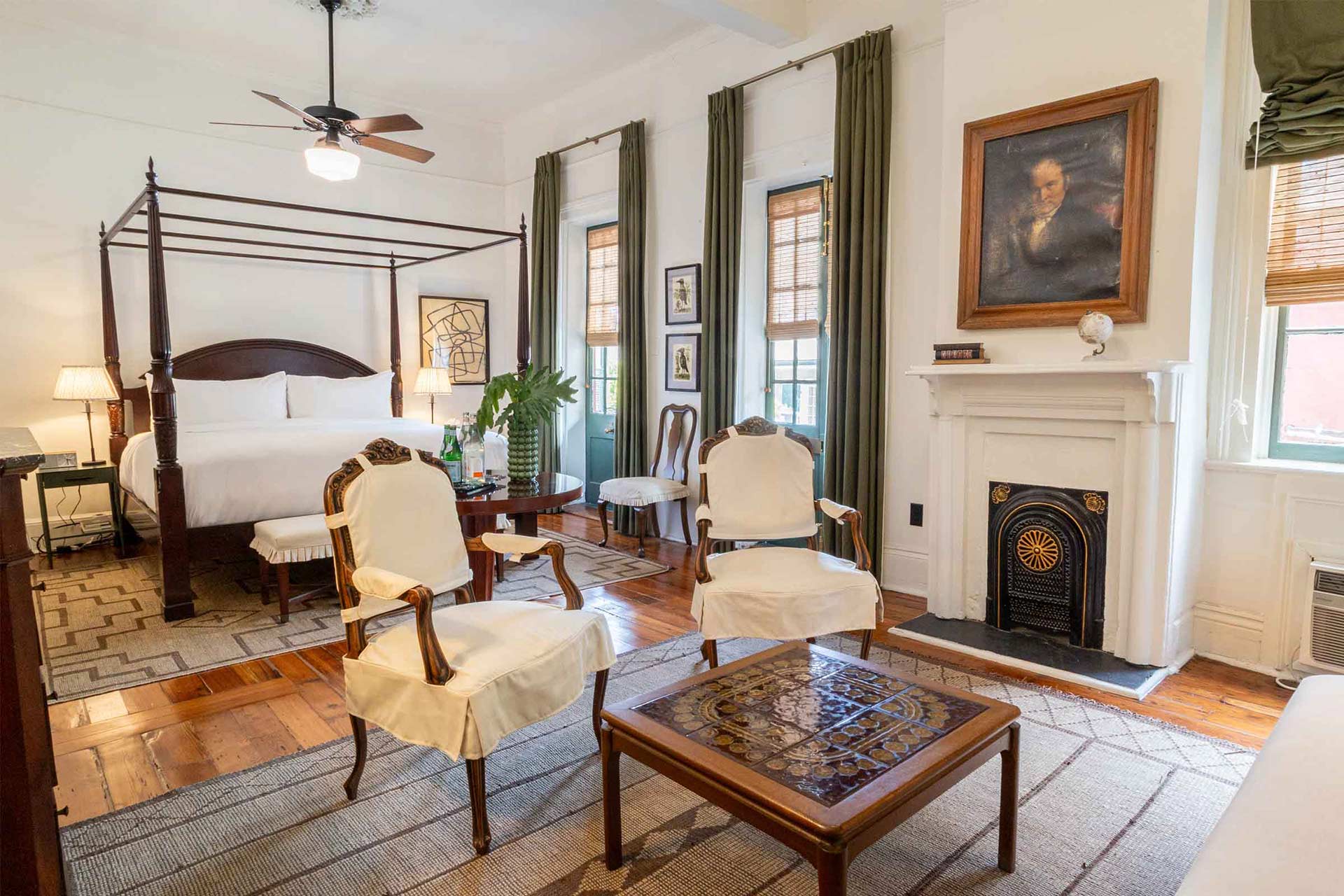
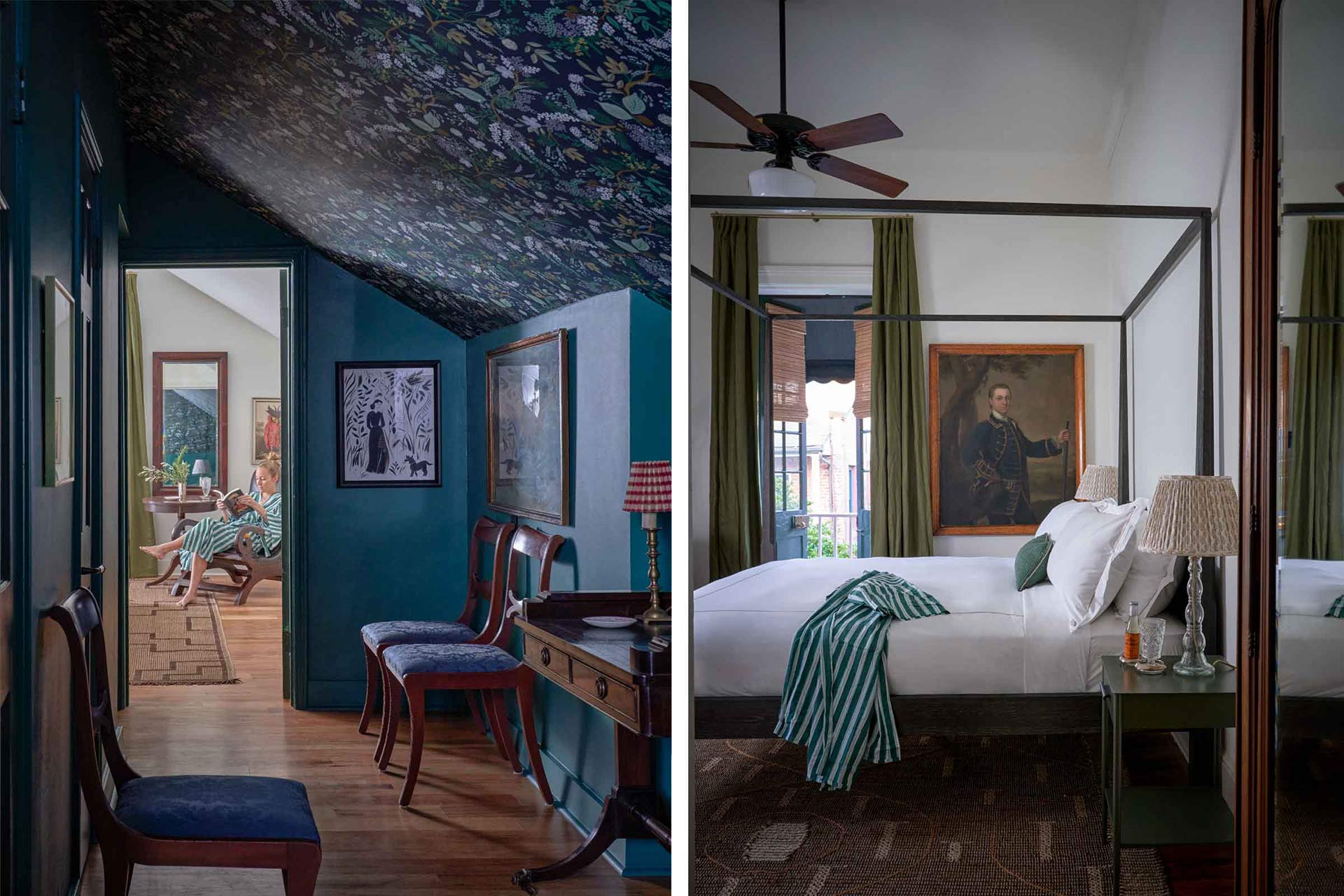
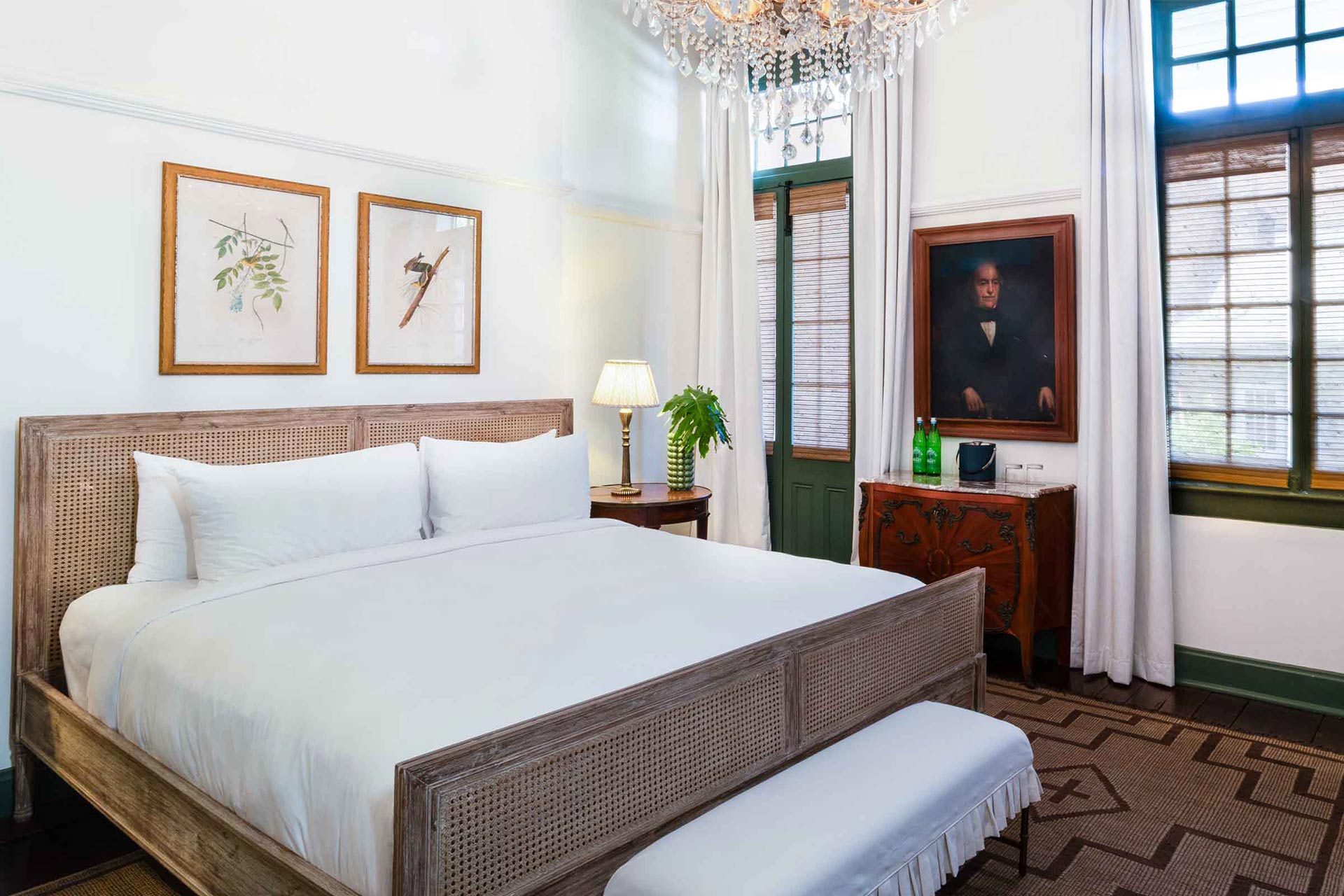
That the latest stewards of this building, renowned hotelier Robért LeBlanc and his company, LeBlanc + Smith, took the latter’s name for today’s hotel says something about their respect for the site. LeBlanc tells MICHELIN that his team always begins with a deep dive into the historic and that they prefer to target small hotels, which tend to make for a more seamless blend into the heart and soul of a neighborhood. Such is the case with the property’s 14 rooms, each with a view of Toulouse Street or the courtyard, each filled with bespoke furnishings evoking a modern French style and appointed with antiques and oil paintings rescued from a found stash in the attic.
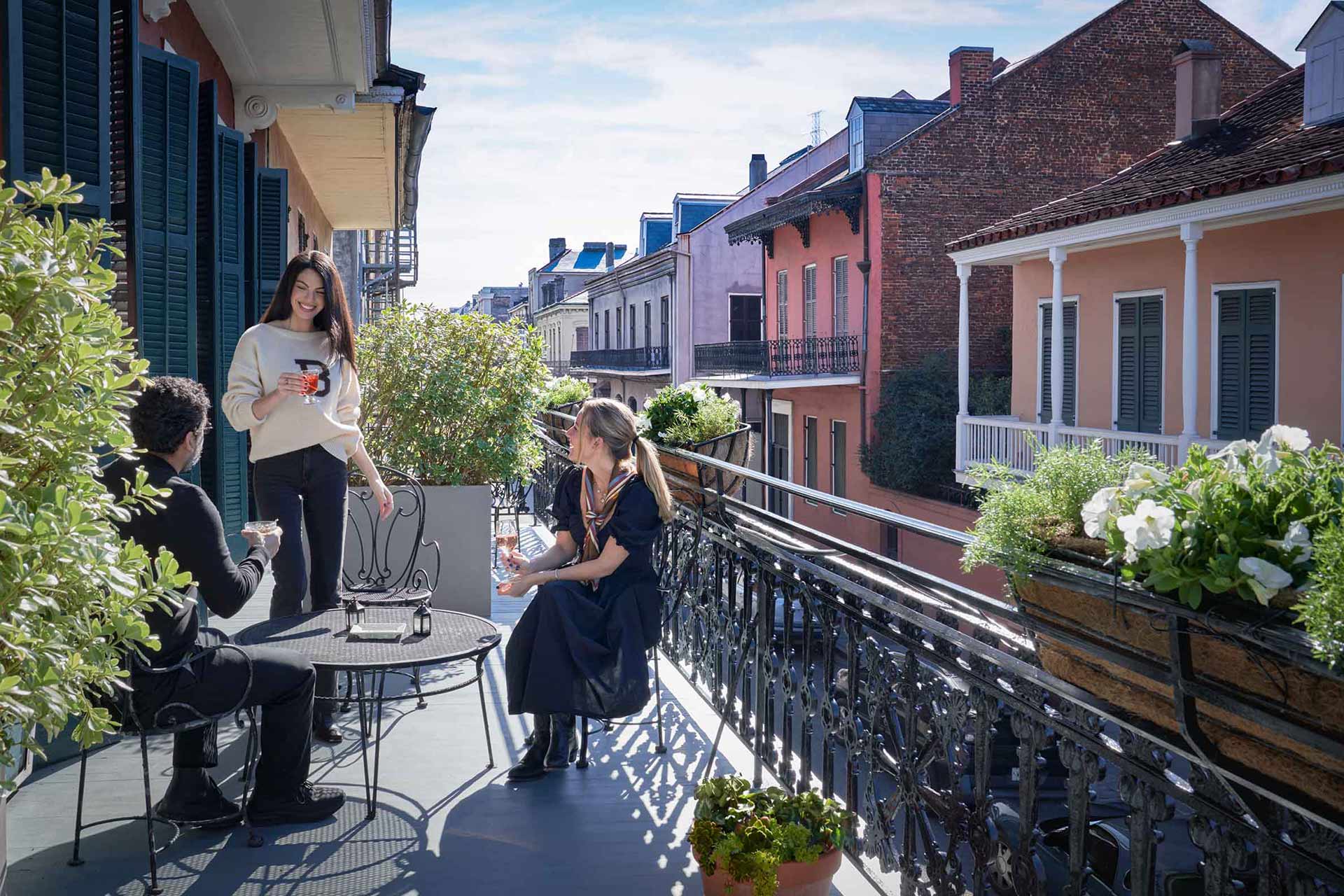
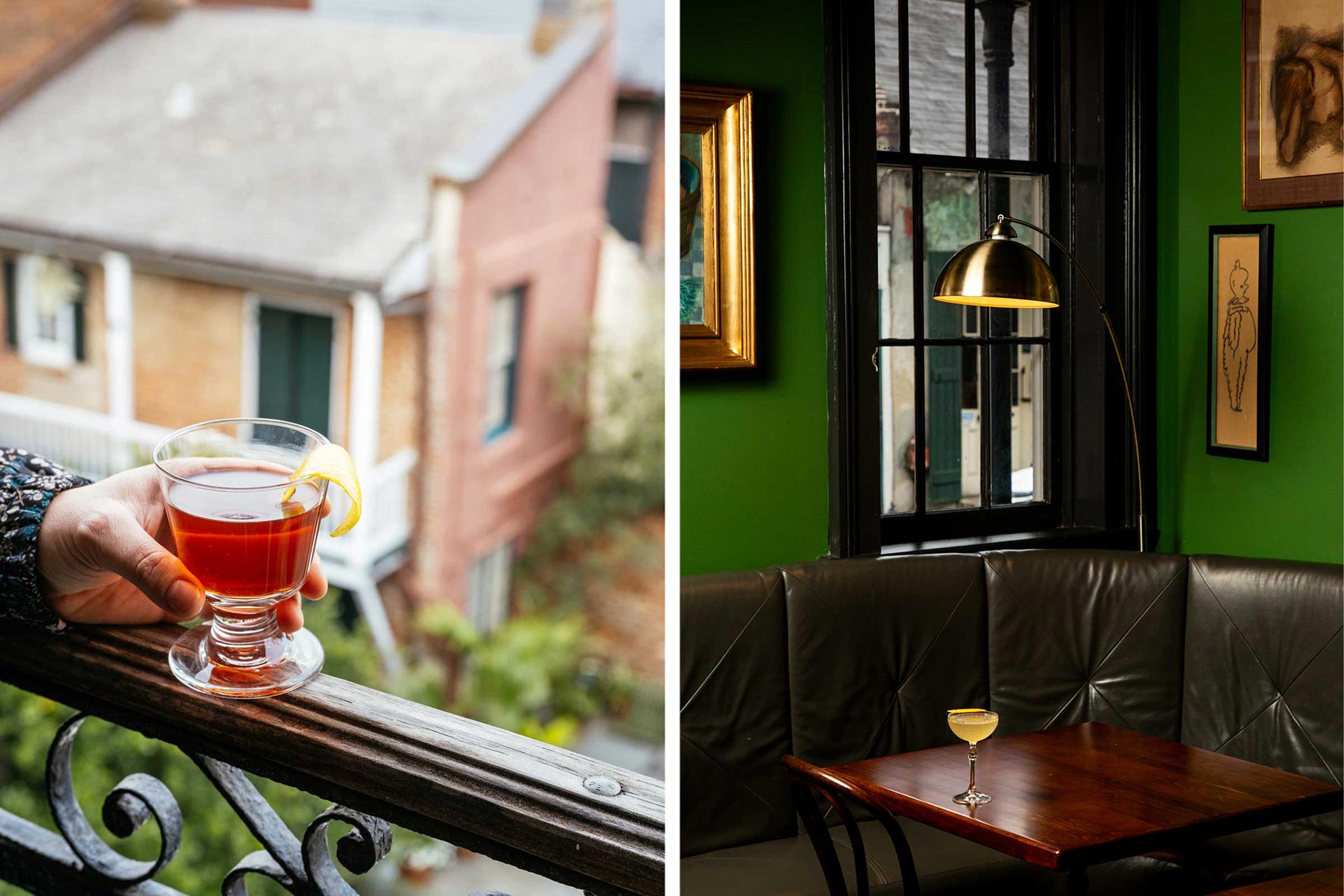
This is not a brand-new hotel, nor does it feel that way. LeBlanc’s renovation preserved touches of character, the occasional mark on a doorframe, a scratch on a window. The rooms feel exactly like they should — comfortable, curated spaces in a real New Orleans home, with the kind of picturesque, cast-iron gallery balcony you might glimpse on a ghost tour.
Of Inspectors’ 14 hotel selections in the city, only two are in the French Quarter. It’s an acknowledgement, perhaps, that the most outrageous section of the city is best visited here and there, on your terms, before exploring the quieter parts of New Orleans. But at the Celestine, there is more than enough, yes, contrast with Bourbon Street to ease even the most introverted of travelers into the joys of the French Quarter.
Nuts & Bolts
A bite-sized breakdown of your most frequently asked questions about The Celestine.
When’s the best time to visit?
The best time to visit New Orleans depends on your taste. For those in the Mardi Gras mood, Carnival season begins in January and builds to the big event in February (in 2026, on February 17). The Celestine is festive throughout, with DJ sets in the courtyard and specialty cocktails at Peychaud’s. Expect complimentary champagne on the weekend before Mardi Gras, and the hotel’s own beads, totes and bandanas.
For those who prefer a different vibe, New Orleans is a delight in the shoulder seasons of fall to early winter. Hurricane season runs June through November, but if the weather holds, expect hotel stays at their most affordable rates.
Best room for couples? For families? Solo travelers?
Solo travelers and couples will enjoy a Courtyard Queen, with views into the backyard, or a Toulouse Queen or King with access to the balcony over Toulouse Street. Couples, especially, will enjoy the Suite Henriette, while families may opt for the Suite Madeline, its footprint spanning the entirety of the third floor and its two daybeds in the living room providing extra sleeping options.
Every hotel in the LeBlanc + Smith collection includes one room at a lower price point to encourage a mix of travelers at their small properties: here it’s the Courtyard Studio Queen, a cozy option on the ground floor wonderful for a solo traveler.
What’s there to eat?
There’s no restaurant on site, but The MICHELIN Guide’s restaurant selection debuted in New Orleans in November, 2026 with nearly three dozen recommendations. For Inspector selections closest to the Celestine, head to Killer PoBoys and Galatoire’s, with plenty more to discover just outside the Quarter in the Business District and beyond. Emeril’s, Inspectors’ highest-rated restaurant in New Orleans, is a 10-minute drive from the hotel.
What else should I know before I book?
Call it a feature of the French Quarter. On the other side of the courtyard is the Court of Two Sisters, from which sounds of live jazz begin each morning at 9 a.m. This is exactly as the French Quarter should be, just don’t expect a monastic quiet if you plan to sleep in.
What’s the final word?
Historic many times over, a charming, thoughtfully reformed oasis for a gentle, but not silent, entry to the raucous French Quarter.
Related articles:
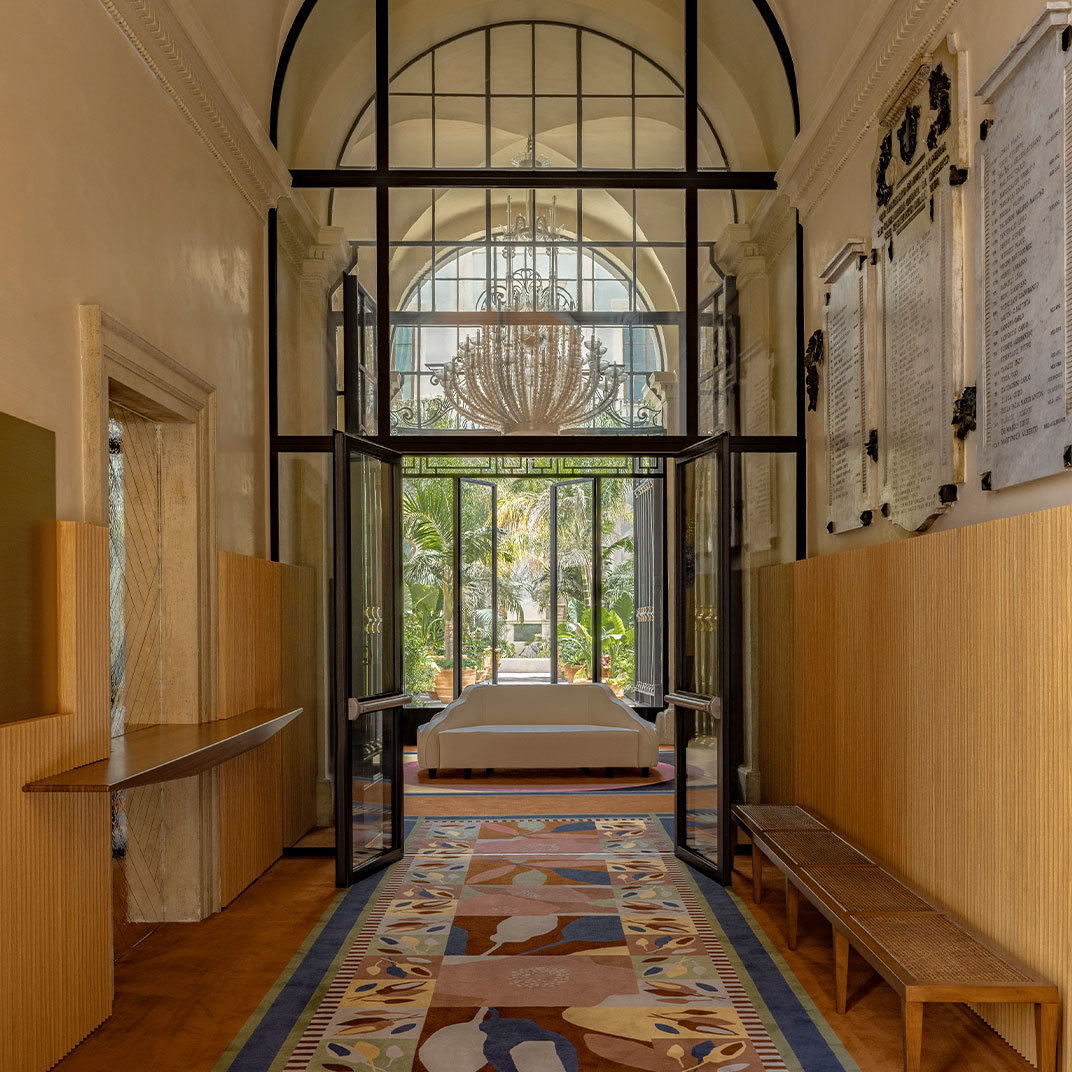
Top image: The historic courtyard at The Celestine. © Paul Costello/The Celestine