11 May 2026

Share


Some journeys are made with the eyes and others with the palate. Chef Hans Robert Lange Rodriguez’s was, above all, the latter. He arrived in Seville intent on getting to know its gastronomy and ended up discovering a way of life and a way of feeling — that of a land that naturally embraces tradition, respects its produce and understands cooking as something everyday, yet profoundly serious.
Lange Rodriguez, the owner of Teko, in Essen, Germany, recalls that when he landed at Seville’s airport and got into the taxi to his hotel, he asked the driver a question: “What would you eat right now? Not your favorite dish, but what you would choose today.”
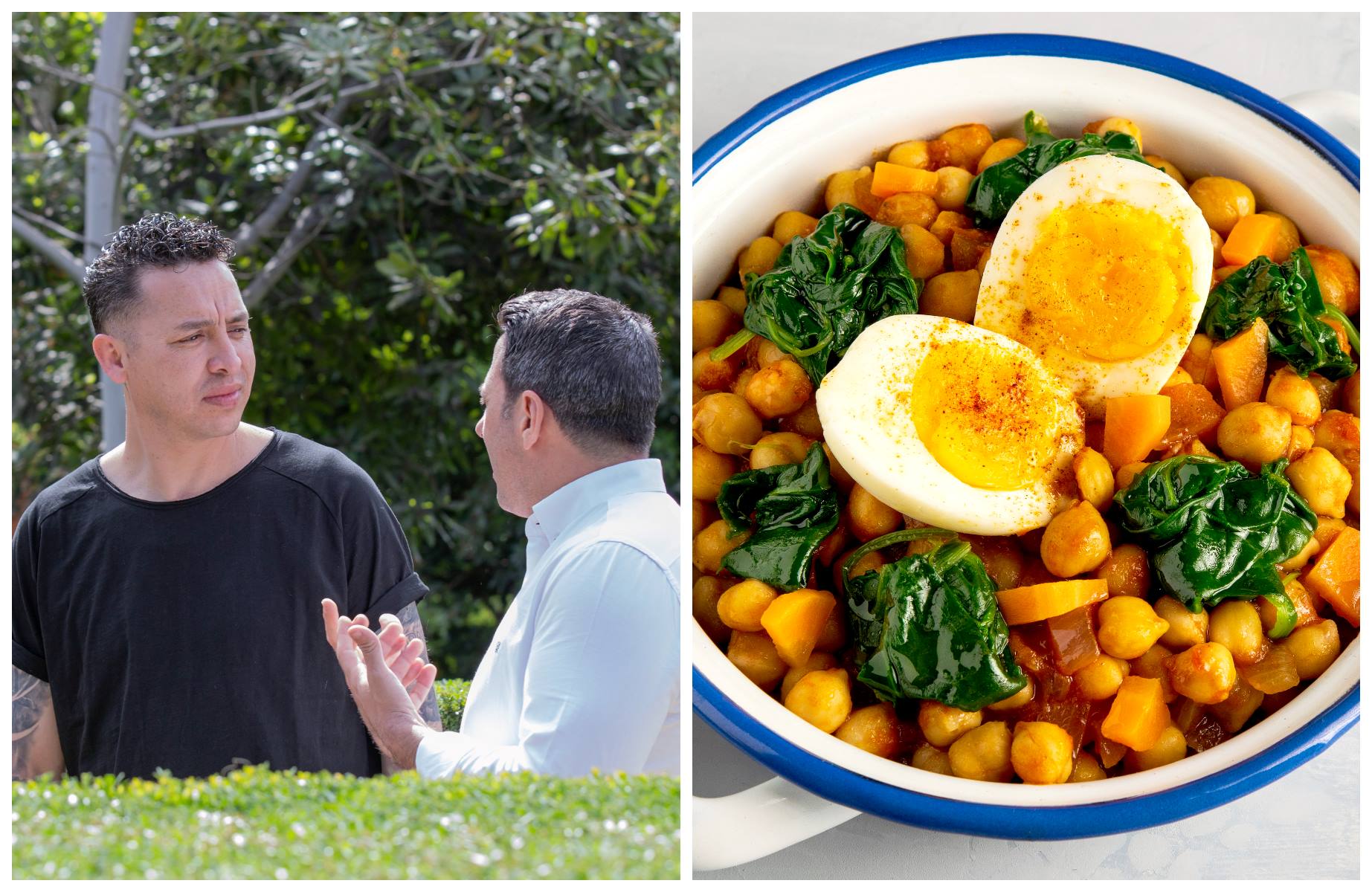
The taxi driver didn’t hesitate: “Spinach with chickpeas.”
As soon as he had dropped off his luggage, the chef — the son of a German father and a Bolivian mother, and a firm advocate of traveling by doing what local people do — set out in search of the dish. He was utterly fascinated and began ordering it again and again.
“In every place it was better than the last: the garlic paste, the capers, and that cumin that appeared at the end of the stew and told me, ‘I am cumin, I am Andalucía.’ Now cumin will always be Andalusia for me,” Lange Rodriguez confesses.
Seville, Where the Sea Is Always Present
Curiously, this same dish, spinach with chickpeas — with the small variation of the addition of cod — is the dish that for Chef Juan Luis Fernández, owner of One-MICHELIN-Star Cañabota and Lange Rodriguez’s host for his journey, represents the city’s gastronomic character.
“It’s a recipe closely linked to Lent: the legumes, the cod and a base of spices sautéed and balanced. It’s a cuisine of depth, patience and flavor built over time. And it’s also a lesson in identity: In Seville, even though we’re not on the coast, the sea is always present at the table.”
Fernández isn’t just a chef; he’s a visionary — someone who imagined a place that didn’t yet exist in Seville and made it a reality. Cañabota, which aims to take the traditional tapas experience a step further and introduce diners to unpretentious products, is an unusual fusion of fish market, restaurant and bar. It quickly became one of the city’s favorite spots.
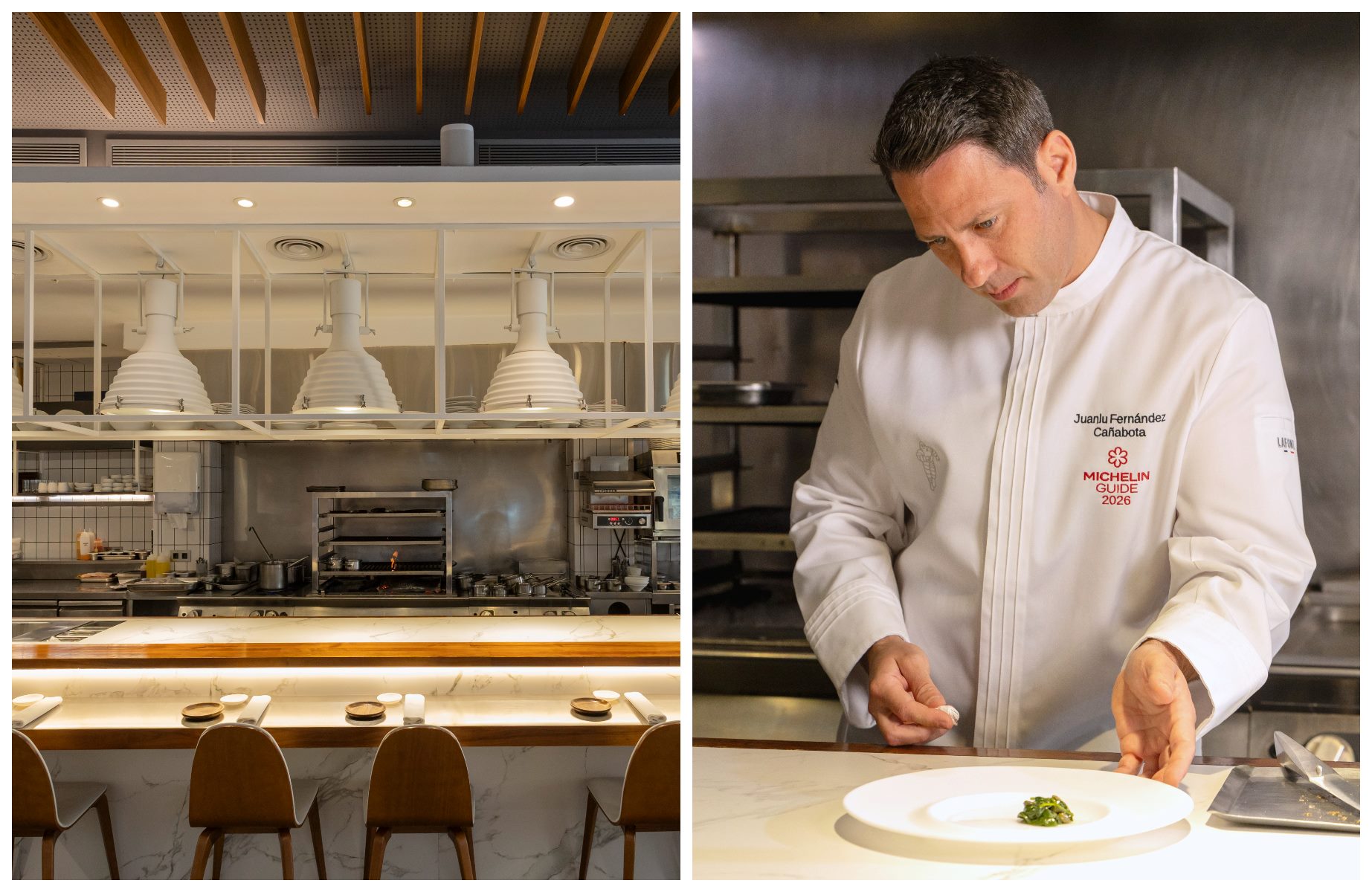
The proximity to the ports of Cádiz and Huelva is clearly reflected in Seville’s cuisine, and in Fernández’s restaurant as well. “We remain a natural extension of that dialogue between land and sea that shapes Seville’s gastronomy,” he explains.
His connection to the marine world runs in his blood: Fernández is the fifth generation in a family of fishmongers. He has grown up among fillets, bones, scales and the scent of salt. He knows the species, their seasonality and how to handle them on the plate with maximum respect.
Whether it’s oysters, sea bass, tuna, wild fish or shellfish, “what the sea has brought today” defines Cañabota’s menu. From there, Chef Marcos Nieto, who works hand in hand with Fernández, takes care of the rest — which is both very little and a lot: He tries to intervene minimally, whether over the embers, in the oven or through clean cooking methods.
The Guadalquivir, Where the New World Began
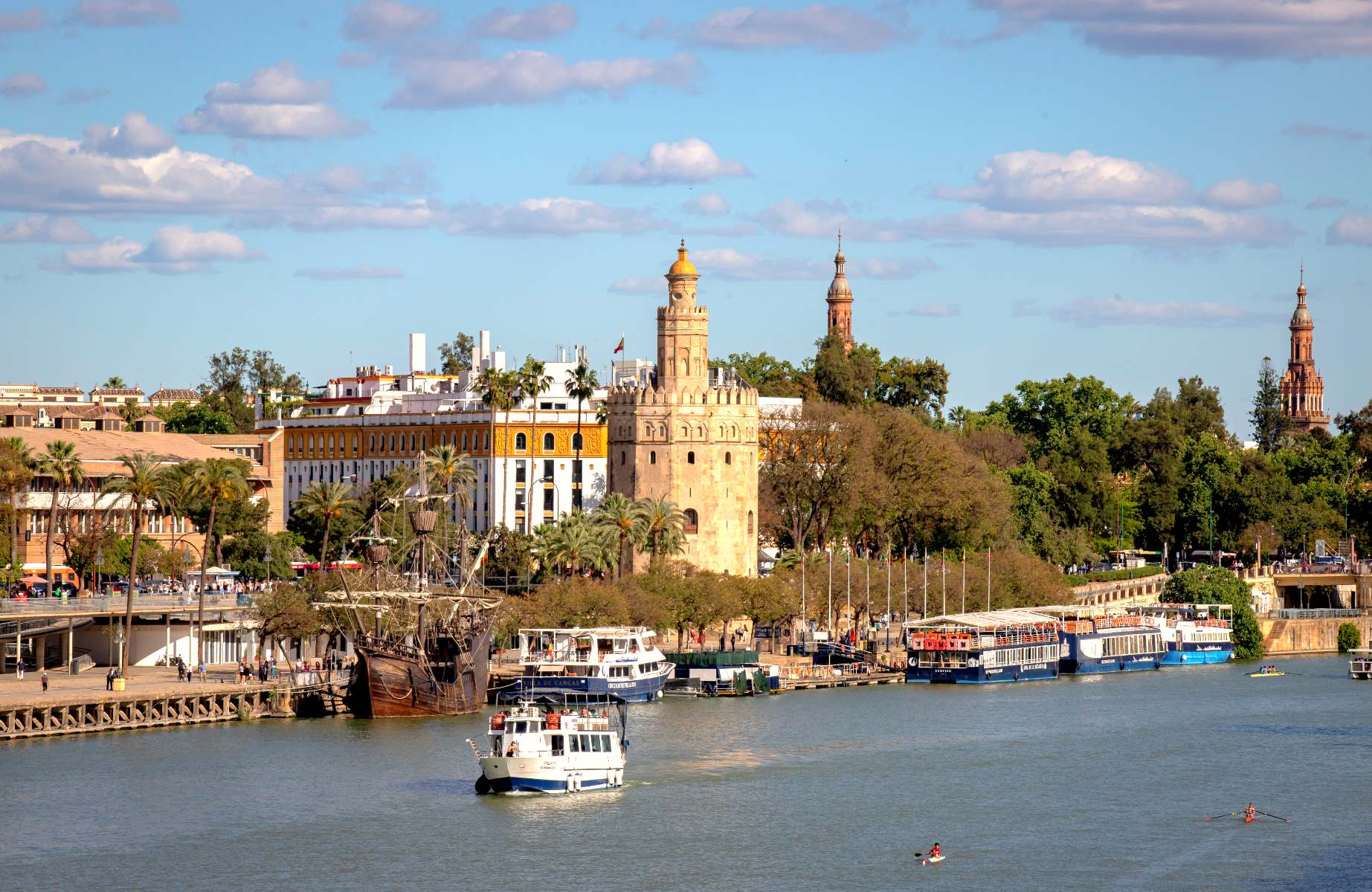
Beyond being a space full of life and the natural border between two shores — Seville’s historic center and Triana — the Guadalquivir River has long been the link between the Andalusian capital and the sea.
To help Lange Rodriguez understand it, Fernández took him to Triana, with a privileged panorama of the city center — the Giralda and the Torre del Oro cutting the horizon — and a clear view of Seville’s maritime heritage.
From that vantage point, Fernández recalls how Seville was, at one time, the port of the world. “For centuries, after the discovery of America, the Andalusian capital was the international trade hub, receiving products then unknown — tomatoes, potatoes, cocoa — and embracing influences from outside and within Spain.”
That’s why Seville’s cuisine was global before it was regional, and why it’s the Andalusian province where cultural overlap is most evident: in the use of spices such as cumin or coriander, inherited from Al-Andalus; in frying techniques; convent cooking; or the control of the food calendar, with vegetables taking center stage at certain times.
“Compared with other Andalusian provinces, it might seem to lack a defined personality or an iconic product, but it’s precisely that blend that defines its identity,” says Fernández.
From Tapas to Dishes With Depth
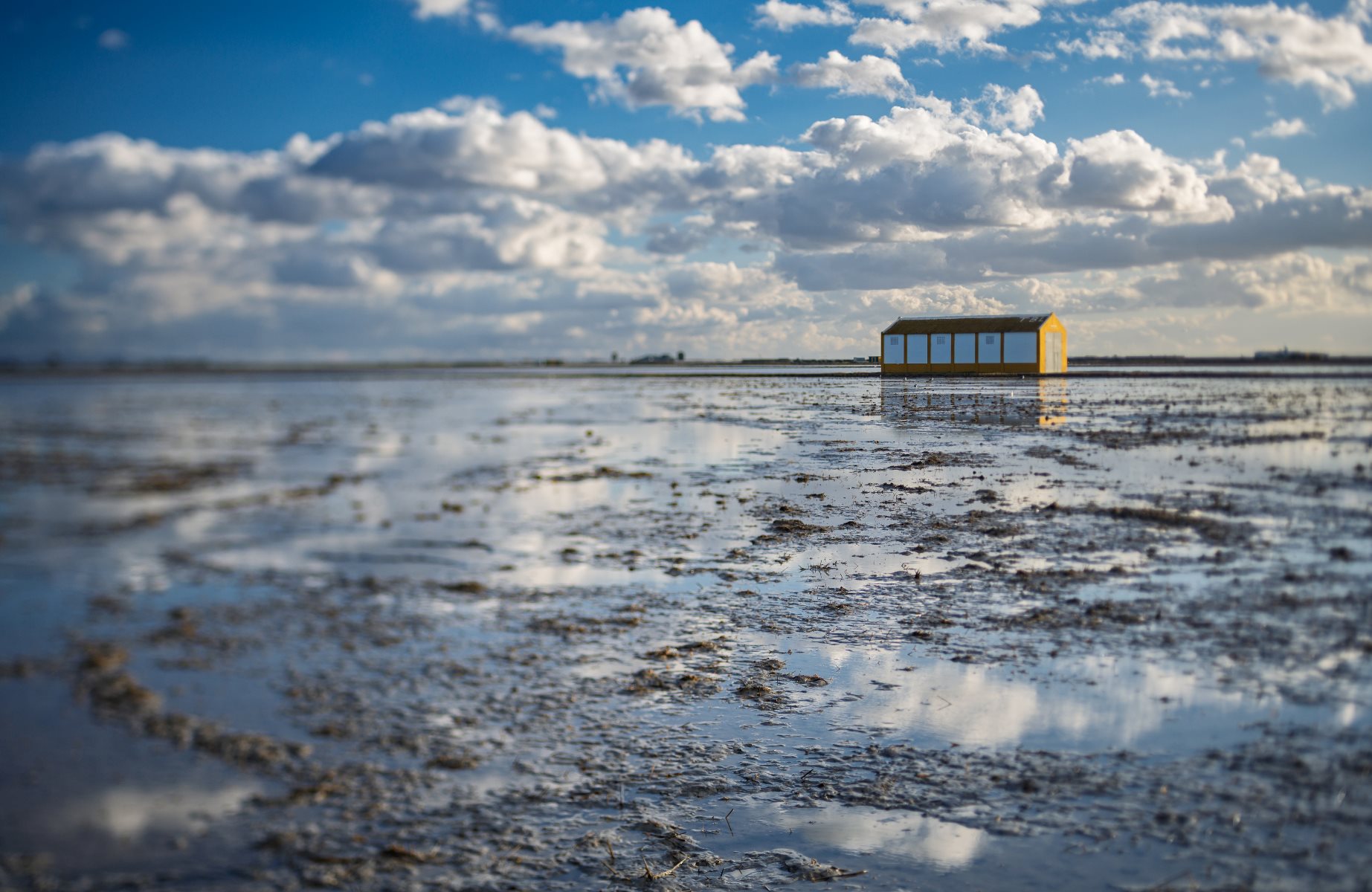
“Beyond its proximity to the Atlantic, Seville’s gastronomy is also influenced by its surroundings: the Guadalquivir valley, the Andalusian countryside and the Sierra Norte. From there emerges a very particular combination in which orchards, grain, livestock and the sea coexist,” explains Fernández. This “amphibious nature” also reappears in products like rice from the Guadalquivir marshes, which “speaks of the countryside, of constant work and of a way of life tied to the land.”
Not losing what makes it unique is, for him, one of the province’s greatest challenges: “Seville is now a more creative and open place, attracting new talent, better trained and more technically skilled than ever before. It’s not about choosing between tradition and modernity, but about preventing modernity from erasing its distinctive characteristics.”
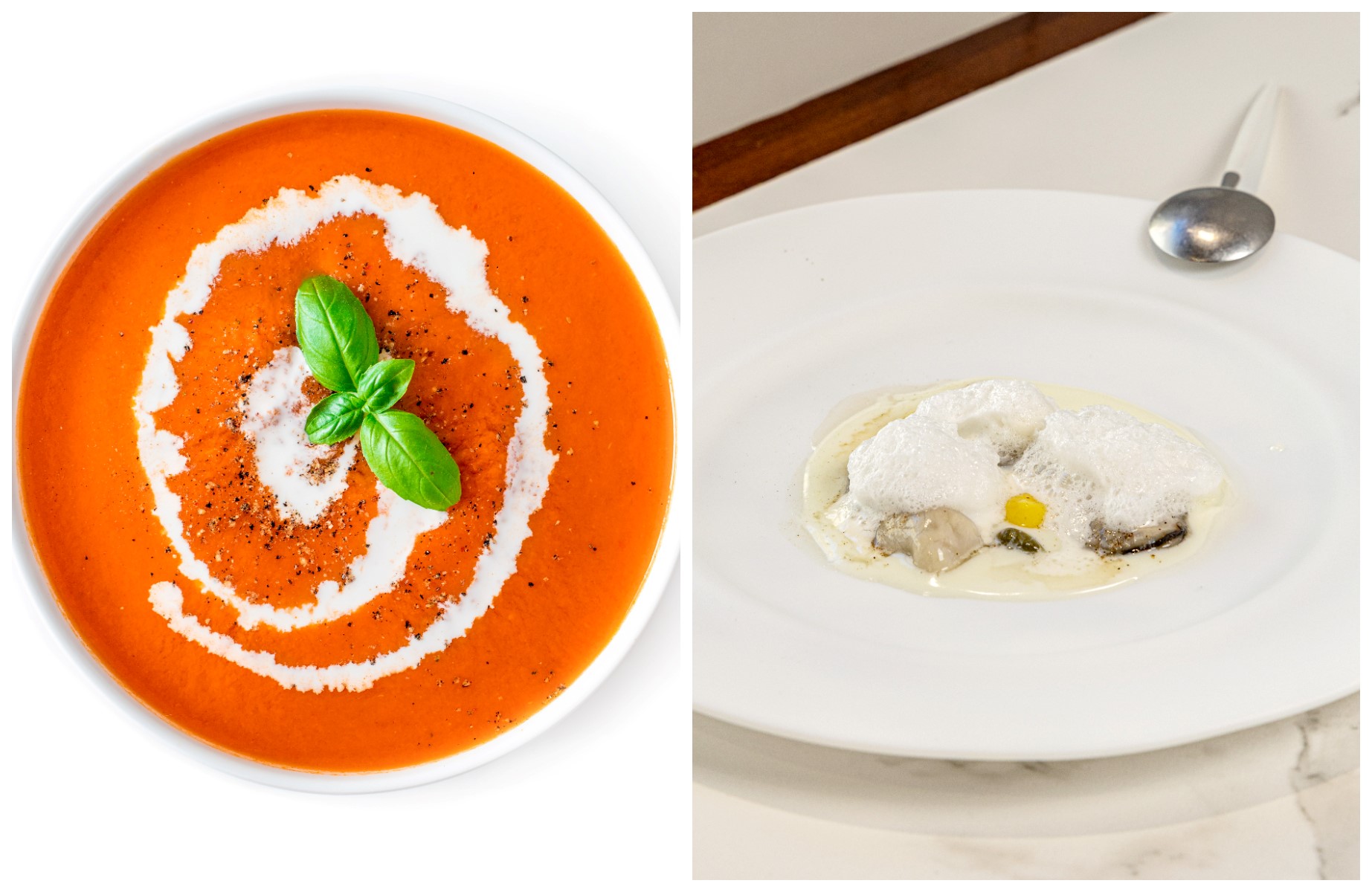
From tapas to main courses — from cazón en adobo (marinated dogfish) to gazpacho to potaje de vigilia (Lenten stew) — Seville’s cuisine is pure Baroque. Rather than technical complexity, its identity revolves around the raw materials and around celebrations: It is vibrant, meant to be shared, and at the center of all of Seville’s festivals, both religious and secular, like Holy Week and the April Fair.
In addition to chickpeas with spinach, there is another dish that for Fernández perfectly encapsulates the history of ancient Hispalis: bacalao en pavía (battered cod). This popular, straightforward and recognizable appetizer has passed from generation to generation and continues to work because it needs no embellishment.
What does it consist of? A well-desalted fish, with a clean fry — light, crispy, not heavy — and the right amount of salt and juiciness. “Behind something seemingly simple there is technique, temperature, time and skill. For me, that says a lot about Andalusia: simplicity on the outside, precision on the inside. And it also speaks to our culture of gathering, of aperitifs, of sharing, of joy without losing our standards,” he adds.
The Most Intimate Seville
If fried cod is the portrait of the city in a bite, the Plaza de España is, for Fernández, the place that best describes it: its history, architecture, craftsmanship and life. “It is monumental, yet welcoming; imposing, yet full of people strolling, sharing and enjoying. There you can understand our character: proud of what we are, but always open and joyful.”
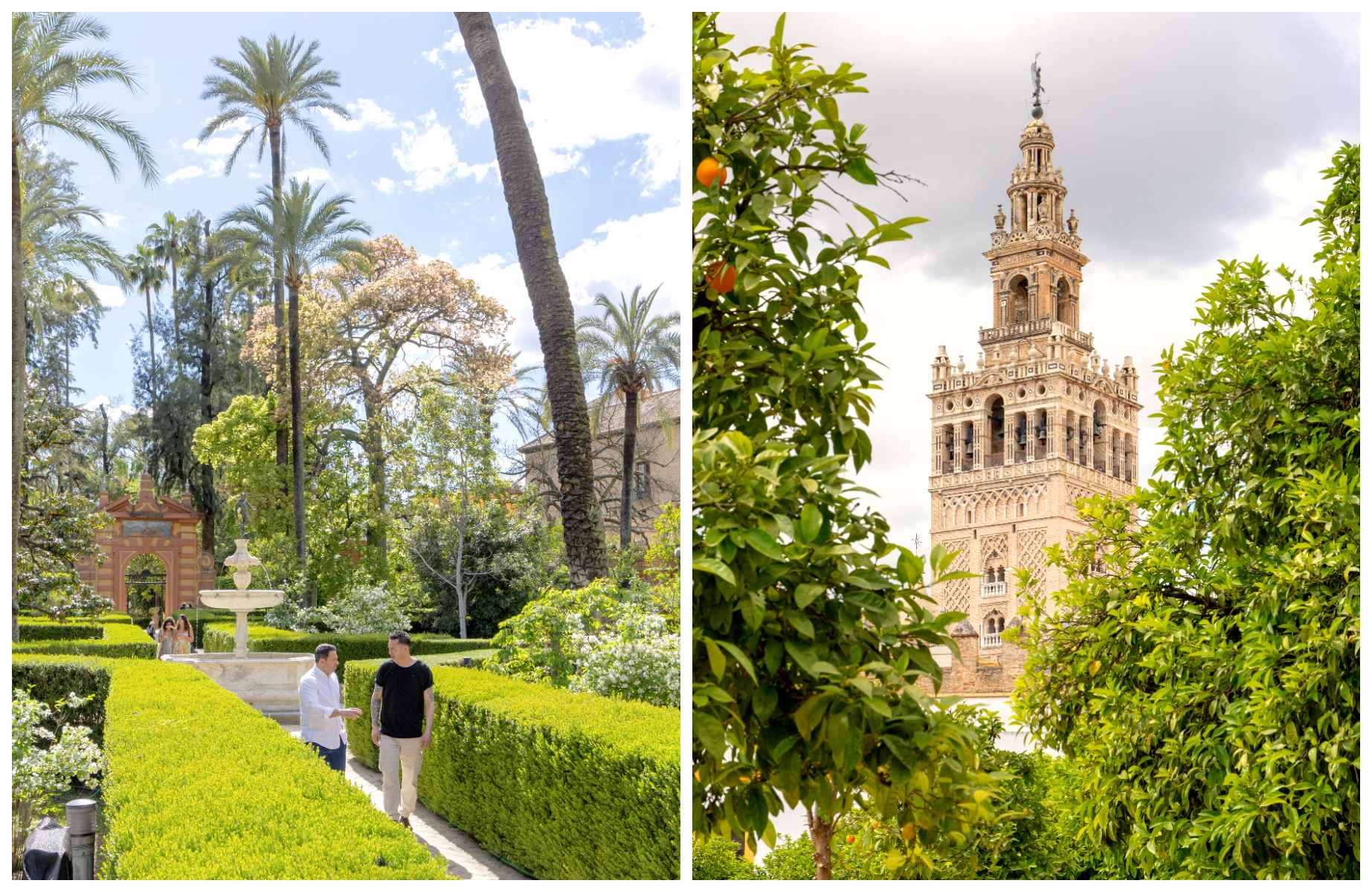
He took Lange Rodriguez there for the obligatory visit. They then walked through the Alcázar gardens, another of the city’s grand stages, and through Seville’s bustling streets and courtyards wrapped in orange blossoms, with the Giralda almost always silhouetted in the distance.
Fernández gave Lange Rodriguez a taste of cod with tomato, pringá (a slow-cooked meat dish) and torrijas (French toast), and introduced him to lesser-known treasures, such as tagarninas (golden thistles), table olives — manzanilla and gordal — and “the ubiquitous and often forgotten bitter orange.”
They also discovered convent sweets — yemas de San Leandro (custardy “egg yolk” sweets), Santa Inés buns and pestiños (glazed fried dough) — made by cloistered nuns, sold through revolving windows in convents in the city center. “They are one of the purest expressions of Seville’s traditional cooking: living craftsmanship and a unique culinary and cultural heritage.”
Lange Rodriguez says, “I thought Andalusia followed the trend of what was happening in Europe, but I’ve realized that, thankfully, they take great care of their tradition, their essence. The Andalusian priority is gathering with people. And there is nothing more beautiful than a full table.”
For him, all that care is reflected in the food. “If a dish has all the technical components it must have — acidity, sweetness, texture — but the person who made it hasn’t felt anything, that doesn’t satisfy me. On the other hand, if the person serving it smiles and, when you ask about an ingredient, ends up giving you the entire recipe — like when your father or mother comes to your house and it’s the first time you cook for them — that is a caress to the heart.”
Butter in Andalusia?
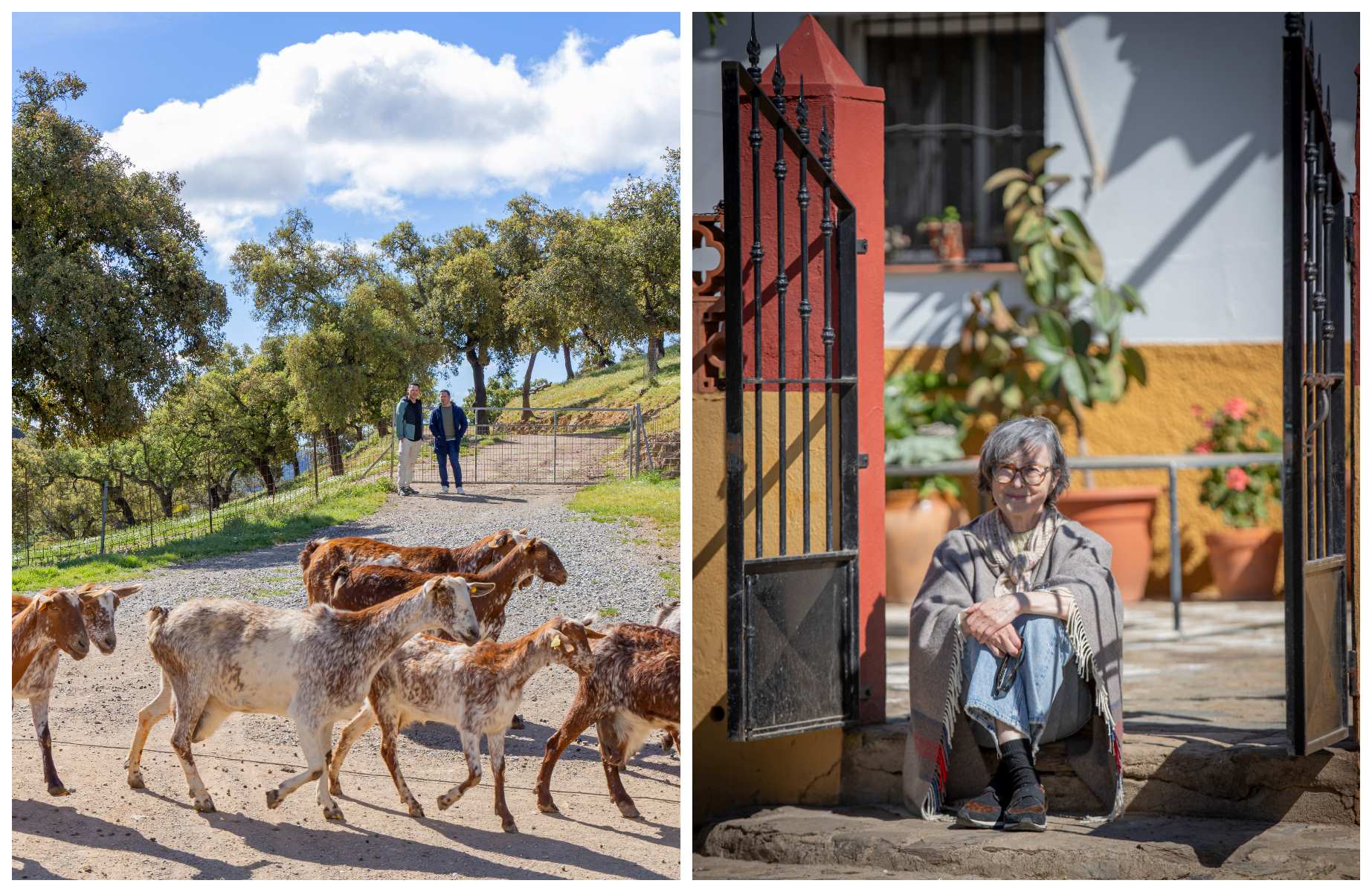
Beyond the city, Fernández introduced Lange Rodriguez to one of the province’s best-kept secrets: Mare Nostrum, a small cheese factory in the Sierra Morena where Eugenia, Claudia and Pablo — named in 2022 by the Basque Culinary Center among the 100 most promising young gastronomy talents — put into practice everything they learned from their mother, María Orzáez. She taught them to produce signature cheeses made with raw milk from pasture-raised goats, each with a very distinctive character.
They also make other products, such as goat’s milk butter, which Cañabota uses in some dishes, like steamed ostiones (oysters). “Far from delivering the blunt intensity one might expect, the butter gives them subtlety: The sweetness of goat’s milk, blended with acidity, offers a perfect finish. The butter is balanced, enriching the seafood flavors, adding a territorial character and contributing aromatic complexity without overpowering the dish,” explains Fernández.
“What truly captivated me is what lies behind the product: María's story. Twenty years ago, she went to France to learn and then passed that knowledge on to her children. They have continued making it in the same way, but embracing modern times, without breaking with that sacred essence of tradition. There is no better product than one made as if it were made for oneself, which is exactly what María does,” says Lange Rodriguez.
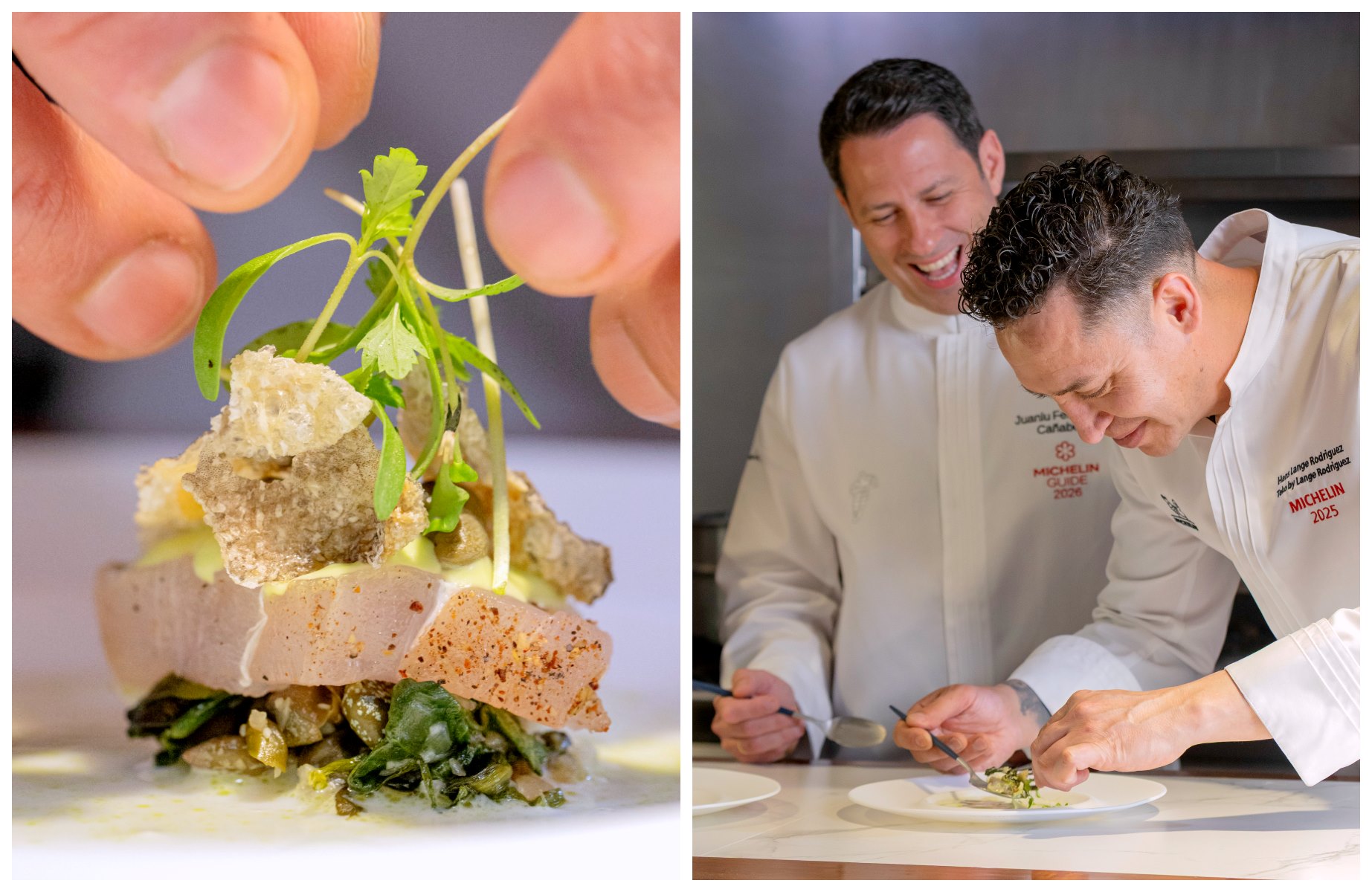
Lange Rodriguez dared to use this butter, together with Fernández and Nieto, in a gastronomic experience in Cañabota’s kitchen. First he paired it with some spices — including cumin — and then he smoked it with a fragment of cork oak from the estate. “It smelled like Holy Week; it smelled of Andalusia,” Lange Rodriguez said, pleased.
“I used the fermented milk, which has an incredible but very delicate acidity, emulsified with regional olive oil, and made a goat-milk ice cream. Then I added Juanlu’s incredibly fresh fish, capers, spinach with its garlic paste, and some chickpeas, trying to cook in a German way — though now I feel Andalusian,” he jokes.
Seville in His Suitcase
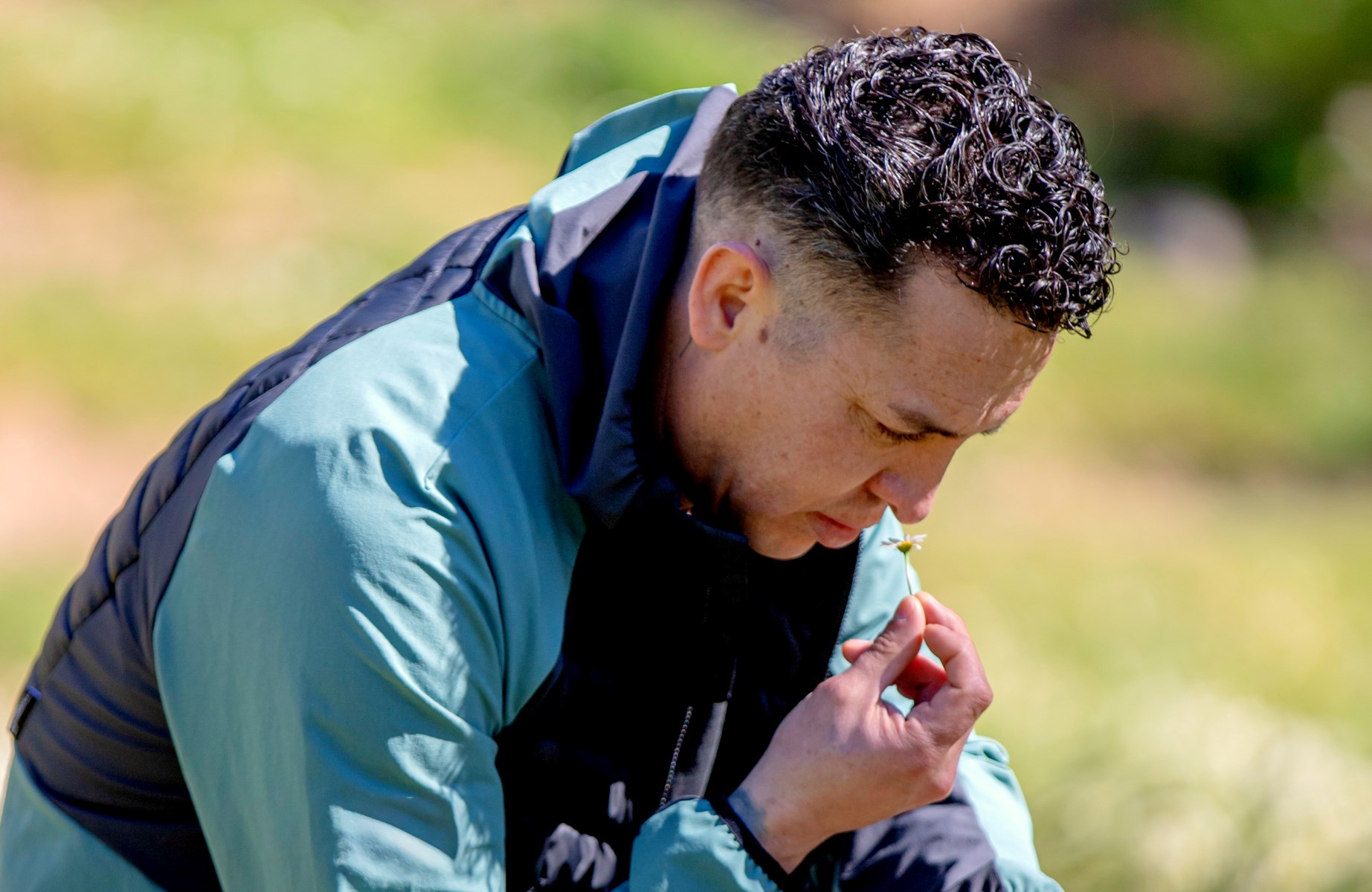
From his trip to Seville, Lange Rodriguez has taken back to Germany that powerful yet balanced goat milk, which he wants to share with his friends and family — and which he says he’ll incorporate into some of his own dishes. He also carries away a lesson he rediscovered during those days: There is no better dish than one cooked with heart.
Above all, he keeps the aroma of cumin as a memory that will make him return to Seville again and again, whispering in his ear, “I am cumin, I am Andalusia.”
Leer más:
Header image: Juanlu Fernández at his Cañabota restaurant, where he hosted the German chef Hans Lange Rodriguez, owner of Teko in Essen. © MICHELIN Guide