06 April 2026
Share


To sugar or not to sugar? That is one of the enduring questions surrounding classic cornbread in the American South. Made from cornmeal, flour, baking powder, salt, butter, eggs and milk or buttermilk, this humble bread remains one of the most beloved and debated dishes on the Southern table.
Made from inexpensive, widely available ingredients, it represents the ability to create something satisfying from very little. One thing is not up for debate: at its core, cornbread is a quick bread, meaning it relies on baking powder rather than yeast for leavening. Without the need for proofing, the batter can be mixed and baked immediately. It’s best served hot from the oven, and many restaurants bake it to order — or at least several times a day — to capture its fresh corn flavor.
But that might be one of the few things folks agree on.
The sweet-versus-savory divide often reflects geography. Farther south, cornbread typically leans savory and corn-forward thanks to yellow cornmeal. Move more north and sweeter, cake-like versions become more common.
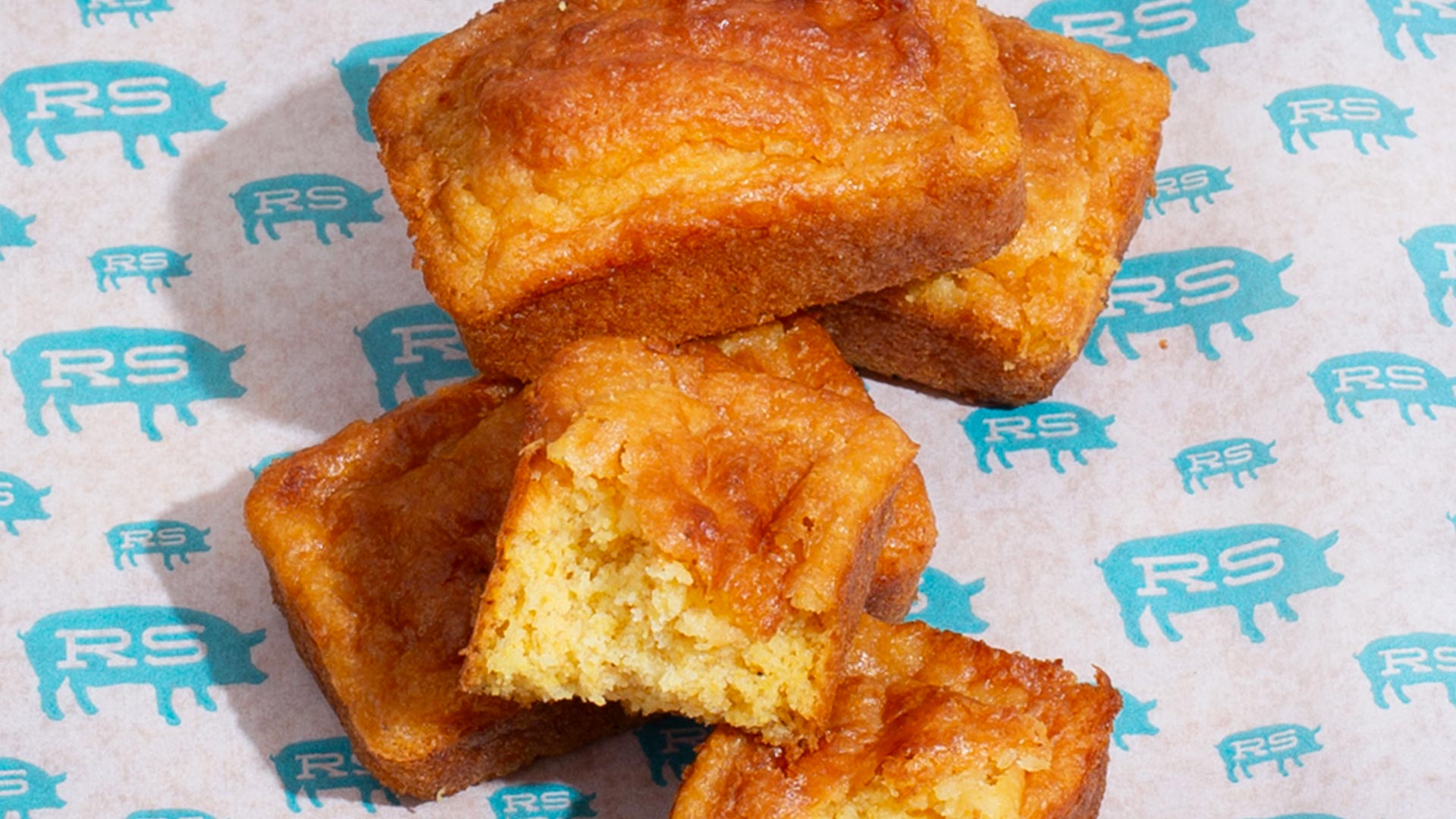
Texture is another point of discussion. Appalachian-style cornbread often uses coarsely ground cornmeal, producing a denser, more toothsome crumb. At restaurants such as Rodney Scott BBQ in Charleston, South Carolina, a finer grind yields a lighter, fluffier texture.
The cooking vessel matters as well. Many chefs, including Chef Samuel Jett of Audrey in Nashville, Tennessee, add the batter in a smoking-hot cast-iron skillet greased with fat so the bread forms a crisp crust as it bakes. “We wait until the skillet is smoky, then the batter sizzles when it hits the pan,” says Jett. “It develops a sweet, popcorn aroma and a deep-brown crust where the batter touches the skillet.”
Below, see how MICHELIN Guide restaurants interpret their versions of this much-loved and debated Southern staple.
Savory Cornbread
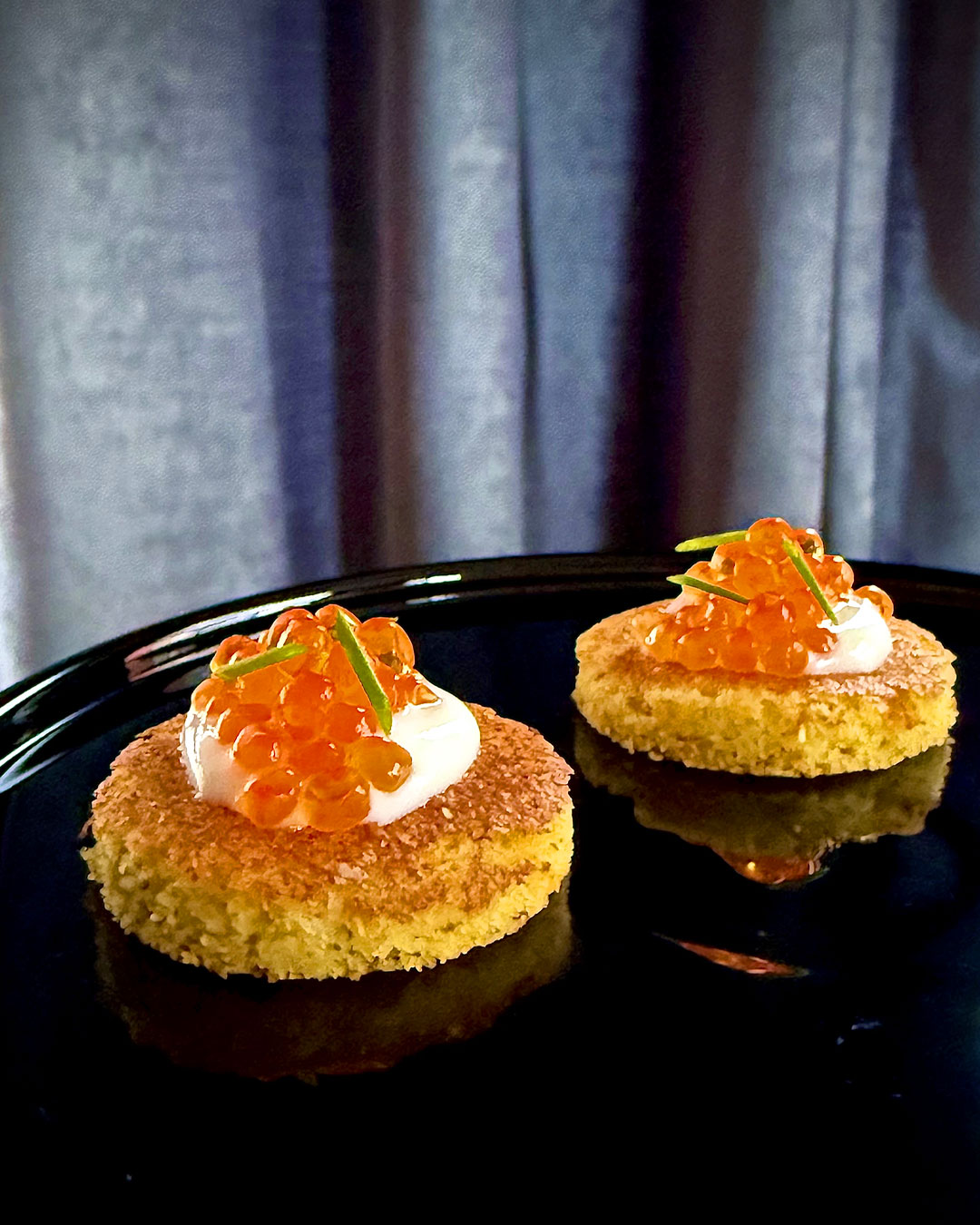
Chef Joseph Lenn’s grandmother grew up in East Tennessee, where cornbread was a family staple. “They had a small farm, and cornbread was a way for them to survive during the Great Depression,” he says.At J.C. Holdway in Knoxville, Tennessee, Lenn serves a rustic cornbread that nods to that legacy. Made with Wiesenberger Mill’s bolted white cornmeal and buttermilk from nearby Cruze Farm, it’s baked in a smoking-hot cast-iron skillet and served with sorghum butter. “This is for those who like to add a little sweet,” he says, “but I like to eat it straight or dunk it in buttermilk.”
Cornbread appears throughout the menu in other forms as well: as cornbread ice cream, as hoecakes topped with trout roe caviar and as a crumble over bacon Bolognese. Lenn has even baked cornbread in his great-grandmother’s cast iron to present tableside for tasting-menu guests, sharing the story of his family’s resilience through the dish.
The Noble South in Mobile, Alabama, also bakes their cornbread with buttermilk and mayonnaise but it's one step done early in the process that makes their cornbread especially memorable. After preheating the skillet in the oven, the chef adds reserved bacon fat and lets it melt in the hot skillet just before adding the batter and baking.
In Oxford, Mississippi, Ajax Diner heat things up a bit with their cornbread, incorporating jalapenos for an extra kick. It's been a customary side since they opened in 1997.
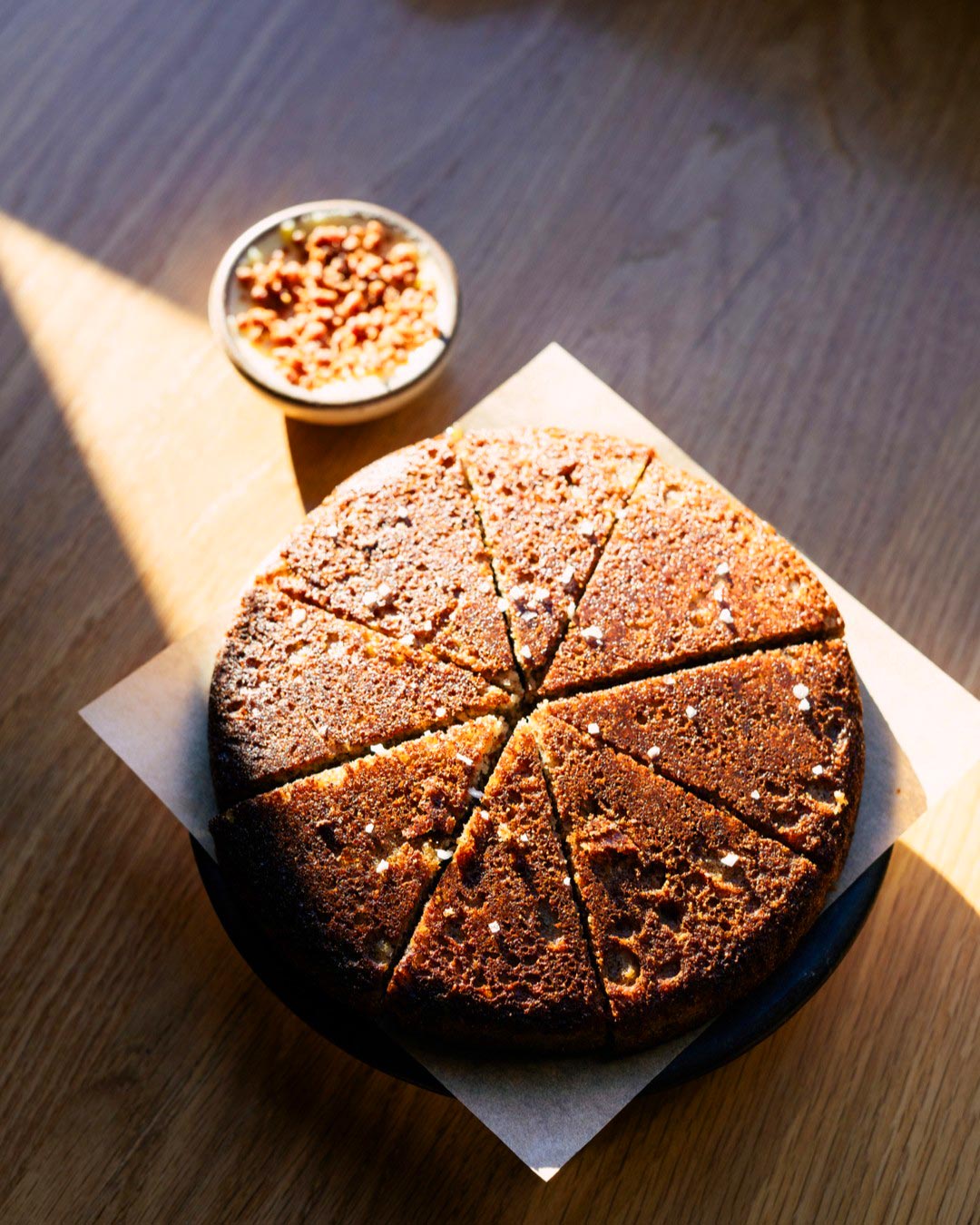
At Audrey in Nashville, Tennessee, Chef Samuel Jett recounts that they tried up to 100 variations before they settled on their cornbread recipe: “We mix salt, Cruze Farm buttermilk and cornmeal, and let it sour like a sourdough bread to get a bit more umami.” The next day, the team mixes in the other ingredients, including Bear Creek Farm lard, before baking it in a cast-iron skillet in the hearth. The chefs then brush the crusty bread with a little more lard and serve it with a rotating selection of seasonal butters. “On any given night we can sell between 30 and 50 orders. It’s one of our Audrey signatures,” says Jett.
Sweet Cornbread
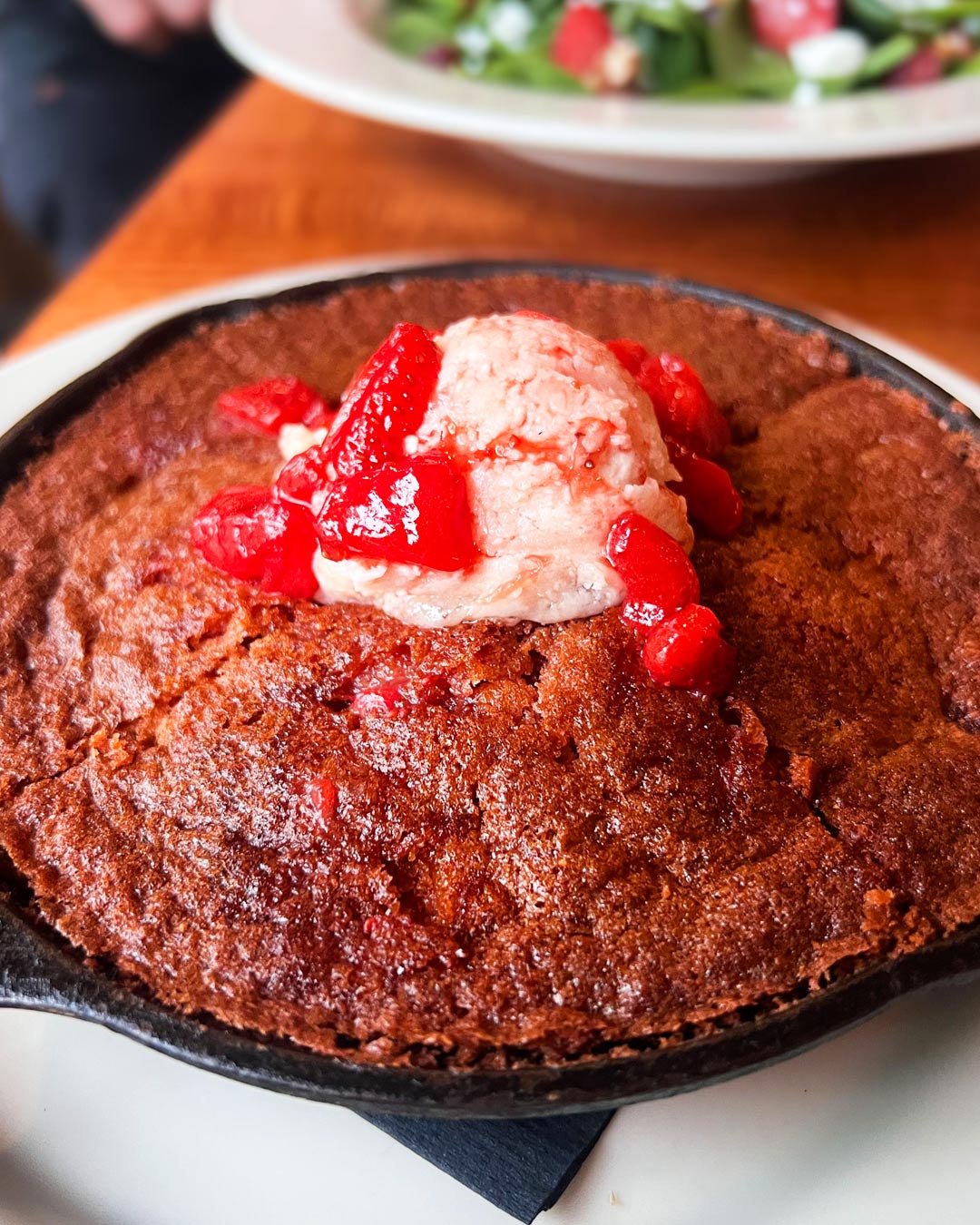
Cornbread serves as a vehicle for seasonal flavors at The Pit Authentic Barbecue in Raleigh, North Carolina. Greg Hatem, a North Carolina native who has been cooking whole hogs since the 1970s, wanted something slightly sweeter to accompany the smoky, savory meats on his menu.“We cook these in a 6½-inch Lodge (cast-iron skillet), and they’re more like a cornbread cake than a traditional recipe,” Hatem explains. The kitchen follows the seasons, incorporating locally sourced North Carolina apples, sweet potatoes, strawberries or blueberries depending on the time of year. Served as an appetizer, The Pit’s cornbread arrives with whipped butter.
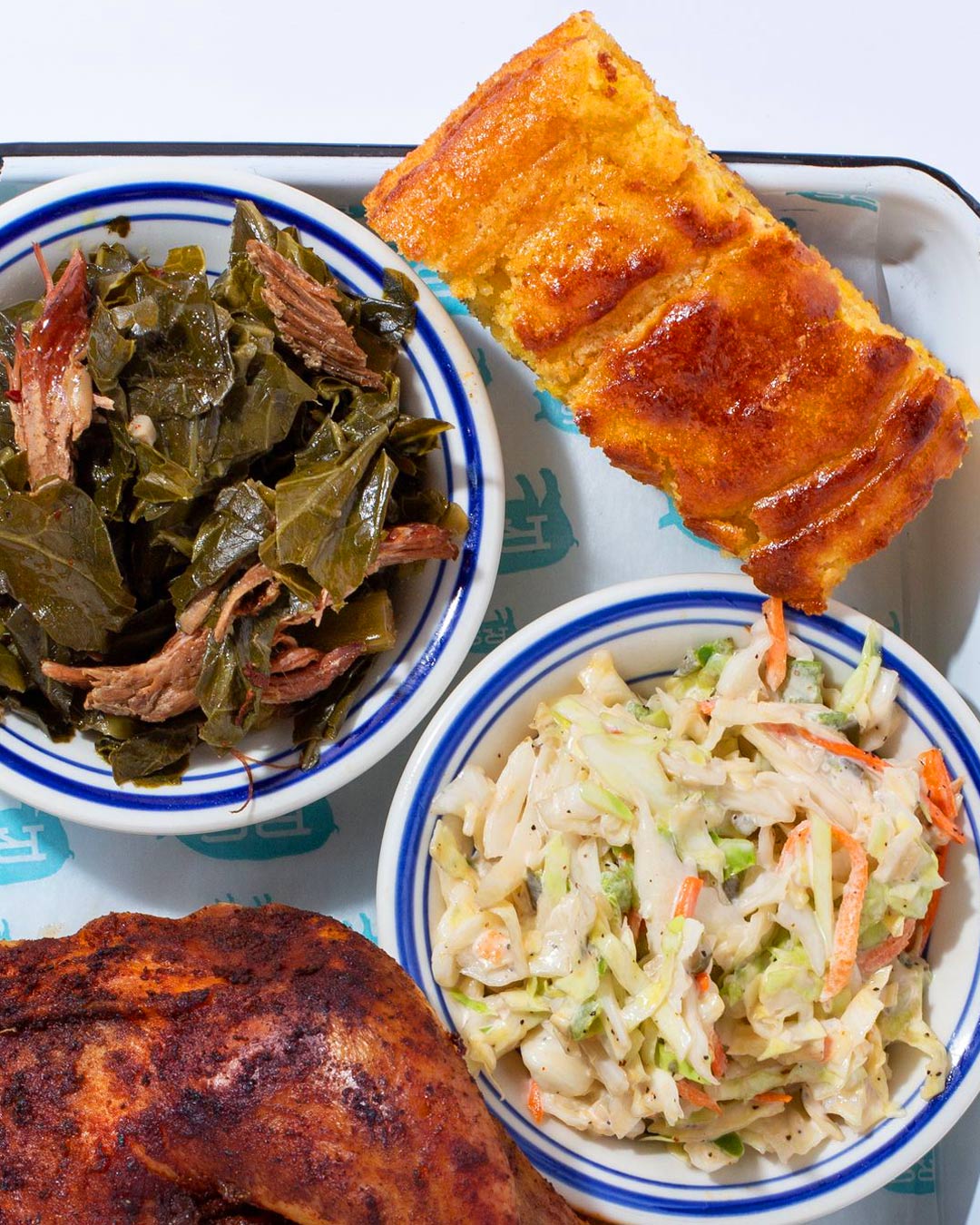
At Rodney Scott's BBQ in Charleston, South Carolina, cornbread is equally central to the experience. “All of our plates come with a piece of cornbread,” says Tyler Ashton, Chief Operating Officer and partner. “Since the majority of our items are on the savory side, we put sugar in it.”
The restaurant’s light, fluffy pan-style loaves provide a counterbalance to the smoked meats and hearty sides. They’re made from scratch several times a day, and despite the simplicity of the recipe, Ashton says the process requires careful attention, from the consistency of the batter to letting it rest slightly before baking to achieve the proper texture and golden color.
Related Articles:
Hero image: Light and fluffy pan-style cornbread. © Angie Mosier/Rodney Scott's BBQ