01 April 2026

Share


As summer approaches and travelers eye their biggest trips of the year, best-hotel and top-destination content will proliferate in your algorithms. On this page, you won’t find specific hotel recommendations: On that, we have no shortage of lists and resources in every destination.
But when it comes to booking a hotel for a specific journey, it’s all about the nuances. Over the past weeks, we polled our hotel Inspectors on all the tips, tricks and truisms they keep in mind when choosing a hotel for their own purposes — whether for a solo trip, a jaunt with the family, or off on business. Here are their secrets, and what they tell their own family and friends to consider before they book.
1. Size Matters, but Mostly at the Extremes
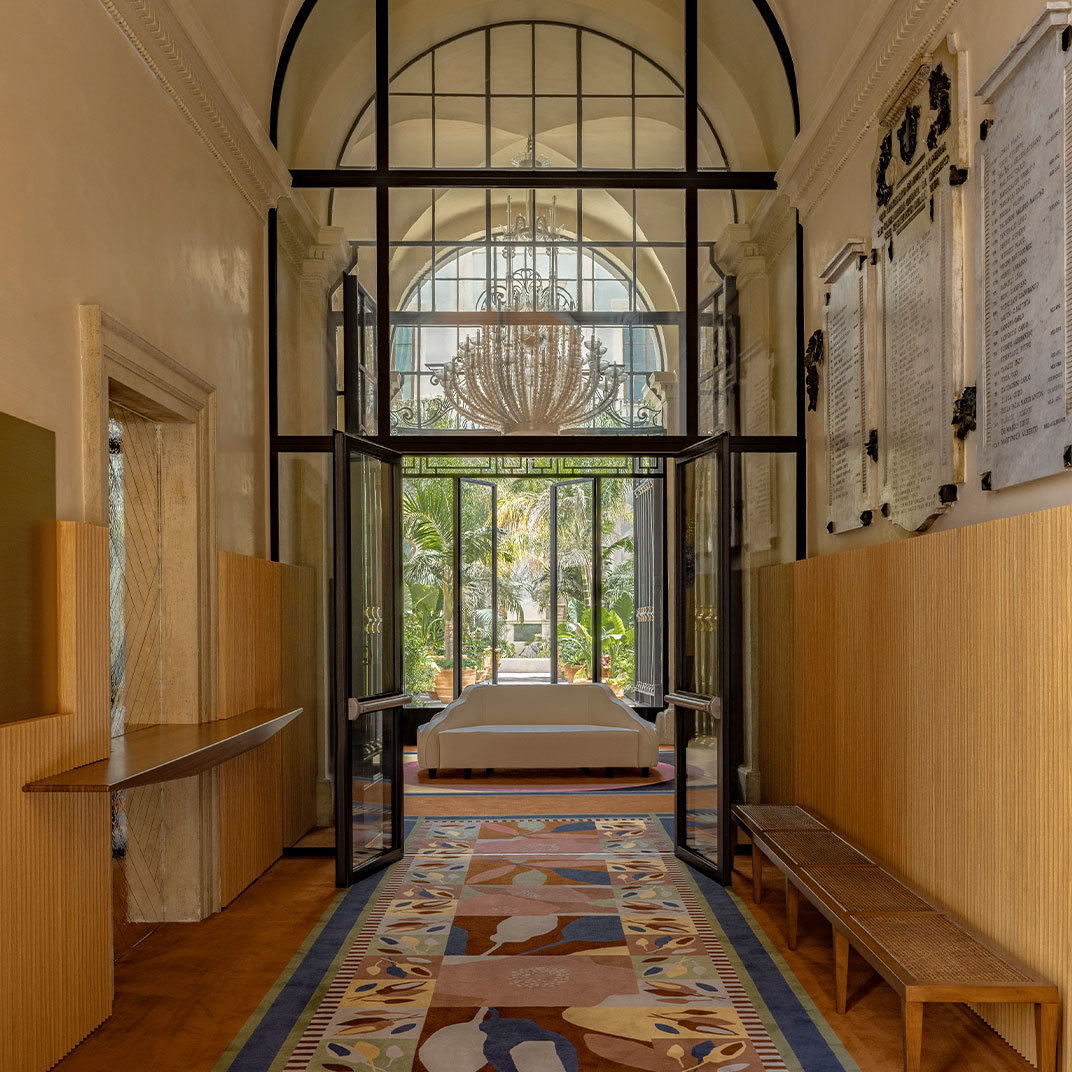
Room count is one of the most cited statistics by travel writers, but what does it really say about the experience whether a hotel has one room or 1,000? In fact, it’s easier to know what you’re getting at those extremes than in the middle.When you book a hotel with a low room count, expect intimacy and attention. Tiny hotels mean more face time with staff for each guest and a concierge with recommendations down to a science. These are excellent perks for leisure travelers in a new or unfamiliar city, or for anyone who values personal insights about every facet of the culture locals love (or hate) — from nearby restaurants and speakeasies to favorite parks, bookstores and neighborhoods.

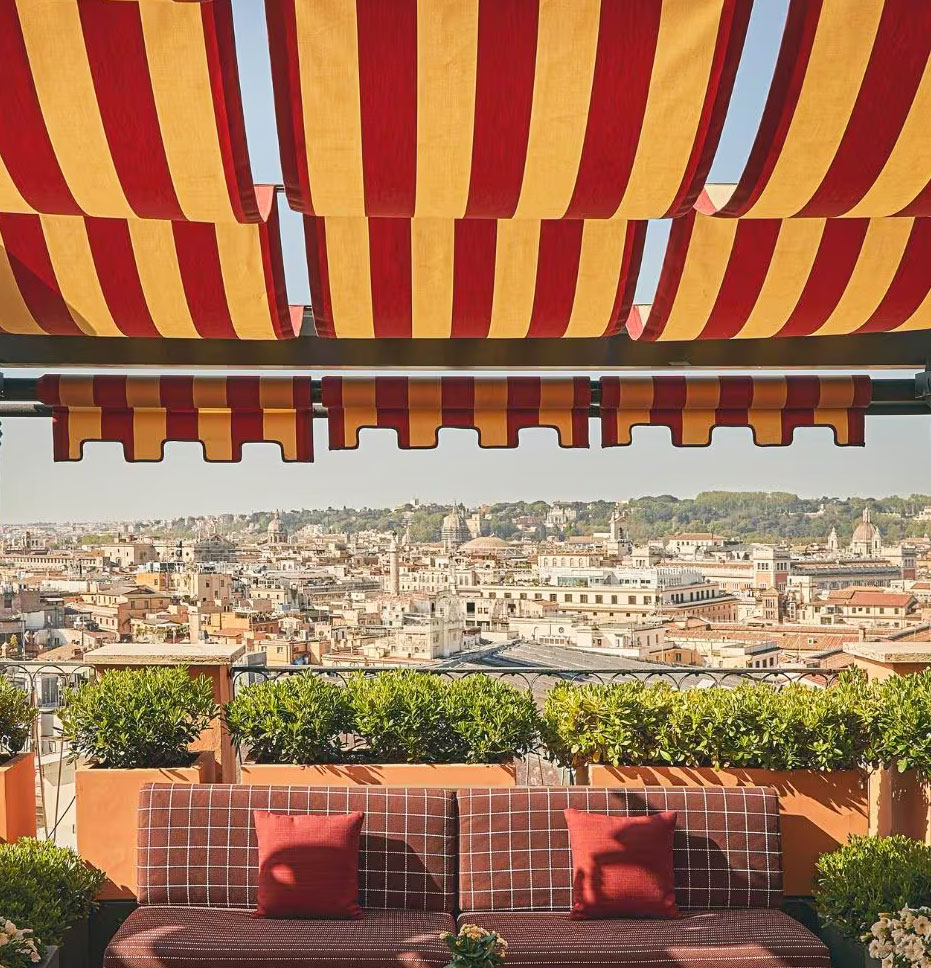
On the other end, the giant hotels, those with hundreds of rooms? These will have the most robust amenities, and they're often great for families who need multiple restaurants in multiple styles, a kids club with a babysitter, or a pool that’s open to children as well as adults. The largest hotels are also frequently the quietest city hotels, especially when you choose a room on one of the highest floors. And hoteliers know which of their rooms are the quietest — don't be shy about asking for one when you book (when you’re booking on our site, there’s always a special request box) or, with more mixed results, when you arrive at the front desk.
And before we leave the topic of size entirely, keep in mind that for business travelers, higher room categories often skip the desk in favor of a fancy sofa or designer coffee table. If you need a private workspace, double-check what’s in the room and don’t be afraid to stick with a more standard room category. For those with accessibility concerns, some upgrades can move you from a room with a standard shower to one with a shower-tub combination. Never hesitate to ask the front desk or the MICHELIN customer service team for your preference.
2. Try Neighborhoods You’ve Never Heard Of
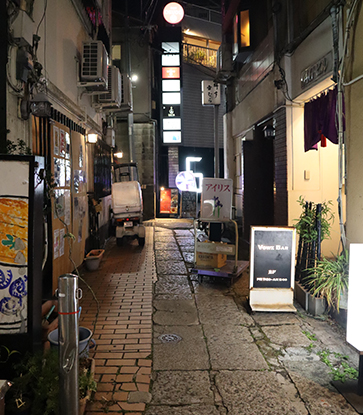
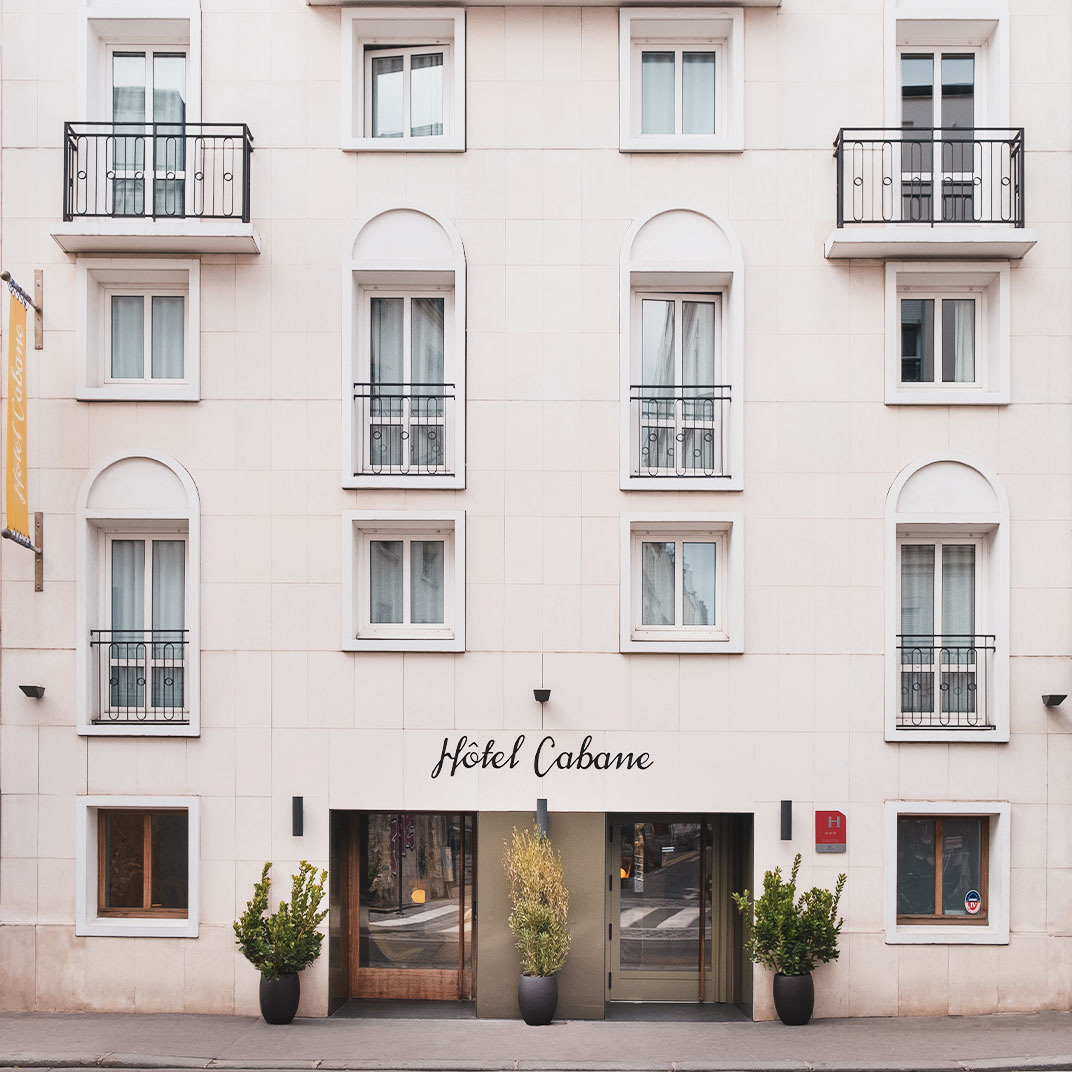
For longer stays, if you don't mind a little commuting, it’s a serious advantage, both for budget and adventure, to extend the map — sometimes significantly — away from the typical tourist centers. It’s always tempting to stay directly in the main areas of the city, but if a hotel is in our selection and it’s way outside the city’s regular tourist track? That’s like a bright neon sign saying “explore this neighborhood.”Choose a hotel like Hôtel Cabane in Paris’ quiet 14th arrondissement or Hotel Nell in D.C.’s foodie haven, Union Market, and you’re decidedly removed from the major sights. But you’re also in neighborhoods that hold a special meaning for locals, and there’s nothing quite so rewarding as taking your time to discover why.
For short stays, take the opposite path. There’s nothing worse than booking a far-off hotel to save on price before realizing you’ve spent the cost of another room night or two on transportation back and forth. On one- or two-day trips, don’t hesitate: prioritize a central location near the sights or your main reason for the visit. Even still, you can often find a deal without sacrificing convenience by looking for hotels near a major metro or train stop.
3. The More Remote, the More You Need the Hotel
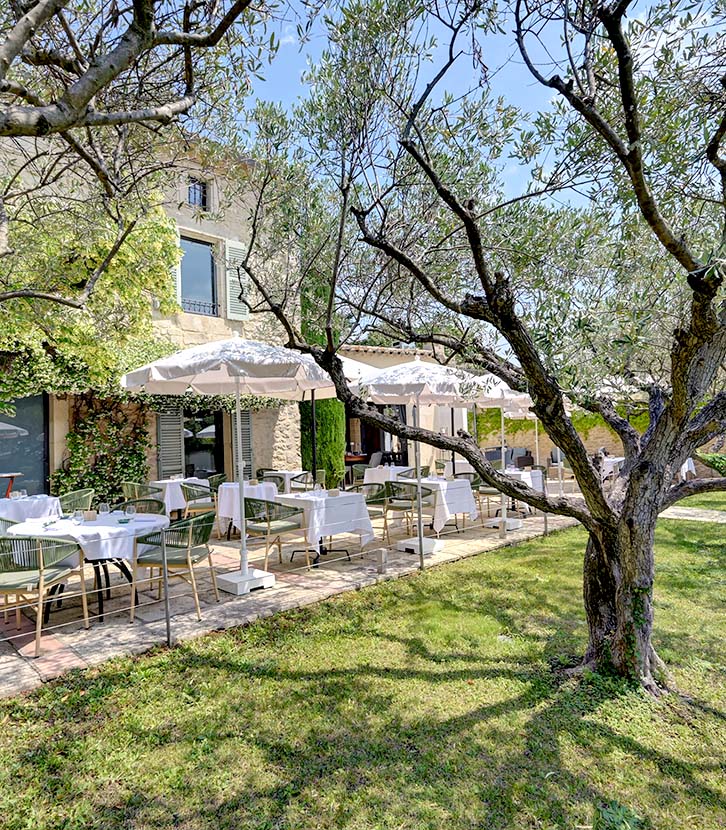
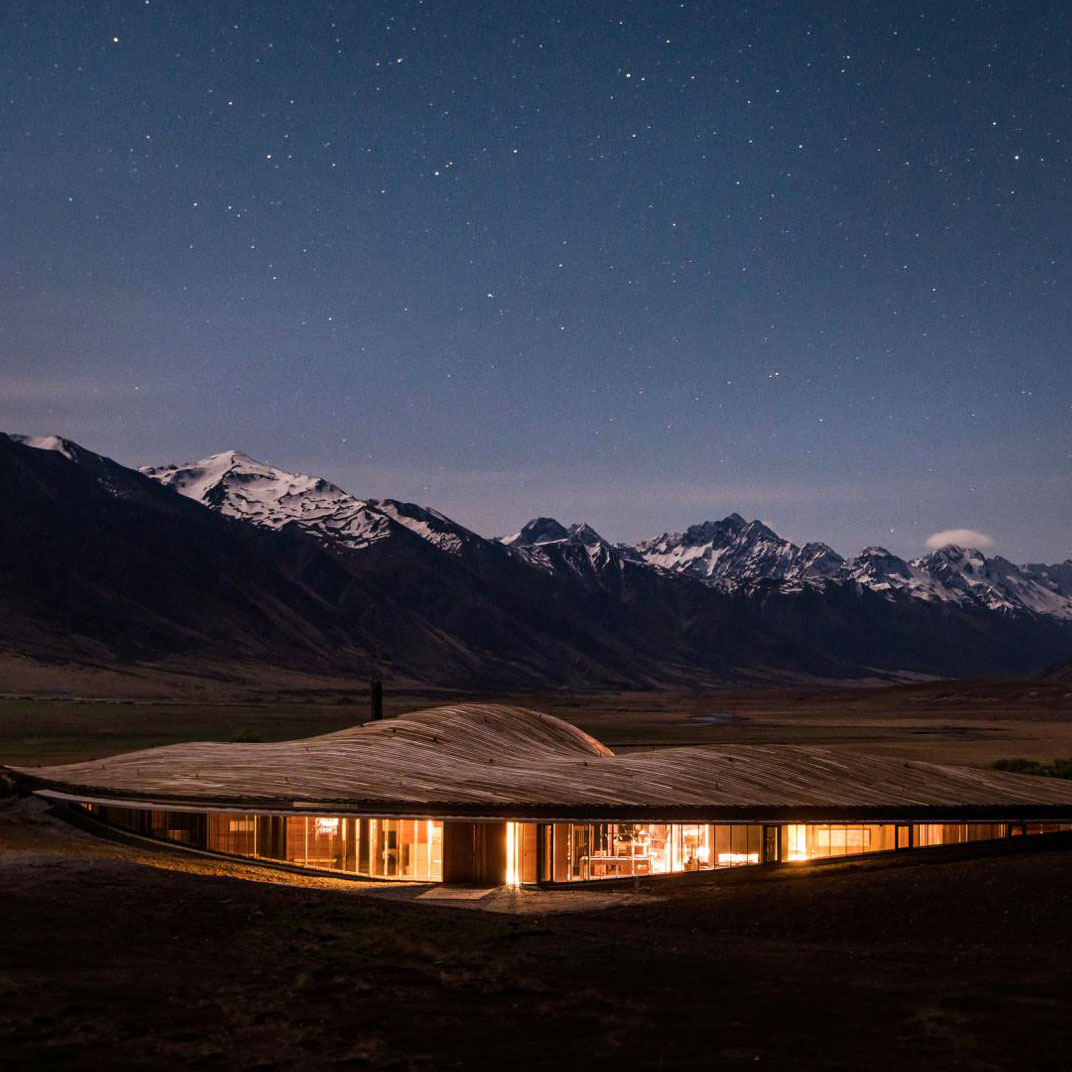
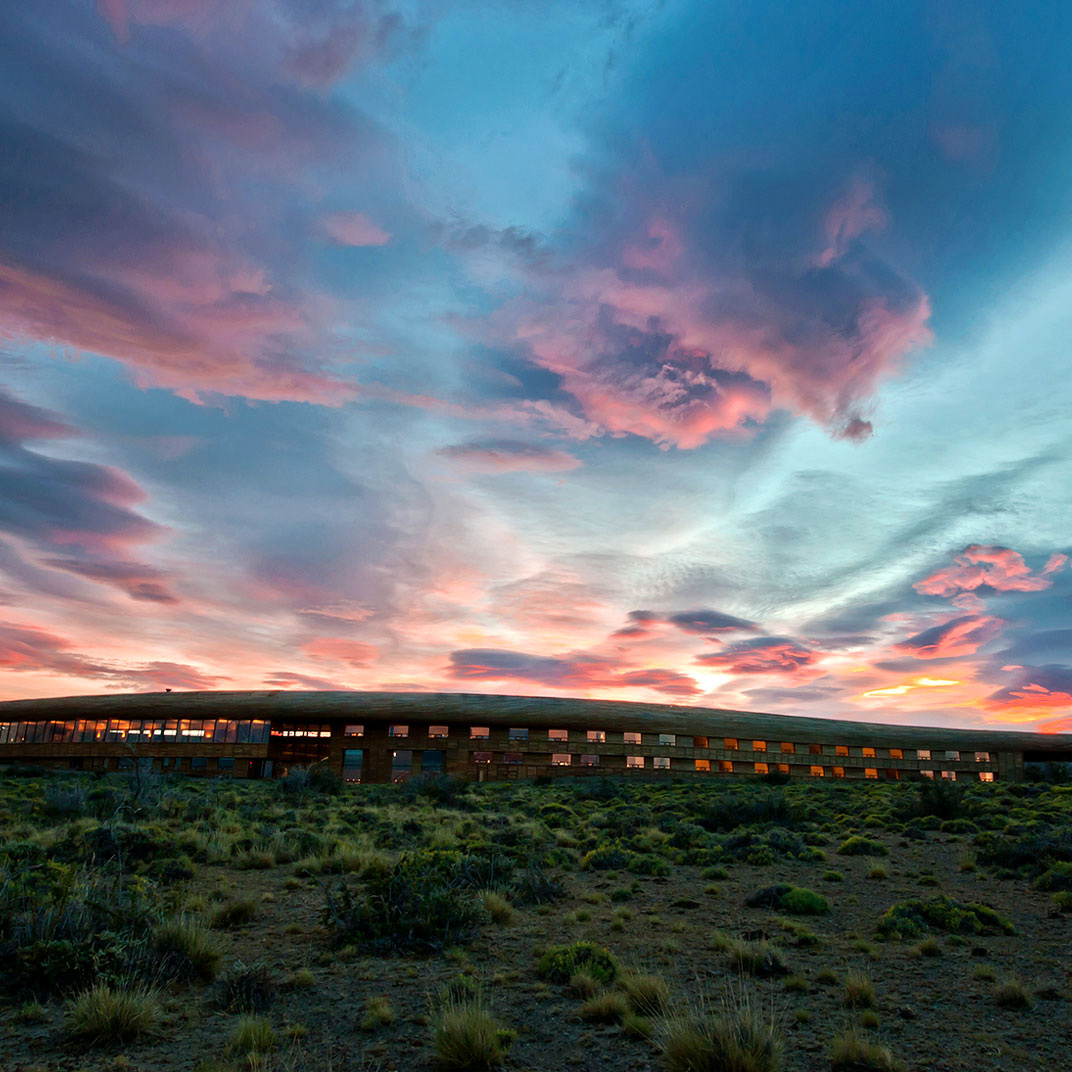
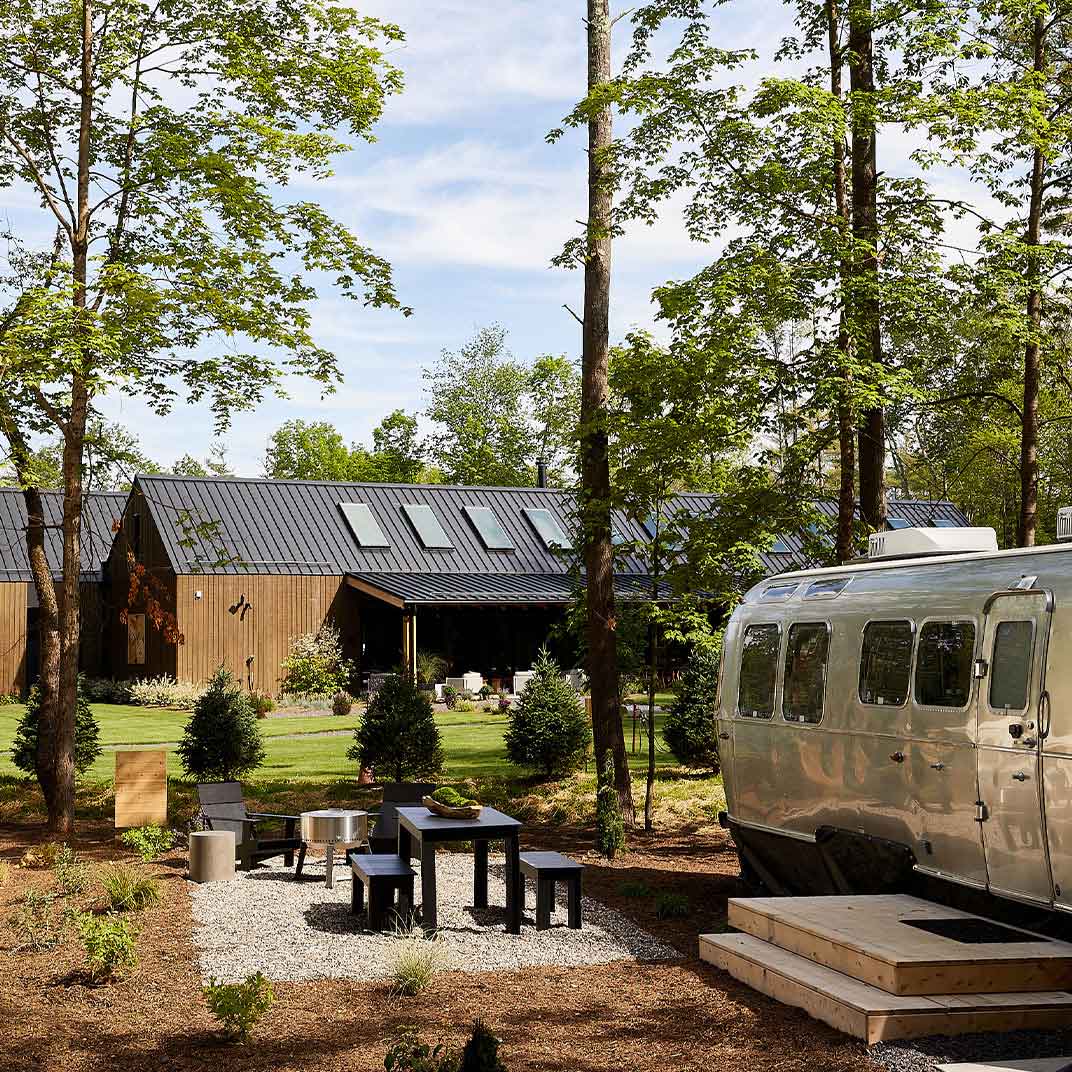
When there’s no metropolis around, the hotel becomes your conduit to everything: food, drink, activities, common spaces and so on — so it’s one of the most worth-it times to splurge on a hotel. For couples, there are often spas and romantic cottage accommodations in the offing. But more remote hotels can also be excellent options for families for the same reason many multigenerational groups love cruises: Everything is in one place, days plan themselves and there are different activities for everyone. Away from the cities, hotels are all about facilitating, from ambitious wine tastings and excursions into town to casual s’mores around the fire.And while great design hotels are everywhere, look to the outskirts of society for truly novel design. The best rainforest, desert and national park hotels often build their structures to consciously complement the landscape.

4. What to Double-Check Before You Book
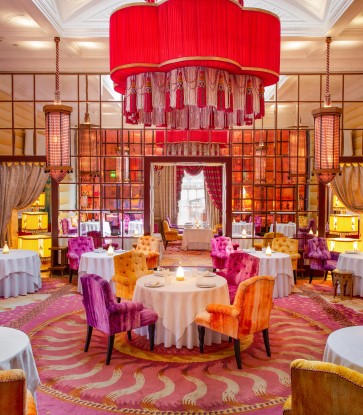
Here’s the nitty-gritty, the quick hits the MICHELIN Guide Inspectors always look out for. We’ll start with a few phrases, like Les Clefs d’Or and grande dame. These are bywords that make an appearance in many of our hotel descriptions, and they’re usually a signal that a hotel is a great spot for a special occasion. When a hotel has a Clefs d’Or concierge, it means they’re part of a professional concierge association, held to a certain standard of excellence in guest services, and particularly skilled in recommendations — and likely excellent at helping out with special requests around proposals or other celebratory moments.The phrase “grande dame” is admittedly less official — but when you see it, it’s often shorthand for an old-school European glamour that comes with coattails and white gloves. One more to look for: “members club.” They’re everywhere these days in hotels across the world, and they’re cool, exclusive spaces, usually with coworking areas and a lively lounge, excellent for business travelers.
When it comes to favorite amenities, late sleepers should always verify the check-out time and if a hotel serves breakfast all day, while party animals should look for 24-hour room service for late bites after a night out. Spa obsessives, meanwhile, should keep an eye out for exactly what’s available and what’s included in the room rate: wet areas, hot tubs and chill-out areas with nice views are often complimentary.
And, the Inspectors’ note, this kind of information — in addition to other must-know details, like parking or valet for drivers, restaurant hours and special perks like a pillow menu — is often sent directly to your email by the hotel after you book. It’s also available by request through our MICHELIN customer service team.
We’ll finish with the most on-brand tip of all. Serious foodies should scroll to the bottom of every MICHELIN hotel page, where you’ll find a map with restaurant icons nearby.
Related articles:
- Our Complete Hotel Guides — How to choose a hotel in Barcelona, London, New York, Mexico City and Paris.
- Every Three-Key Hotel in the World — Inspectors’ top-rated hotels in every corner of the globe.
- The Most Affordable Key Hotels — The greatest, most reasonably priced hotels anywhere.
Hero Image: © Debora Szpilman