02 March 2026
Share


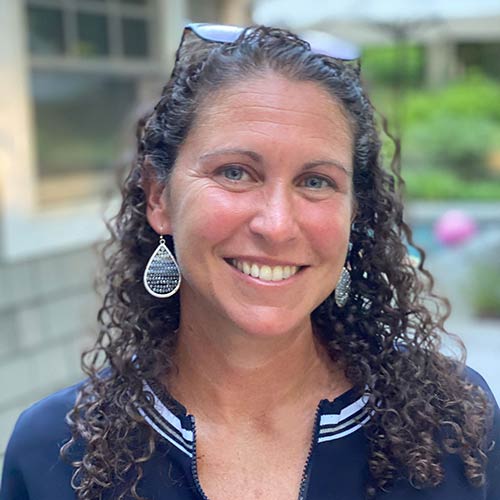
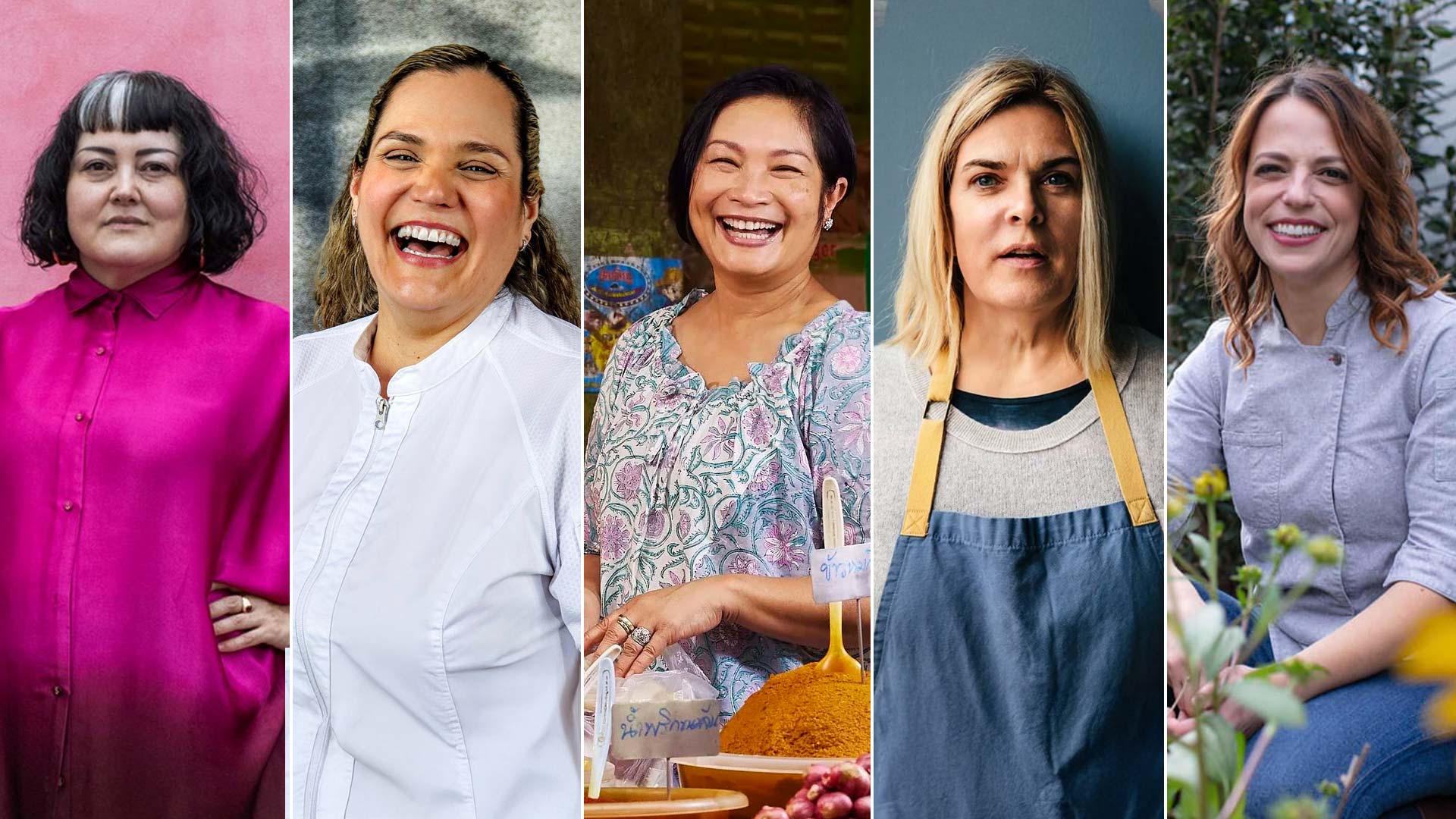
Commanding the helm of esteemed dining rooms from Mexico City and New Orleans to Philadelphia, Washington D.C. and Cambridge, Massachusetts, these five exceptional chefs are evidence that women can do it all. They are culinary visionaries who not only excel behind the stove but also ensure that the people around them — from dishwashers and line cooks to farmers and their own families — are thriving and supported.
This International Women’s Day, The MICHELIN Guide celebrates both their exceptional craft and their commitment to bettering the culinary landscape.
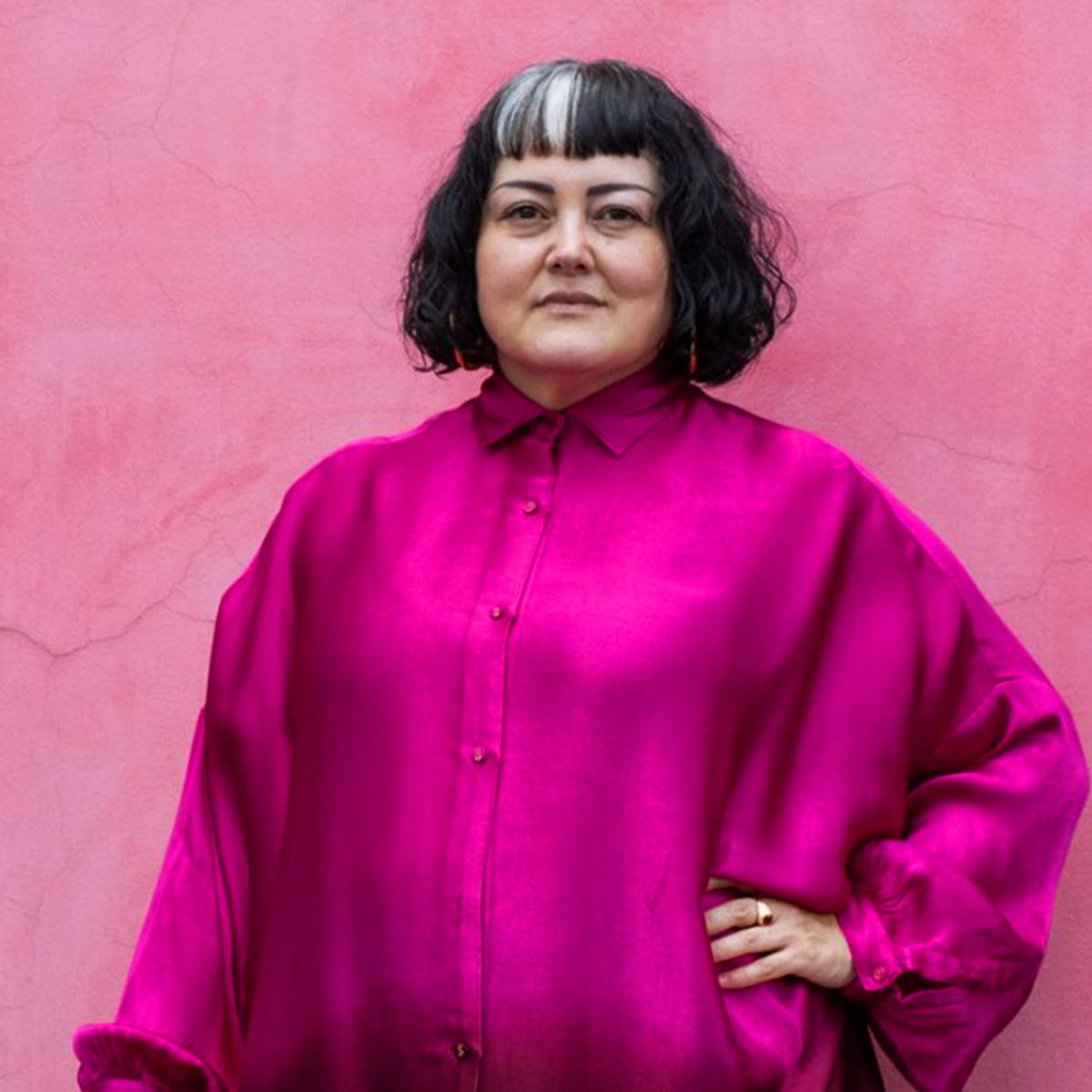
Norma Listman
Masala y Maíz, Mexico City, Mexico
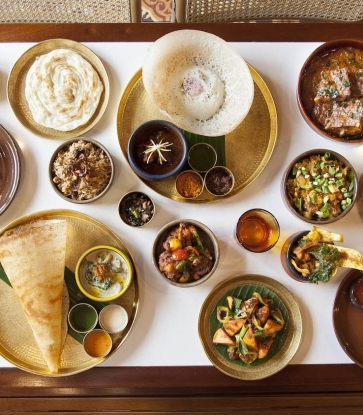
When Norma Listman and her husband, co-chef Saqib Keval, opened Masala y Maíz in Mexico City in 2017, the menu focus was California-based; Listman had just spent several years working in the San Francisco Bay area. But as her interest in the revival of land-raised corn in Mexico became a central topic, the thrust of the restaurant evolved. "You can’t talk about Mexican food without talking about corn," she says.Listman and Keval also started exploring their respective heritages after an “aha” moment at a dinner party they threw for friends, where they first merged Listman’s Mexican background and Keval’s Indian family roots. The menu at the restaurant, which MICHELIN Guide Inspectors call “highly original,” now blends Mexican, Indian and East African traditions. "We always say we cook the food as if our grandmas were roommates," she says.
That translates into dishes like esquites makai pakka, a riff on Mexican street corn, weaving in traditional flavors like epazote and onions as well as fresh turmeric, ginger, chiles and coconut milk. In a direct nod to the original, the dish is finished with mayo, lime and cheese.
Listman is a bold advocate for women in Mexico, and the restaurant promotes and supports women with a variety of measures. A daytime-only schedule ensures the team at Masala y Maíz can get home safely (if they stay past 9pm, Listman provides car service), domestic violence training is provided, and the kitchen sources much of its products from female farmers.
For International Women’s Month, the restaurant is hosting a dinner series bringing female chefs from around the world to collaborate on menus rooted in shared histories and cultural exchange, including chefs Asma Khan and Reem Assil.
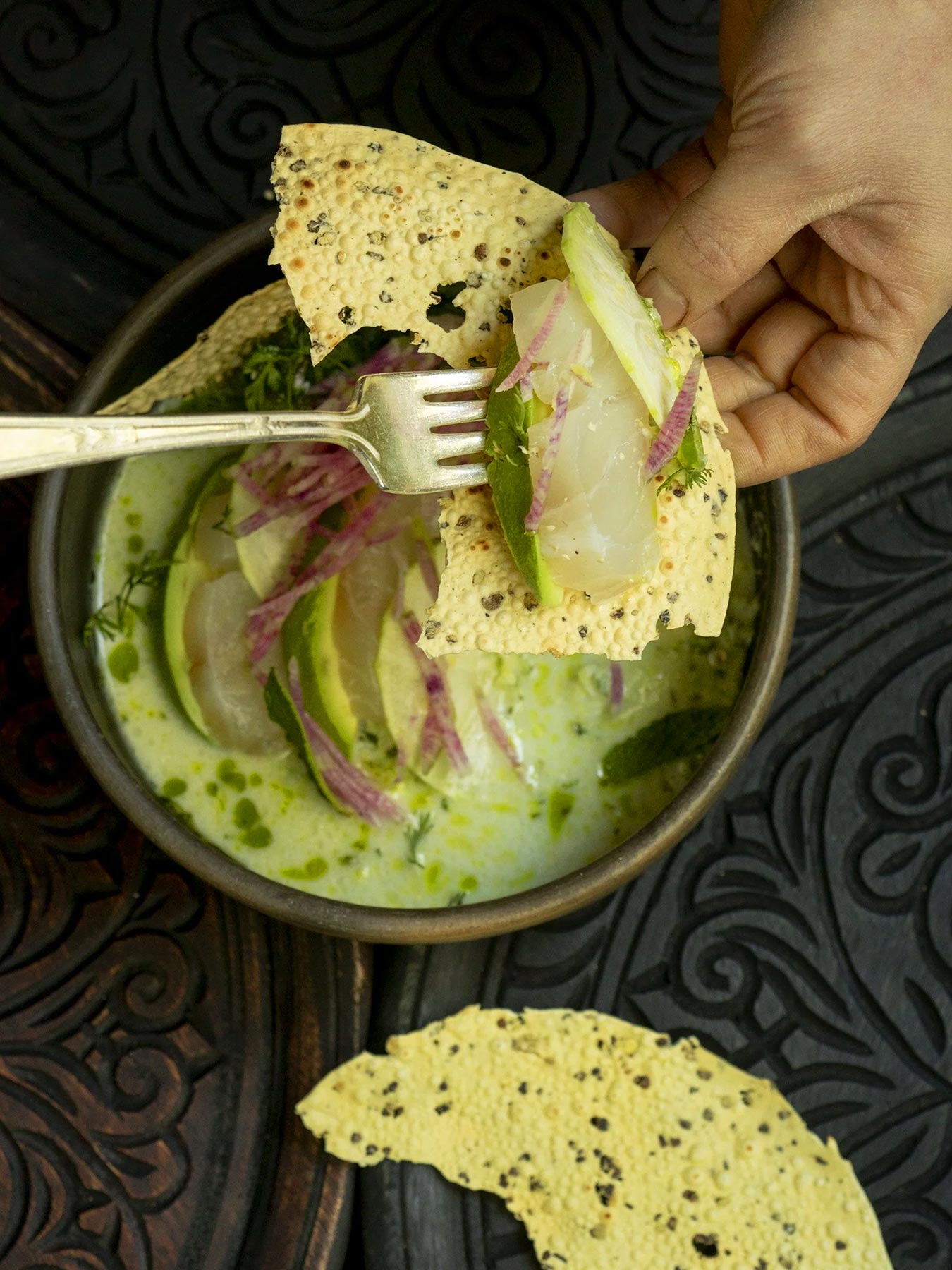
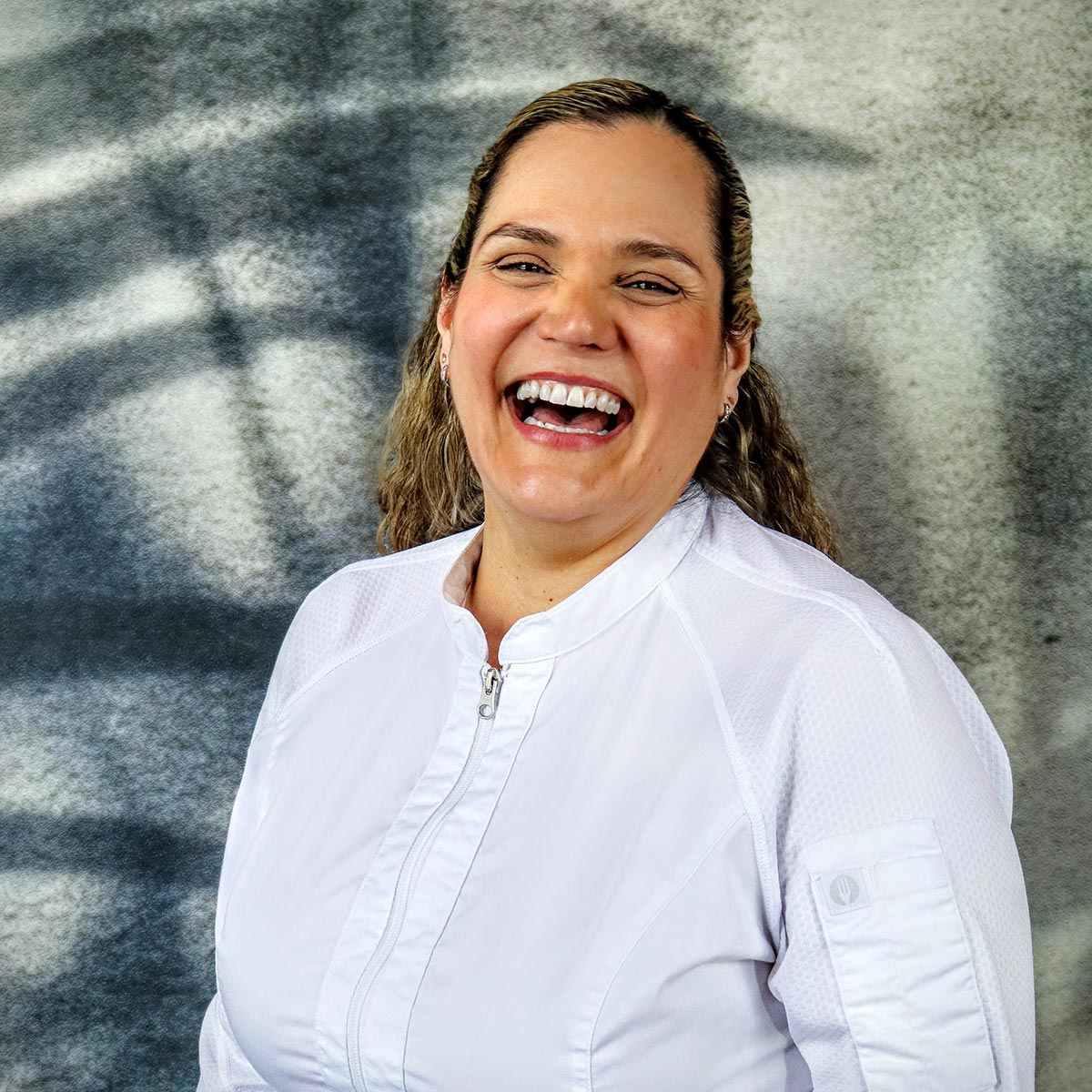
Tatiana Mora
Mita, Washington, D.C.
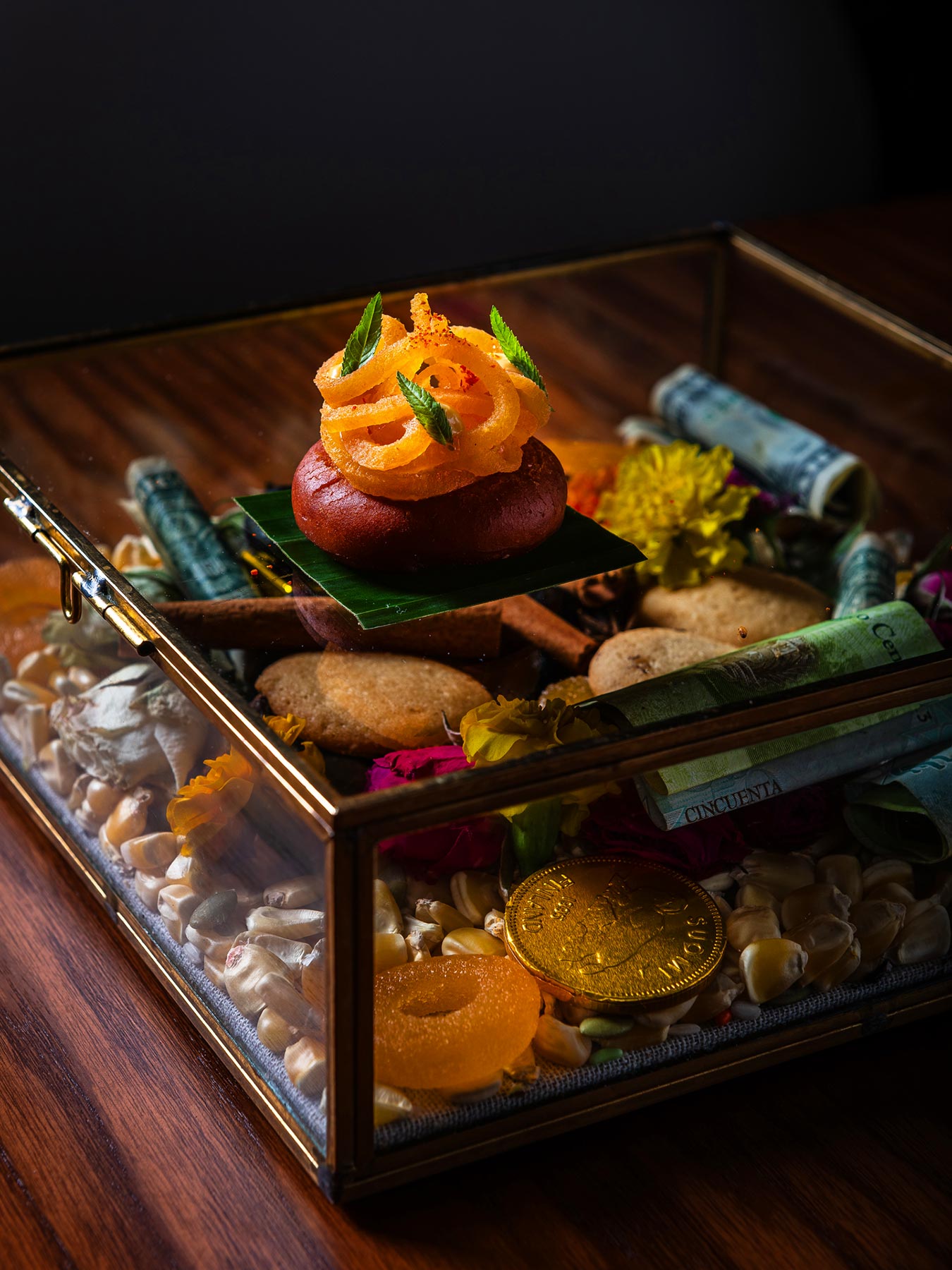
When guests arrive at Mita in Washington, D.C., they are welcomed with an energy-cleansing ritual of copal, an aromatic tree resin that smokes delicately in the dining room. It sets the tone for Chef Tatiana Mora's plant-based restaurant, where Mora and Co-chef Miguel Guerra bring the magic of Latin America to the table, using a combination of techniques, ingredients and storytelling. "We try to recreate a ritual or a dish with intention and purpose," says Mora.Anchoring that narrative is a dish called pachamama, a reference to the Incan fertility goddess also known as Mother Earth. Presented in a glass box, the dish recreates a Peruvian indigenous ritual of gratitude: aromatics sit inside the box, while on top is a composed presentation that changes seasonally, but may incorporate picarones (Peruvian donuts), persimmon and lucuma (a type of fruit) aioli. The menu also pays tribute to Mora's grandmothers, who were instrumental in her upbringing and in nurturing her love for the kitchen. She honors one of them with a soup named Eloisa, prepared with arracacha (a starchy root vegetable), fresh fava beans, togarashi (the Japanese term for chili pepper) and a dashi broth. "The soup is a foam," Mora says, "and it's very, very, very savory."
Mora is the first female Venezuelan chef to helm a restaurant that has earned a MICHELIN Star, but she is more than just a great chef: she is also a certified sommelier and wellness coach, who uses her training to empower women in professional kitchens and emphasize the importance of well-being. "I am a woman and I am a mother. I have to be healthy first for me, then I can be there for the rest of the people around me," she says. "We [women] are like the pachamama."
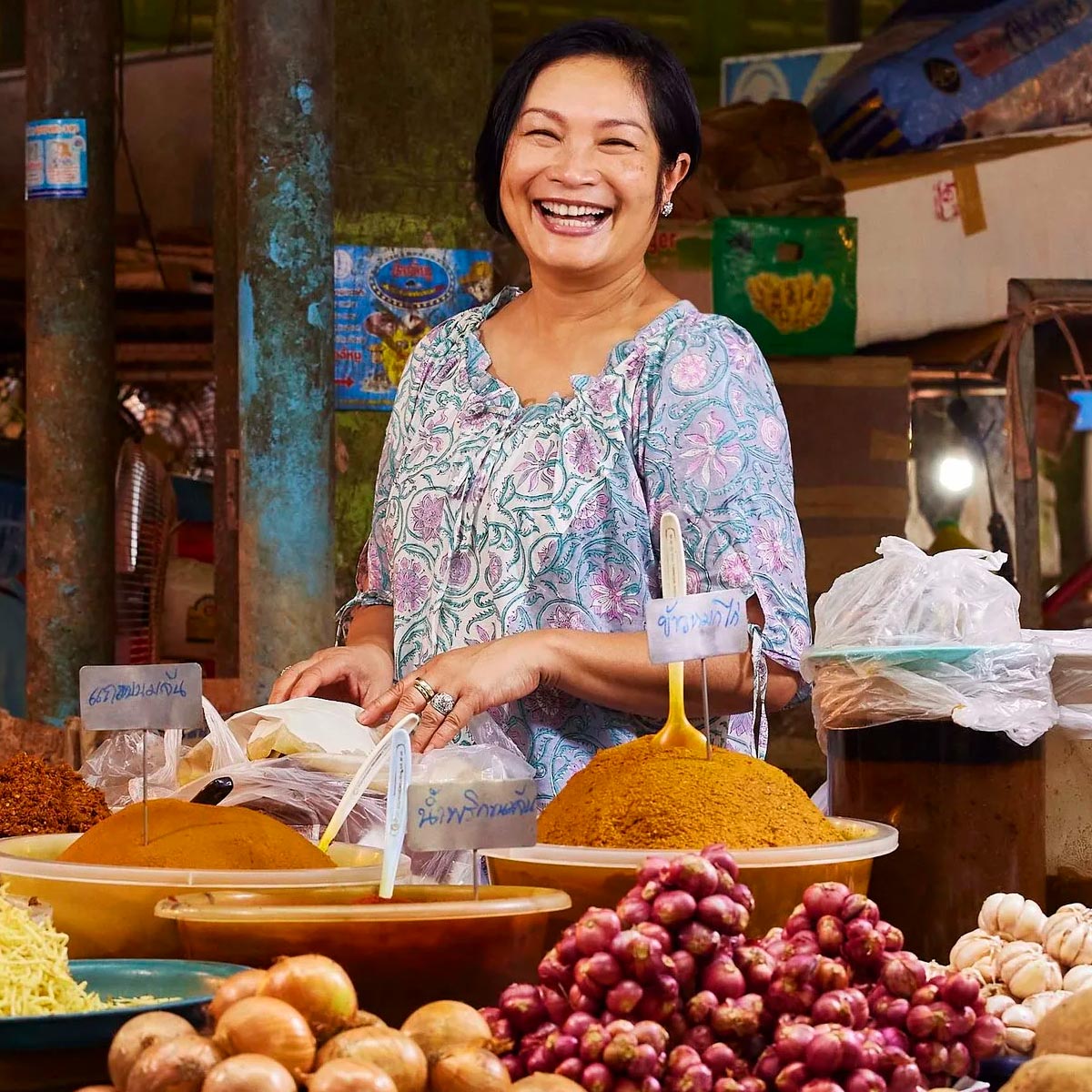
Chutatip “Nok” Suntaranon
Kalaya, Philadelphia, Pennsylvania
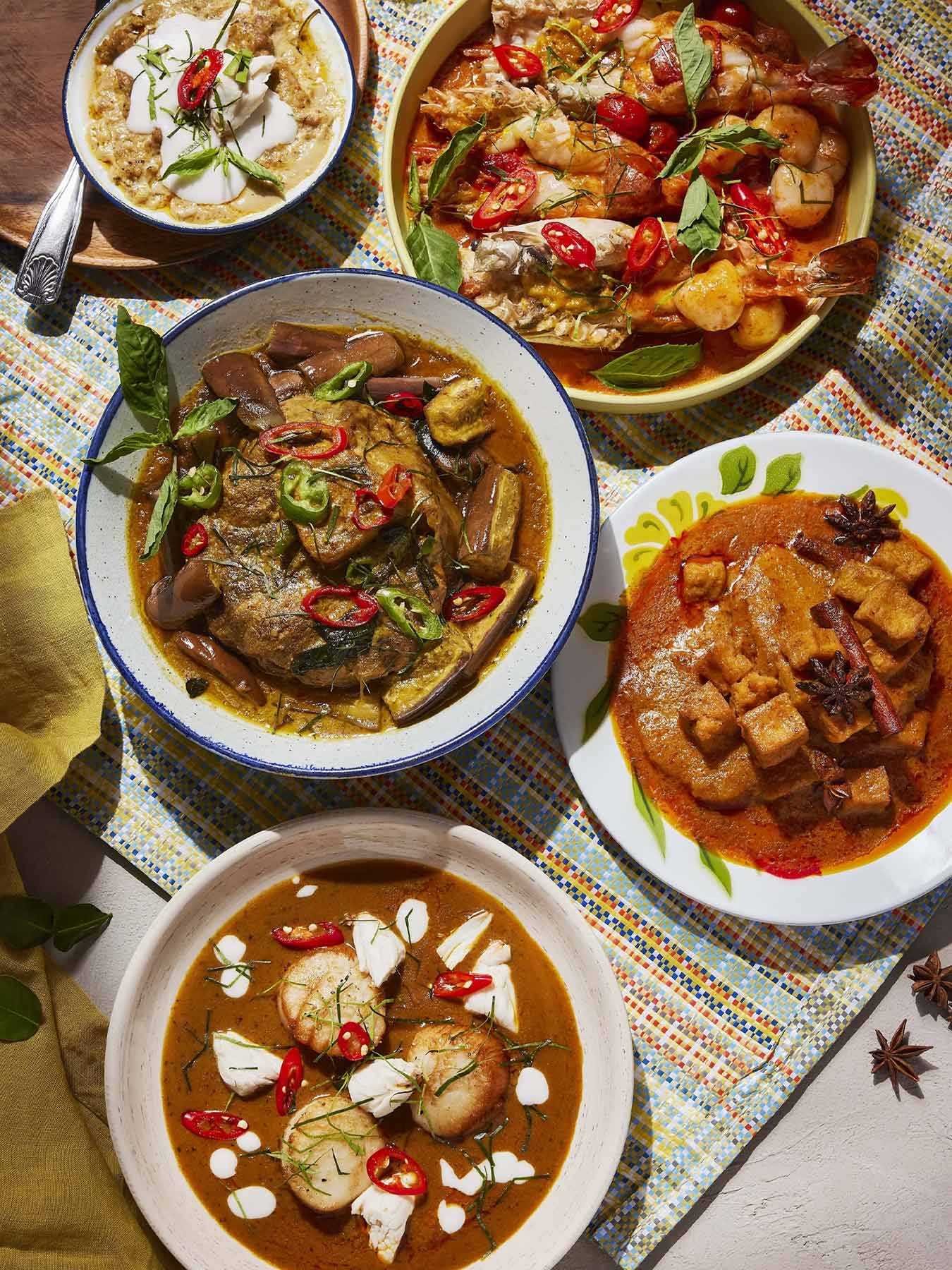
The spicy, bold food at Kalaya draws on Chef Chutatip “Nok” Suntaranon’s childhood in southern Thailand, where she learned to cook from her mother, who ran a curry paste stall at the local market, Talat Yan Ta Khao. A former flight attendant, Nok later settled in Philadelphia and, after culinary school, chose to work in restaurants as a line cook — curious enough at age 40 to enter Jean-Georges Vongerichten’s kitchen as an intern.She opened Kalaya (named for her mother) in 2019 at age 50 as a passion project, unconcerned with financial success. Nok works on her own terms. “My food is whatever I want to cook, whatever I have in mind,” she says. “I run my kitchen because I want to have fun, and I want to share my culture. I want to be nice to my staff and I want to talk to the customers.”
Her cooking follows memories of her childhood, from the way her father liked his curry to her mother’s favorite dish, gaeng som, a spicy, sour, water-based curry made from chiles, garlic, shallots and turmeric, and ubiquitous across southern Thailand. Other dishes she grew up with in her hometown of Trang are on order, like caramelized pork belly with tamarind.
She credits the restaurant’s success to hard work and personal sacrifice. “I started this career at 50 years old. This year, I'm 57. Last year I was named on the Time 100,” she says. “Each one of us can write our own destiny, but we all have to put our work in.”
Nok is now researching the Muslim south of Thailand, where mild, turmeric-driven flavors will shape Kalaya’s next menu. “The food is so humble, so warm. It's just different, and people are so different. That's what I love about Thai food — its uniqueness.”
Ana Sortun
Oleana, Cambridge, Massachusetts
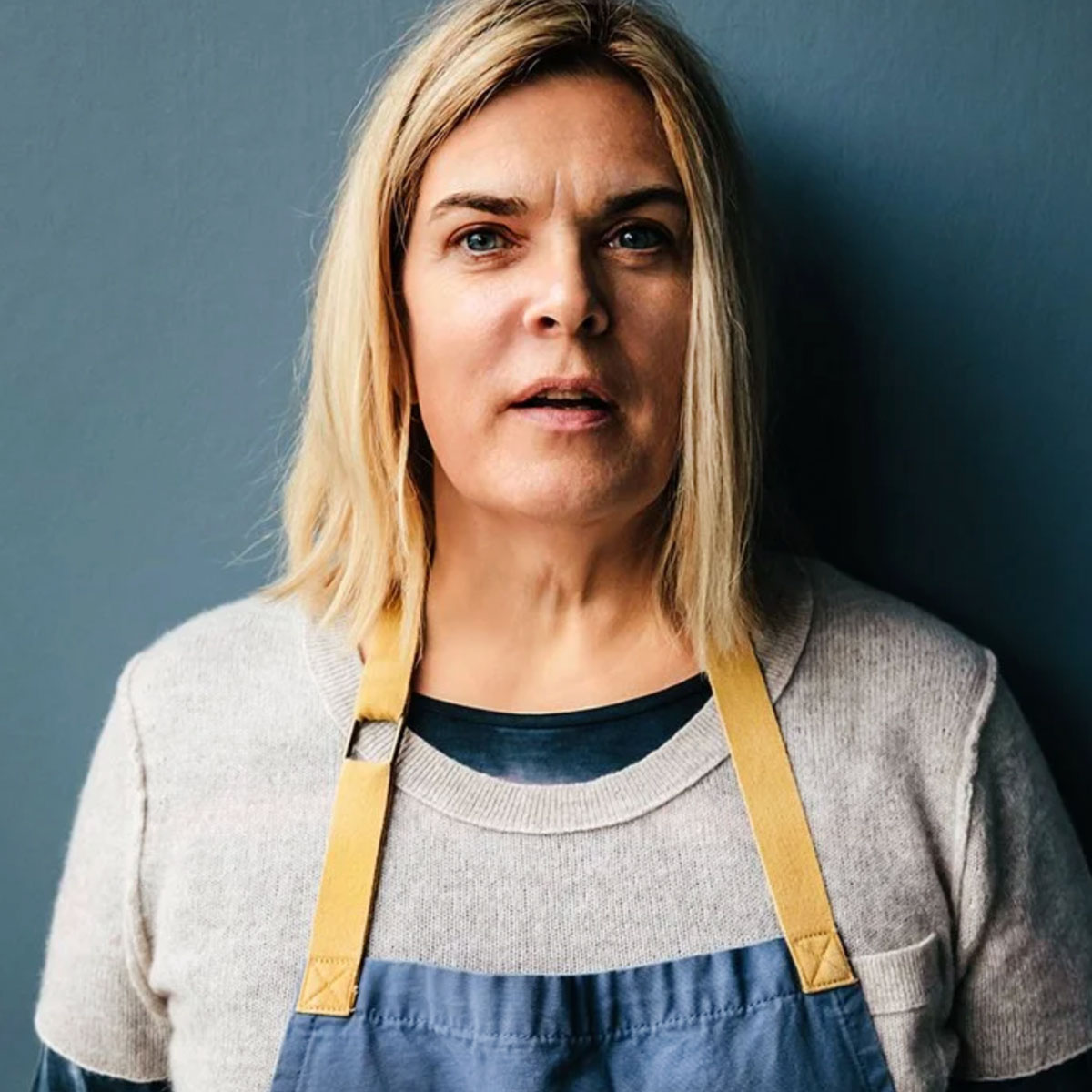
Over 30 years ago, Chef Ana Sortun was working for a Syrian chef in Cambridge, Massachusetts, when she was given the opportunity to travel to Türkiye for a deep dive into their cuisine. The experience proved seminal. On her second day, her host arranged a meal prepared by 30 women, each asked to cook something that represented her town and her lifelong skills. “If you can imagine tasting the things that these women had spent their lives practicing, it was pretty unbelievable,” Sortun recalls. “That was the crossroads for me. I changed course pretty quickly.”Now at Oleana, her Cambridge restaurant, she cooks the foods of the eastern Mediterranean, with a particular focus on Türkiye. “My mission is to bring this food more into the mainstream and expand people’s perception of what Mediterranean food is by pushing it a little further,” she says. That intention comes through in dishes such as a deboned whole quail kebab pressed under a brick, seasoned with two spice blends, and finished with crushed pistachios and barberries. She also points to her Türkish-style warm buttered hummus, which differs from the more familiar Israeli version in that it contains no tahini. Instead, it’s enriched with olive oil and butter for a thicker texture. “The hummus is stuffed with a cube of butter, wrapped with basterma (thinly sliced cured beef), and warmed so the butter melts inside.” The result, she says, is food that is simultaneously rich and light.
Sortun feels she is about two-thirds of the way through her culinary journey and plans to keep expanding diners’ understanding of Türkish and eastern Mediterranean cooking through her restaurants — while continuing to deepen her own knowledge. “It’s so much more complicated than other countries,” she says. “Every time I go to Türkiye, I learn something new.”
Sue Zemanick
Zasu, New Orleans, Louisiana
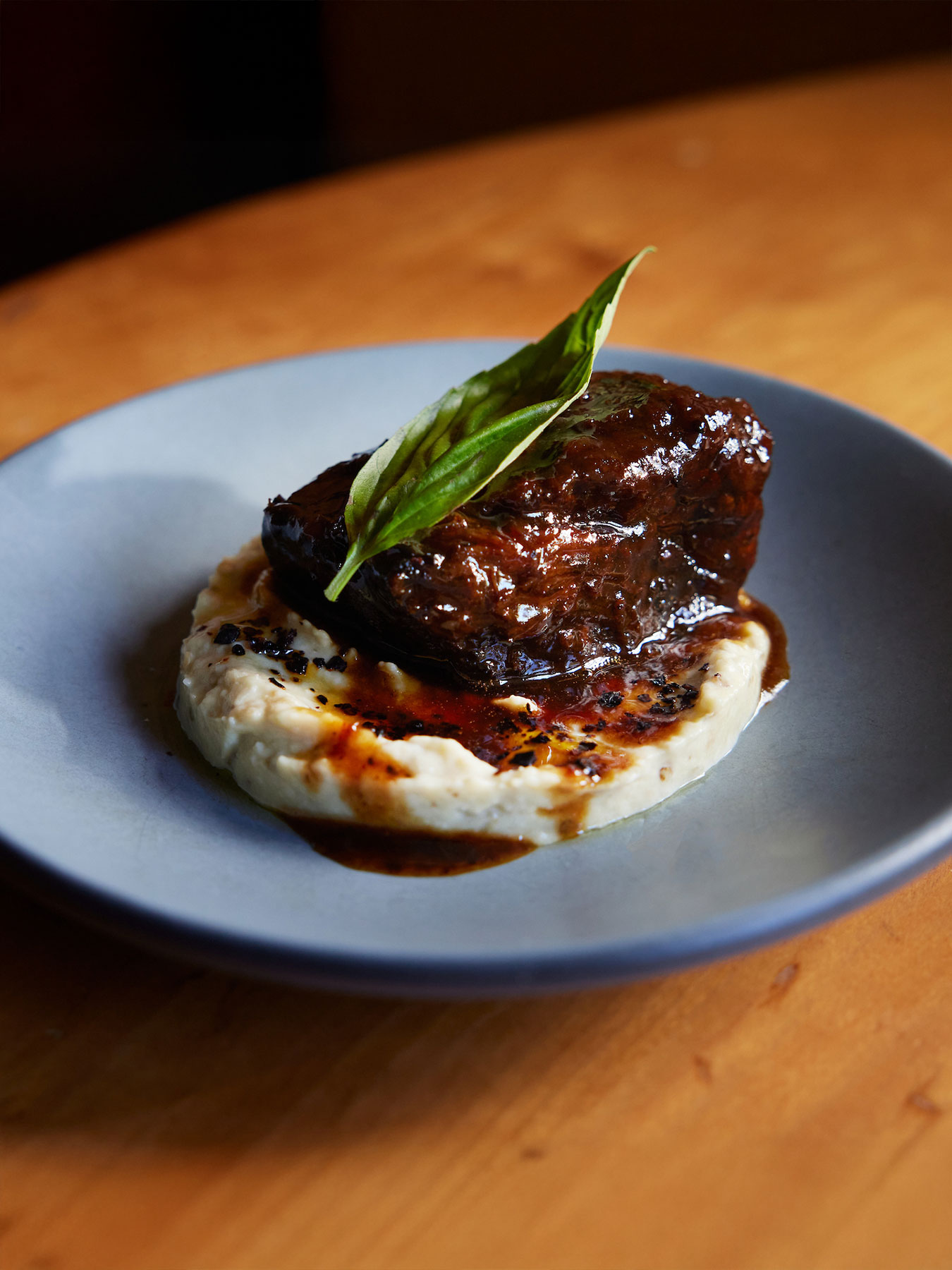
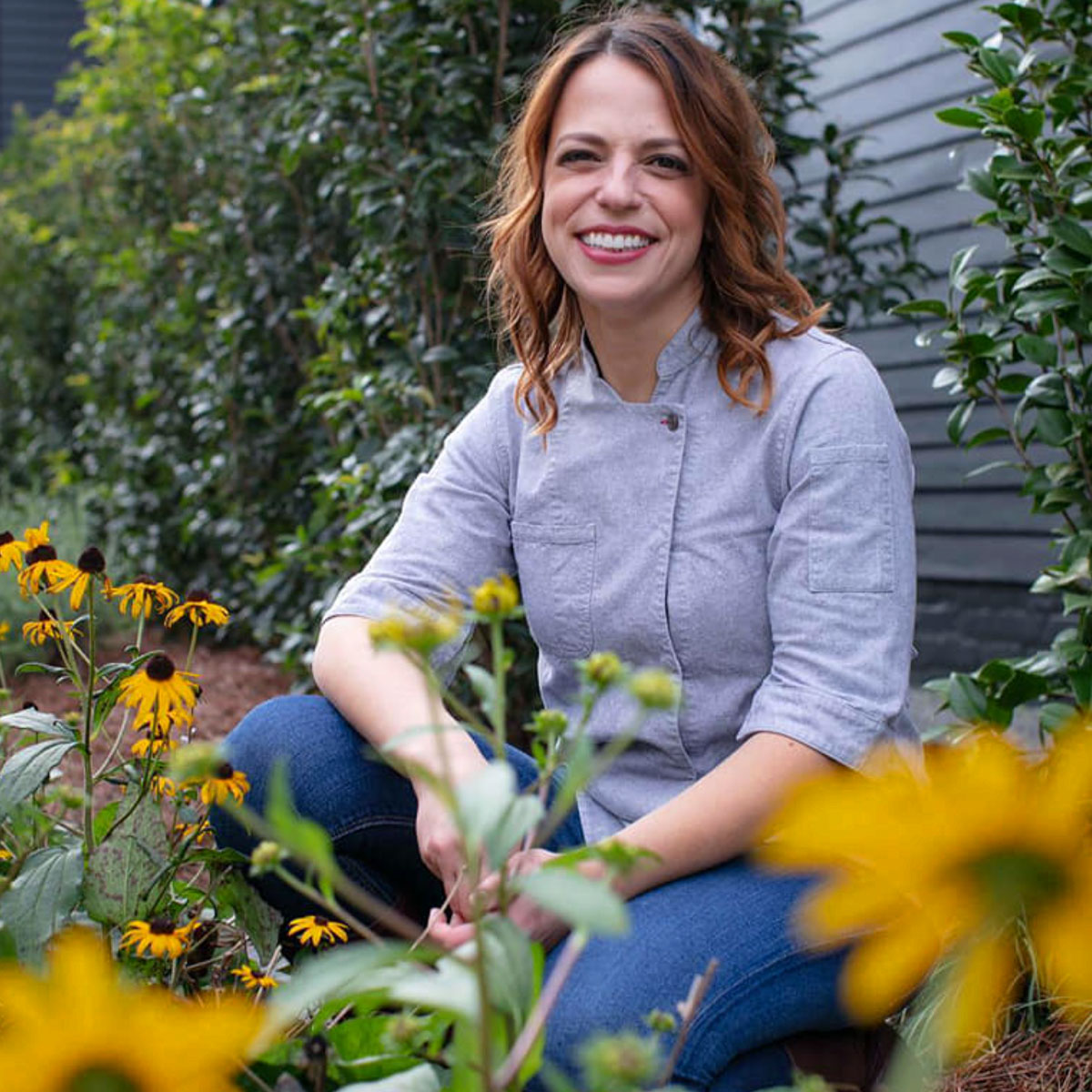
After Chef Sue Zemanick gave birth to her daughter in 2016, she realized the transition back to her former job — running the kitchen at Gautreau’s in New Orleans — would not be easy. Driven by a desire for full ownership and control, she opened Zasu on New Year's Eve in 2018. The restaurant serves contemporary American food in a small, elegantly designed cottage in the Mid-City neighborhood.The menu at Zasu is seafood- and vegetable-centric, though her signature dish is pierogies, a dish she grew up making with her father and grandmother, and one that speaks to her Slovak heritage. Her original version is filled with potatoes, roasted garlic and mushrooms ("it's the one that put me on the map,” she says) but the recipe changes often. The current version has the same potatoes and roasted garlic, but also includes pimento cheese, and is served with charred scallion, lime creme fraiche and sauteed turnip greens, with pickled Fresnos for a little heat and acidity. Each one-pound batch of dough is made by hand in a bowl with a fork.
Aside from pierogies, Zemanick differentiates herself by using Gulf by-catch in creative ways, rotating in seafood like porgies and turtle meat. "I put different flavor profiles and twists and spins on [seafood], as opposed to what you see in New Orleans all the time, which is like your black and red fish or boiled shrimp — just the traditional things that we have on every menu here."
Zemanick keeps Zasu intentionally small to support work-life balance for herself and her staff. “I’m not open on Mother’s Day, even though it could be really lucrative. I don’t want to make other mothers work just so I can make money,” she says. “Everybody needs a day off.”
Related Articles:
Hero image: Collage - Norma Listman © Ana Lorenzana | Tatiana Mora © Mita | Chutatip “Nok” Suntaranon © Michael Persico | Ana Sortun © Kristin Teig | Sue Zemanick © Chris Granger