14 May 2026

Share


Recipes passed down through the generations are not merely replicated, they are reinterpreted with a contemporary sensitivity. At the heart of this evolution lies a profound connection to the local terroir, alongside a cuisine that champions the bounties of both land and sea, elevating them to levels of excellence. Restaurants such as Monte in Rovinj, Nebo in Rijeka, Boškinac in Novalja, Pelegrini in Šibenik, Korak in Jastrebarsko, Dubravkin put and Noel in Zagreb perfectly embody this philosophy. Here, behind every culinary experience lie narratives that are deeply personal and yet universal.
While exuding an avant-garde spirit, restaurant Monte is rooted deeply in the red Istrian soil and the Adriatic Sea. Traditional dishes such as Istrian fritaja or fuži pasta are transformed through contemporary techniques: truffles are rendered into foam or powder, while pasta is crafted with absolute precision to elevate its texture. The use of methods such as sous-vide, dehydration and molecular gastronomy serves to isolate and intensify the original flavours.
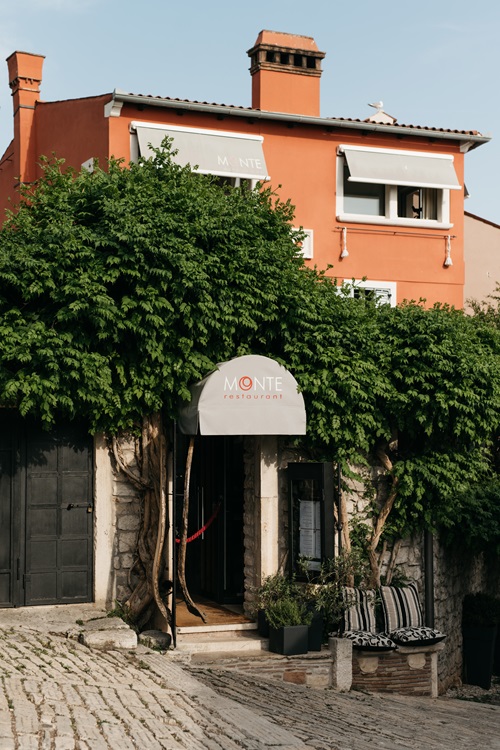
At its core, however, the focus remains firmly on the ingredients – from prized Kvarner langoustines and Istrian truffles to indigenous Istrian boškarin beef and locally foraged wild herbs – all meticulously sourced through direct relationships with local producers. This philosophy stems from an emotional heritage of childhood memories and as chef Danijel Dekić explains, “The aromas of my mother’s and grandmother’s kitchens are our starting point.” Today, thanks to Danijel and his wife Tjitske, these memories are translated into a dining experience that marries international technique with a deeply Rovinj soul, managing to evoke the sea, the forests and the Istrian terroir in every single dish.
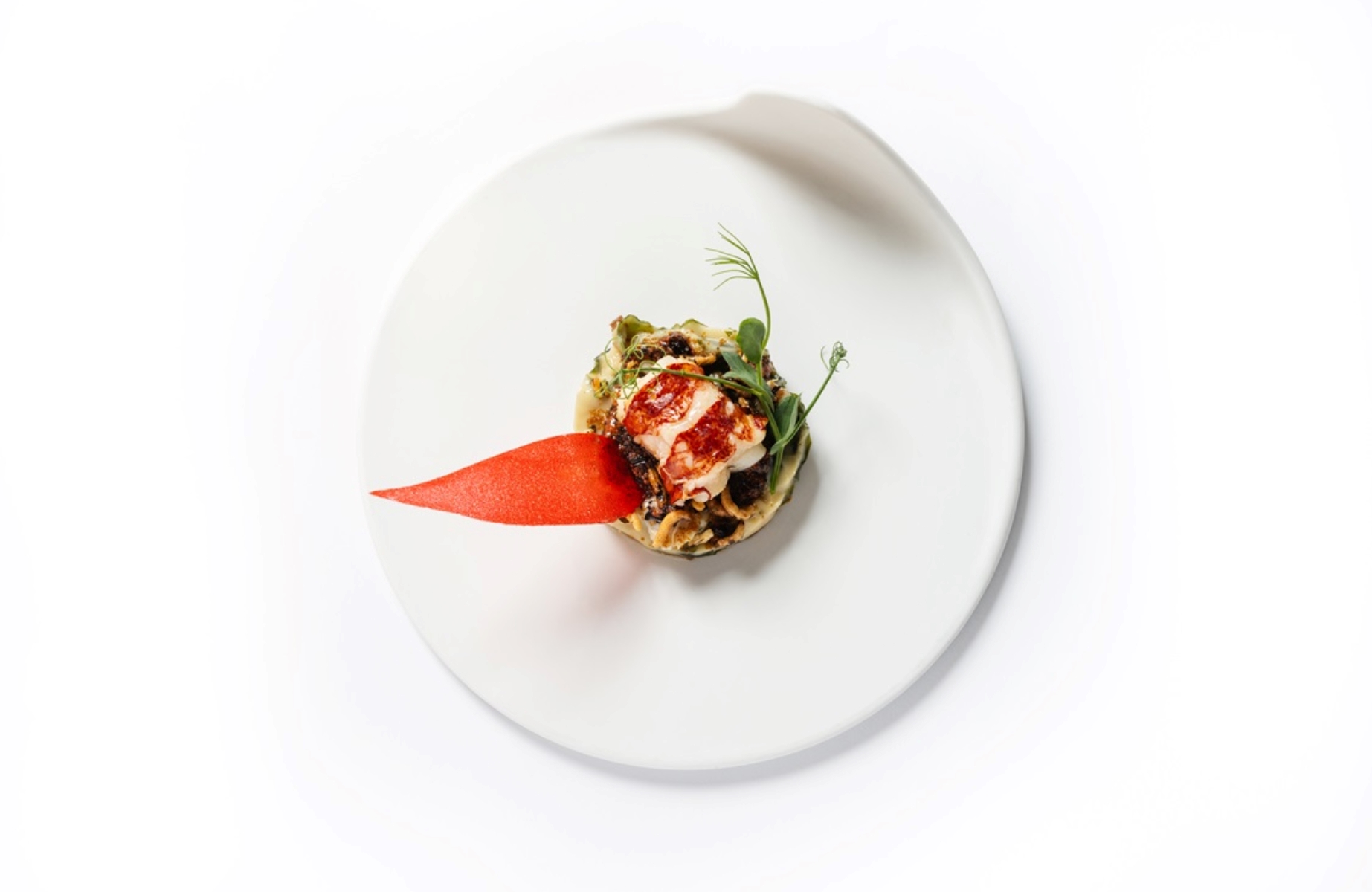
In Rijeka, restaurant Nebo is helmed by the young and talented chef Gabrijela Filca, who has skilfully transformed the local cuisine into a unique, refined experience. Extraordinary examples of this fusion include the fish broth, a dish that takes on a new guise through pure, concentrated flavours, or the plum gnocchi, a quintessential family Sunday dish reinterpreted here with a touch of originality.
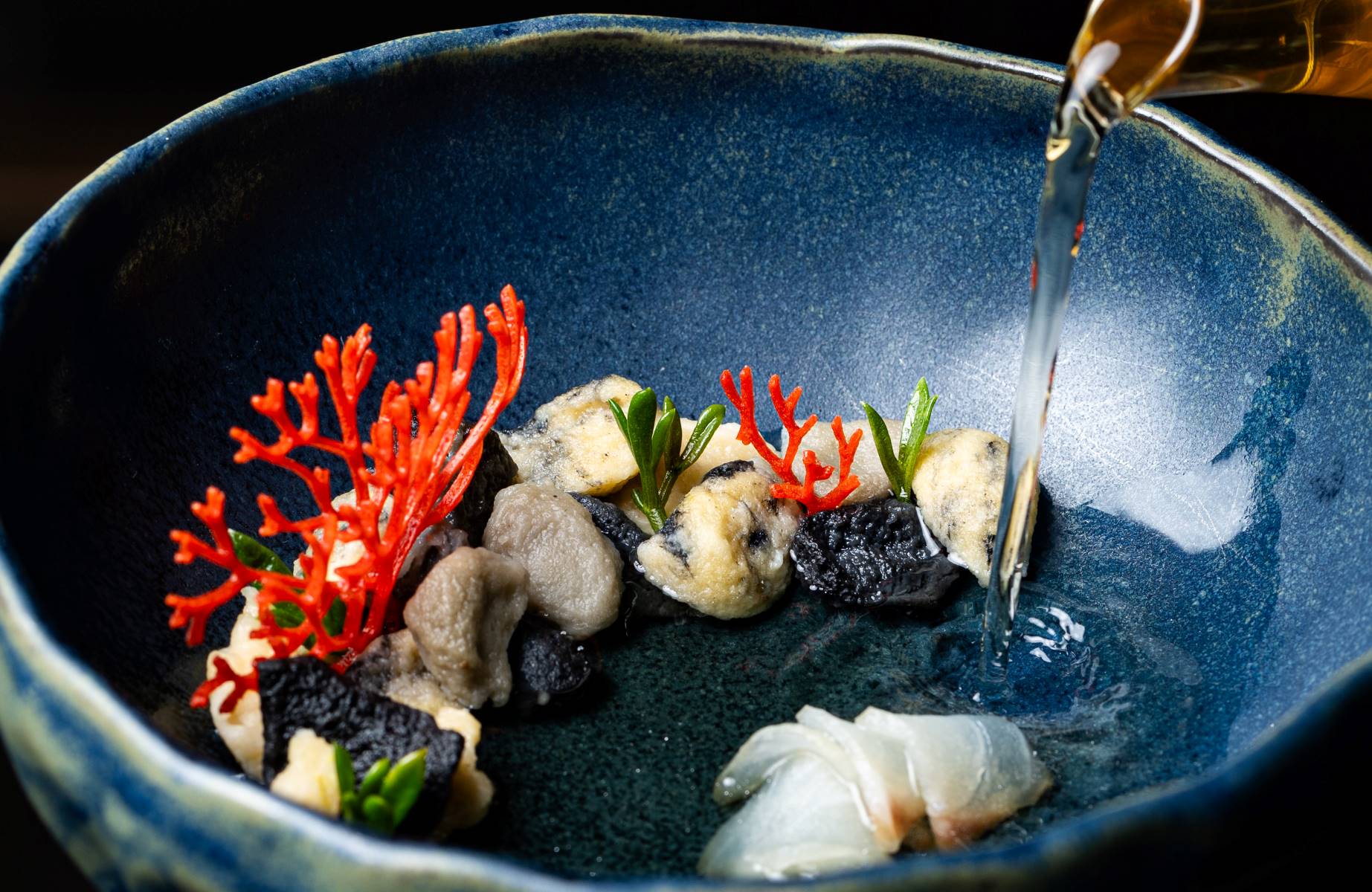
The ingredients showcase their local provenance: asparagus, peas, tomatoes, figs, mushrooms, chestnuts and, naturally, fresh fish, prawns, olive oil and wild herbs that grow abundantly across the region. As Gabrijela explains, “Beyond quality, I look for character in an ingredient – its flavour, texture and potential for further interpretation. It is precisely this combination of intuition, knowledge and close collaboration with producers that defines how I construct every dish.” Her philosophy is also heavily influenced by her own personal experiences. For her, food is not mere nourishment, but an experience that transcends the simple act of eating: it is about emotion, sharing and ritual.
On the island of Pag, at restaurant Boškinac, chef Matija Bregeš reinterprets tradition, not by modernizing original recipes for the sake of mere formality, but by purifying them, focusing intently on the very essence of their flavours. Local ingredients – Pag lamb, sheep’s milk ricotta, Pag cheese and salt, foraged herbs and Adriatic langoustines – form the bedrock of his cuisine. Seasonality is therefore not viewed as a constraint, but rather as an opportunity to express both creativity and authenticity.
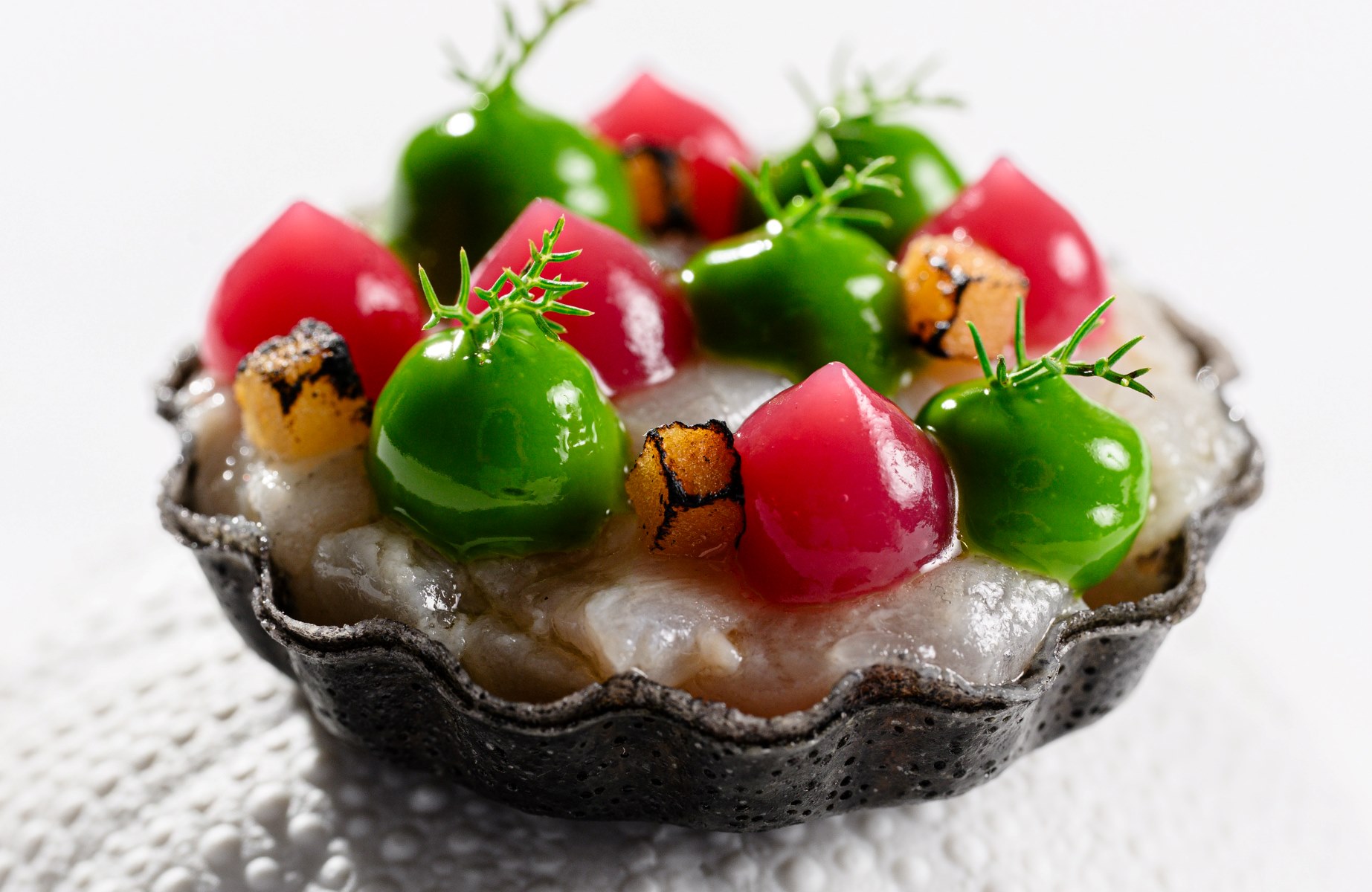
Indeed, close collaboration with local producers, built upon direct communication and enduring relationships, is paramount when sourcing ingredients. Classic dishes such as traditional makaruni pasta, saur made from fried and marinated small fish, cuttlefish with polenta, black risotto, pašticada Dalmatian braised beef, octopus salad and the rich seafood buzara sauce are reinterpreted with exacting technical precision, lighter textures and cleaner presentations. Matija concludes, “The aim is for the guest to recognise something familiar, yet experience it in an entirely new way.”
Venturing south to restaurant Pelegrini, Chef Rudolf Štefan’s menu is conceived as a gastronomic journey through the Šibenik-Knin region were every element on the plate serves a purpose, not as a mere decoration, but as the foundational component. The approach to tradition is not one of simple replication, but of deeply understanding the original recipes. This is achieved through clarity of flavour, a masterful control of textures and a balance that remains faithful to the original while speaking a contemporary language: “It is precisely within this quiet connection between past and present that what we now call our cuisine is born,” they tell us.
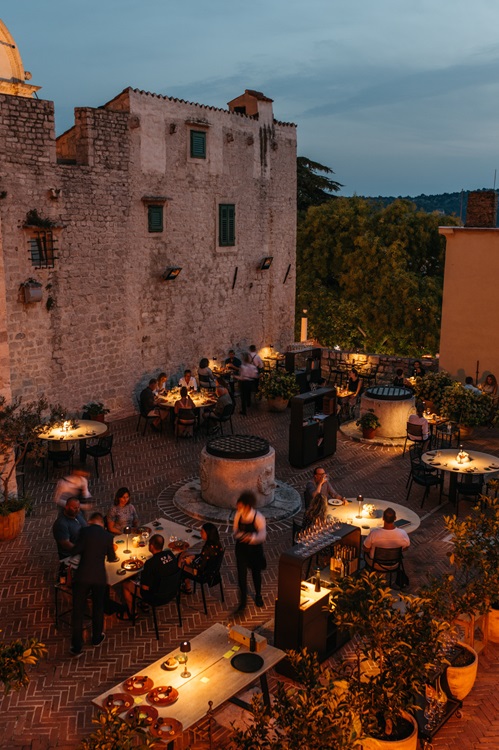
The menu evolves in a constant dialogue with the seasons and the natural world – with the daylight, temperature and changes in the air – one of the reasons behind the reintroduction of lunchtime service, during which flavours are more open and precise. Ingredients are sourced from the surrounding environment, through close partnerships with local producers such as OPG Mehnić for dairy products, the Šibenik maritime stretch renowned for its mussels and gilt-head bream, and the region’s winemakers for authentic, terroir-driven wines.
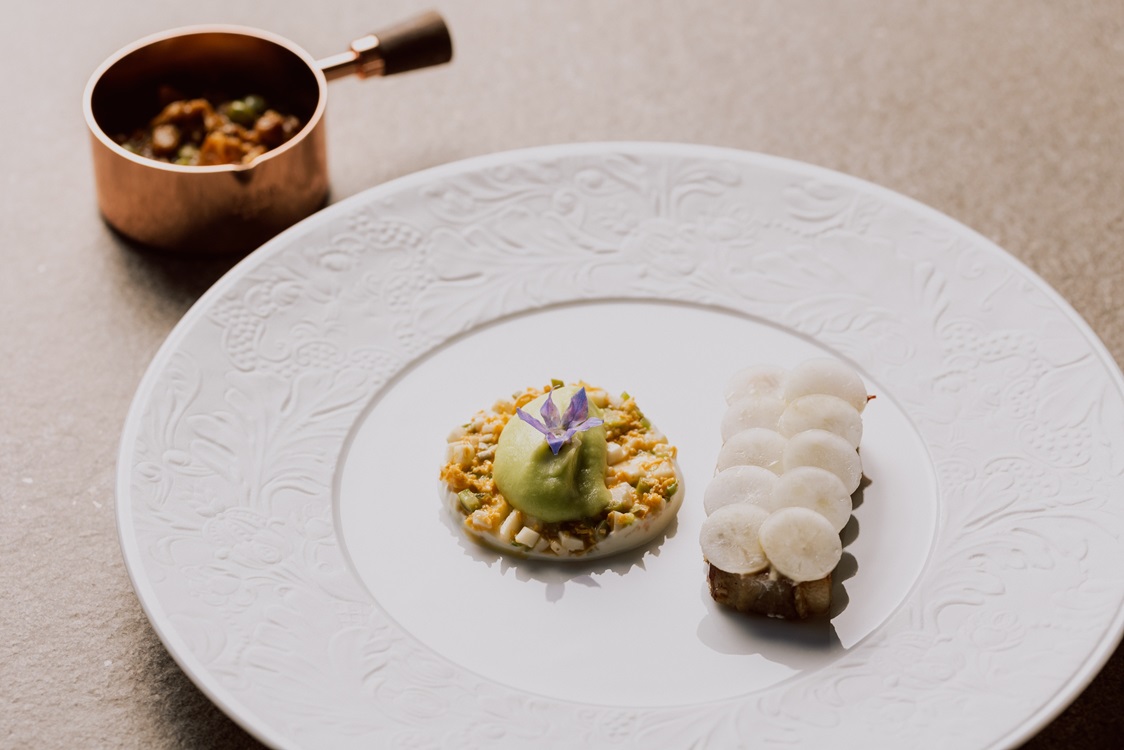
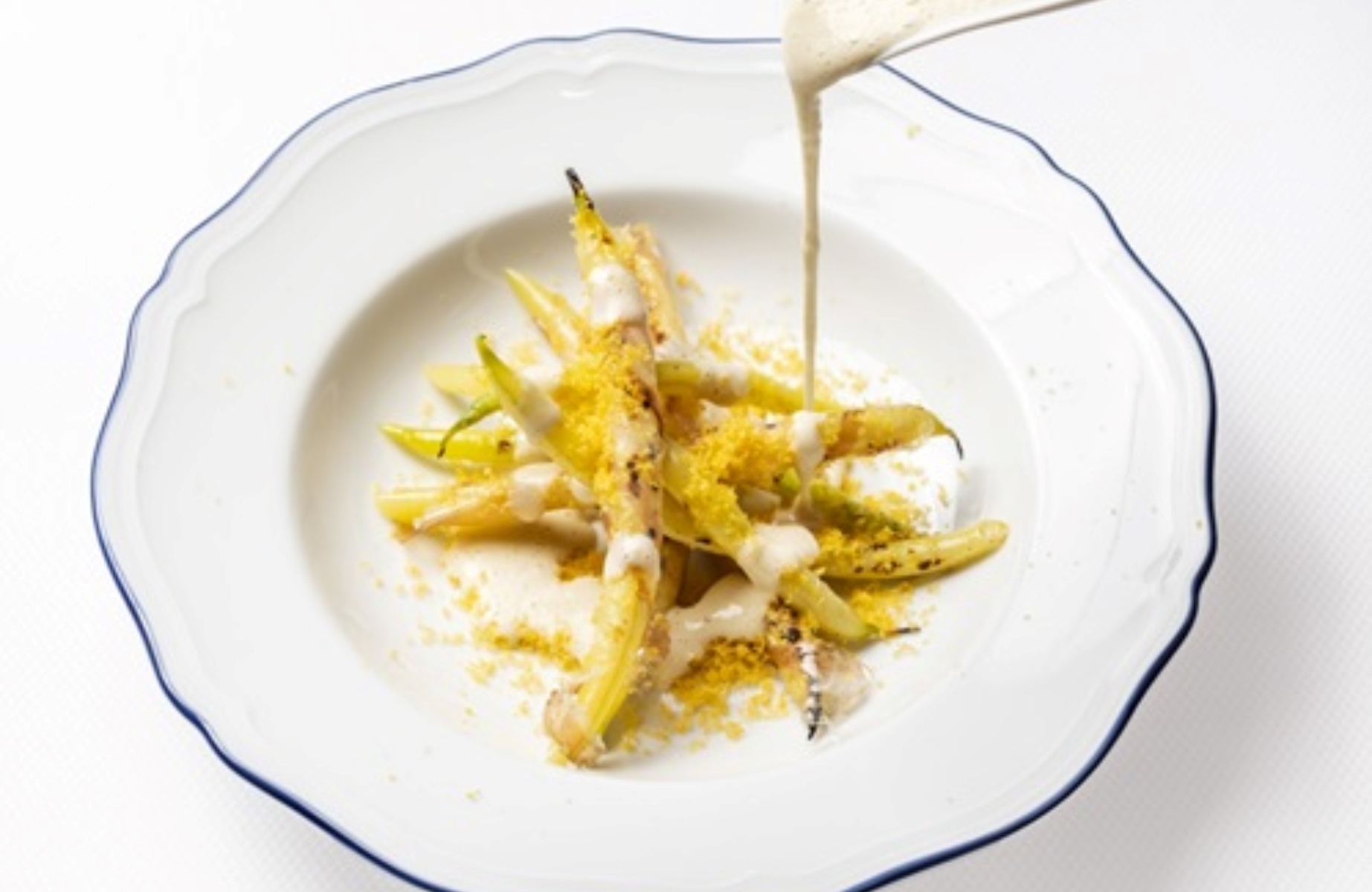
In Jastrebarsko, at Korak restaurant, the dishes reflect a deep connection to the environment and some ingredients, like duck in winter, trout from Žumberak, smelt from Crna Mlaka, and goats from Bresnica, have become integral to the restaurant's identity. One of the signature dishes features green beans, homemade bacon, pike-perch bottarga, and beurre blanc sauce, inspired by the classic combination of green beans with bacon and cream. The beans are carefully cooked to maintain their crisp texture, while the homemade bacon forms the dish's rich base. Smelt roe adds a touch of saltiness, and the beurre blanc sauce seamlessly brings everything together, offering a lighter, more refined alternative to cream. The foundation of Korak's cooking is influenced by childhood memories and the start to each meal - freshly baked bread, homemade ham, butter, and fresh cow’s cheese with homemade sour cream - is a reflection of the restaurant’s respect for tradition and authenticity. Chef Bernard Korak claims : « It’s not just an introduction to the meal, but also a clear reflection of our restaurant's style. »
In the capital, Zagreb, chef Tibor Valinčić has garnered attention for his innovative approach to Croatian cuisine, blending traditional flavors with fine dining techniques. His menus are often inspired by the diverse culinary traditions of Croatia's regions, offering guests a refined yet deeply authentic dining experience. A perfect example of this is krpice sa zeljem - pasta with cabbage - a beloved comfort food that many Croatians grew up with, yet is rarely seen in upscale restaurants. This beloved dish is reimagined, preserving its essence while elevating it to a new level. It evokes nostalgia for those who have cherished it since childhood, while also offering to the new generation a chance to experience the rich, distinctive flavors of Croatian tradition. Chef Valinčić reflects on the influence of his past, stating, « I believe that all life experiences, whether directly or indirectly related to food, have shaped me into the chef I am today. I also believe that every new experience will continue to shape me, and in five years, I won’t be the same chef I am today, which always excites me ».
We are again in Zagreb, in Noel restaurant, where the menu of chef Bruno Vokal beautifully blends traditional Croatian culinary roots with contemporary flair, showcasing dishes that evoke nostalgia for the flavors of our grandmothers' kitchens. A true standout are štrukli, a dish that transports guests back to simpler times with its rich, comforting taste. The restaurant values collaboration with local producers, understanding that this partnership plays a crucial role in both the development of the community and the quality of the ingredients used. Seasonal availability is at the heart of the ingredient selection, with a keen focus on highlighting local, traditional products. Chef Bruno admits, "My current thinking and approach to creating dishes are deeply influenced by the fact that both of my grandmothers were cooks." This rich culinary heritage continues to shape the restaurant’s creative take on modern cuisine, evident in dishes like Zagorje potato soup with wild porcini mushrooms and homemade bacon, or dumplings with plums and fresh cream : these timeless flavors remain a source of inspiration blending past and future.
HERO IMAGE: Dessert. © Mateja Djanesic/Nebo