01 April 2026

Share


The cuisine of Split is the result of centuries of cultural encounters. The long presence of the Venetian Republic left behind a love for fish and risotto; the Austro-Hungarian Empire introduced techniques and influences from Central Europe; while the Mediterranean character of the city is reflected in the generous use of olive oil, fresh herbs, and vegetables. This layering of history makes the local cuisine surprisingly varied: rustic and maritime, yet at the same time refined and open to outside influence.
For an immersive experience in the local culture, one should rise early, shortly after dawn, and make for the historic markets. At the city fish market, the Peškarija, just steps from the center, the stalls fill from the earliest hours of the morning with sardines, sea bream, squid, mussels, and shellfish brought in directly from the fishermen’s boats. The atmosphere is bustling: crates of ice emptied and refilled with fish that are sometimes still alive, vendors calling customers to their stalls, and the unmistakable scent of the sea.
Equally iconic is the Pazar, the produce market, which runs along the eastern walls of Diocletian’s Palace. Here, simple ingredients – such as seasonal fruit, tomatoes, figs, aromatic herbs, and extra virgin olive oil from producers in the Dalmatian countryside – charm you with their vivid colors, fragrance, and undeniable freshness.
It is not unusual to encounter the chef or cook from the restaurant where one dined the previous evening, for the market is the primary source of quality ingredients for the local konobas, the traditional Croatian taverns. These establishments frequently offer dishes of pasta, vegetables, and fish, prepared with produce that reaches the table just hours after being purchased at the market. That is, unless the previous night brought particularly cold or windy conditions and the catch was scarce. In that case, many konobas will simply tell their guests that those dishes are unavailable for the day.
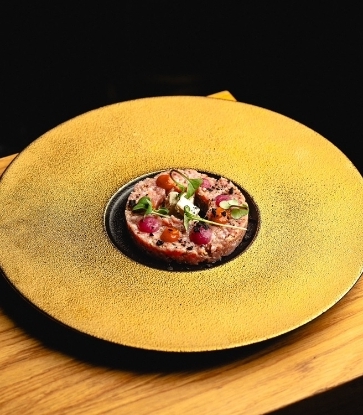
Several restaurants in Split reinterpret this tradition with a contemporary look.
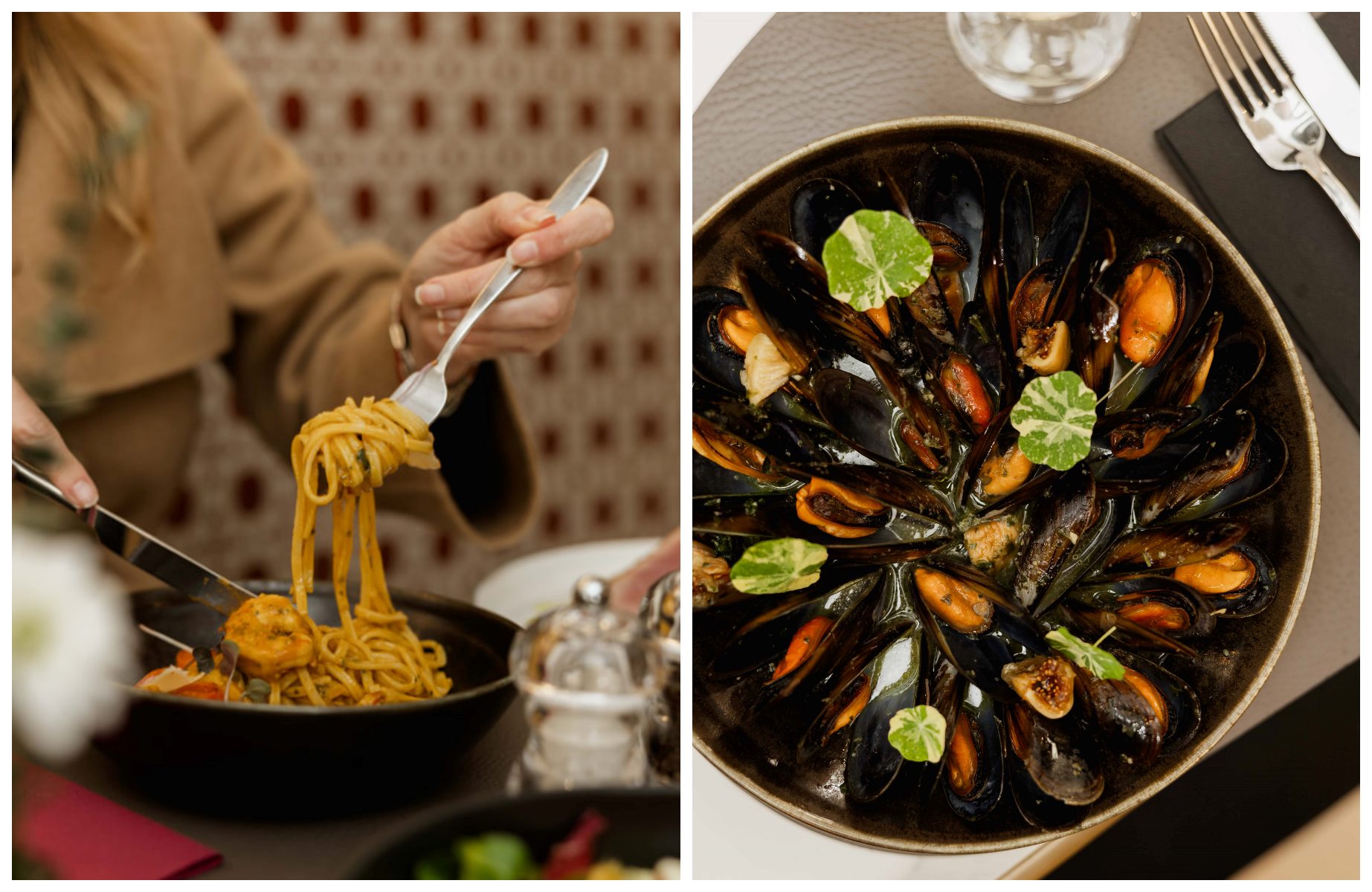
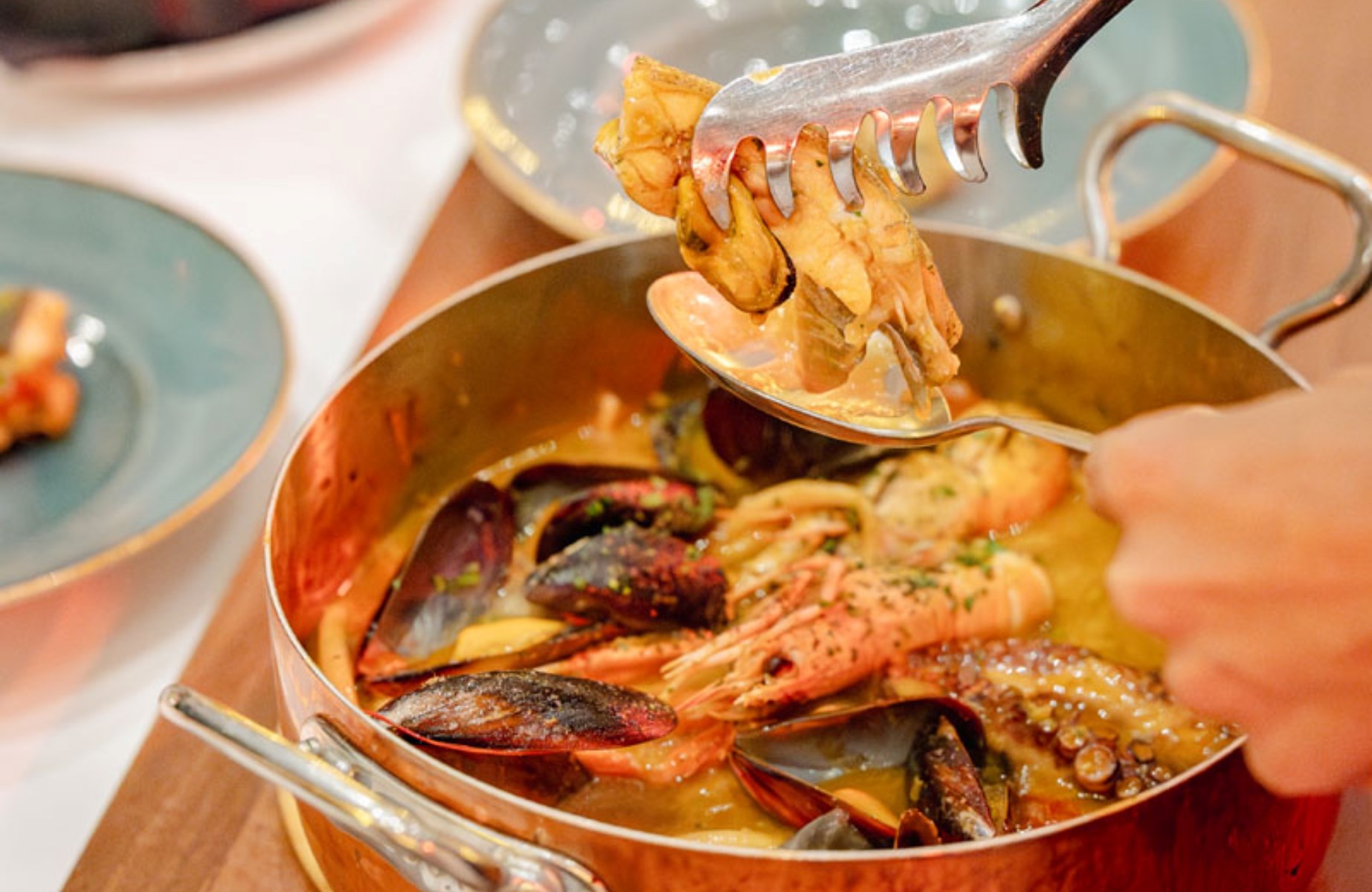
Among the most compelling venues is Zinfandel Food & Wine Bar, situated in the heart of the city, where innovative dishes rework the Croatian culinary tradition. The menu changes with the seasons, and one of its most celebrated dishes is the Zinfandel brudet, a rich fish stew of excellent ingredients such as cod, tuna, prawns, mussels, and octopus, simmered in white wine and tomato, all served alongside polenta.
The wine list is carefully assembled and offers a vast range of local labels from Dalmatia’s most renowned wine regions such as Pelješac, Hvar, Brač, and Vis, alongside international references, each paired with care to complement the dish it accompanies.
The restaurant’s name itself references one of the world’s most widely recognized grape varieties, particularly in the United States. However, few are aware that Zinfandel’s roots lie in the region of Kaštela, near Split, where it is known by the local names of Crljenak Kaštelanski, Tribidrag or Pribidrag. For the wine enthusiast, tasting a glass of Tribidrag, or its offspring, Plavac Mali, is an experience not to be missed. Both are full bodied with a complex aromatic profile.
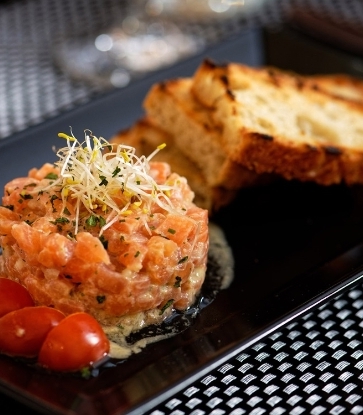
Another restaurant celebrating Mediterranean cuisine in all its nuances, and just a short walk from the harbor, is Kadena. The atmosphere is intimate and relaxing, an ideal setting in which to savor fish-based dishes and local specialties. The menu includes the famed cuttlefish ink risotto, a traditional Dalmatian dish of considerable depth, its color and unique flavor drawn from the ink and braising juices of fresh cuttlefish; grilled turbot fillets allowing the natural character of the sea to speak for itself; and an array of prawns, lobster, mussels, scallops, and clams, each handled with a lightness of touch that honors the freshness and quality of the ingredients.
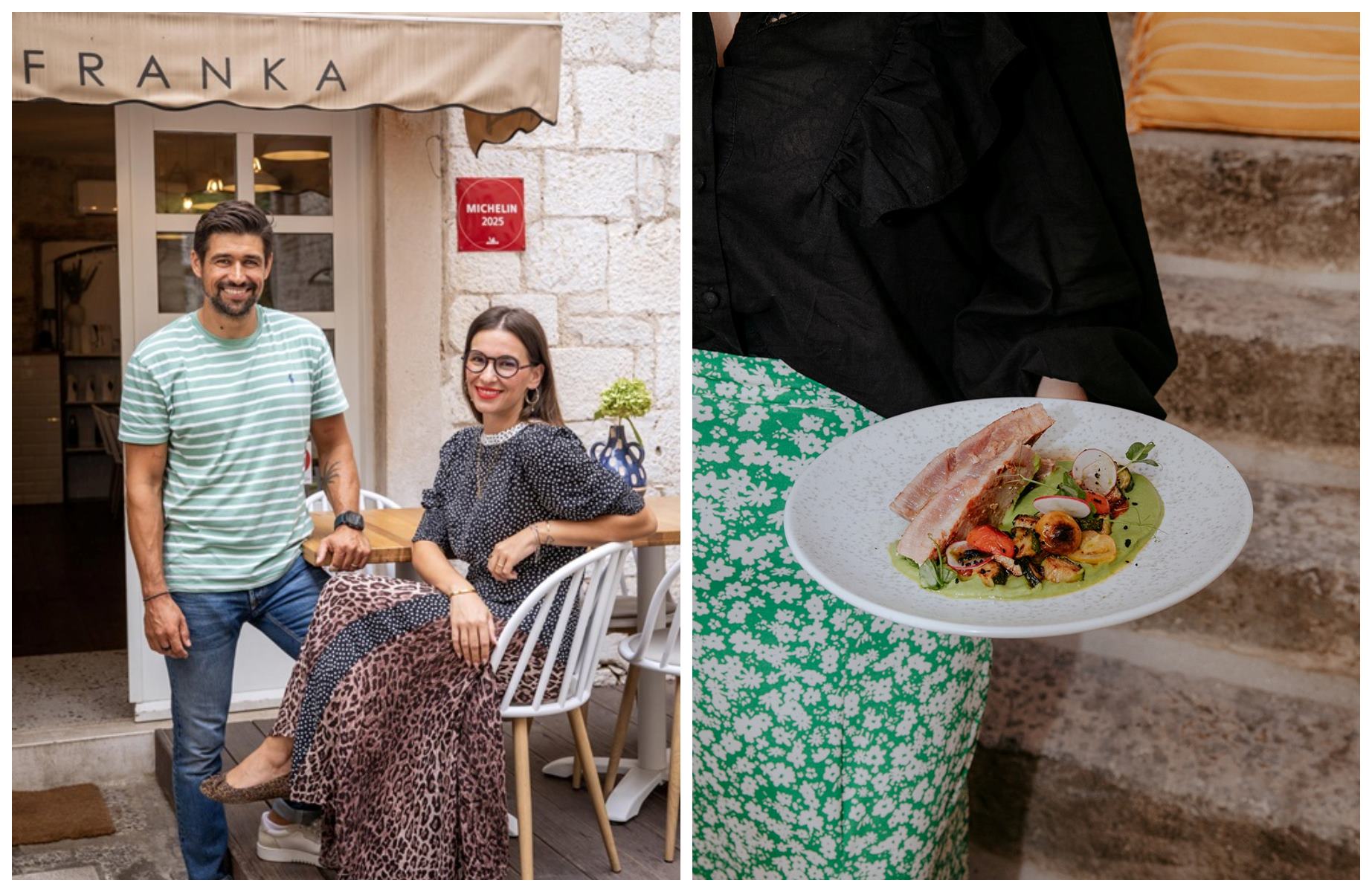
Its specialties include tuna steak, grilled sea bass, and Adriatic octopus, all drawing out the natural sapidity of the sea. Lighter accompaniments, such as grilled vegetables and mixed salads, round out the menu, as well as a vast selection of vegetarian dishes conceived to meet every dietary requirement.
All three restaurants, distinct as they are in style and atmosphere, share one thing in common: a passion for the local products of a region that, by virtue of its position on the Adriatic, offers an extraordinary variety of flavors and prized ingredients.
Hero image: The interior arch of the 4th century Golden Gate in the historic city walls of Split