04 March 2026

Share


To understand Alabama’s culinary identity today, look to its cities. Begin in Mobile, where a port shaped by global trade and the bounty of the Gulf tells the state’s origin story. In Birmingham, restaurants embrace a layered past — Southern, African American, immigrant and industrial — by elevating agricultural staples. Huntsville, forged by the space race and global migration, signals Alabama’s future with a dining scene defined by international influence.
Together, these cities anchor the state’s food culture, continually interpreting and advancing Alabama’s gastronomic heritage.
Fifteen restaurants were identified as the best in Alabama in the inaugural MICHELIN Guide to the American South. Here are the three cities that showcase the magnificent breadth of Alabama dining, according to The MICHELIN Guide.
Mobile
Founded by the French in 1702, Mobile predates the state of Alabama by nearly a century, and its food culture reflects that deep history. Long before European settlers arrived, Native American communities harvested oysters and cultivated corn, leaving behind shell mounds that still dot the Mobile-Tensaw Delta today. Those same crushed shells later paved the city’s earliest roads and were mixed into plaster for building walls, shaping the city from the ground up.Before joining the United States in 1813, Mobile passed from French to British and Spanish control, absorbing culinary influences through its Gulf port and global trade routes. These traditions shaped the preparation of local seafood — from slow-simmered broths reminiscent of Provençal stews to salting and curing — and introduced livestock along with baked desserts such as custards, tarts, and bread pudding.
Beginning in 1707, enslaved West Africans brought okra, field peas, and bold seasoning traditions that endure today. Gumbo captures this convergence: okra, whose West African name ki ngombo inspired the dish; filé from the Choctaw; and French roux all define its structure.
Jambalaya appeared in Mobile cookbooks decades before Louisiana claimed it, while banana pudding nods to the city’s early-1900s banana trade.
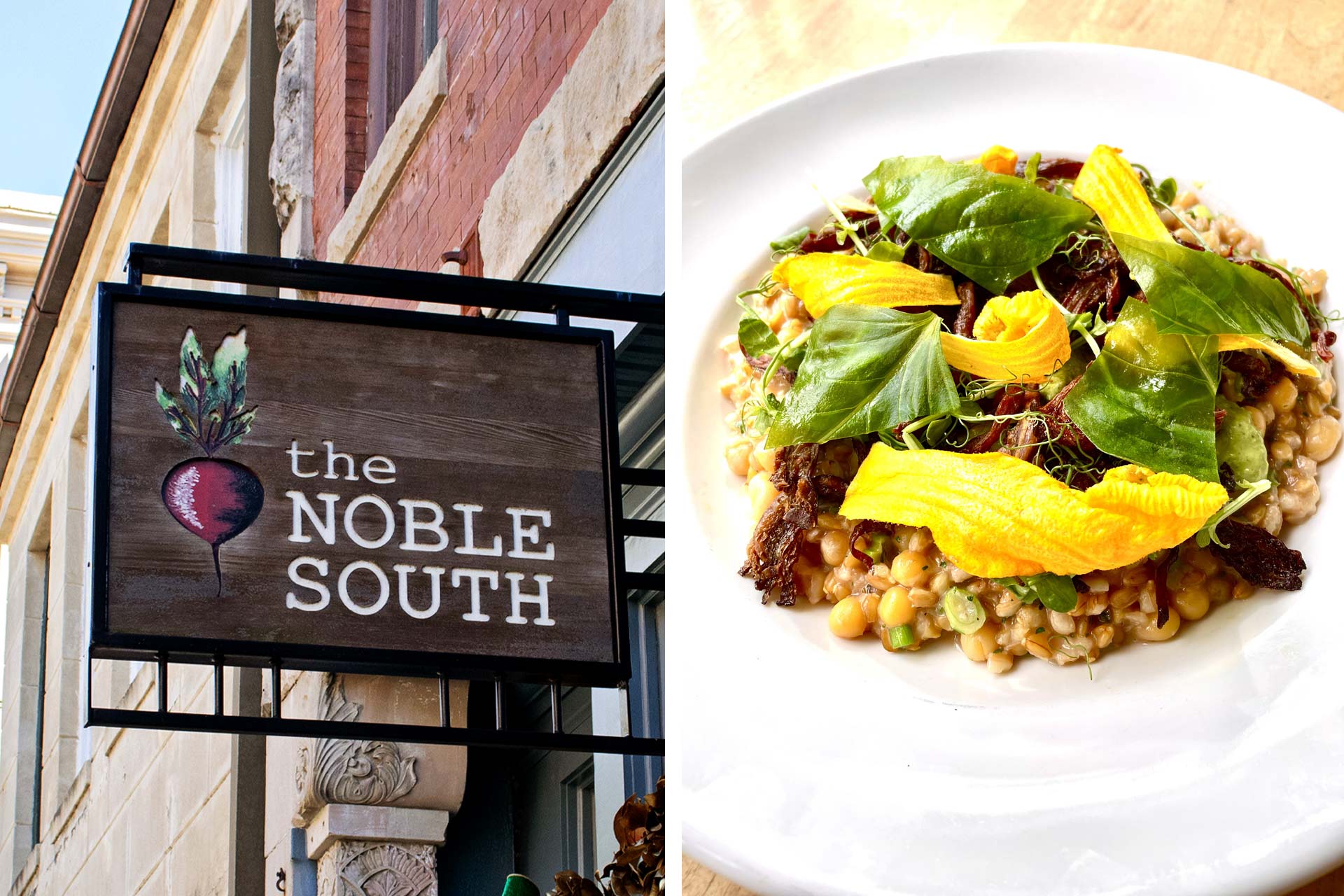
At The Noble South, Chef/owner Chris Rainosek builds menus around nearby farms and fisheries, sourcing hydroponic lettuce, leafy greens and herbs from Local Appetite Growers, a small farm collective. Housed inside the 1893 Scheuermann Building designed by architect Rudolph Benz, the restaurant follows the rhythms of the Gulf and the growing season. Fresh shrimp, oysters and blue crab are prepared with techniques informed by the French, African and Indigenous traditions, allowing Mobile’s history to resonate through each dish.
For Rainosek, that history provides context. “We always try to be respectful and knowledgeable of all the different histories that make up Mobile’s foodways,” he says. “Our first priority is now, and has always been, seasonality.”
Birmingham
Long before fine dining reached Birmingham, Native American communities were cultivating the “three sisters” — squash, corn and beans — as early as A.D.1000, supplementing their diets with wild fish and game. After Alabama achieved statehood in 1819 and federal land sales began, Scotch-Irish farmers from Virginia, the Carolinas and Georgia established family farms, planting oats, rye and potatoes while raising sheep, pigs and cattle. Later, African food traditions carried aboard slave ships helped shape the foundations of Birmingham’s soul food, with collards, cowpeas, okra, fish peppers and watermelon sustaining families who would go on to work in the city’s mines and mills.By the early 20th century, Birmingham’s booming industrial economy attracted new immigrant communities that broadened the city’s culinary identity. By 1910, Italians — particularly Sicilians — were the largest immigrant group in the Industrial District, tending gardens and small farms filled with tomatoes, basil, peppers, eggplant, figs and cardoons and opening groceries stocked with flavors of home. Greek immigrants, arriving in the late 19th and early 20th centuries, established fruit stands, confectioneries and fish restaurants, often cooking with oregano as a signature seasoning. For decades, Birmingham dining centered on these family-run businesses alongside classic diners and meat-and-threes (restaurants where diners chose one meat and three side dishes for their meal).
The city’s dining trajectory shifted in the early 1980s when Chef Frank Stitt opened Highlands Bar & Grill, harkening back to a childhood spent on his grandparents’ farm and a pantry revolving around corn, beans, greens, eggs, livestock and preserved vegetables: ingredients mirroring those that had long sustained Birmingham’s households and workers.
“I wanted to incorporate our Southern ingredients blended with provincial French cooking traditions,” Stitt says, adding, “I wanted refined food with great technique, but without the fussiness of fancy French restaurants.”
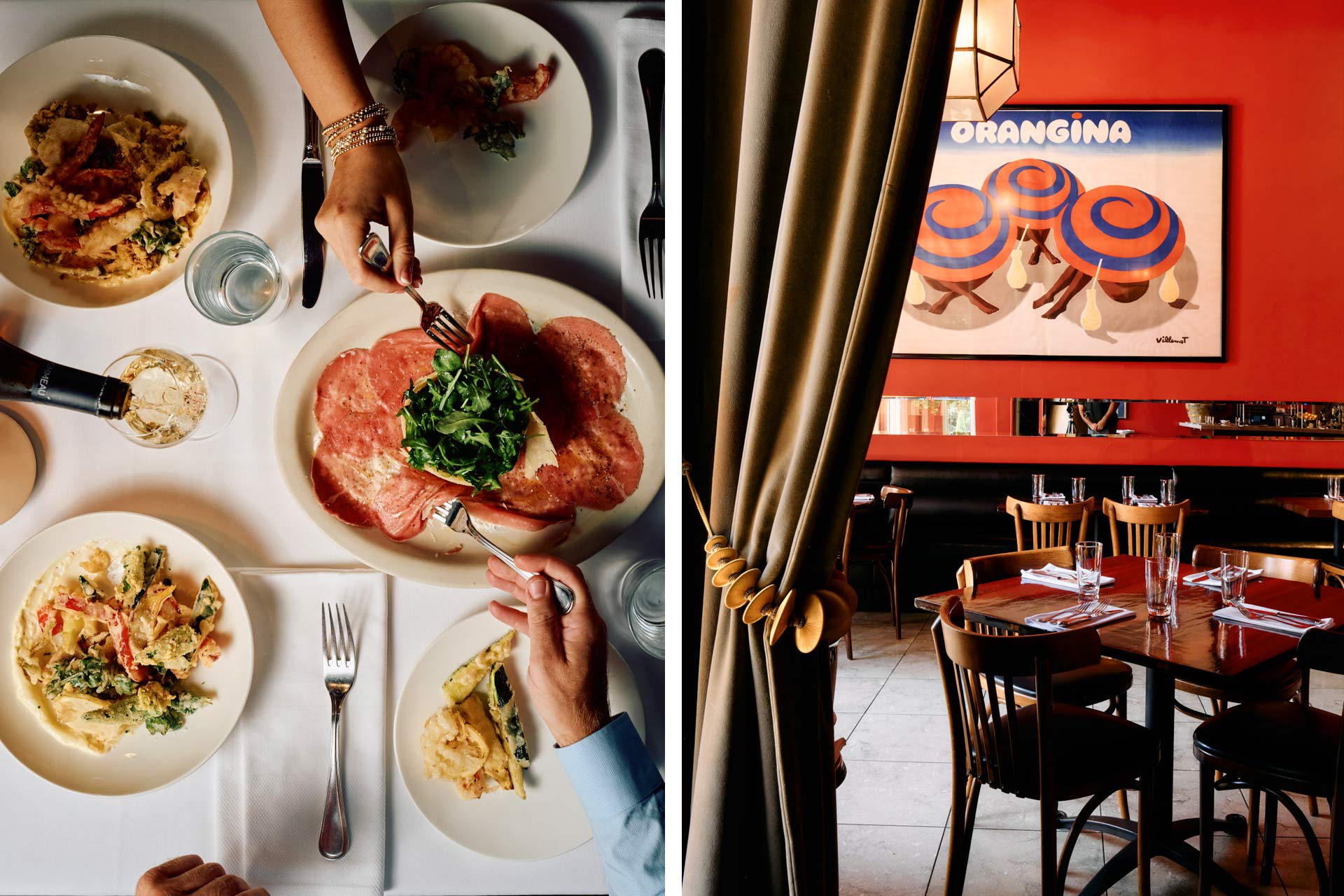
This idea reshaped Birmingham’s dining culture, later informing restaurants like Chez Fonfon and Bottega, now in The MICHELIN Guide, where Italian-Mediterranean conventions are filtered through a Southern lens. At Bottega, Stitt draws directly from Birmingham’s Italian immigrant legacy, taking cues from the trattorias of Piedmont, the seafood restaurants of Capri and Sicily and even the Venetian canon. “We take these beautiful Southern ingredients and apply the fundamental Italian philosophy of simplicity,” he says.
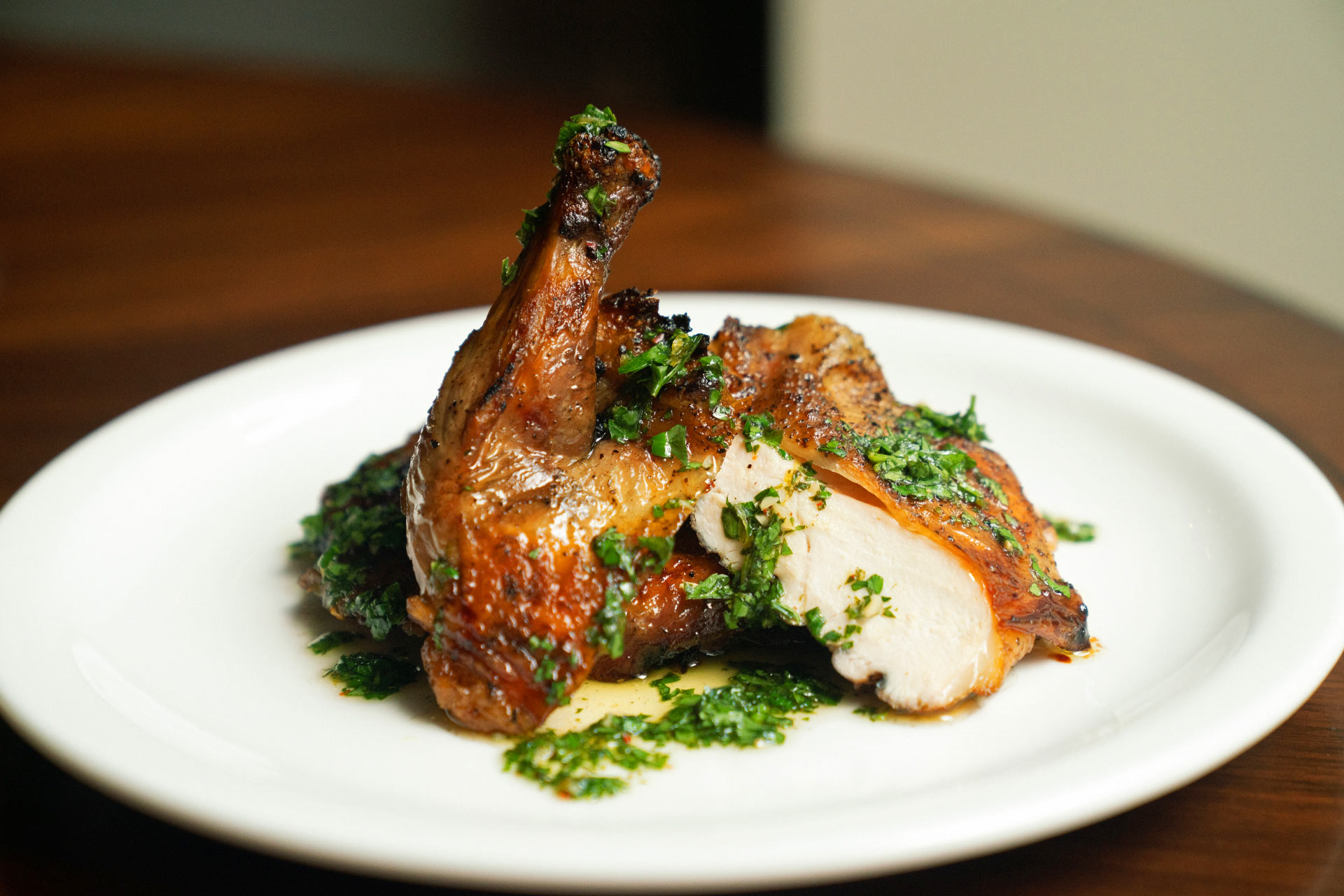
Chef Rob McDaniel, who worked under Hastings as a sous chef, carries that ethos forward at Helen, named for his grandmother and centered on fire-driven cooking. “In the South, we feed people,” he says. “Food is often the answer when we don’t know what to say.” At Bayonet, he underscores integrity through seasonality and whole-fish butchery, a practical approach rooted in earlier subsistence traditions.
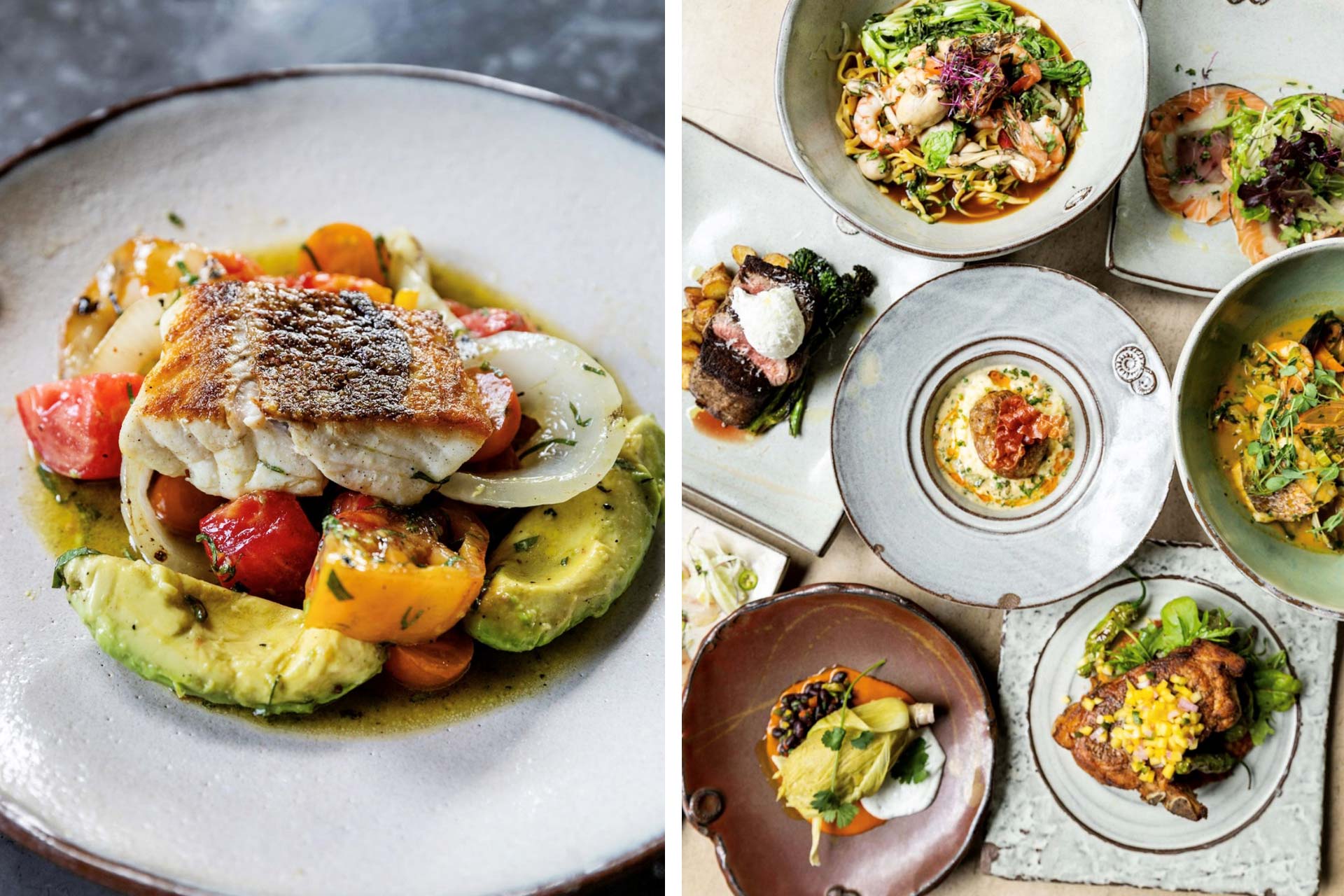
Among the chefs influenced by Frank Stitt is Chris Hastings, who ushered Birmingham into a new culinary era when he opened Hot and Hot Fish Club in 1994. “Cooking with local, seasonal ingredients wasn’t a movement — it was a reflection of Alabama’s natural abundance,” he says, emphasizing the importance of understanding regional dishes and allowing them to evolve without chasing novelty. As farmers’ markets expanded, restaurants grew more confident highlighting ingredients long rooted in the region.
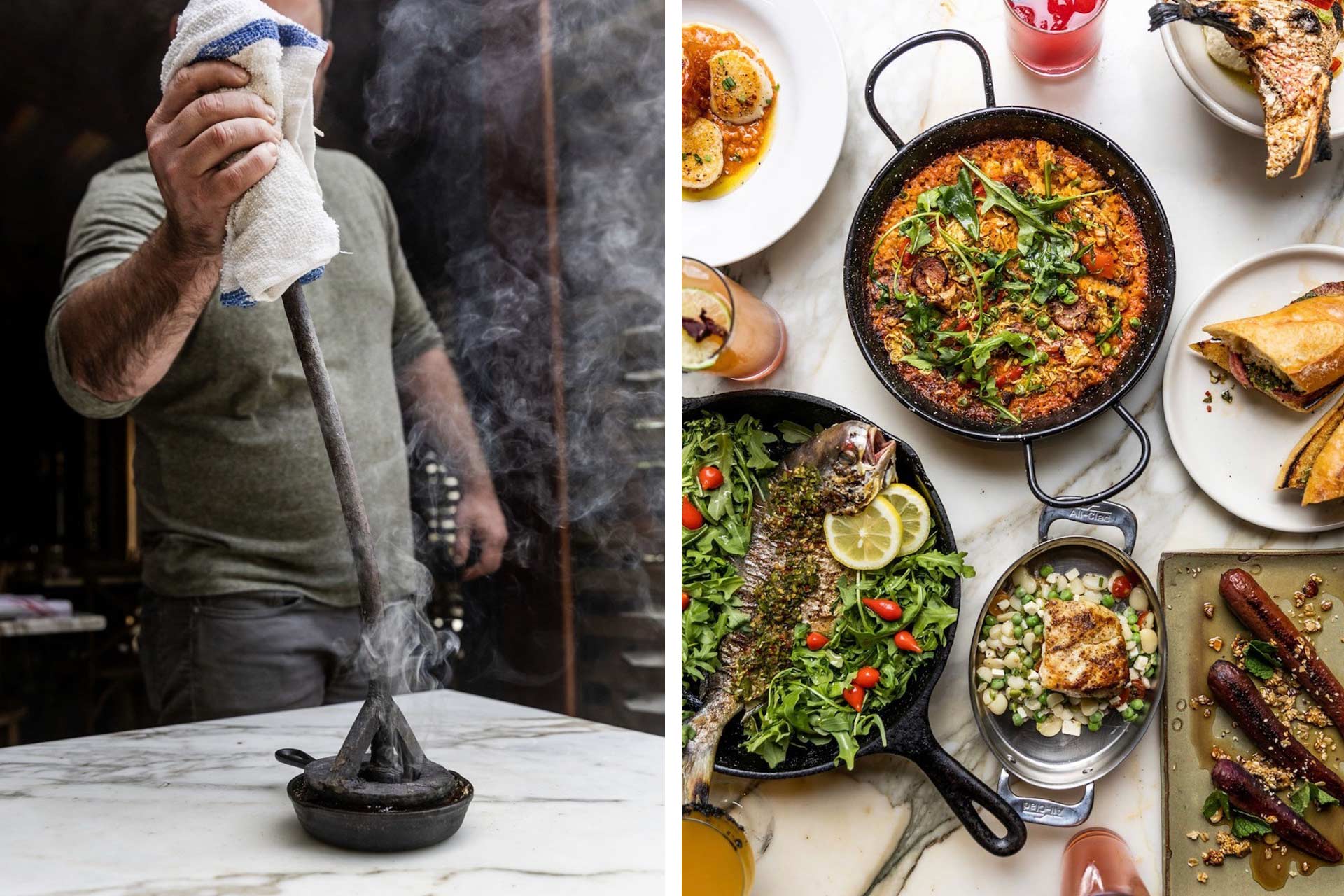
Across town, OvenBird reflects the city’s growing global fluency while remaining grounded in live-fire techniques. Hastings views these international parallels as natural extensions of Southern cooking, shaped by fire, simplicity and a respect for ingredients.
Huntsville
Huntsville’s culinary lineages tell a different story, one shaped less by agriculture and more by innovation. Rooted in Appalachian heritage and early subsistence farming, the city transformed dramatically with the arrival of the space program in 1960, when NASA established the Marshall Space Flight Center. Scientists, engineers and defense workers from around the world brought their tastes and techniques to Huntsville, reshaping the local palate.Today, the city’s dining scene mirrors an international imprint. Korean, Jamaican, Mexican, Indian, Thai and European cuisines sit comfortably alongside Southern barbecue and comfort food. Rather than replacing longstanding gastronomic frameworks, cross-cultural influences expanded them.
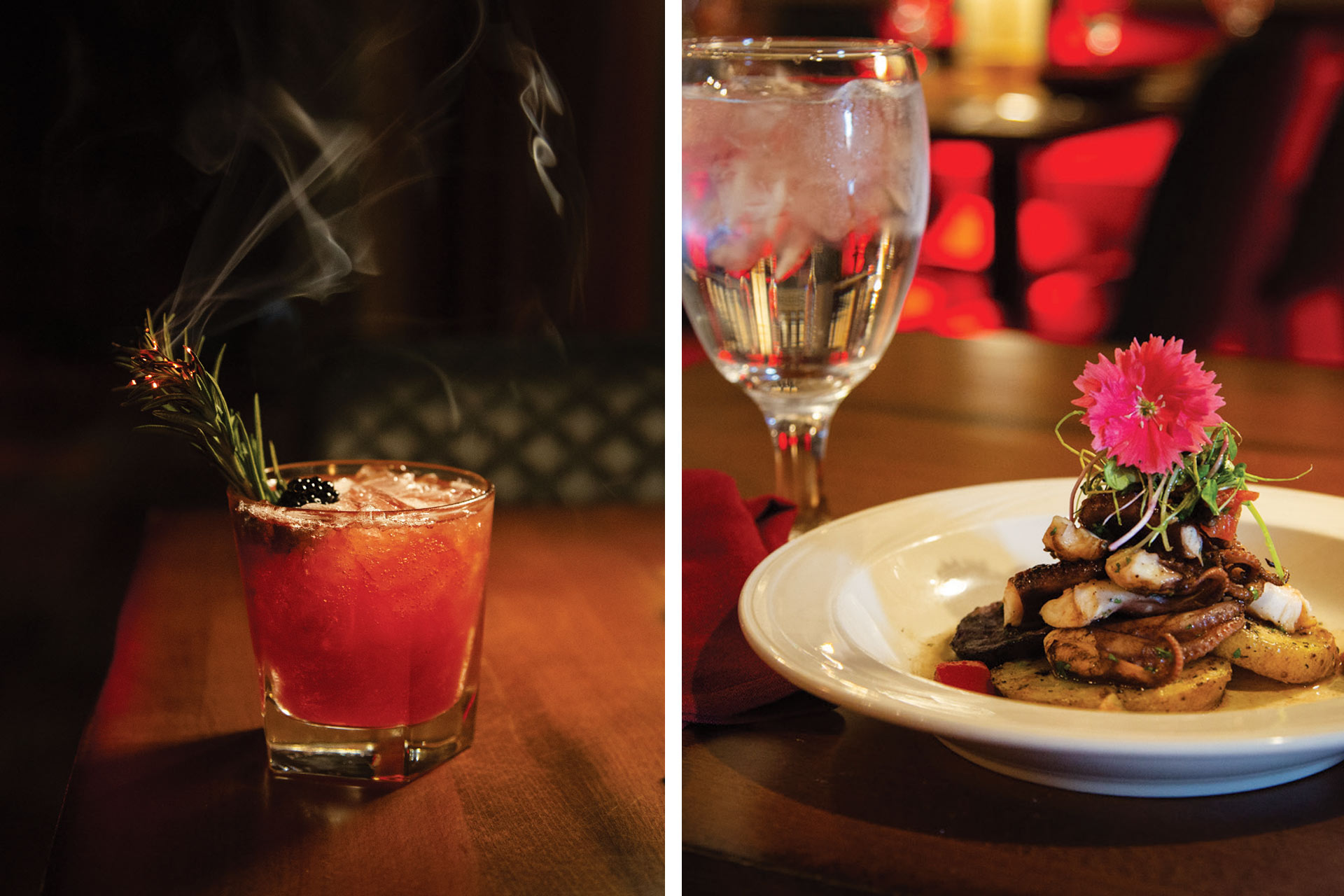
Nowhere is that progression clearer than at Purveyor, where owner Stephanie Kennedy Mell embraces global influence as a defining force. “Global diversity is our wheelhouse,” she says. The menu reimagines classics with cross-cultural nuance, from osso buco interpreted with chipotle-marinated pork, plantain gnocchi and toasted nut mole to wagyu tacos with aji amarillo aioli and Korobuta pork belly layered over mole — dishes that reflect Chef Juventino Manuel’s Mexican heritage and training in Asian kitchens. Southern ingredients remain the anchor, but the cooking moves confidently across borders.
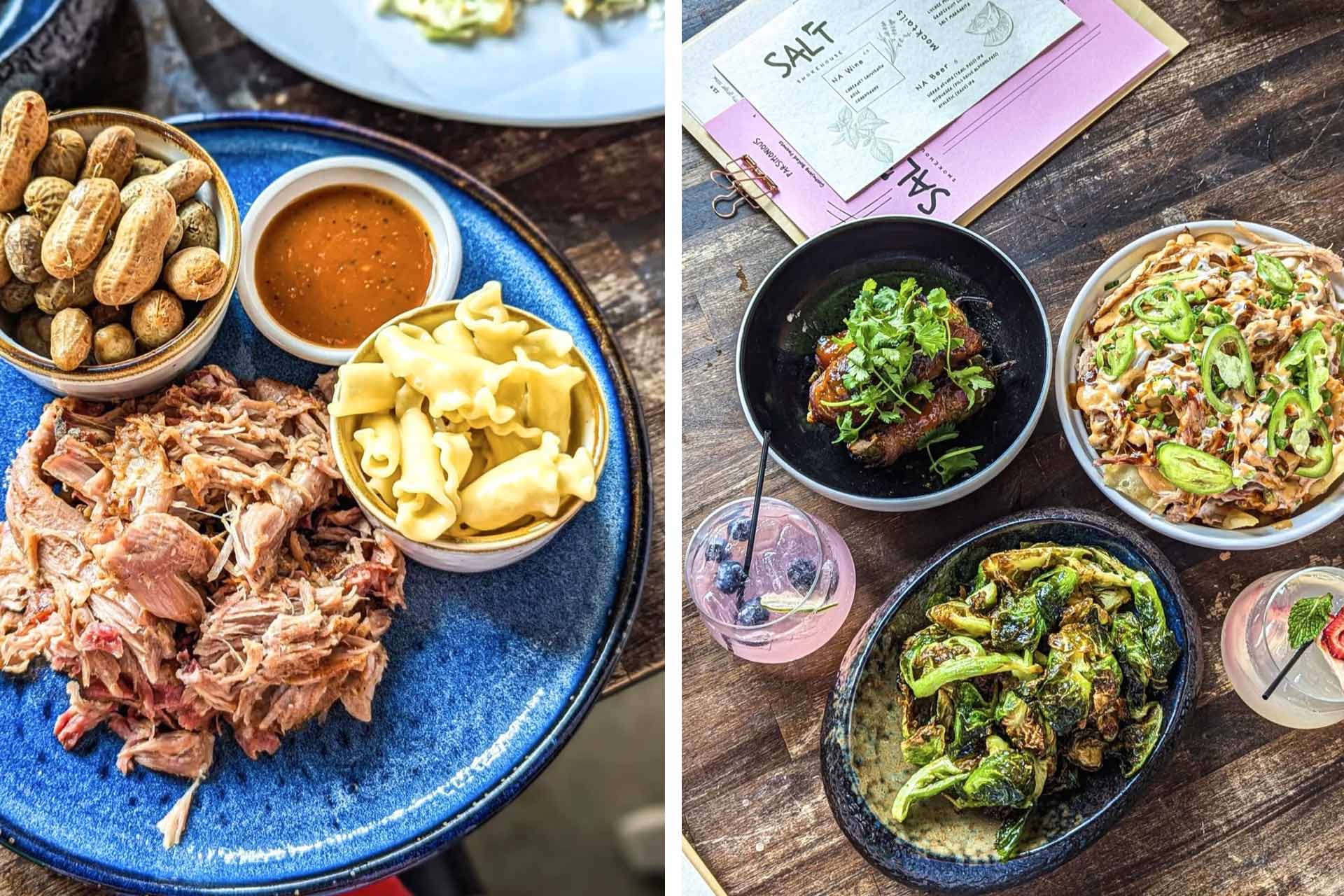
At Salt Smokehouse, barbecue takes a similarly global turn, accented by sides such as ginger-serrano coleslaw and Brussels sprouts with hot honey and yuzu. Smoked brisket fritters with Chihuahua cheese and soft-shell crab bao (steamed buns) underscore how smoke, spice and preservation connect Southern barbecue to traditions well beyond the region.
Related Articles:
Hero image: The marquee of the Alabama Theatre in Birmingham. © Travel South USA