23 March 2026


Share


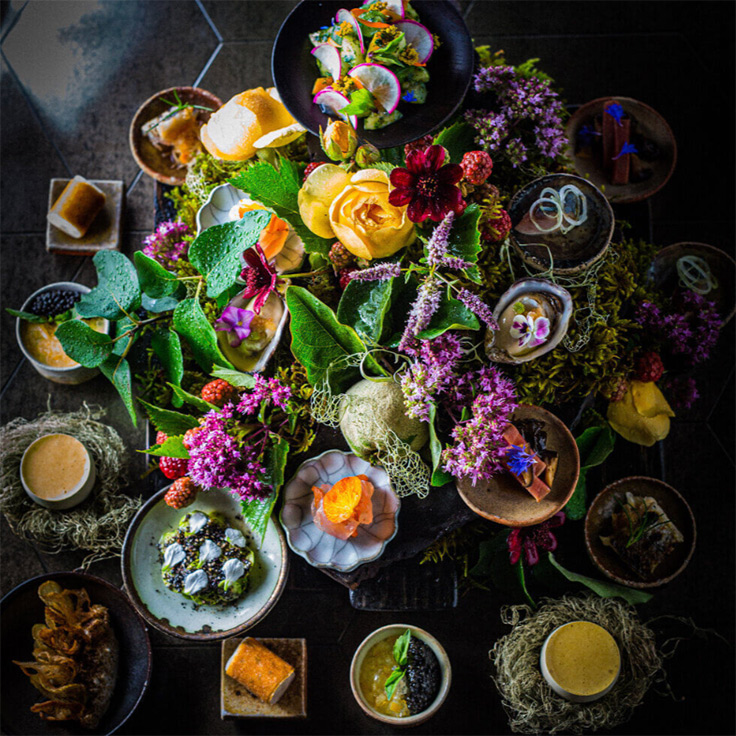
A rare destination where a restaurant awarded Three MICHELIN Stars (SingleThread) and a hotel awarded Three MICHELIN Keys (SingleThread Inn) come together, seamlessly uniting gastronomy and hospitality. Anchored by a farm-driven philosophy, it has drawn discerning gourmands from across the globe.
At its helm, Chef-owner Kyle Connaughton crafts a cuisine that delicately bridges Japanese sensibility and California terroir. In March 2026, alongside the debut of Capella Kyoto, he will open his first international outpost, SoNoMa by SingleThread , within the hotel.
Spending several months in Kyoto in preparation, Connaughton found himself once again in deep dialogue with the city’s rich culinary culture — the chefs and restaurants in Kyoto that inspired him, and the everyday streetscapes he walked day after day. Here, he reflects on the Kyoto he sees today, and the philosophy he has woven into his new venture.
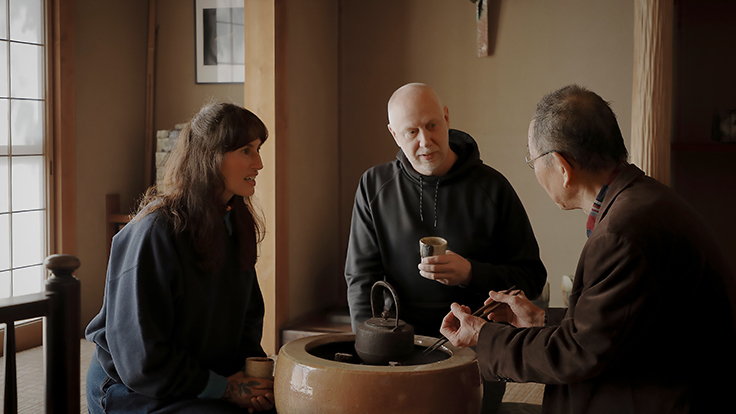
– It is said that Japan first inspired you to become a chef.
When I first visited Japan with my father at the age of nine, I was captivated by the sight of a sushi chef slicing fish with his knife, and that was when I knew I wanted to become a chef. For me, Japan is a place of origin. My cuisine may appear different from traditional Japanese cuisine at first glance. However, its roots are deeply influenced by Japanese culinary philosophy. Kyoto, in particular, is the ancient capital where the history of Japanese gastronomy was shaped. Opening a restaurant outside California is a first for me.
– As you planned your new venture in Kyoto, what did you consider most important?
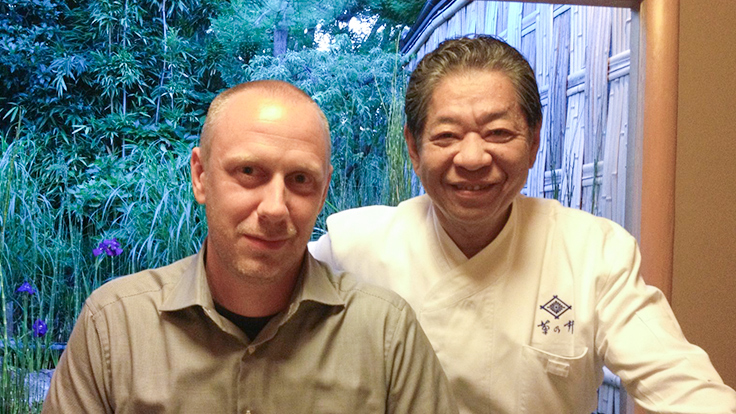
As I prepared to open a restaurant in Kyoto, I wanted to avoid establishing something self-centered without understanding the culture of the place. I felt that my cuisine could serve as a bridge between Japanese culinary tradition and the wider world, so I went to seek advice from Yoshihiro Murata of Kikunoi, who had guided me when I was younger. He told me, “You absolutely should do it,” and that encouragement helped me make up my mind.
I believe Japanese cuisine is profoundly rich, and I want more people to experience its appeal. The head chef of our new Kyoto restaurant is Keita Tominaga, who was born in California, trained for two years at Tenoshima in Minami-Aoyama, and later worked at my restaurant. Through a slightly different approach, I hope we can express values that can be difficult for overseas guests to grasp, such as the respect for ingredients found in the delicate flavors of Japanese cuisine.
– Living in Kyoto with that mindset, you must find inspiration in the city’s everyday rhythms. Do you have any favorite places where you feel most connected to Kyoto?
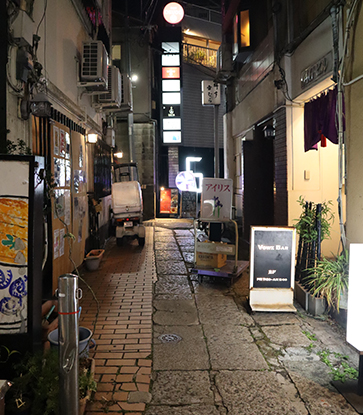
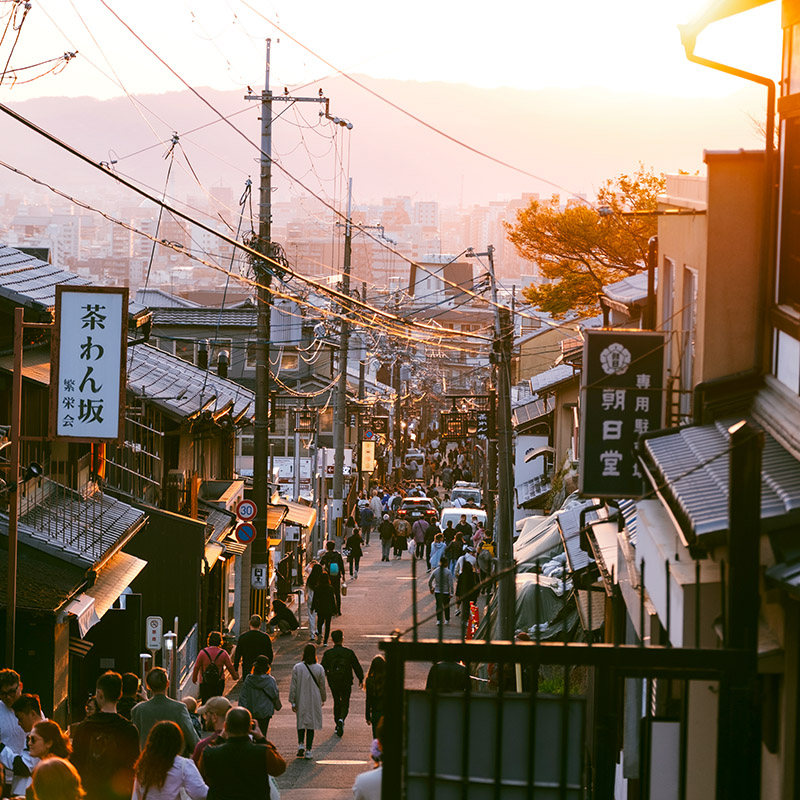
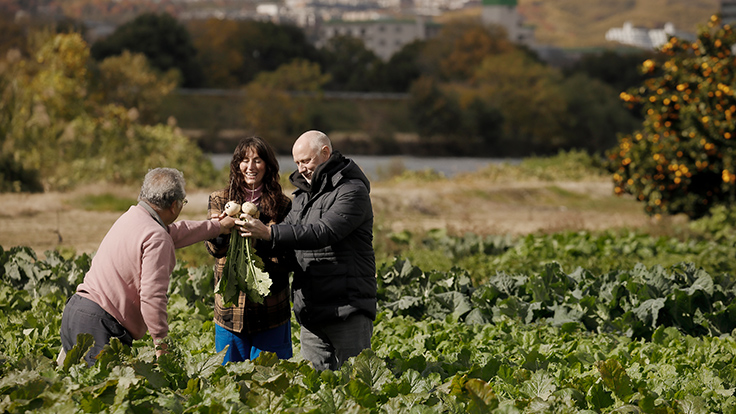
Capella Kyoto, where SoNoMa is located, stands adjacent to the renovated Gion Kaburenjo Theater, and both properties share the same architectural style. Walking in this neighborhood has become part of my daily routine, and at times I encounter maiko and geiko on their way to lessons. One place I’m especially drawn to is Ebisu Shrine. It’s tranquil, lush with greenery and imbued with a distinctly Japanese atmosphere — you can feel the changing seasons simply by observing the trees. At SingleThread Farm in California, we also focus on expressing the season — capturing the essence of the present moment. We begin by serving vegetables grown on the farm run by my wife, Katina.
– Is that approach influenced by your admiration for Japan’s refined expression of the seasons?
Yes, absolutely. Although they are in different locations, SingleThread Farm in California, where we express Japanese culture, and SoNoMa in Kyoto, which carries that spirit into Japan, share the same underlying philosophy at their core. At their core, both are places where one can feel a deep connection with nature.
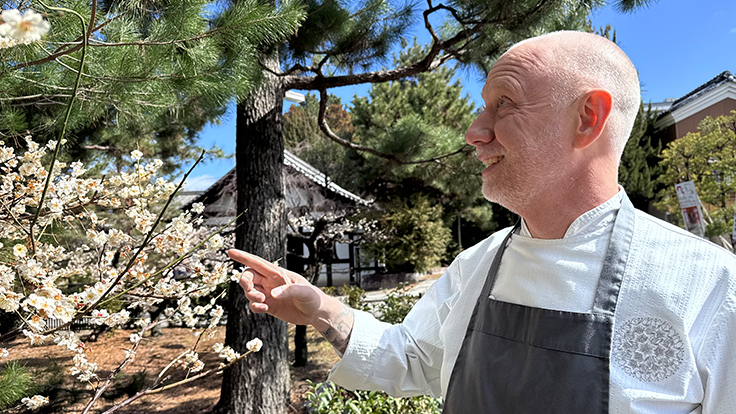
At SoNoMa, we will create cuisine that reflects “this moment, in this place,” capturing Kyoto as it is today. Being attuned to subtle daily changes, like the first plum blossoms opening, plays a vital role in shaping my ideas.
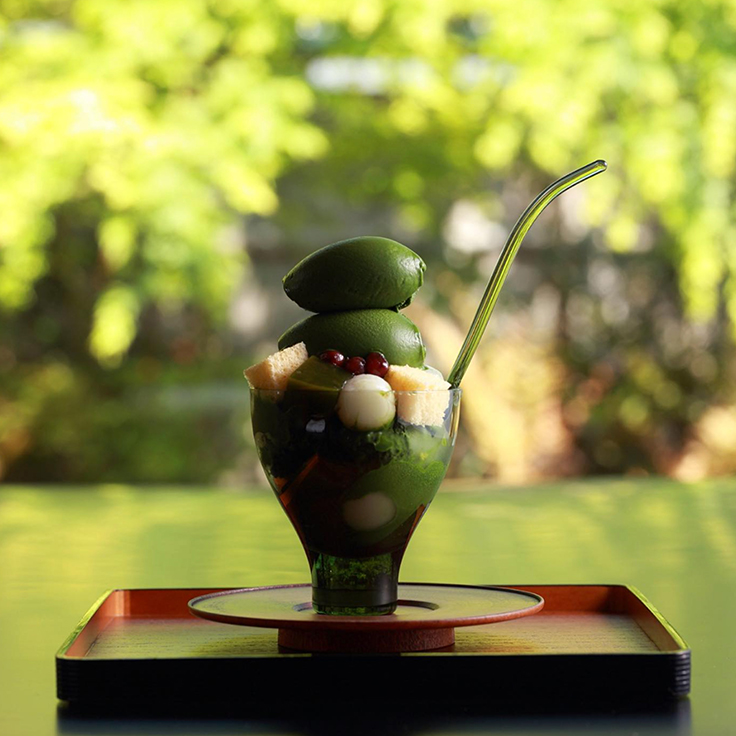
Just a 5-minute walk away lies Kennin-ji Temple, and Kikunoi Honten, where I trained in my youth, is about a 15-minute walk from here. When I want to enjoy Japanese cuisine alone at lunchtime, I often visit Kikunoi Salon de Muge, operated by Kikunoi. You can enjoy wagashi and tea there almost as if it were a café, and I’m also fond of its hidden, retreat-like atmosphere.
Another place I’ve long cherished is Miyamasou. During my training years, I worked at their former Hokkaido branch. Its tsumikusa-ryori, a cuisine that draws on the bounty of nature, is one of the important elements that shaped my style. When speaking of traditional Japanese cuisine, Hyotei must not be overlooked. I have a close relationship with its 15th-generation chef, Yoshihiro Takahashi, whose ability to honor tradition while continuing to innovate is truly remarkable. I have visited more than 10 times.
In terms of omotenashi, the Japanese philosophy of hospitality, I am especially inspired by Sanso Kyoyamato, run by my friend Junko Sakaguchi, recipient of the MICHELIN Service Award.
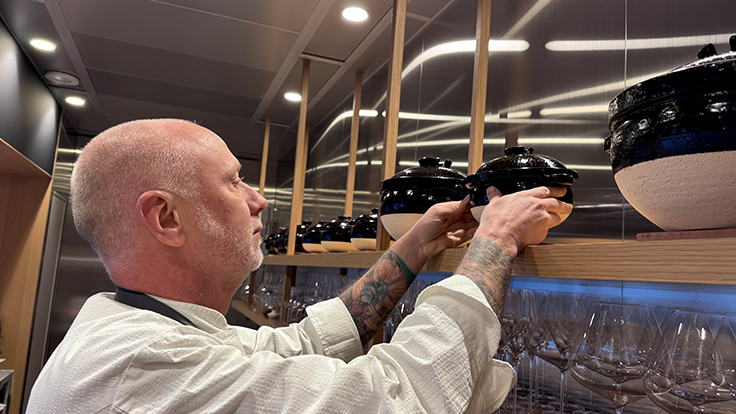
In addition to these historic establishments, I am also impressed by restaurants such as Ito, run by a younger generation of chefs. They focus on locally sourced organic ingredients, offering innovative kaiseki rooted in tradition. I always enjoy watching the young chefs at work from the warm, intimate counter.
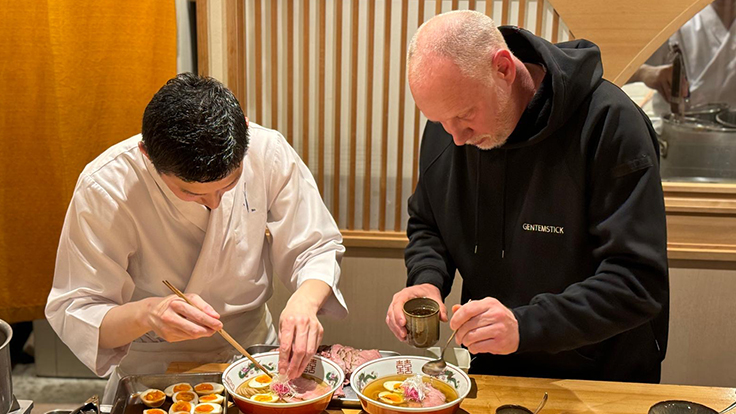
Another favorite lunch spot is Unagi to, COFFEE . While the pairing may seem unusual in Japan, the freshly prepared eel, grilled over charcoal with a sweet glaze, pairs beautifully with the aroma of house-roasted coffee. I also highly recommend their Basque cheesecake for dessert.
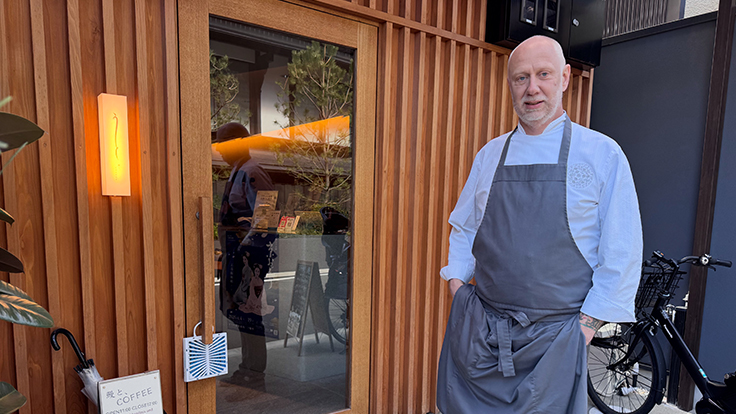
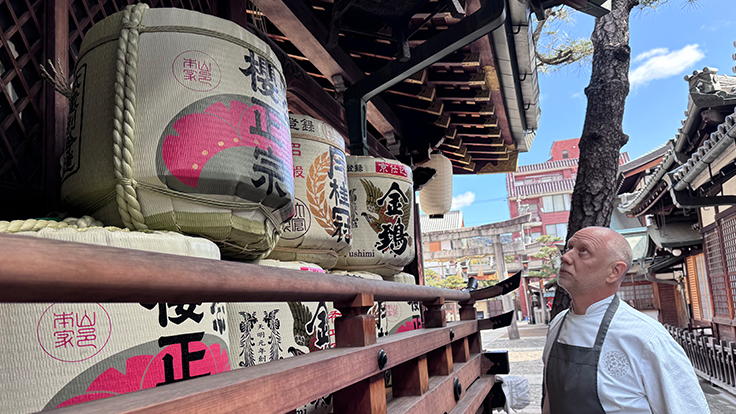
While we also offer sake pairings in California, Zenri is a premium Kyoto sake served in only three locations in the city. I visited the brewery myself and was deeply struck by the passion of its young brewer.
*Not open to the general public as of March 23, 2026.
Japanese cuisine is also widely recognized as a healthy form of dining, isn’t it?
Of course, we carefully consider nutritional balance, including fats and carbohydrates, but I believe that spiritual well-being, fostered through a connection with nature, is equally important. At SoNoMa, guests will be able to view a traditional Japanese garden from the dining room, complemented by botanical art pieces created by Katina to evoke the feeling of shinrin-yoku, or forest bathing, indoors.
The health benefits of forest bathing are well known. Recently, I went trekking on Mount Kiyomizu. The view from the summit was breathtaking, and entering Kiyomizu-dera Temple from a mountain-side path, completely different from the usual approach, was an unforgettable experience. Everything appeared entirely different from that perspective.
– That may be similar to what you are doing: viewing Japanese cuisine through the perspective of a different culture. By shifting perspective, we uncover new insights, which in turn foster cultural richness and diversity.
Yes, absolutely. Going forward, our teams in California and Kyoto plan to travel back and forth regularly for training. As our mutual understanding of Japanese and Western cuisine deepens, the expression of both restaurants will be elevated, and I hope it will lead to the creation of something new.
We look forward to seeing a relationship unfold in which each side discovers and elevates the other, as if reflected in a mirror.
関連記事:
Header image: Connaughton stands inside SoNoMa, awaiting its long-anticipated opening. Overlooking a serene stone garden, the dining room offers 32 seats in total, including 12 at the counter and additional table seating. (© SoNoMa by SingleThread)