18 March 2026

Share


The MICHELIN Guide Inspectors are constantly sharpening their forks and scouting for standout dining experiences.
In March 2026, their tastings led to 12 restaurants joining The MICHELIN Guide Tokyo, ahead of the official ceremonies when the MICHELIN Stars and Bib Gourmands will be unveiled.
These newly added restaurants appear on our official website and are highlighted with a “New” symbol to make them easy to spot. From a Chinese restaurant from Singapore has landed in Ginza, to a Thai restaurant that showcases the cuisine of the ancient city of Chiang Mai and the Isaan region in northeastern Thailand, here is a first taste of what to expect.
Tokyo
Melograno
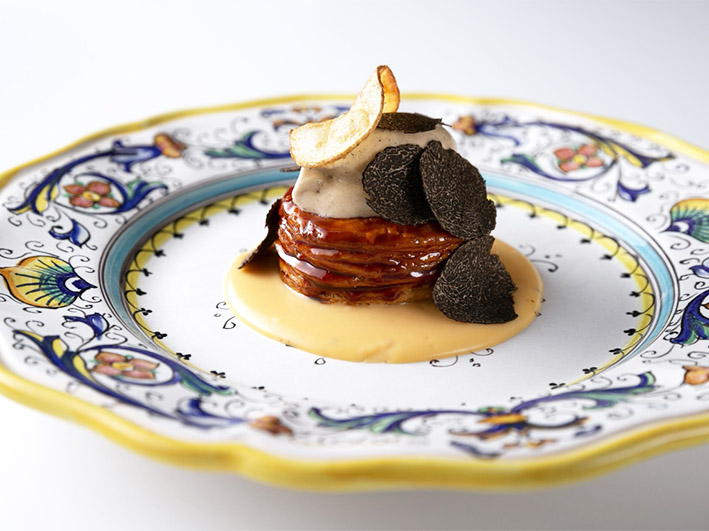
ItalianFun and freedom are the qualities the chef seeks in his cooking. His potato-and-truffle tart takes inspiration from Italian desserts. A place to enjoy à la carte Italian cuisine inspired by Japanese ingredients.
Lustre
FrenchNamed after the French word for chandelier, the restaurant shines a light on French cuisine shaped by Japanese sensibility. Drawing on the five flavours of Japanese cuisine, French cooking is fused with the umami of Japanese ingredients.
IMPERIAL TREASURE
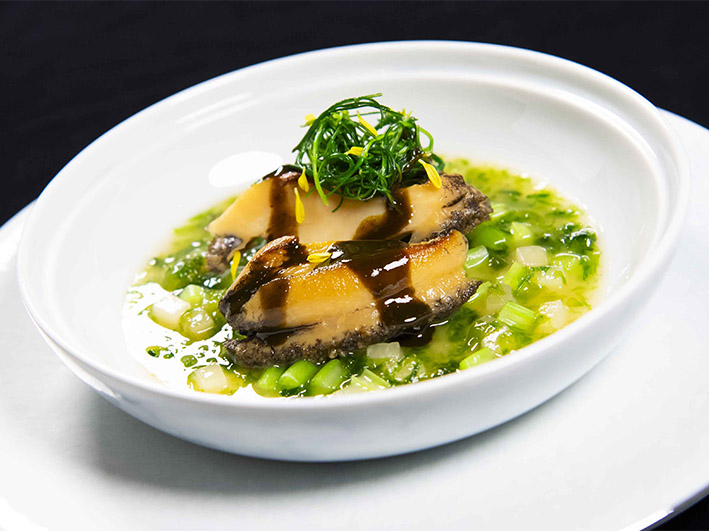
ChineseA Chinese restaurant from Singapore has landed in Ginza. Japanese ingredients such as tilefish and hair crab are also used, creating dishes unique to this restaurant.
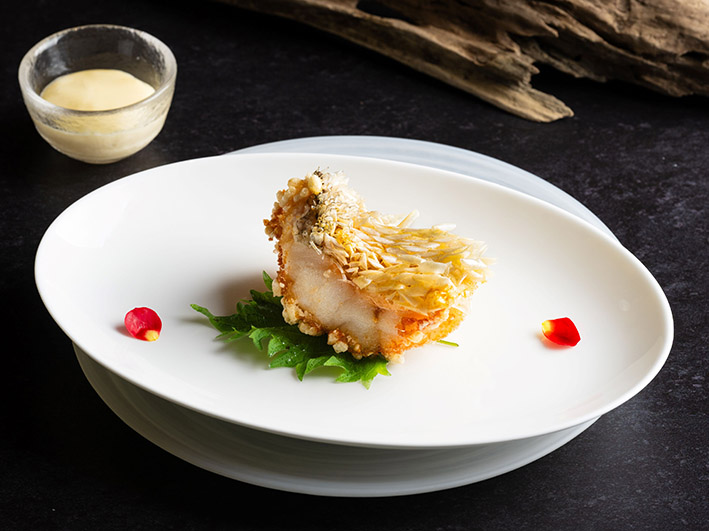
Firmamento
ItalianSeeking to deepen his knowledge of fish and their preparation, the chef also worked at a traditional Japanese restaurant. That experience lives on in his charcoal-grilled sweetfish, hamo and eel.
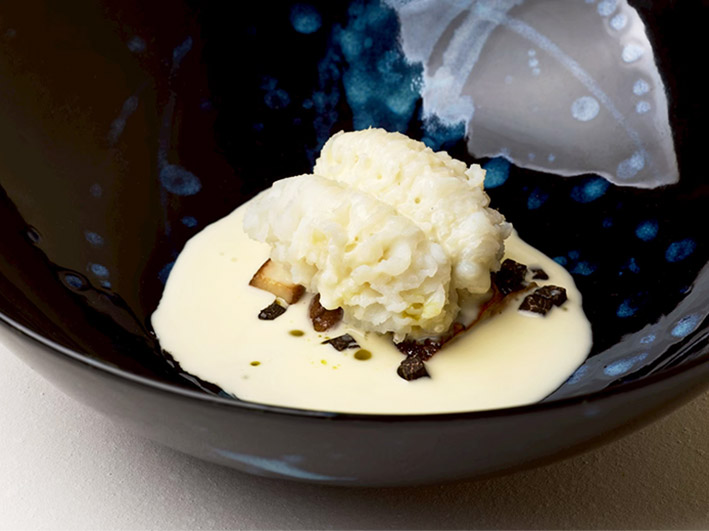
Sillage
FrenchThe chef’s themes are ‘seasonality and fermentation’. He incorporates mushroom and vegetable fermentation into the flavours of the four seasons, creating layers of umami and acidity.
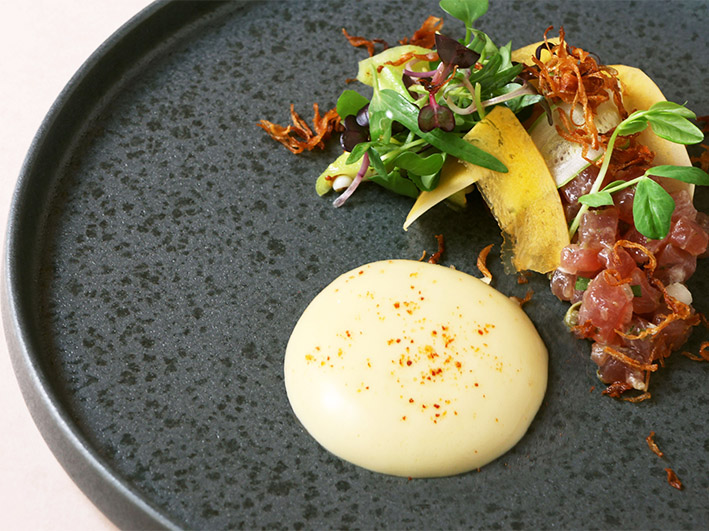
Orangutan
ThaiThe menu includes a salad of pounded green papaya, fermented pork sausages, and a soup of stewed beef and herbs. The sour and spicy flavours of fermented seasonings, along with the aromas of citrus and fresh herbs, evoke a Thai dinner table.
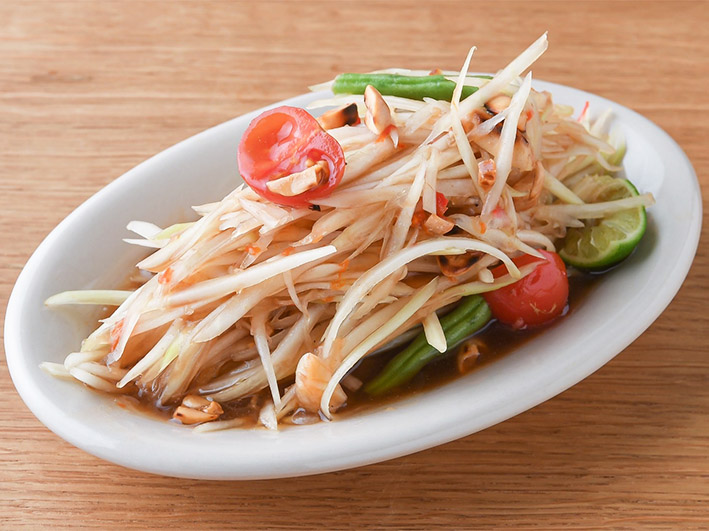
girotondo
ItalianRegional cuisine from every corner of Italy is faithfully recreated here. Especially prized are the meatballs and ragu the chef learned from a nonna during his apprenticeship.
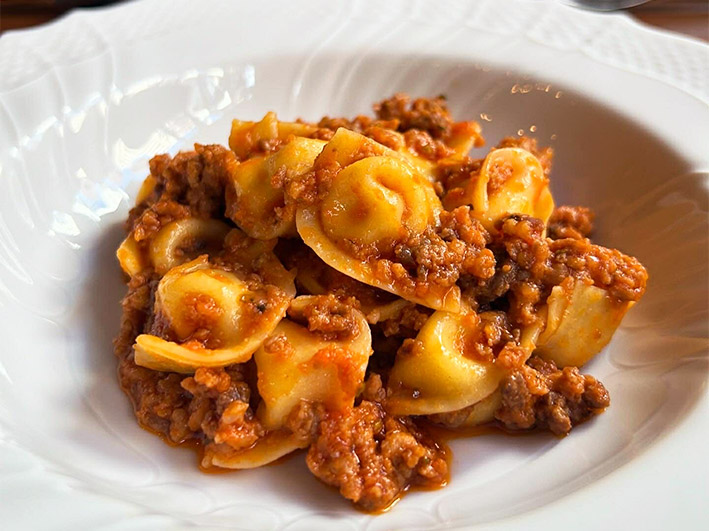
Myojinshita Soba Oshin
SobaThe menu ranges from an impressive variety of appetisers to creative soba dishes incorporating ingredients such as raw tofu skin and dried mullet roe. For cold soba, you can choose between Seiro and Inaka; both are cut into thin noodles that go down smoothly.
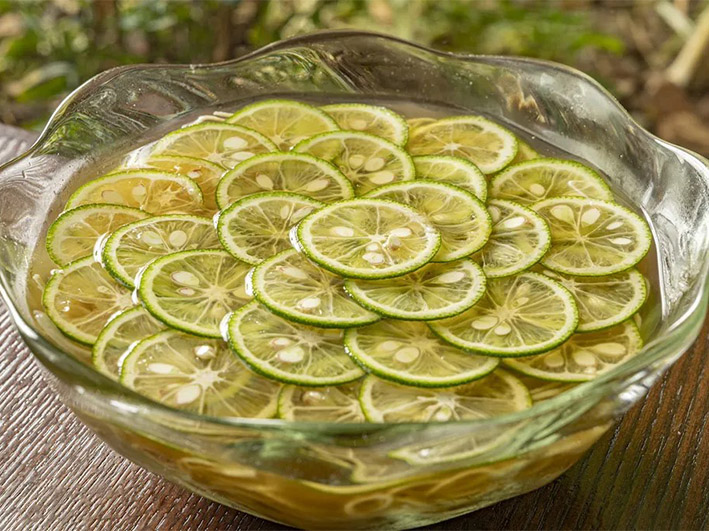
Nihonbashi Kawaguchi
SushiKeen to share Tokyo’s culinary history, the pair have delved into Edo cuisine to shape their selection of appetisers. True to the chef’s apprenticeship, the nigiri progresses from lighter, more delicate fish to those of greater depth and richness.
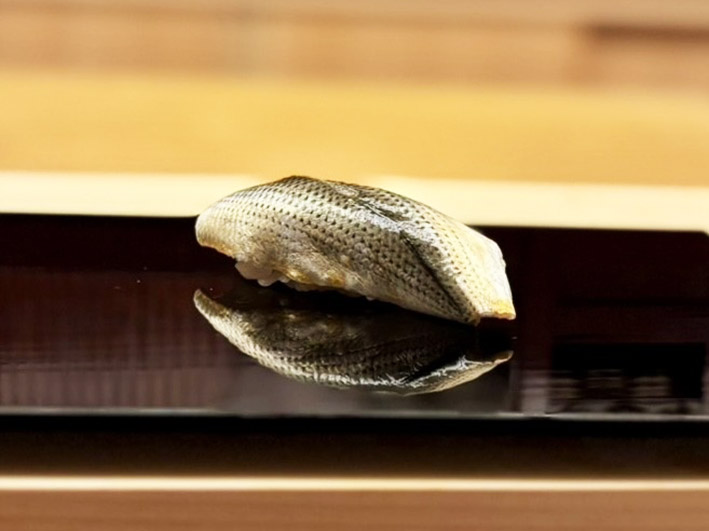
lotus osteria
ItalianDishes learned in Piedmont and Tuscany fill the menu: the Piedmontese dish tonnato is homemade ham dressed in tuna sauce; beef stewed in red wine, a Tuscan tradition, is fragrant with black pepper. Preparations are simple, keeping the ingredients front and centre.
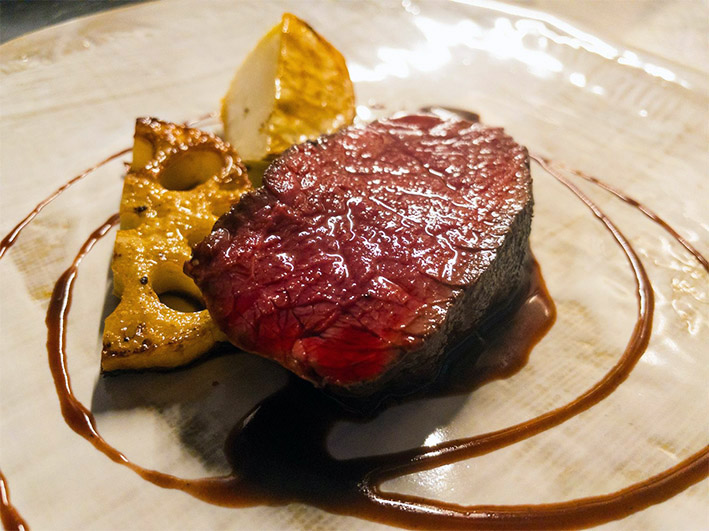
Chinese Restaurant Seika
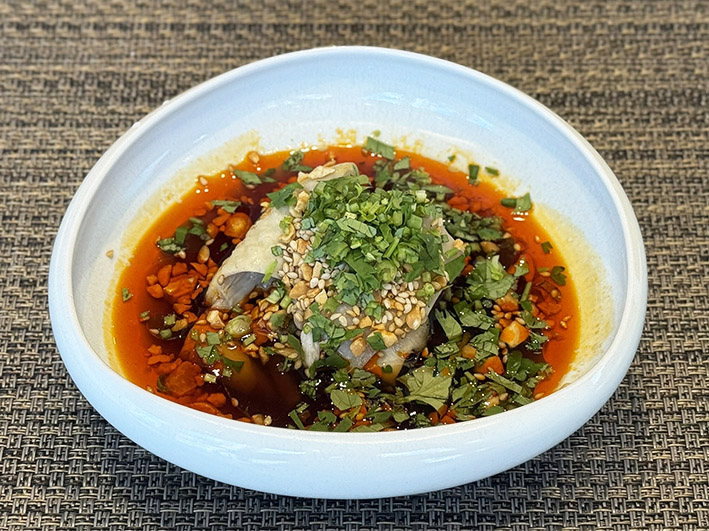
ChineseThe theme is fusions of Japanese and Chinese influences. Soy sauce, which determines the flavour, is infused with kelp, dried bonito flakes and dried shiitake mushrooms. Mouth-watering chicken, seasoned with this soy sauce and black vinegar, is served with seasonal vegetables for a creative twist.
Cheval
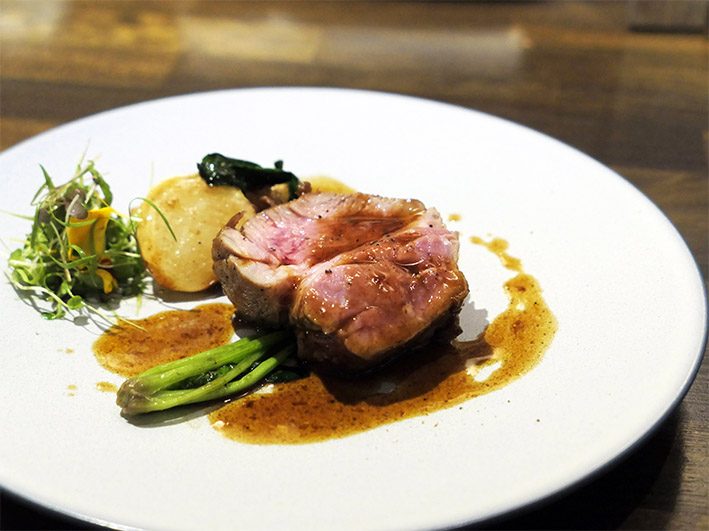
FrenchThe menu is à la carte only, to allow guests to enjoy whatever food they please. Efforts are made to keep preparations simple: trout is smoked, lamb roasted, beef cheek simmered in red wine.
January 2026
Kyoto
Mishimatei
SukiyakiThe restaurant’s famed sukiyaki (Japanese hot pot) is prepared by a dedicated hostess who grills the beef in its own fat with sugar before seasoning it with sukiyaki stock.

Manjuji Hakuran
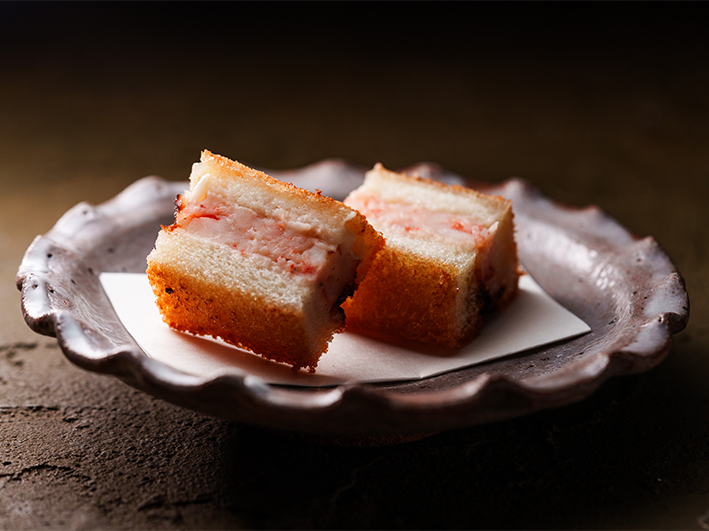
JapaneseThe chef, a native of the Goto Islands, weaves the flavors of Nagasaki into his prix fixe menus. Hatoshi pairs minced shrimp with crisp fried toast, while Goto udon is a beloved local staple. Using disciplined kappo technique, he elevates familiar dishes into restrained, elegant compositions.
Korean Restaurant Byeoleeya
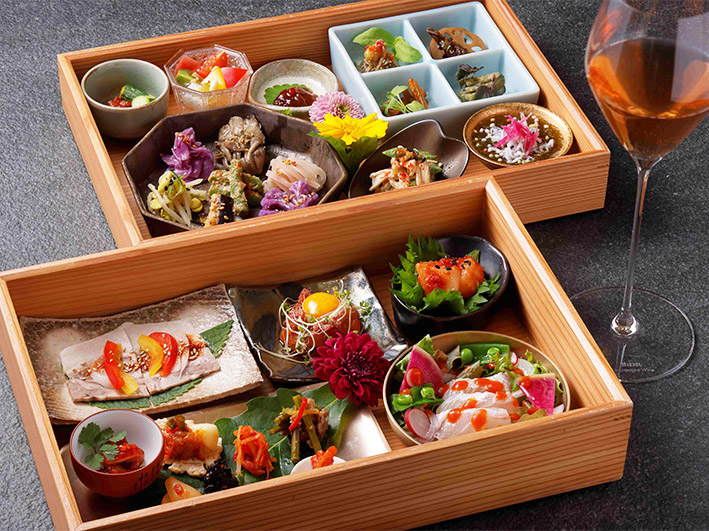
KoreanPrix fixe offerings follow yakushoku-dogen, the principle that diet has an essential role in maintaining good health. Namul (seasoned vegetables) and kimchi are prepared with Kyoto produce, while dishes from the early Joseon dynasty reflect a time before chili peppers were introduced.
MUBE
JapaneseThe chef’s use of the prefecture’s fermented foods reflects his personality. He also prepares narezushi — fish fermented in lactic acid with salt and flour — alongside fish sauce and miso, creating a bridge between culinary traditions and the food of the future.
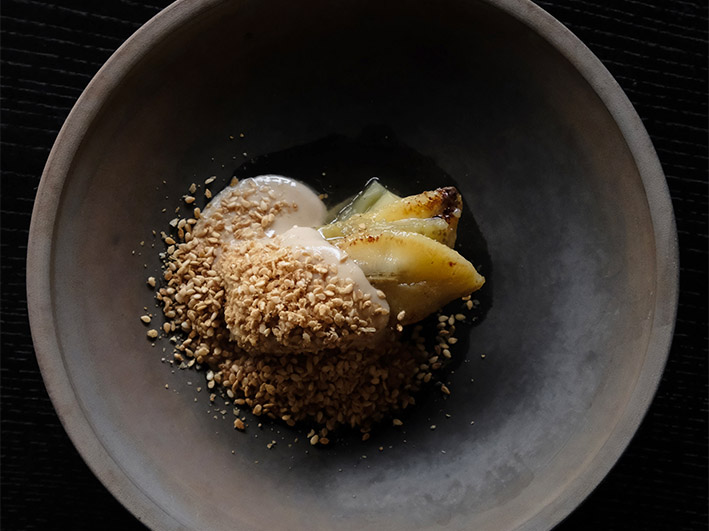
RADICE
ItalianThe chef draws inspiration from his time in Italy’s Emilia-Romagna, where he learned pasta-making from local women. By adding distinctive touches to everyday dishes, he acts as an ambassador for Italian food culture.
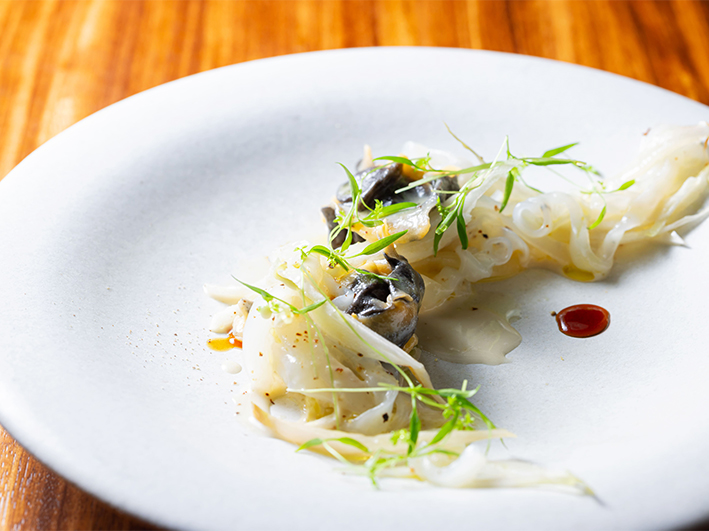
Ava
ItalianThe chef draws on skills honed at restaurants in Sicily, highlighting the region’s culinary delights through ingredients such as olive oil, cheese and pistachios.
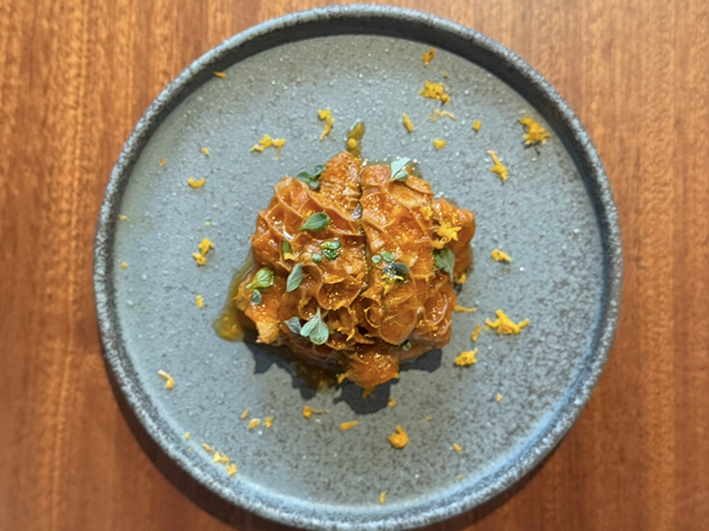
Osaka
NELU KORAIBASHI
French The prix fixe menu is crafted with abundant imagination, each dish telling a story. The chef blends innovation with French culinary traditions to create modern interpretations.
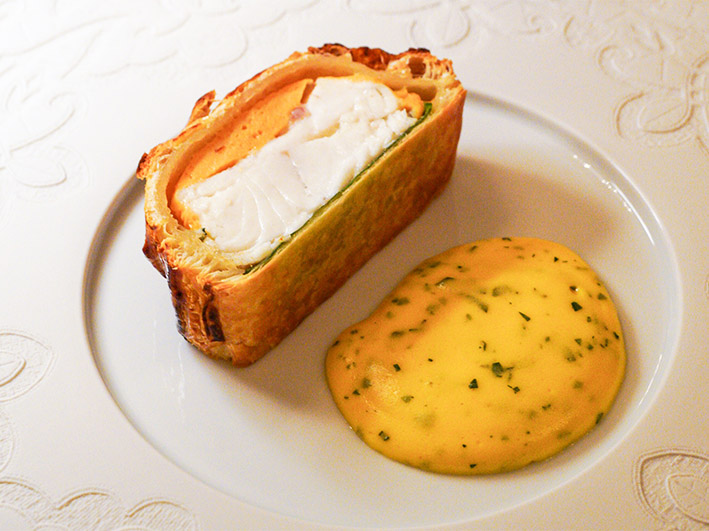
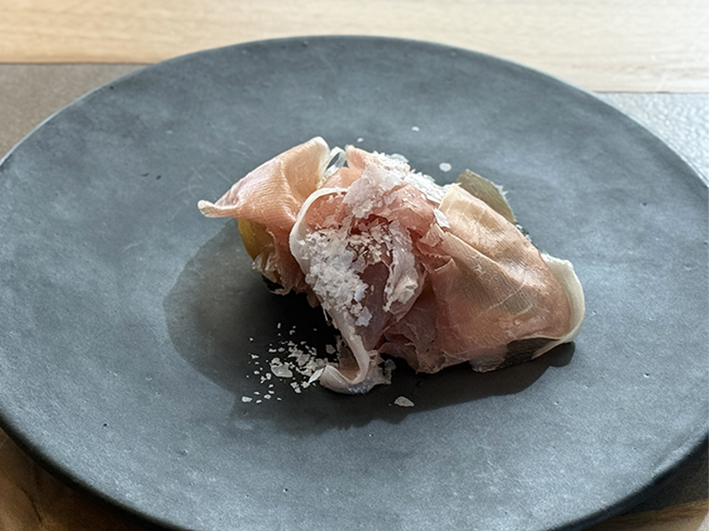
pebble
ItalianThe flavors of the ingredients combine to create an entirely original taste. À la carte servings of mature May Queen potato and cured ham impress with their elegant simplicity.
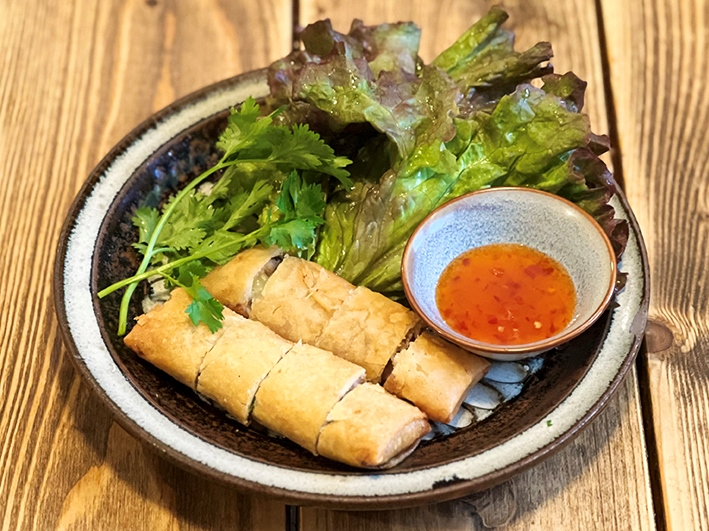
PITAK GOHAN
ThaiChef Pitak from Bangkok serves dishes rooted in his native Thailand, where the aromas of herbs, spices and fish sauce bring each plate to life.
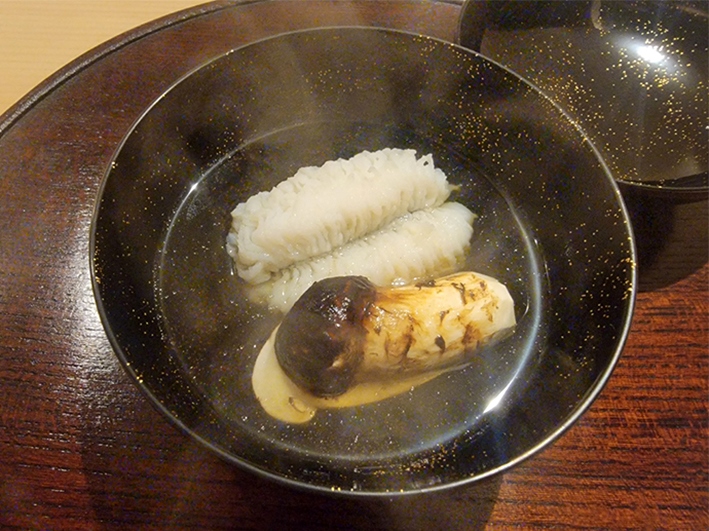
Ukitacho Ima
JapaneseThe chef spent years honing his skills at a Japanese restaurant in Hozenji Yokocho. Rather than follow his mentor’s footsteps, he forges his own path in the gastronomic world.
Related articles:
2025: New Additions to the MICHELIN Guide Japan
Illustration image:© Sillage