25 April 2026


Share


Inside the grand Anantara Palazzo Naiadi hotel in Rome, the intimate contemporary dining room of INEO presents cooking that is both exacting and exuberant — and that defies clichés about Roman cuisine with a culinary reflection of the diversity that defines the capital today.
INEO is the gastronomic manifesto of Heros De Agostinis, a chef whose international experience took him through the kitchens of celebrated masters such as Heinz Beck (leading the Three-Star La Pergola), Gualtiero Marchesi (Ristorante La Terrazza Gualtiero Marchesi — temporarily closed) and Heinz Winkler (Epicures, Brasserie Tafern), where he absorbed their discipline of precision, high-flying technique and the relentless pursuit of flavors that delight.
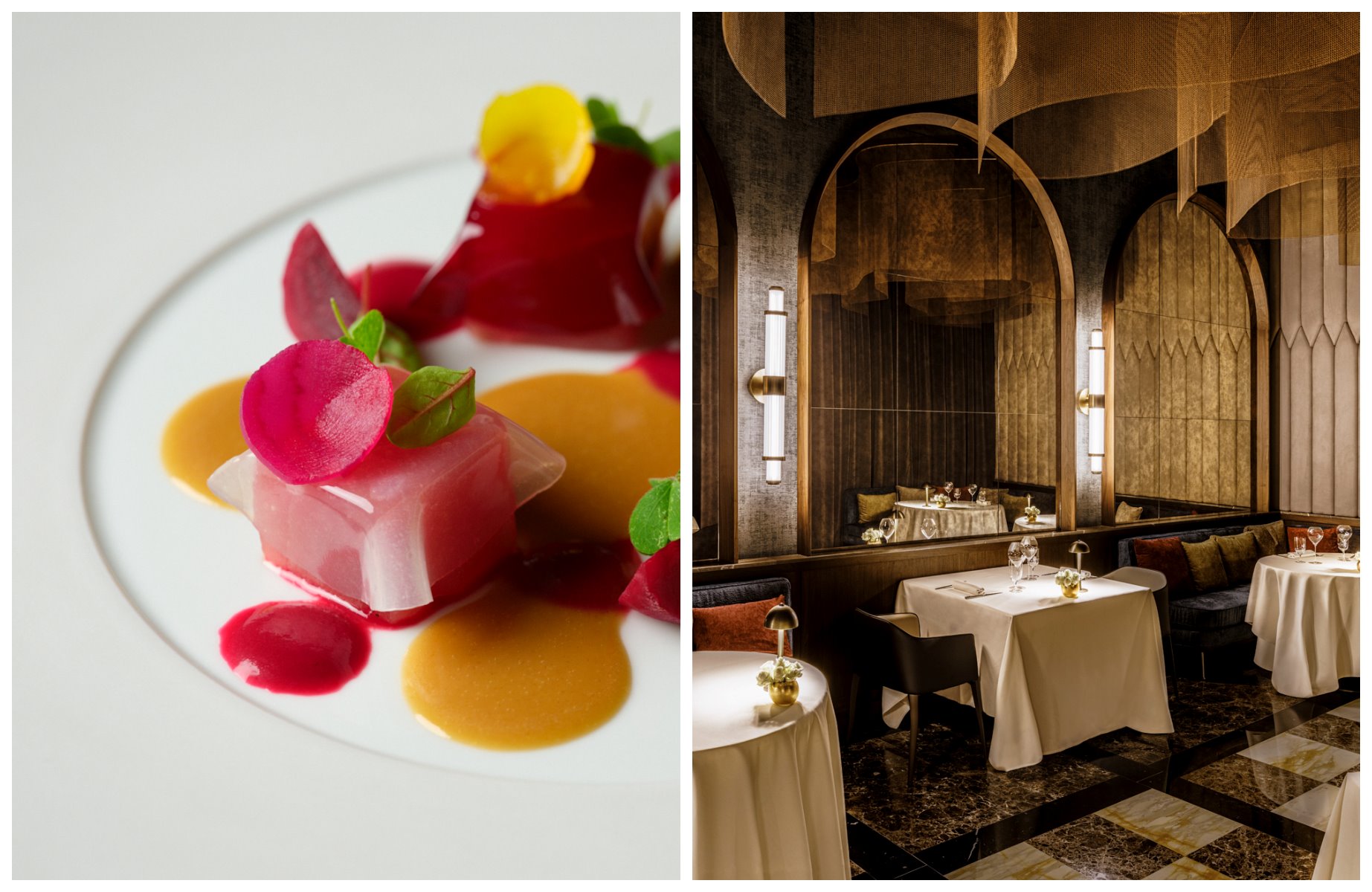
INEO, which opened in 2023 and was awarded a MICHELN Star two years later, also benefits from an expertly sourced wine list of independent and natural producers, a lavish bread cart with enough varieties of naturally leavened loaves to make any carb-lover’s heart sing and De Agostinis’ warm and impeccable team. It’s a perfect place to settle into a padded banquette and enjoy an extraordinary evening in Rome.
Tell us about your vision of Rome and Roman cuisine.
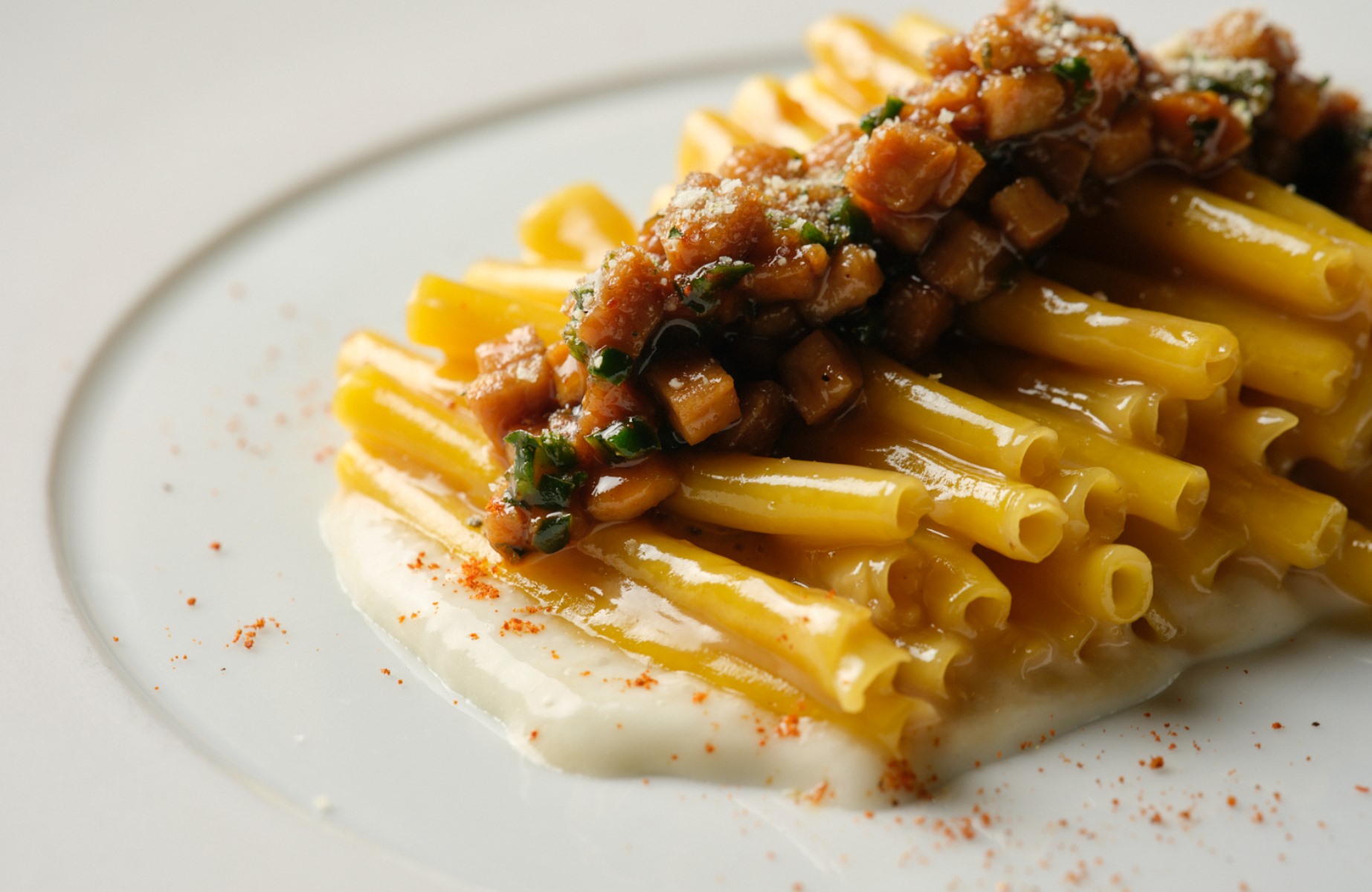
INEO tells the story of a Rome that is more complex than the one defined solely by amatriciana, carbonara and cacio e pepe. Those dishes are only part of the story of Rome, which today is becoming increasingly hybrid thanks to foreign arrivals in the city. Contemporary Rome is pluralistic, transformed by the cultures it’s continually absorbing, and you can appreciate that most clearly in the Esquilino neighborhood. I’ve been fortunate to find an audience who comes to Rome not just to eat a carbonara, but to experience what Roman cuisine is now becoming.
What lessons have you learned about food from your own family?
My mother is Eritrean and my father is from Abruzzo, so I grew up between two distinct culinary worlds. With one set of grandparents, I ate lasagna and ravioli; with the other, zigni — the Eritrean spiced beef stew — along with plenty of seasonings and African produce.
Those two traditions shaped my palate and ultimately led me to become a chef. I was fortunate to have all four grandparents in my life until my 30s, and the memories of the meals we shared are deeply embedded in who I am. My family remains the heart and soul of my cooking.
How does the multiethnic Esquilino market also play a role in your cooking?
Too often, this neighborhood is discussed in negative terms, and I wanted INEO to highlight its richness instead. Esquilino is where I was born, where I grew up, where I still live and where my restaurant is located. It’s one of Rome’s most central districts, near the main train station, and over the past decades, it’s become home to communities from across the world. The Esquilino market in Piazza Vittorio embodies that change.
The market feels like a souk — you could be in North Africa or Southeast Asia. There are fruits, vegetables, spices and ingredients from nearly every continent. My idea for INEO emerged from that market — from those aromas, flavors and encounters. The restaurant reflects its neighborhood: enriched by diverse tastes and connected to a larger world.
What did you learn from your early experience at La Pergola with Heinz Beck?
When I began at La Pergola under Heinz Beck, it was clear he was already a master with a well-developed culinary philosophy, despite his youth.I tried to stay as close to him as possible, observing his techniques, discipline and respect for ingredients. What struck me most was his insistence on tasting everything. Every plate that left the kitchen was checked. Nothing was taken for granted — a dish’s perfect balance was verified or else it was fixed on the spot.
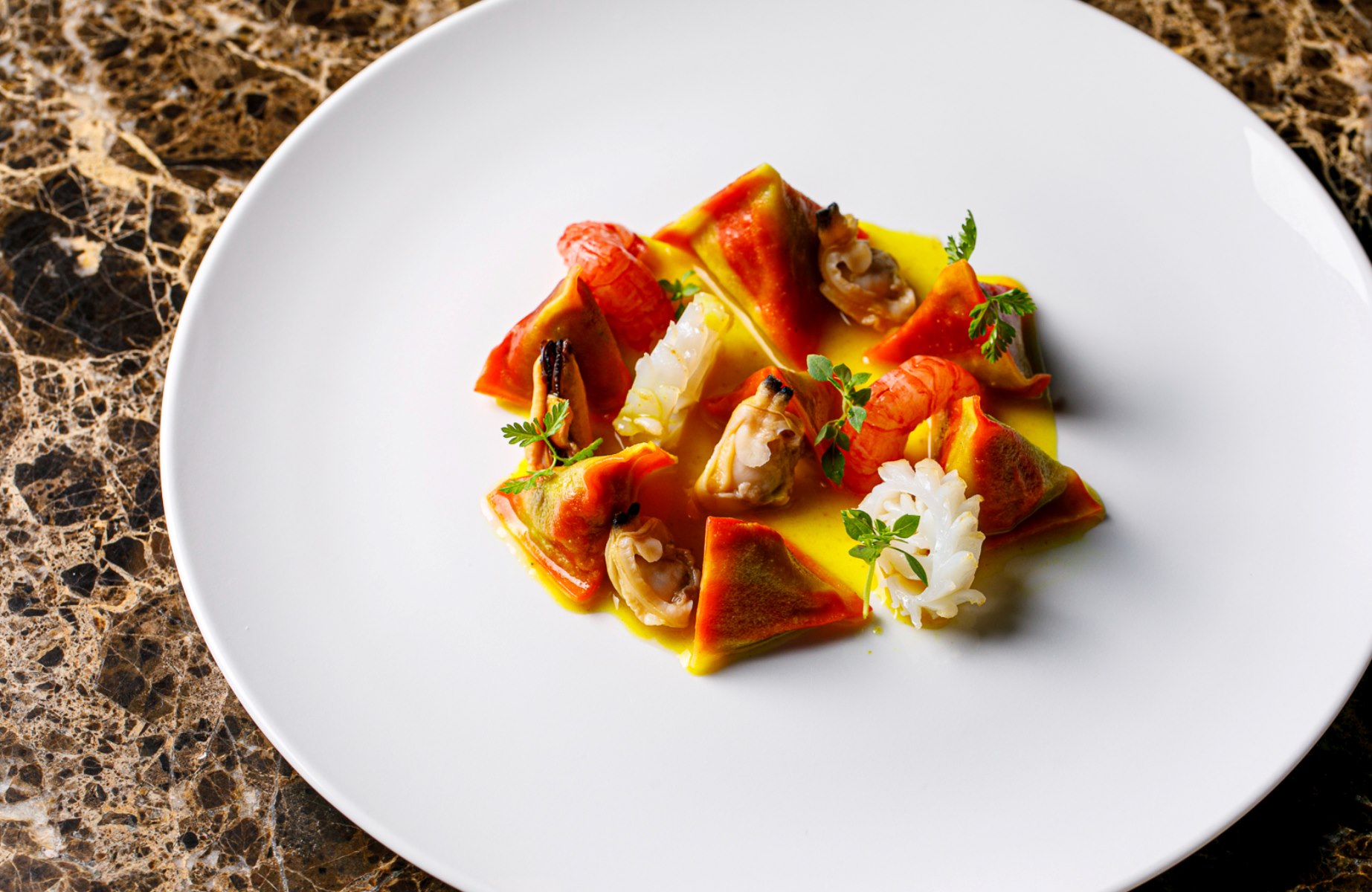
That rigor trained my palate. It taught me how flavors interact — how acidity, spice and sweetness can be calibrated. It also gave me the confidence to introduce unexpected elements, such as curry or grapefruit, while maintaining harmony. Those early lessons have stayed with me throughout my two decades in the kitchen.
Why is the bread cart such a significant part of the experience at INEO?
During my time in France, particularly while working with Chef Marc Veyrat, I saw how a beautifully stocked bread cart was key to meal service. In France, this vast selection of breads is a longstanding tradition, whereas in Italy, it wasn’t common when I opened INEO a few years ago.
For me, the bread cart is about creating a sense of hospitality. When guests first sit down in a restaurant, there can be a moment of tension as they decide what to order and first interact with their servers. The arrival of the bread cart softens the formality. Bread is about abundance and sharing, and of course, the selection we offer is impressive, with baguettes, laminated breads, Roman-style loaves, South Tyrolean rye and more to choose from.
The bread cart breaks the ice and adds more generosity and fun to the meal. I want guests to feel that they aren’t just dining out in a restaurant, but that I’m welcoming them into my home.
Related articles:
- See our other city guides - to get inspiration for where to go next
- The Best Trattorias in Rome - for the most authentic food in the city
- Browse our full city guide for Rome - and start planning where to eat and stay
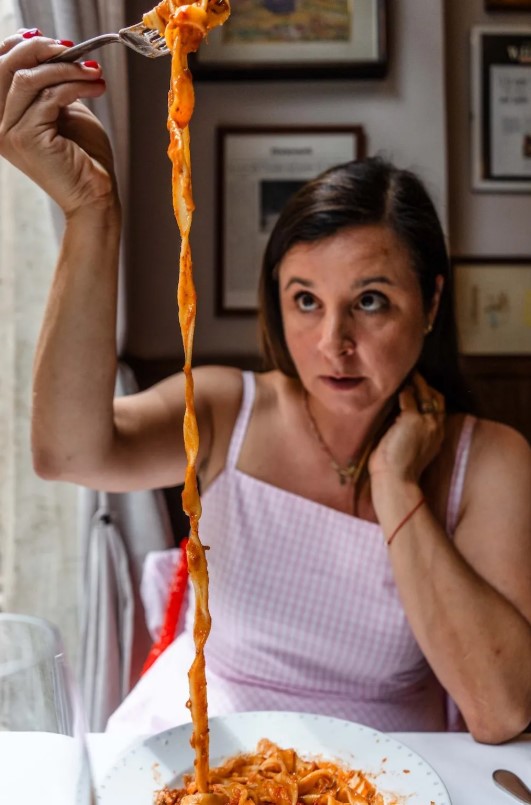
Main image: At INEO restaurant in Rome, chef Heros De Agostinis brings a global sensibility to the city's fine dining scene, shaped by years spent in some of the world’s most influential kitchens.© Ross Dixton/INEO