14 May 2026

Share


Tempura was introduced to Japan by the Portuguese in the 16th century, evolving from what was once known as nanban cuisine. Today, alongside sushi and soba, it is regarded as one of the “three great flavors of Edo,” a reflection of the meticulous craftsmanship that defines Japanese culinary culture.
In its early days, cooking oil was a precious commodity and tempura was considered a luxury. It was only as living standards improved that it gradually became more widely enjoyed, finding its place in both street food culture and home cooking. From the Meiji era onwards, chefs began refining every detail of the craft — from ingredient selection and oil composition to the precision of the batter — shaping tempura into the elevated dining experience it is known for today.
The Evolution and Styles of Tempura
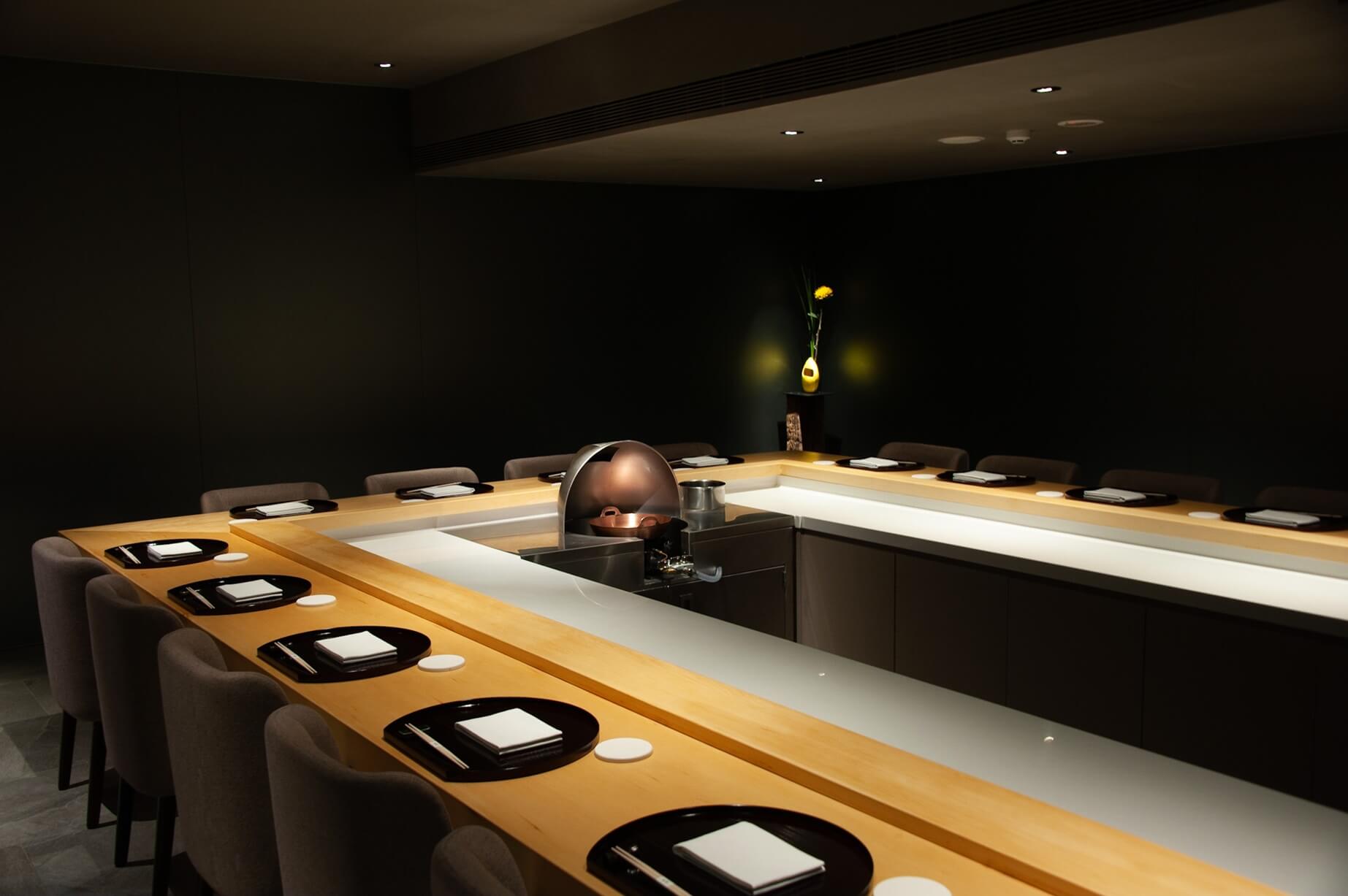
Early tempura was broadly divided into two regional schools: the Edo (Kanto) style and the Kyoto (Kansai) style. According to Catherine Yang, chairperson of the Two-MICHELIN-Starred Mudan, the Edo style is defined by its emphasis on aroma, often achieved through the use of fragrant white sesame oil. The batter typically includes egg yolk, resulting in a slightly thicker, golden coating. It is commonly served with tentsuyu dipping sauce and grated daikon, and it tends to feature seafood as the main ingredient.
In contrast, the Kyoto style is more closely aligned with the kaiseki tradition, focusing on the pure expression of each ingredient. It typically uses lighter vegetable oils, omits egg yolk in the batter and produces a thinner, more delicate coating. Vegetables take center stage, usually finished with simple seasonings such as flavored salt.
However, Chef Ma Zu Dong of the One-MICHELIN-Starred Motoichi observes that many high-end tempura restaurants in Japan are now moving beyond these fixed categories. Rather than adhering strictly to regional styles, chefs increasingly adjust batter, oil and seasoning according to each ingredient, drawing more broadly from seasonal produce across land and sea, and refining balance through more nuanced, tailored seasoning.
Do’s and Don’ts When Enjoying Tempura
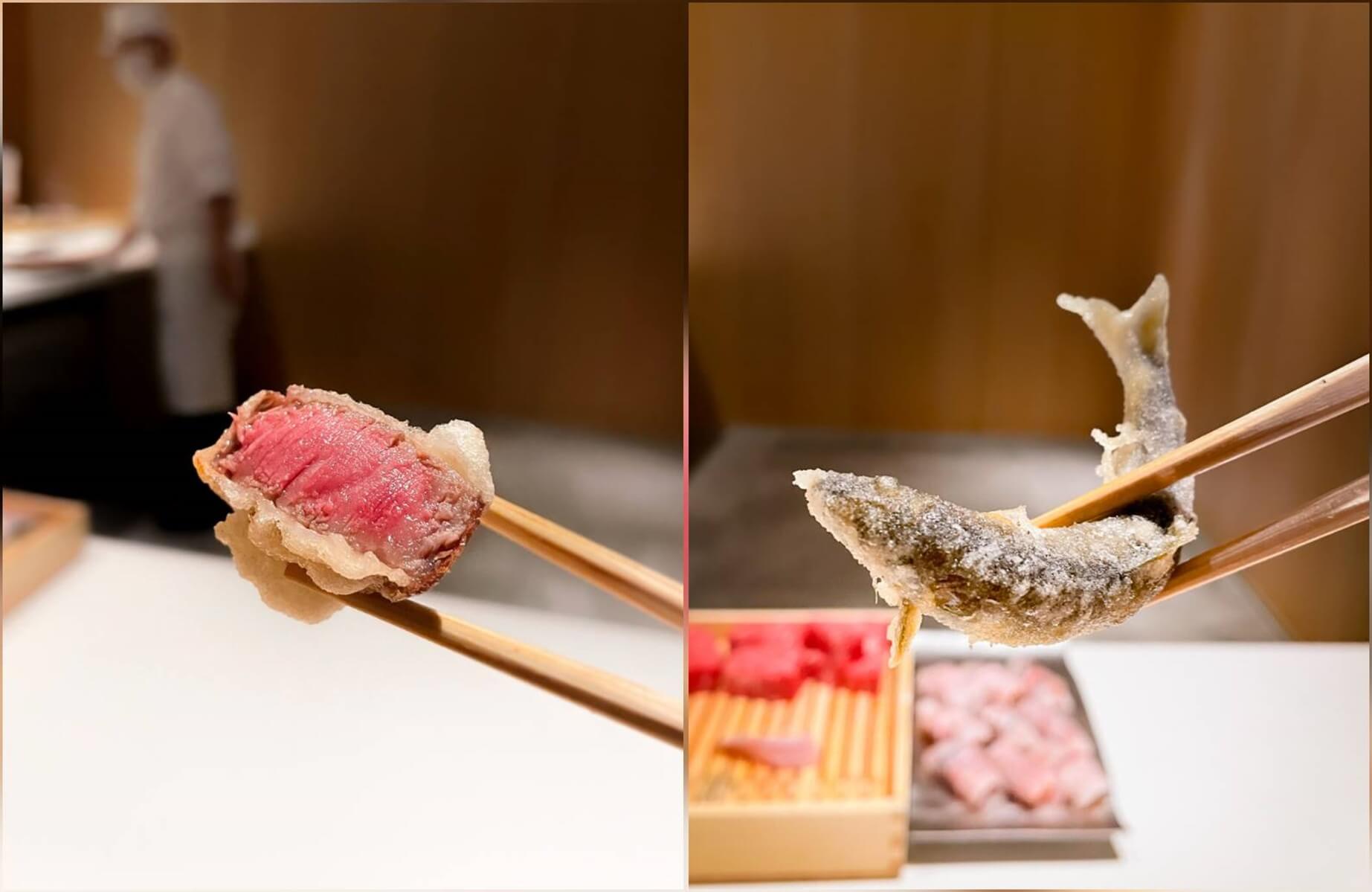
Derek Lin, executive director of Mudan , shares a few key principles for enjoying tempura at its best.First, punctuality is essential. As tempura is prepared in carefully timed sequences with oil temperature adjusted for each ingredient, arriving on time ensures diners experience each piece at its optimal moment.
Second, chopsticks are the preferred way to eat tempura. Most ingredients are already cut into bite-sized portions for ease and elegance, in contrast to certain Japanese dishes that are traditionally enjoyed by hand.
Third, timing makes all the difference. Tempura is best enjoyed within 10 to 15 seconds of being served, before the coating loses its crispness or begins to soften and absorb oil.
Finally, seasoning should be handled with restraint. The first bite is best enjoyed as served, allowing the natural texture, flavor and contrast between batter and ingredient to shine. Condiments such as salt, tentsuyu or grated daikon can be used sparingly afterward, but never to excess or as a full soak, which would overwhelm the balance of the dish.
Chef Dong of Motoichi adds that certain habits can detract from the experience — and may even be considered impolite — such as peeling away the batter, leaving tempura to sit for too long before eating, speaking loudly or engaging in excessive conversation with the chef at the counter, or using strong fragrances or perfumes, which can interfere with the dish’s delicate aromas.
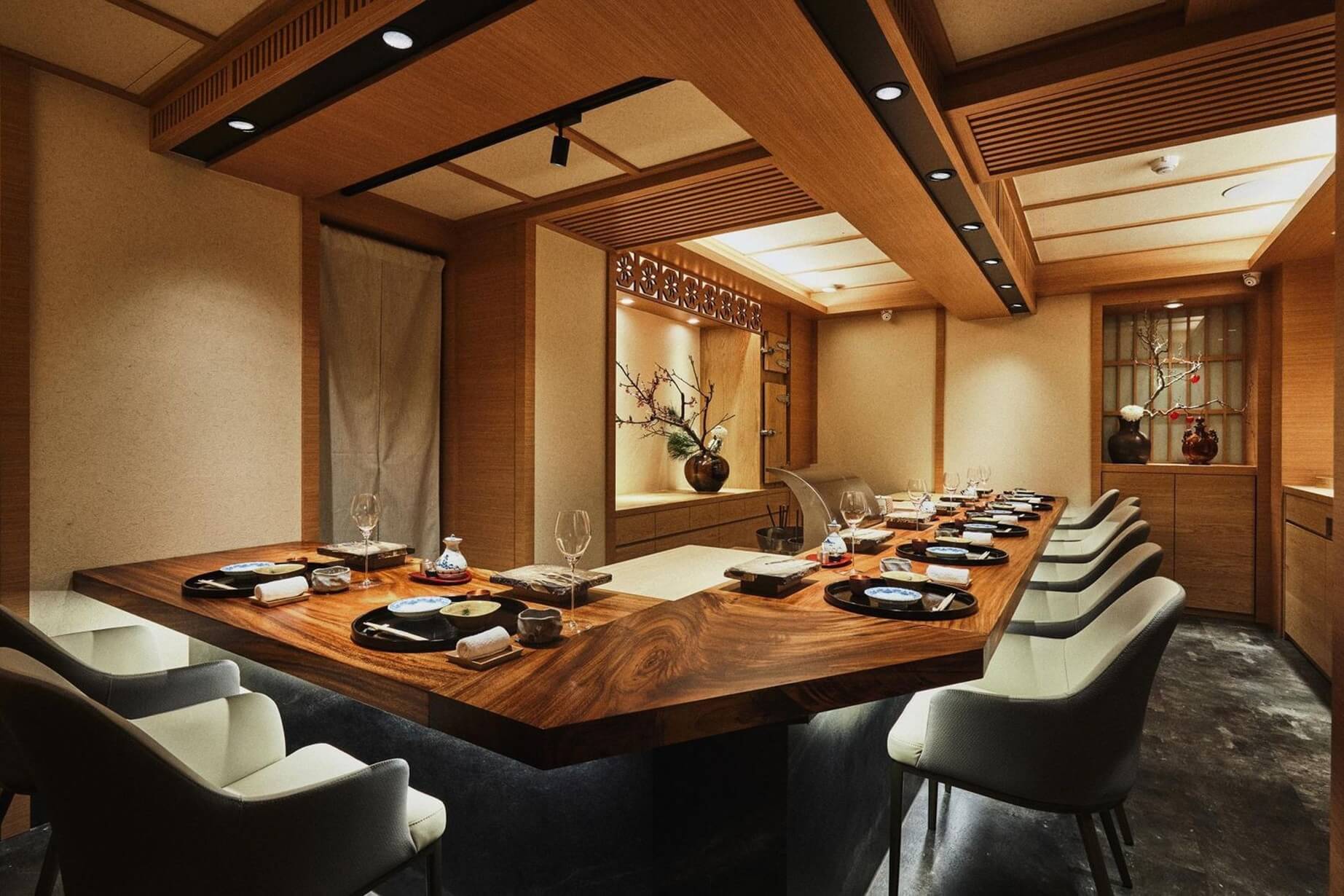
Why Tempura Is Worth the Price
“The essence of tempura lies in heating oil above 180 C [356 F] to quickly set the batter before using residual heat and the ingredient’s own moisture to create a gentle steaming and drying effect from the outside in. The result is a texture that is crisp on the outside, yet tender, juicy and delicate within,” explains Dong.True excellence, he adds, is achieved when the batter absorbs no excess oil, resulting in a clean, balanced texture that enhances — rather than masks — the natural flavor of the ingredient. This level of precision depends entirely on the chef’s control of oil blending, heat management and an intuitive understanding of each ingredient’s character.
In practice, it becomes a silent yet intense performance. Within minutes, chefs must rely on all their senses — reading the size of oil bubbles, listening to the sound of frying, sensing the temperature of the oil’s surface and observing subtle shifts in aroma and moisture — to decide the exact second each piece should be lifted from the fryer.
The revered tempura master Tetsuya Saotome, often called the “god of tempura,” once said, “Cooking in oil is like breathing. It is the pursuit of the most perfect moment and temperature.” In tempura, mastery is revealed in an instant.
At its highest level, perfection can hinge on mere seconds. And because the process unfolds entirely in front of diners, with no room for error or concealment, tempura is regarded in Japan as more than a craft: It is an art form that commands a premium.
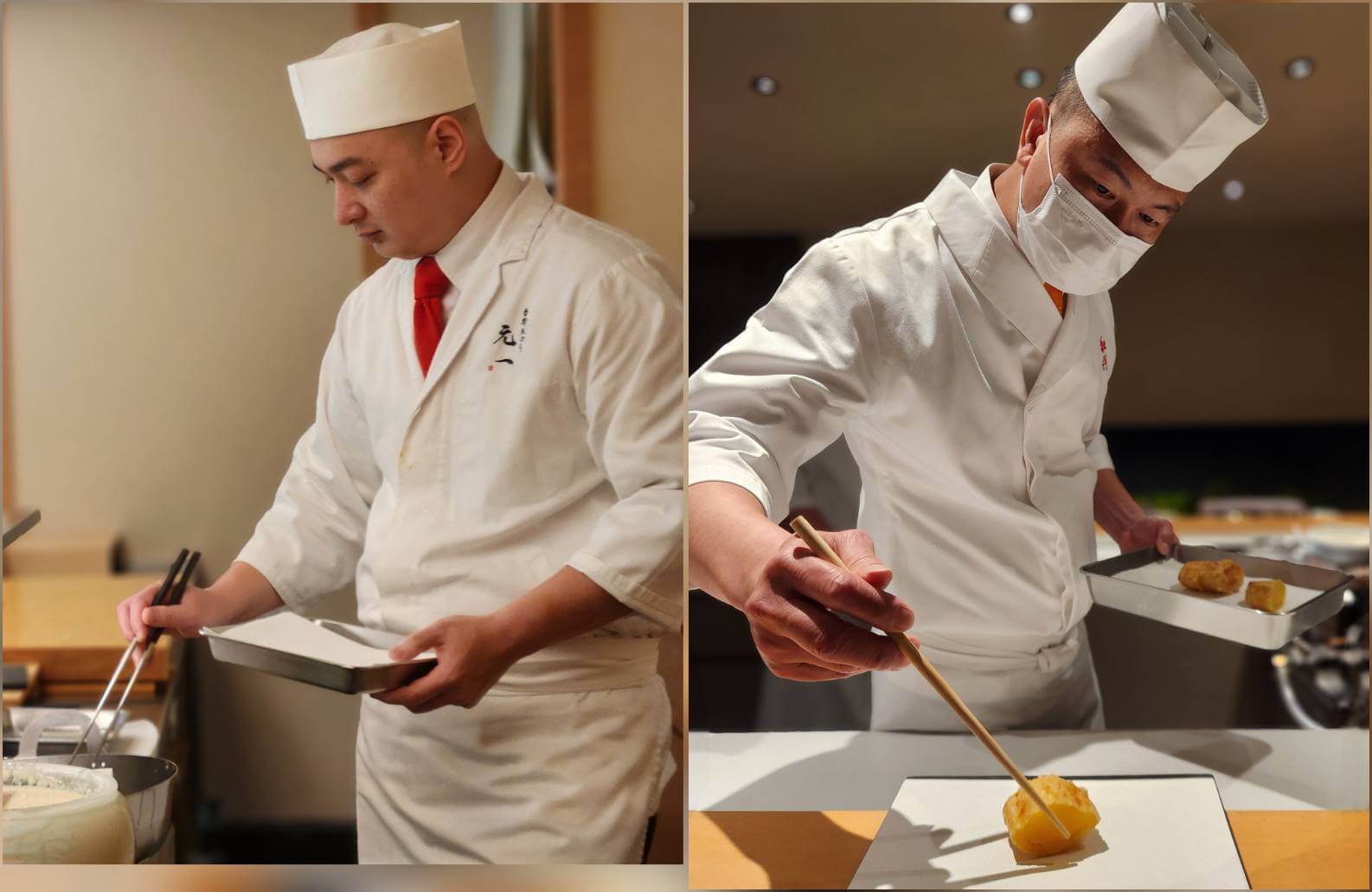
Beyond the craft of the chefs, every element — from ingredients and oil to preparation — reflects a meticulous standard.
Founded by Catherine Yang and her husband, both long versed in Japanese cuisine, Mudan was created to express their vision of high-end tempura brought to life through the refined technique of the chef at the counter. The restaurant works exclusively with premium seasonal ingredients paired with Japanese-imported white sesame oil costing over NT$10,000 ($300) per barrel. Each day, the batter is adjusted according to temperature and humidity to achieve an exceptionally light coating. Ingredients are gently patted free of excess flour before frying, while the oil is replaced twice during service — maintained so precisely that even the paper beneath the tempura remains spotless.
At Motoichi, batter is prepared only once service begins, while a proprietary liquid nitrogen technique at minus 196 C (minus 321 F) is used to remove moisture from the flour, creating an especially light, crisp texture. The frying oil is blended from white sesame oil, corn oil and mustard seed oil, and the same custom-made molds used in its Tokyo flagship ensure consistency. Dong further refines each detail — adjusting batter thickness and frying time according to the ingredient itself; carefully shaping texture, aroma and finish with every piece.
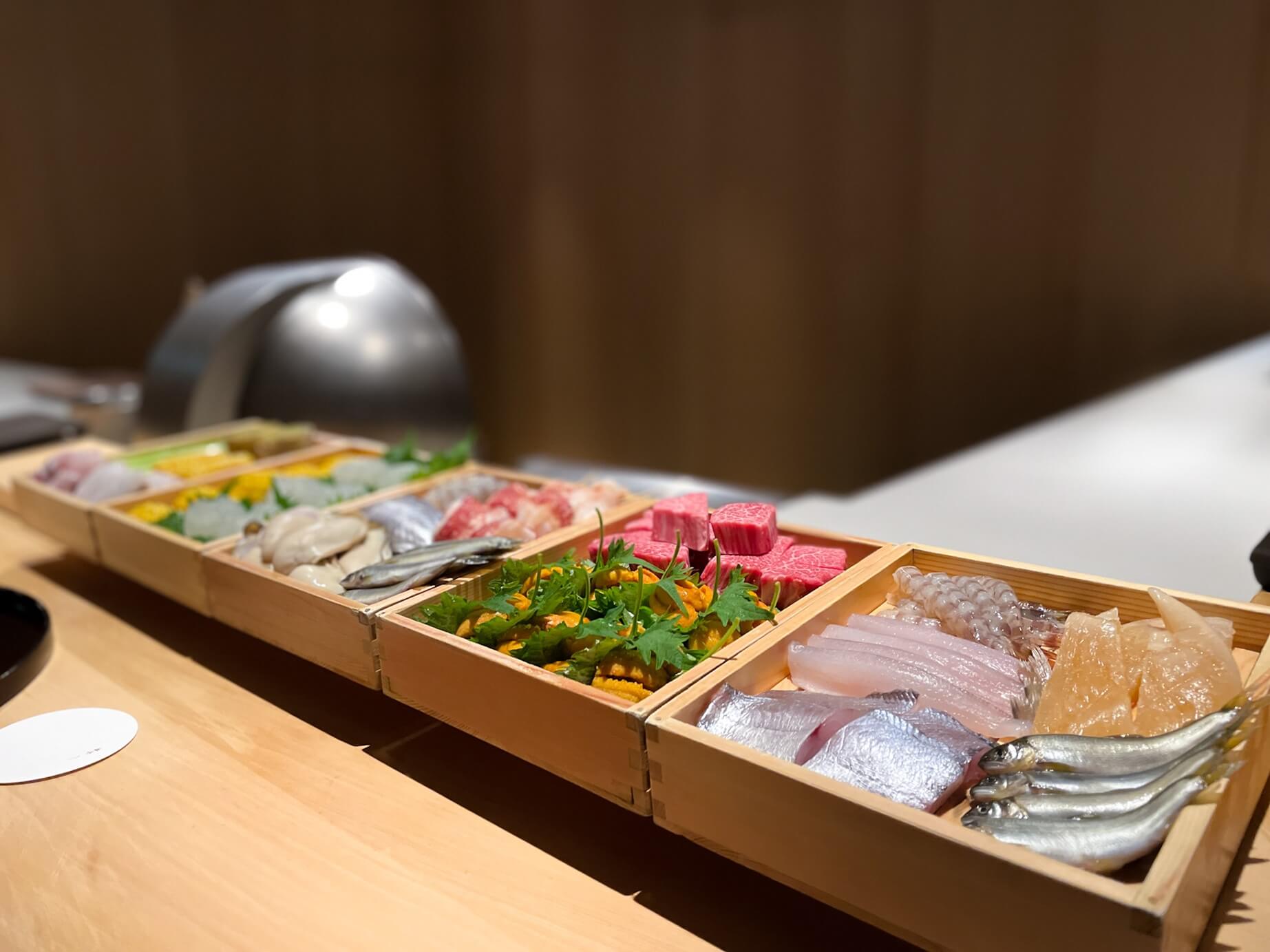
Pairing Tempura: A Complete Dining Experience
A well-paced tempura meal is carefully designed so diners can enjoy each piece from start to finish without fatigue. Chefs often alternate between techniques such as light frying and double frying, while adjusting batter thickness according to each ingredient. These subtle variations help maintain balance and interest throughout the progression of the meal.
At restaurants such as Mudan and Motoichi, menus are also structured with a kaiseki-like rhythm in mind. Courses may be interwoven with clear broths, small side dishes such as pickles or simmered vegetables, rice-based dishes like tendon or ochazuke or even somen. This creates a carefully paced progression that moves from lighter to richer flavors, shaping a complete and cohesive dining experience.
Beverage pairing adds another layer of refinement. Dong notes that tempura is traditionally best enjoyed with white wine or sake, chosen for their ability to complement the dish’s umami and delicate aroma. Derek Lin, certified sake sommelier, adds that balance is key: Overly sweet or heavy drinks such as Shaoxing wine are generally avoided, as they can easily overpower the dish.
At Mudan, the pairing approach is more expansive, with sommeliers offering selections ranging from red wine and whisky to creative cocktails. For non-drinkers, tea pairings curated by tea specialists — such as Oriental Beauty, bi luo chun and cold-brew teas — provide a refined alternative, extending the dialogue between cuisine and beverage in a more contemporary direction.
Hero image: Ebi tempura at Motoichi © Motoichi
Further Reading:
Other than Mudan and Motoichi, The Ultimate Guide to Taipei's Daan District: Where to Eat, Stay, and Tour
Experiencing The Beauty Of Kaiseki In Kyoto