15 April 2026
Share


What makes food Philippine? Is it the combination of ingredients, or the way flavor is extracted from them? Across this tropical archipelago, the selection of meat, spice and produce shifts from island to island, and so do the methods of storing, preparing and cooking them.
In this coastal geography, the sea’s catch is eaten fresh or surrendered to sun, salt or smoke. In forested highlands, firewood and coal do the patient work of ovens. In the absence of natural refrigeration (that is, snow), acidity is a key preservative. Suka, or vinegar fermented from coconut sap, nipa palm or sugarcane, extends shelf life while sharpening flavor.
These techniques, which predate colonial influence, persist despite the invention of induction stoves, immersion circulators, air fryers and freezers. In both home kitchens and MICHELIN-recognized restaurants, the long-standing art of ihaw, kinilaw and more continues to answer why Philippine food tastes the way it does.
Kinilaw and Kilawin
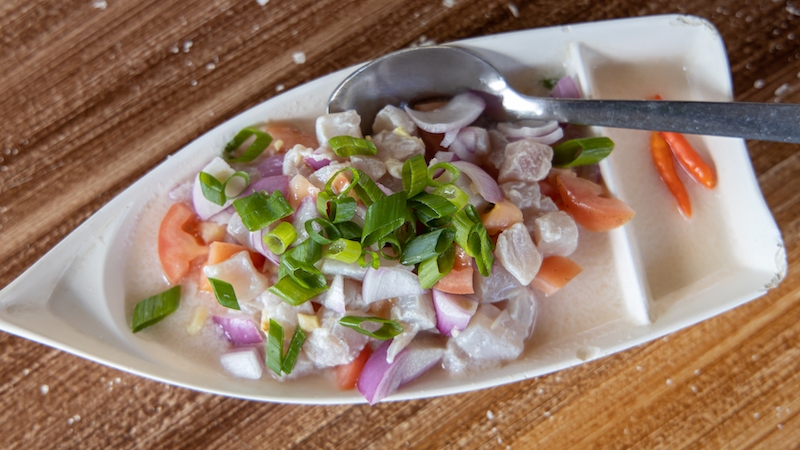
Between the 10th and 13th centuries, long before Spanish rule, families living along the Mindanao coastline picked the round brown fruits of the tabon-tabon tree and squeezed their juice over raw fish. Remnants of someone’s tasty lunch were preserved and uncovered a thousand years later in the Butuan Balangay archaeological dig. This is the oldest known record of kinilaw.
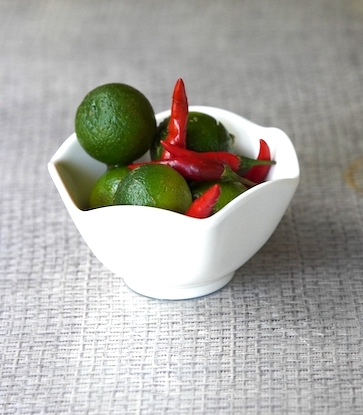
Without heat, fresh seafood is transformed by something acidic, like the tabon-tabon’s astringent juice. The souring agent denatures the proteins in raw fish, causing the flesh to change color and become firm to the bite. Vinegar — “liquid fire,” according to Philippine food historian Doreen Fernandez — is the spirit of kinilaw.
Cebuanos have a particular flair for serving seafood doused in “liquid fire.” Kinilaw, after all, is Visayan for “to eat raw.” These Bib Gourmand awardees present their own interpretations of the tangy classic. At The Pig & Palm, lapu-lapu (grouper) is brightened with lime, mango, saba banana and basil. CUR8 goes bolder with its dragon fruit kinilaw, a colorful serving of coconut-dressed shellfish, bright red dragon fruit and aged ponzu jelly. Meanwhile, Lasa pairs shrimp kinilaw with kimchi.
In Makati, MICHELIN-Selected Ayà dresses the technique for a modern bar menu. The sinuglaw combines catch-of-the-day kinilaw and smoked pork belly in a tuba (coconut sap wine) granita, its sophisticated marinade enhancing the raw seafood. Kinilaw scallops come plated with pickled kamias, jalapeño, and a mango-passion fruit aguachile, best enjoyed with a zippy wine.
As we enter bar chow territory, the seafood tostadas at the MICHELIN-Selected Los Tacos in BGC come to mind. Dig into their signature ceviche — kinilaw’s close cousin, trading vinegar for citrus or lime — for vibrant bites of swordfish (or sometimes tuna) cut with leche de tigre (Peruvian-style marinade) and fruits in season.
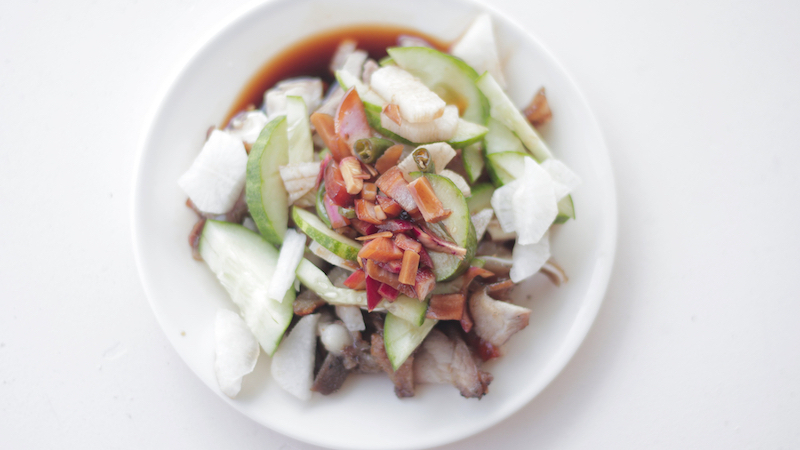
Meanwhile, kilawin, often mistaken for kinilaw, follows a different process. Meat is precooked, either grilled or blanched, before finishing with vinegar and other aromatics. In Quezon City, the modest Morning Sun Eatery, a Bib Gourmand awardee, serves pork and goat kilawin — an Ilocano delicacy.
Inihaw
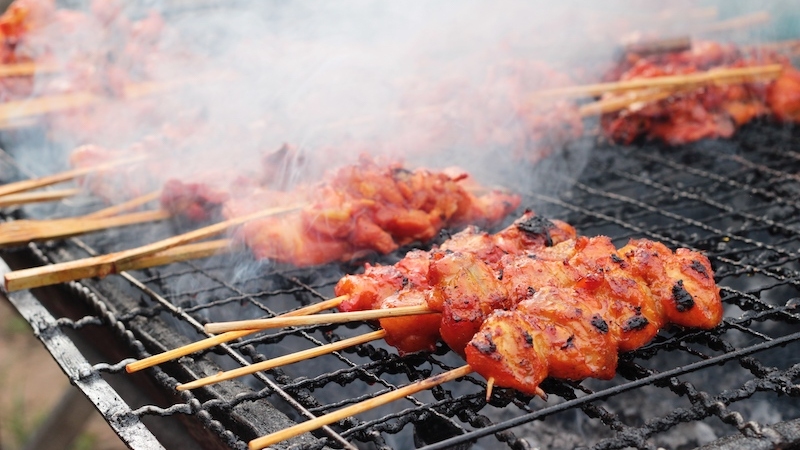
The open fire was the original Philippine kitchen. In 1521, Venetian explorer Antonio Pigafetta wrote about pork and fish seasoned with salt and ginger roasted over an open flame and offered to the conquistadors led by Ferdinand Magellan. Grilling was a prevalent technique across the islands: it was inihaw in Tagalog, sinugba in Cebuano, inasal in Hiligaynon, tinuno in Ilocano, and so on.
Today, Filipinos love nothing more than a good barbecue. Back at the Morning Sun Eatery, pork skewers, isaw (pork or chicken intestines) and liempo (grilled pork) are everyday fare in the neighborhood. At Kumba in Parañaque, the tamarind chicken inasal offers a sharper take on grilled chicken, marinated in tamarind and served with homemade pineapple vinegar. But when it comes to inasal, Aida’s Chicken in Makati has reached cult status with grilled chicken in the style of Manokan Country, a beloved Bacolod eatery that closed in 2025. Traces of calamansi, annatto and coconut vinegar linger in every bite of Bacolod’s defining dish, always with atsara or pickled green papayas on the side.
Oak & Smoke, another MICHELIN-Selected spot in Makati, marries the devotion to live fire with precision: binchōtan-grilled meats and skewers are cooked over white oak charcoal for a hotter and cleaner burn.
Lechon
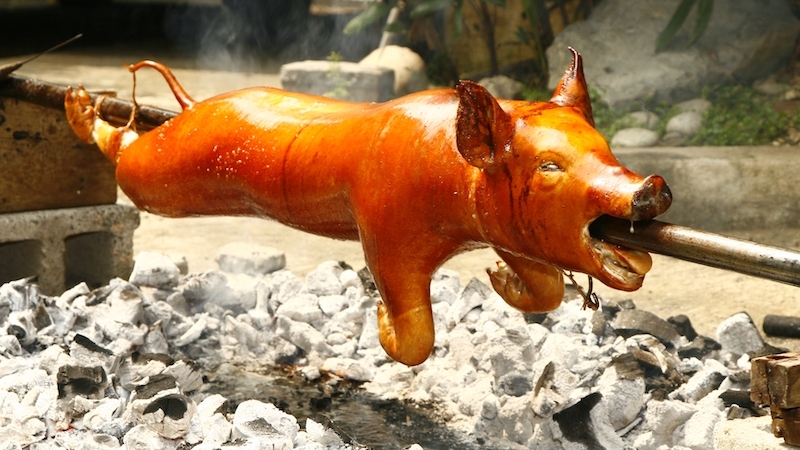
Lechon, whether pig or calf, is the centerpiece of any Philippine feast. Cooking it is a communal affair, requiring 2-3 people to take turns watching the pig as it’s spit-roasted over coal or flame. Unlike inihaw, which is also cooking over fire, lechon is slower and ceremonial. Because it was meant to feed an entire village, lechoneros have mastered different ways to achieve that signature lacquered skin, its loud crunch the most sought-after reward after hours of patient bamboo-spit turning.
In Luzon, lechon is stuffed lightly and served with liver sauce. But for Cebuanos, lechon is more than fiesta food — it is a source of pride. Even before Anthony Bourdain deemed Cebu lechon the best in the world, lechon houses in Talisay and Carcar filled young pigs with lemongrass, spring onions, garlic and generous amounts of salt, eliminating the need for any sauce.
At the MICHELIN-Selected House of Lechon in Cebu, the special Carcar lechon is an earnest expression of this tradition. The skin is crisp; the meat is satisfyingly salty with a tinge of vinegar, soy sauce and herbs. Another MICHELIN-Selected spot, Esmeralda Kitchen in Quezon City, makes the case for lechon belly. COCHI, a Bib Gourmand awardee, leads with cochinillo, suckling pig marinated in a dozen herbs and spices, slow-cooked for three hours, then chopped expertly at your table-side.
Sabaw / Nilaga
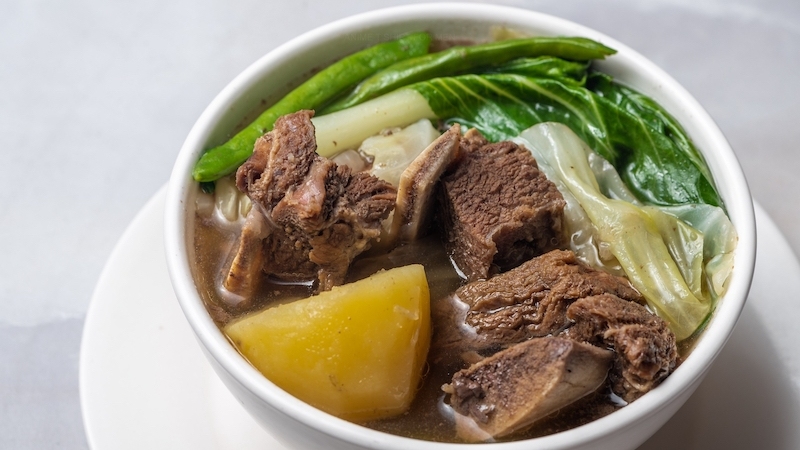
No cooking method brings comfort as much as soup, slowly sipped or poured over rice. Nilaga, to bring ingredients to a boil to create sabaw (broth), predates Chinese and Spanish influences. Add a souring agent — tamarind, guava, kamias or batwan — and you get sinigang, a bright stew with a sharpness known to make one grimace, but in delight. As far as beef broths go, Southern Luzon has a clear, bone marrow-filled bulalo, while Cebu sweetens the broth with saba in their pochero. Meanwhile, Tagalog pochero is orange from the addition of tomatoes.
While searching for regional flavors in a bowl, turn a corner along the market in Pasil, Cebu, to find Esmen, whose large pots steaming over firewood have drawn crowds for more than 60 years. The carinderia, awarded a Bib Gourmand, built its reputation on linarang, a hot-and-sour porcupine fish stew. Also holding a Bib Gourmand in Cebu is Pares Batchoy Food House where one can find a combination of beef pares, a garlic-rich braised beef, and batchoy, a savory pork noodle dish, into one soup — two beloved Philippine broths poured into one generous bowl.
Bib Gourmand-recognized Palm Grill (Diliman) in Quezon City serves a traditional sabaw from further south, bringing the flavors of Mindanao to Manila. Their tiyula itum is a dark beef soup enriched by burnt coconut meat. Taking regular bulalo further, the bone marrow is torched at your table.
Ginataan
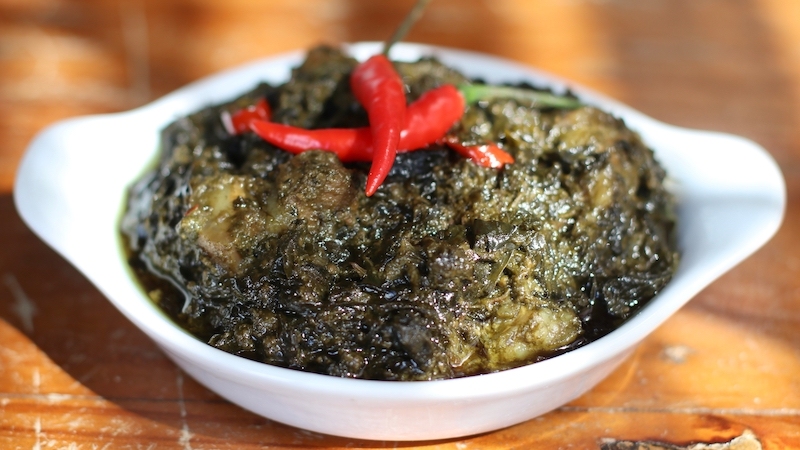
Coconuts have grown in Southeast Asia since 2000 BCE, and simmering food in their creamy milk was an Austronesian custom before it had a name. In the Philippines, it is known as ginataan, to cook in gata (coconut milk). Ginataan can be savory or sweet, a spicy fish stew or a dessert, a vegetable braise or a celebratory kakanin (rice cake).
Tinapa / Daing
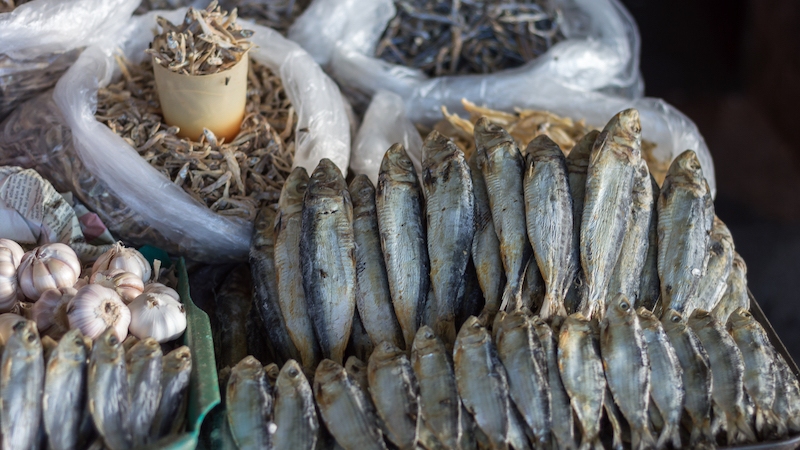
To extend the shelf life of food, early island dwellers turned to smoke, salt and sun. Tinapa is smoked fish: brined, air-dried, then exposed to smoldering hardwood for hours, lending a distinct smoky depth. Daing skips the smoke — instead fish is cut and laid open like a book, heavily salted, then left under direct sunlight to dry. In the Cordillera Central mountains, the Igorot and Kankanaey devised a similar technique for curing meat called etag. Pork is preserved in salt for days before it is hung above a dalikan, a traditional clay stove, where the smoke from daily cooking dries the meat.
Offbeat continues to surprise the unsuspecting palate with a sigarilyas (winged bean) and tinapa salad, the grassy crunch of the beans balancing the intensity of smoked fish. On the other hand, MICHELIN-Selected Locavore (Taguig) sticks to a Philippine breakfast staple: sinigang na bangus, a daing-style bangus, grilled for extra flavor and set with salted egg, lemongrass and chili.
Manam at the Triangle, with a Bib Gourmand recognition, uses tinapa the way Filipinos have always used it at home: shredded into flakes and used as a topping or flavor enhancer (like furikake, the Japanese seasoning). Sprinkled aplenty over the crispy pancit palabok, the tinapa bits rise above the starchy richness of the shrimp-and-pork sauce.
Understanding these traditional cooking techniques puts us in a better position to answer: What makes food Philippine? Recipes can change, tools are upgraded, but instincts endure.
It lives in the splash of vinegar over raw fish, in knowing when to turn over a pork skewer (or an entire pig) thousands of years after these methods were discovered. That first bite of tinapa transports us back to an unnamed beach where curiosity led to one thing and then another, the invention of flavor arising from the close observation of fire and smoke.
To define a culinary culture, we return to wonder. We honor the hunger and genius of a people who learned how to cook long before anyone wrote it down.
-
Header Image © Jun Pinzon