28 March 2026
Share


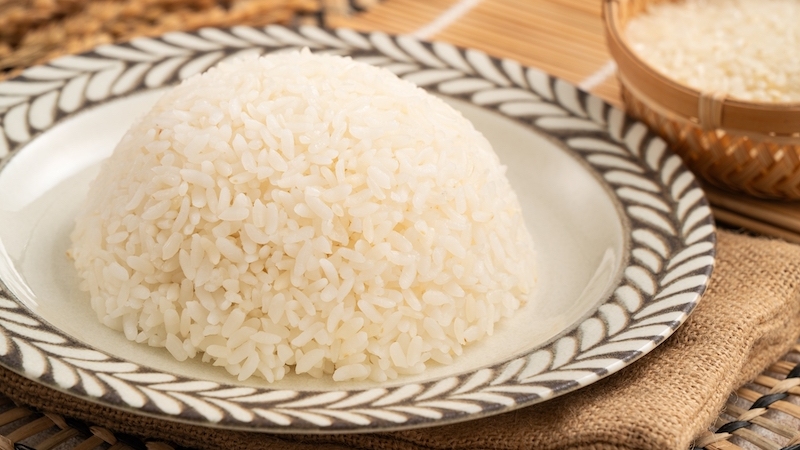
Filipinos have numerous words for rice, giving it distinct names for the moment it is planted, harvested, cooked and even discarded. Palay is unhusked rice, bigas is milled grain and kanin is cooked rice, often white and fluffy, the staple carbohydrate across meals. For every way of cooking rice there is another term: sinangag is fried rice, lugaw is porridge and tutong is toasted rice at the bottom of the pot, an acquired taste.
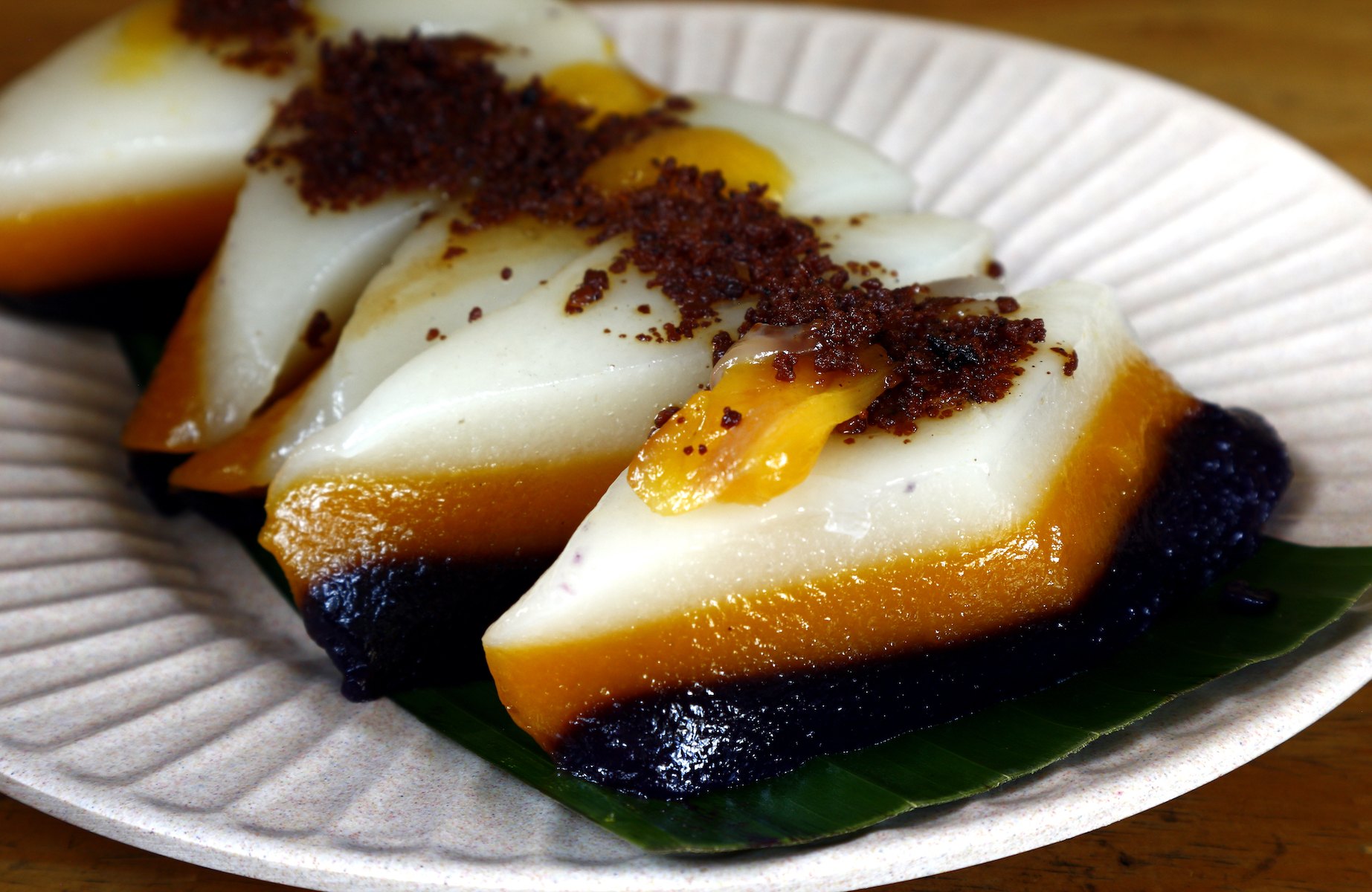
Then there is kakanin — traditional snacks, often in the form of small cakes, made from malagkit, or glutinous rice. Across the country, each region prepares its own version, adjusting amounts of coconut milk, eggs or flour to create variations of everyone’s favorite merienda, a snack or light meal — also enjoyed widely as dessert.
When the Spanish arrived in the 16th century, kakanin had already established itself on the precolonial Filipino table. In his journals, Antonio Pigafetta noted how a Palawan chief served their guests “sticky sugar loaves wrapped in banana leaves.” The practice of shaping sticky rice into cakes can be linked to early trade with Chinese merchants as early as the 9th century. They brought bite-sized kueh tsin tao, from which kutsinta — the amber, jelly-like rice cake topped with grated coconut — is believed to have evolved.
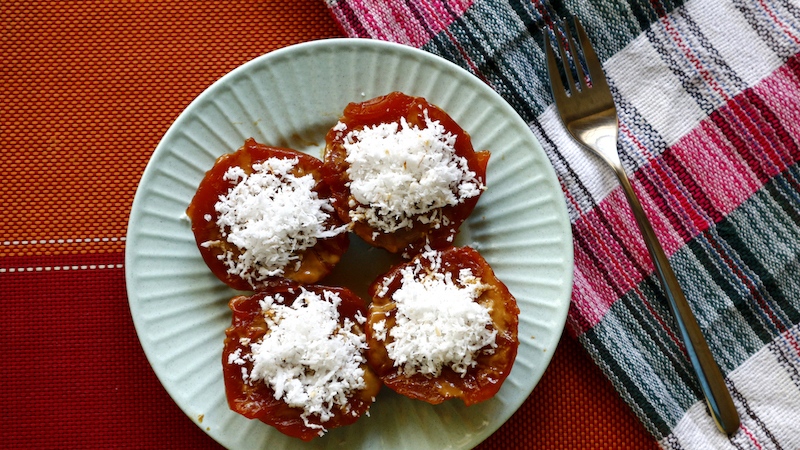
If you are curious or craving the best kakanin around, here’s where to find them around town.
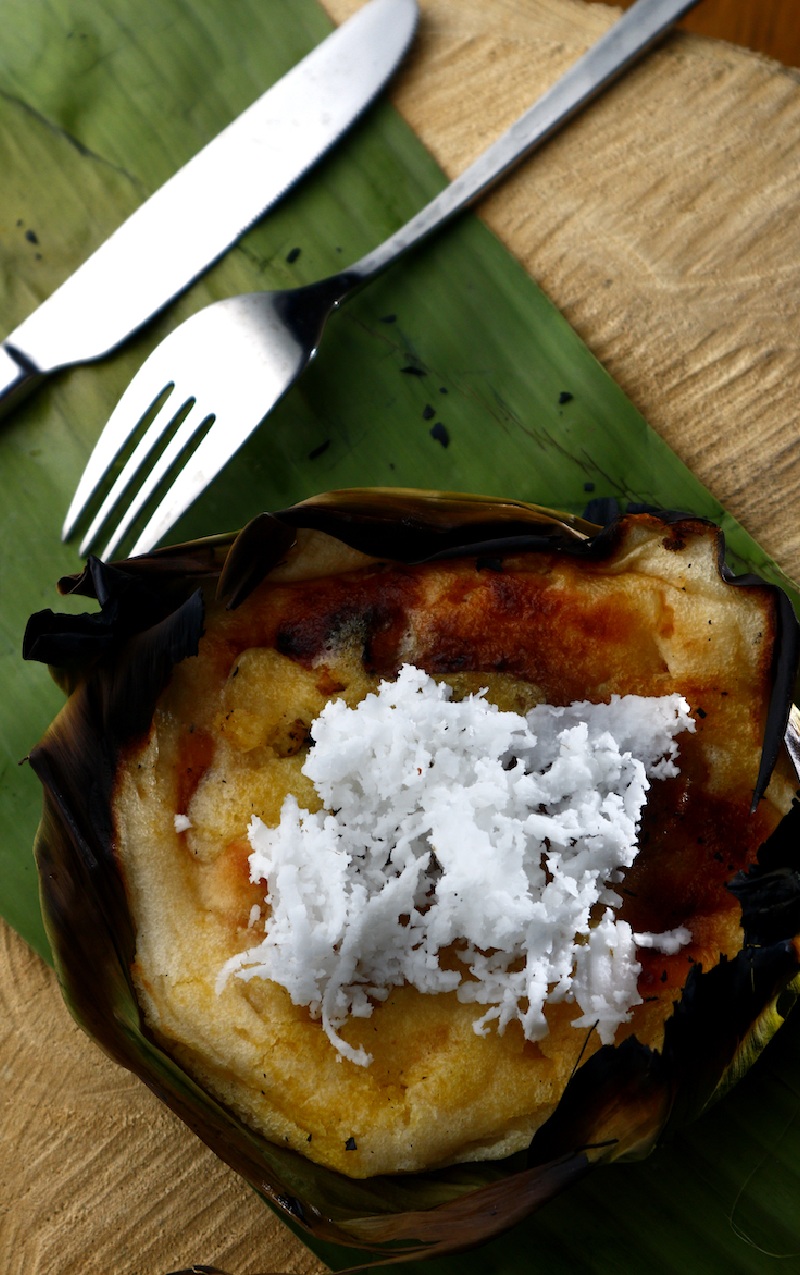
Bibingka
Traditionally baked in terracotta pots over hot charcoal, bibingka is a dense yet fluffy rice cake made from galapong, or fermented glutinous rice batter, and coconut milk. It is best consumed hot, with lots of melted butter and salted eggs at its center.
Versions of bibingka appear across Southeast Asia. In Indonesia, it is often topped with grated coconut and ripe jackfruit. Some trace its roots even further, to 17th-century India under Portuguese rule. In Goa, convent nuns used egg whites to bleach their habits, and from the excess of yolks came bebinca, a denser, multilayered version of our golden rice cake.
© Jun Pinzon
Today, chefs continue to derive new dishes from this centuries-old recipe. At the One-MICHELIN-Starred Gallery by Chele, traditional Filipino flavors and heirloom ingredients are enriched using cooking techniques from the Basque Country. For example, the Chika — a cheesecake bibingka, charred on top and crustless like a burnt Basque cheesecake, only smokier.
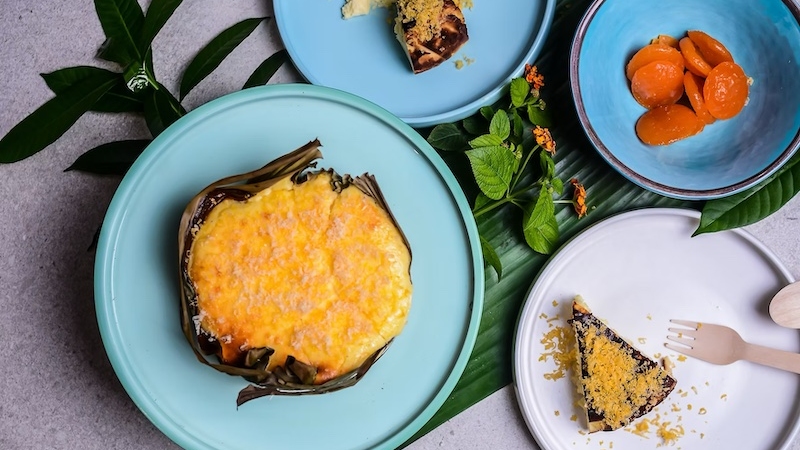
At Toyo Eatery, also awarded One MICHELIN Star, bibingka arrives as a cocktail, a playful prelude to dessert. Sarsa, recognized with a Bib Gourmand, delights caffeine lovers with the Bibing-Kape, an iced latte crowned with cream cheese and salted egg.
But if you’re looking for classic, banana-leaf-wrapped bibinkga, MICHELIN-selected Lantaw (Compostela) serves the beloved kakanin after a sumptuous seafood meal, enjoyed with a seaside view.
-
Where to find bibingka in MICHELIN restaurants in the Philippines: Manam at the Triangle, House of Lechon
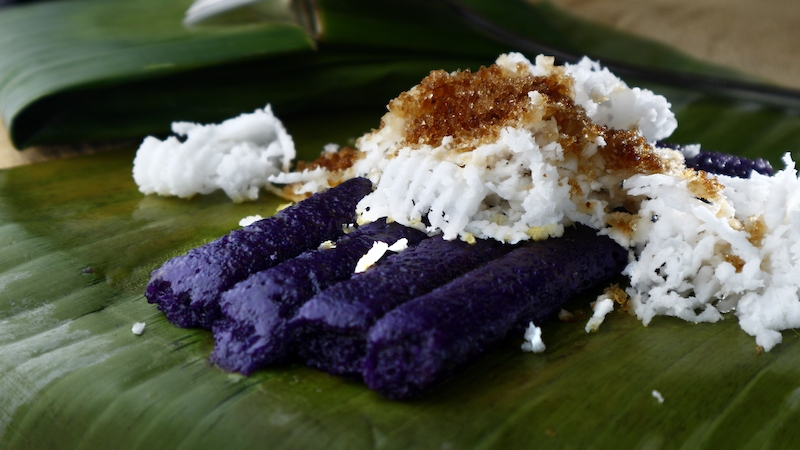
Puto Bumbong
Christmas in the Philippines is a truly festive occasion, marked by colorful star-shaped lanterns, cheerful carols and Simbang Gabi — a nine-day series of Masses held at dawn. During the Spanish era, missionaries encouraged church attendance by introducing a sweet purple treat to the early churchgoers. To this day, no Christmas feels complete without warm servings of puto bumbong.
Made from heirloom black rice (pirurutong), the grains are soaked, ground and packed into bamboo tubes (bumbong) before steaming. Once cooked, the rice takes on its signature deep violet hue, a color the church came to associate with Advent. The soft, sticky rolls are topped with butter, grated cheese, shredded coconut, sugar and coconut caramel called latik.
Similarly, Malaysians and Indonesians have putu bambu, which uses ubiquitous white rice. As pirurutong became harder to source, puto bumbong was flavored with ube (purple yam) or dyed purple.
At Helm, awarded Two MICHELIN Stars, a seasonal tasting menu reimagines puto bumbong as a gelatinous porridge of pirurutong and ube, paired unexpectedly with grilled octopus. Meanwhile, Manam at the Triangle pays homage to kakanin through its Bibingka Bar, where the puto bumbong — topped with muscovado sugar and freshly grated coconut — remains a bestseller.
Biko
Put simply, biko is sticky rice. Deriving its name from the Hokkien terms bi (rice) and ko (cake), and taking after the Chinese bee koh, a sweet, glutinous rice cake, biko is deeply rooted in precolonial Filipino culture. It is a symbol of unity and abundance, its viscous texture representing strong bonds. Today, biko is served during town fiestas, birthday celebrations and other special gatherings — or you can have it as a simple midday snack.
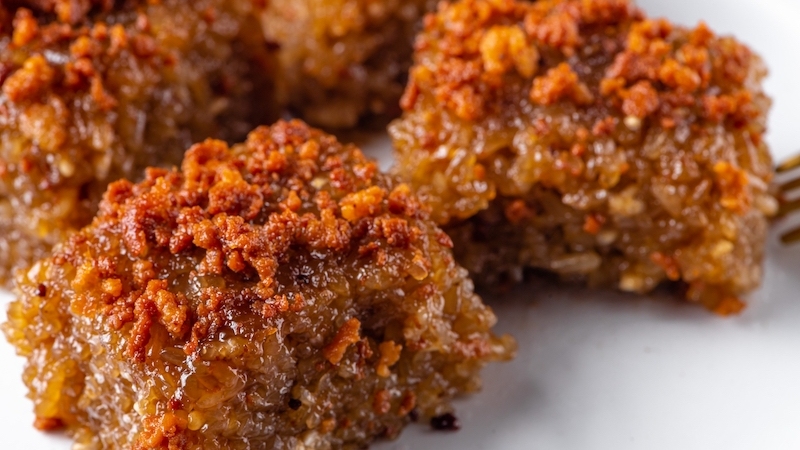
To prepare it, glutinous rice is cooked in coconut milk until the grains are firm, then simmered with sugar until the mixture is thick. Then it is spread onto a bilao, a woven tray lined with banana leaves, to enhance its flavor. For added richness, latik and coconut curds are sprinkled on top.
At Cabel, which received a Bib Gourmand, biko latik is a mainstay on their panghimagas (dessert) menu. Meanwhile, Lore, a MICHELIN-selected restaurant, pairs the sweetened sticky rice with fresh mango and house-made langka (jackfruit) ice cream.
Where to find sticky rice desserts in MICHELIN restaurants in the Philippines: SOME THAI (Quezon City), People’s Palace
Puto
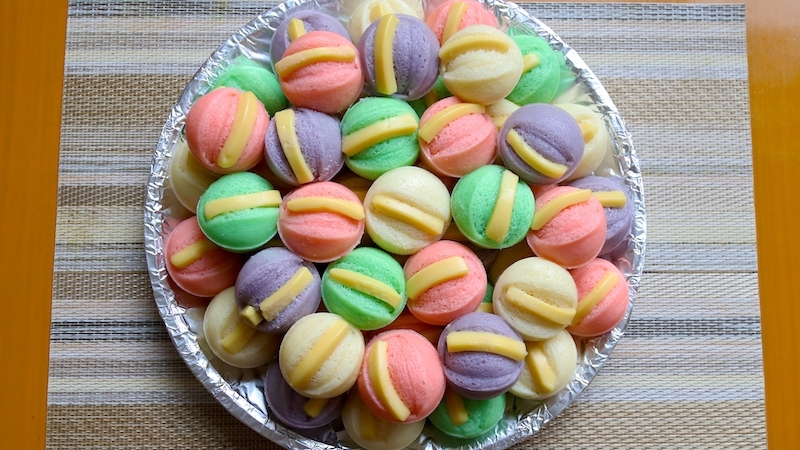
Yet not all kakanin are enjoyed sweet. Puto, a steamed rice cake made from fermented galapong, can be paired with savory dishes. Its plain flavor may be bland on its own, but its simplicity is best for highlighting other flavors.
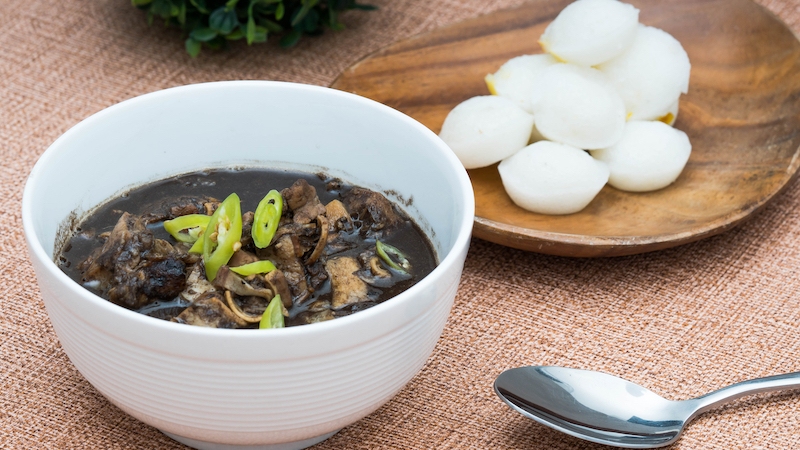
At the MICHELIN-selected Esmeralda Kitchen, puto is served with dinuguan — a savory stew made of diced pork and offal, simmered in pork blood and spices. The tender rice cake provides a rich contrast against the deeply flavored blood stew, making you want more than just one bite.
In the Visayan islands, puto sikwate is an indulgent pairing of puto maya — rice cake with red rice — and sikwate, a thick hot chocolate made from tablea, or blocks of pure cacao. The MICHELIN-selected ATO-AH honors this Cebuano favorite by adding it to their menu.
Suman / Tupig / Budbod
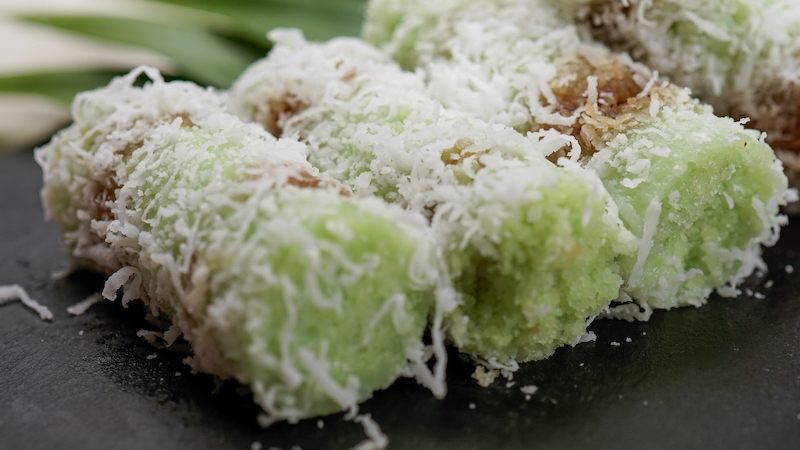
It is easy to spot the suman because of its elongated shape wrapped in banana or palm leaves. In the Visayas, the steamed sticky rice snack is called budbod. Meanwhile, the Ilocanos have tupig, which uses rice flour instead of grain and is grilled rather than steamed — a variant served in the One-Starred Kása Palma.
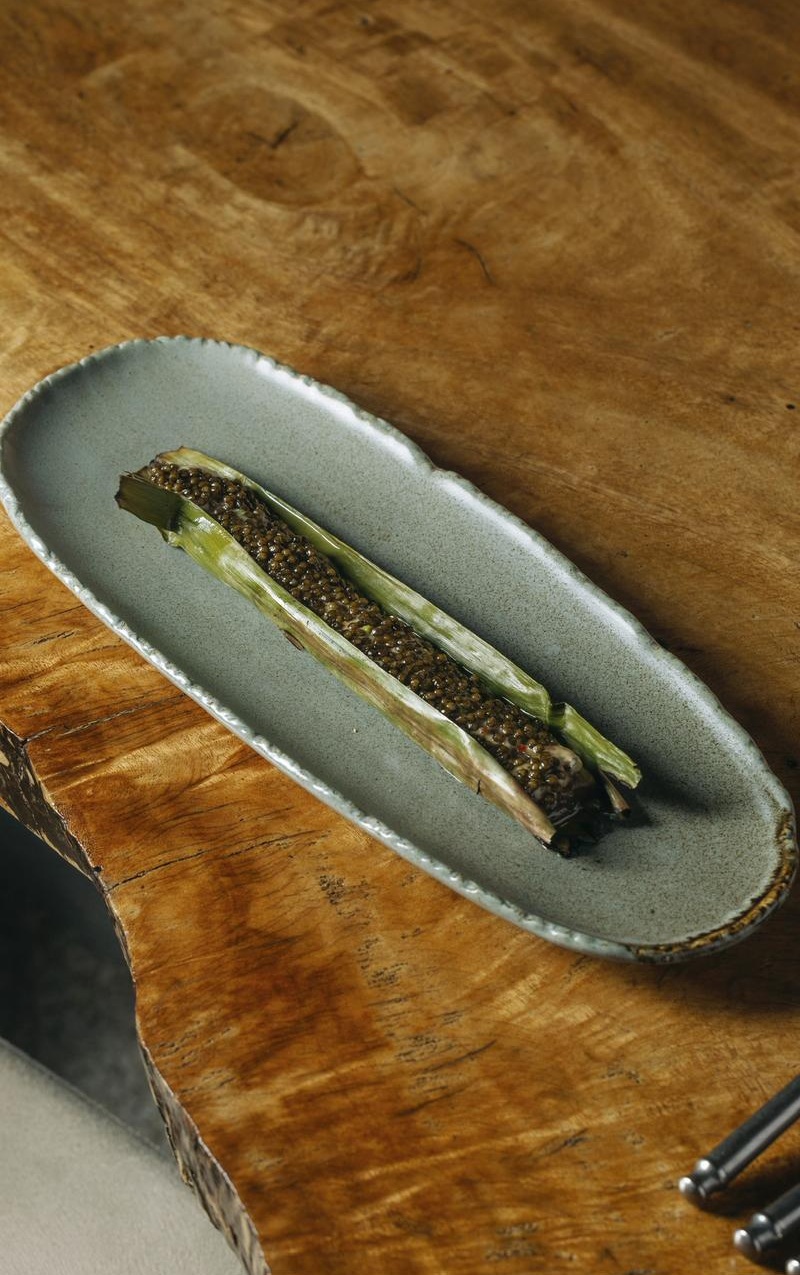
Some versions swap glutinous rice for cassava, while in Leyte, tablea is mixed into the rice to create a chocolate-infused suman called moron. In Bicol, the kakanin shifts shape, wrapped into neat triangles instead of the typical logs or rolls.
Cebu might just be the best place to taste this handy snack, with two Bib Gourmand spots offering modern takes on suman. Lasa serves a fried version paired with thick sikwate, while Abaseria Deli & Cafe offers budbud kabog, made with millet seeds instead of rice.
Where to find suman in MICHELIN restaurants in the Philippines: Hapag, Kása Palma
© Kása Palma
Inutak
Served in inch-deep trays, the inutak is a creamy, layered rice cake made with ube halaya (purple yam jam). Originating in Pateros, the delicacy is characterized by a charbroiled top layer, caramelized and crinkled, resembling an utak, or brain. Each bite is flan-like, soft and gooey, with thick coconut cream cutting through layers of ube and condensed milk.
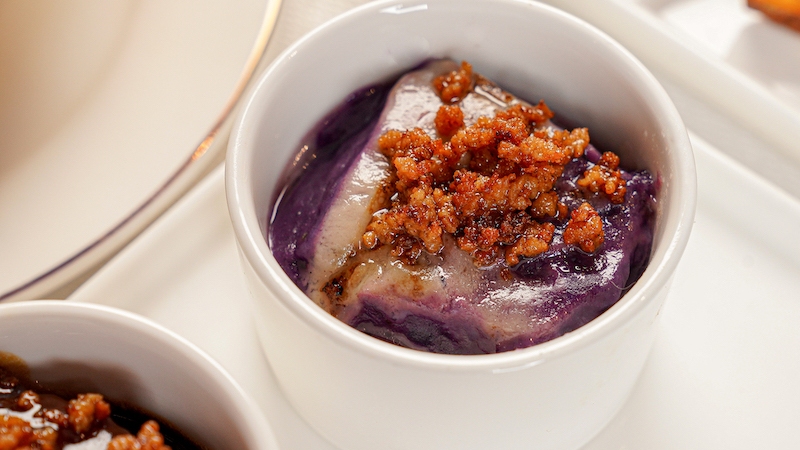
Inutak is part of the regular dessert rotation at Cabel, which has a Bib Gourmand. Meanwhile, the MICHELIN-selected Lore plays up the delicacy by serving bite-sized layers of sticky rice and ube, finished with brûléed salted egg crème.
Just as Filipinos have a multitude of names for rice, the many ways that kakanin is prepared and enjoyed across the archipelago reflect Filipino resourcefulness and creativity in the kitchen.
Palm Grill (Diliman) rounds up native Tausug rice cakes in the Bang Bang Sug — a festive platter showcasing the delicate flavors of Sulu.
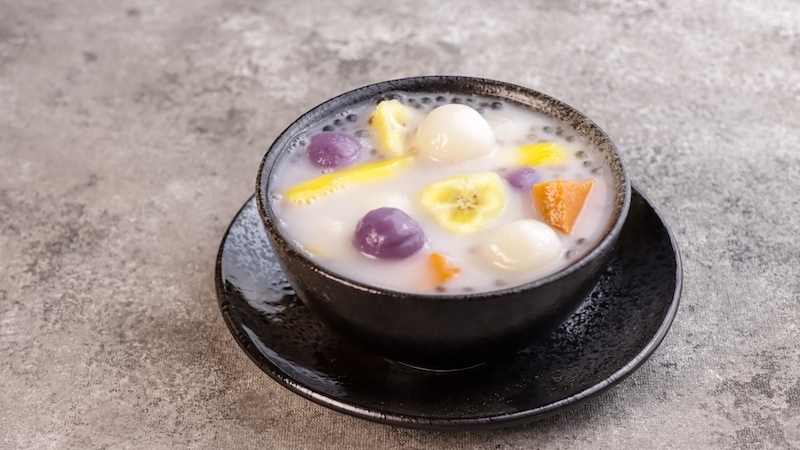
And who could resist a warm bowl of binignit or ginataang bilo-bilo — comforting sweet soups filled with gooey rice balls, slices of saba bananas, sweet potatoes and other tubers, all slow-cooked in coconut milk? (Abaseria Deli & Cafe has it.)
Rainy days call for the comfort of champorado, a sticky rice porridge mixed with chocolate. To temper its sweetness, some households eat it with tuyo or dried fish. (Head to Manam at the Triangle if you’re craving it.)
Whether wrapped in leaves, spooned from a tray, dipped into something warm or eaten with one hand, kakanin prove that in the Philippines, it is always a good time to eat rice.