03 April 2026
Share


Two chefs, one essential ingredient. At One-MICHELIN-Starred Andō, Argentinian Chef-owner Agustin Balbi transforms a rare local grain into his signature arroz caldoso, a dish that has evolved across years but never left the menu. At Bib Gourmand-recognized Trusty Congee King (Wan Chai) — the first congee shop ever to receive a MICHELIN distinction — rice becomes silken, fish-broth-infused comfort food that has sustained Hong Kongers for decades.
RELATED: Two Chefs/One Ingredient: How Hong Kong’s Soy Story Blends Tradition and Innovation
Comfort in a Bowl
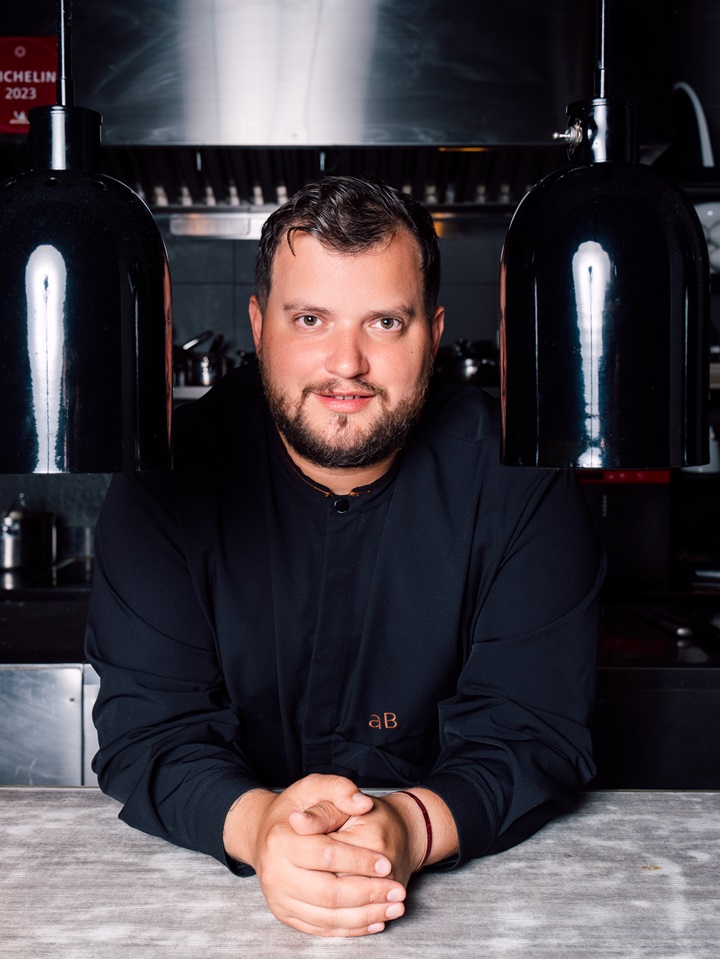
For Balbi, rice is a reminder of his grandmother. His strongest food memories live in his Mallorcan grandma’s kitchen in Argentina, where food wasn’t an economic exchange but pure hospitality, with the sole goal of making people happy. While others might reach for bread, Balbi has always preferred rice. Rice with olive oil is a simple pleasure that connects him to his roots. The arroz caldoso is the only dish that has remained on Andō’s menu since day one, as it’s a piece of his “soul served on a plate.” (Right image © Andō)
Similarly, for Executive Chef Terence Lam Kwok Leung at Trusty Congee King (Wan Chai), rice and congee are a “projection of family.” His family’s freezer always contains a box of rice specifically for his father’s spontaneous cravings to cook congee. Freezing rice before cooking — a family secret — creates better “rice flowers,” releasing natural sweetness faster. It transforms a simple white congee into something deeply familiar.
For both chefs, rice is never just an ingredient. It’s a vessel for memory, love and identity. (Left image © Trusty Congee King (Wan Chai))
RELATED: Trusty Congee King: Shining a Light on Cantonese Congee
Finding the Perfect Grain
For his new quarterly “single ingredient” series, Balbi chose rice first because it “reflects the restaurant’s philosophy of safety and comfort.” Inspired by Tokyo's Three-MICHELIN-Starred RyuGin’s seasonal menus around fugu, he asked: “Why can’t we do the same with rice?” However, to build an entire menu around one ingredient requires meticulous attention — every grain must be worthy of the spotlight.
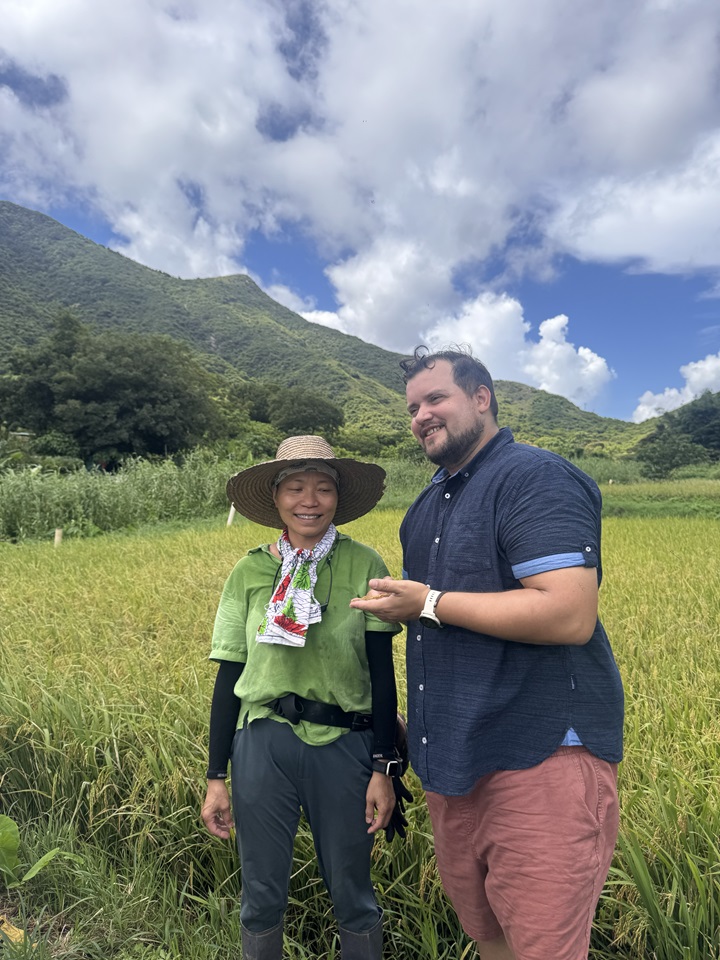
His search led to Yi O Farm, a remote Lantau operation where only four to six rice fields remain. The grain itself is less starchy than typical short-grain rice, smaller in size and more delicate. (Right image © Andō)
With a limited harvest of just 20 kilos (44 pounds) twice yearly, precision becomes reverence. “When you put your face to a product, you treat it differently. You know the effort. You don’t want to mistreat it,” shares Balbi.
RELATED: The Renaissance Of Hong Kong Rice
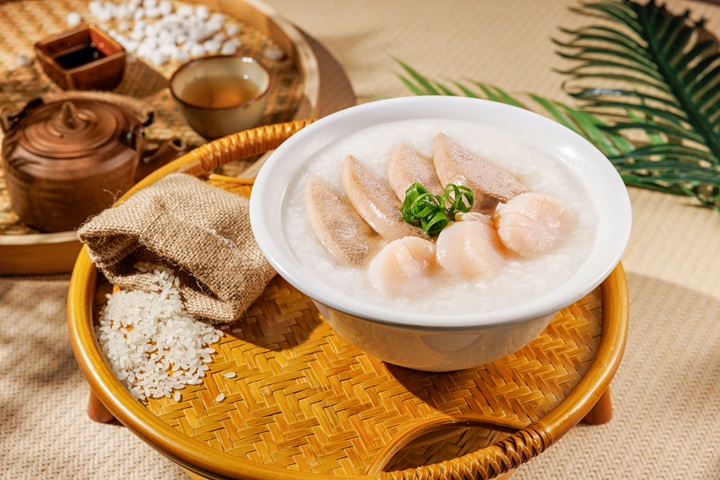
Where Balbi pursues a single, terroir-driven grain with a story of place, Trusty Congee King (Wan Chai) chases something equally demanding: a flawless, repeatable experience through a calibrated blend. The common misconception, says Lam, is that “as long as ingredients are fresh, the congee will be good.” He knows this is only half true. Fresh fish broth is essential — but quality rice is the foundation.
Trusty’s congee base is a proprietary blend of two varieties: long-grain rice for aroma and softness, and pearl rice for a slight chewy texture even after prolonged cooking. This ensures the congee is “silky enough, aromatic enough, neither too loose nor too thick” — the perfect canvas for their signature fish broth. “The exact ratio?” He smiles cheekily. “A trade secret that helped earn our MICHELIN recognition.”
RELATED: Trusty Congee King: Shining a Light on Cantonese Congee
From Rice to Table
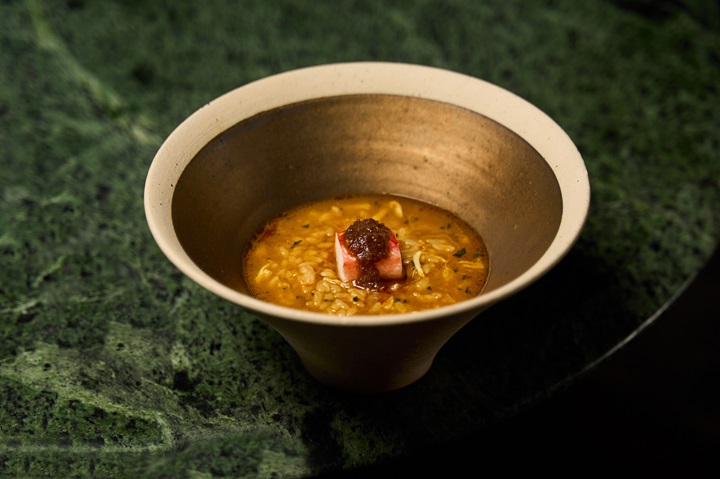
At Andō, Balbi’s arroz caldoso is reinvented each season around a star ingredient. The current version features lobster and XO sauce, with Yi O rice as the foundation.But working with long-grain rice instead of the usual short-grain required a fundamental rethink. “It shouldn’t be treated like risotto rice,” he says. “As the grain is less starchy than the arborio, the water ratio had to be completely recalibrated.”
For Balbi, the philosophy is one of balance. “Rice itself doesn’t have a strong taste,” he explains. The challenge is to build a dish that “showcases the taste of rice” without overpowering it. Every element — the lobster, the XO, the broth — must be subtle yet flavorful enough to let the grain tell its story. The technique lies in restraint: knowing when to step back and let the ingredient speak.
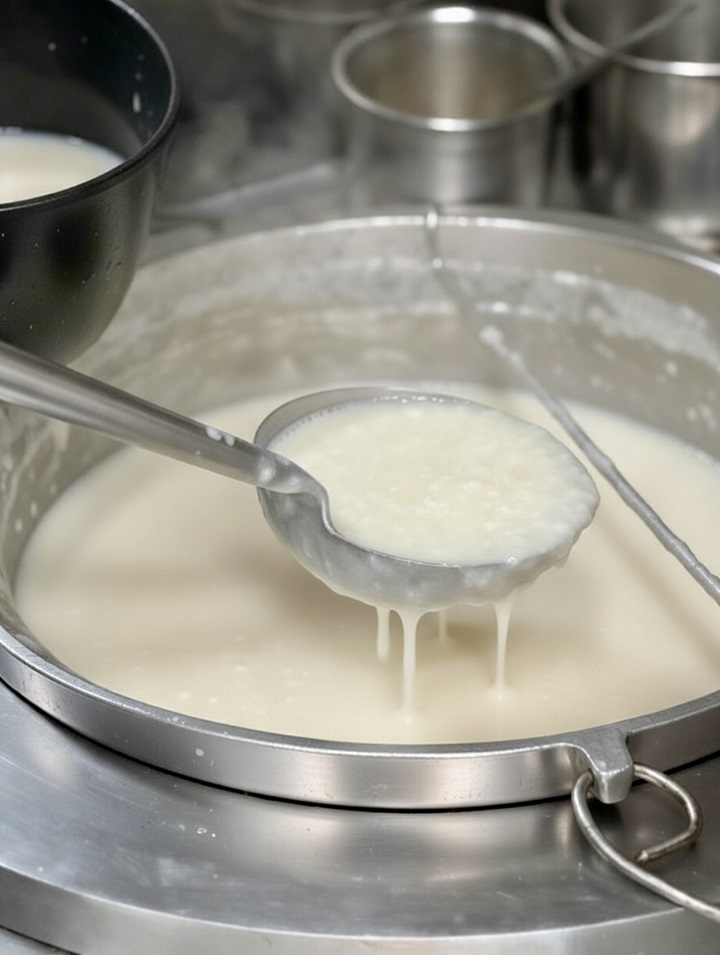
The same thinking applies at Trusty, where the broth exists to elevate the grain. The restaurant’s founder acquired a secret recipe from local fishermen for a sweet fish broth “without any funky smell,” says Lam. Every day, the kitchen uses multiple kinds of fresh fish to produce it — though Lam will only reveal one: crucian carp. The broth simmers for hours, forming the base for every bowl of congee without stealing the spotlight. (Left image © Hei Kiu Au)
From there, congee splits into two distinct methods. “Raw-boiled congee” plunges raw ingredients into the finished base, cooking rapidly. This allows the congee to absorb the surface juices of the ingredients, extracting freshness while high heat sears protein surfaces to lock in moisture. “Lou fo congee” takes a different approach: Ingredients are added when the rice is half-cooked, allowing them to meld with the grains as they finish cooking.
The rice blend itself remains a closely guarded secret. But what Lam will say is that the congee is made in two to three batches throughout the day to maintain the right consistency: “Once it is cooked and kept warm on the heat, the congee would get more and more sticky,” he adds.
What Grows Together Goes Together
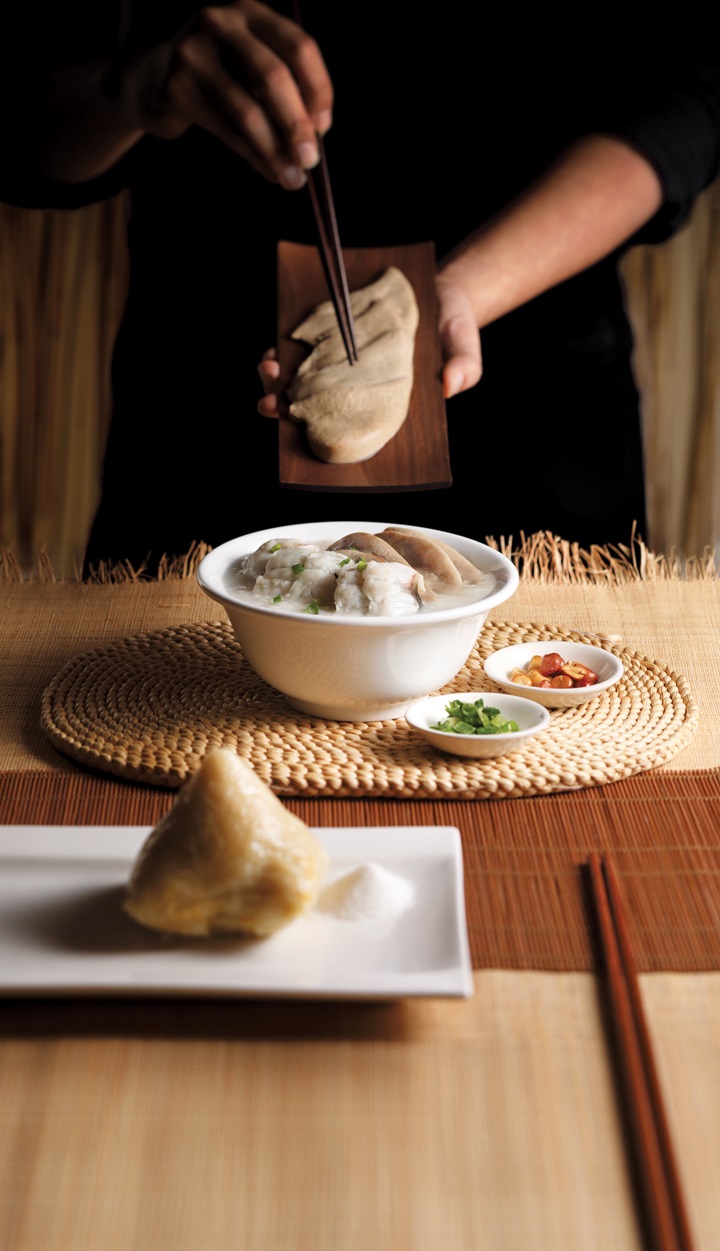
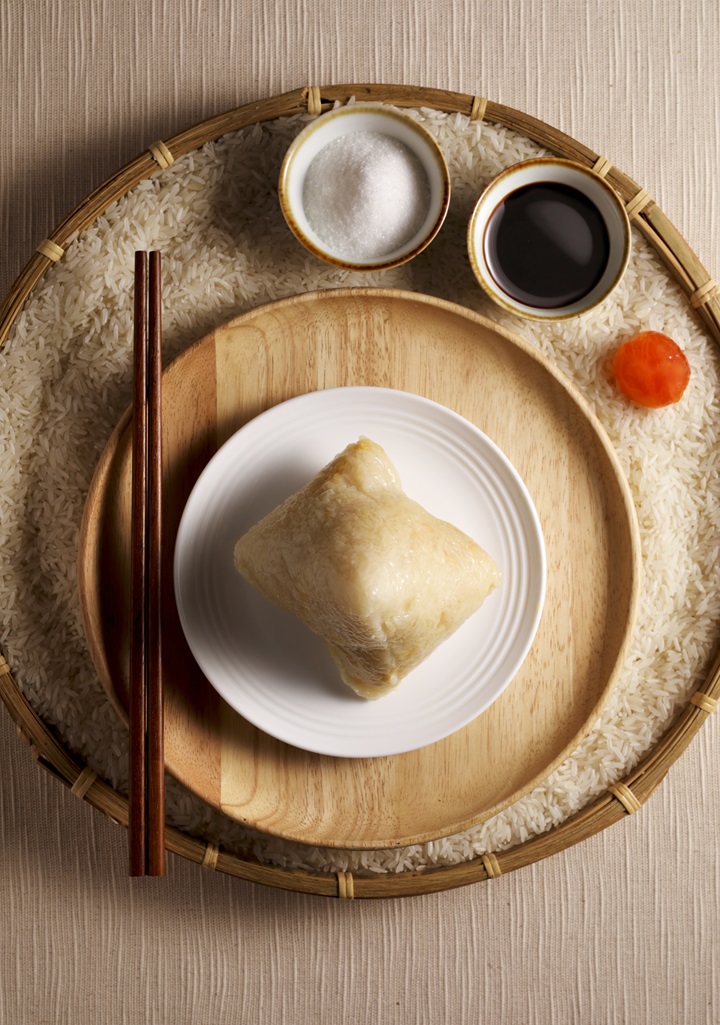
At Trusty, the congee experience extends beyond the bowl. The ham yuk joong (right image © Trusty Congee King (Wan Chai)) — Cantonese savory pork dumpling — has long been its classic partner, a pairing that makes instinctive sense. Zongzi is the umbrella term for all Chinese sticky rice dumplings, encompassing countless regional variations. But ham yuk joong refers specifically to the Cantonese style: glutinous rice mixed with mung beans at a 7:3 ratio, wrapped around fatty pork and salted egg yolk, then boiled until the flavors meld. It’s hearty, dense and built for sustenance — qualities that find their match in a bowl of silky congee.
Further Reading: Dragon Boat Festival For Beginners: Cantonese Rice Dumplings
“It’s all about contrast,” says Lam. “The glutinous rice in the ham yuk joong is springy and chewy, while the fish broth congee is soft, smooth and warm. Eating them together, the softness alternating with the chew, is deeply comforting. One spoonful of congee, one bite of dumpling, back and forth. The flavors multiply.”
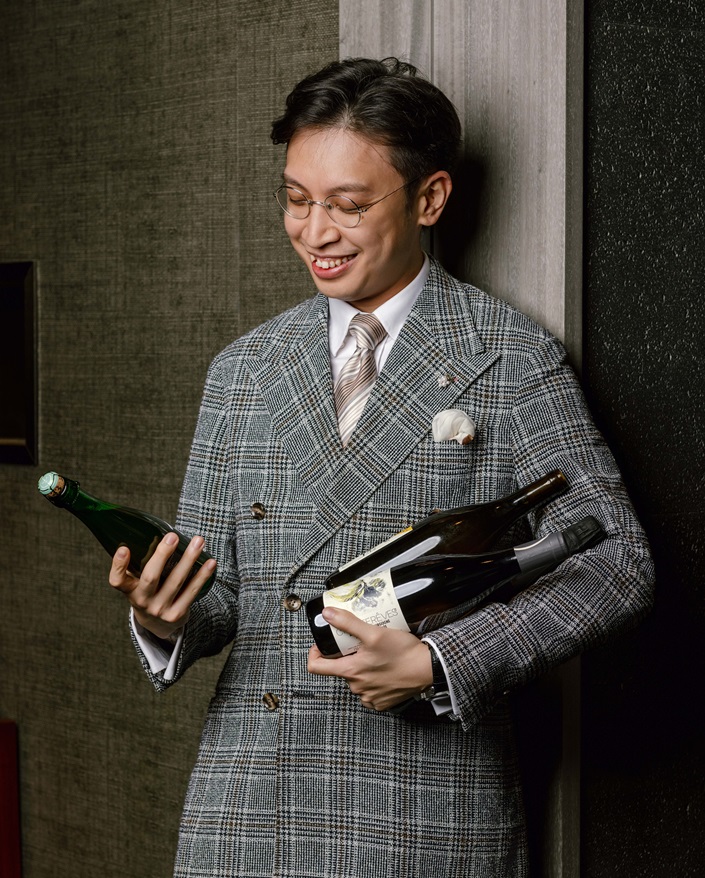
The same principle applies at Andō, where the perfect partner for rice comes from rice itself. Sommelier Carlito Chiu (left image © Andō) faced a challenge: the arroz caldoso is “quite heavy” and difficult to pair with conventional wine due to its density of flavor. His solution was a 2007 Dongqu Shaoxing wine — a single vintage sourced directly from the brewery in five-liter clay pots. Compared to later vintages, the ’07 is “sharper, more structured, cleaner, with a lighter finish,” he explains.
“Arroz caldoso is a Spanish dish; traditionally, they’d pair it with dry sherry,” Chiu notes. “In Asia, we don’t have sherry, but we have rice.” Made from fermented glutinous rice, Chinese yellow wine has a subtle, oxidized profile that mirrors sherry’s affinity for rich, savory dishes. But here, it doesn’t just sit alongside the food — it becomes part of it.
He suggests tasting the wine first — sharp, structured, surprisingly alive with acidity. Next, a spoonful of the arroz caldoso on its own: lobster, XO sauce, Yi O rice, with the broth carrying a spicy kick. Then, an unexpected step: Pour about a tablespoon of the wine directly into the rice. The acidity cuts through the richness and heat. The broth opens up, the wine adding savory depth without overwhelming the broth or the grain. What was already a bold dish becomes more layered, and the rice soaks up this complexity while holding its own.
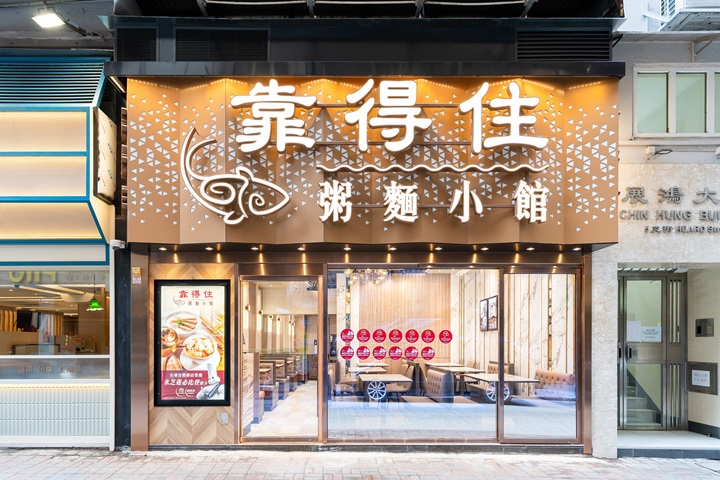
A Tale of Two Bowls
In Wan Chai, rice is comfort: silken congee from a calibrated blend that has run through Trusty’s kitchen for over two decades, feeding generations of Hong Kongers the same way.
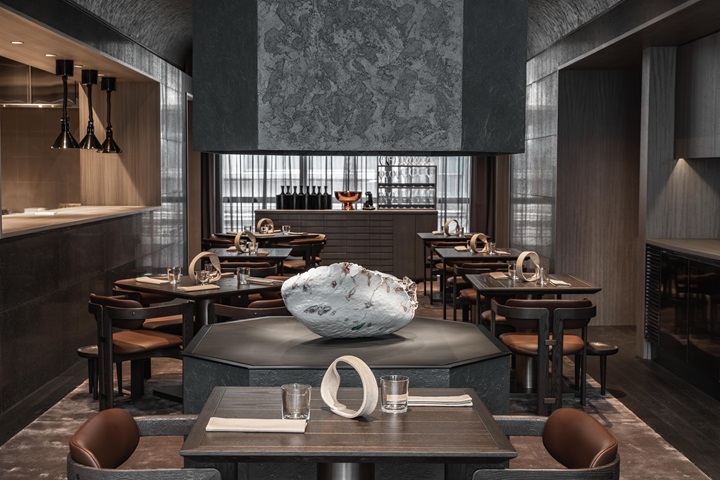
In Central, that same ingredient tells a different story: a single farm’s harvest from Lantau, cradling lobster and XO in a dish that gets reinvented each season but never leaves the menu.
Further Reading: 2 Days in Central Hong Kong for Food and Art Lovers
The MICHELIN Guide recognizes both. Not because they’re the same, but because Hong Kong has always made room for the familiar and the new, the everyday and the exceptional. Rice appears simultaneously in MICHELIN-Starred kitchens and in family freezers, ready for a father’s midnight congee craving.
Two chefs, one grain and countless ways of making it home.
Hero image © Shutterstock
RELATED: Two Chefs/One Ingredient: How Hong Kong’s Soy Story Blends Tradition and Innovation