30 April 2026


Share


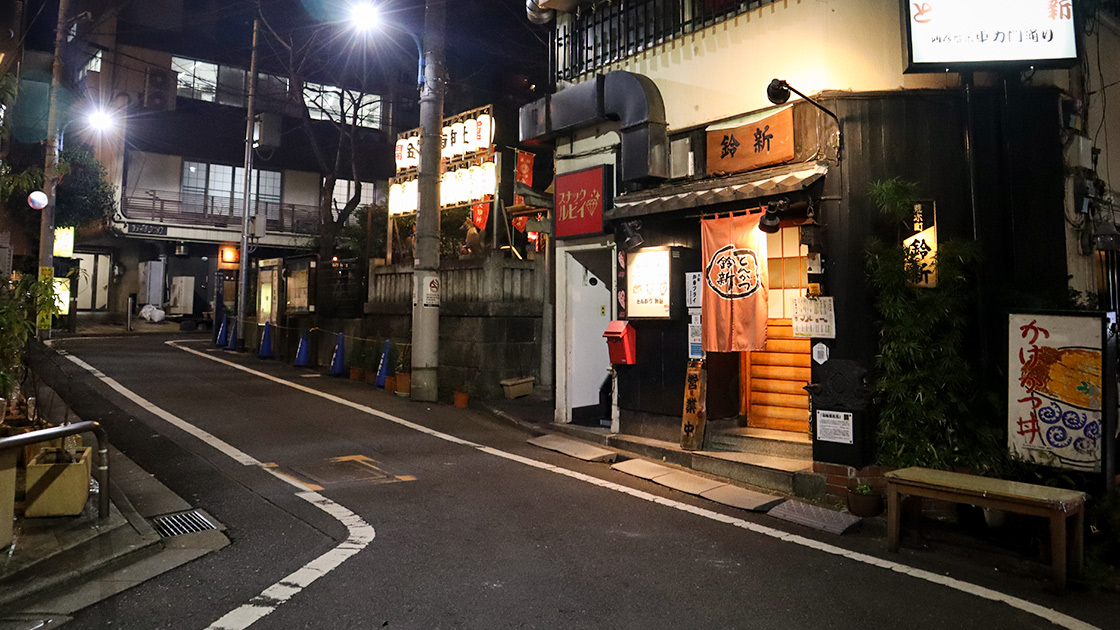
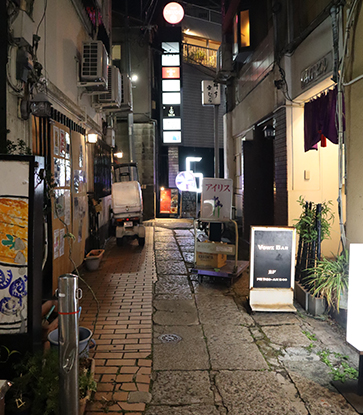
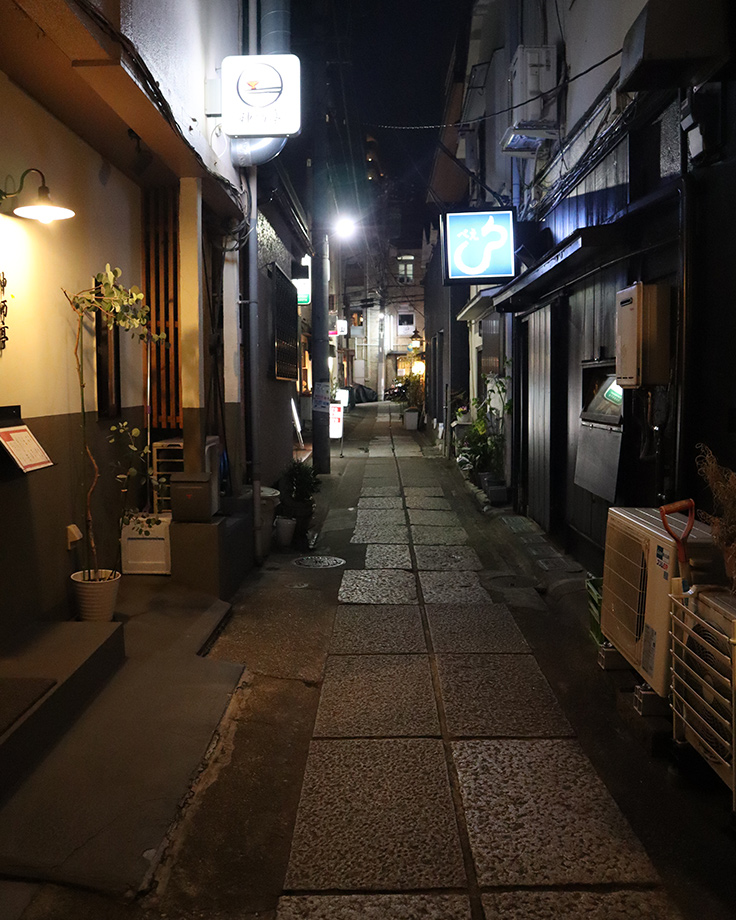
A short distance from the noise of Shinjuku, there is a neighborhood where time seems to move differently. This is Araki-cho, just a few minutes from Yotsuya-sanchome Station. Overlapping lanes, glimpses of cobblestone, and small lights that begin to flicker on, one by one, as evening falls. Letting your imagination wander as you walk, wondering what you might find around the next corner, is itself part of what makes Araki-cho worth exploring.
Araki-cho was once a licensed entertainment quarter — a hanamachi — where ryotei, geisha houses, and machiai gathered. That memory lingers still in the narrow lanes and small buildings that line them, lending the neighborhood a quietly nostalgic air.
MICHELIN Guide-listed restaurants are concentrated here, where long-established names sit alongside newer arrivals. Book your first restaurant before you arrive to make the most of the evening, as walk-ins are rarely accommodated. As the meal draws on, the streets gradually shift character. Finish dinner, ask the staff where to go next, then step out beneath the halo of street lights and lanterns. Make your way to spot two, three, even four. That is the Araki-cho way.
Where to Eat
Yotsuya Minemura
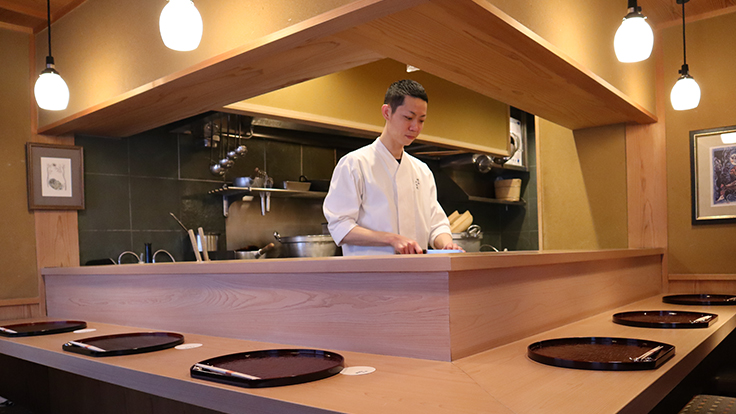
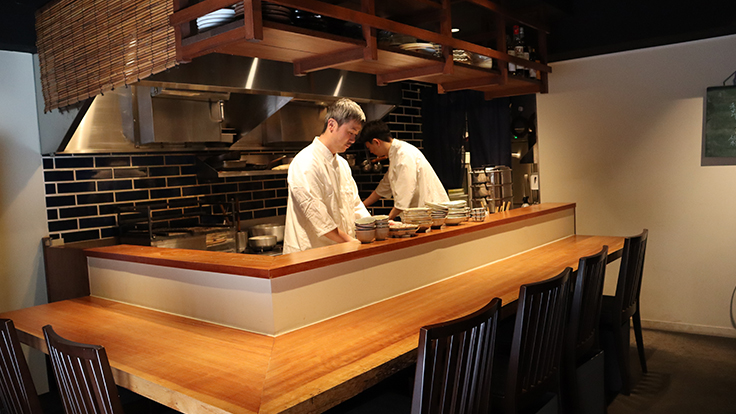
Near the entrance to Araki-cho, along a narrow lane, stands the One MICHELIN Star restaurant Yotsuya Minemura. Though compact, the carefully arranged counter offers a comfortable setting, where the menu brings together handmade juwari soba — 100% buckwheat soba prepared fresh each day — and mushi-zushi that draws on Shohei Minemura's background in sushi.
The cold soba is served as a composed dish; the mushi-zushi the season's finest ingredients topped onto chef’s own shari rice, is another of the restaurant's defining preparations. Minemura describes Araki-cho as a neighborhood that rewards exploration. Here, the approach to a restaurant begins not at the door but the moment you step into the neighborhood.
Kan Coffee Fujifuji
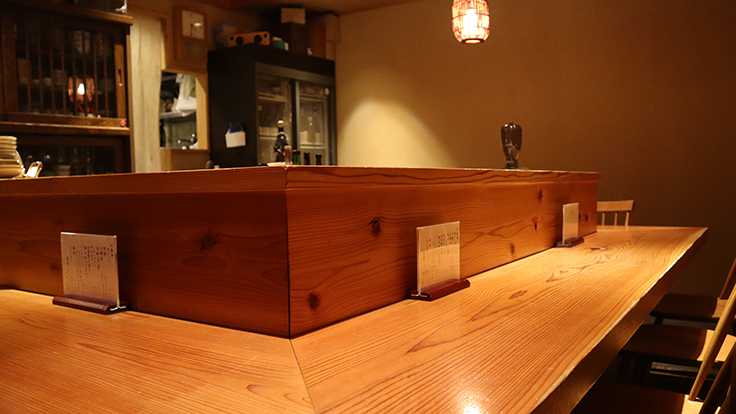
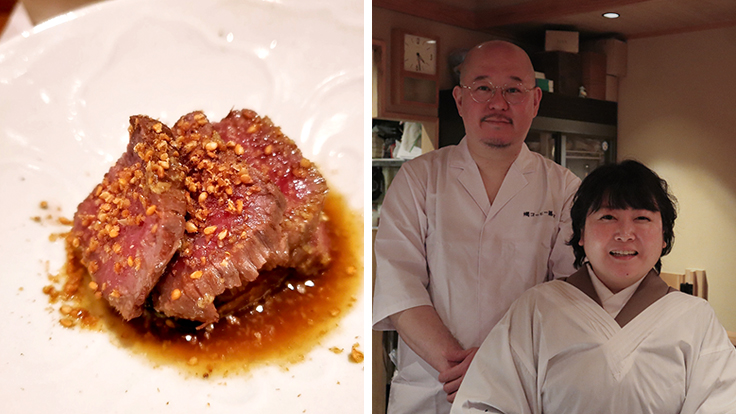
Not far from Sharikimon-dori, Kan Coffee Fujifuji is run by Takeshi Fujikiwa and his wife, Yui. Both share a passion for warmed sake. The name of their restaurant was inspired by another point in common – both their family names contain the character “Fuji,” coupled with Yui’s former work as a coffee professional. Inside, the atmosphere is warmly nostalgic: the proprietor devotes himself entirely to cooking, while his wife — dressed in kimono — takes charge as okami, selecting and warming each cup of sake with quiet care.
The menu runs to around 60 dishes at any given time: Ozaki beef tataki; owan soup made to order from freshly drawn ichiban-dashi or katsuodashi broth; a generous selection of kanmi sweets. The pleasure is in choosing freely and building your own progression through the evening.
With so many dishes at hand, there are nights when the soramame fava bean ice cream doesn't quite make it onto the written menu, or when an order prompts a laughing "Did we have that?" from across the counter. That, too, is part of what this place offers. Such exchanges, small as they are, speak to the warmth that runs through everything the couple does.
How to Spend an Evening in Araki-cho
Begin dinner a little after 6pm; plan to leave around 8 or 9pm. By then, restaurants that were still dark when you arrived will have lit their lanterns, and the neighborhood will have taken on a different character entirely. Note that many establishments keep irregular closing days, worth checking ahead.
A narrow alleyway veering off from the middle of Sharykmon-dori. The cobblestones and soft glow of lanterns capture the lingering charm of Araki-cho’s past as a thriving geisha district. (© Suma Wakui / the MICHELIN Guide)
Akebonobashi Kazu
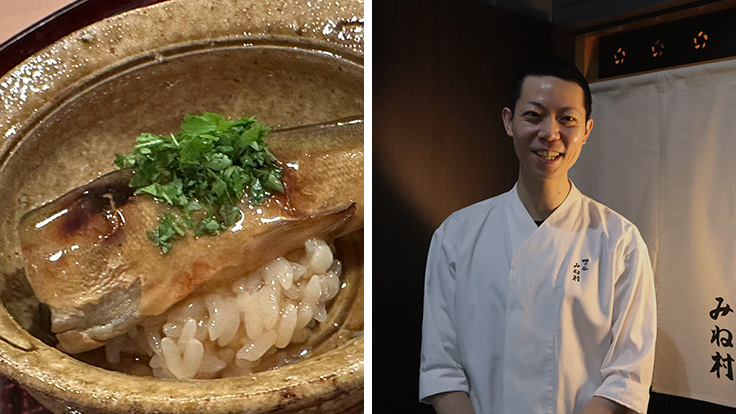
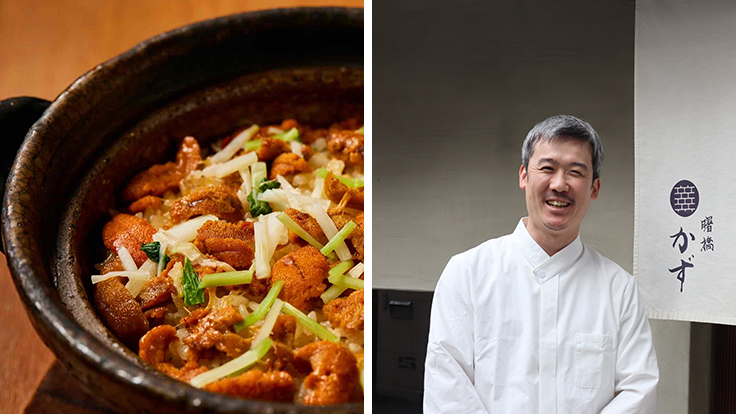
Tucked just off Tsunokamizaka at the northern edge of Araki-cho, Akebonobashi Kazu is a restaurant set along a quiet lane. Here, course meals are prepared with care, balancing simplicity with thoughtful technique. The highlight many guests look forward to most is the clay-pot takikomi gohan — a seasoned rice preparation that the chef has been perfecting since his apprenticeship.
The drink list is extensive, and the pacing invites a long, unhurried evening. Alone among the three restaurants featured here, Akebonobashi Kazu also has table seating. Proprietor Kazuya Matsuo suggests that, given how many small restaurants are tucked into Araki-cho, a little research before visiting will help you find the one that suits you best.
Opening the door of an unfamiliar place can feel like a bit of a leap — but settle into your seat, exchange a few words, and the tension quickly passes. His own restaurant is onethat makes that transition easy, and where an evening begins on comfortable terms.
Our guide to Araki-cho draws on a conversation with Fumie Shiomi, chair of the Araki-cho Merchants' Association. Having made the unusual journey from office work to geisha, Shiomi now works as an ambassador for Japanese traditional culture, hosting geisha performances at her by-introduction salon On-no-za and at the adjoining cypress-stage ozashiki Araki-cho Butai Tsunokami (reservation required).
Shiomi's message was clear: book your first stop before you arrive, then let the staff guide you to wherever the evening leads. When the meal is over and you want to walk a little further, have another drink somewhere quieter — just ask the restaurant where to go. Moving through the neighborhood this way, led from one recommendation to the next, is how the particular rhythm and intimacy of Araki-cho gradually reveals itself.
What to do
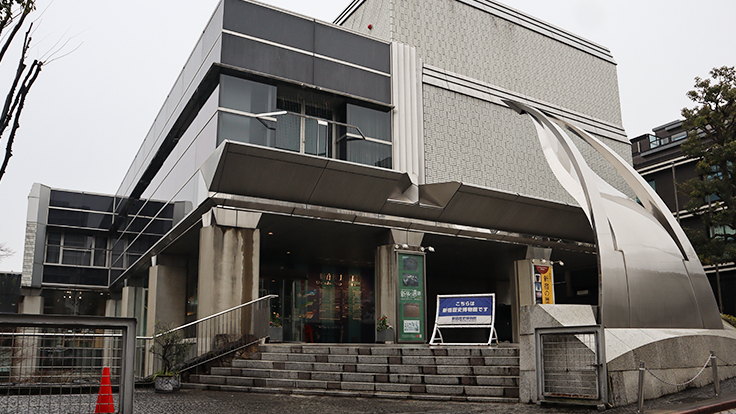
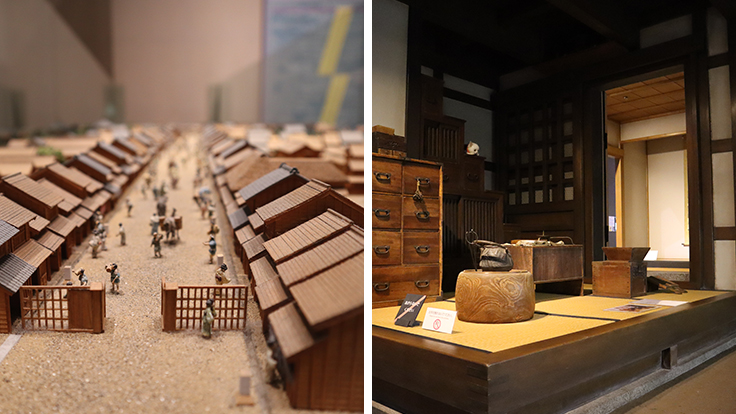
Araki-cho is a neighborhood of the evening, but arriving a little early gives you time to explore the surrounding area before dinner. The Shinjuku Historical Museum offers a useful primer on how Araki-cho and the wider Shinjuku area have changed over the centuries. Seeing the neighborhood through that lens makes the night lanes feel different.
Muchi no Ike pond is another place to sense the neighborhood's distinctive topography. Situated at the lowest point of Araki-cho's bowl-shaped terrain, it is said to occupy what was once a deep plunge pool fed by a waterfall some four meters high. The name derives from the legend of Muchi no I (Muchi’s Spring): Tokugawa Ieyasu is said to have rinsed his riding whip, muchi, in the water here on his return from a falconry outing, and the pond takes its name from that spring.
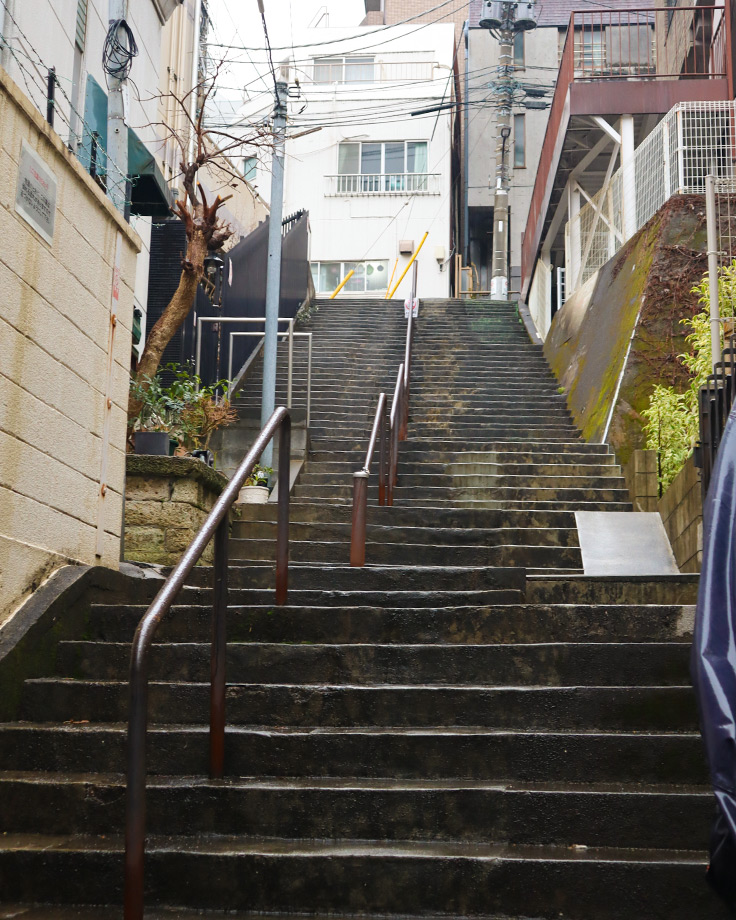
The stairway on the eastern side of Araki-cho, known as the “Montmartre Slope” (© Suma Wakui / MICHELIN Guide)
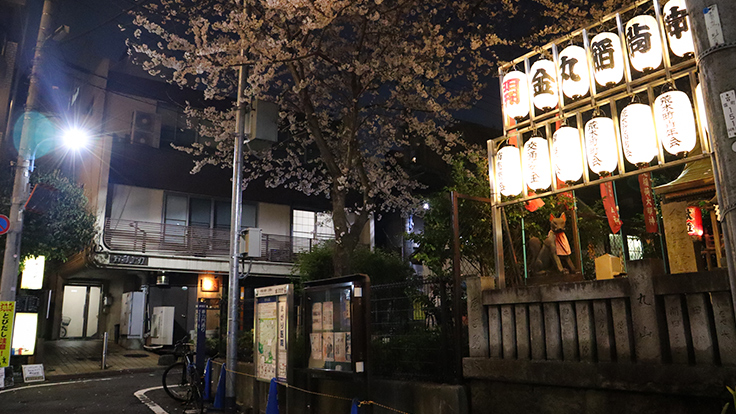
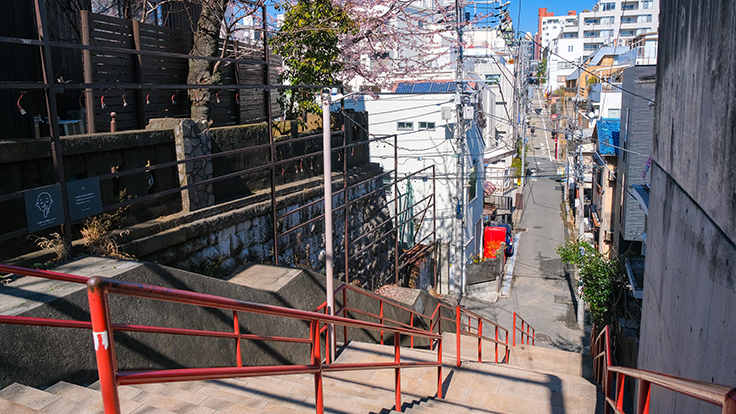
Araki Park, midway along Sharikimon-dori, is another corner of the neighborhood that deserves a visit. It adjoins Kanemaru Inari Shrine and is filled with cherry blossoms in spring. The couple at Kan Coffee Fujifuji mentioned this very park when we spoke. Cross Shinjuku-dori to the south and you reach Suga Shrine, the guardian shrine of Tokyo Yotsuya. Its Otoko-zaka, meaning “men's stairway,” featured in a popular animated film, makes a pleasant detour on any neighborhood walk. For something sweet, head to Osumitamaya Yotsuya. Alongside the celebrated ichigo daifuku stuffed with strawberry, the shop carries a range of Japanese confections well suited as gifts.
To the Next Stop
An evening in Araki-cho rarely ends with dinner. Bars are scattered throughout this small neighborhood — places to settle in for one more drink when the meal is done. Some offer the quiet pleasure of a classic cocktail; others specialize in wine and Champagne; others still preserve an older, more familiar atmosphere. Finding your next stop naturally, when you're not quite ready to leave, too, is one of Araki-cho's distinctive charms. The three restaurants featured here pointed to a range of options: the classic bar Ambitious; the relaxed Bar au bout du monde and equally appealing Yotsuya Cocktail; the Champagne and wine specialist Wine Bar Honest; and the old-school bar Pigalle.
A cobblestone lane in Araki-cho (© Suma Wakui / the MICHELIN Guide)
Where to Stay
For MICHELIN Guide-selected hotels, a taxi is the easiest way back. On the west Shinjuku side, options include Kimpton Shinjuku Tokyo and Park Hyatt Tokyo. North of Kabukicho, there is Bellustar Tokyo and Shinjuku Granbell Hotel.
Those who prefer a quieter setting might consider The Prince Gallery Tokyo Kioicho or Hotel New Otani Tokyo Executive House Zen, both in the Akasaka area.
Find your hotel
More from MICHELIN Guide Tokyo:
- Dessert as the Destination: Six Must-Visit Tokyo Restaurants that Make Sweets the Star
- Introducing KHAO, Tokyo’s First One MICHELIN Star Thai Restaurant
- Armani and Gucci: Luxury Expressed Through Food
- Two Chefs, Two Stars: Chefs Ensui and Hakuun on their Shared Success
- 18 Newly MICHELIN-Starred Restaurants Announced in Tokyo 2026 Guide
- Inspectors’ Favorite Dishes: 7 Must-Try Picks From The MICHELIN Guide Tokyo 2026
- 16 New Bib Gourmands Announced for MICHELIN Tokyo 2026
- All the MICHELIN Key Hotels in Japan
- Tokyo Family Stays: 7 Hotels Worth the Trip
Header image:Near Kanemaru Inari Shrine at the heart of Araki-cho (© Suma Wakui / the MICHELIN Guide)