10 March 2026
Share


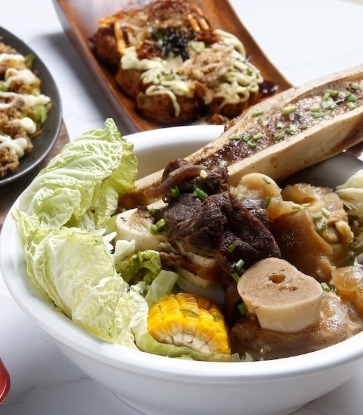
Himagas is the Filipino word for washing away a lingering taste — such as the rich oiliness of bulalo, or beef marrow stew, the saltiness of seafood or the indulgent fat in any pork dish — with something refreshing and most certainly sweet.
But in a country with a notorious sweet tooth, panghimagas or Filipino desserts, can be served at any time of day and not just after a meal. It can arrive mid-afternoon as merienda, or simply whenever the craving calls for a delicious way to get through a hot day. Here are five of the best Filipino desserts to try and where to find them.
Halo-Halo
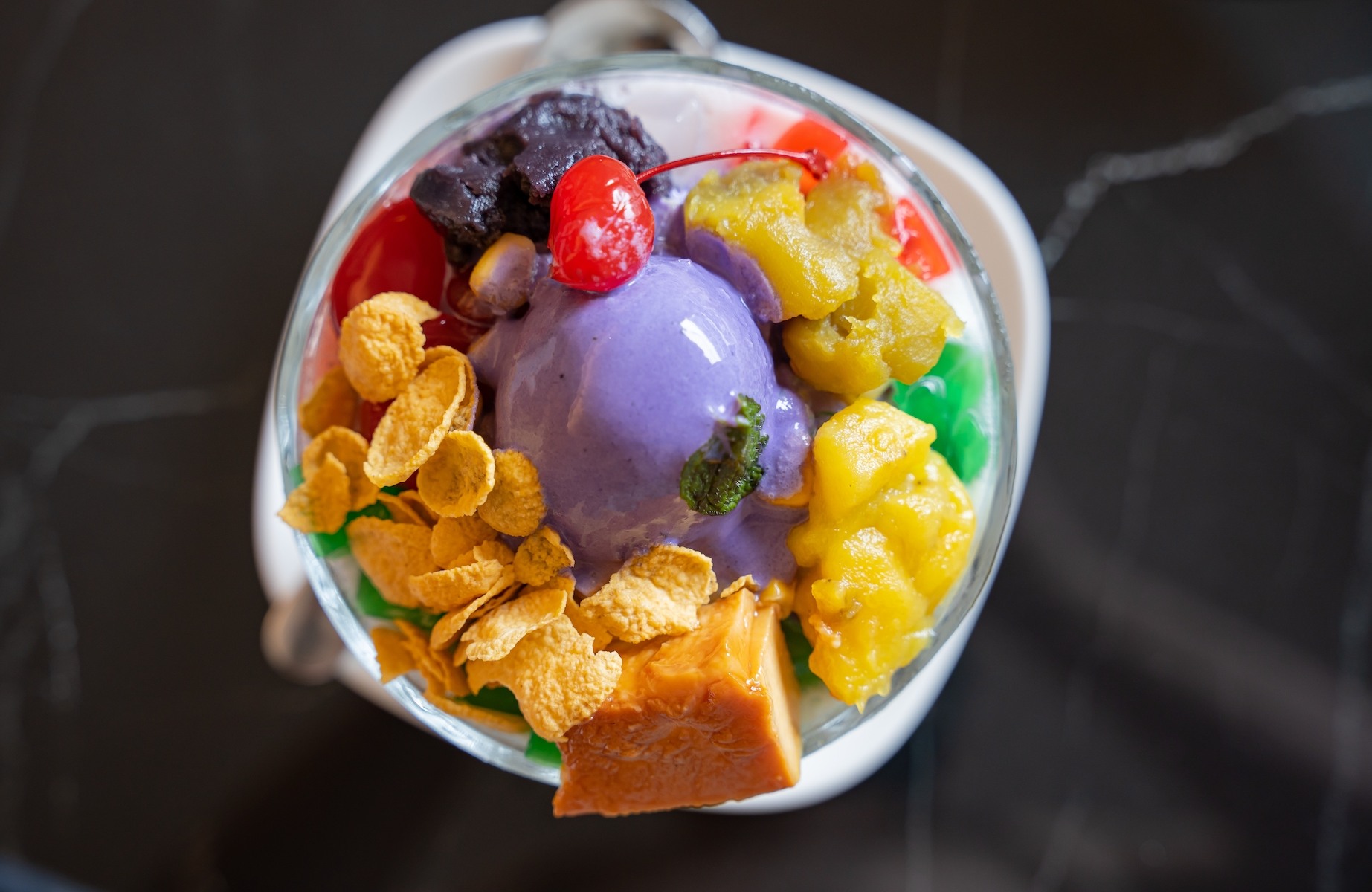
Few desserts are as exuberant as halo-halo (pictured above). This colorful shaved ice dessert is a spin on the kakigori, which Japanese migrants introduced in the 1920s-1930s, before the Second World War. While the kakigori featured sweet mung beans and syrup on top of the ice, Filipinos tucked local components like saba (plantain), nata (coconut jelly), gulaman (seaweed jelly), coconut strips and an assortment of red and green jellies below the ice. This layering made it easier to fold the ingredients with the milk and syrup.
“Halo-halo” can be translated in two ways: to mix and mix again, and to describe the joyful assortment of ingredients thrown together. Halo-halo can be topped with other desserts like leche flan (a rich caramel custard), ube halaya (Filipino purple yam jam) and scoops of ice cream.
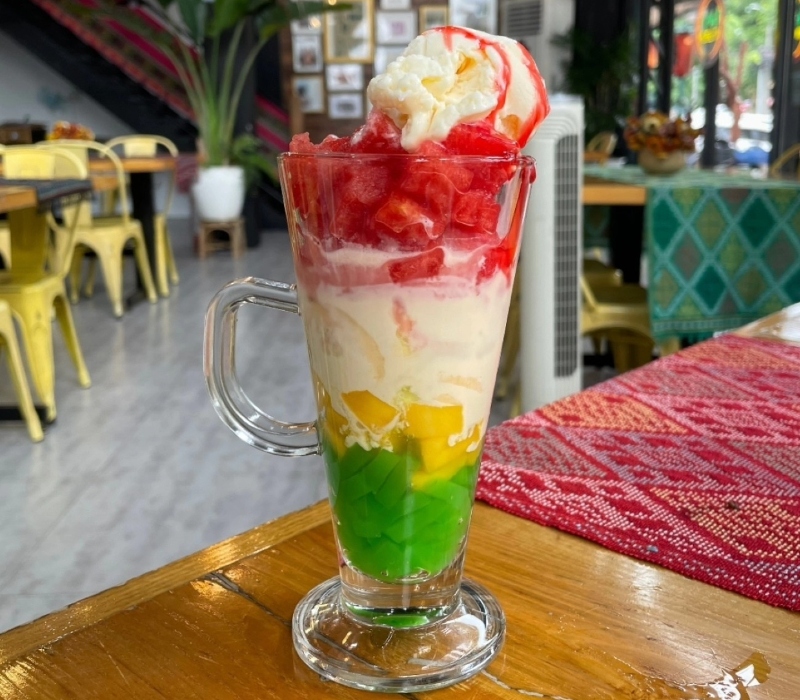
In Zamboanga, a province in the Southern Philippines, a creamier, fruit-forward cousin known as the knickerbocker takes center stage. It is served with slices of mango, watermelon, banana and other seasonal fruits, mixed with generous scoops of ice cream.
MICHELIN-recognized restaurants like Hapag, Cabel, and Palm Grill (Diliman) pay tribute to the Southern Philippine dessert by adding the vibrant sundae to their menu.
Where to find halo-halo in MICHELIN restaurants in the Philippines: Lampara, Manam at the Triangle, Sarsa, Esmeralda Kitchen, Lantaw (Compostela), Locavore (Taguig)
Leche Flan
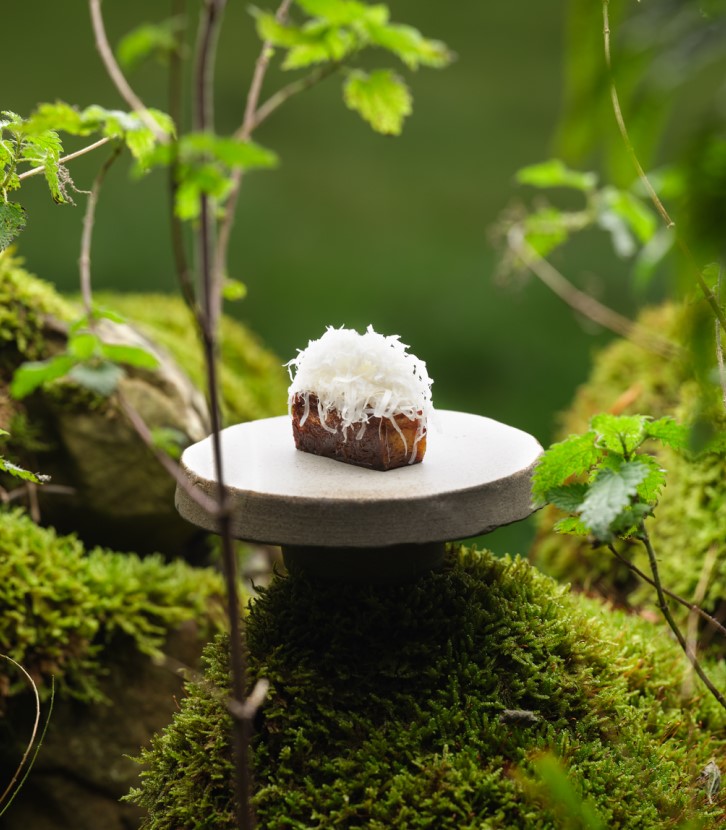
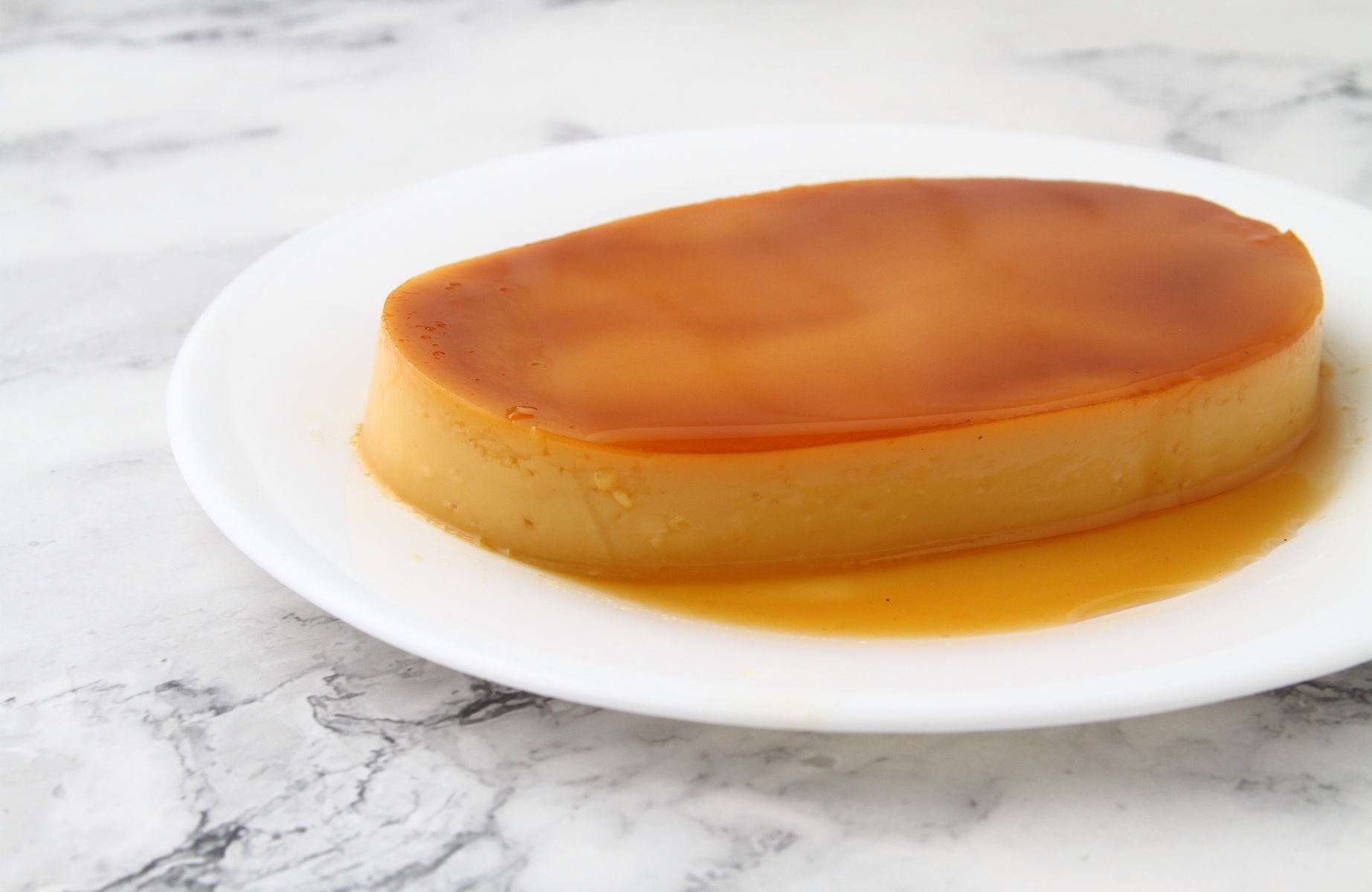
This creamy custard dessert was a by-product of the Spanish colonial period. In the 16th Century, egg whites were used as mortar in the construction of stone churches across the archipelago. Rather than waste the surplus yolks, carabao milk was added to thicken the mixture, which was steamed in oval tin molds called llaneras. The result was a silky yet firm custard cream, served at regal banquets and town fiestas.
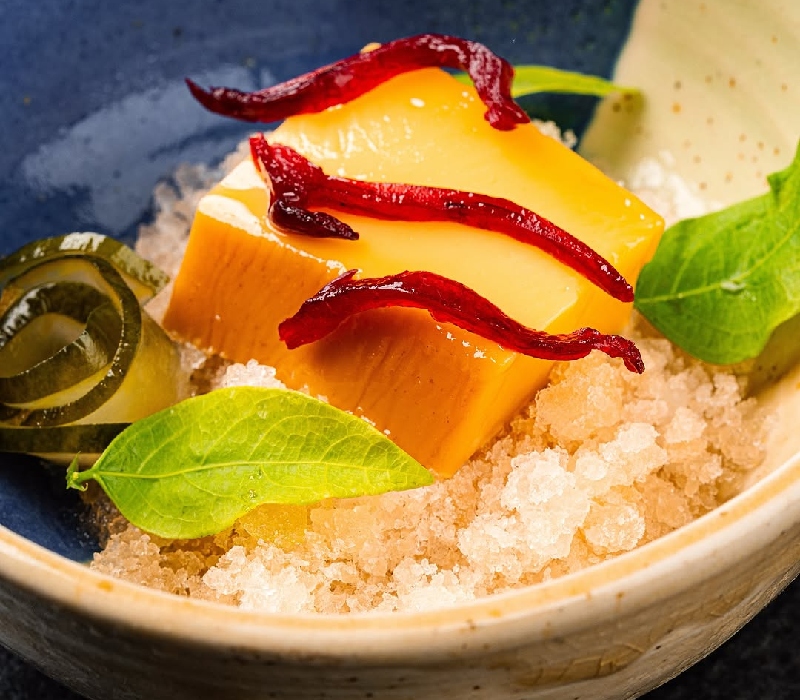
The custard is glazed with dark muscovado and brightened with a calamansi (Philippine lime) and lemongrass granita. Beneath it lies a thin layer of pickled onion or scoby (fermented yeast and bacteria), lending an unexpected savory depth.
Where to find leche flan in MICHELIN restaurants in the Philippines: Inatô, Locavore (Taguig), Manam at the Triangle, Sarsa
Sorbetes / "Dirty Ice Cream"
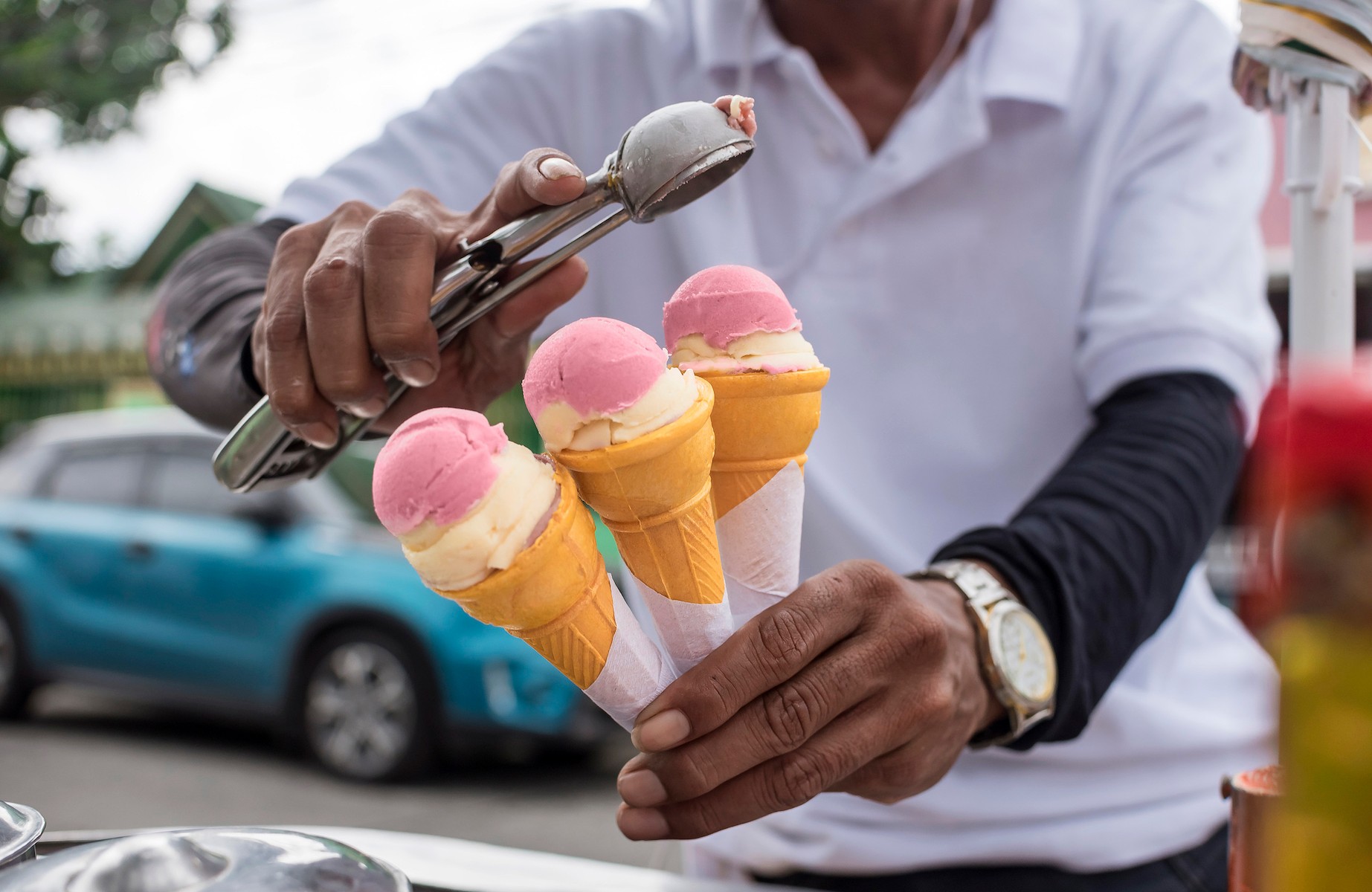
As ice became more accessible in the late 19th century, sorbetes — the Filipino take on ice cream — emerged as a popular treat among the common folk. No longer considered a luxury, sorbetes had a slightly grainy texture because it substituted dairy milk with carabao milk and added cassava flour as a stabilizer. Sorbeteros would peddle ice cream in hand-painted wooden carts that housed metal canisters carrying traditional flavors such as queso, ube and buko pandan (young coconut and pandan-flavored jelly), with scoopfuls served in colorful cones. To attract customers, vendors would ring a small bell, an iconic sound across neighborhoods until this day. Because sorbetes was sold on the streets, there was a misconception that it was “dirty ice cream.” But the product, homemade in small batches, was always safe to eat. It was even served in Gen. Emilio Aguinaldo’s presidential banquet in 1898.
Today, chefs continue to show inventiveness and resourcefulness by playing around with this nostalgic dessert.
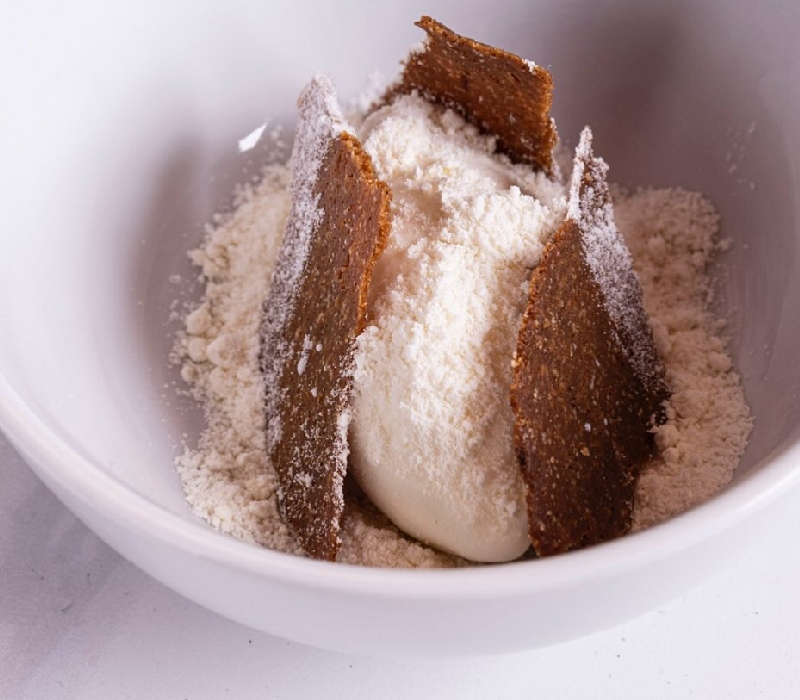
One-MICHELIN-Starred restaurants Toyo Eatery serves leche flan ice cream sprinkled with asin tibuok, or salt formed in coconut husks, while Kása Palma excites the taste buds with flavors like salted chestnut, corn madeleine and purple yam with foie gras.
Where to find sorbetes in MICHELIN restaurants in the Philippines: Inatô, Bolero, Manam at the Triangle, Locavore (Taguig)
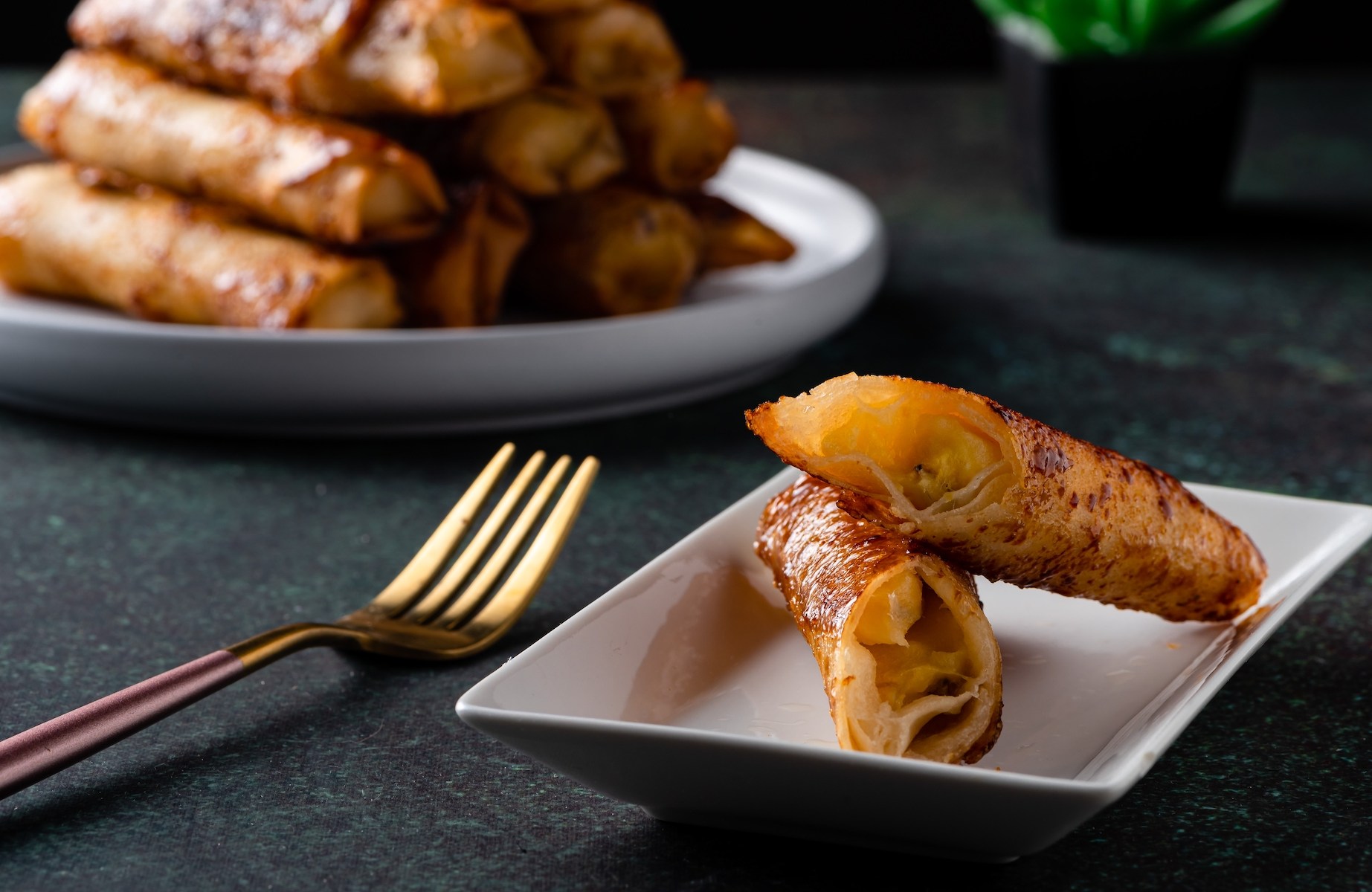
Another testament to Filipino resourcefulness, turon emerged from surplus saba (plantain) harvests and blended Spanish and Chinese influences. Ripe bananas are sliced lengthwise, sometimes layered with strips of jackfruit, then wrapped in delicate lumpia (spring roll) paper. Each log is coated in brown sugar and deep fried until the sugar melts and caramelizes, giving the turon that irresistible crunch. Roadside eateries sell turon to a labor force looking for a budget-friendly afternoon snack. Restaurants add a scoop of vanilla ice cream for turon à la mode.
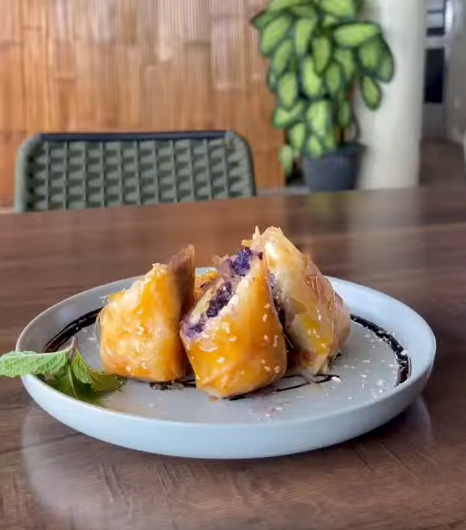
At Bib Gourmand recognized Lasa in Cebu, multiple panghimagas come together in an inventive Ube Pastillas Turon. Meanwhile, at MICHELIN Selected Esmeralda Kitchen, the turon pairs boiled sweet corn with ube halaya in its Ube Sweet Corn Turon Sundae.
© Lasa
Where to find turon in MICHELIN restaurants in the Philippines: Manam at the Triangle, Sarsa, Locavore (Taguig), Lore
Ube
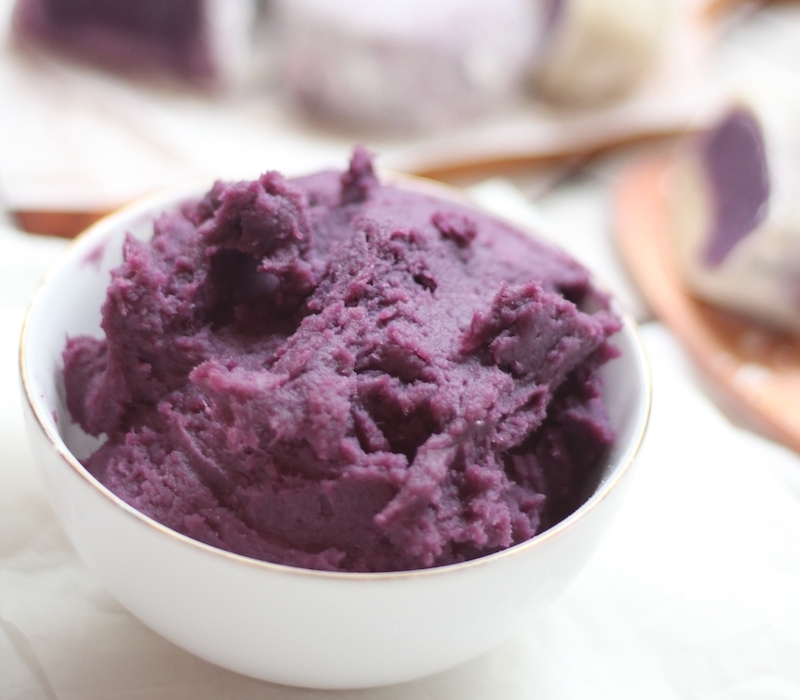
Native to the Philippines, ube is a sweet purple yam celebrated for its deep color and unique flavor. It is mildly earthy and creamy, likened to vanilla with a darker, nuttier finish.
© Miranda Wahyu
The purple tuber lends both vibrancy and character to countless desserts. It can be boiled and mashed into halaya or jam, good enough to be eaten on its own with a spoon, or folded into cakes and pastries, baked into bread, churned into ice cream, rolled into pastillas and more.
At the end of a multi-course dinner, Toyo Eatery serves ube kinampay, a prized variant from Bohol revered as the “Queen of Yams.” As an interactive dessert, diners crush balikutsa, or muscovado candy, with a mortar and pestle. The crushed candy is added to the ube kinampay, slowly stirred over low heat with coconut milk.
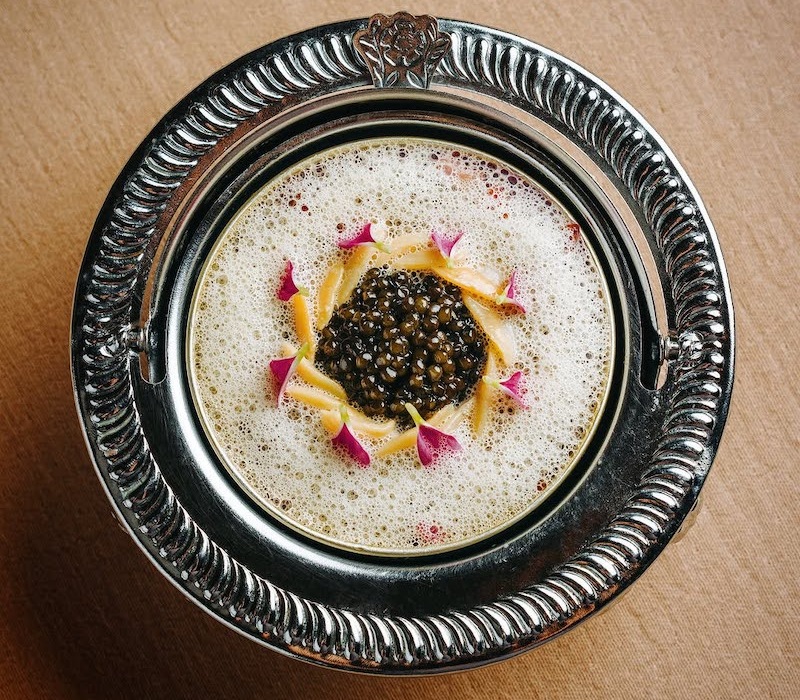
At Kása Palma, “Ube in Three Textures” comes as a savory course that reimagines the Filipino purple yam beyond dessert. Ube appears as a silky purée, an airy espuma and a delicate crisp, layered with sweet halaan clams and finished with Oscietra caviar and clam emulsion.
© Kása Palma
-
Header Image © Richard Ernest Yap