08 April 2026

Share


Marking its 10th anniversary in Korea, MICHELIN Guide Seoul & Busan has accompanied the growth of the country’s culinary landscape over the past decade. Over this time, wine culture has also evolved rapidly, becoming an integral pillar of fine dining.
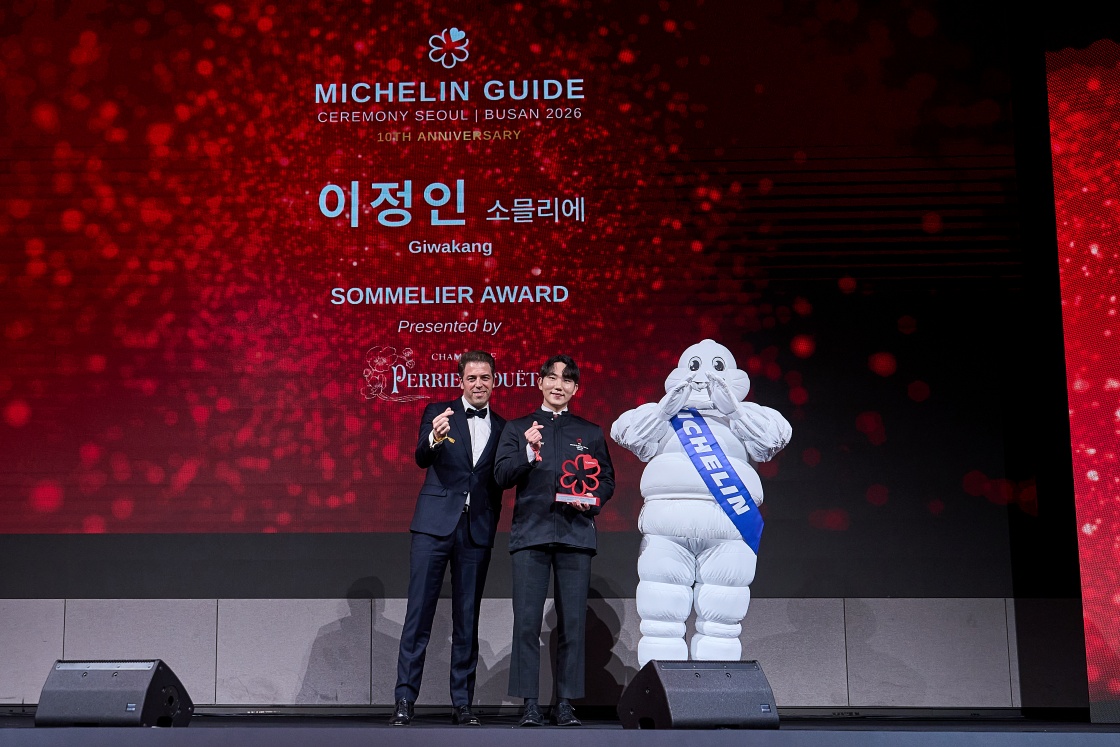
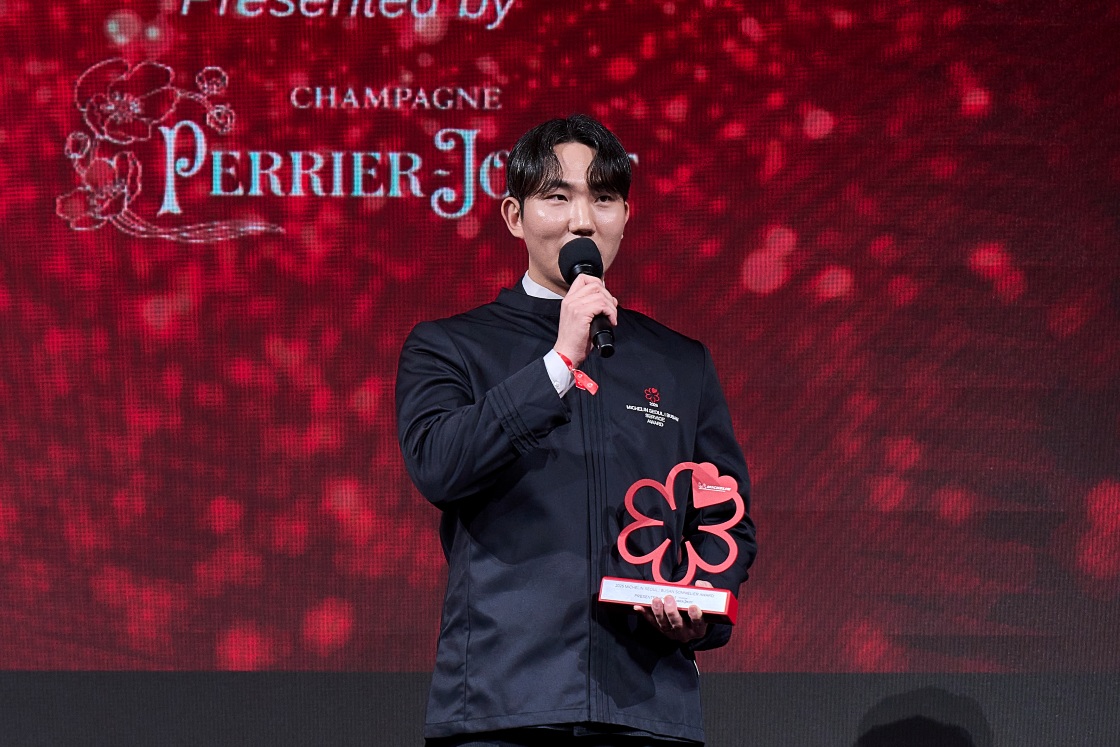
Jungin Lee of GiwaKang was awarded this year's MICHELIN Sommelier Award at the MICHELIN Guide Seoul & Busan 2026 ceremony on March 5, 2026. The honor celebrates sommeliers who elevate a meal through precise, harmonious wine and beverage pairings. He received the award from Miguel Angel Pascual Nombela, Marketing Director of Pernod Ricard Korea.
LEARN MORE: The MICHELIN Guide Seoul & Busan 2026: Record Number of New and Promoted MICHELIN-Starred Restaurants
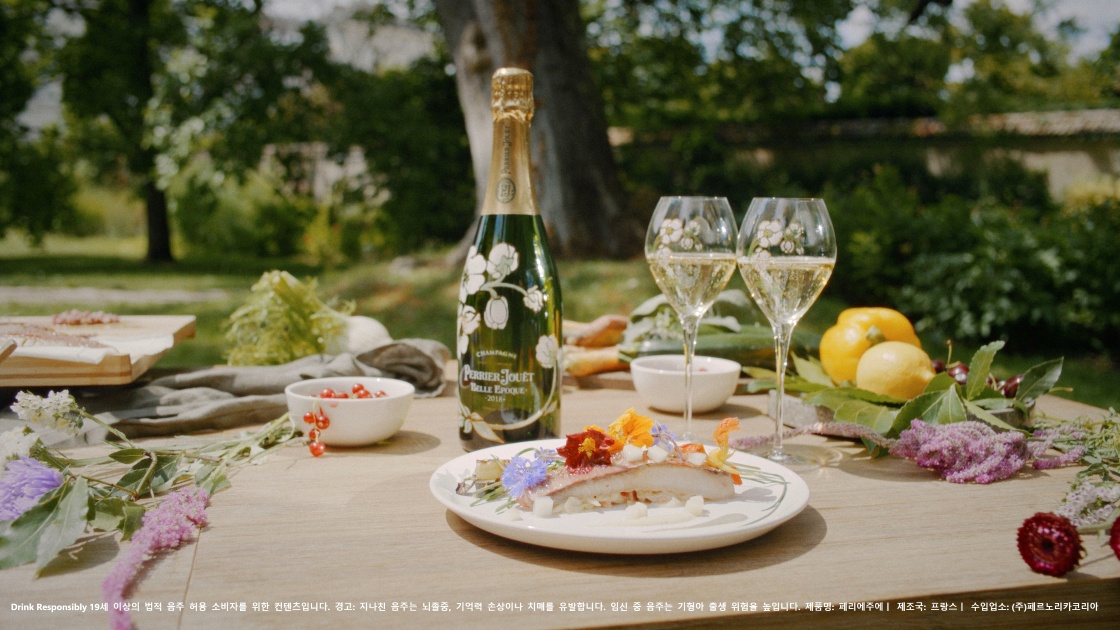
Each year, the MICHELIN Sommelier Award recognizes sommeliers who enhance the dining experience through thoughtful curation and service. The award is sponsored by Perrier-Jouët, a Champagne house within the Pernod Ricard group and an official partner of the MICHELIN Guide. Founded in 1811 in Épernay of France’s Champagne region, the house has, for over two centuries, pursued a philosophy of “elevating nature into art,” cultivating a refined and elegant style that seeks harmony with fine dining.
Its founders, Pierre-Nicolas Perrier and his son Charles, were horticulturists and botanists who built the maison’s philosophy on a deep understanding of nature. This philosophy — one that respects the balance of interconnected living systems — is reflected throughout Perrier-Jouët’s viticulture and production, expressing the beauty and vitality of nature through the artistic medium of Champagne.
“As Champagne Perrier-Jouët elevates nature into art, sommeliers complete the culinary experience through perfect pairing at the table. Being the presenter of the 2026 MICHELIN Guide Sommelier Award, we celebrate and recognize the excellence of outstanding sommeliers,” a spokesperson for the brand said.
Jungin Lee's wine journey and philosophy
Lee began his career in hospitality at venues including JW Marriott Dongdaemun Square Seoul, and deepened his engagement with wine during the pandemic, ultimately leading him to his current role. Our MICHELIN Inspectors note that Lee delivers “a passionate and highly thoughtful wine service.”
“With confidence and flexibility in his approach to food and wine pairing, he presents each pairing with ease and clarity. Through engaging explanations of both wines and dishes, he and his team elevate the dining experience, adding depth and vibrancy to the meal and allowing modern Korean cuisine to truly shine,” our Inspectors add.
GiwaKang is the modern Korean fine-dining restaurant by Chef Kang Minchul, who also helms his eponymous One-MICHELIN-Starred French restaurant, KANG MINCHUL Restaurant. This year marks a significant milestone for GiwaKang, which was newly awarded One MICHELIN Star alongside Lee’s Sommelier Award.
READ MORE: Creating a unique travelogue - Chef Kang Min-chul
During the MICHELIN Korea Editor’s visit to GiwaKang in mid-March, the lunch-course wine pairing at GiwaKang was composed of five glasses. Rather than beginning with sparkling wine, as many restaurants do, Lee opens with Bodegas Granbazán Don Alvaro de Bazan 2021 from Rías Baixas, Spain, awakening the palate with its mineral precision.
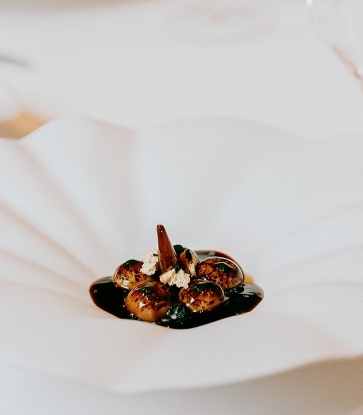
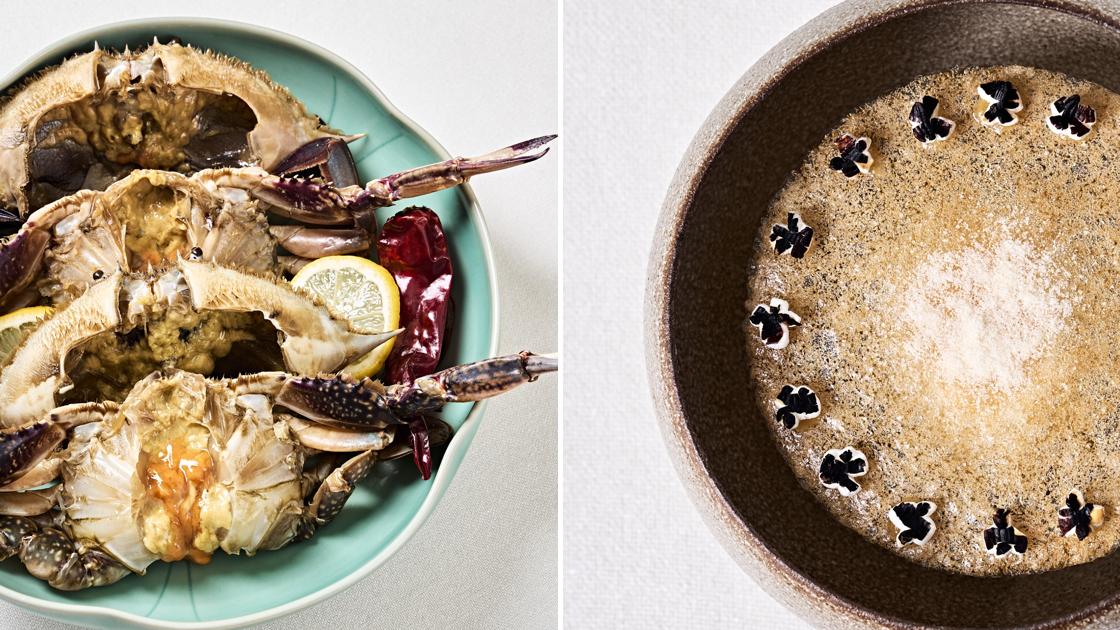
For the restaurant’s signature gyejang (soy-marinated crab) with black truffle, he pairs Chateau de Vaux Hors Piste Riesling 2023 from the Loire Valley, naturally extending the umami and fermented nuances — what he describes as “an extension of the soy-based sauce.”
Midway through the course, a sparkling sake created in collaboration between Alain Ducasse and Japan’s Shichiken introduces a refreshing shift in the flow. The overall pairing goes beyond simple harmony with the dishes, revealing a carefully composed progression. Each glass builds rhythm within the course, at times creating moments of pause that allow the experience to breathe, guiding the meal with a subtle sense of control.
MICHELIN Guide spoke with the sommelier about his philosophy on pairing and his approach to service.
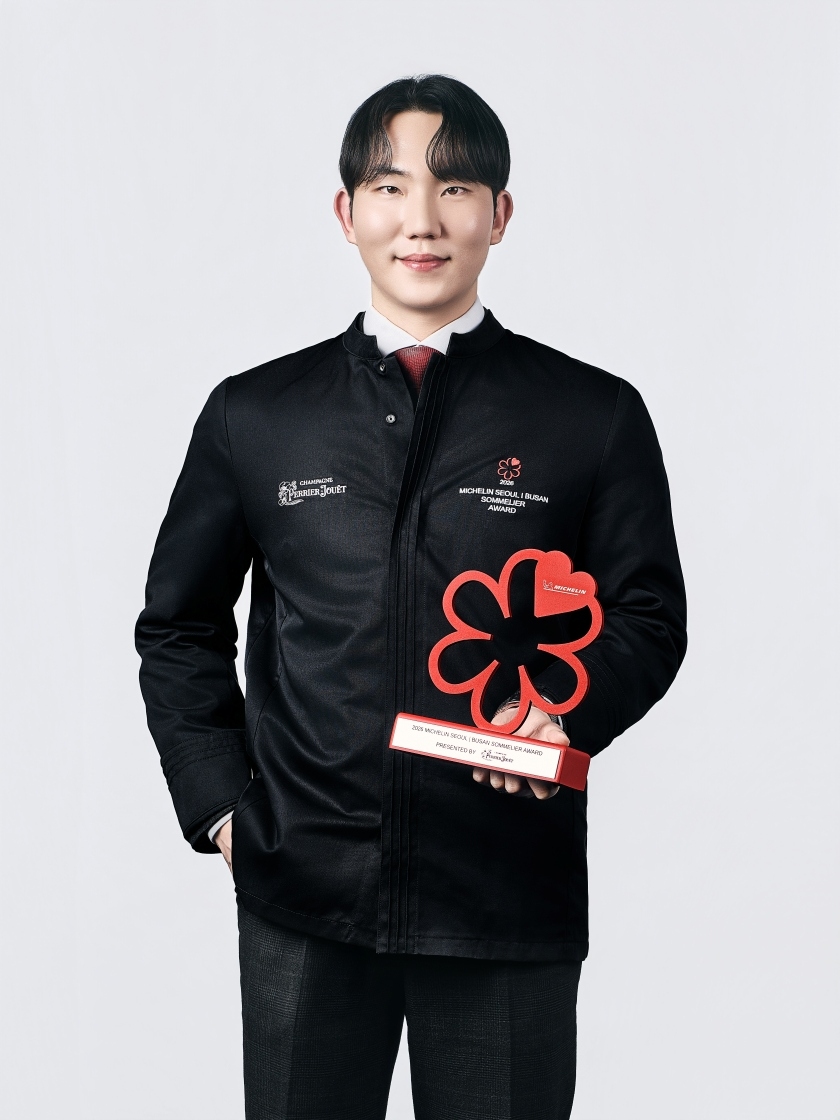
Q. How did you approach wine pairing for GiwaKang’s Korean-based menu?
Rather than approaching it as “Korean cuisine calls for traditional liquors,” I focused on the harmony between East and West, incorporating both wine and sake. Having spent many years working in Korean fine dining, I’ve developed a deep understanding of the cuisine — and with that, the confidence that I can create pairings for any dish.
"For me, pairing is not just about matching
wines — it’s about telling a story."
Q. What do you consider most important when designing pairings?
The most important element for me is flow — how the wines connect within the course and how they build a sense of rhythm. I focus on creating a structure that refreshes the palate and allows each dish to be received naturally. By starting with white or rosé and placing Champagne in the middle, I move away from conventional formats to create a more distinctive rhythm and progression. Rather than following a formula, I aim to create a flow that feels unmistakably my own, one that could be recognized as “Jungin Lee-style pairing.”
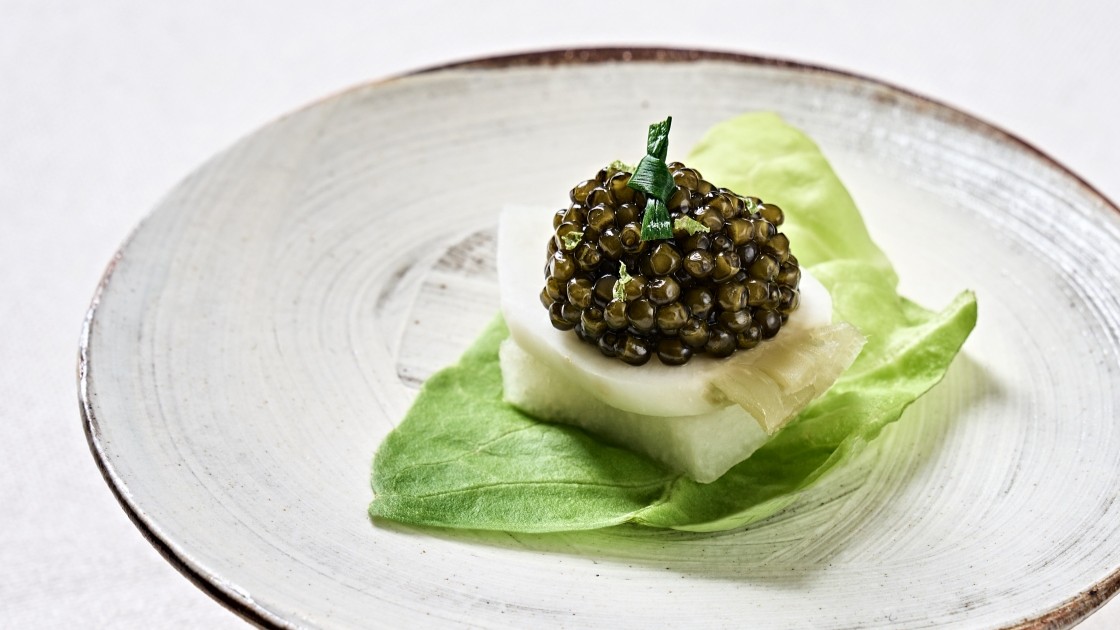
Q. How do you bring that idea of “branding your pairing” into practice?
I see pairing as a form of creation. It’s not just about selecting wines — I think about everything from the structure of the list to the smallest details, shaping it into a complete experience. Where possible, I design and produce elements myself, ensuring that even the smallest details carry a consistent message. Over time, these elements come together to form my own style and identity.
RELATED: 2025 MICHELIN Sommelier Award - Kim Min-jun of Jungsik
The wine talks at Giwa Bar began as a way to introduce wine in a more relaxed setting and to communicate directly with guests. Recently in Korea, there has been a clear shift — people are not just consuming wine, but engaging more deeply with the stories behind it. In response to that change, I wanted to create a space where wine could be experienced in a more open and accessible way.
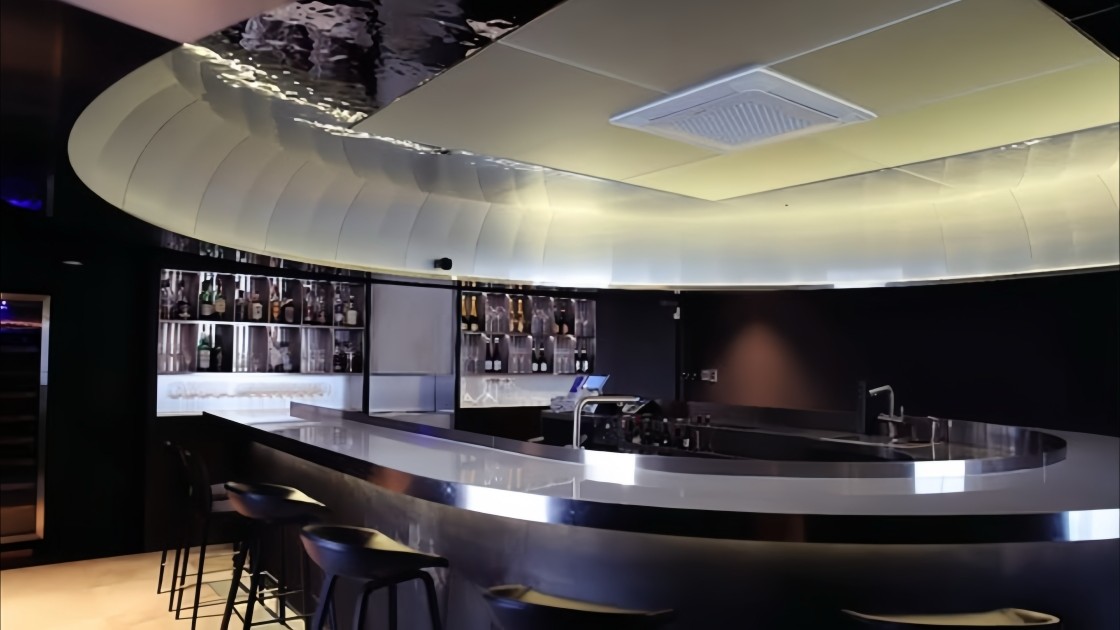
Q. How do you see the recent changes in Korea’s wine market and consumer behavior?
In recent years, Korea’s wine market has grown rapidly, and with it, consumers’ level of understanding and interest has also deepened. Rather than simply seeking well-known labels, more people are engaging with the stories behind producers and styles. Expectations around pairing in restaurants have also risen. It’s no longer enough to simply recommend a wine — what matters is delivering a compelling and meaningful experience. In that sense, I believe the role of the sommelier is continuing to expand.
Q. What are your future plans as a sommelier?
As part of the GiwaKang team, I hope to further expand collaborations with restaurants abroad. Beyond chef-driven collaborations, I see great potential in bringing together sommeliers and service teams to create shared experiences. I’ve already collaborated with teams in Hong Kong, Phuket and Singapore, and those moments have stayed with me. Moving forward, I hope to continue exchanging ideas across borders and contributing to a richer dining culture.
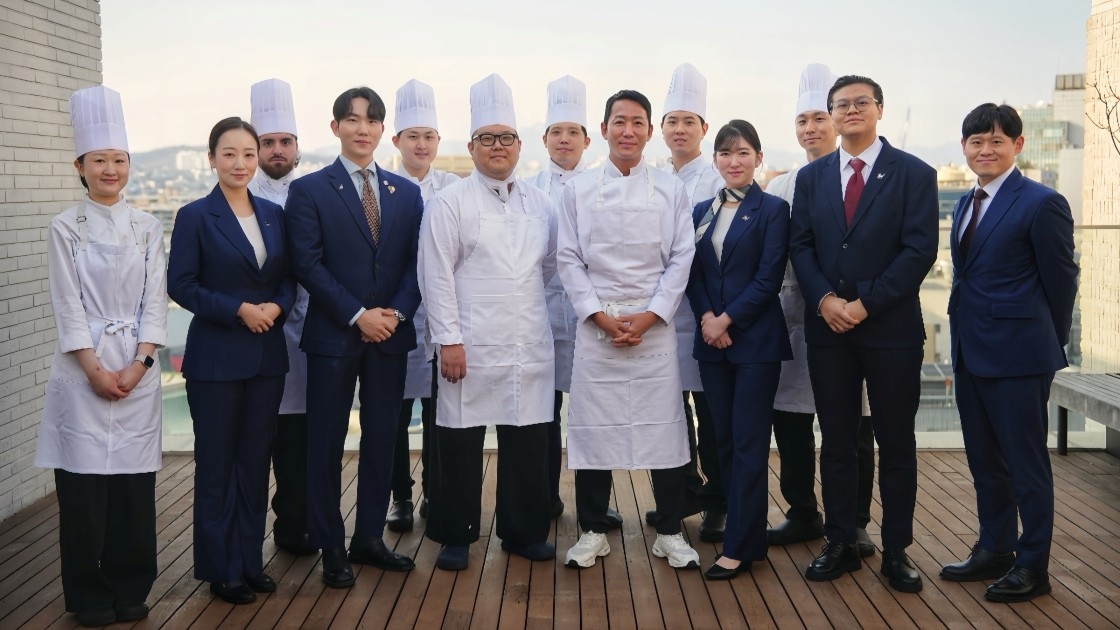
Hero image: Sommelier Jungin Lee, left, and Chef Kang Minchul celebrate GiwaKang’s One MICHELIN Star and the 2026 MICHELIN Sommelier Award. © GiwaKang
Drink Responsibly. This content is intended for legal drinking age consumers aged 19 and over. Warning: Excessive drinking may cause stroke, memory impairment or dementia. Drinking during pregnancy increases the risk of birth defects.
Product Name: Mumm RSRV │ Country of Origin: France │ Importer: Pernod Ricard Korea