20 March 2026

Share


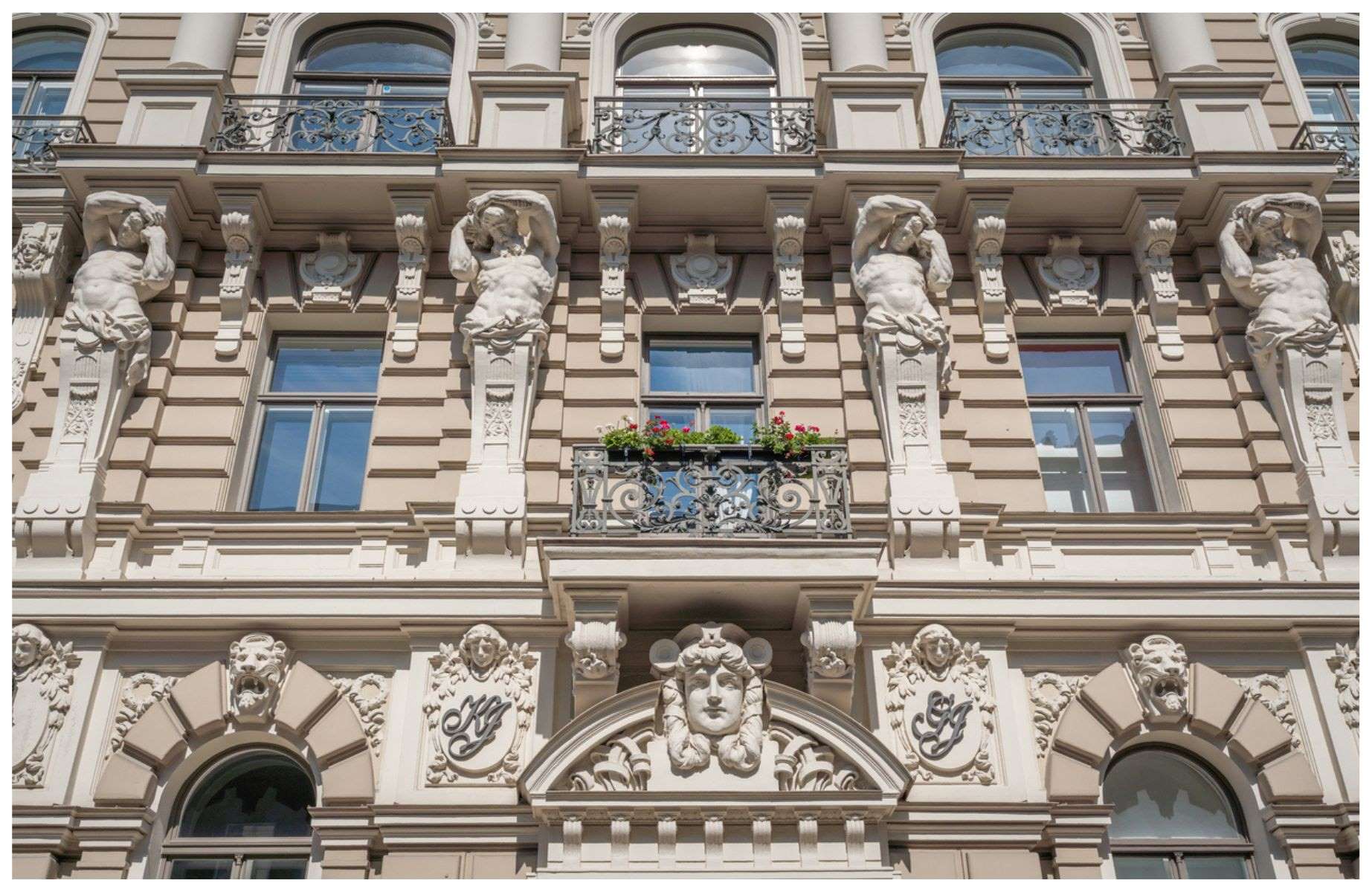
To call a European capital ‘picturesque’ is a cliché – until you step foot in Riga. With one of the highest concentrations of Art Nouveau façades anywhere in the world, Gothic and Baroque churches galore, and clusters of colourful peonies, Riga is truly a sight to behold.
A similar size to its northern neighbour, Helsinki, the Latvian capital has much to offer within its walkable streets. With just 48 hours to explore, you can shop at a year-round outdoor market, catch a vibrant National Ballet performance, visit the Latvian National Museum of Art and dine in a variety of Inspector-approved restaurants, with plenty of time to ponder extending your stay while sitting in one of its many parks.
Where to Stay in Riga
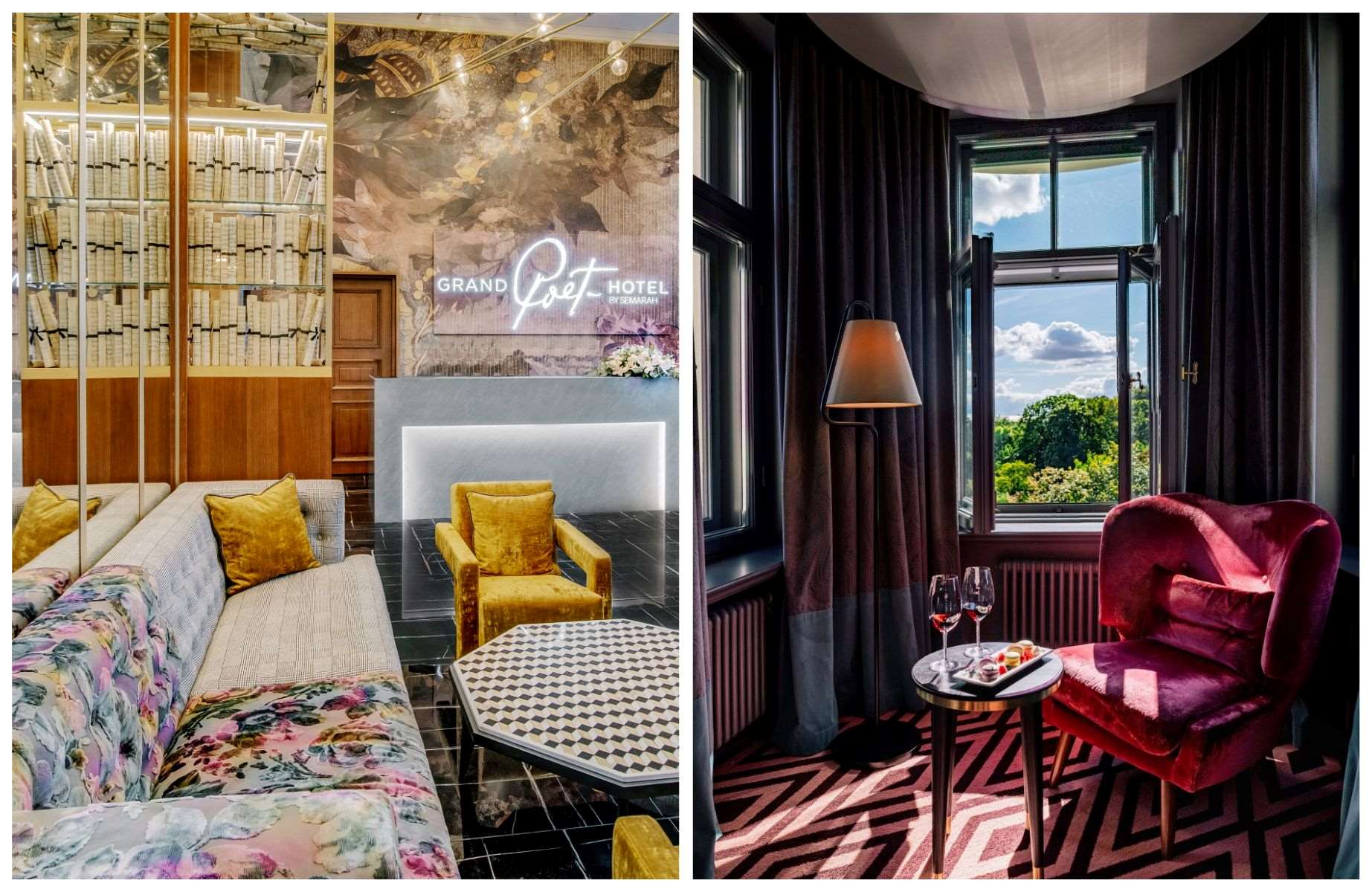
If your idea of the perfect hotel is one where art and comfort collide, the Grand Poet Hotel and SPA by Semarah delivers. Set inside a 19th-century building across from Bastejkalna Park, its lavishly designed rooms and suites follow the bold contemporary palette found throughout the public spaces. The spa is its own form of indulgence but it’s the hotel’s collaboration with the Art Academy of Latvia that really shines; expect an ever-revolving showcase of works by emerging local artists.
For a stay a notch more demure but equal parts stately, A22 is housed in the former US Embassy, and once welcomed 22-year-old John F. Kennedy. The atmosphere matches its historical glamour: an ultra-modern layout is punctuated by rich textures, warm lighting and unexpected adornments (like the rose-covered ceiling in its breakfast room, the aptly named JOHN). Adjacent is the One-MICHELIN-Starred JOHN Chef’s Hall, where 20 lucky diners can enjoy a tasting menu with bespoke wine pairings.
On the other side of the Old Town is the Dome Hotel & Spa, a 17th-century residence turned luxury boutique hotel that marries modernist design and contemporary creature comforts. The 15 rooms are notably unique from the other – some feature frescoed ceilings and others original brick accent walls, and all incorporate minimalist furnishings. A lovely rooftop terrace framed in flowers shows off the dome of the Riga Cathedral from which the hotel gets its name.
Day 1: The Old Town and Latvia’s Largest Market
Morning
Make a breakfast reservation beneath the glass-domed ceiling at Orangerie Hall. The robust buffet and delicate china are just as opulent as the Grand Palace Hotel in which it’s found. Make sure to try the biezpiena plācenīši (cottage‑cheese pancakes) accompanied by a fresh orange juice – or a prosecco if you’re up for it. Beyond a lavender-and-green crystal chandelier, the real centrepiece is Misha, a talkative yellow‑crowned Amazon parrot who has lived here for over 30 years.
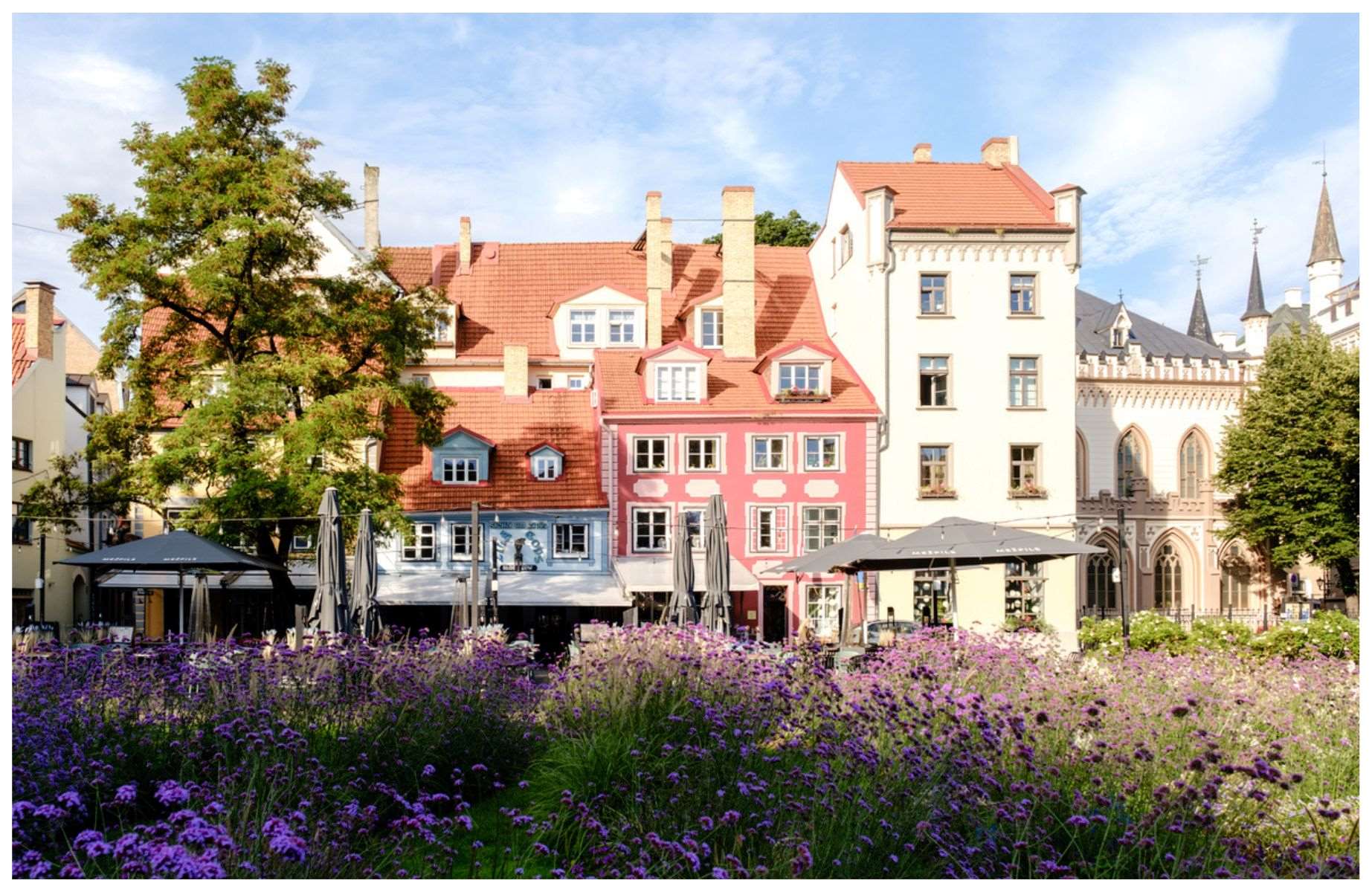
After wrapping up your first meal of the day, exit the hotel, originally the Central Bank of Latvia, and turn left. Follow the cobblestoned street until you reach the heart of Vecrīga, the Old Town, flanked on one end by the medieval Riga Cathedral, built in 1211 and known for its pipe organ, that was once the world’s largest. On the other end is St. Peter's Church – it was rebuilt on multiple occasions due to wars, fires and lightning strikes, and today offers a sweeping city view from its panoramic tower.
The Old Town is compact, so you can easily walk to its various attractions. ‘The Three Brothers’ are the oldest surviving merchant houses in Riga, built between the late 15th and late 17th centuries and showing three different architectural styles, from late Gothic/Renaissance to Dutch Mannerism and Baroque. Inside is the Latvian Museum of Architecture. A short walk away is the Swedish Gate built in 1698, one of the last original gates remaining. At the southern end, a carefully reconstructed Gothic-style House of the Black Heads features a genuine 14th‑century cellar, the only section to survive bombing during World War ll.
Lunch
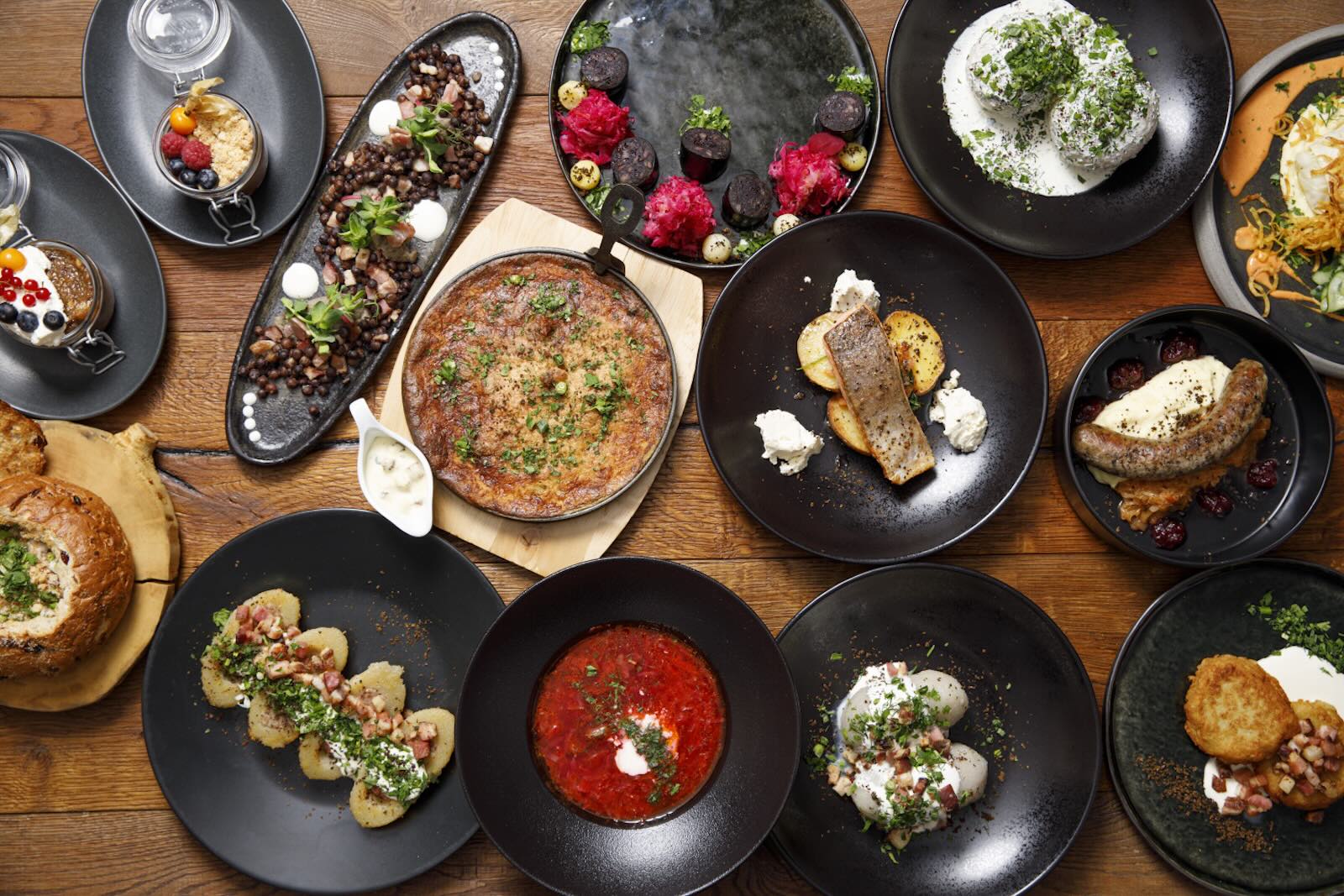
Now that you’ve worked up an appetite, it’s time to meander on over to Milda, named after the statue atop Riga’s towering Freedom Monument. Quiet and stylish, a rustic atmosphere invites you to linger a while over a traditional Baltic meal. The portions are generous in size, and popular picks include Latvian grey peas, pelmeni (meat dumplings) and vibrantly coloured beetroot soup. In addition to a palate-pleasing menu and warm service, the wallet-friendly prices have earned Milda a Bib Gourmand.
Afternoon
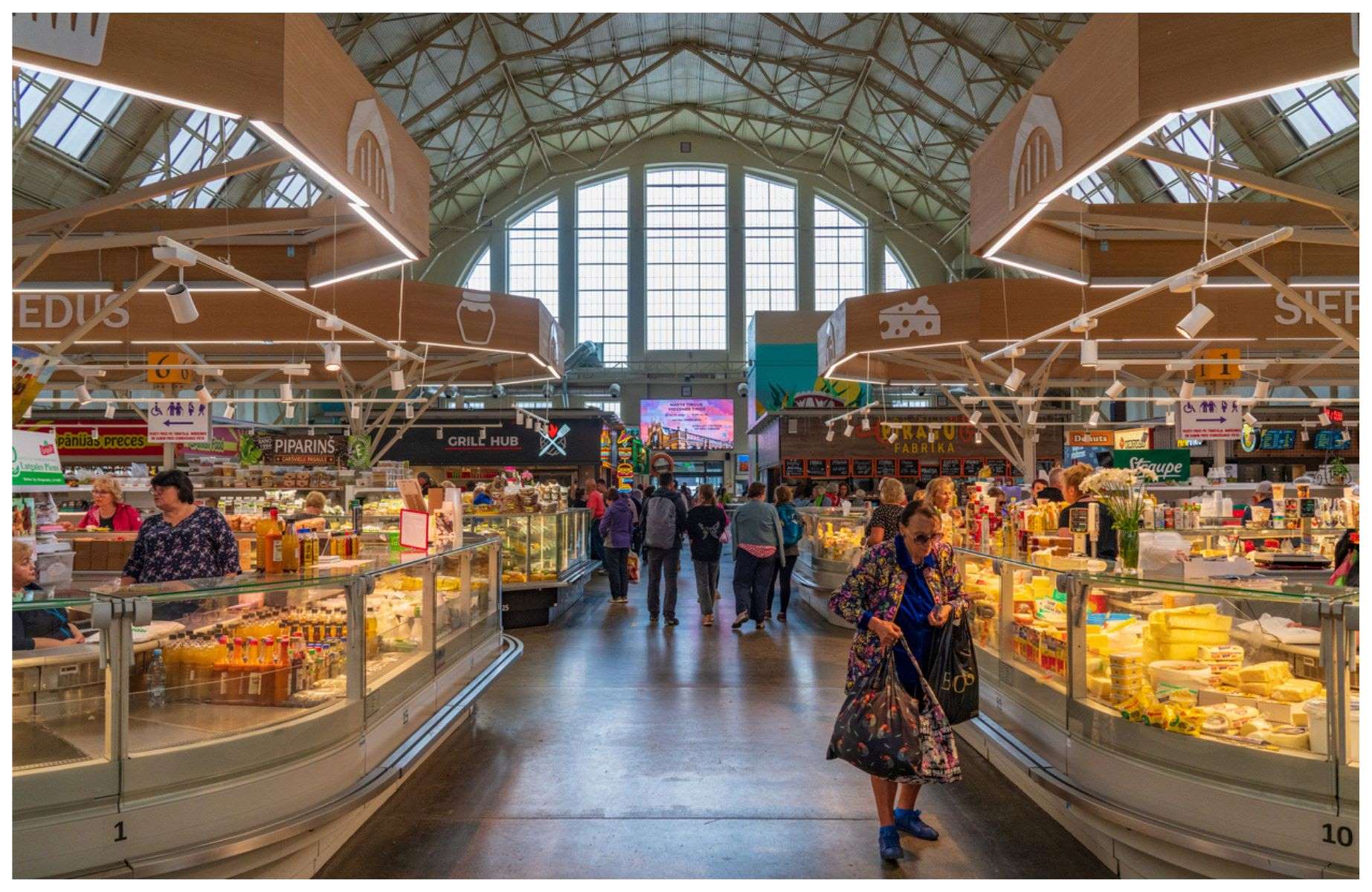
With your belly full, you’ve got two great options: head back to your hotel to relax, or keep the adventure going with a bit of shopping. Start with Lotte’s Papery, a cosy workshop with illustrated postcards, handmade candles and leatherbound notebooks, souvenirs that fit snugly into a carry-on. Continue on just across the railroad tracks toward Riga Central Market, one of Europe’s largest and most distinct.
Five enormous shopping halls are housed inside former airship hangars, with an array of vendors selling everything from caviar to local honey, smoked meats to handmade wooden crafts. It’s a colourful experience: bright red berries, purple cauliflower and huge slices of pink salmon everywhere you turn. The flower market is particularly special, bursting with fragrant Latvian garden flowers like peonies, daffodils, daisies and lilacs.
Evening
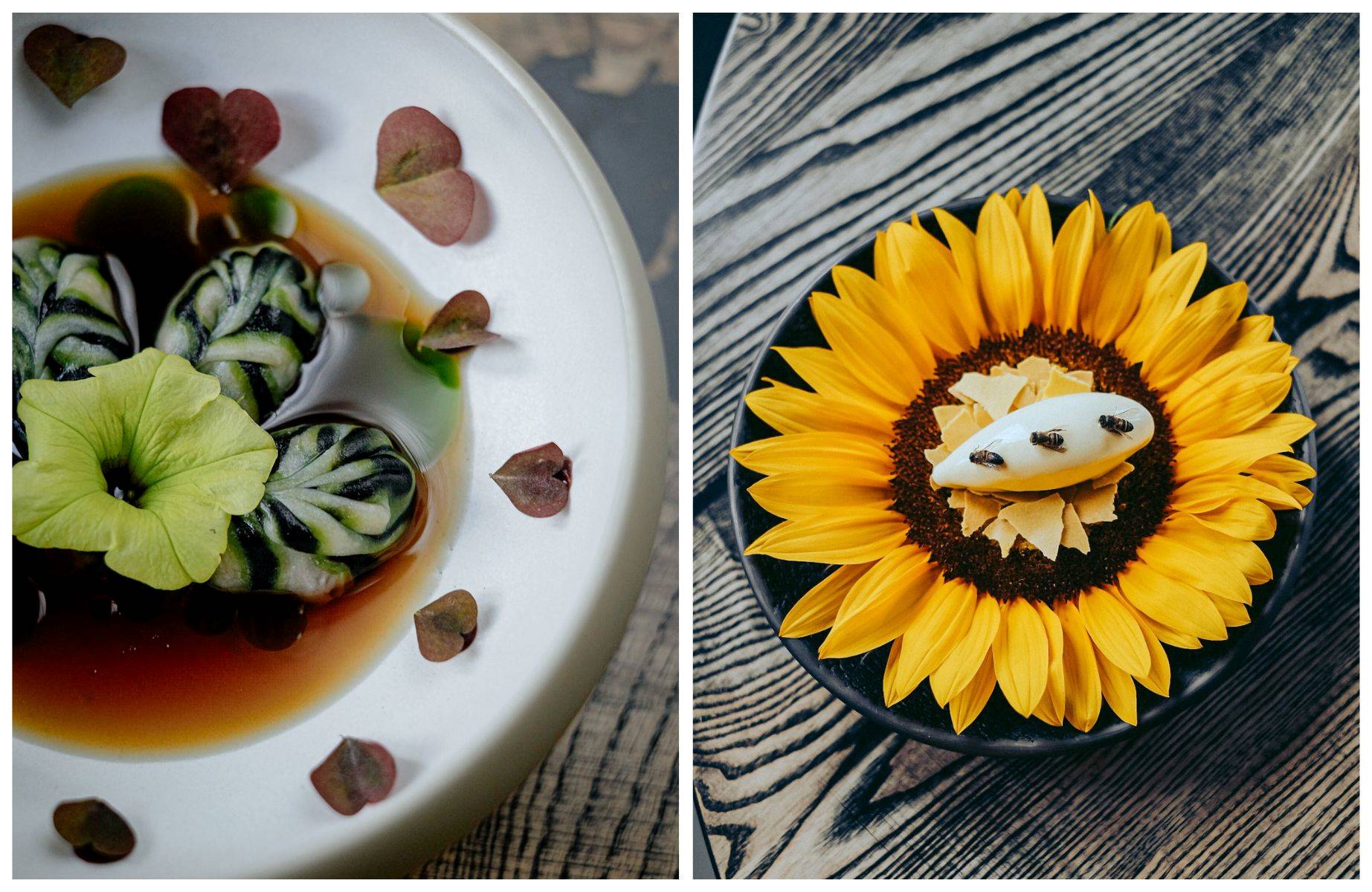
Tonight, cross the Daugava River to dine at One-MICHELIN-Starred Max Cekot Kitchen, set in a red-brick former warehouse on the city's border. Chef Cekot designed the space from scratch – furniture to crockery – preserving the building's historic spiral staircase while adding live plants and an open kitchen. The experience begins on the ground floor with curated cocktails and amuse bouches before ascending for a 15-course seasonal tasting menu.
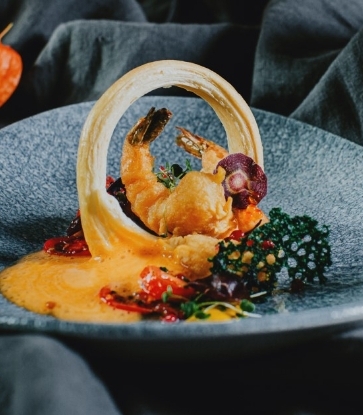
Dishes feature unexpected ingredients from the restaurant's own garden, like petunia, alongside the likes of langoustine with pumpkin. Sweet, savoury and acidic flavours artfully complement one another, and plates are presented as works of art – some courses are even served on sunflowers. Reserve a seat in front of the open kitchen to watch the intricate plating from start to finish.
Day 2: Art Nouveau Splendour and a Night at the Opera House
Morning
Start with a house-roasted coffee at the locally loved Rocket Bean Roastery, a café set inside a converted old sock factory on Miera street. Next, it’s off to The Latvian Museum of Art for an unforgettable morning of yoga practice on the third floor’s historic vestibule, marked by elaborate crown moulding on high ceilings and sunlight pouring in through oversized windows. The class is conducted in Latvian and English and includes museum entry, so after savasana you can peruse Latvia’s greatest masterpieces.
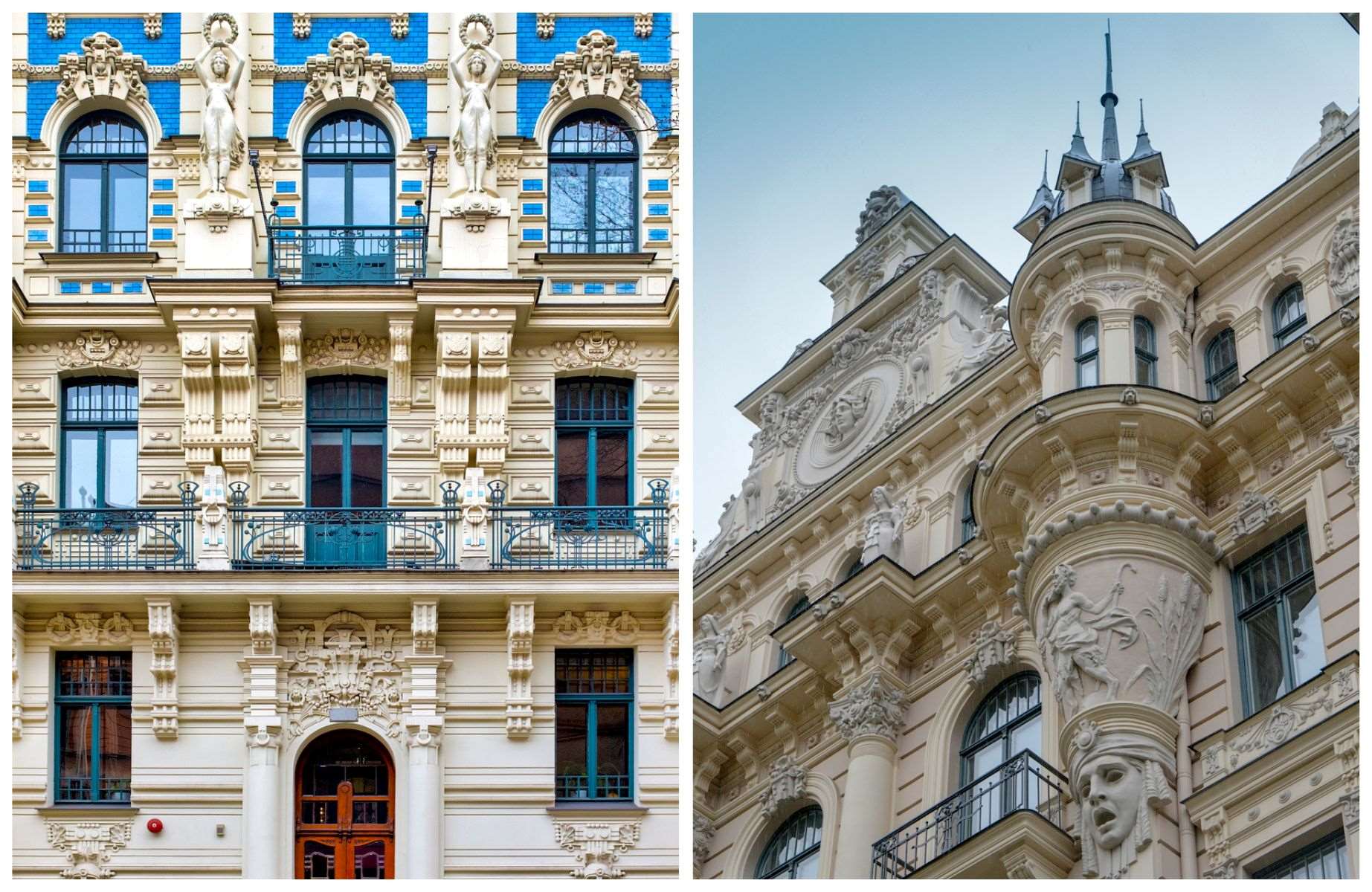
Following a morning in the museum, reemerge outdoors for a stroll down Elizabeth Street. Here you’ll find Riga’s high-end shops and stylish cafes, plus clusters of ornate Art Nouveau buildings known as Jūgendstila. Don’t miss Alberta Street, where almost every building is a masterpiece built between 1901–1908 by Latvian architect Mikhail Eisenstein.
Lunch
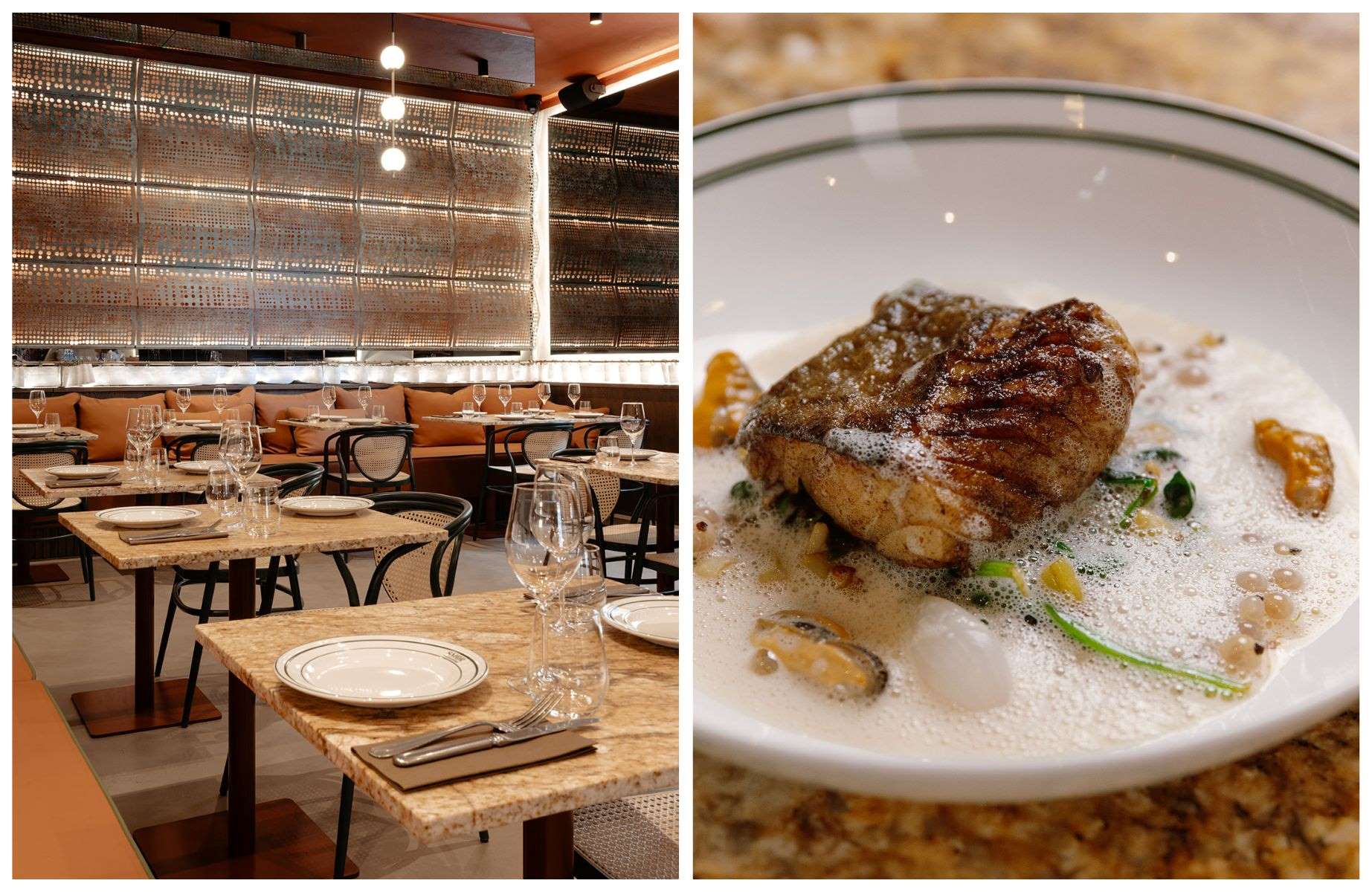
Two blocks from Alberta Street’s eastern end is Bib Gourmand SMØR Bistro, winner of The MICHELIN Guide’s 2026 Opening of the Year Award. The chic brasserie is true to its name – SMØR is Danish for butter – and both smørrebrød sandwiches and buttery turbot with capers grace the midday menu. A cosy Scandinavian atmosphere is defined by clean lines and soft light, and shared plates encourage family-style dining.
Afternoon
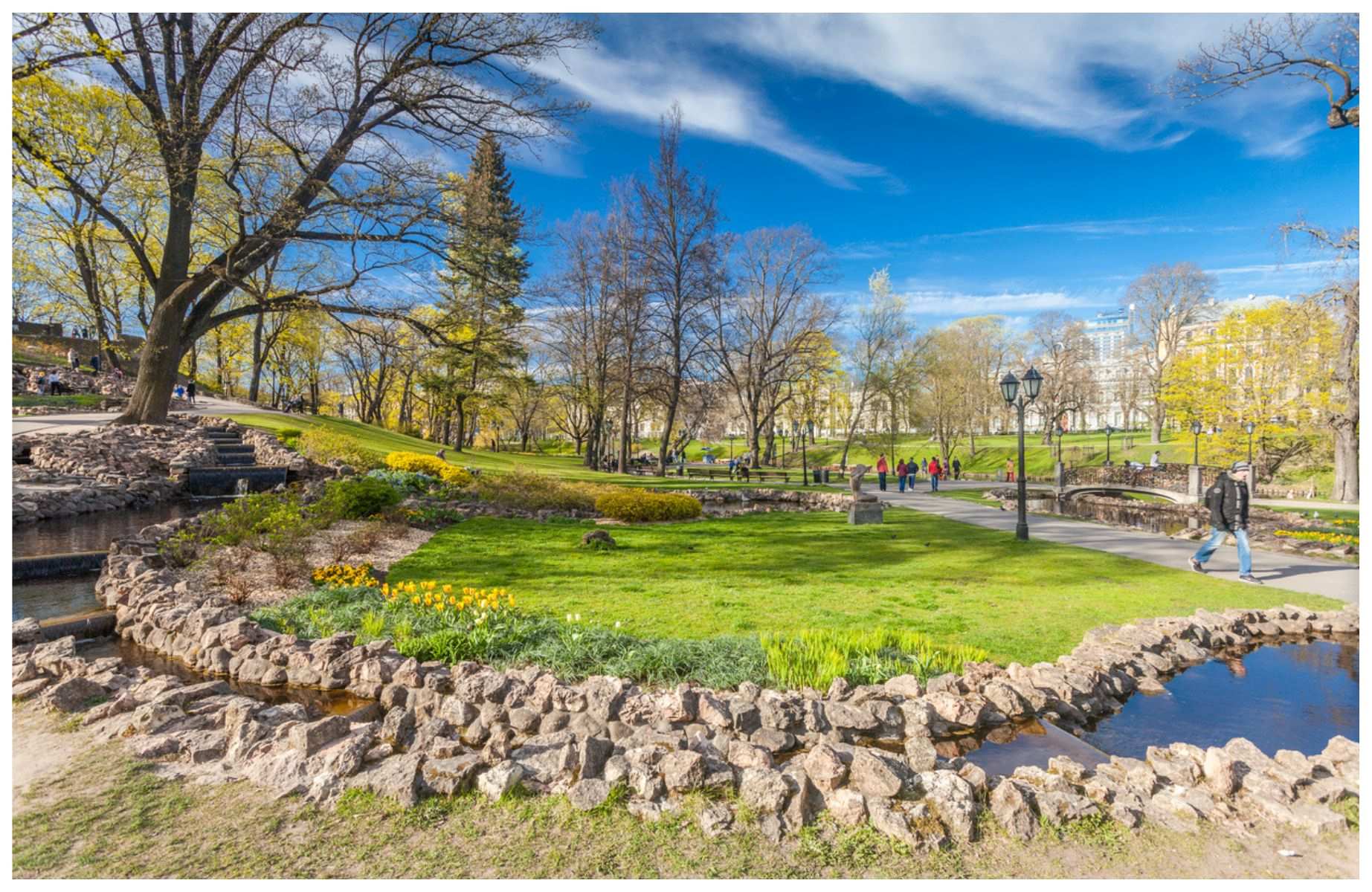
Walk off a filling lunch in Kronvalda Park, pausing for a spin through the Nativity of Christ Orthodox Cathedral. The Neo‑Byzantine showstopper boasts shimmering gilded domes that peek out from the treetops, and the interior is covered in vibrant frescoes. Next, board a small riverboat on the Riga City Canal, sailing to Bastejkalna Park, lined with stone bridges, linden trees and wildflowers.
Evening
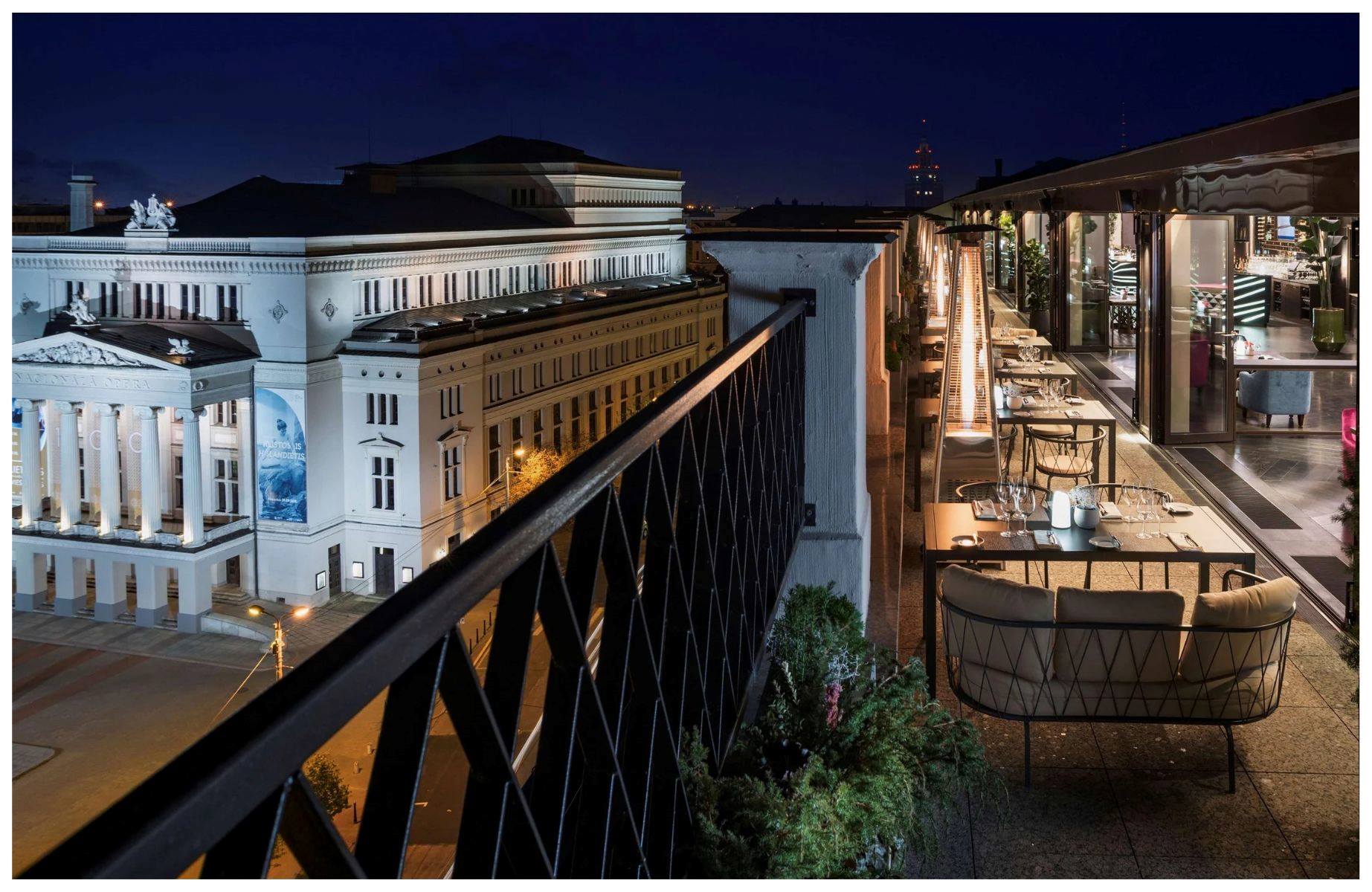
There’s no better plan for your final evening in Riga than a night at the Latvian National Opera House. Check the schedule – National Ballet, choir and orchestra offer regular performances here – or have your concierge secure a ticket. Don your fanciest attire, first stopping for a pre-show cocktail at the The Grand Hotel Kempinski Riga (the first hotel in the capital to introduce a telephone), which sits conveniently across the street from the venue. Choose a crafted cocktail at the buzzy rooftop terrace or the more low-key but very refined lobby bar. If you prefer to eat before the show, there's Stage22, also located on the rooftop and the perfect spot to enjoy a wide-ranging Asian menu.
Dinner
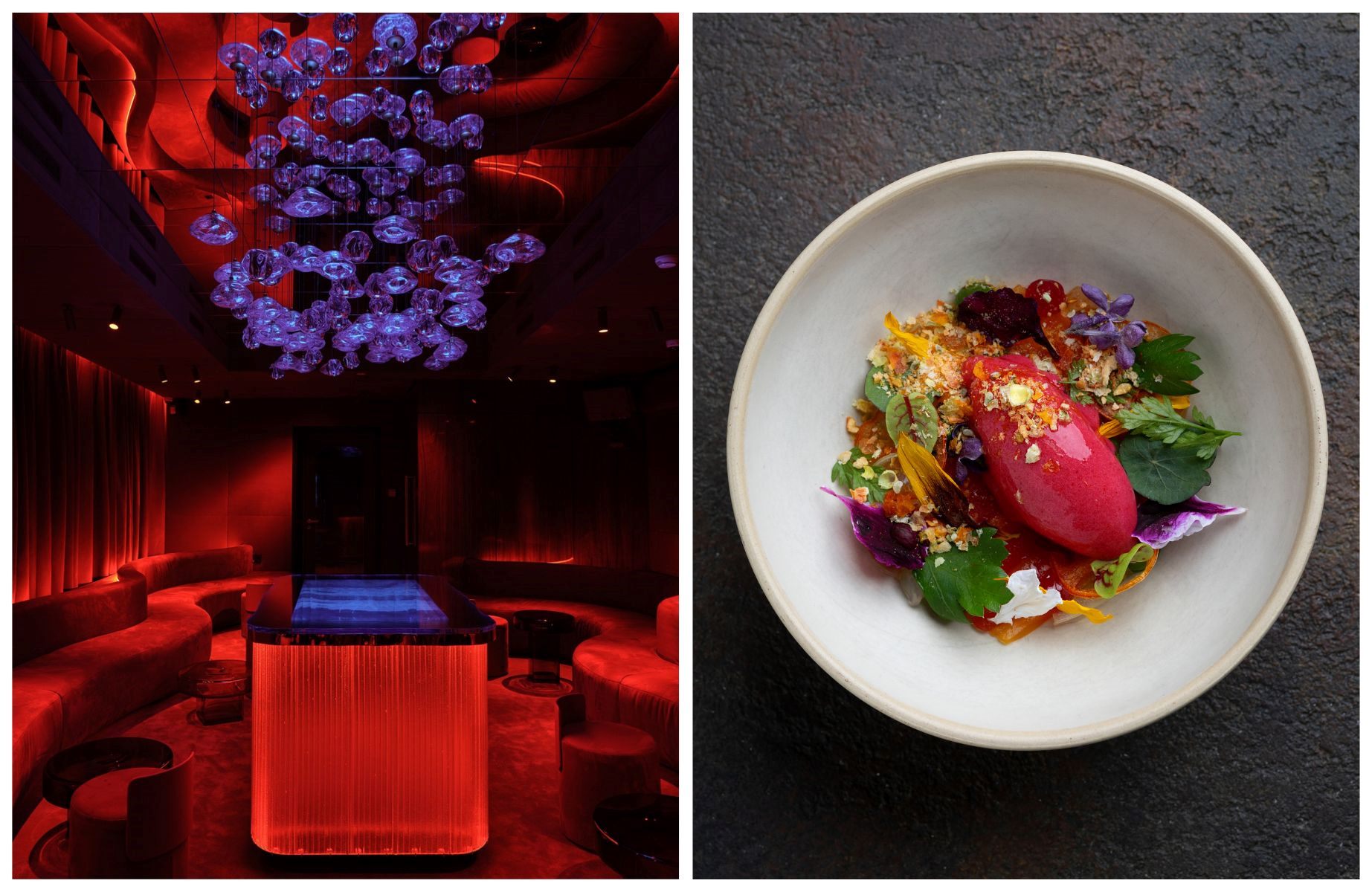
Those dining post-opera should make their way to the other side of the city to JOHN’s Chef Hall (set within the A22 Hotel), to enjoy a MICHELIN-Starred tasting menu. The intimate space is warm and slightly retro – with dimmed lighting, clean lines and a mid‑century flair – comprising only six tables and an open kitchen. Chef Kristaps Sīlis is known to visit each table, passionately explaining the idea behind select plates of his famed tasting menu, which is built around Latvian ingredients. Expect familiar dishes of sturgeon, venison and duck complemented by surprising, seasonal flavours like rhubarb, wild herbs or berries. A thoughtful wine pairing option is an added plus.
As you bid farewell to Riga, the city's Art Nouveau streetscapes, vibrant markets and inventive dining scene will already be pulling you back. Whether it's the unexpected flavours at a One-Star kitchen or an unforgettable evening at the National Opera House, this Baltic gem has a way of turning a 48-hour visit into the beginning of a much longer love affair.

Hero Image: St. Peter's Church and The House of the Black Heads, situated in the heart of Riga's Old Town next to the Town Hall Square. © graf/iStock