28 April 2026

Share


Over the past decade, Korean cuisine has undergone a remarkable transformation. “In the last 10 years, Korean food transitioned from being something primarily for Korean people to a cuisine enjoyed around the world,” says Chef Corey Lee of Three-MICHELIN-Starred Benu in San Francisco.
He adds that what makes Korean cuisine particularly distinctive is how “even everyday food is deeply rooted in tradition, craftsmanship and a kind of slow, thoughtful approach to cooking.”
Once largely framed as an “ethnic” cuisine in the global context, Korean food has steadily emerged as a recognizable and respected culinary language — one that moves fluidly between tradition and innovation, home cooking and fine dining, local roots and international expression.
This shift has been driven not by a single movement but by the collective efforts of chefs, producers, artisans and a wider cultural ecosystem. Korean chefs, both at home and abroad, have played a central role in this evolution — reinterpreting tradition, embracing new environments and expanding the possibilities of what Korean cuisine can be.
As the MICHELIN Guide marks its 10th anniversary in South Korea, we speak to eight Korean chefs around the world — from Seoul to New York, London to Singapore — to reflect on the past, present and future of Korean cuisine. Their perspectives offer a nuanced portrait of a cuisine still in motion: one that continues to grow, adapt and define itself on its own terms.
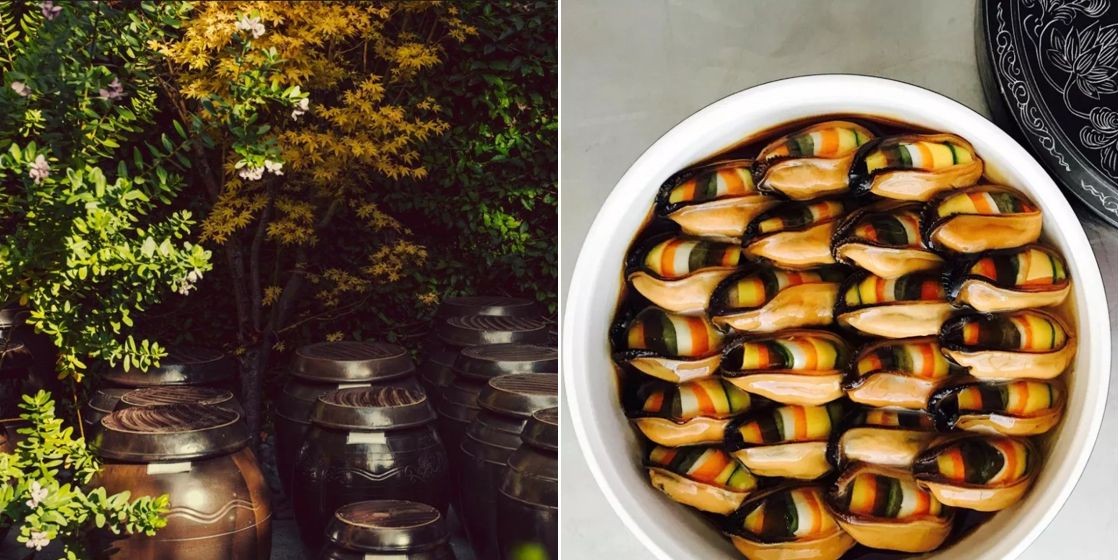
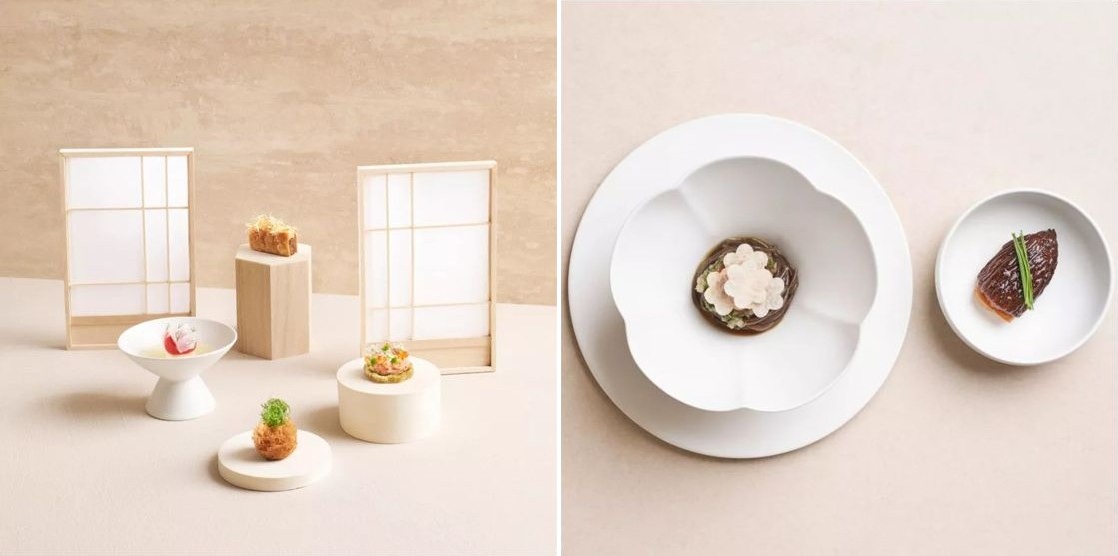
Past: From the Margins to the Global Stage
When asked to reflect on the past decade, chefs consistently point to one defining shift: the global recognition of Korean cuisine.
Chef Louis Han of Nae:um, a One-MICHELIN-Star restaurant in Singapore that explores contemporary Korean cuisine through a seasonal lens, says, “Ten years ago, Korean cuisine felt unfamiliar to many people, but today it’s something people approach with much more openness and understanding.”
What was once largely perceived as a niche cuisine has become increasingly familiar — and sought after — by diners around the world. Chef Sun Kim of Meta (Two Stars), known for its cross-cultural, contemporary interpretation of Korean cuisine in Singapore, observes that more people today “not only understand Korean food, but are also curious about the culture behind it,” with a growing desire to experience it firsthand.
For Chef Seung Hun Park of Hansik Goo (One Star), a Hong Kong restaurant run by Chef Kang Mingoo that reinterprets Korean cuisine through a modern lens, this shift is reflected in the growing number of Korean restaurants abroad.
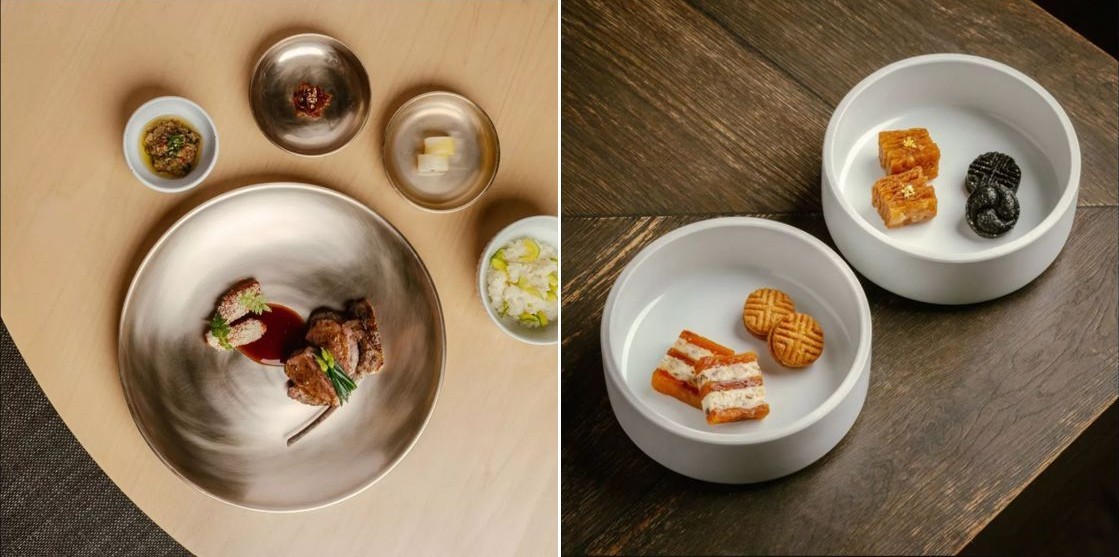
“Now there are significantly more, and local diners seek them out quite naturally,” he says. In his view, Korean cuisine has “come to be recognized as an equal part of the global fine-dining landscape,” moving closer to the center of international conversation.
This growing familiarity has also reshaped how Korean chefs express themselves abroad. At Sollip (One Star), one of the standout restaurants near London's Borough Market selected by MICHELIN Inspectors, Chef Woongchul Park reflects on a shift in perception, noting that Korean flavors today “no longer require explanation.”
Park’s wife, Pastry Chef Bomee Ki, adds that “they are understood and embraced on their own terms,” a change that has allowed chefs to express their identity with greater clarity and confidence, regardless of the culinary framework they work within.
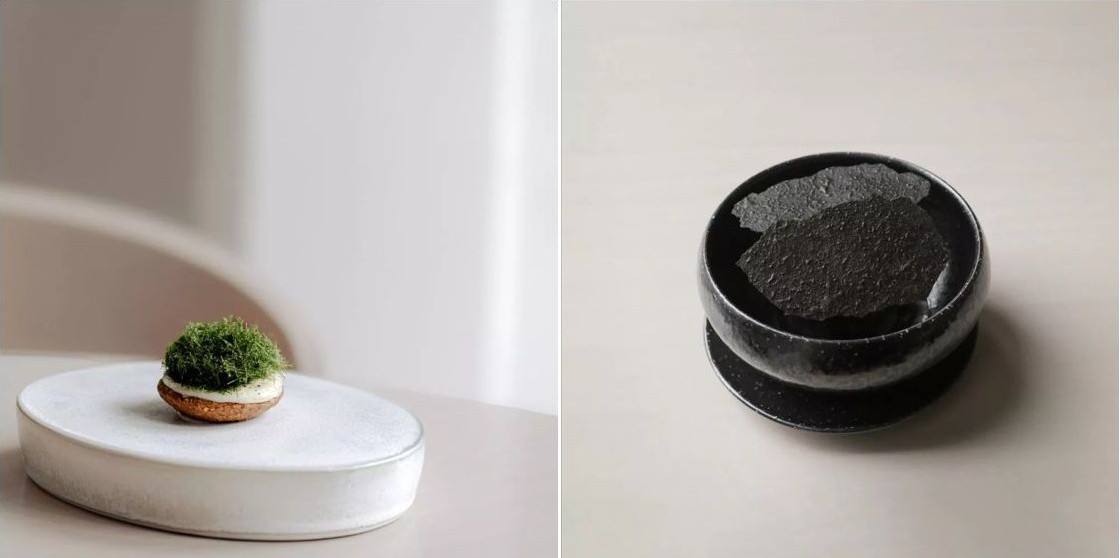
At the same time, chefs point to a deeper force behind this rise. Chef Yim Jungsik of Jungsik New York (Three Stars) and Jungsik Seoul (Two Stars), widely regarded as a pioneer of modern Korean fine dining, describes the past decade as one defined by creativity.
“Food doesn’t move on its own — it’s shaped by people,” he says, noting that Korean chefs, working within a demanding dining environment, have had to continuously innovate to survive and evolve.
Taken together, these reflections suggest that the past 10 years have marked not just a rise in visibility, but a fundamental shift in perception — from unfamiliar to intuitive, from niche to globally recognized.
Read more: Inspectors Reveal All on the First Three MICHELIN Star Korean Restaurant in the United States
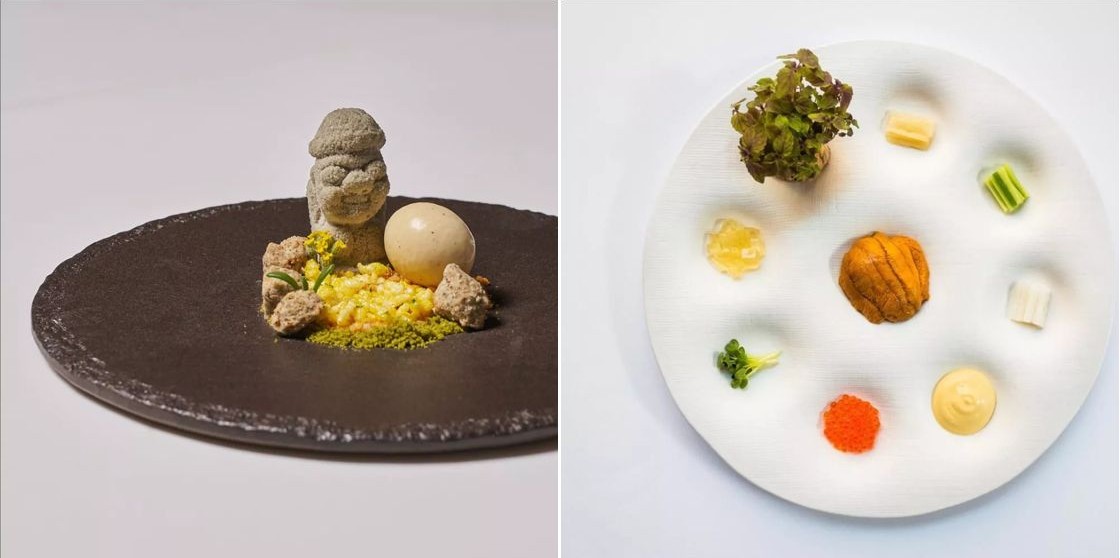
Present: Collective Pride in People, Ingredients and Culture
If the past decade was defined by growing global recognition, the present moment is marked by a deep sense of pride.
For many chefs, that pride begins with the quality and diversity of Korean produce. Chef Sun Kim of Meta (Two MICHELIN Stars, Singapore) points to the depth of Korea’s ingredient landscape, noting that “there are so many outstanding ingredients, and they are becoming more widely known.” He now incorporates Korean Hanwoo beef into his menu, following its recent introduction to Singapore.
Learn more: Why Hanwoo Is Captivating Singapore’s Top Kitchens
Chef Son Jong-won of L’Amant Secret and Eatanic Garden in Seoul (both One Star) similarly emphasizes the abundance of high-quality produce — a sentiment that underscores a shared sense of pride.
Beyond ingredients, many chefs point to the people shaping the industry as its greatest strength. Yim (Jungsik New York, Jungsik Seoul) emphasizes that those leading the Korean culinary scene today are not only skilled, but also “individuals of great character.”
As he puts it, “we may call each other colleagues — even brothers — but the people representing Korean cuisine today are something we can truly be proud of.”
This sense of pride extends beyond chefs to a wider network of contributors. Chef Kang Mingoo of Mingles, a Seoul restaurant known for its contemporary interpretation of Korean cuisine and Korea’s only Three-Star kitchen, stresses that the progress of Korean cuisine has been a collective effort. “It hasn’t been driven by chefs alone,” he notes. “Producers, traditional liquor makers and many others across the industry have all contributed to its growth and evolution.”
For others, the present moment is defined by a deeper cultural awareness. Ki (Sollip, London) says there is now “a sincere effort — not only from chefs, but from people across many fields — to preserve and carry forward our cultural heritage,” creating what she describes as a “healthy and meaningful momentum” within the culinary scene.
Taken together, these reflections suggest that the present of Korean cuisine is not defined by a single trend, but a shared sense of responsibility and pride — in the ingredients, people and culture that continue to shape it.
Related: Video - Same Roots, Different Shoots
Future: Rooted in Tradition, Open to Possibility
Looking ahead, chefs speak less about a single direction and more about a balance — between preserving tradition and embracing new possibilities.
Kang (Mingles, Seoul) notes that “harmonizing tradition and modernity” based on “a deep understanding of our roots and a genuine respect for tradition” is essential to the future of Korean cuisine.
Son (L‘Amant Secret, Eatanic Garden, Seoul) also believes that “the most important thing is the continued study of tradition,” noting that while globalization and modernization are inevitable, “preserving our roots must come first.”
Read more: Mingles, Where Korean Cuisine is Aged to Perfection
For Seung Hun Park (Hansik Goo, Hong Kong), the future of Korean cuisine can be distilled into one word: “openness.” While maintaining the fundamental structure of Korean flavors, he hopes it becomes “a cuisine that is accessible and open to everyone,” where ingredients such as doenjang, ganjang and gochujang can be used freely and intuitively across cultures.
For Han (Nae:um, Singapore), this process is more organic. He likens Korean cuisine to “a tree brought from Korea, planted in new soil,” one that adapts to its environment and “grows slowly but deeply, eventually bearing fruit.”
Woongchul Park (Sollip, London) reflects on a more human element: jeong — a distinctly Korean sense of warmth and emotional connection that builds over time. As he describes it, it is present in the way people gather around food, sharing not only joy but also everyday moments of life together. Lee (Benu, San Francisco) also emphasizes that Korean cuisine’s strength lies in its ability to remain deeply rooted in everyday culture even as it evolves globally.
There is a shared sense of optimism about what lies ahead. Yim (Jungsik New York, Jungsik Seoul) remains curious about how far its influence will grow in the years to come, while Kim (Meta, Singapore) believes Korean cuisine will continue to expand into “even more diverse genres.”
Taken together, these perspectives suggest that the future of Korean cuisine will not be defined by a single identity, but by its ability to remain rooted while continuing to evolve — open, adaptive and distinctly its own.
Explore more: A MICHELIN-Starred Chef’s No-Fail Korean Barbecue Guide
The accompanying video was produced by Mikka Wee in Singapore, who also conducted interviews with chefs outside South Korea.

 4 min.