25 March 2026
Share


Sun Kim, chef-owner of Two-MICHELIN-Starred Meta still remembers the first time he tasted Hanwoo, the prized Korean beef long associated with celebration and still rarely exported beyond the peninsula.
It was a milestone moment. “I tried my very first Hanwoo when I graduated from junior high school,” he says. “My father brought me to a Hanwoo barbecue restaurant, and we had galbi (rib). I still remember the first bite.”
That memory is now a reality in Singapore. After years of regulatory approvals in Singapore and South Korea, the premium beef became available in late 2025, making its debut on local menus. Much of the Hanwoo now reaching Singapore comes from Jeju Island, where clean air, volcanic soil and mineral-rich groundwater contribute to livestock quality. Supply remains tightly controlled, with most Hanwoo still consumed domestically.
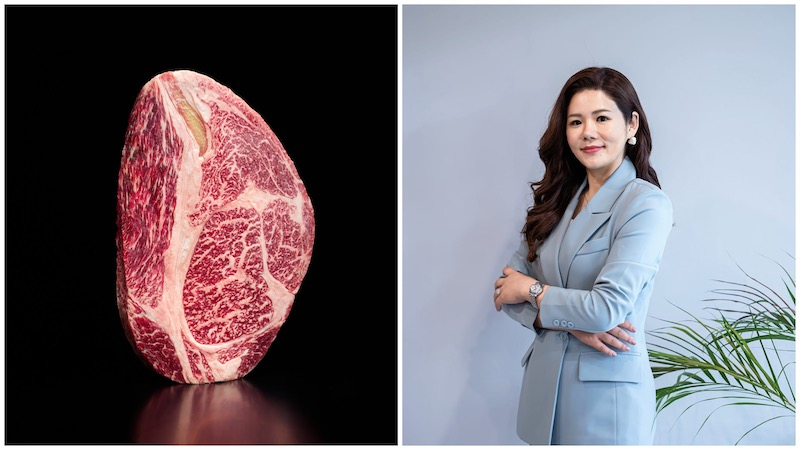
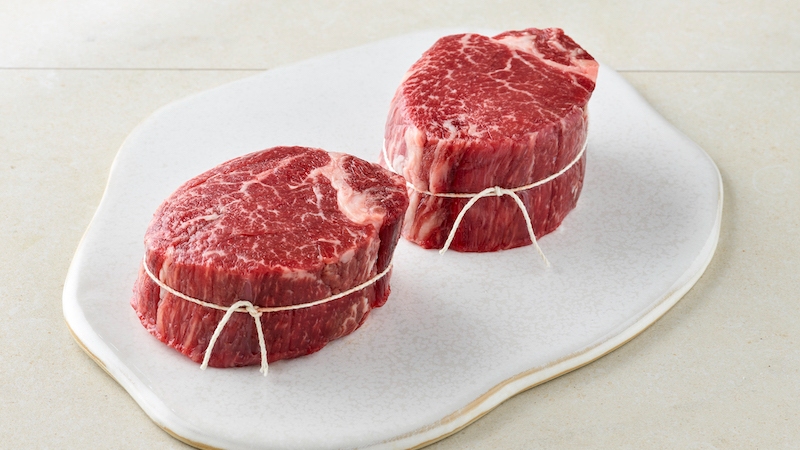
“Hanwoo is known for its exceptionally fine marbling, deep umami flavor and delicate, almost silky texture,” says Olivia Lee, founder of SoGoodK, which imports produce from South Korea. “Production in Korea is carefully managed, and the overall number of cattle raised each year is modest compared with global beef industries.”
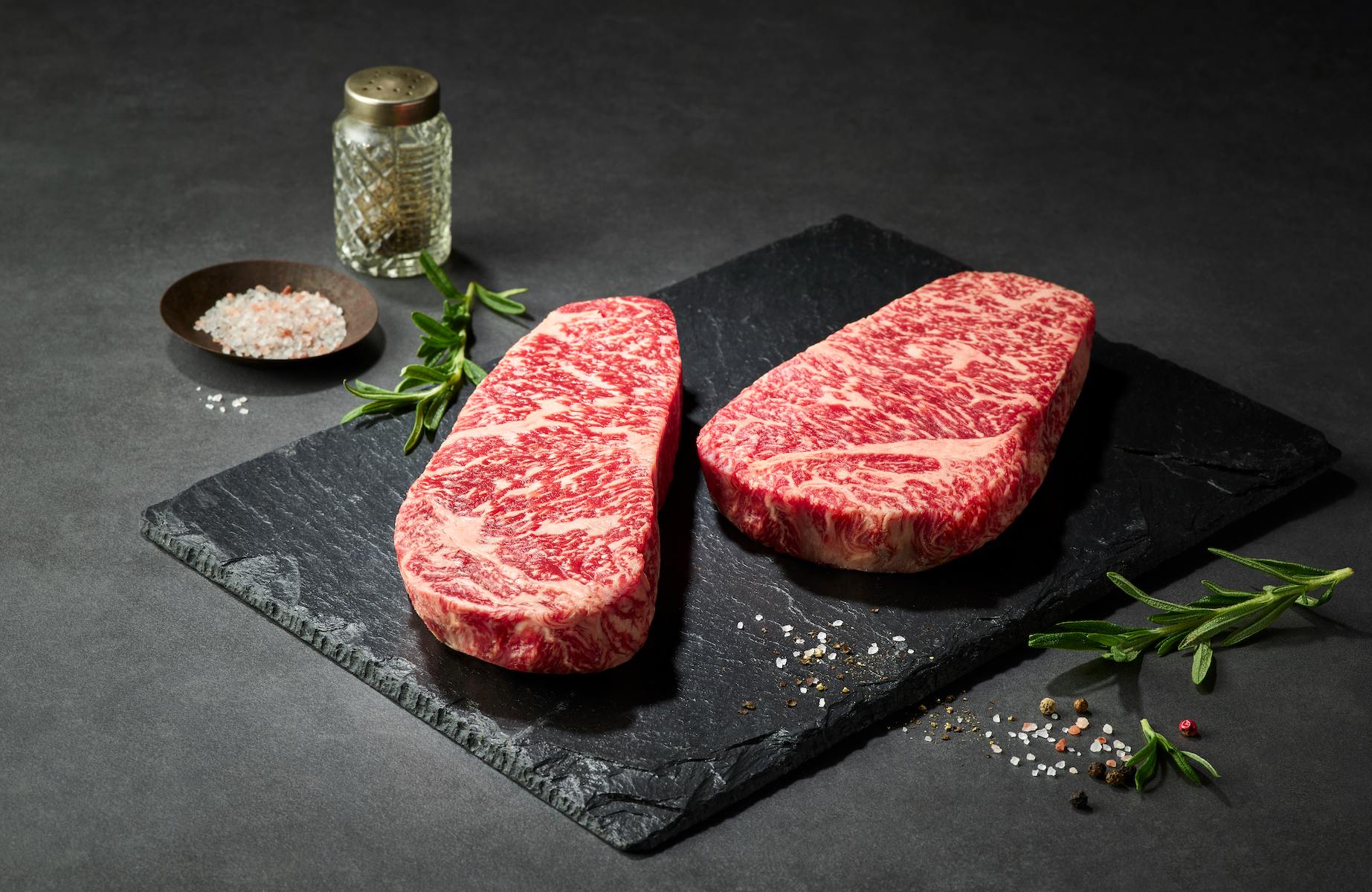
Hanwoo's arrival in Singapore places it in a dining landscape long defined by wagyu and inevitably draws comparisons. Yet for chefs, the distinction is not simply a matter of marbling or richness, but of how the beef is raised, served and understood within Korean culture.
From working cattle to prized beef
“One of the most common misconceptions is that Hanwoo is simply another version of wagyu,” Lee says. “In reality, it is a completely different native breed with its own flavor profile and cultural history.”
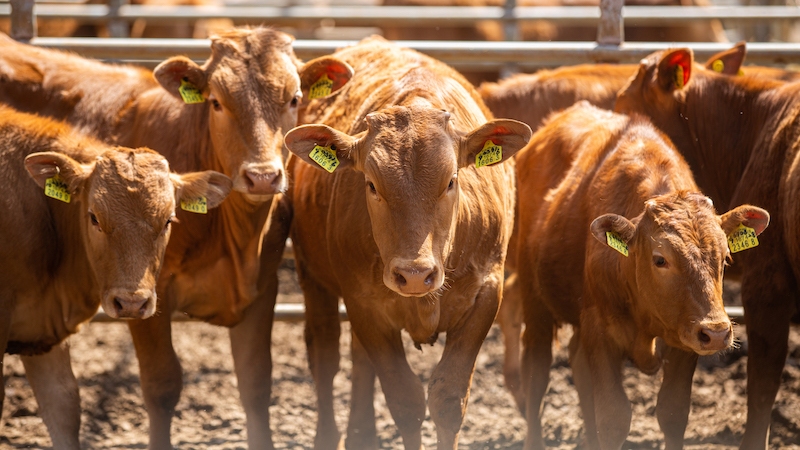
Hanwoo is a native Korean cattle breed with centuries of agricultural use, traditionally valued not for meat but as a working animal used to plow fields and transport goods. As a result, beef was once rare and largely reserved for special occasions.
Over time, breeding programs and improvements in livestock management refined the qualities now associated with the beef — fine marbling, tenderness and depth of flavor. Today, Hanwoo is still largely produced on small family-run farms, where farmers closely monitor each animal’s feed and health, with carefully calibrated diets including grains, rice straw and specialized feed designed to enhance marbling while preserving the beef’s natural flavor.
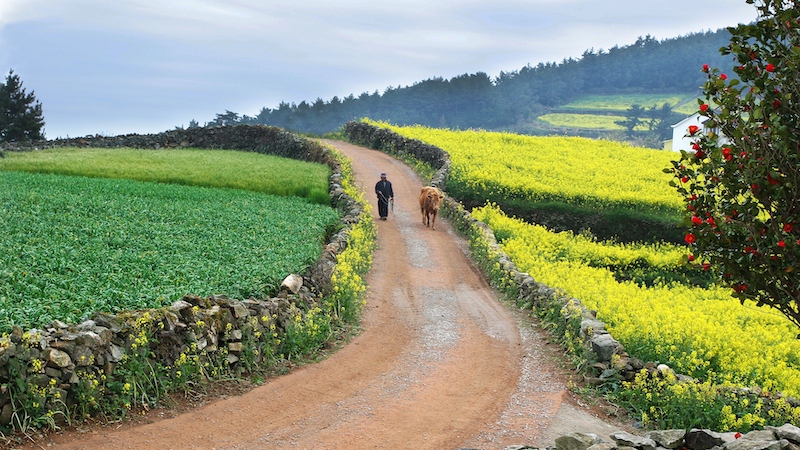
Unlike wagyu cattle, which have been exported and raised in countries such as Australia and the United States, Hanwoo remains exclusively tied to South Korea. That connection to place is part of its identity — and part of what limits its availability.
While it may look similar visually, chefs note that there is a distinct difference in flavor and mouthfeel. Japanese wagyu, Lee explains, is known for extremely intense marbling and a buttery texture, while Hanwoo tends to present a slightly cleaner and more pronounced beef flavor. “You still get richness, but the beef character is very clear,” she says. “Once people taste it and understand its flavor and texture, the differences become immediate.”
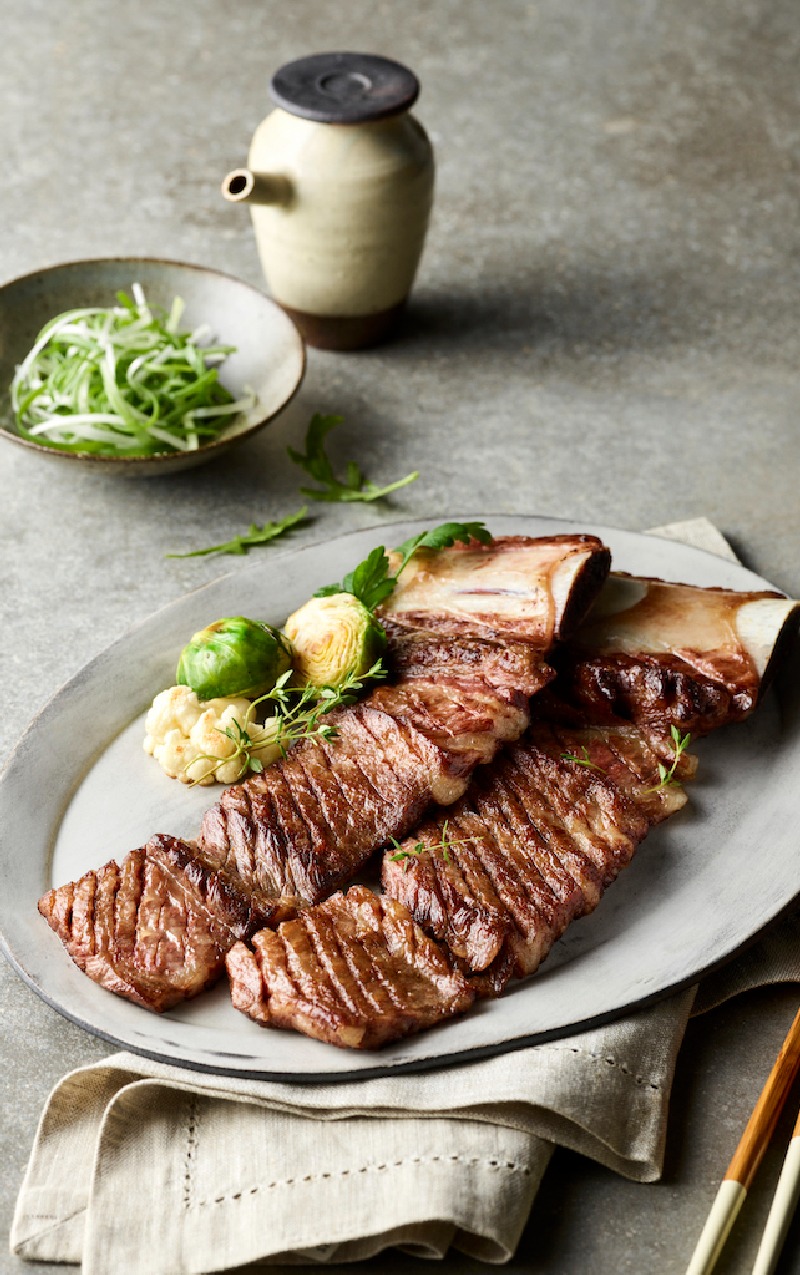
Kim agrees and describes that difference in more sensory terms. “Hanwoo has a very unique beefy flavor,” he says. “There is umami but also a little acidity, and the fat has a good balance with the meat.”
For Louis Han, chef-owner of One-MICHELIN-Starred Nae:um, the distinction also lies in how the beef is traditionally prepared.
“In Korea, we try to use every part of the animal in different ways,” he says. “For example, the intestines can be grilled, while the bones are often used to make soups. In Singapore, Hanwoo is mostly served as a steak or grilled beef for now, which is the most straightforward way for diners to enjoy the quality of the beef.”
© SoGoodK
Grading and character
Part of Hanwoo’s distinctiveness lies in Korea’s grading system, which reflects a national emphasis on both flavor and texture.
Meat is assessed according to marbling, fat color, texture and the cattle’s maturity. The resulting grades range from 1++ at the top tier to 3 at the lower end. For diners, these distinctions translate into differences in richness, mouthfeel and overall balance.
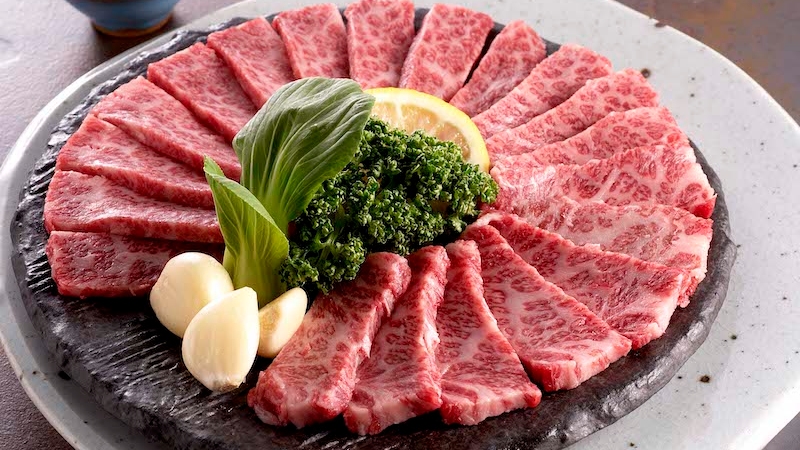
At the highest level, grade 1++ offers extremely fine marbling and a notably soft texture. Lower grades such as 1+ and 1 retain excellent flavor while presenting a firmer bite and a slightly leaner profile.
“For diners, the difference is really about richness and balance,” Lee says. “1++ gives a very silky mouthfeel, while the lower grades can highlight deeper beef flavor.”
This spectrum allows chefs to select cuts and grades depending on how they intend to cook and present the meat. Among them, Han points to one cut in particular. “Kkot deungsim, which is the ribeye,” he says. “It is the most premium cut and a favorite among many diners because of its beautiful marbling and rich flavor.”
How chefs handle Hanwoo
For chefs, that balance changes how the meat can be used. It can stand up to fermented dishes, smoke and seasoning without losing its identity, making it particularly suited to Korean cooking traditions.
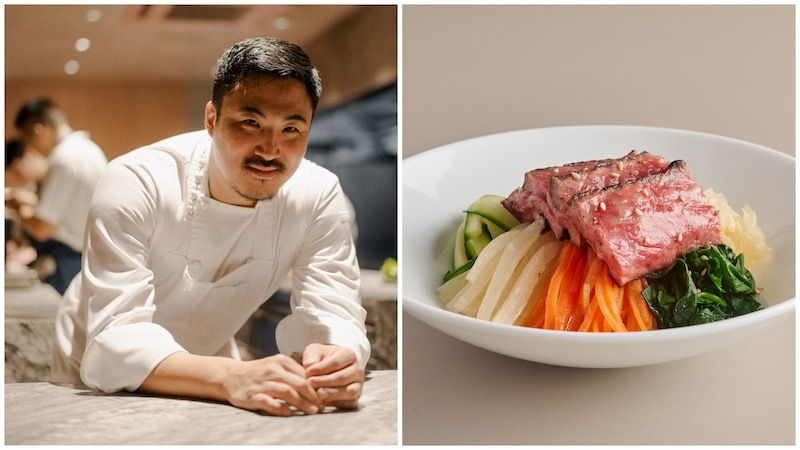
At Meta, Kim revisits that early memory with his father through a charcoal-grilled ribeye served with kimchi, pickles and ssam. The method allows the fat to render gradually while introducing a layer of smokiness. “I really like the aroma when Hanwoo fat touches the charcoal,” he says.
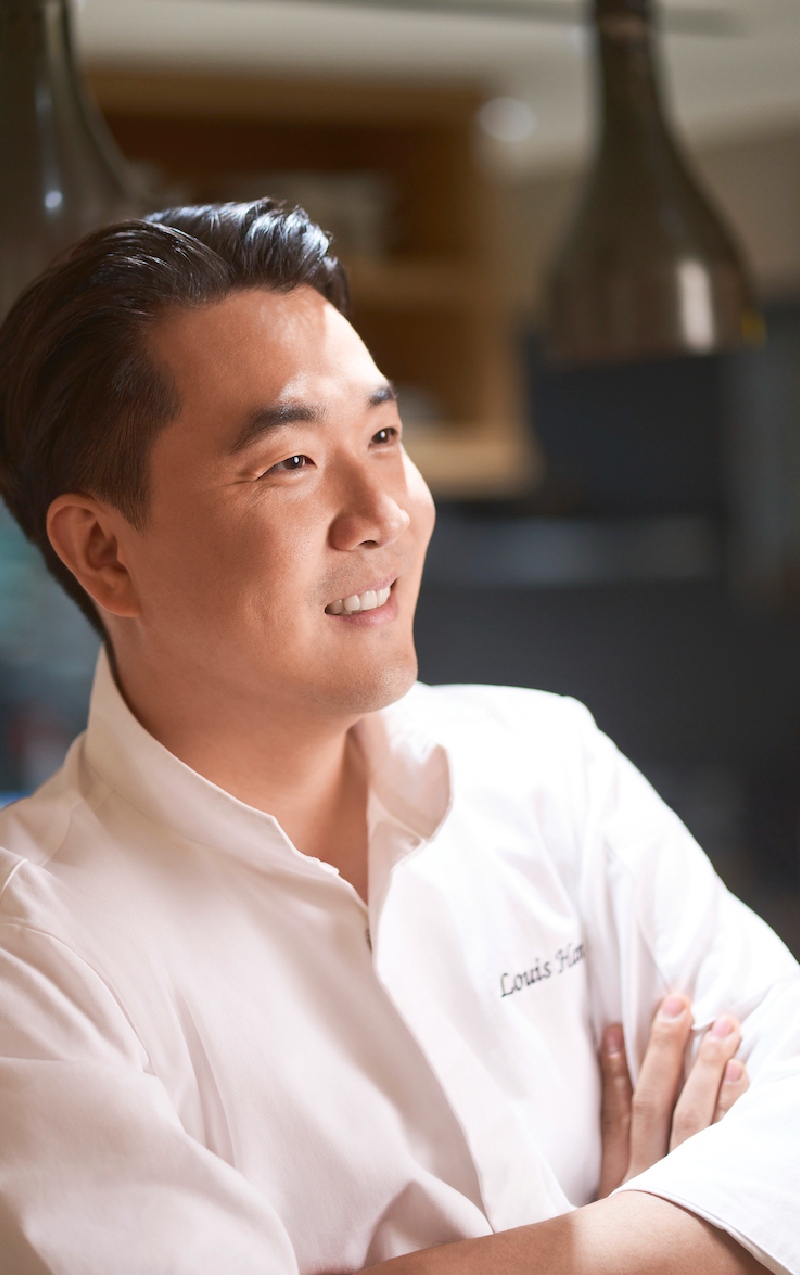
For Han, the ingredient carries a different meaning. “We serve Hanwoo in our last savory course, ‘hansang (table full of food)’,” he says. “For me, it reflects Korean traditions and how we enjoy ingredients in a simple and balanced way.”
His approach is to offer it as an optional addition to his hansang rice course, where a small portion of Jeju Hanwoo is served alongside grilled deodeok (lance asiabell), mushroom gomtang (Korean beef bone broth) and a selection of banchan (side dishes). The composition places the beef within a traditional Korean meal rather than as a standalone centerpiece.
“I hope diners can understand that in Korean culture, meat is something very precious, and it is usually enjoyed with vegetables and rice.”
© Nae:um
A measured arrival
Yet its presence abroad is likely to remain measured. Production is limited and domestic demand in Korea remains strong.
“Hanwoo is a premium product, and the supply is carefully managed,” says Han. “I think its global presence will grow gradually rather than expanding very quickly.”
For Kim, that connection remains personal.
The chef’s use of Hanwoo at his restaurant may be far more exacting than his first memory of the beef with his father. But within that charcoal-grilled ribeye is something more familiar: a memory of a celebratory meal, shared at a table, marking a moment that mattered.
The first bite, after all, is rarely forgotten.
-
Header Image © SoGoodK