29 April 2026

Share


At MICHELIN Selected restaurant Fiz in Singapore's Tanjong Pagar, a plate of delicate greens arrives alongside the meal, arranged with the quiet beauty of a small bouquet. Many of these appear unfamiliar — leaves and shoots few would recognize, much less eat. They are meant to be dipped into sambal belacan or taken between bites of richer dishes, the server explains. Some are mild, others slightly bitter, but their flavors come together when eaten with rice and main dishes on the table.
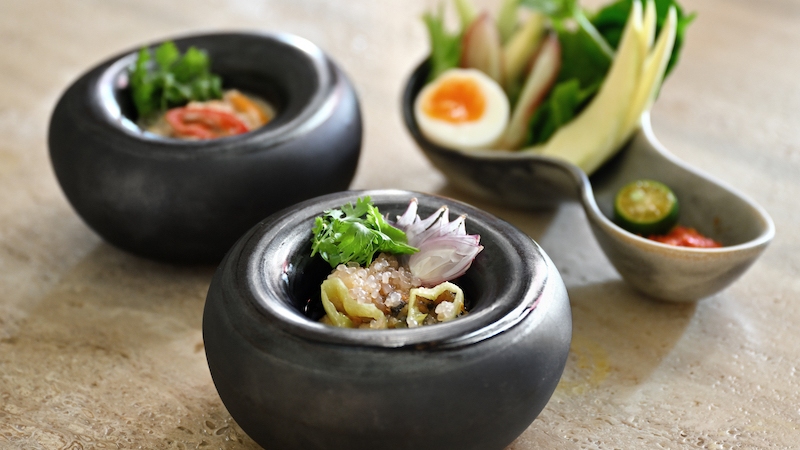
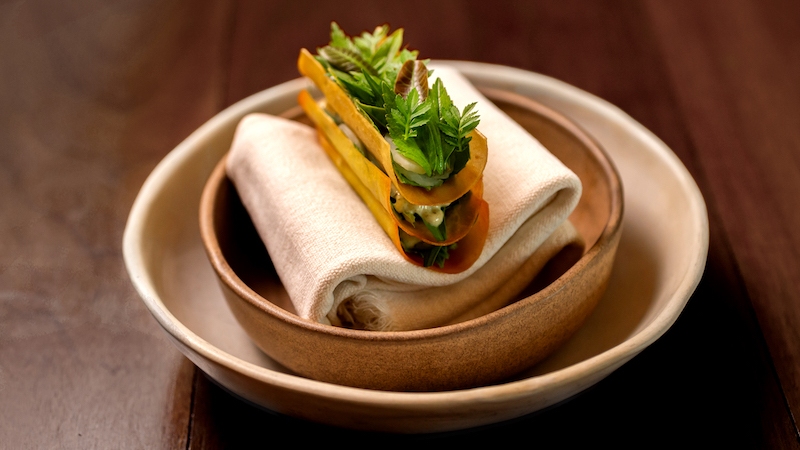
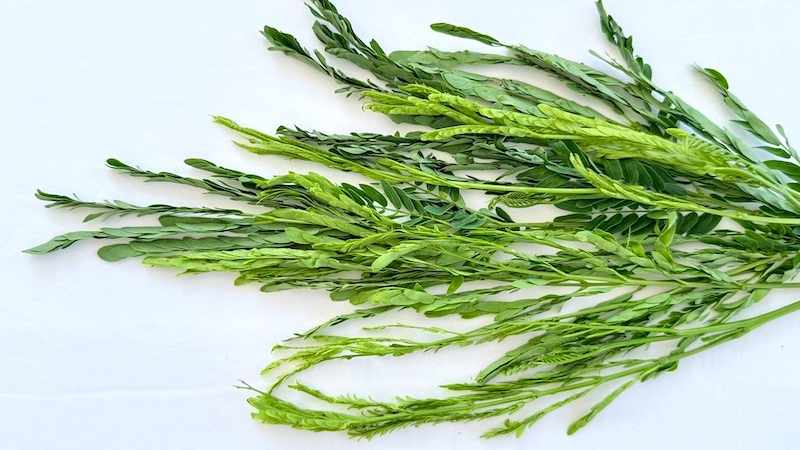
These greens are referred to as ulam, a category of indigenous edibles described by author Khir Johari as “shoots, fruits, herbs and foliage plucked from their plant and eaten raw,” in his award-winning book The Food of Singapore Malays: Gastronomic Travels Through the Archipelago. The category spans hundreds of varieties — an exact number difficult to pin down — from leaves like pucuk paku (fiddlehead ferns) to bunga kunyit, the flower of the turmeric plant, and pucuk gajus, the young shoots of the cashew nut tree.
“Ulam is often reduced to ‘raw vegetables,’ but that definition is far too narrow. We also need to move beyond the idea that ulam begins and ends with nasi ulam,” he adds, referring to a dish of rice mixed with slivered herbs. “That dish has its place, but it is only one expression within a much wider Malay understanding.”
Despite being native to the region, ulam has been disappearing from everyday dining in Singapore, even as the city-state invests in high-tech agriculture to grow its own produce. Much of what is cultivated — kale, arugula, tomatoes — does not originate from its own culinary landscape. Ironically, what grows naturally in Singapore is not what Singapore eats. Meanwhile, ulam, harvested from plants that grow readily in this climate, has to be explained, consciously plated and reintroduced.
What are these greens, why did they disappear and what does it take to bring them back?
The Loss of a Way of Eating
“Ulam has receded from everyday dining in urban life for several intertwined reasons, but one of the most important is ecological loss,” explains Khir.
As Singapore raced towards modernization, the environments where these plants once grew — kampung (village) gardens, mangroves, forest edges, open ground — gave way to concrete structures. What was once picked or grown nearby became harder to find and less visible in daily life.
“When those worlds [environments where plants grew] disappeared due to modernization, so too did many of the plants that fed the ulam tradition. What receded was not just an ingredient category but an entire structure of knowledge.”
That loss is not only cultural, but practical. Bringing ulam back onto the table today means rebuilding supply chains that no longer exist. At Fiz, Chef Hafizzul Hashim works with a small network of growers and suppliers from the region to source these ingredients, many of which are not cultivated at scale.
That unpredictability dictates how ulam appears on the menu. Some are served in their original form, alongside sambal belacan, allowing diners to experience them as they are. Others are cleverly folded into dishes — added to rendang, stirred into gravies or used as herbal accents — where their flavors can be introduced more gradually.
Ingredients That Need Special Handling
Working with ulam means working with harvest, transport and storage processes that may not account for its fragility. Unlike commercial vegetables, many of these leaves and shoots wilt quickly once harvested and do not hold well in storage. Their structure is softer, their moisture content higher and they are often consumed raw with little processing.
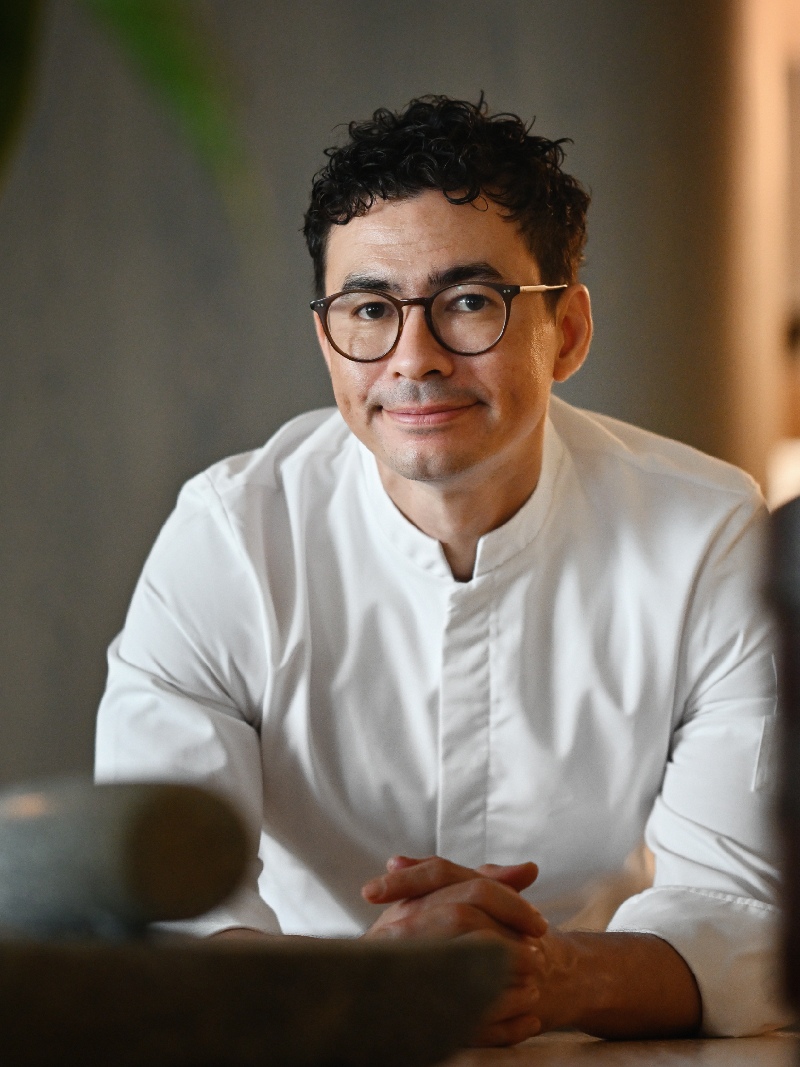
“A lot of these herbs are very delicate,” says Hafizzul. “Even if they survive the transportation journey, their condition can still change by the time they reach us.”
Leaves may develop dark spots, soften, or bruise easily, sometimes from being packed too closely to ice or moisture. What arrives is often inconsistent, rarely uniform.
“Freshness is very important,” Hafizzul adds. “We cannot hide the condition of the ingredient.” Each delivery has to be checked and sorted, with only the best leaves making it to the plate.
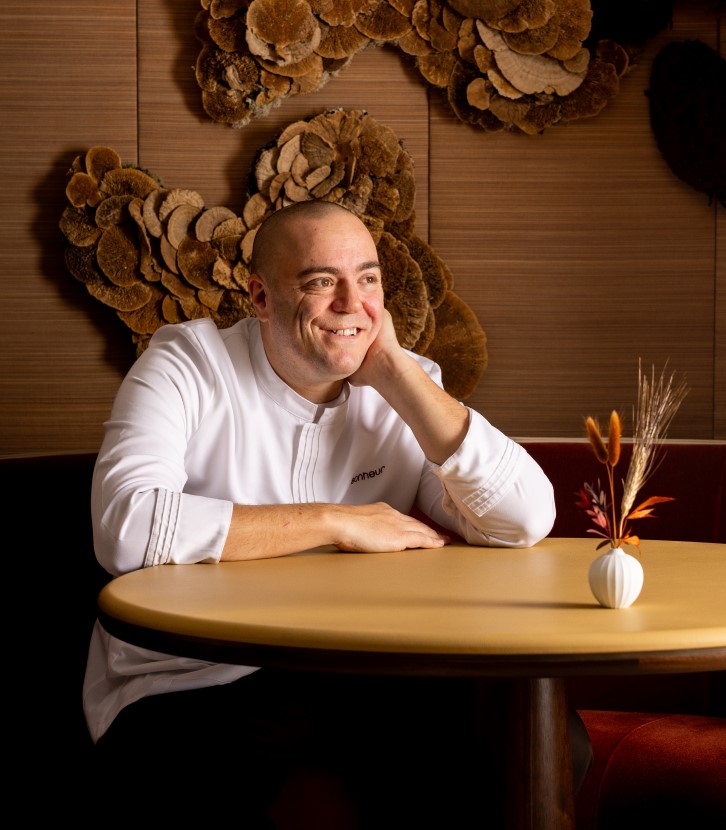
Hafizzul Hashim © Carli Teteris/Fiz
To manage this, the restaurant works closely with suppliers and sources in small, frequent batches. “We try to source regularly, often on a daily basis, so the herbs spend less time in storage,” he says. Menus remain flexible: If something does not arrive in good condition, it is simply not served.
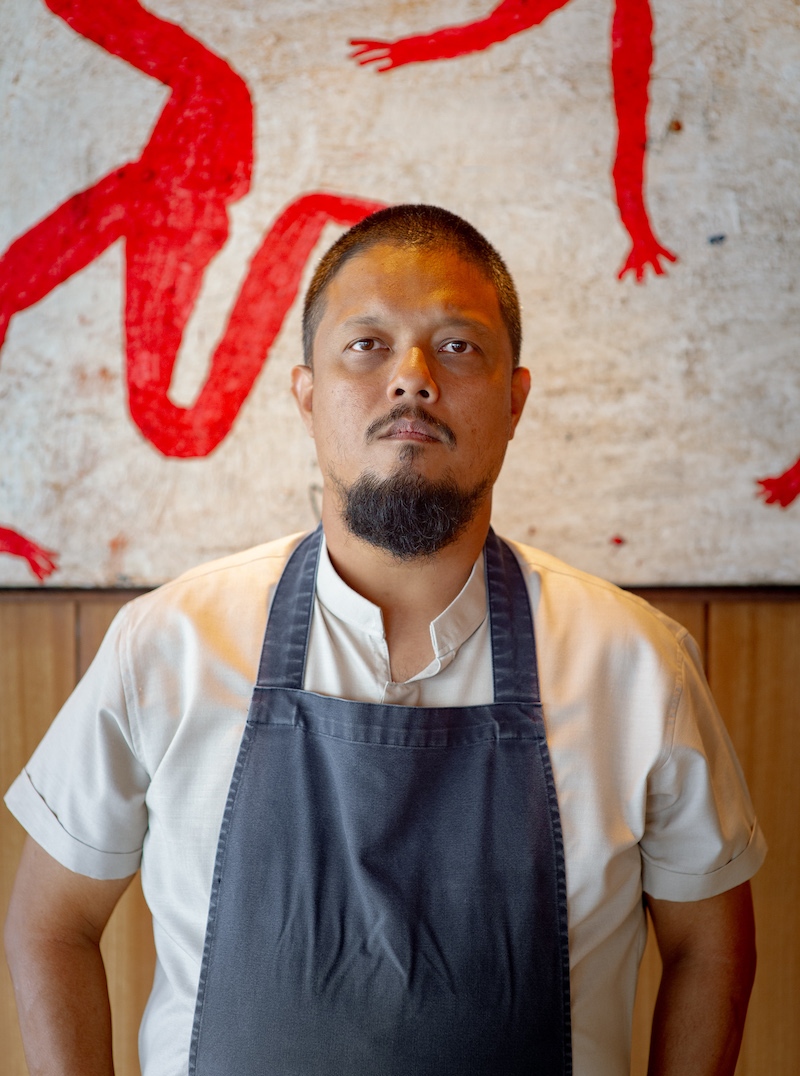
At Dewakan, Chef Darren Teoh addresses the issue directly with the harvesters.
Instead of receiving trimmed leaves, Teoh’s team asks for branches to be cut higher up, taking in a larger portion than what will eventually be used. Left attached, the leaves lose moisture and nutrients at a slower rate and do not wilt as much by the time they reach the kitchen.
He explains, “We basically pay for more of the produce but only a part of it ends up on the plate.”
Darren Teoh © Dewakan
When Flavor Becomes Unfamiliar
For Hafizzul, the challenge is not only sourcing but also reception. Many of these plants carry flavors that are no longer familiar — bitterness, astringency, sharp herbal notes — and these can be difficult for diners encountering them for the first time.
“For diners who are unfamiliar, you have to introduce them in the right way,” he explains.
That often means working with balance. A slightly bitter leaf might be paired with a richer dish, a sharper herb softened within a dish diners already recognize. The aim is not to mask these qualities, but to make them understandable.
“Bitterness and herbaceousness are not flaws. They are part of the pleasure of eating.”
Teoh works from a different position. At Dewakan, the culture of eating ulam remains intact, allowing him to approach these ingredients with a degree of fluency rather than caution.
Rather than presenting them as they are traditionally served, Teoh builds them into the structure of his contemporary menu. Leaves and shoots are selected for what they contribute — acidity, astringency, aroma — and treated in multiple ways, from raw preparations to infusions and fermentation. Some sharpen a dish, others lend lift or contrast, harmonizing each element in relation to the rest.
For international diners, the team is on hand to set the context and explain ingredients when asked.
“The best way to educate is to be available to respond. Not to take an active step to educate. Understanding comes through eating and if you taste it the way it was put together, it makes more sense.”
What It Takes to Return
These efforts point to the role that restaurants play in preserving food culture. Today, they are among the few places where these ingredients can still be encountered at all.
“Restaurants can play an important role in keeping this tradition visible, legible and valued,” notes Khir. “For many people, it has become the place where culinary curiosity begins.”
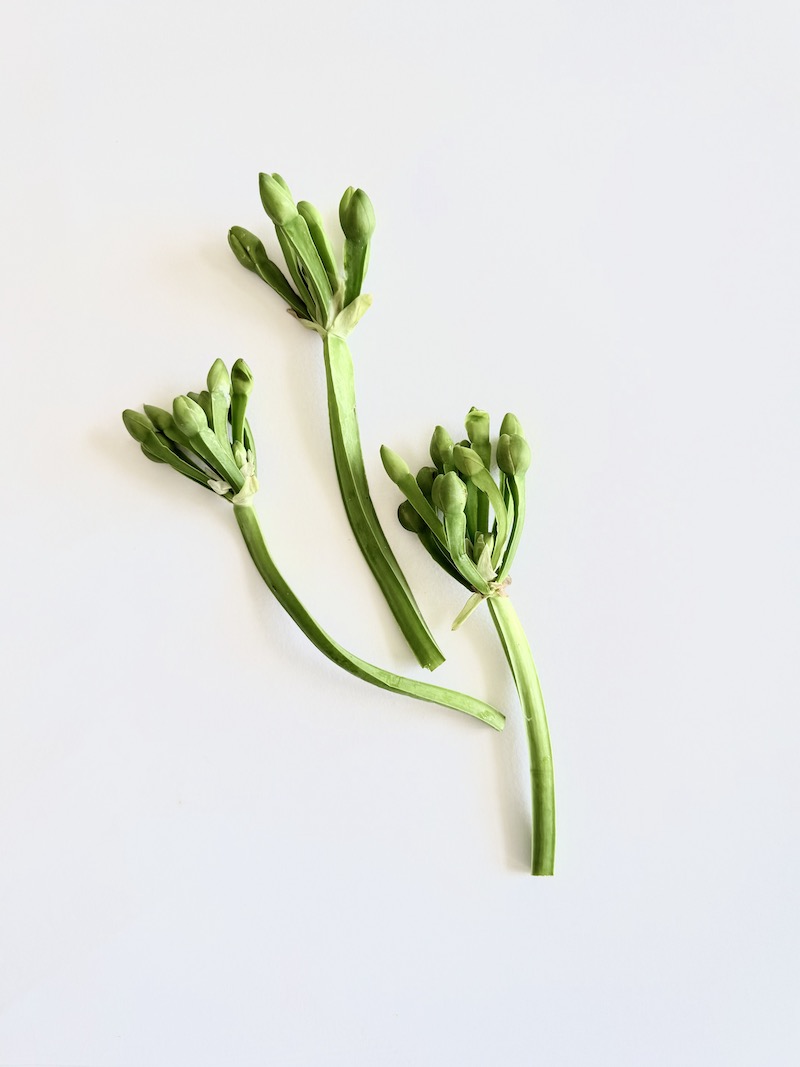
They provide a setting where ulam can be reintroduced with intention — paired, balanced and contextualized so that its flavors make sense to those experiencing them for the first time.
Yet for ulam to return, it has to move beyond the restaurant and reenter daily life — in markets, in small-scale growing, in the kinds of places where it is seen regularly rather than occasionally.
Pucuk Paku Rawan © Khir Johari
“It has to exist not only in restaurants, but also in homes, markets and daily meals,” says Hafizzul. “At the same time, there needs to be stronger support for growers and suppliers so that access and freshness can improve.”
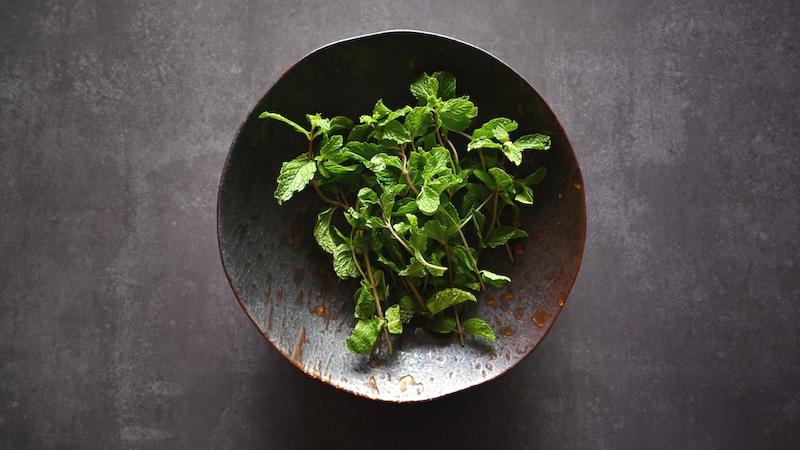
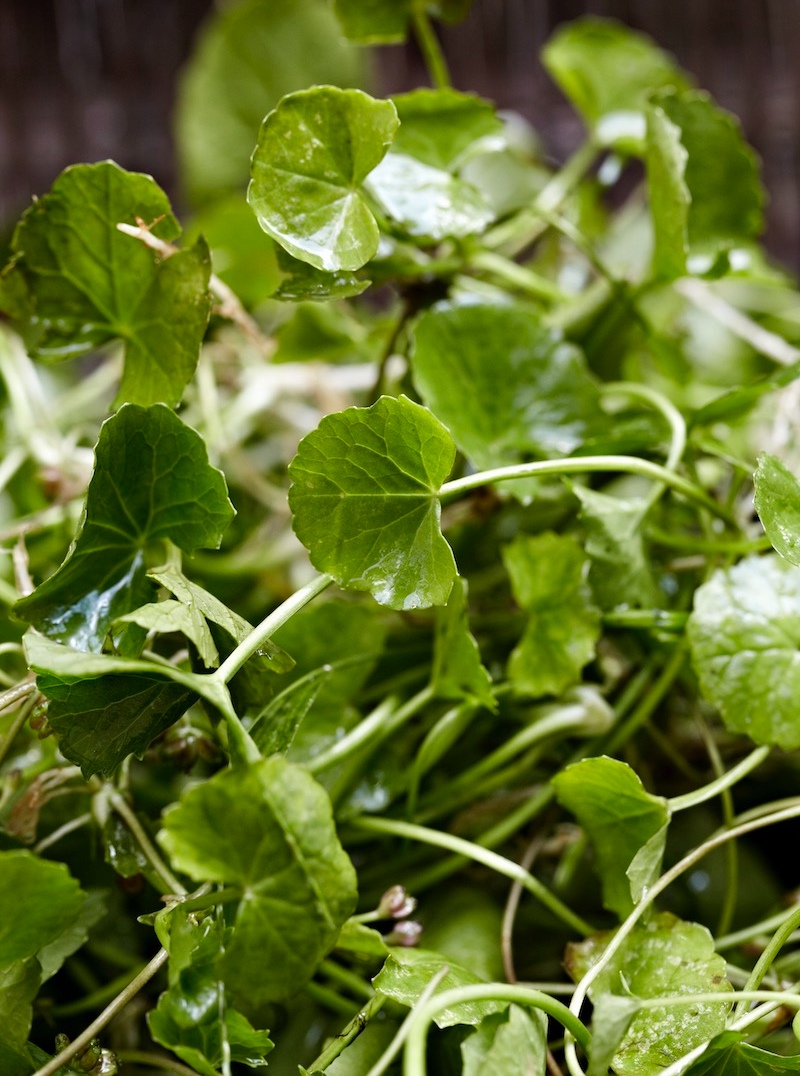
But not all is lost, Khir believes. While ulam spans hundreds of varieties not available in Singapore, a small number can be found, mostly in wet markets. “One still finds kemangi (lemon basil), kesum (laksa leaf), selaseh (sweet basil), ulam raja (king’s salad), pegaga (asiatic pennywort). Alongside these are young shoots of a variety of pucuk ubi (cassava leaves), pucuk betek (papaya shoots) and pucuk mengkudu (noni shoots).”
The community needs to get involved, and Khir believes that small-scale growing, community plots and even balcony cultivation will go a long way. “Ulam does not require grandeur,” he asserts. “It requires familiarity. The more people see these plants, touch them, grow them, the less distant they become.
Without that proximity, ulam remains abstract, something spoken about but not lived.”
Pegaga © Khir Johari
For now, restaurants remain one of the few places where that encounter still happens.
Hafizzul concludes, “People need to see ulam not as something old-fashioned or niche, but as something that still belongs in everyday eating.”