02 February 2026
Share


Jump to:
- What Is The MICHELIN Guide?
- What Is a MICHELIN Guide Inspector?
- What Is a MICHELIN Star?
- What Is a MICHELIN Key?
- What Is a MICHELIN Bib Gourmand?
- What Is a MICHELIN-Selected Restaurant?
- What Is a MICHELIN-Selected Hotel?
- What Is a MICHELIN Special Award?
- What Is a MICHELIN Grape?
- How Does a Restaurant or Hotel Apply to Be in The MICHELIN Guide?
What Is The MICHELIN Guide?
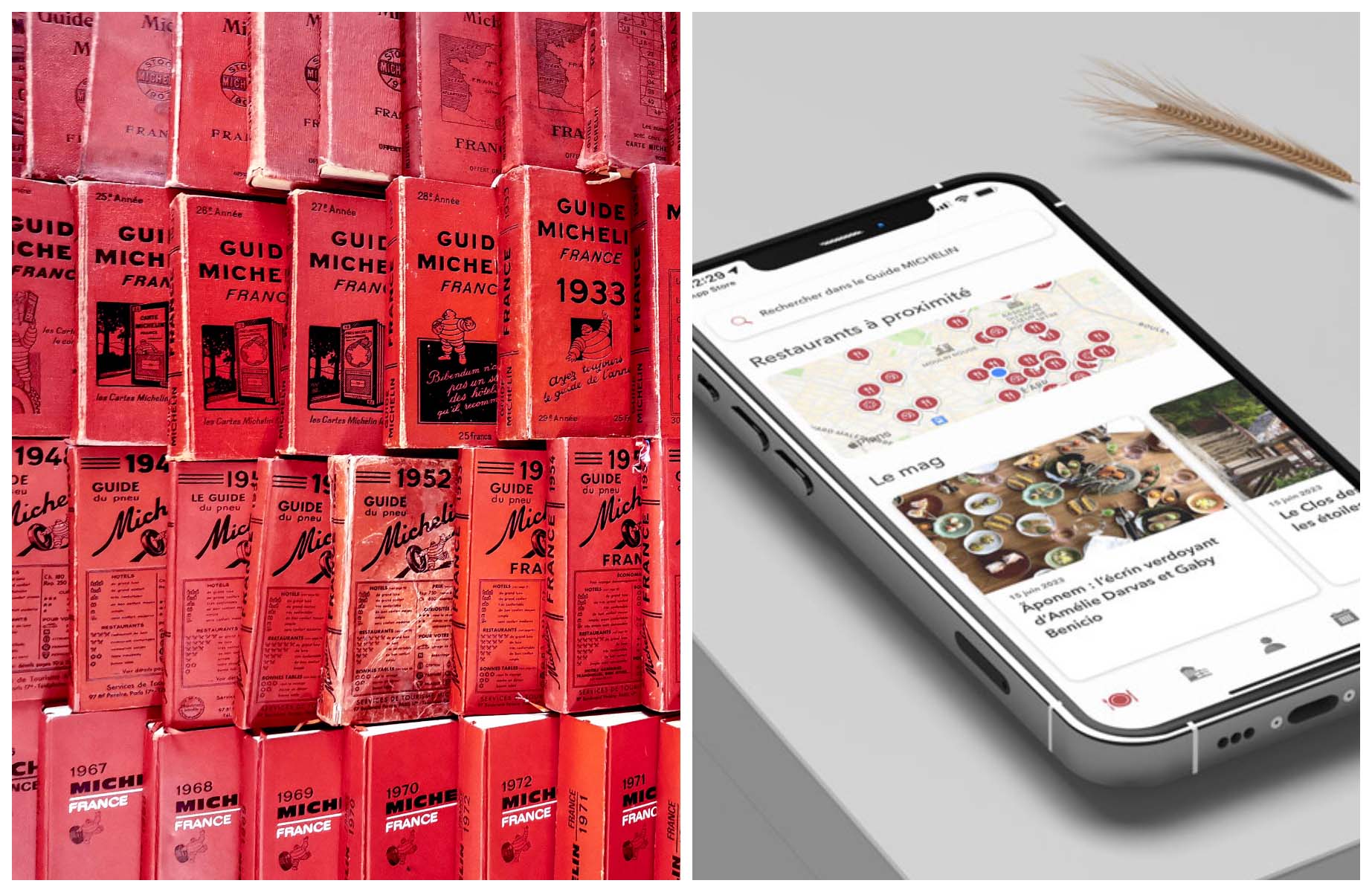
One of the oldest and most respected guides in the world, The MICHELIN Guide has been published by French tire company Michelin since the 1900s. Michelin’s in-house Inspectors anonymously rate and review restaurants and hotels — and soon wineries, as well.
Restaurants are rated according to the quality of their cuisine using The Guide’s famous One- to Three-Star system to highlight those offering exceptional cooking. Meanwhile, the Bib Gourmand award shines a light on high-quality cooking at reasonable prices.
Hotels are rated according to the overall quality of the guest experience. Like Stars for restaurants, Inspectors distinguish top accommodations with One to Three Keys.
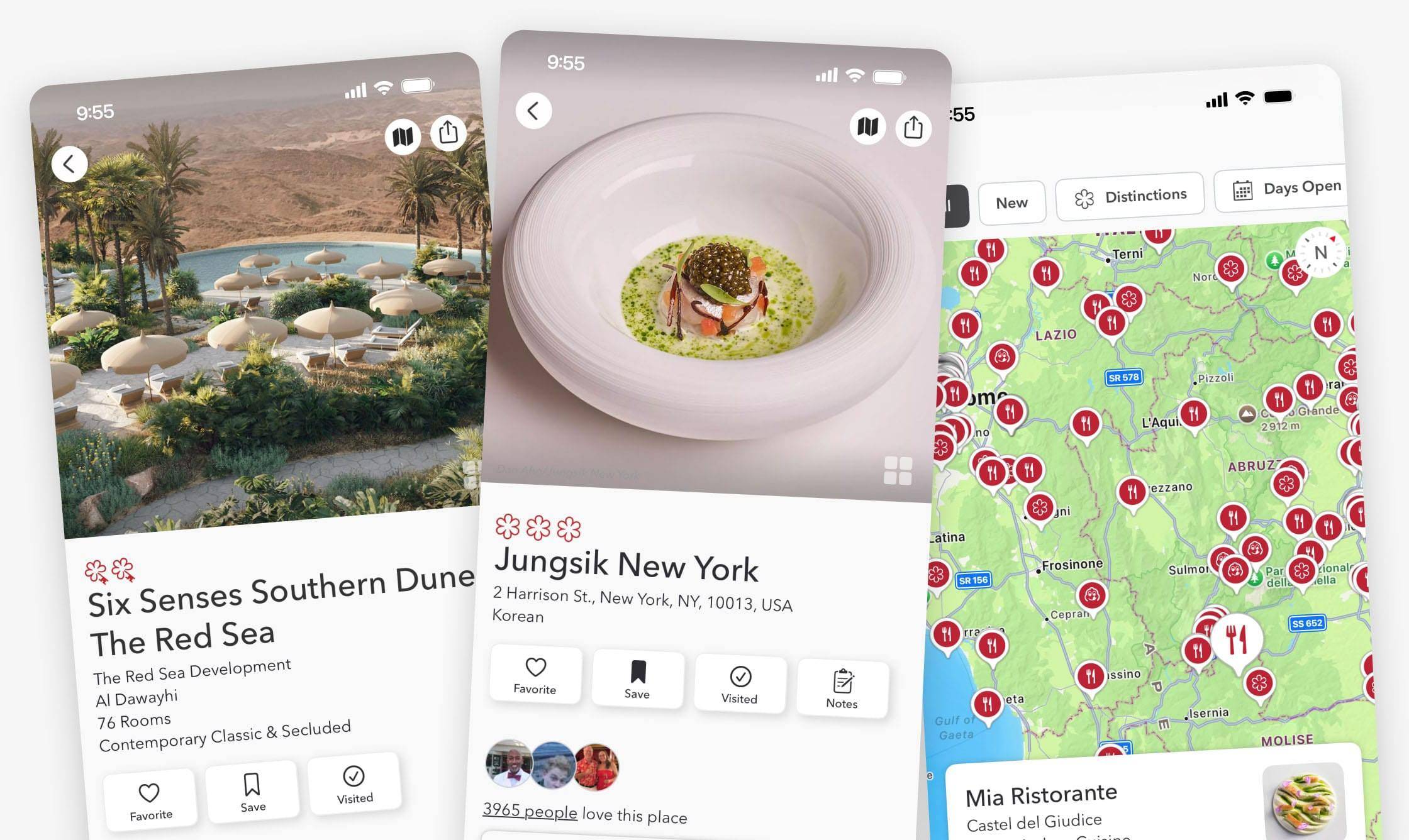
Today, The MICHELIN Guide is present in more than 140 countries around the world, providing travelers and diners with recommendations for different cuisines and types of restaurants, along with hotels across all styles and budgets through its website, app, articles, travel guides and newsletters.
What Is a MICHELIN Guide Inspector?
The MICHELIN Guide’s famously anonymous Inspectors are experienced hospitality and restaurant professionals with a passion for gastronomy, hotels and wine. They are full-time Michelin employees and have had an integral role in our publications since 1933. Inspectors are the sole decision-makers when it comes to rating restaurants and hotels in The Guide.
Restaurant Inspectors spend their days and nights dining everywhere from grand hotel dining rooms to local restaurants, urban eateries to cozy bistros, pubs to street food stands. Each Inspector evaluates more than 250 meals per year and documents their experiences in detailed reports.
Hotel Inspectors are seasoned travelers who are experts in hotel design, service norms and global hospitality cultures. They closely monitor industry trends and resources to discover new gems while also evaluating established hotels around the globe.
Inspectors behave like any other customers to ensure that their experience is the same that readers will have. Anonymity and independence are therefore their most useful tools. They book a room or a table — always under an assumed name — and pay their bill in full, just like anyone else.
The one exception is wine Inspectors, who do not work anonymously, but visit wine producers officially to evaluate the wines on the estate.
Related article: Everything You Want to Know About The MICHELIN Guide Inspectors
What Is a MICHELIN Star?
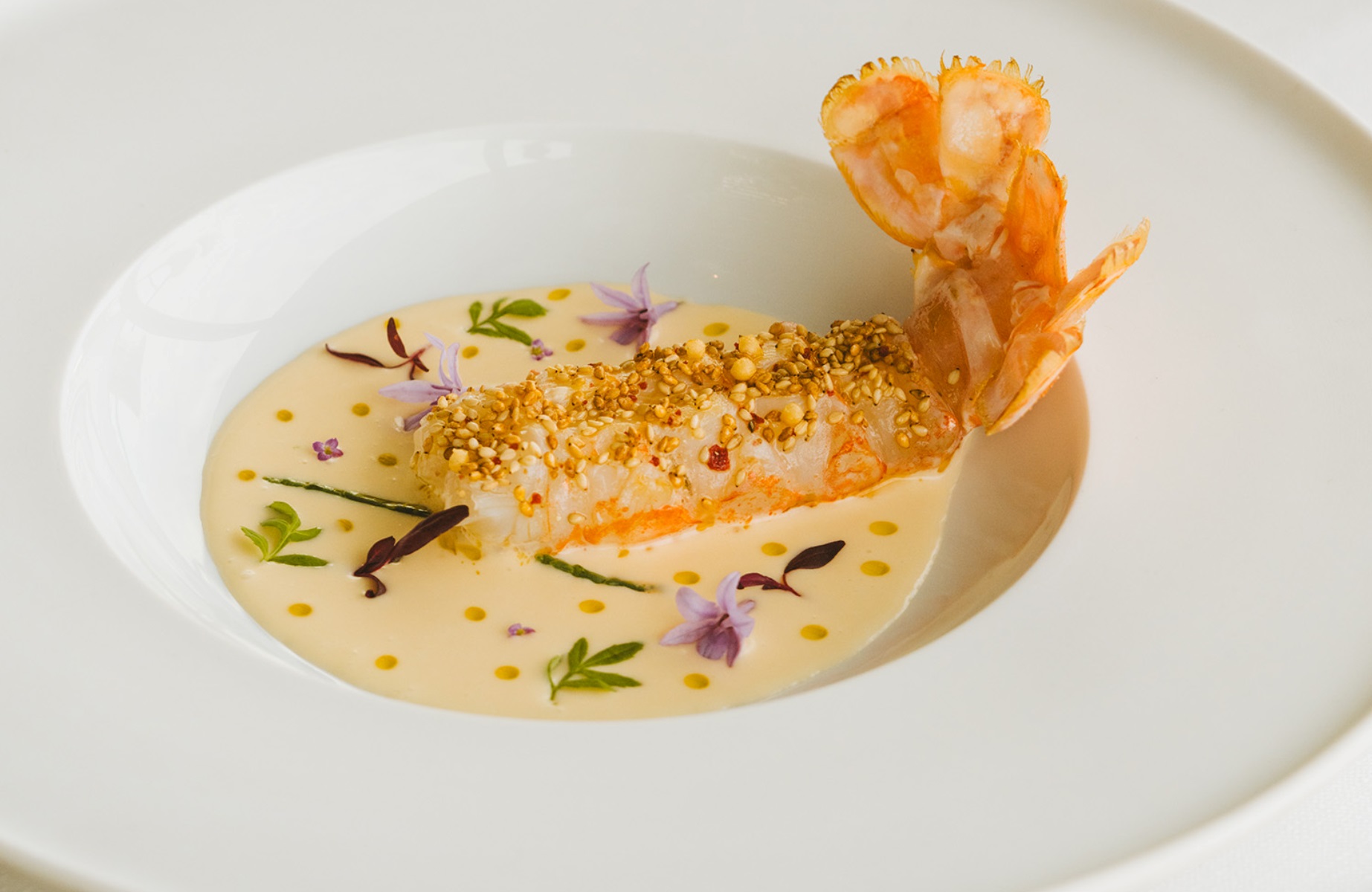
The most coveted restaurant accolade of The Guide, MICHELIN Stars have been awarded annually since 1926 to restaurants that offer incredible food. Inspectors around the world use five universal criteria for evaluating restaurants:
- The quality of ingredients
- The harmony of flavors
- The mastery of techniques
- The personality of the chef as expressed through their cuisine
- Consistency across the entire menu and over time
Restaurants are reassessed on a yearly basis to ensure that Starred establishments maintain their high cooking standards.
There are three levels of MICHELIN Stars:
- One MICHELIN Star: This distinction is awarded to restaurants using top quality ingredients, where dishes with distinct flavors are prepared to a consistently high standard. These restaurants are worth a stop.
- Two MICHELIN Stars: Two Stars are awarded when the personality and talent of the chef are evident in their expertly crafted dishes, and their food is refined and inspired. These restaurants are worth a detour.
- Three MICHELIN Stars: Our highest award is given for the superlative cooking of chefs at the peak of their profession: Their cooking is elevated to an art form and some of their dishes are destined to become classics. These restaurants are worth a special journey.
What Is a MICHELIN Key?
The same way the MICHELIN Star recognizes restaurants for excellent cooking, the MICHELIN Key, which launched in 2024, recognizes hotels for excellent hospitality. Inspectors around the world use five universal criteria for evaluating hotels:
- A destination unto itself: the hotel contributes to the local experience
- Excellence in architecture and interior design
- Quality and regularity of service, comfort and maintenance
- Singularity: a unique character reflecting the personality of the establishment
- Consistency between the quality of the experience and the price paid
Key hotels don’t just fulfill one of these criteria — they are among the best in all categories. An establishment can earn One, Two or Three Keys:
- One MICHELIN Key: A very special stay. A true gem with personality. Service always goes the extra mile, and the hotel provides much more than others in its price range.
- Two MICHELIN Keys: An exceptional stay. A hotel that’s unique, where a memorable experience is always a guarantee. A hotel of character and charm, run with obvious pride and considerable care.
- Three MICHELIN Keys: An extraordinary stay. The ultimate in comfort and service, style and elegance. It is one of the world’s most remarkable and extraordinary stays and a destination for the trip of a lifetime.Related article: Learn More About the MICHELIN Key for Hotels
What Is a MICHELIN Bib Gourmand?
Named after the iconic Michelin Man, known as Bibendum, MICHELIN’s Bib Gourmand distinction first appeared in 1997 to honor restaurants that simply offer good quality, good value cooking. What constitutes “good value” varies by country depending on the cost of living, but MICHELIN Guide Inspectors are all searching for the same level of quality with a reasonable price.
As with MICHELIN Stars, the Bib Gourmand is an annual award based on Inspectors’ evaluations during their anonymous visits.
Related article: What Is the MICHELIN Bib Gourmand Award?

What Is a MICHELIN-Selected Restaurant?
Not all restaurants in The MICHELIN Guide have a special distinction. Inspectors also include establishments that aren’t yet at the level of a Star or Bib Gourmand, but still provide a great dining experience and fully merit being in The MICHELIN Guide.
These restaurants are analyzed in exactly the same way as Starred restaurants, and the same criteria are used to evaluate them. A listing in The MICHELIN Guide means guests can be assured of the freshness and quality of ingredients and that the chefs know their craft.
Being selected for The Guide also means that the establishment is already on Inspectors’ radar, so it could receive other awards in the future. MICHELIN-selected restaurants are sometimes promoted to Stars or Bib Gourmands in subsequent years.
What Is a MICHELIN-Selected Hotel?
Like the restaurant selection, not all hotels recommended in The MICHELIN Guide have been awarded a special distinction. MICHELIN Guide Inspectors also include hotels that meet their standards but do not rise to the level of a Key.
All 7,000 hotels in our selection, whether awarded a Key or not, have been judged a hospitality standout across five criteria: excellence in architecture and interior design, quality and consistency of service, overall personality and character, value for the price and a significant contribution to the neighborhood or setting.
Related article: Learn More About Hotels in The MICHELIN Guide

What Is a MICHELIN Special Award?
MICHELIN Special Awards were first introduced in 2017 to recognize the professionalism and hard work of individuals in the food and beverage industry. They recognize women and men — in the kitchen or front of house — who use their expertise and passion to ensure diners enjoy an unforgettable gastronomic experience.
Unlike The Guide’s culinary distinctions, such as MICHELIN Stars and Bib Gourmands, which highlight the gastronomic work of a whole restaurant, these awards honor individuals, no matter the distinction of their restaurant.
Some of the Special Awards include:
- Service Award: This recognizes professionals who have the dedication, personality and ability to make all customers feel welcome and comfortable, ensuring any visit to their restaurant will be a truly memorable experience.
- Young Chef Award: An honor that recognizes a young chef who has proven that they have special potential and are already making waves in the culinary world.
- Opening of the Year Award: This award recognizes a team for the opening of an outstanding restaurant in the past 12 months that has made an impact on the local dining scene.
- Sommelier Award: This award honors professionals whose expertise enhances the guest experience through exemplary wine selection, pairings and service.

What Is a MICHELIN Grape?
In the world of wine, The MICHELIN Guide aims to reward not only the best vineyards but also the people who run them. With this new distinction, The Guide will showcase the generational knowledge and passion of these winemakers, and highlight their innovative techniques and practices.
The MICHELIN Guide will use a strict and independent methodology to provide wine lovers with a trusted benchmark: One, Two or Three Grapes, as well as an additional selection of recommended properties and producers.
To receive a MICHELIN Grape award, wineries are evaluated on five key criteria:
- The quality of agronomy, such as soil vitality, vine balance and vineyard management
- The technical mastery of the wine-making process
- Identity: a sense of place, the winemaker’s personality and the culture behind them
- Balance: the harmony between components such as acidity, tannins, oak, alcohol and sweetness
- Consistency across multiple vintages
There are three levels of MICHELIN Grape distinctions:
- One MICHELIN Grape: Very good producers who craft wines of character and style, especially in the best vintages.
- Two MICHELIN Grapes: Excellent producers who stand out as exceptional within their peer group and region for both quality and consistency.
- Three MICHELIN Grapes: Exceptional producers. Whatever the vintage, wine lovers can turn to the estate’s creations with complete confidence.
MICHELIN-selected producers — who are listed in The Guide but do not yet have a Grape distinction — are those who are dependable and produce well-made wines that consistently deliver a quality experience.
Related article: Learn More About The MICHELIN Guide’s New Grape Distinction

How Does a Restaurant or Hotel Apply to Be in The MICHELIN Guide?
Restaurants and hotels can apply to be visited by our famously anonymous MICHELIN Guide Inspectors through the Contact Us section of our website. The application will be reviewed by the team of Inspectors, who will visit the establishment the next time they are in the area.
Our visits are carried out anonymously: We do not introduce ourselves, we always pay our bill and we only contact establishments directly if we require additional information.
Inclusion in The MICHELIN Guide is free of charge.