11 May 2026
Share


In a typical Philippine eatery, a small tray or basket sits at the center of every table, each one holding two slender bottles: one for suka (vinegar) and another for toyo (soy sauce). On shallow saucers a handful of calamansi (Philippine lime) — incised near the stem or halved entirely — and bright red siling labuyo (chili pepper) await their fate.
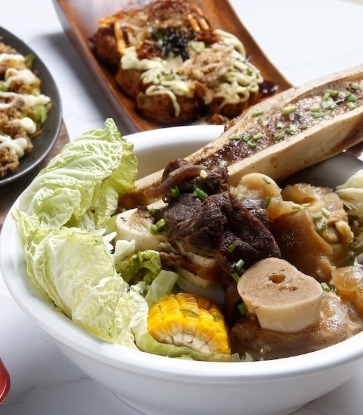
Sawsawan is the Filipino word for sauce; sawsaw, the onomatopoeic act of dipping. In other Asian countries, condiments such as satay sauce and gochujang (Korean chili paste) are prepared in advance. But here, sawsawan is combined right at the table, depending on the diner’s preferences. When grilled food is served, hands reach for sauce bottles to make toyomansi, squeezing juice from the small green calamansi into small puddles of dark toyo. Others crush sili with a fork to add heat to the citrusy soy dip. The same concoction may be used for bulalo (beef broth), while others will look for patis (fermented fish sauce). Slice a green mango and you are presented with options: salt, suka, crushed chilis or bagoong (fermented seafood paste)?
Whether you are visiting someone’s home or dining at a MICHELIN-awarded spot, these common condiments add color, flavor and personality to every table.
Toyo (Soy Sauce)
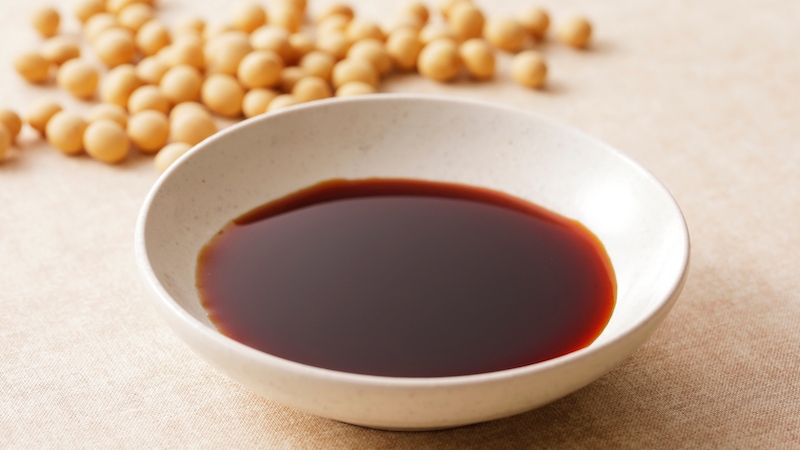
Toyo arrived in the Philippines through Chinese traders: tāu-iû being the Hokkien word for soy sauce. Unlike Japanese soy sauce, toyo is darker and saltier, and is also used as a marinade for barbecue chicken, or a base for adobo and bistek (beef steak). Its savory depth is the foundation for a myriad of sauces: toyomansi, toyo with chopped onions and sili (for crispy pata or lechon kawali), or toyo with diced tomatoes (perfect for fried fish).
Jordy Navarra named Toyo Eatery, a One-Starred restaurant, after the seasoned liquid. Meanwhile, Gallery by Chele, also with One MICHELIN Star, takes its cue from bistek in its signature Sour Ribs, wagyu braised in toyo and calamansi.
Suka (Vinegar)
How much do Filipinos love vinegar? Let us count the ways.
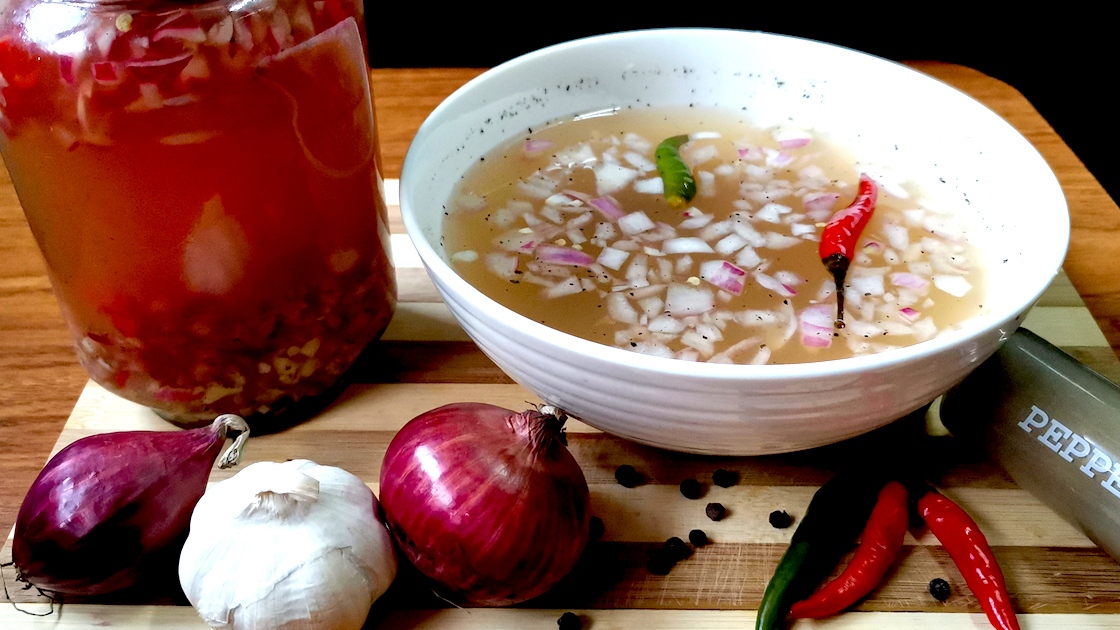
Sukang iloko is dark vinegar made from sugarcane fermented in burnay, or unglazed clay jars. The province of Bulacan has sukang paombong, a slightly sweet vinegar made from the sap of the nipa palm, used to cook paksiw. Some regions soak sili, garlic, ginger and onions in fermented sugarcane or coconut sap: sinamak from Iloilo contains spices soaked whole, while pinakurat from Iligan blends the spices for a thicker result.
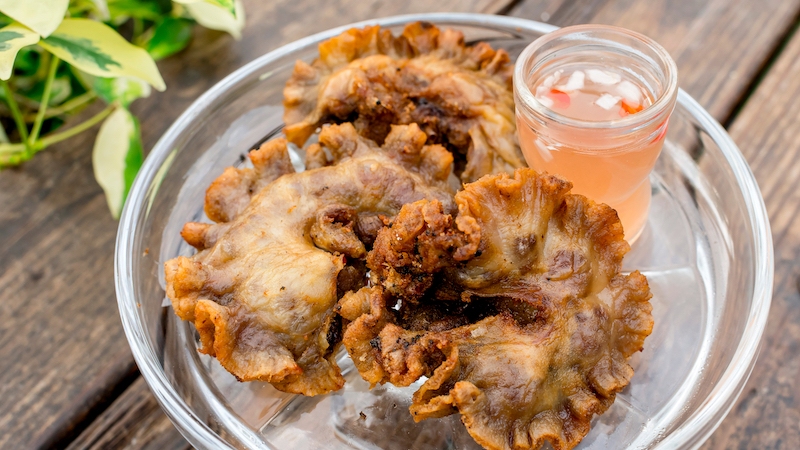
The tanginess of suka often complements the crunch of calamares (fried squid) or chicharon (pork rinds) as pictured. But its purest expression is in kinilaw, the acidity curing raw seafood. At One-MICHELIN-Starred Inatô, yellowfin tuna is served with vinegar made from fermented kamote (sweet potatoes). Meanwhile, at the One-Starred Linamnam, Don Baldosano takes kilawin further by using banana blossoms instead of seafood in one of his previous menu's dishes.
Patis (Fermented Fish Sauce)
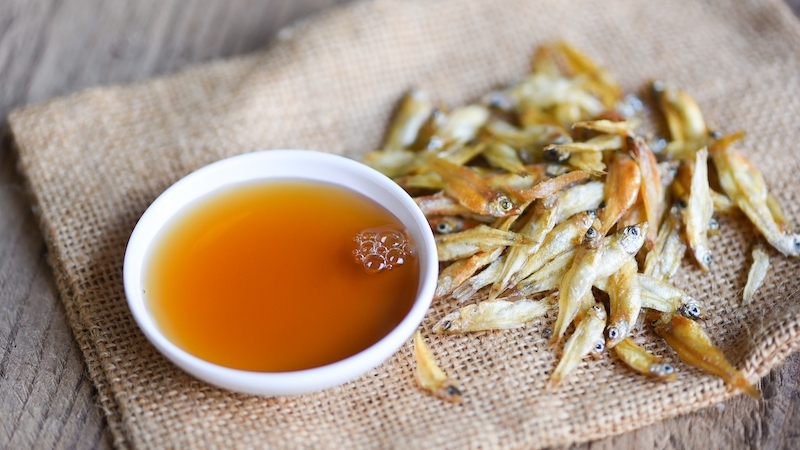
Patis, as it turns out, was discovered by accident. In the 1900s, a woman named Rufina Salao sold tuyo (dried fish) and tinapa (smoked fish) in a coastal town in Malabon. To preserve her stocks, she made bagoong by mashing fish meat with salt and packing the paste into clay jars to ferment. While inspecting her jars one day, she noticed that a clear, amber-colored liquid had pooled above the paste. That liquid would become patis, which she bottled and sold in the markets, setting up the stage for what would become the Philippines’ oldest fish sauce brand, visible on supermarket shelves to this day.
Patis is used as an alternative to salt when cooking tinola (chicken broth) or pinakbet, a vegetable dish from the Ilocos region. As a sawsawan, it goes with nearly everything: Patis anchors the savoriness of nilaga (broth), highlights the flavors of grilled food — and when something tastes amiss, just reach for the patis.
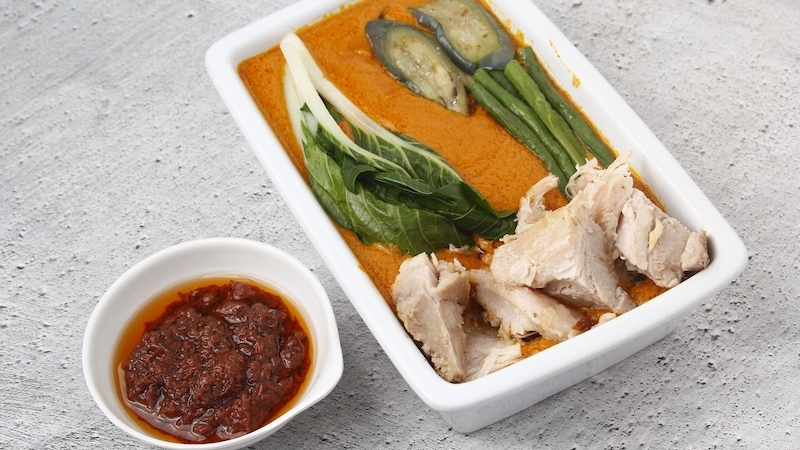
Bagoong (Fermented Shrimp or Fish Paste)
Bagoong — ginamos in Visayas and Mindanao — is rich in flavor and in lore. The fermented fish paste was a pre-colonial survival technique, a way to preserve seafood long before refrigeration. It was also a symbol of resistance: The Spanish, repelled by its pungent smell, deemed it rotten. Filipinos kept eating it anyway.
Whether made from shrimp or krill (bagoong alamang) or small fish like dilis, bagoong is an undisputed umami bomb. Street vendors slather it on top of green mango slices, the salty-sour snack curiously popular among expectant mothers. At MICHELIN-recognized spots like the One-Starred Hapag and the Bib Gourmand-awarded Sarsa, bagoong arrives alongside renditions of kare-kare, its thick peanut sauce elevated by the fermented punch.
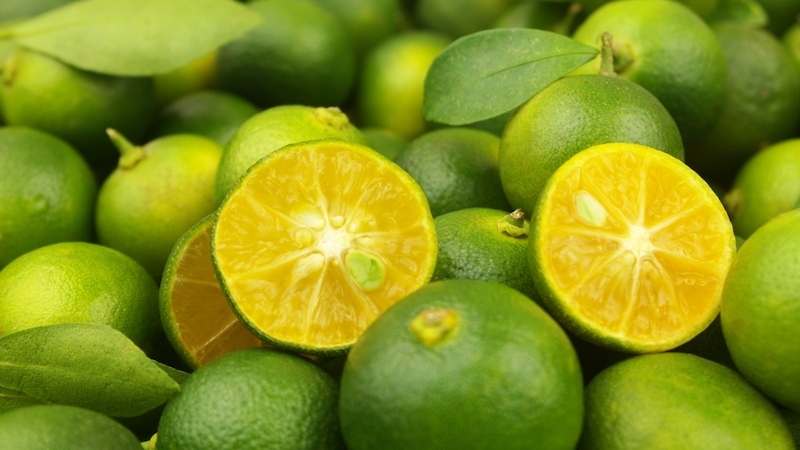
Calamansi (Philippine Lime)
Barely the size of a marble, calamansi is a citrus hybrid — a cross between a kumquat and a mandarin orange — but green-skinned instead of orange. Its juice registers a bright tartness, more floral than acidic, unlocking limitless culinary value. It is mixed into beverages, stirred into sauces, styled as a garnish or squeezed over dishes as a final touch, such as in sisig, a sizzling dish made of pork jowl and liver. Comfort food like lugaw (rice porridge) and pancit (noodles) — like at Chie Chie’s Pancit Batil Patung — also count on a few drops of calamansi for a comforting finish.
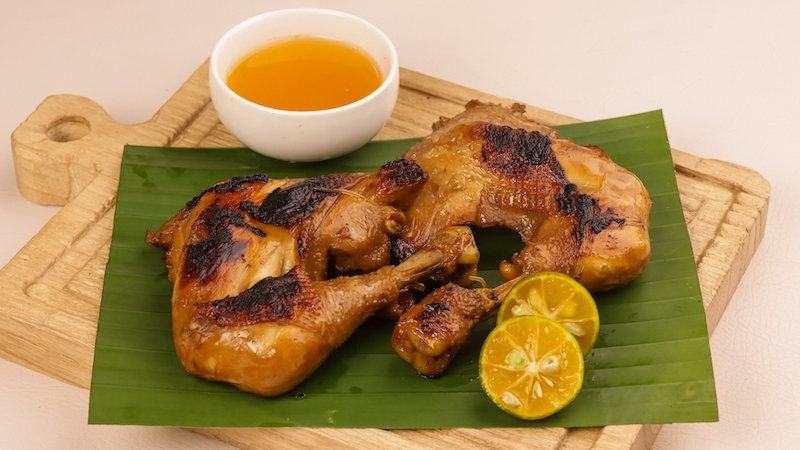
Chicken Oil
In the context of inasal (grilled chicken), chicken oil is king. It is brushed onto the chicken as it grills, then later poured generously over rice. Annatto or atsuete gives it a distinct orange color. The richness of the oil, cut by the acidity of sinamak, balances the sweet smokiness of the chicken. Between bites, atsara (pickled green papaya relish) cleanses the palate, making it easy to reach for extra rice. To immerse in the full inasal ritual, visit Aida’s Chicken in Makati.
Palapa
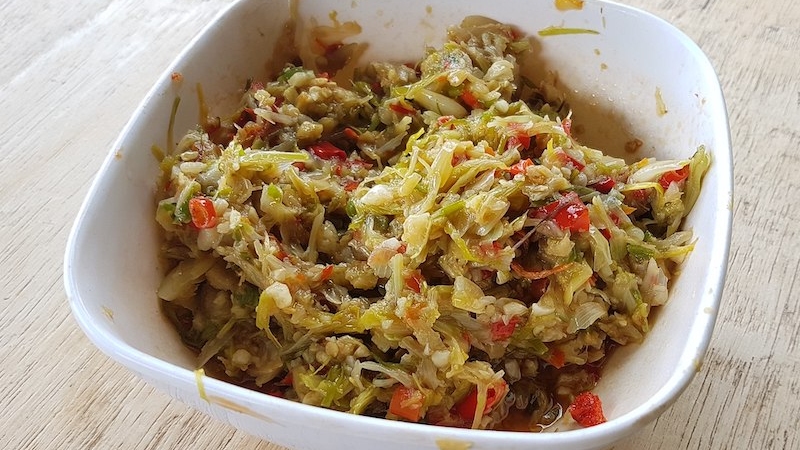
To add spice to a dish, siling labuyo is the most accessible condiment. However, its monotonous heat can overpower the more delicate flavors in a dish. This is where palapa comes in. The fragrant condiment combines sakurab (native scallions), ginger, toasted coconut and chili, pounded together into a coarse mixture: equal parts heat and flavor. Adding aromatics to spices is characteristic of the culinary traditions of the Maranao people in Mindanao. When in Manila, enjoy the spicy sophistication of palapa in Cabel and Palm Grill (Diliman).
Filipinos learn the vocabulary of sauce culture through observation, not instruction. Nobody tells us what to add to suka, which dishes work with toyo or which ones are better with patis. And yet, in front of a condiment basket, we reach for the same bottles before embellishing to taste. “The Filipino loves his country with his stomach,” writes Carmen Guerrero-Nakpil in her seminal essay, "Where’s the Patis?" The sawsawan is a small celebration of that truth. A condiment. A self-portrait.
-
Header image © Margaret DC and thumbnail image © Marti Mercado