17 March 2026

Share


In the Philippines, drinks are more than just accompaniments to meals. A morning cup of kape (coffee) marks the start of the day, while a warm brew of salabat (fresh ginger boiled in water) offers comfort to those battling the common cold. Some drinks, such as gulaman (a sweet grass jelly drink), are filling enough to be standalone snacks. Others, such as lambanog (a distilled alcoholic drink made from coconut sap) and sikawate (Filipino hot chocolate), carry the weight of labor and history.
For restaurants in The MICHELIN Guide Manila & Environs and Cebu, drinks are vehicles for exploration and innovation in Filipino cuisine. These establishments reimagine and remix traditional Filipino flavors — from everyday produce to heritage dishes — into bold drinks that would satisfy those who grew up with the cuisine and those savoring it for the first time.
Araw (Day)
Nestled in a pocket of greenery amid Makati’s Central Business District, Bib Gourmand Manam at the Triangle serves an assortment of pampalamig (coolers) that pair well with savory dishes, such as spatchcock chicken inasal, and could stand alone as culinary experiences themselves.
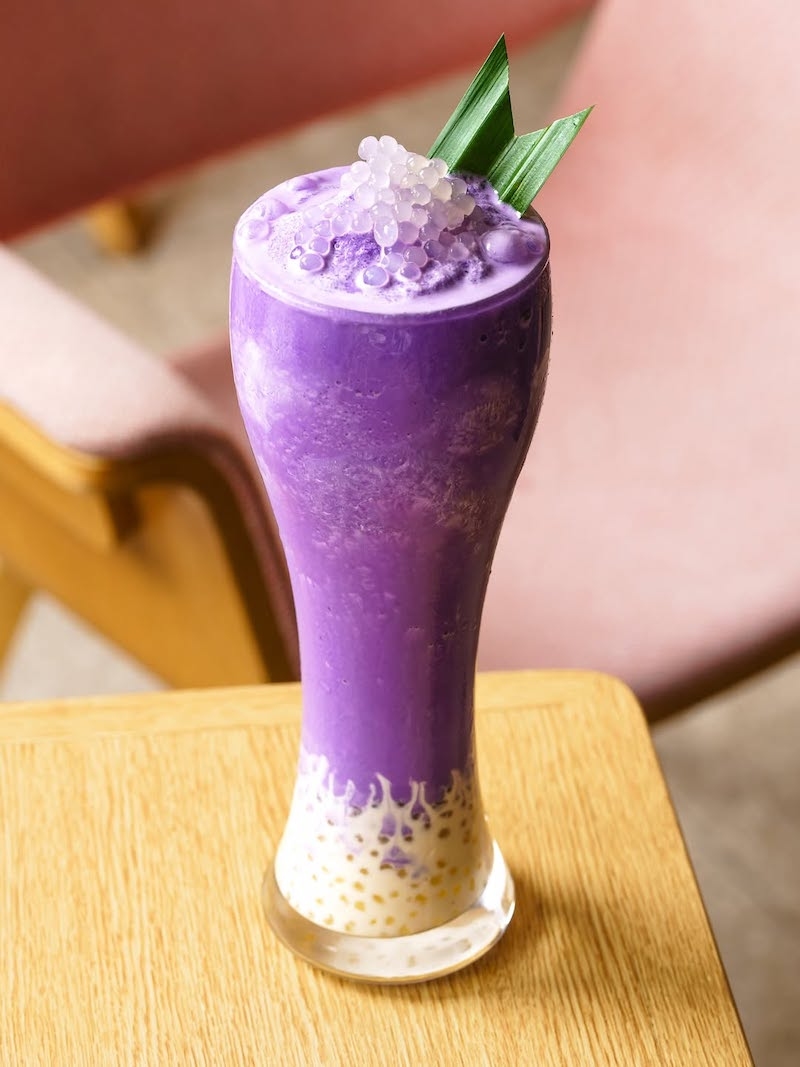
The filling Ube + Sago drink lives up to the international hype surrounding the root crop. Manam at the Triangle adds sago pearls for an extra dash of texture. Commonly confused with tapioca pearls, sago is a starch extracted from palm stems. The Buko + Pandan + Sago cooler brings together the fragrance of pandan, a popular dessert ingredient in Southeast Asia, with the rich, creamy taste of coconut. Their Mango + Piña Iced Tea combines flavors from mango and pineapple, popular fruits often sold as street food.
© Manam at the Triangle
Lovers of all things sour would enjoy the Calamandan Smash, which blends tangy calamansi (lime) with the sweeter dalandan (green orange). The Camias + Lemongrass cooler is perhaps even sourer and sharper, thanks to camias or bilimbi, a common tropical fruit related to starfruit found in backyard trees across the country.
Manam at the Triangle also pays homage to traditional and childhood favorites. Their Ginger Lemongrass Tea has elements of salabat, a hot tea and home sickness remedy made by boiling sliced ginger in water. The Choco-nut Shake nods to a beloved local chocolate candy brand popular with children.
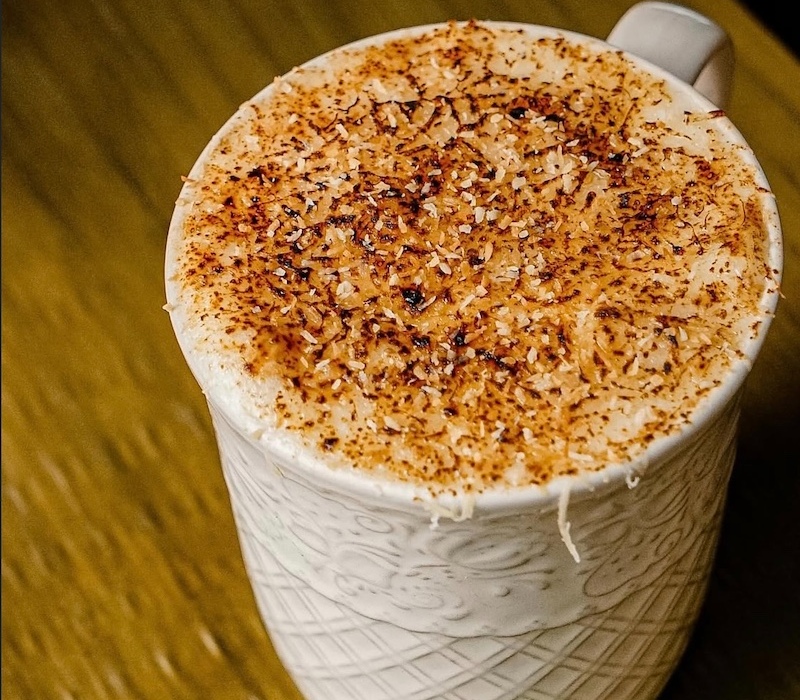
For many Filipinos, each day starts with a cup of coffee and a piece of pandesal, a local bread roll. Instead of serving only black coffee, Cebu City’s Abli infuses its brews with flavors from beloved Philippine treats. Bibingchata uses Mexican horchata — a drink made from strained rice, water, cinnamon and sugar — with espresso, coconut milk, cream, caramelized sugar and cheese. This combination evokes the flavors of bibingka, a smoky rice cake popular during the Christmas season.
© Abli
Abli also translates flavors from common, everyday treats into drinks. Buko Pie features espresso, coconut milk, latik (coconut curds), meringue and desiccated coconut, all designed to match the taste of its namesake dessert, often enjoyed during afternoon merienda (snack time).
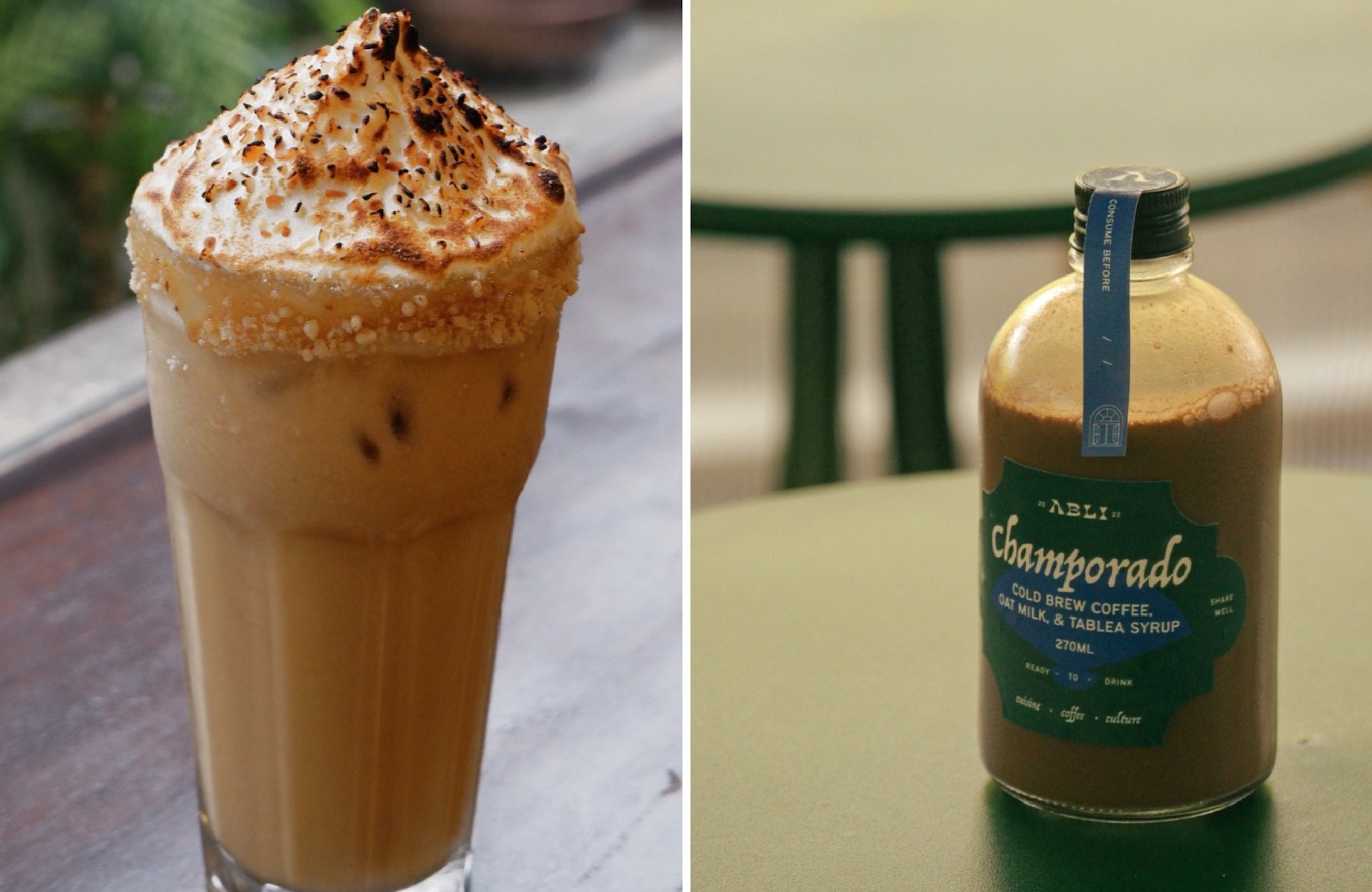
Champorado incorporates tablea syrup — made from concentrated cacao — with oat milk and cold brew coffee. While the name references champarado, a chocolate rice porridge, the inclusion of tablea links back to sikwate or tsokolate, a cacao drink often taken with bibingka.
Back at The Balmori Suites in Makati, MICHELIN Selected Ayà uses everyday fruits and herbs in refreshing, palate-cleaning drinks. Their Sampaloc Iced Tea combines sampaloc (tamarind) with black tea for a sweet and tangy flavor. Their Tanglad Dayap Soda features tanglad (lemongrass) juice, dayap (key lime) cordial and soda water for a light yet zesty accompaniment to meals.
Gabi (Night)
Though ube extract is a popular flavoring in desserts, pastries and bread, MICHELIN-Starred Kása Palma in Makati incorporates this flavor in an alcoholic beverage. The decadent Ube Crumble combines ube cream liqueur with coconut cream, sweet creme de cacao and spiced rum.
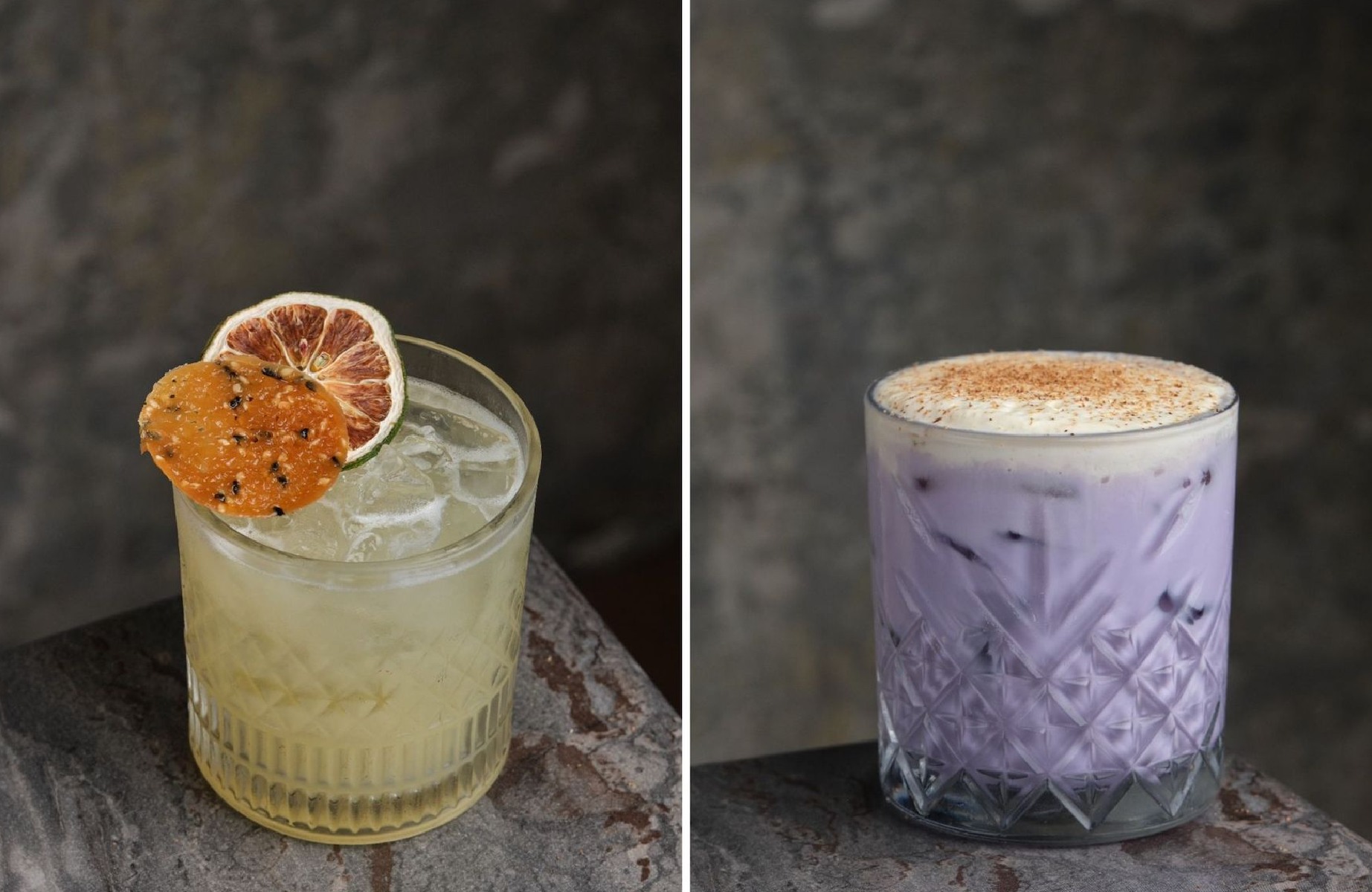
In Poblacion, Neo-Filipino Bib Gourmand restaurant Lampara reimagines flavors of beloved snacks into drinks. Ubeybi Baby is a cocktail of bourbon, ube and cheese foam. Ube and queso are two beloved flavors of sorbetes (ice cream), which Filipinos often buy from colorful street pushcarts. Composed of rum, langka (jackfruit) and banana oleo (margarine), Temple Run features ingredients including turon, a snack of banana and, sometimes, jackfruit fried in spring roll wrappers.
Abli in Cebu also highlights beloved Philippine ingredients in their unexpected cocktail menu. Their Mangganog features lambanog — a traditional Filipino distilled palm liquor known for its high alcohol content similar to whiskey or vodka — mixed with mango purée, mango liqueur and calamansi juice. Speaking of vodka, their Tinolang Vodka borrows the clean, gingery taste of tinola, a savory soup usually with boiled sayote (chayote) and chicken.
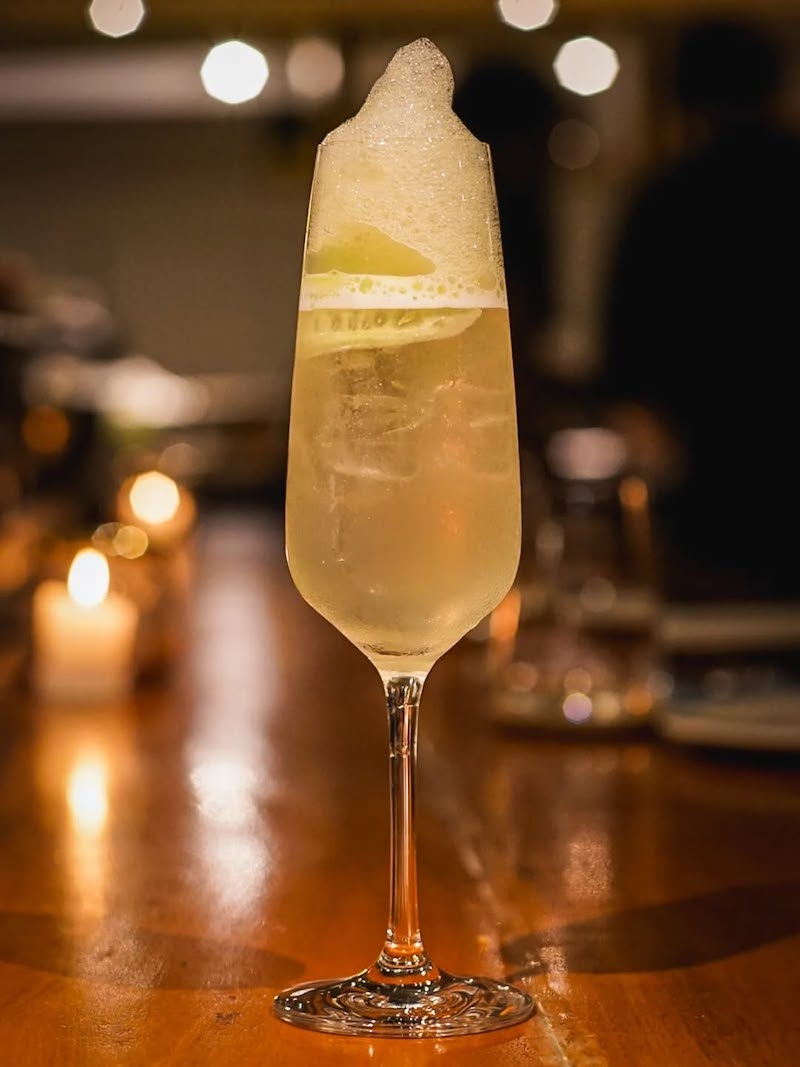
One ingredient that invites much debate during dinner is ampalaya (bitter melon). A number of Filipinos remember ampalaya as a bitter yet nutritious ulam (main dish that accompanies rice) that their parents forced them to eat. However, ampalaya gets a second, more appetizing life at MICHELIN Selected Automat, located at Karrivin Plaza, where they serve the Disco Bitter Bliss — a tequila-based cocktail of smoke-fermented Japanese cucumber, ampalaya, lime, basil, dalandan (green orange) and wine air.
© Automat
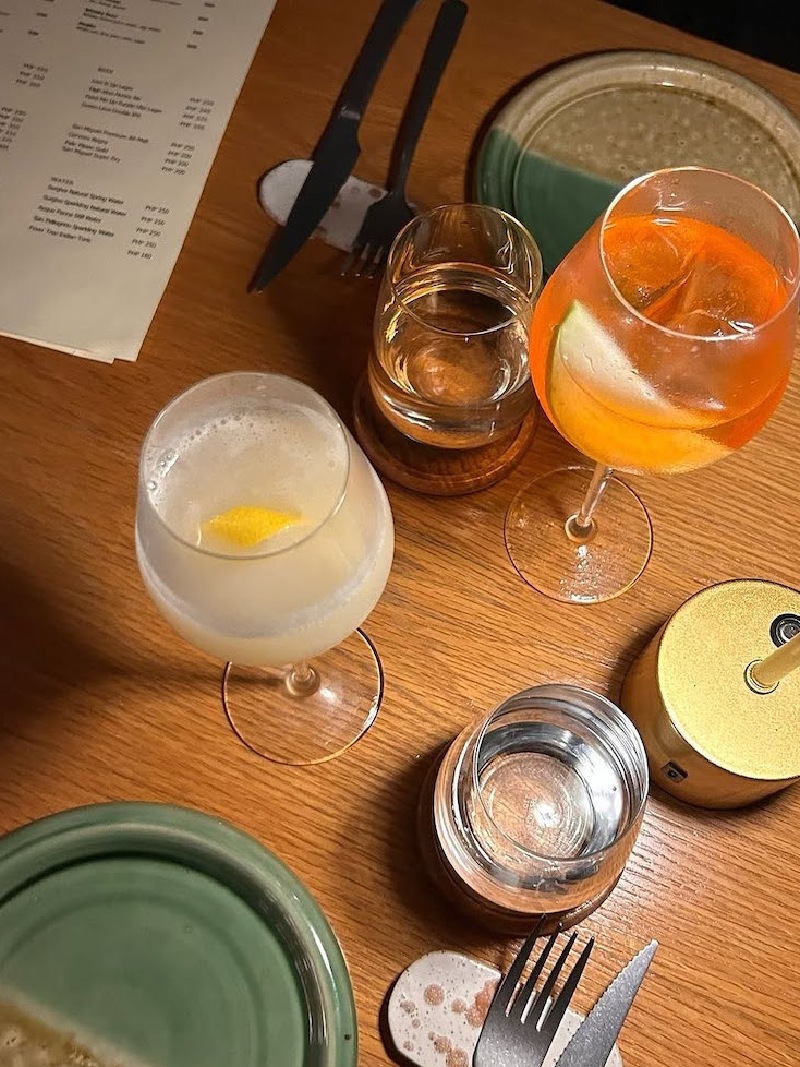
Ayà’s drinks menu features cocktails that span the breadth of tropical fruit. They combine local favorites with international drinks, such as prosecco and guyabano (soursop) in the Guyabano Bellini, bourbon and banana in the Banana Pandan Old Fashioned, and white rum and longgan (longan) in the Longgan Mojito. Ayà specifically spotlights Philippine alcohol through their Dalandan Sour, which features green chili lambanog and dalandan.
© Ayà
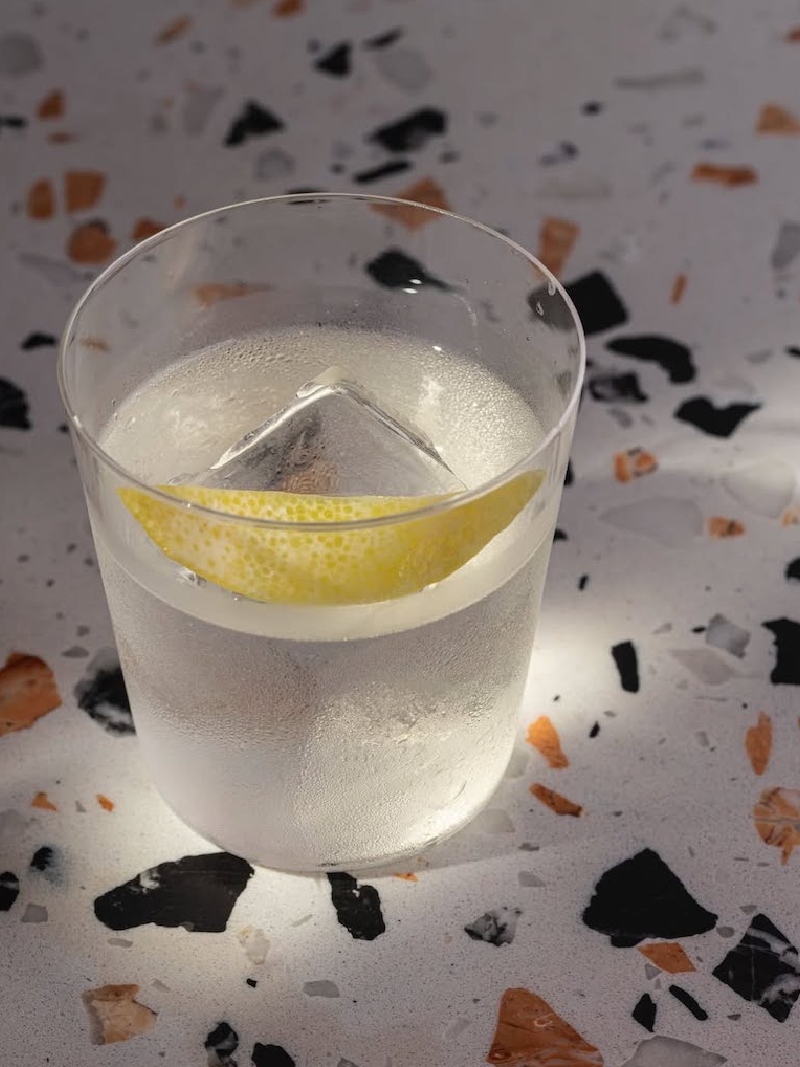
Another MICHELIN Selected spot in Makati, Offbeat’s inventive flair carries over from their à la carte dishes, which mainly reinterpret Philippine culinary mainstays, to their drinks menu.
-
Header Image © Alexandra Anschiz