15 January 2026

Share


You would know whether a city has made its mark on culture by the number of songs written about it. “Manila, I keep coming back to Manila” is a melodic line from a song by the Filipino band Hotdog, and everyone from one’s grandparents to aunts and uncles can hum along to the titular tribute to the capital city of the Philippines. There are songs about Manila girls and Manila when it rains, and the result is always a bittersweet longing for its busy streets, traffic notwithstanding.
What is often called “Manila” is, in practice, Metro Manila — a region of 16 cities and one municipality, home to over 13 million people. Its origins trace back to a pre-colonial trading port along the Pasig River, later fortified by the Spanish in the 16th century within Intramuros. The city was reshaped again under American rule in the early 20th century, and much of it rebuilt after the destruction of World War II. Today, those layers remain visible: colonial churches, mid-century structures and modern business districts coexisting within a compact, shifting urban fabric.
The pace can be uneven, but rarely static. Jeepneys and trains move alongside private cars; street vendors set up next to long-standing institutions; meals are structured around rice, often eaten three times a day, with dishes shaped by Malay, Spanish, Chinese and American influences. English and Tagalog are widely spoken, and hospitality is less a gesture than a default setting. Manila does not resolve itself quickly, but, over time, its patterns hold — a city defined by both continuity and change.
Which raises the question: Can one fall in love with Manila in just two days?
From iconic eats to museum visits, antique stores to historic walks down memory lane, this guide will show you the side of the metro that will have you humming love songs before you leave.
Day 1: Quezon City and Makati
Of Metro Manila’s 16 highly urbanized cities, Quezon City and Makati best capture the region’s heartbeat. Everything from the classic to the contemporary, culinary and cinematic, can be seen, felt, heard and tasted along these busy districts of the cities.
Morning
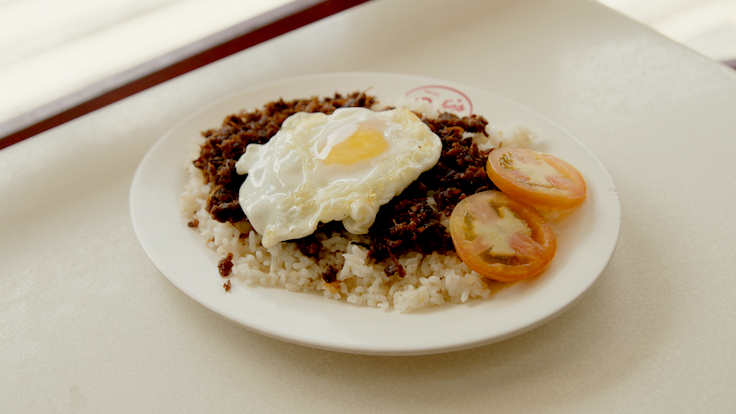
There is no Filipino breakfast more iconic than tapsilog, a hefty meal of tapa (thinly sliced beef), sinangag (garlic fried rice) and itlog (an egg cooked sunny side up). Rodic’s Diner is a family-owned eatery that has become synonymous with tapsilog since it opened in 1949. Start your trip with a heaping plate of their signature shredded tapa in the branch located at the corner of Masaya Avenue and Maginhawa, a hip street filled with coffee shops and concept stores frequented by students from the University of the Philippines-Diliman, which is within walking distance.
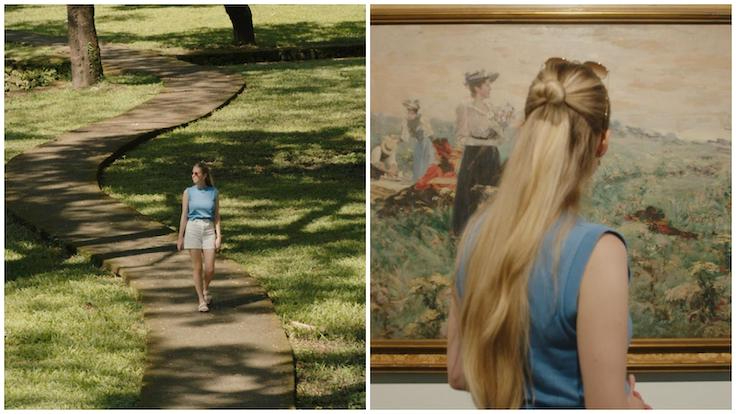
After your Rodic’s fill, find shade around the Sunken Garden, the 5-hectare basin-shaped enclave of acacia trees and natural greenery at the center of the Academic Oval, or visit the Vargas Museum for a quiet morning surrounded by modern and contemporary art inside the University of the Philippines.
Lunch
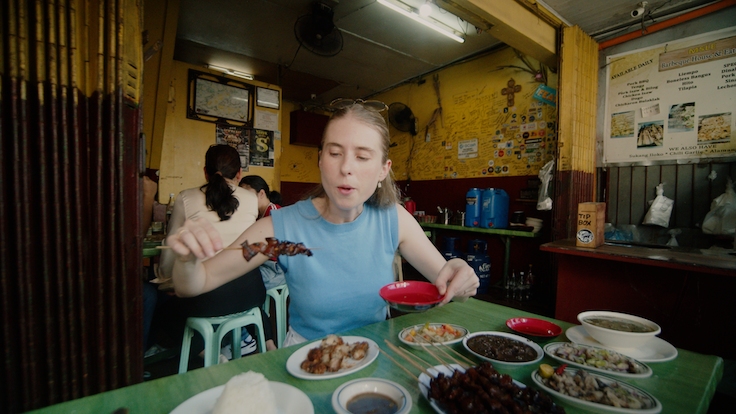
After a morning around Diliman, follow Katipunan Avenue and turn right onto an unassuming street to find Morning Sun Eatery along J.P. Rizal Street in Project 4. Lines have curled around the curb ever since the humble spot earned a Bib Gourmand in the inaugural MICHELIN Guide Manila and Environs & Cebu.
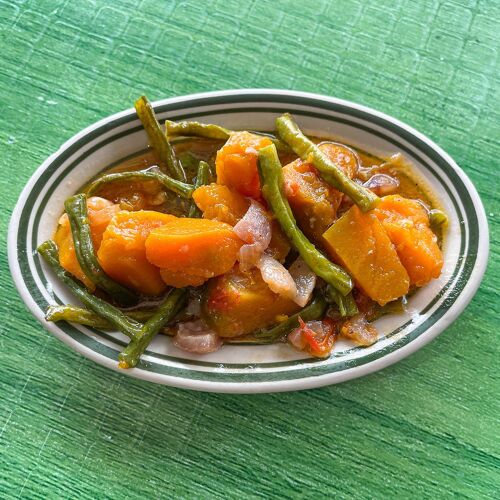


Originally from Bangar, La Union, Elizabeth Mortera has been cooking classic Ilocano dishes for 30 years and counting. Crowd favorites include dinakdakan — pork jowls, ears and liver creamed with mashed pig’s brain — along with barbecued pork skewers, grilled hito (catfish), tilapia and steaming bowls of sinanglaw, the Ilocano’s take on sour broth, tinged with a smoky bitterness from the beef offal. Be ready to order extra rice.
Afternoon
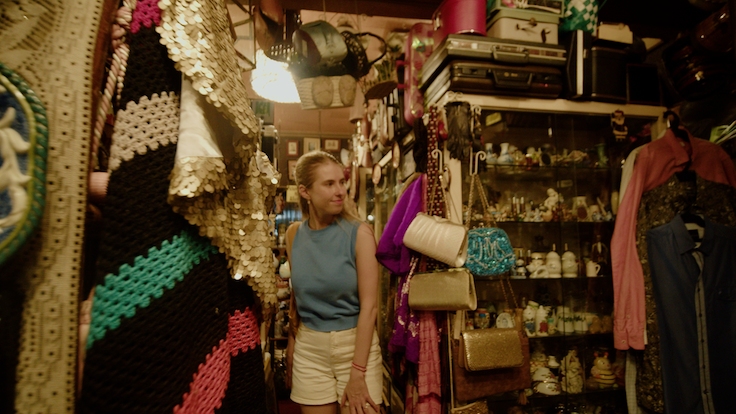
To explore where Manila subcultures converge, drop by Cubao Expo, casually known as Cubao X. What was once a space where local shoemakers from Marikina displayed their products till the 1980s is now an effortlessly eclectic home for artists, musicians, writers, home brewers and vintage lovers. Browsing through vinyl records, dog-eared books and local designer fashion will leave you thirsty, so take a swig of any of the fine Filipino craft beers available at Fred's Revolución.
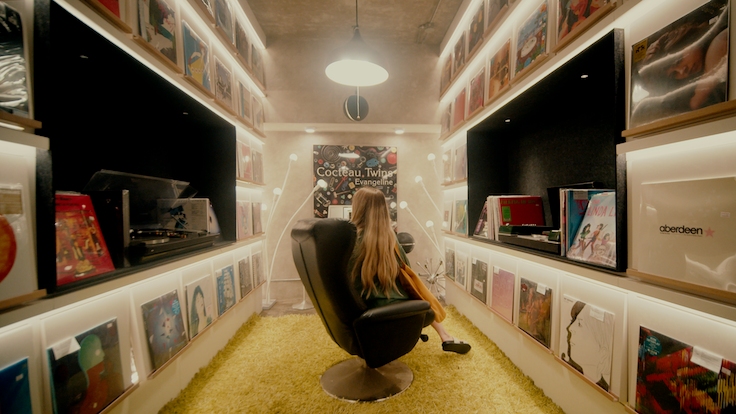
Continue the Cubao vibe in Makati, where chic former warehouse development The Alley at Karrivin resides alongside the major art galleries on Chino Roces Avenue. Find everything from specialty coffee to ramen inside the open-air, industrial chic complex surrounded by warm light and traditional brick tiles from Vigan. Looking for a unique piece for your apartment? You’ll find something quirky here.
Dinner
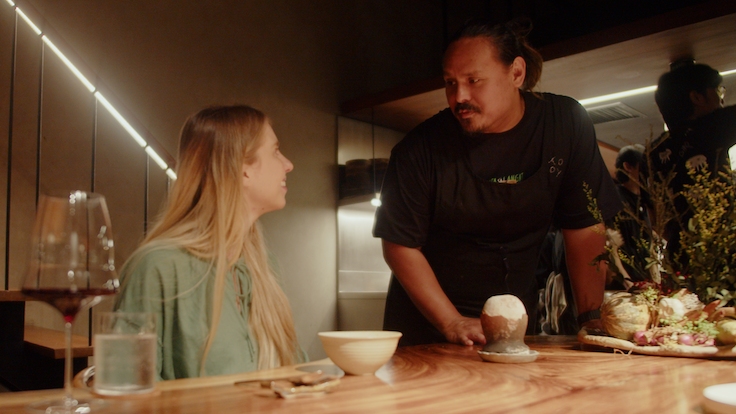
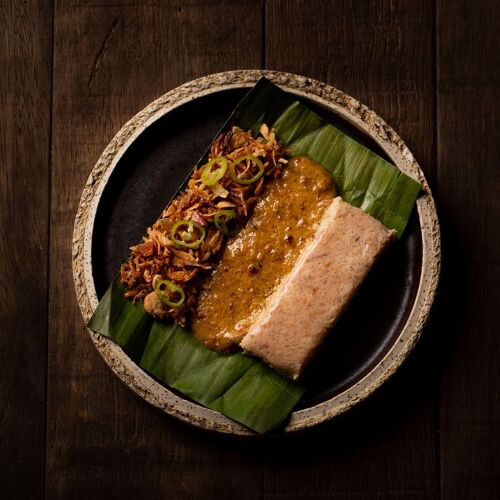
As your first day in Manila winds down, duck inside Toyo Eatery to experience innovative Filipino cuisine accompanied by sensory storytelling. The warmly lit restaurant, reminiscent of a modern Filipino home with its capiz lamps and rattan furniture, earned a MICHELIN Star just one year shy of its 10th anniversary. Over the past decade, owners Jordy and May Navarra and their team of creative kitchen enthusiasts have pushed the limits of what local produce and simple ingredients, such as toyo, or soy sauce, can do. For a fully Filipino experience, reserve a table for the Kamayan Menu, which invites diners to eat family-style with their bare hands.

Day 2: Old Manila and beyond
Filipinos cling to an old saying attributed to their national hero, Jose Rizal: He who does not look back at whence he came will not reach his destination. In the middle of modern Manila, we constantly gaze back at Old Manila in centuries-old walls, towering stone churches, and heirloom dishes that earmark one’s roots and heritage.
Morning
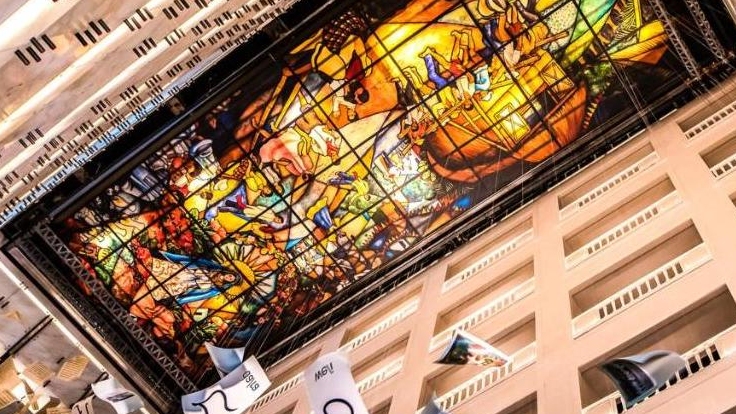
There are plenty of reasons to rise early in Manila, but few as compelling as a morning at the Admiral Hotel Manila - MGallery, a landmark that channels the quiet glamour of the city’s 1940s Golden Age. Once a beacon along Roxas Boulevard, the hotel has been thoughtfully reimagined, its Filipino-Spanish Art Deco details recalling a time when Old Manila moved with a different kind of elegance.

Step into El Atrio at daybreak and you’ll find a breakfast spread that nods to tradition while playing with it, too: think longganisa eggs Benedict and other Filipino favorites given a refined, modern twist. It’s a gentle way to start the day, wrapped in sunshine, history and the soft hum of a city waking up.
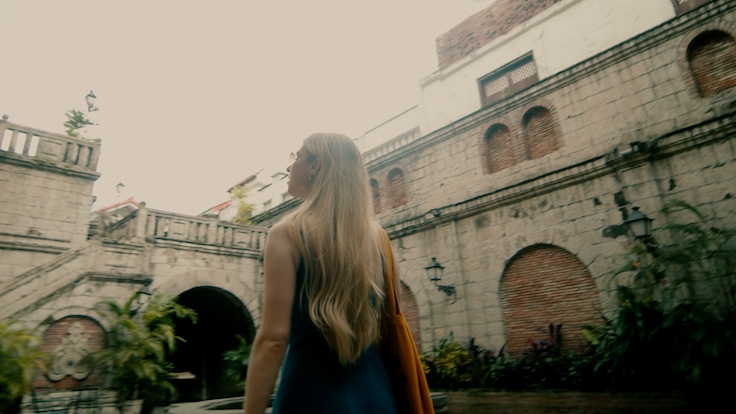
Stroll down the cobblestone streets of Intramuros, the walled city of Manila that housed the country’s first seat of power in 1571, or ride a kalesa, a horse-drawn carriage, to fully take in the sights and sounds of Old Manila. Make a turn toward the San Agustin Church, a UNESCO World Heritage Site. Finished in 1607, it is the oldest stone church in the country, surviving many battles, including World War II.
Lunch
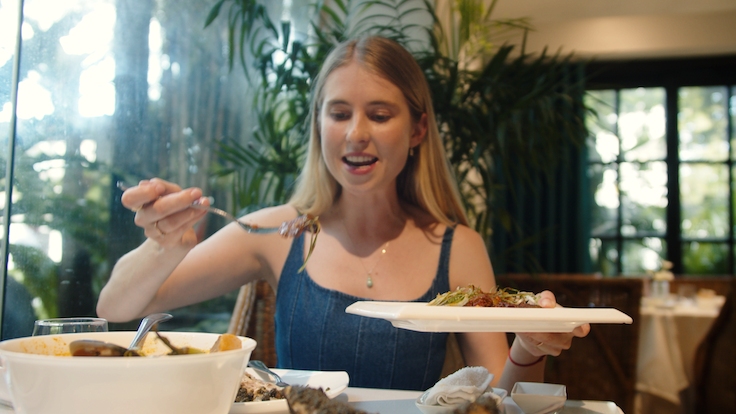
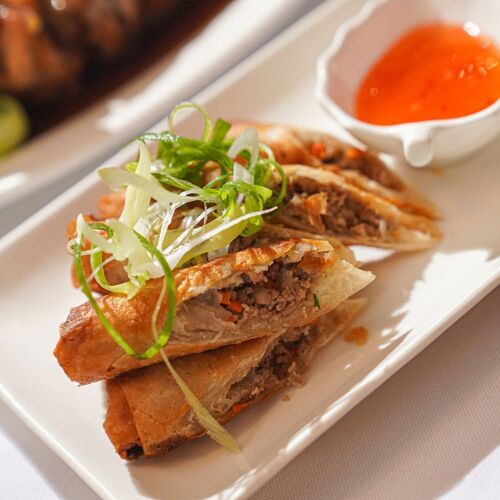
Right across the Malacañang Palace, the country’s current seat of power and official residence of the President, is a 1930s ancestral home fashioned into a restaurant, bar, gallery and retail space. Cabel, another MICHELIN Bib Gourmand recipient, takes pride in representing heritage dishes from the North to the South of the Philippines. Today, the third generation of Cabel owners ensures that dishes like the piyanggang manok, or blackened chicken cooked in coconut milk and Asian spices topped with toasted coconut meat, are prepared exactly the way they were made during their grandparents’ time.
Afternoon
From J.P. Laurel Street, head to Escolta Street in downtown Binondo to see architectural traces of Manila’s first premier business district. The “Queen of Manila Streets,” once the home of the country’s first skyscrapers and buildings showcasing elegant Art Deco design, has since undergone a revival as an arts and cultural hub.
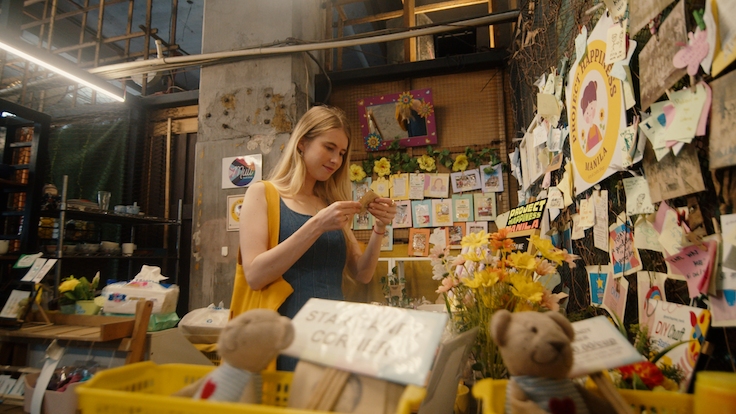
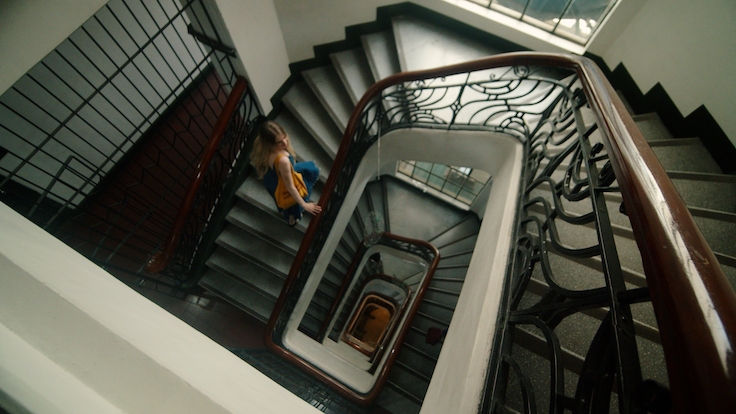
The First United Building, once Manila’s tallest building in 1928, now houses small creative studios, indie cafes, vintage shops and a 24/7 co-working space, attracting filmmakers, digital nomads and creatives.
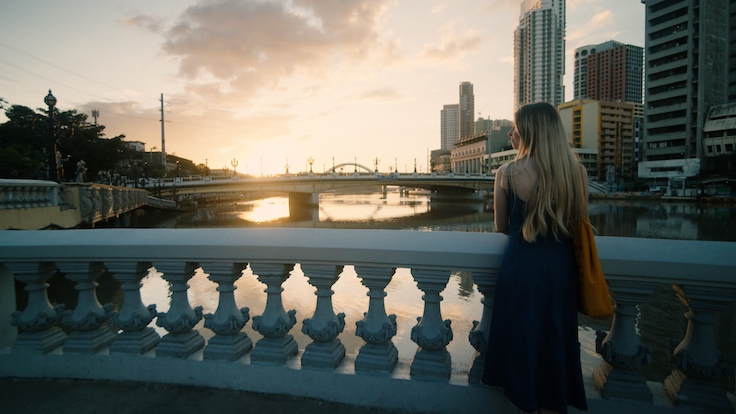
As the sun goes down, saunter along the Pasig River Esplanade, which is the centerpiece of an ongoing government initiative to make a 25-kilometer walkable red-brick path along the revitalized Pasig River.
Dinner
Amid Manila’s soaring skyline, hidden paradises like One-MICHELIN-Starred Kása Palma await in the heart of bustling Makati. From stepping onto coarse white sand at the entrance to the warm wood furniture and straw accents, Chef Aaron Isip’s wood-fired kitchen transports diners far from the city’s urban bustle.
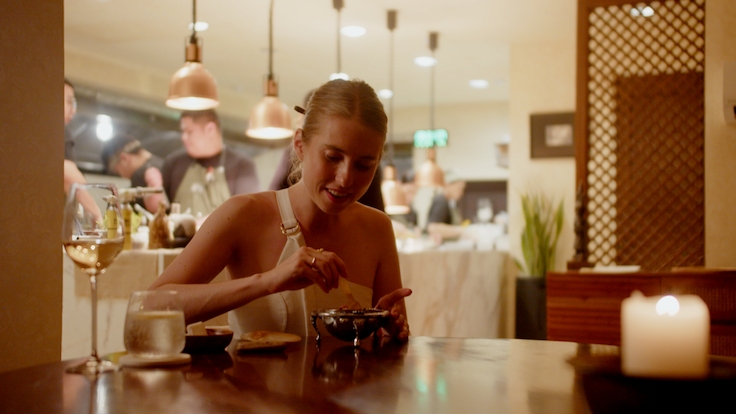
Various vegetables, meats and seafood are smoked over the grill where easy-to-love starters such as the pulpo (octopus) skewers and the colorful smoked seabream are prepared in front of guests. Isip uses his strengths in French cuisine to confidently deliver his rendition of island cooking: a jungle wildness tamed in slow-cooked, seductive flavors that linger like smoke.
Manila is a megacity that reveals itself gradually. It doesn’t smooth its edges or soften its pace, but meets you with a sense of continuity shaped by history and everyday life. Old yet never tired, the city moves forward with a quiet assurance, rewarding those who stay curious. There’s always something to do, someone to visit and some place to sit with a well-prepared meal as you finally understand why you keep coming back to Manila.