15 January 2026

Share


When Explorer Ferdinand Magellan reached the shores of Cebu City in 1521, his dream to circumnavigate the world ended in Mactan when he was killed by local chieftain, Lapu Lapu. It took more than 40 years for the Spanish Crown to send another expedition to conquer the Philippines.
Sugbu became Cebu City, the country’s first capital. Eventually, the capital was moved to Manila, but Cebu City grew into the country’s second-largest metropolitan area, a bustling trading port and a popular resort destination.
The city offers natural, cultural and gastronomic experiences that are equal parts delight and adventure. Visitors should arrive with their most comfortable pair of walking shoes, a camera and a daring appetite.
1. Lechon
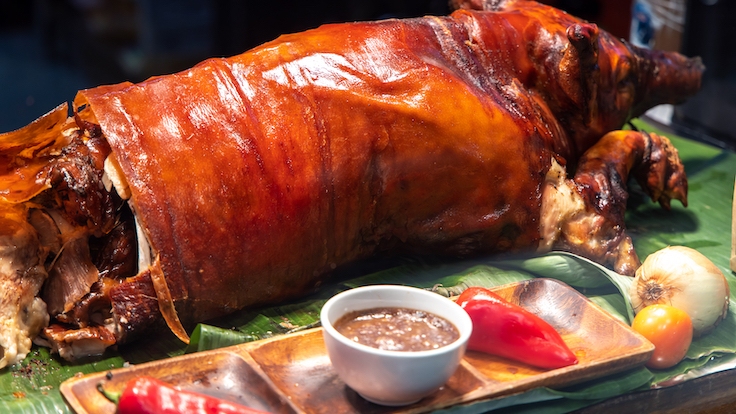
The cooking and eating of lechon — or whole roasted pig — could be considered a national pastime. Each region has its own interpretation of the hearty dish, from cooking techniques to seasoning. Loyalists claim their local lechenero (lechon chef) as the best, though Cebu City is particularly famed for its take on this Filipino staple.
Cooks first prepare their pigs with a variety of aromatics and seasonings, such as lemongrass, star anise, garlic and even commercial sodas. Each lechon establishment has its own unique recipe, which is kept close to its chest. After preparations, pigs are typically roasted on spits over an open fire for a few hours. The laborious process reflects the dish’s prime place at the center of dining tables during gatherings, parties and fiestas.
Eating lechon is an art in itself. Many crack the crispy skin — browned to perfection — and then savor the meat. Underneath the skin lies a layer of decadent fat, which some choose to scrape off with a spoon, but even more choose to keep on and enjoy.
MICHELIN Selected restaurant House of Lechon is a cozy local favorite that serves a variety of portion sizes perfect for lone and group diners alike.
2. Colon Street Heritage Corridor
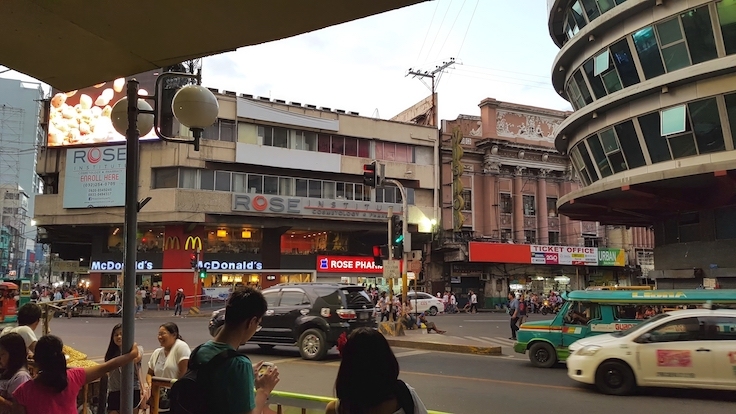
Named after Christopher Columbus (Cristóbal Colón in Spanish), Colon Street is widely regarded as the oldest street in the Philippines and was once the commercial spine of Cebu City during the Spanish colonial period. While its role has evolved over time, the area remains rich in architectural and cultural landmarks.
Just a short walk away are some of Cebu City’s most significant heritage homes, including the Casa Gorordo, the Yap-Sandiego Ancestral House and the Jesuit House (Parian House). These well-preserved structures offer a more intimate look at 18th- and 19th-century Cebuano life, with coral stone walls, hardwood floors and period furnishings that speak to the city’s layered past.
Exploring this pocket of the city is less about spectacle and more about understanding how history is still very much present in everyday spaces.
3. Sirao Garden
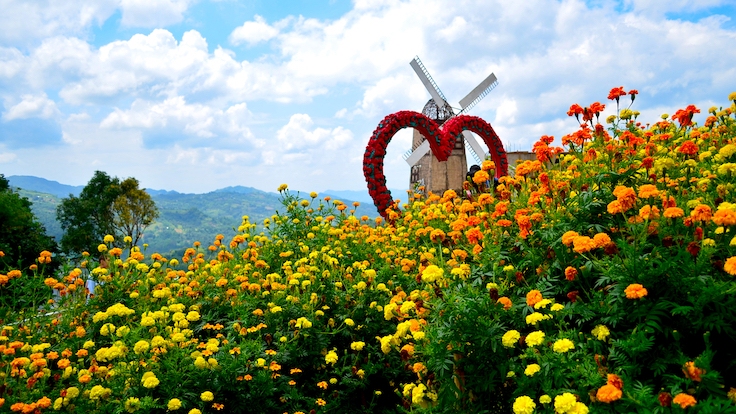
Around an hour’s drive from Cebu City’s center lies Sirao Garden, a picturesque garden tucked away in the highlands. Many dub this spot as Cebu City’s “Little Amsterdam” for good reason. Fields of celosia flowers and other blossoms envelope the landscape.
Beyond serving as a relaxing getaway from the city, Sirao Garden also provides the perfect photo opportunity. Walk amidst colorful blooms, quaint houses and windmills and take in the fresh air.
4. Pusô Village (formerly Carbon Market)
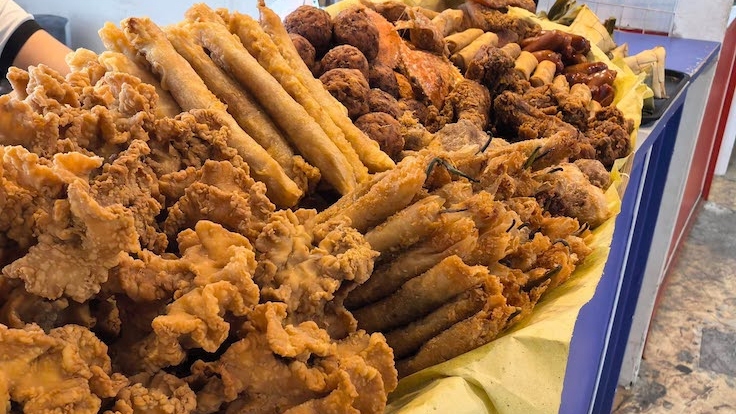
A trip to Cebu City is never complete without sampling local delicacies. Pusô Village is a covered, open-air market that’s home to a multitude of food and retail stalls selling fresh fruit, seafood and more.
You can get a quick lechon fix here, or taste other local favorites such as pusô, a rice cake made by cooking rice in pouches of woven palm leaves. Visitors can dip their pusô in tuslob buwa, a popular stew of pork brains, liver, onions, garlic, soy sauce and shrimp paste.
Pusô Village stands on the former site Carbon Market, one of the oldest markets in the Visayas. A visit here would appeal to both adventurous foodies and history enthusiasts.
5. MICHELIN Restaurants
Touring this dynamic city calls for a few refuel breaks, and travelers of all types can relish Cebuano warmth at these Bib Gourmand spots.
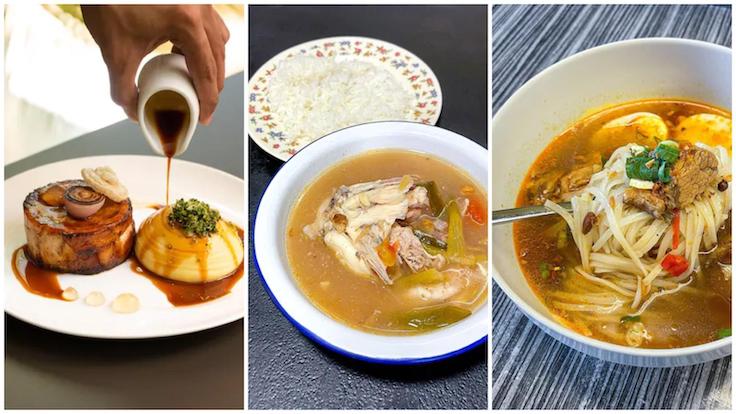
The Pig & Palm is helmed by a British chef with a wealth of international experience. The stylish wood-and-brick interiors and bar create a cozy ambiance that echoes gourmet European cuisine. While their signature dish is the confit pork belly, their small plates are good for sharing and enjoying with a drink or two.
Esmen is a family-founded market-side eatery that’s been in business for six decades. It made its name with a single dish: linarang, a sour fish soup that simmers over a wood fire. Although a variety of fish could be used for linarang, Esmen uses fresh porcupinefish. Order it on rice, ideally before noon.
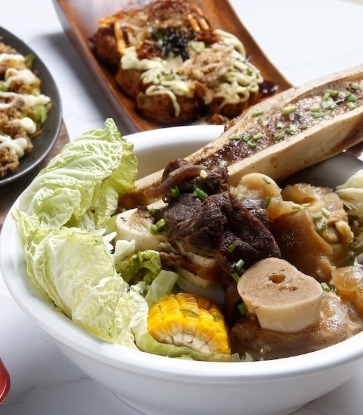
Pares Batchoy Food House serves Filipino classics family-style. Their pares batchoy (stewed beef noodle soup), sinigang na hipon (tamarind broth with prawns) and seared stuffed bangus (milkfish) are standouts. Wooden furniture and photographs on walls enhance the casual atmosphere.
In Cebu City, the pleasures are rarely singular. A crackle of lechon skin leads to a quiet mountain drive; a historic street unfurls into a market stall; a meal becomes a conversation with the past. This is a city that rewards those who walk a little farther, taste a little more and allow its layers to reveal themselves in their own time. Cebu City does not demand attention. It earns it, gently and completely, leaving visitors with memories that feel less like souvenirs and more like invitations to return.
Header Image (©Richie Chan)