04 March 2026
Share


In Arabic, the word riad simply means gardens. Traditionally, the riad was a family home in Morocco set around an inner courtyard and adorned with a small pool or fountain to ward off the heat.
Today, countless hoteliers have taken advantage of this charmingly functional form, remaking historic structures, often tucked away in the maze-like old town of the medina, into calm, intimate spaces that blend the sensibilities of modern travelers with a beloved, time-tested design.
In Marrakech, Inspectors distinguished a handful of riad hotels with at least one MICHELIN Key for hospitality excellence. Find them all below, along with Inspectors’ tips on nearby attractions and favorite corners throughout the city.
Riad Sakkan
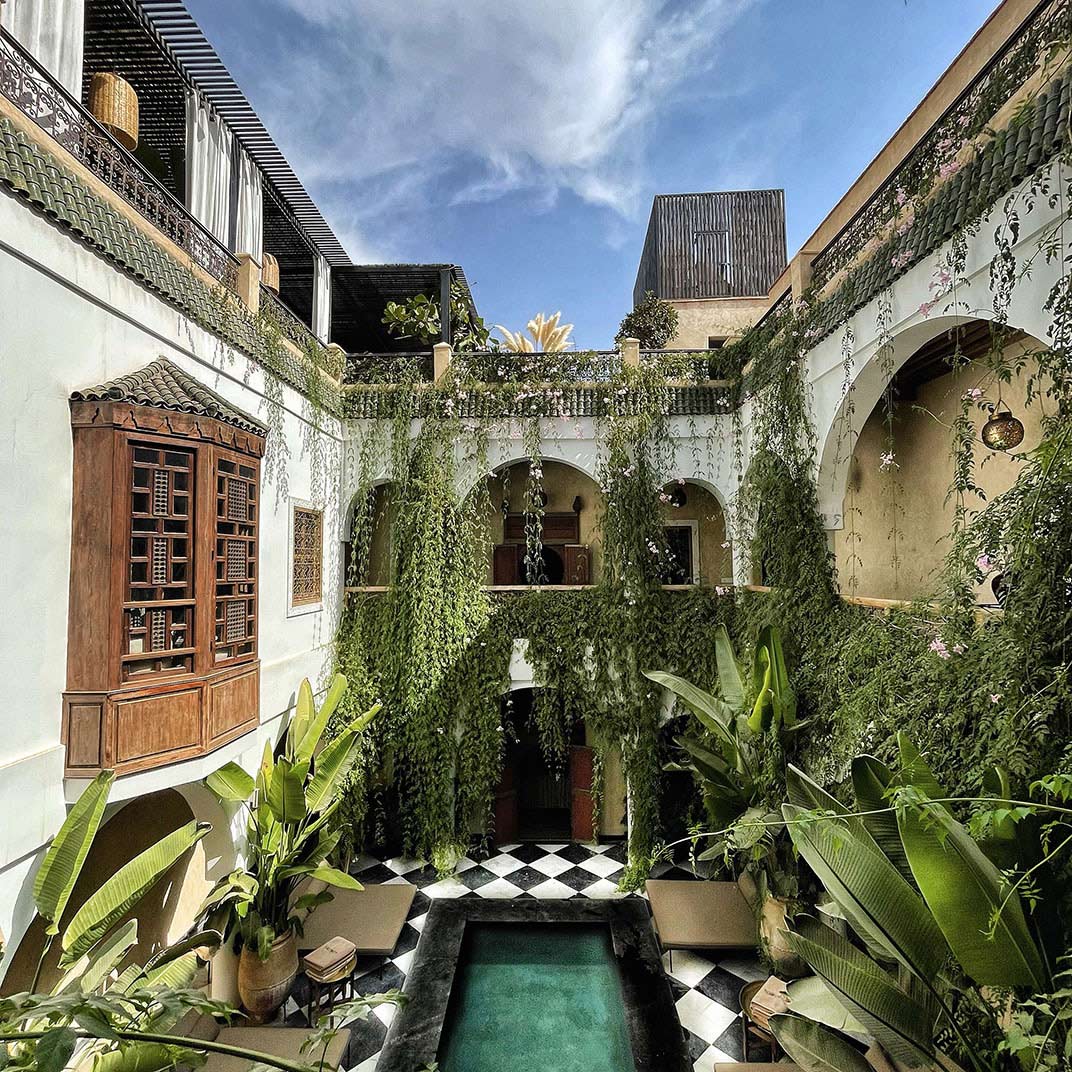
What it’s all about: In the trendy Mouassine district of the medina, an artsy, buzzy space gives a contemporary take on the riad.Outside, small shops selling caftans and lamps sit alongside stylish homeware boutiques, fashionable cafés and lively restaurants. Riad Sakkan matches that energy — it is a noticeably more vibrant and funky space than most of its competition, its permanent bar and in-house restaurant the kind of fixtures that define today’s modern boutique hotels.
But set as it is across several terraces, with its beautiful courtyard pool, it plays too on everything time-tested about the riad’s traditional style. Recognizably Moroccan elements are reinterpreted and juxtaposed, with Moorish patterns alongside bold jewel tones and black-and-white photography.
Inspector’s Tip: Don’t miss the Musée de la Musique nearby, housed in a beautifully restored 16th-century riad, or the contemporary pottery and glassware at 36 Mouassine Concept Store. At the hotel itself, the panoramic rooftop terrace is an undeniable highlight: Settle in between 6 and 11 p.m. for drinks and tapas.
Riad Tarabel
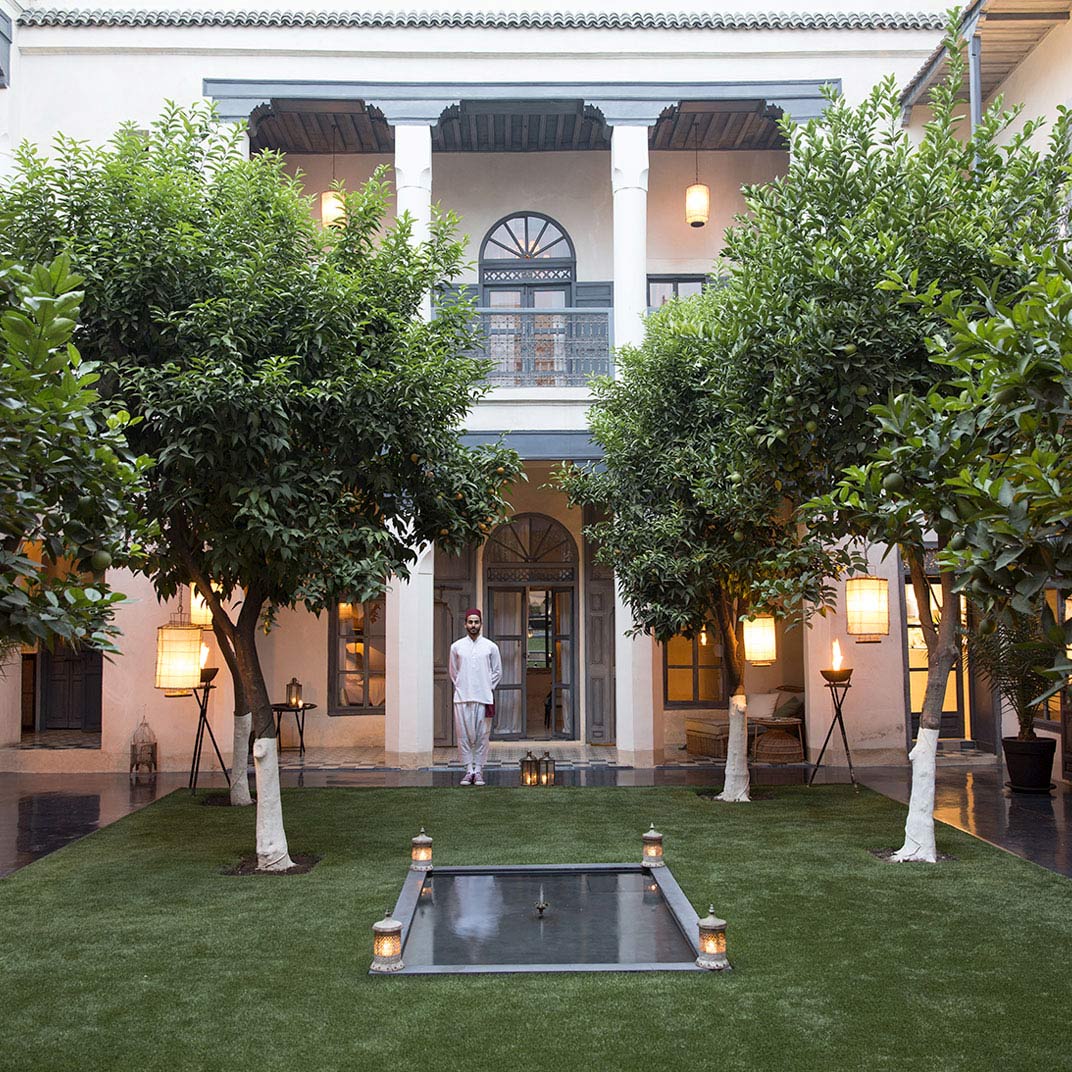
What it’s all about: A discreet, Parisian feel at this beloved spot in the Dar El Bacha district in the heart of the medina.Hardly noticeable from the outside, a large door on a small side street is the only indication you’ve arrived at Riad Tarabel, where discretion and privacy are clearly among the appeals. But behind the walls is one of Marrakech’s brightest riads: Sunlight floods a tree-lined courtyard, around which a two-story mansion blends Moorish architecture with French accents.
Each of the 10 rooms comes furnished with a freestanding Victorian bathtub, while public spaces feature landscape frescoes, wicker furniture and elegant tiling. A spa and hammam provide respite alongside a courtyard pool. Meanwhile, fresh, seasonal dishes are enjoyed on the rooftop or by the pool.
Inspector’s Tip: Western elements, like the frescoes in the lounges, give this riad an interestingly European design flavor. Supplement with two distinctively Moroccan experiences a one-minute walk away: a visit to Bacha Coffee, one of the most glamorous — and often busiest — spots in town, or the popular Hammam de la Rose for a larger menu of traditional hammam treatments.
IZZA Marrakech
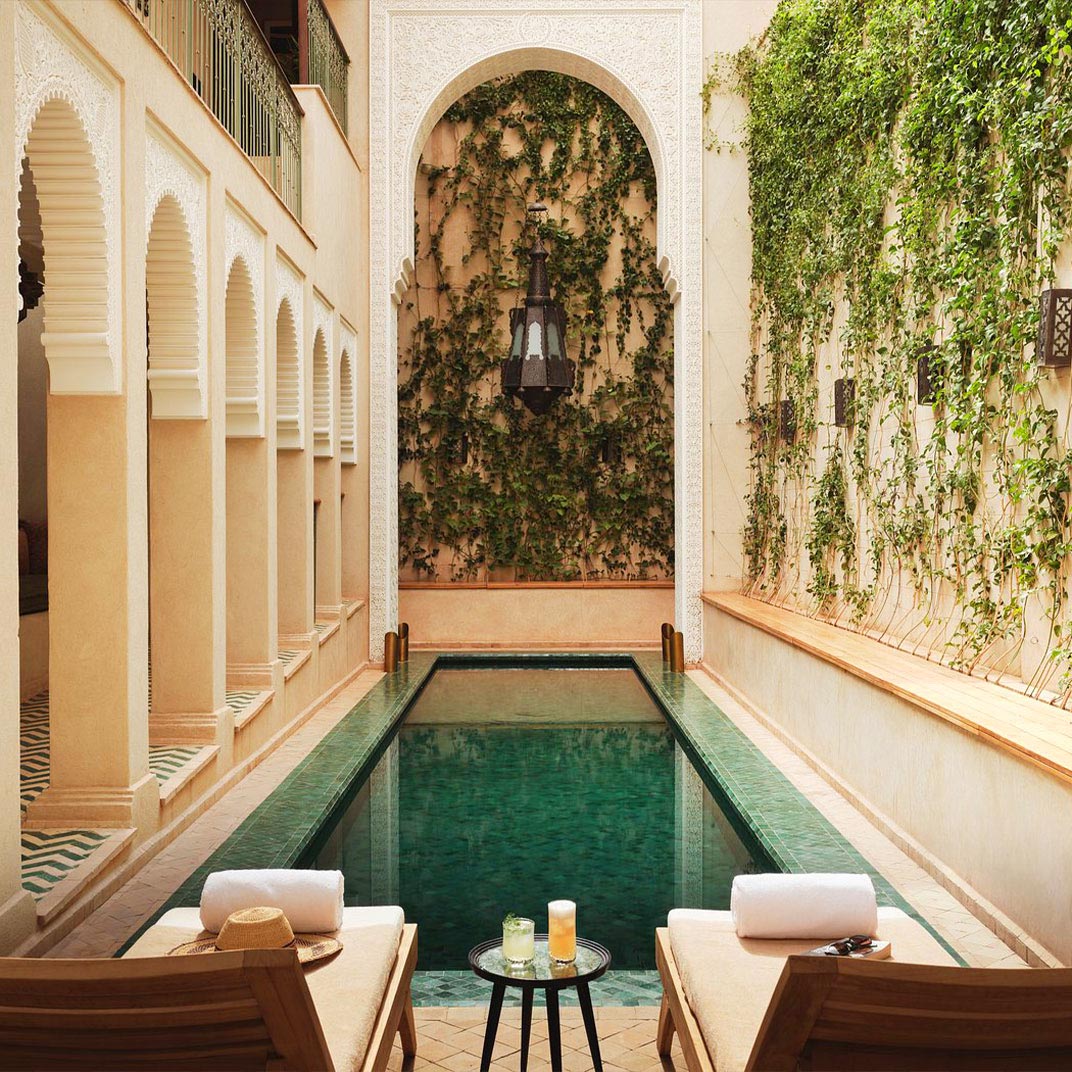
What it’s all about: A bold, art-focused retreat in a more authentic corner of the medina.Hidden in a less touristy area toward the north of the medina, IZZA Marrakech is not one riad but seven interconnected ones with a total of 14 guest rooms, three courtyards, a poolside cocktail bar and a panoramic rooftop. The former home of American designer Bill Willis, the hotel features intricate designs throughout its spaces named for counterculture figures — from American poet Allen Ginsberg to French Moroccan photographer Leila Alaoui.
Odes to the creative and the bold are evident in the rooms, each an eclectic mix of Moroccan craftsmanship and avant-garde modern art, as well as in the more than 300 digital works provided through an ongoing partnership with the Museum in the Medina.
Inspector’s Tip: Saturdays are for brunch on the roof at Noujoum, where a DJ spins disco tunes as you linger over a long meal. One of its charming terraces features a two-meter “data painting” by Turkish American artist Refik Anadol dedicated to AI hallucinations.
Riad Dar Al Dall - This Time Tomorrow
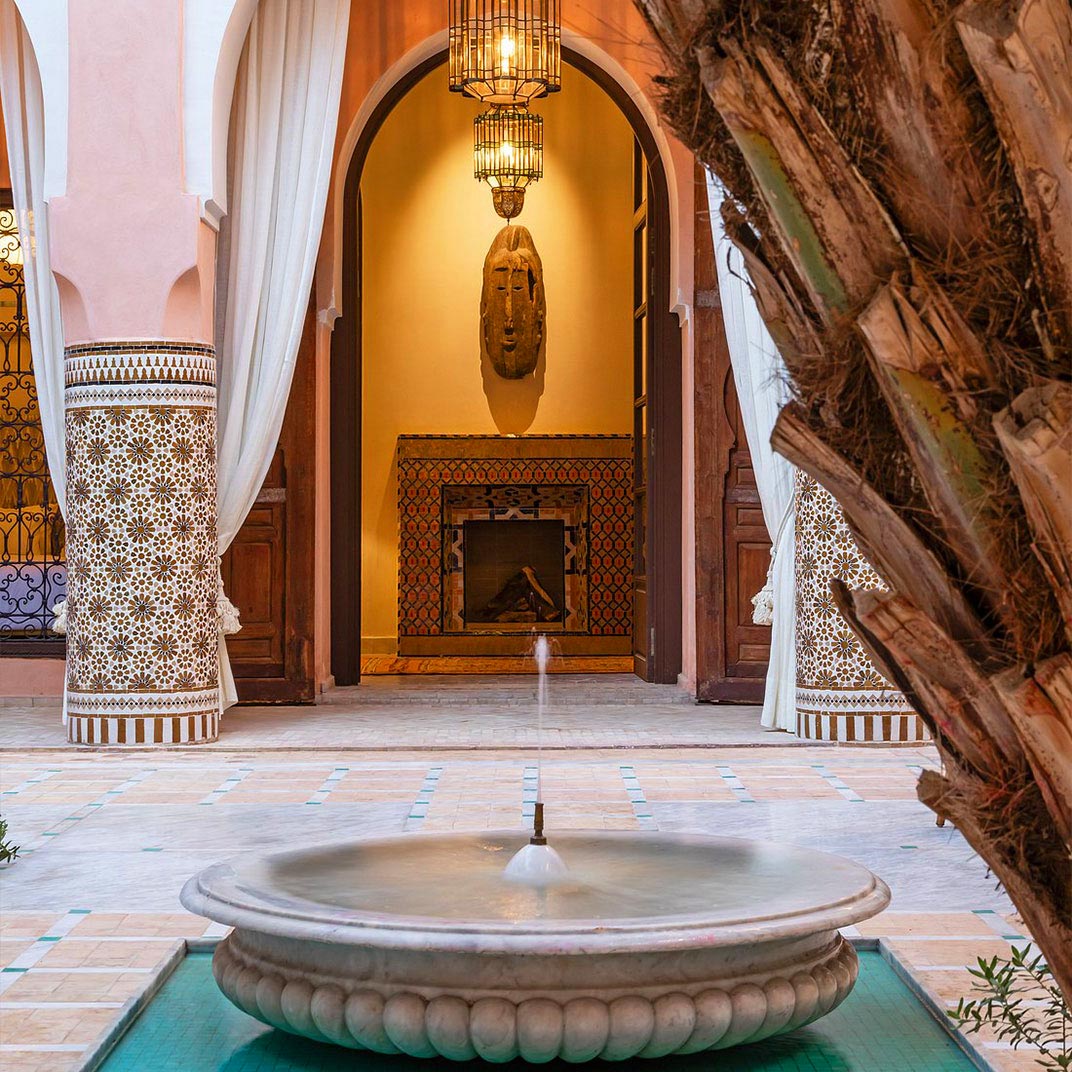
What it’s all about: A bright, newly opened space with one of the city’s best rooftops nestled in the heart of the medina’s twisting alleys.Opened in 2024, Riad Dar Al Dall sits in the Kaat Ben Nahid district, among the oldest areas of the medina, hidden within a maze of winding alleys that lead quickly to the heart of the souk. A resident curator on-site remains available to help travelers navigate the city, while the hotel itself is a bright, welcoming introduction to Marrakech.
Five rooms, known as residences, feature pops of color and classic Moroccan touches, and one sports its own private balcony. The central pool and the private hammam area are highlights — as is the open kitchen available for guests to cook for themselves.
Inspector’s Tip: For a dive into Marrakech art through the ages, pair a visit to nearby Medersa Ben Youssef, a former Islamic school with exquisite tilework, with the Maison de la Photographie and its captivating collection from 1870–1960. But it’s the hotel’s rooftop terrace that truly shines, with panoramic views that stretch over the medina to the Atlas Mountains.
Riad No. 37
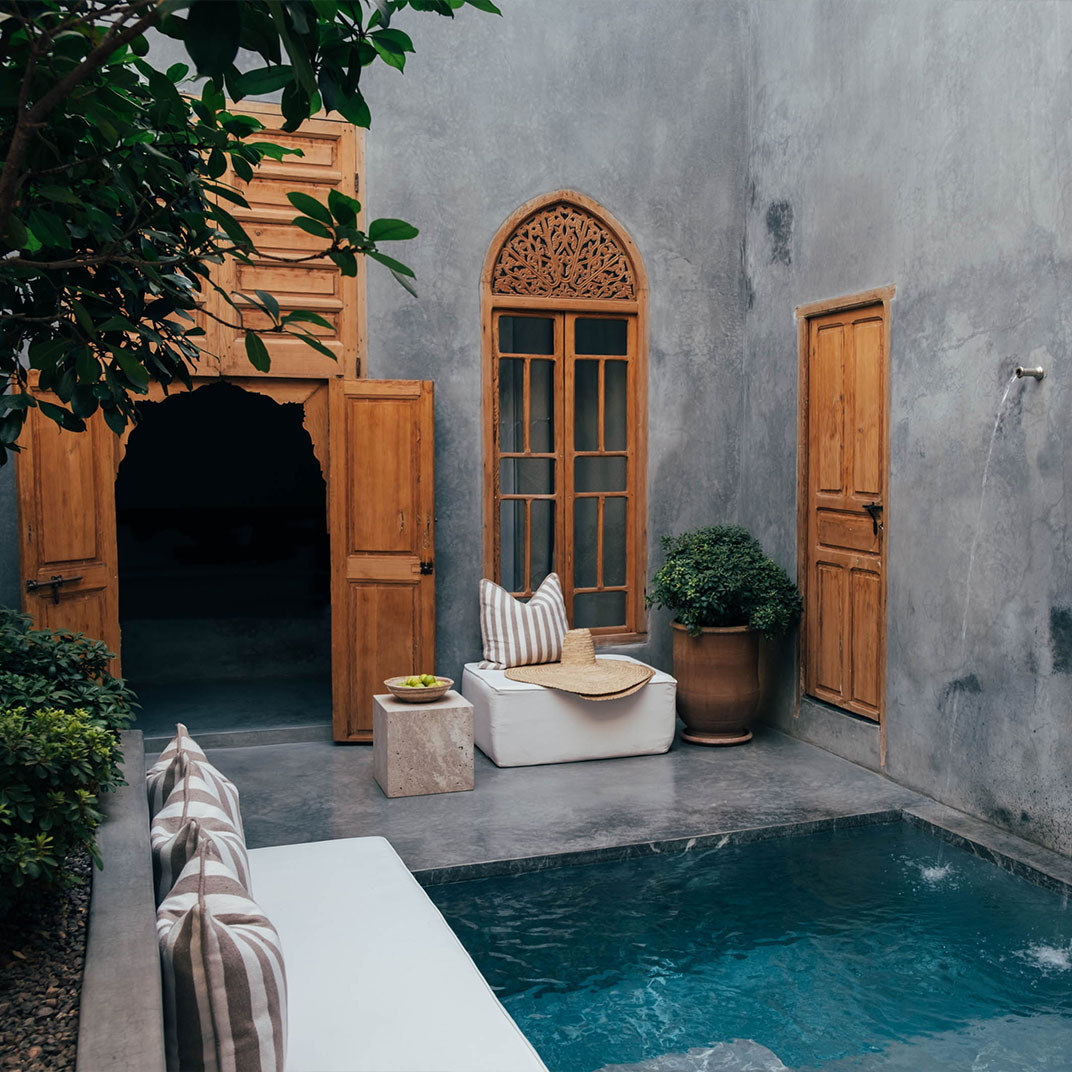
What it’s all about: An unmistakable Nordic influence on dining and design for a sophisticated, adults-only clientele in the Dar El Bacha district in the medina.The kitchen is as good a place as any for an introduction to Riad No. 37. The team here trained at a culinary school established in Morocco by Chef Claus Meyer, the co-founder of the legendary (now closed) Three-Star Noma in Denmark. Dining plays a central role in the hotel, and cuisine reinterprets traditional Moroccan dishes through the principles of Meyer’s New Nordic cuisine — a movement all about local, seasonal ingredients.
The Nordic influence continues with an embrace of Scandinavian minimalism in design-driven spaces that unfold around several patios and clean, understated rooms in cool neutrals. Yet there is plenty of warmth, both in the rooftop fireplace and the heated pool.
Inspector’s Tip: Le Jardin Secret, a beautiful historic garden, is just three minutes away on foot — an oasis of calm among the buzz of the medina if the quiet spot by the hotel’s own fireplace is already taken.
Riad Due
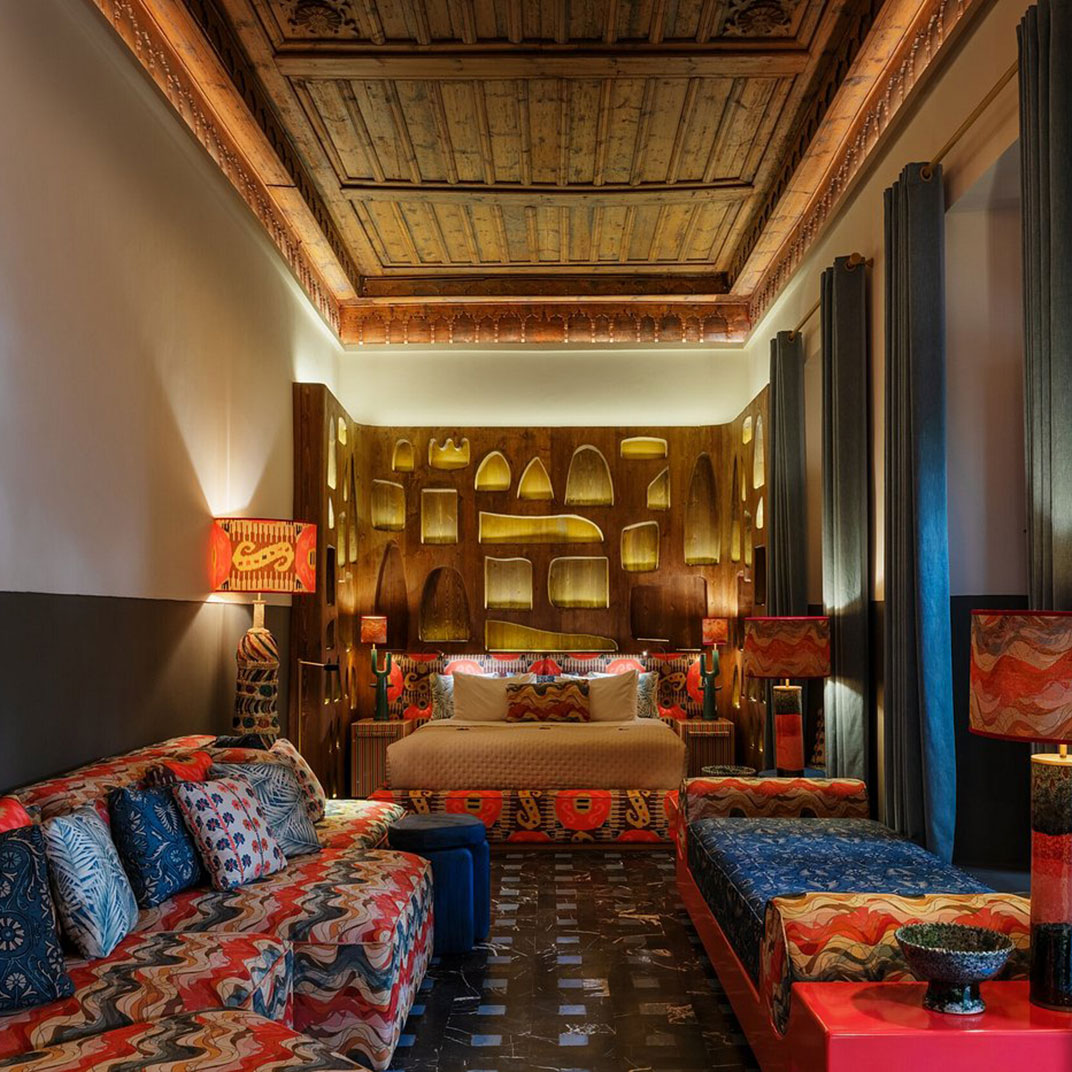
What it’s all about: A tiny design-focused riad in a quiet corner of the Mouassine near the stalls of the central souk.Milanese photographer Elena Masera personally manages her intimate, four-suite riad in this residential corner of the medina by the central souk market — and her distinctly design-forward sensibility comes through in an explosion of patterns and colors throughout her three-story palace.
The tiny number of rooms belies generous private and shared spaces, including the large central patio with a striking pool framed by tall palms, and the rooms themselves prioritize balconies, antiques and excellent baths. Expect hand-carved copper tubs, bathtub skylights or private hammams. The open kitchen is a rare feature in Marrakech, and one that adds to the sense of open space at this little hotel. Guests may arrange traditional dinners by the pool or terrace.
Inspector’s Tip: The spacious rooftop is among the best in the city. Spend time between excursions to the souk up there or at the riad’s wonderful, colorful library.
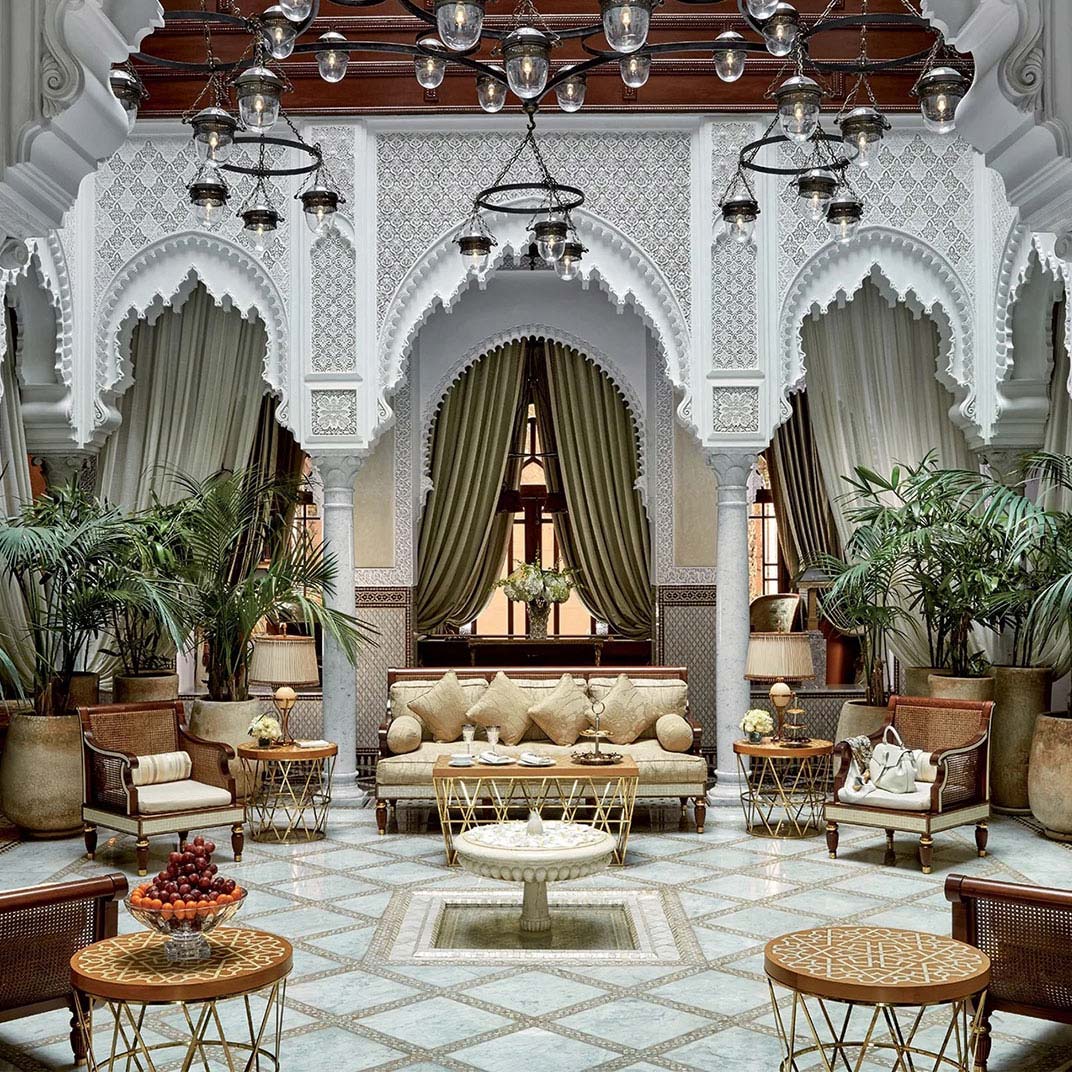
Royal Mansour Marrakech
What it’s all about: Just outside the medina, Morocco’s only Two-Key riad is the height of luxury.The only Two-Key among the riads of Marrakech is in reality a vast collection of 53, each fit for a king. Appropriate, given Morocco’s King Mohammed VI designed them. The complex sprawls across 12 acres of opulent Moorish landscaping with herb gardens, private pavilions, outdoor pools and glass-enclosed indoor pools.
Each riad features on-call butlers, Baccarat chandeliers, private courtyards and locally made silk carpets. Befitting the royal treatment, spa treatments are vast, ranging from Tibetan sound bowls to hydration facials. Four restaurants serve international cuisine on leafy patios or in decadent dining rooms.
Inspector’s Tip: Book one of the on-site workshops with advance notice — pottery, jewelry-making and cooking classes offer a hands-on cultural experience all within the hotel gates. And while the Medina is close — a 10-minute walk to Koutoubia Mosque, 15 to Jemaa el-Fnaa — there’s little reason to leave.
Related Articles:
Header image: Royal Mansour, a Two-Key riad hotel conceived as a city within a city.