16 April 2026


Share


All roads may lead to Rome, but with concerns about overtourism and last year’s Jubilee crowds, many travelers have chosen to skirt the Eternal City for now. Yet in the meantime, Rome has flourished — if not quite delivering all the promised infrastructure for the pilgrimage year. Beyond the scaffolding and headlines, the city’s most compelling renaissance has unfolded at the table: A groundswell of culinary and cultural initiatives has sprouted as prolifically as the fig trees and caper plants that burst from old Roman buildings.
The ancient imperial capital today contains more history, art and fabulous food than could be consumed in two years. To understand Rome quickly, though, it helps to follow its appetite — from espresso counters at dawn to trattoria tables at midnight. However, during two days in Rome, visitors can still sample some unforgettable sights and flavors of the city, with an eye toward coming back for more. The well-trodden tourist sites remain unmissable, yet Rome holds endless, less-explored treasures to appreciate the staggering beauty and enduring past that pervade so much of this nearly 3,000-year-old city.
Find your hotel
Where to Stay in Rome
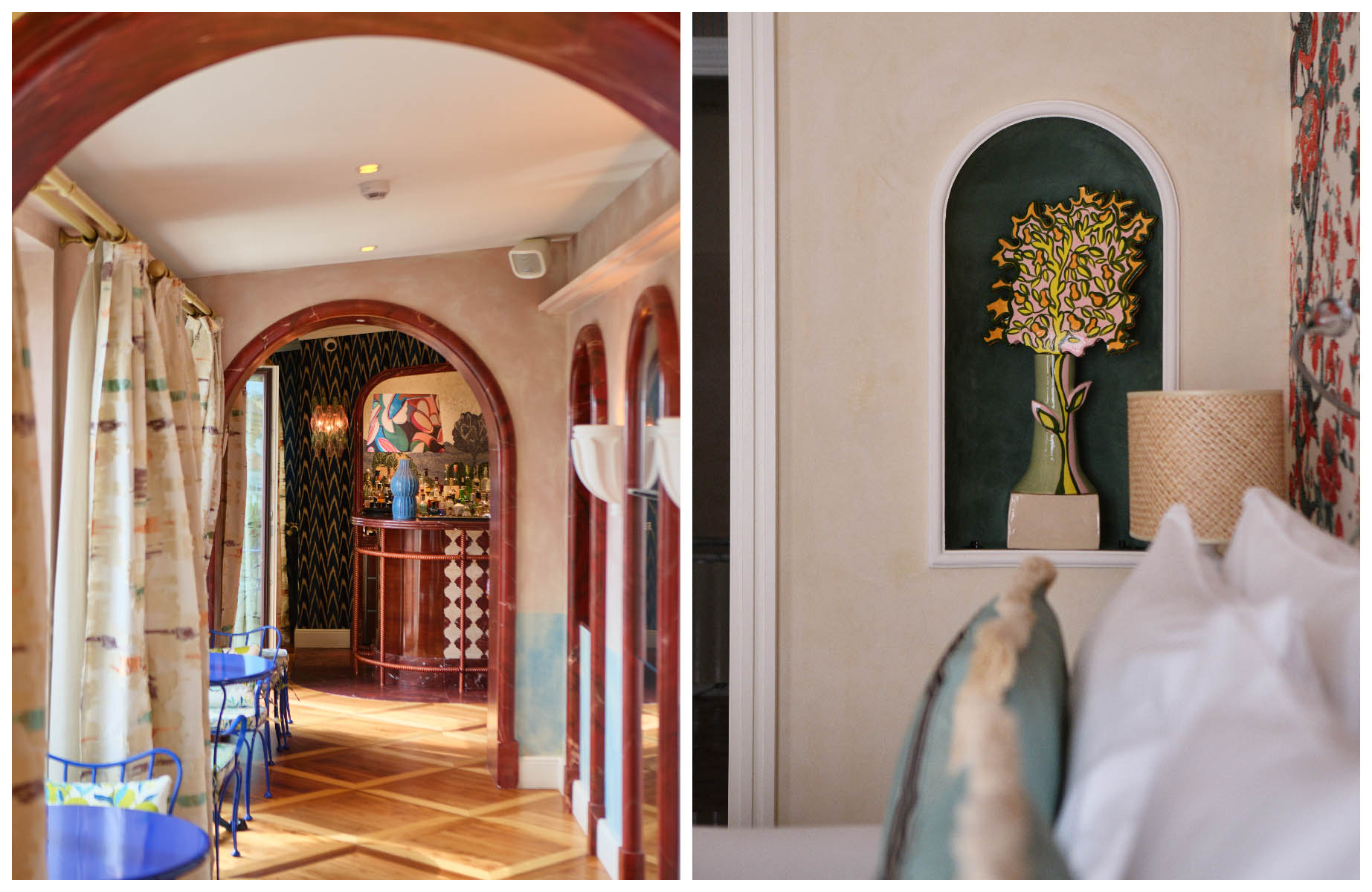
Some of Rome’s best stays are right at its heart, just walking distance from key sites — like the boutique J.K. Place Roma, the grand St. Regis, the intimate Palazzo Ripetta, and for design lovers, Casa Monti and the more affordable Hoxton. Drop your bags and step into the golden Roman sunlight.
Day 1
9 a.m. — A Sweet Start
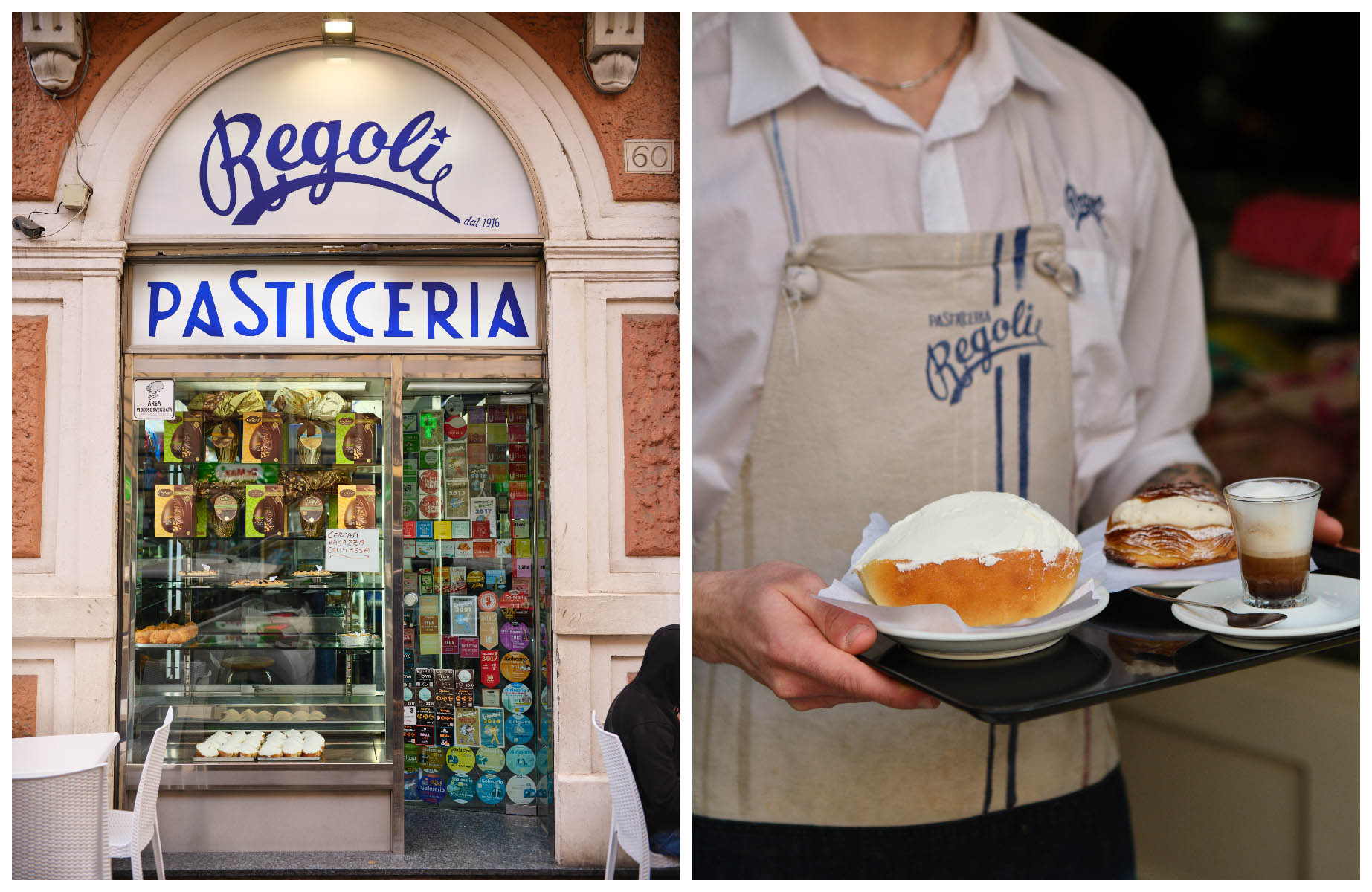
Pastries are a perfectly acceptable way to start the day in Italy, so get into the local mindset with a breakfast treat at Pasticceria Regoli, a 1916 bakery in the Esquilino neighborhood, famed for its cream-filled Roman specialty, maritozzi. For pastries and full breakfast options, try Santi Sebastiano e Valentino in the eclectically beautiful Coppedè neighborhood, or the internationally minded Marzapane, which offers specialty coffees and heartier egg plates. Be sure to book ahead.
10 a.m. — Where Rome Began
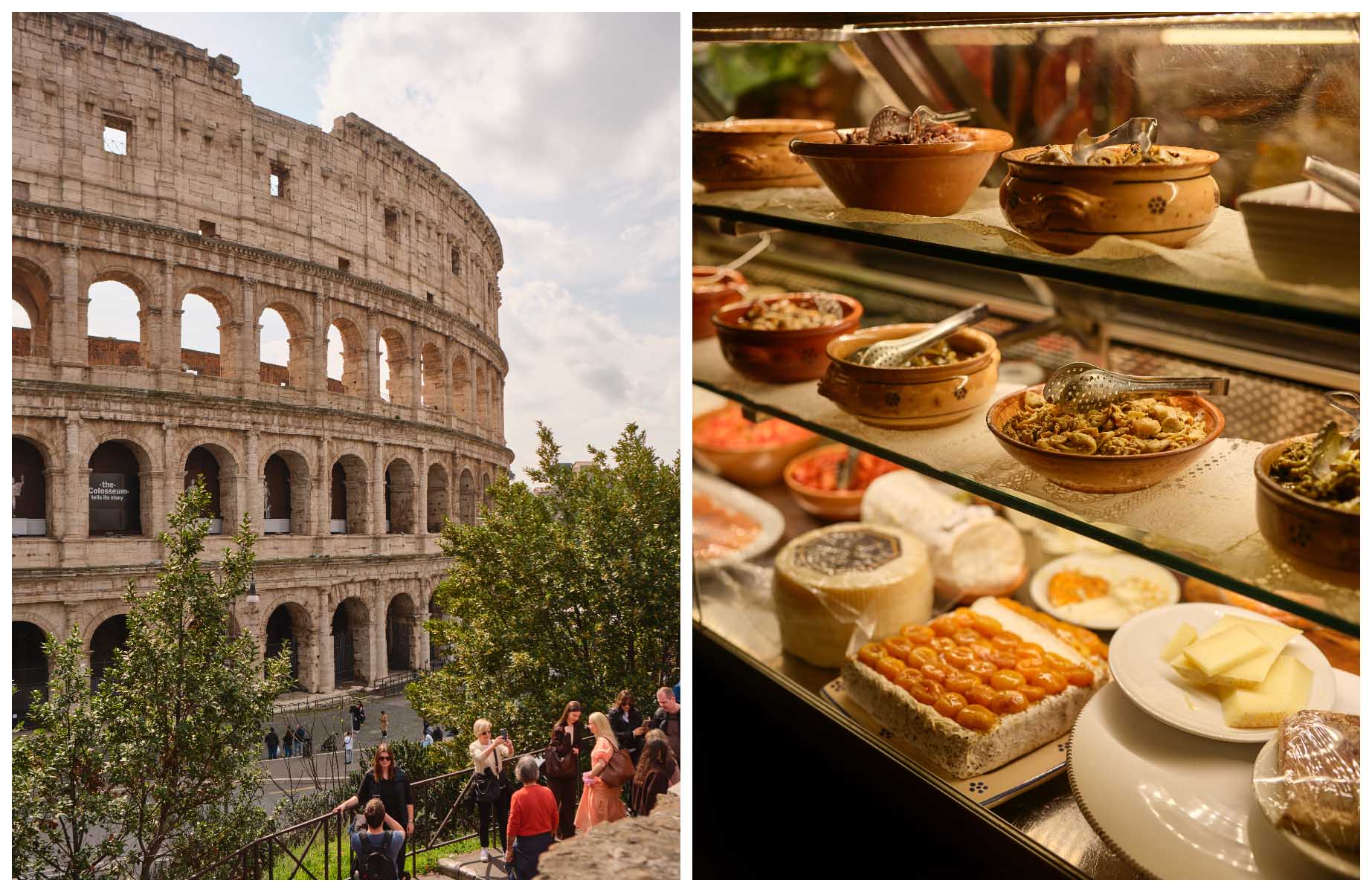
Stroll amid Rome’s ancient grandeur, starting at the Colosseum, the largest amphitheater built by the ancient empire and the city’s emblem — now accessible via the stunningly contemporary Colosseo-Fori Imperiali subway station, which houses a museum of relics from its excavation. Continue up the Palatine Hill, the origin of Rome and home to its imperial residences, and through the Roman Forum, the nucleus of ancient Roman religious and civic life.
Book tours, tickets and guides in advance, especially if you're only spending two days in Rome, or, if you’ve visited previously, check out the little-known 17th-century Church of San Bonaventura al Palatino. A steep uphill walk is rewarded with supreme views and, if you catch a tour, entrance to perhaps the most beautiful hidden terrace garden in Rome, where the monks grow lemons and other fruits overlooking the center of the city.
11:30 a.m. — The Marvels of the Capitoline
Primed for antiquities, continue past the miraculously intact Trajan’s Column from 113 C.E. and beyond the frothy Monument to Vittorio Emanuele II, up to the Piazza del Campidoglio, designed by Michelangelo, and to the Capitoline Museums. Unparalleled antiquities await within the museums, like the Capitoline Venus — the very symbol of classical beauty — and the remains of the Colossus of Constantine, whose sculpted hand alone is as tall as a person.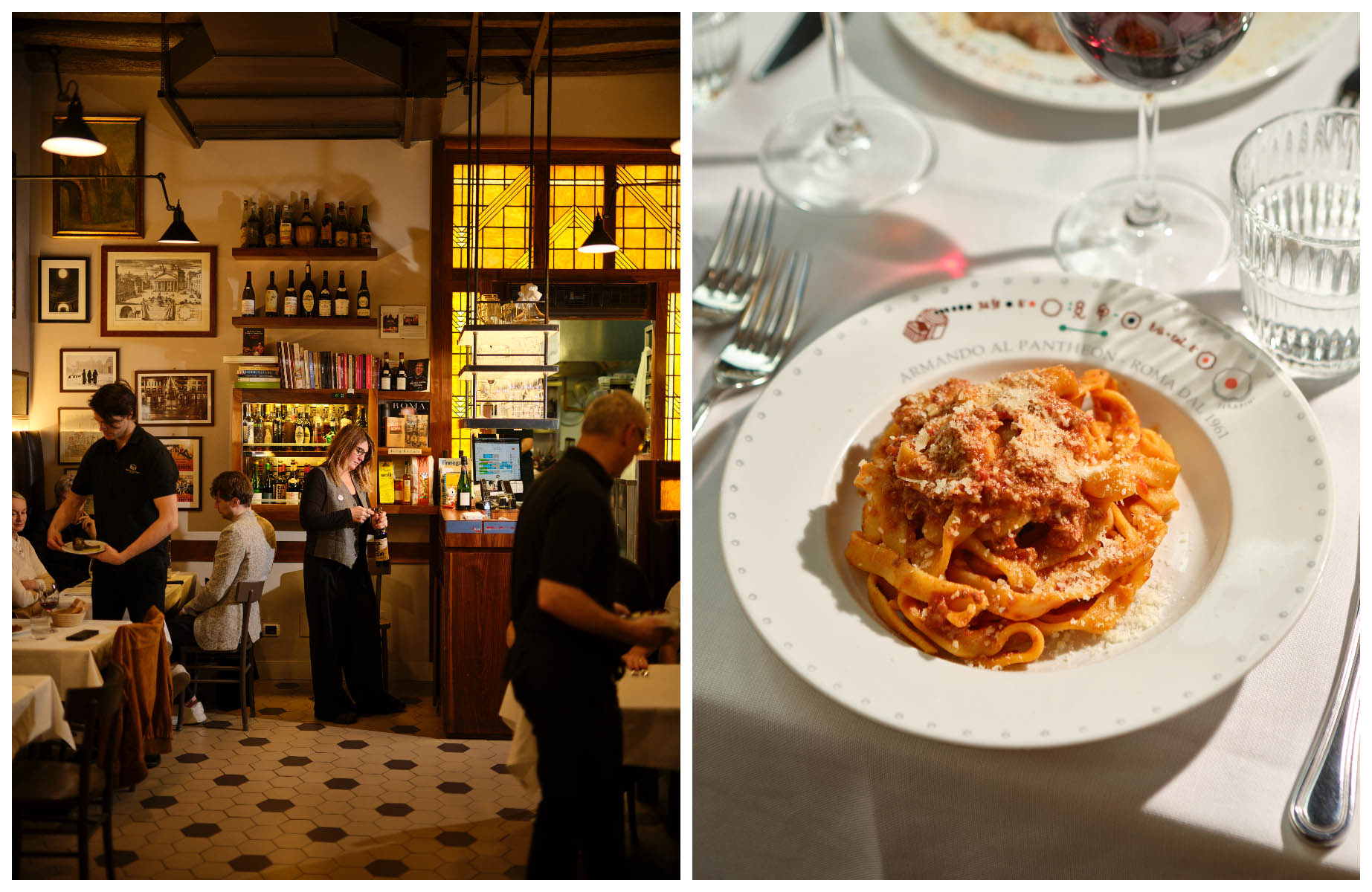
1:30 p.m. — A Not-So-Light Lunch
For a well-deserved plate of pasta after hours of walking, the MICHELIN selected Armando al Pantheon is one of the city’s most beloved institutions, just steps from the Pantheon itself. Duck into this great Roman landmark before lunch, when it’s slightly less mobbed, and then treat yourself to Armando’s rich Roman classics, like spaghetti alla gricia, or artichokes — alla giudia or alla Romana — when in season.
While there are lots of casual options dotted around Rome, if you want something special, our MICHELIN Guide Inspectors recommend Aroma (One Star) where the team continues to push the boundaries of creativity when it comes to traditional Roman classics. It’s also worth bookmarking for the hard-to-beat view of the Colosseum — the perfect vantage point for seeing it from above after exploring it on the ground.
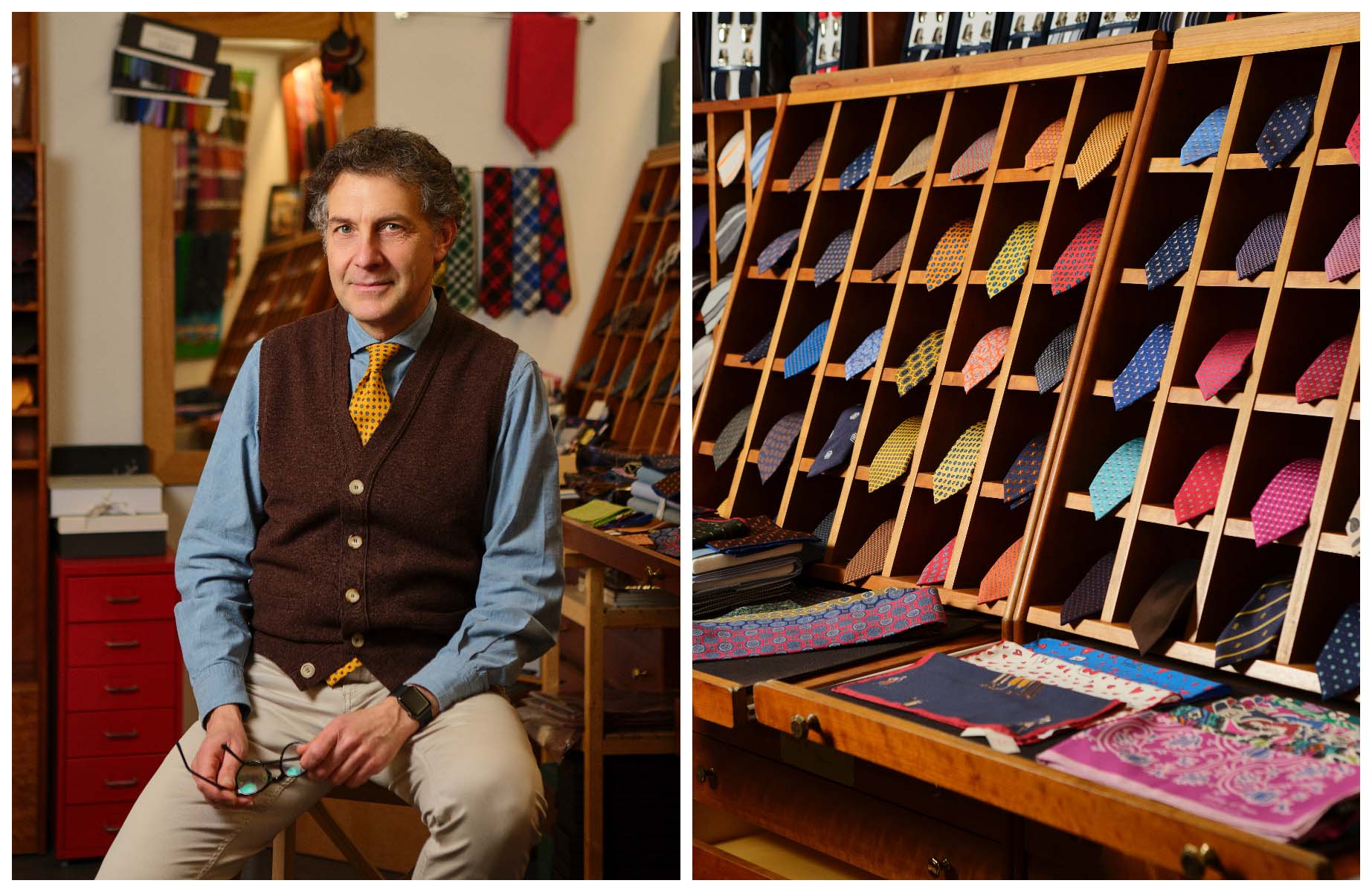
3:30 p.m. — Roman Style
Milan may be Italy’s fashion capital, but Rome has a wealth of superb small boutiques that combine the city’s exuberant style and its predilection for the well-made.
For finely crafted clothing, visit Atelier Bomba, Roi du Lac and Le Tre Sarte. Great basics for men can be found at Strategic Business Unit, with handmade ties at Cruciani & Bella and custom suits at Tommy & Giulio Caraceni.
At Massimo Maria Melis, pick up antiquity-inspired jewelry from the master goldsmith, or a touch of decoration from Chez Dede and Dispensabile.
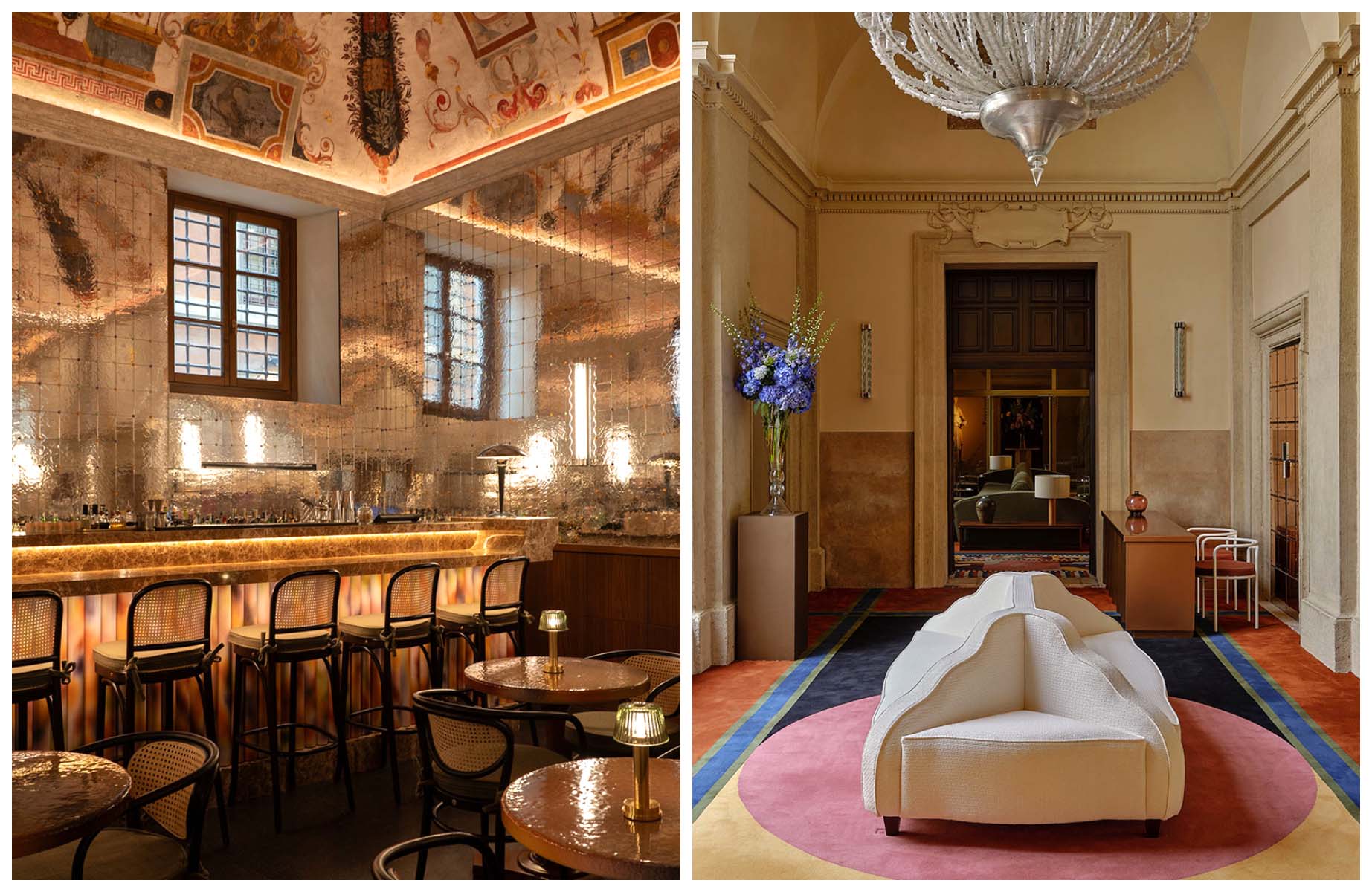
6 p.m. — The Grand Hotel Aperitivo
Rome has always been a city with exceptionally dazzling hotel bars, and many of the old locales still inspire the glittery-eyed romance of visiting the Eternal City — especially the perfectly preserved, pocket-sized inner bar of the Hassler Hotel. There, dark wood and deep red leather upholstery create time-capsule glamour.Hotel Locarno (One Key), with its renowned cocktails and leafy rooftop, has been drawing a celebrity-studded crowd for nearly a century. Newer bars are proving capable of the same alchemy, so pull up to the kaleidoscopic counter under frescoed ceilings at Bar della Musa, the watering hole designed by filmmaker Luca Guadagnino at Two-MICHELIN-Key Palazzo Talìa.
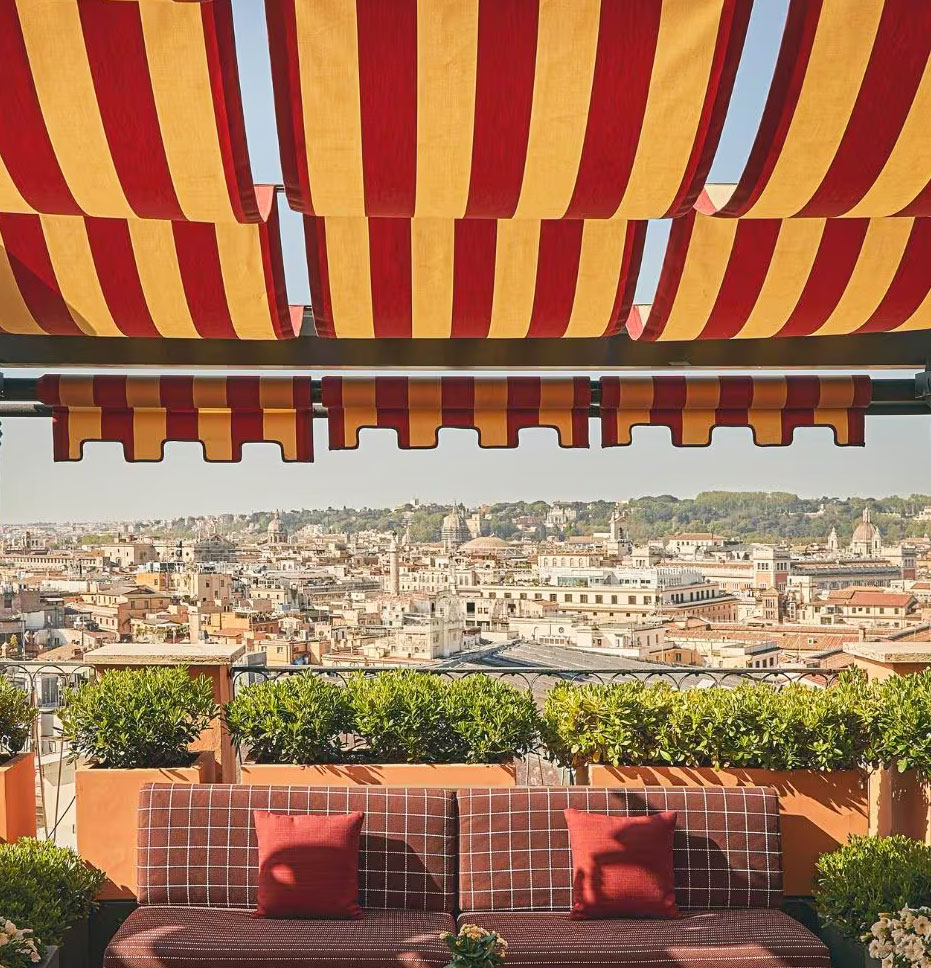
And in a city full of rooftop bars with breathtaking vistas, the terrace at the Bvlgari Hotel (Three Keys) is considered Rome’s standout, with soaring views over the Ara Pacis and the historic center.
8:30 p.m. — The Pinnacle of Roman Dining
For a first night in Rome, go all-out at one of the city’s preeminent culinary destinations. La Pergola is Rome’s first and only Three-MICHELIN-Star restaurant, sought after for its unbeatable views from the top floor of the Rome Cavalieri Waldorf Astoria hotel, and revered for the high-concept cooking of visionary German Chef Heinz Beck.
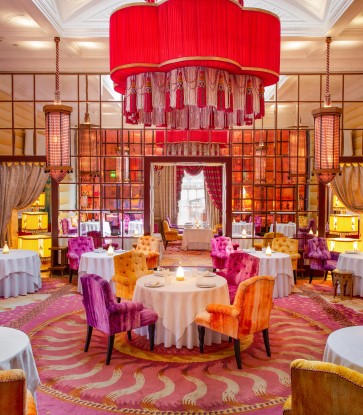
Newly remodeled with plush crimson interiors, the restaurant sources its ethical ingredients from biodynamic and regenerative farms. Near Campo de’ Fiori, Il Pagliaccio (Two Stars) has a small and minimalist dining room where Chef Anthony Genovese combines his roots: He was born in Paris to a Calabrian family, trained in the South of France and worked abroad in Japan, London and Malaysia. He mixes all these influences to create a theatrical and free-spirited cuisine that’s earned the restaurant Two MICHELIN Stars and legendary status in the city.
DAY 2
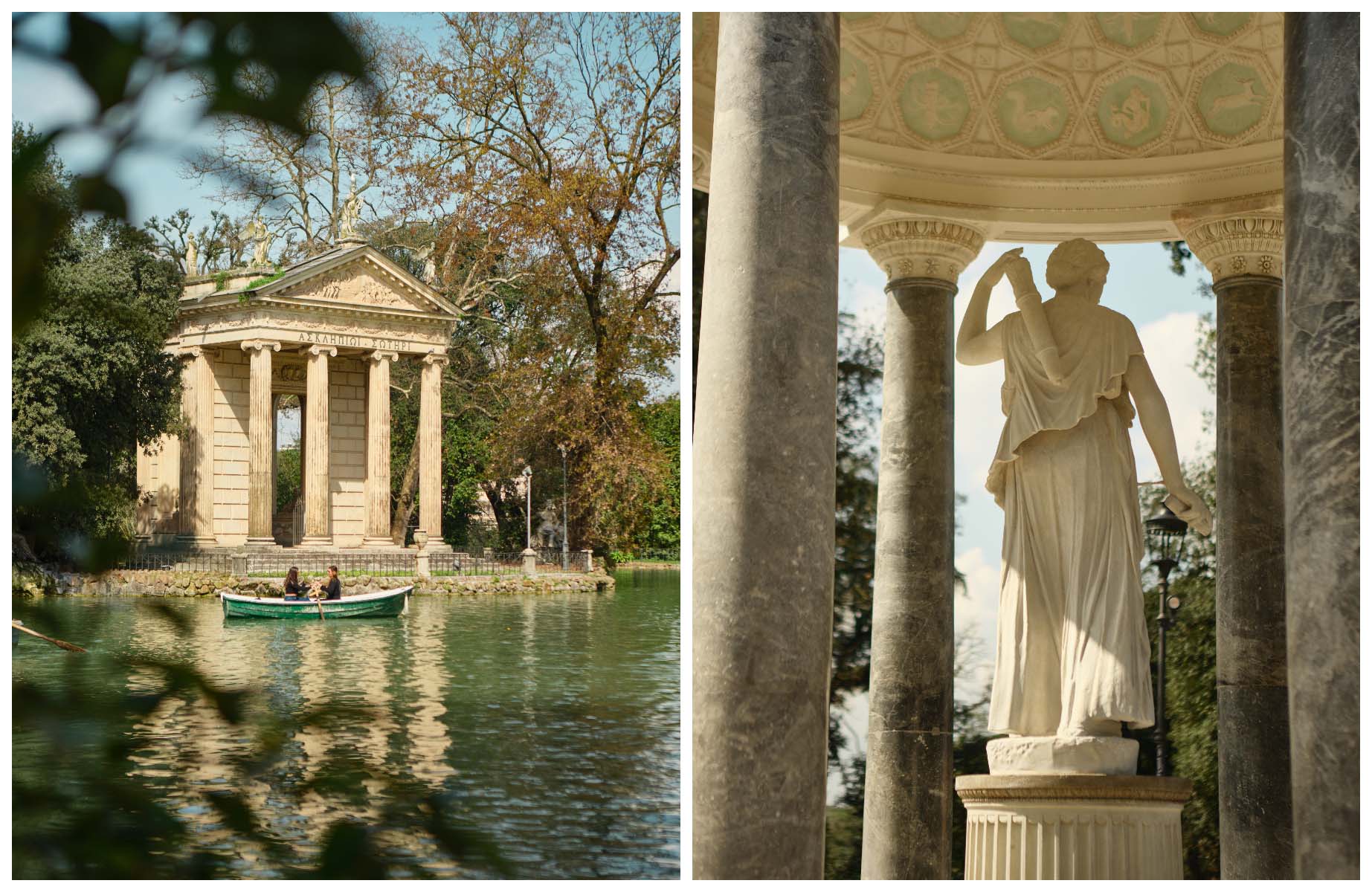
10 a.m. — Gardens and Grandeur
The largest public park in Rome, the high-set Villa Borghese gardens were first created in the 17th century and now span an 80-acre stretch of manicured paths, sculptures, fountains and towering umbrella pines — the ideal setting for appreciating Rome’s special sunlight.Within the park, visit the Galleria Borghese, home to one of Italy’s finest art collections, where masterpieces such as Bernini’s Apollo and Daphne mesmerize visitors.
From the park, descend the travertine stairs to the monumental Piazza del Popolo, where the Egyptian obelisk of Ramses II commands the center, and the Santa Maria del Popolo church holds Caravaggio paintings in the Cerasi Chapel.
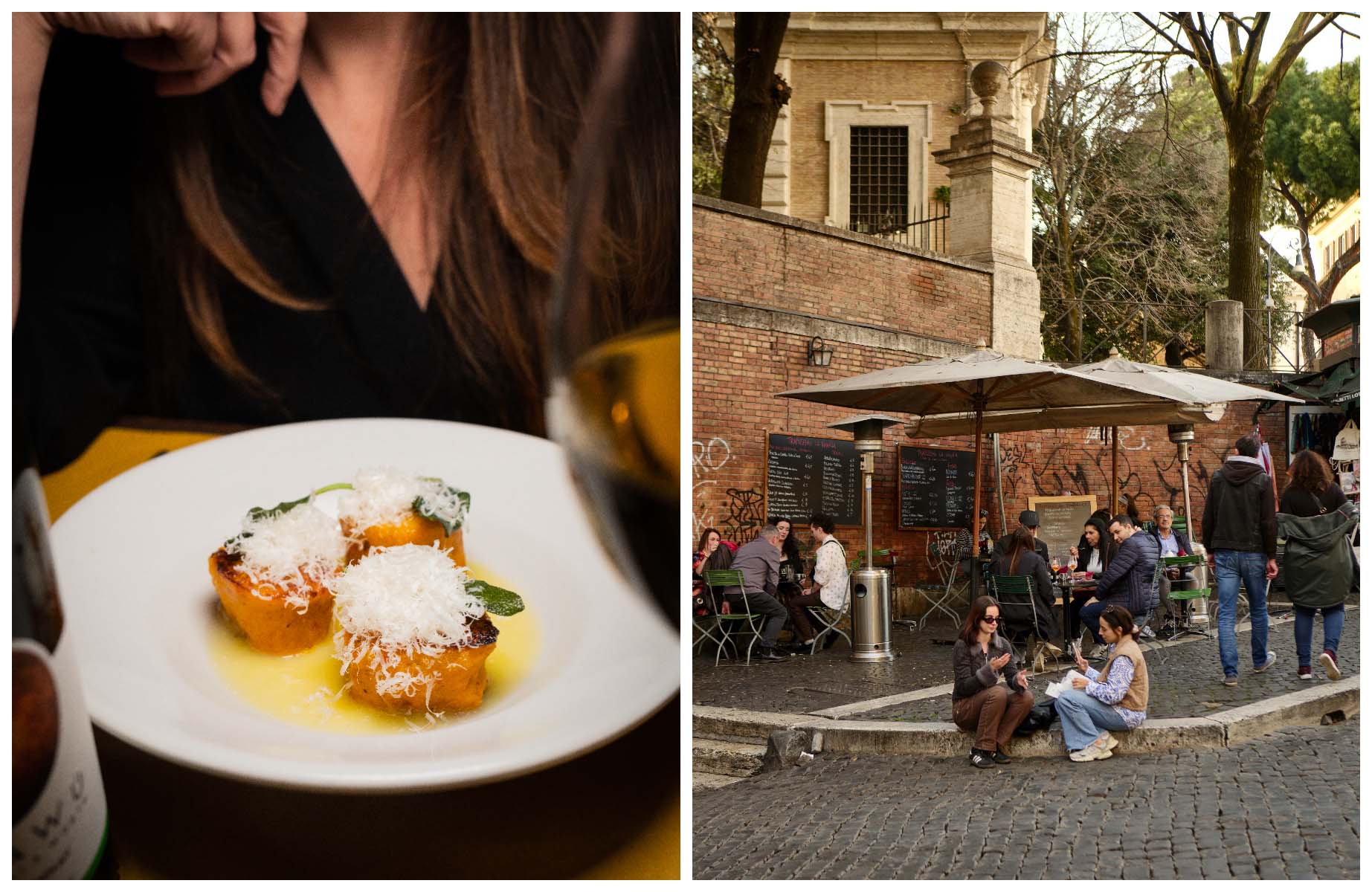
1 p.m. — The Classic Roman Lunch, Renewed
A quintessential trattoria with a modern twist, the good-value Trattoria Pennestri, which has our Inspectors’ Bib Gourmand distinction, serves Roman pastas and seasonal specialties, including a carbonara frequently cited among the city’s best.
The staff is young and impassioned; the wine is natural and from small producers; and the trattoria is in the Ostiense neighborhood, a hotbed of Rome’s new generation of hip destinations.
At MICHELIN-selected L’Arcangelo in Prati, Arcangelo Dandini, a fifth-generation chef, serves food designed for happiness and discovery. Think poached eggs with sour cherry sauce and wild greens, or a slow-cooked carbonara following an antique recipe, presented in a century-old dining room with wooden wainscoting and leather banquettes.
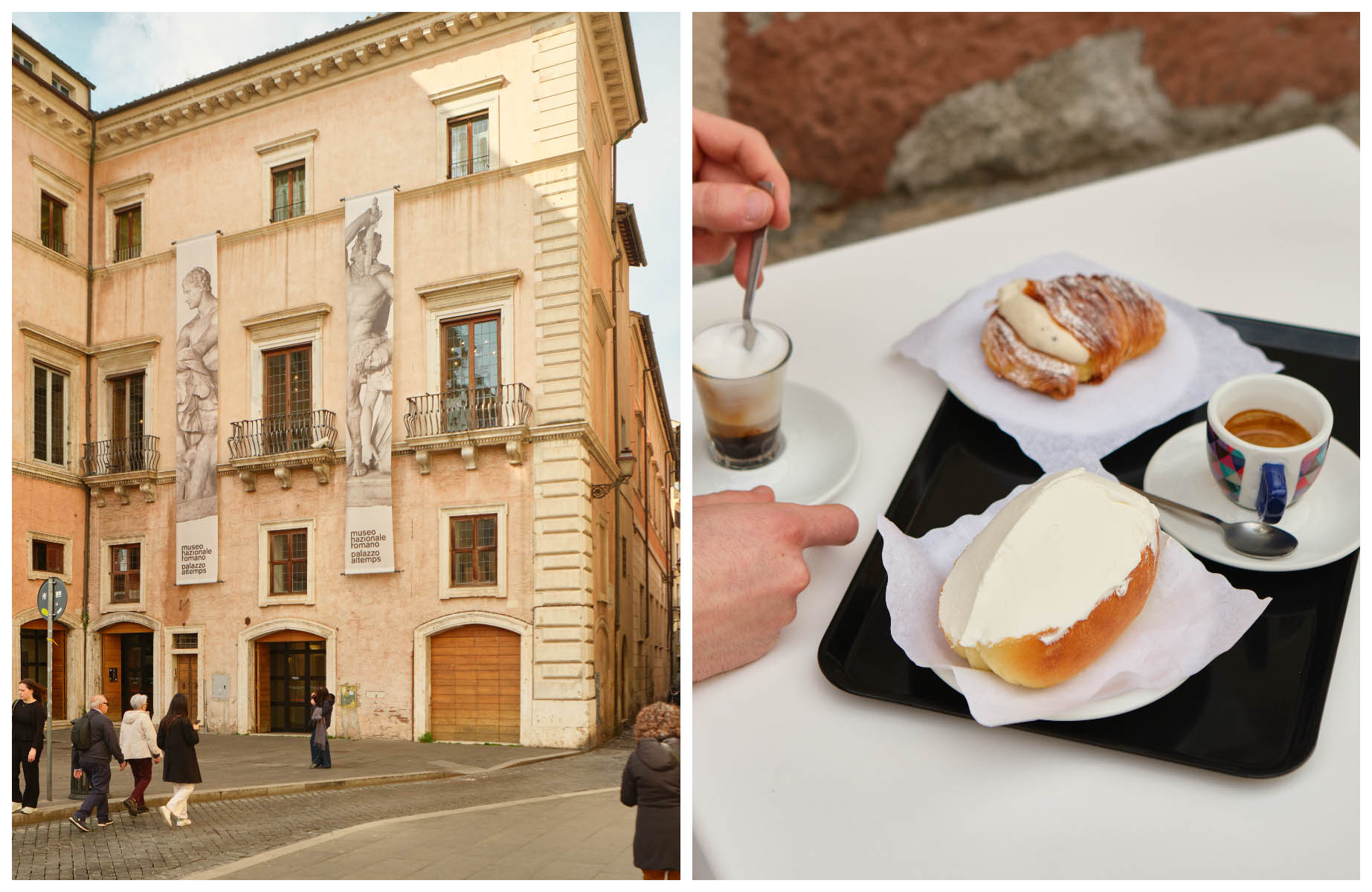
3 p.m. — Small Museums, Grand Treasures
The amount of art and antiquities on view in Rome is dizzying but take them in at one of the city’s smaller, less-crowded museums and the wonder of these riches becomes striking.
At Palazzo Massimo alle Terme an exceptional collection of Roman mosaics and portrait busts is accompanied by rare Hellenistic bronze masterpieces that are alone worth the trip to Rome.
Near Piazza Navona, Museo Nazionale Romano, Palazzo Altemps houses Greek and Roman statuary, Egyptian artifacts and a frescoed loggia that epitomizes graceful Renaissance artistry. One ticket for the Museo Nazionale Romano gets you into both, as well as the impressive Baths of Diocletian.
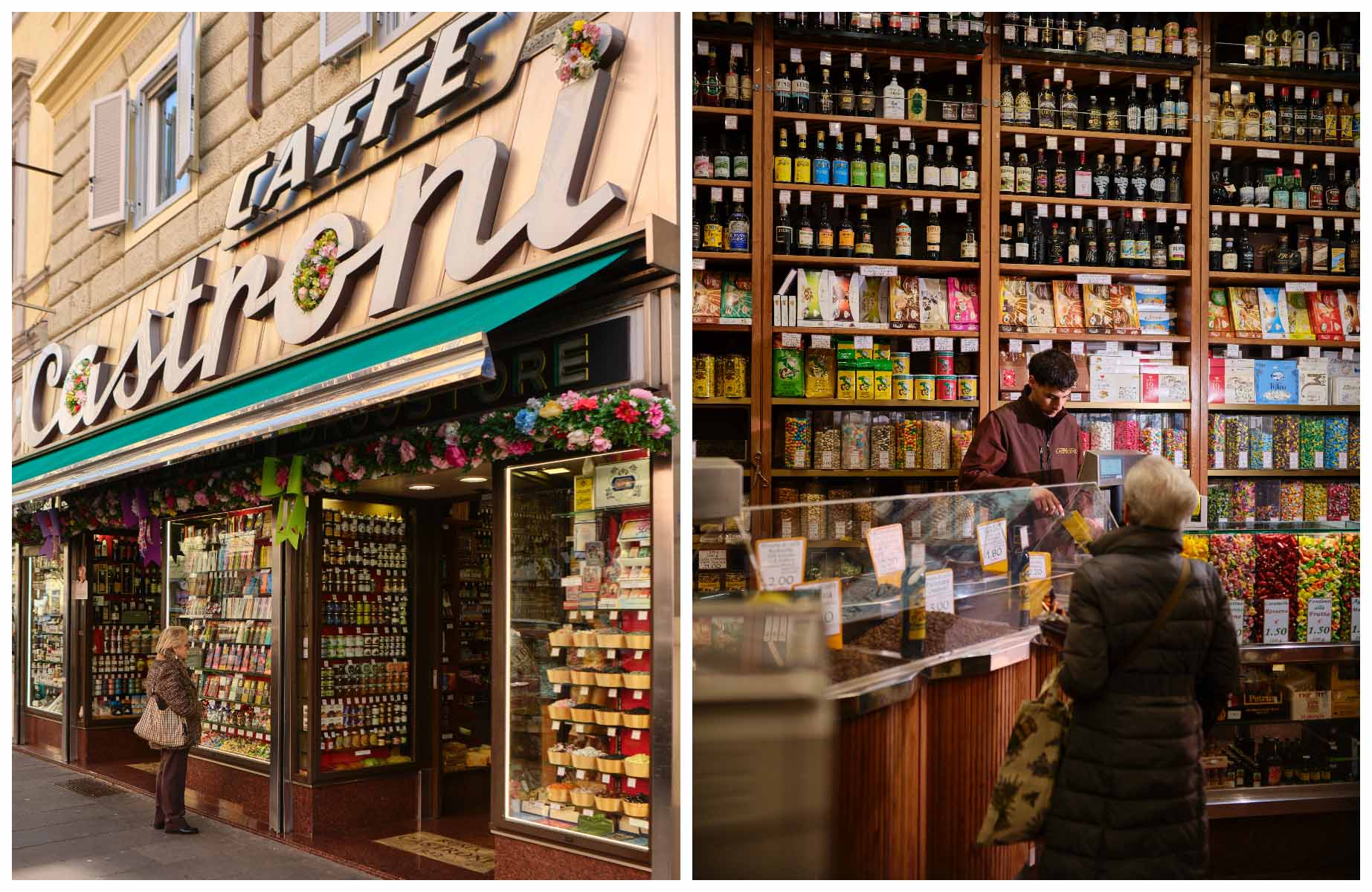
5 p.m. — Edible Souvenirs
Some of the best things you can buy in Rome are the flavors you’ll want to take home with you from the city’s outstanding purveyors of gastronomic treats. Pack up your suitcase with artisan cheeses from Beppe e i Suoi Formaggi, a local institution slated to reopen in a new location in the next few months. Also worth putting on your list is the wide selection of niche Italian products at Forme Dispensa a Ripa and La Tradizione, or the many dried and jarred goods at the local gourmet grocery chain Castroni. Don’t shy away from asking for guidance — the storytelling and breadth of knowledge to be found at these counters can transform a simple purchase into a culinary education.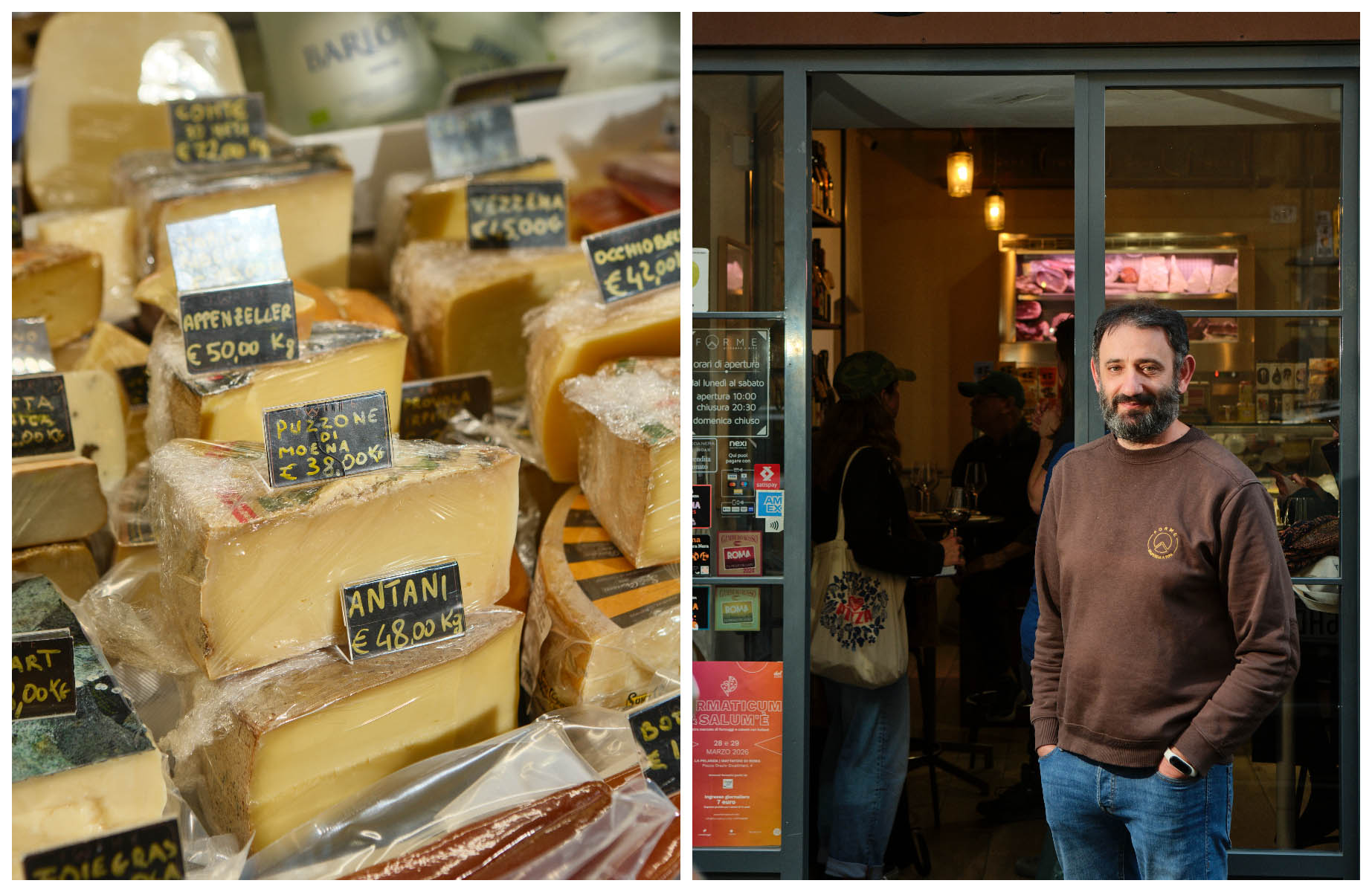
7 p.m. — Aperitivo by the Glass
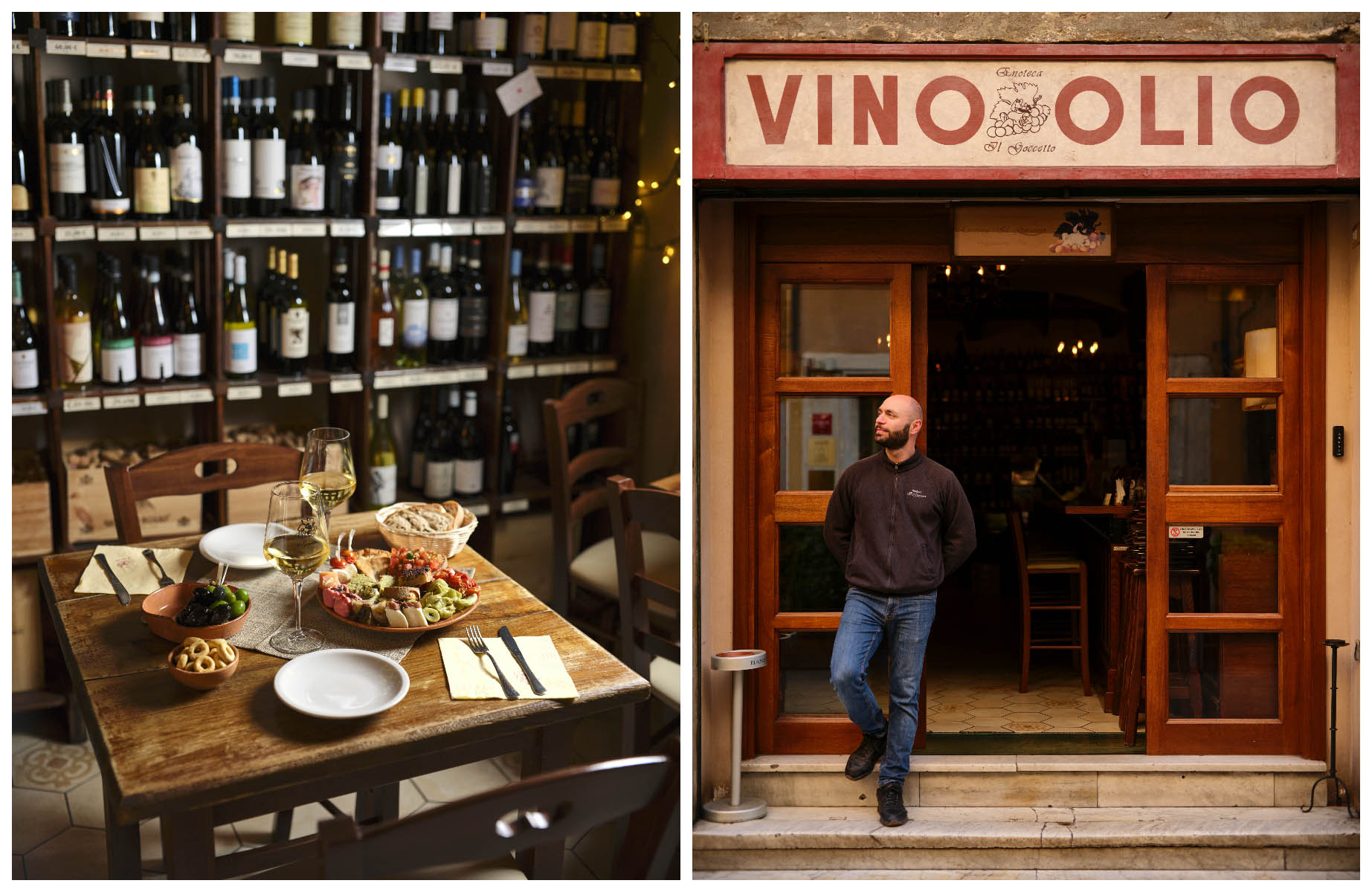
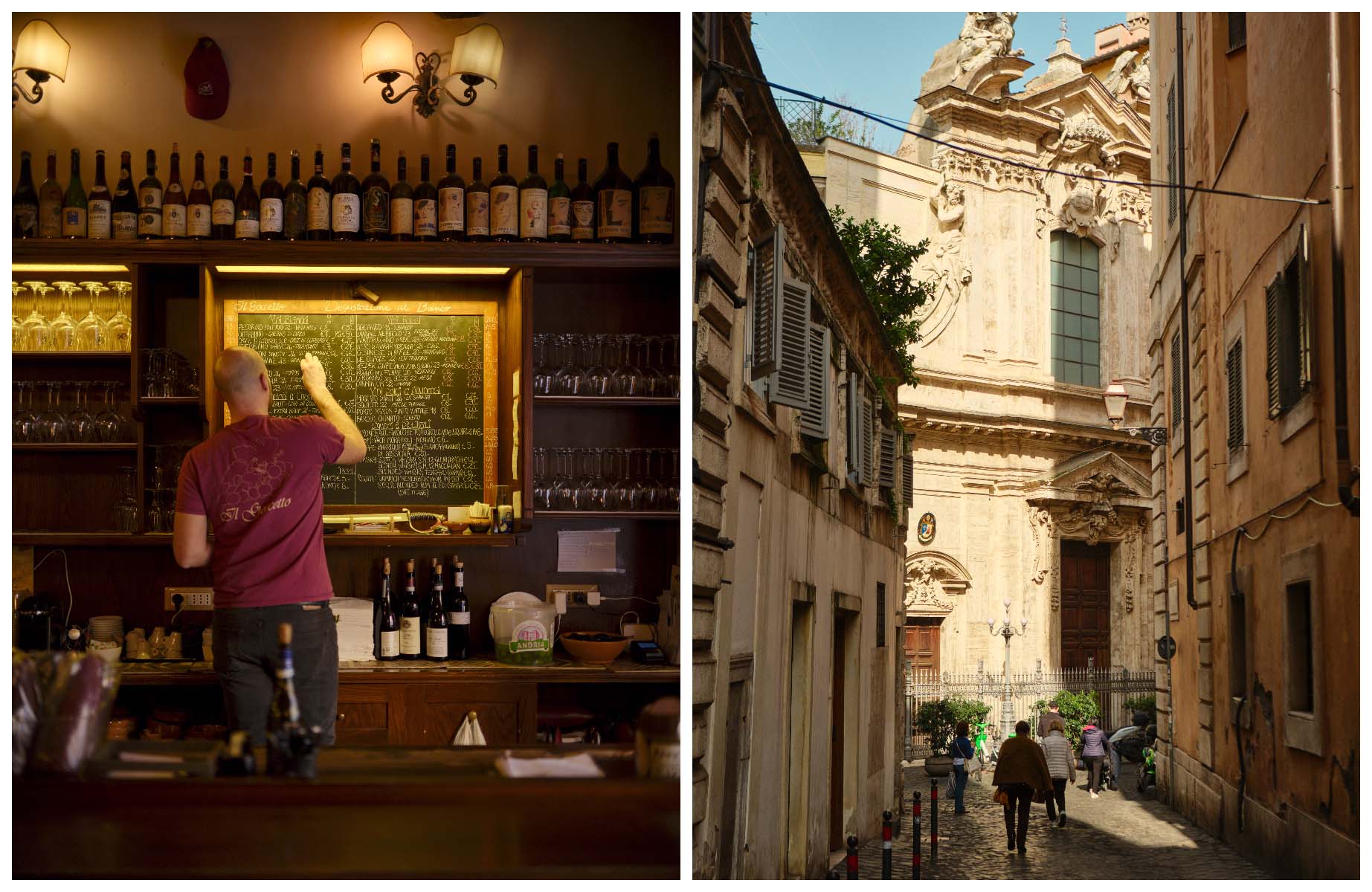
Some of Rome’s best places to enjoy a pre-dinner glass of wine are charmingly informal yet boast venerable wine cellars. Il Goccetto is the classic wine bar of the imagination — chalkboard menu, charcuterie platters, an arched space lined with bottles — while L’Angolo Divino, open since 1946, offers a remarkable selection and delicious plates for sharing or dinner. Younger visitors will appreciate the combination of fantastic wines and a freewheeling atmosphere at Fischio, an outdoor bar in Piazzale degli Eroi.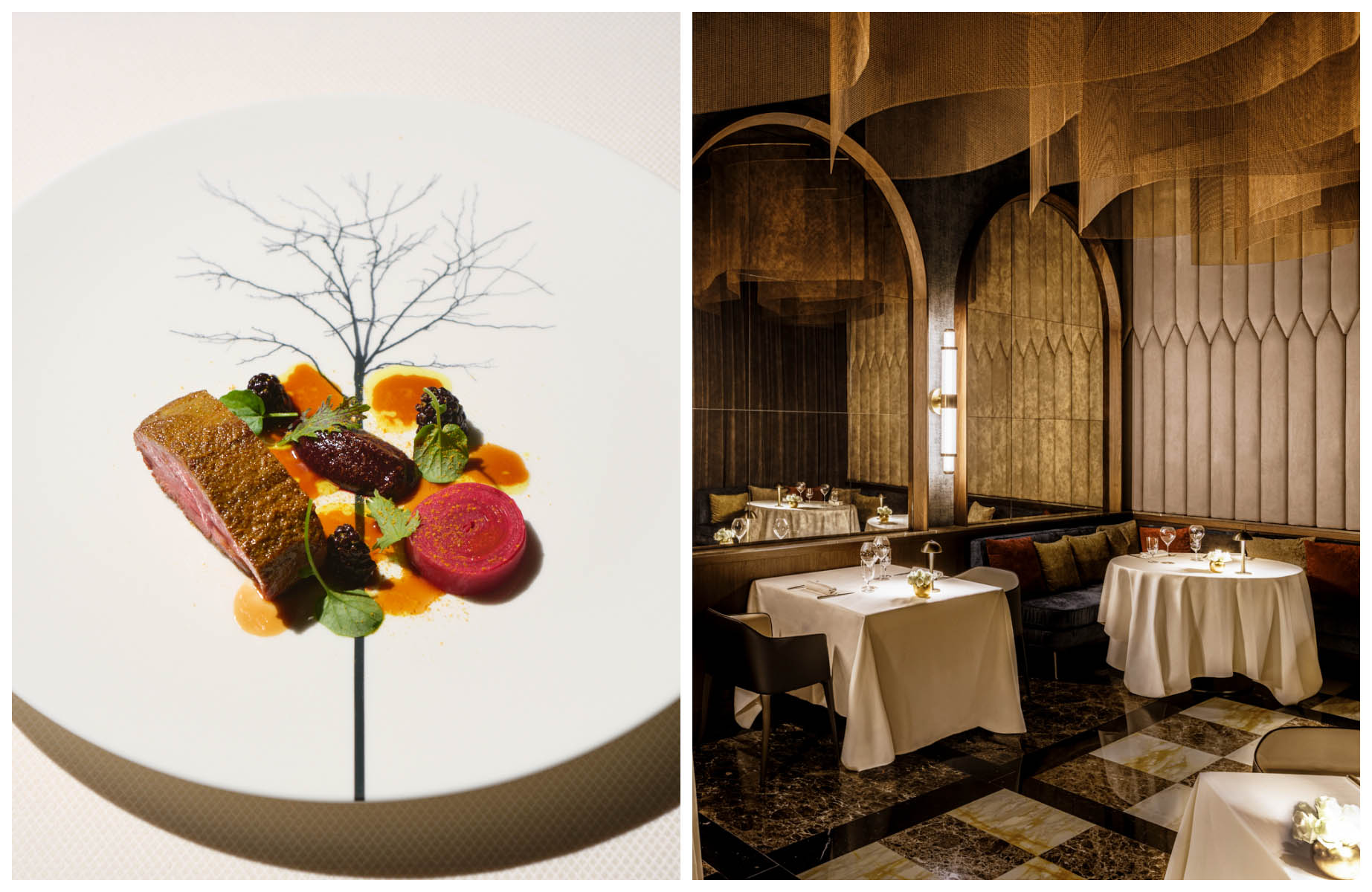
9 p.m. — Last Supper
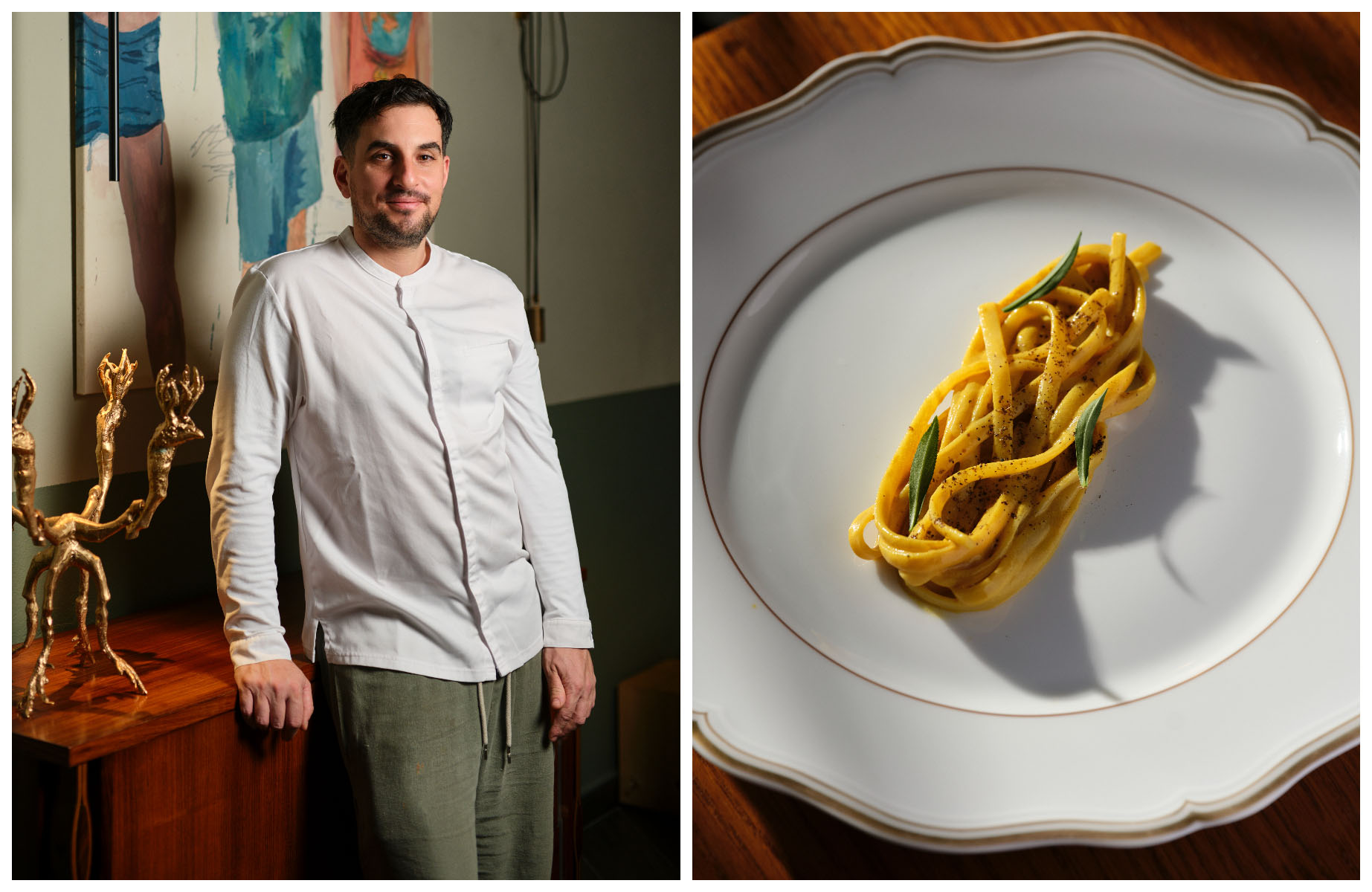
Time to experiment with some of Rome’s newer culinary leading lights. At the One-MICHELIN-Star Ineo, located inside the Anantara Palazzo Naiadi Rome Hotel, Chef Heros De Agostinis draws inspiration from the multiethnic offerings of the nearby Esquilino food market. The result is an ebullient succession of vividly flavorful dishes, like ravioli with pomegranate, red pepper, seafood and a blend of African spices.
In Trastevere, Chef Antonio Ziantoni has turned One-MICHELIN-Starred Zia into one of Rome’s finest tables with audacious dishes like lamb-stuffed ravioli topped with cedar oil, and salted lemon risotto creamed with mozzarella. Make sure to save room for the famed desserts.
Related Articles:
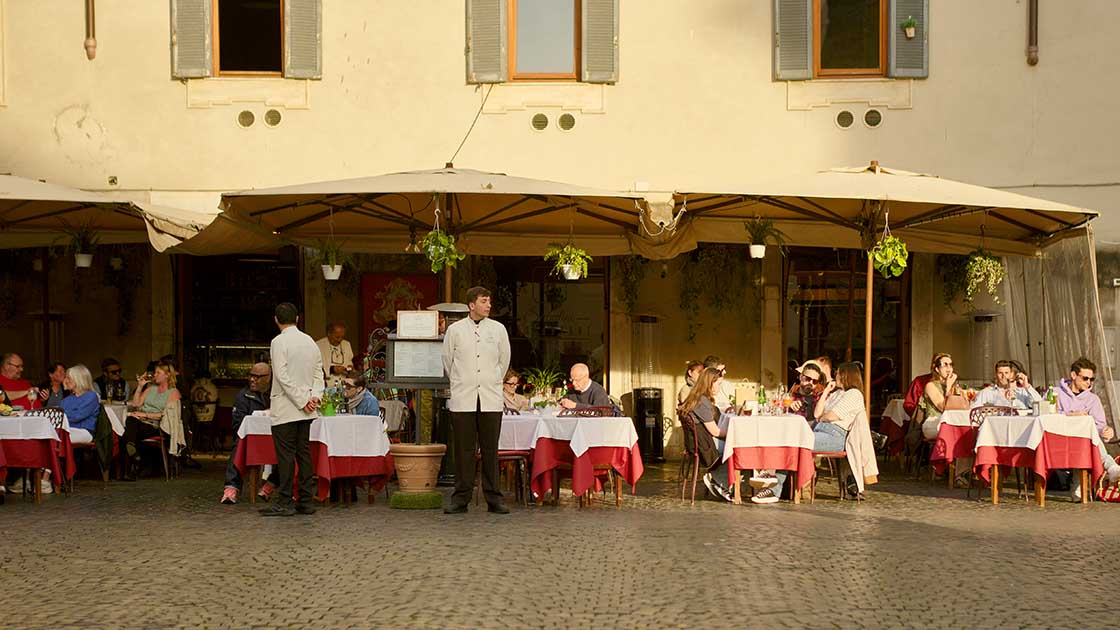
Hero image: A waiter watching life go by on Piazza di Santa Maria in the bohemian neighborhood of Trastevere. ©Alberto Blasetti/The MICHELIN Guide.