08 March 2025


Share


Rome has long been the stuff of artistic dreams, and its magnetic pull remains as strong as ever. But once visitors feel they’ve thoroughly veni, vidi, vici-ed the Italian capital, the question becomes: what next?
Fortunately, some of the most rewarding day trips from Rome lie just beyond the city limits. The surrounding Lazio region offers medieval hill towns, coastal escapes, historic villas and memorable restaurants — many within easy reach of the capital.
At the heart of it all is Roma Termini, the city’s main train station, where more than 480,000 travelers pass through its 32 platforms each day. From here, a change of scenery is remarkably simple. For a break from Rome’s crowded streets, consider one of these four easy and rewarding day trips.
Find your hotel
1. Sip on Local Wines in Frascati
Why Go:
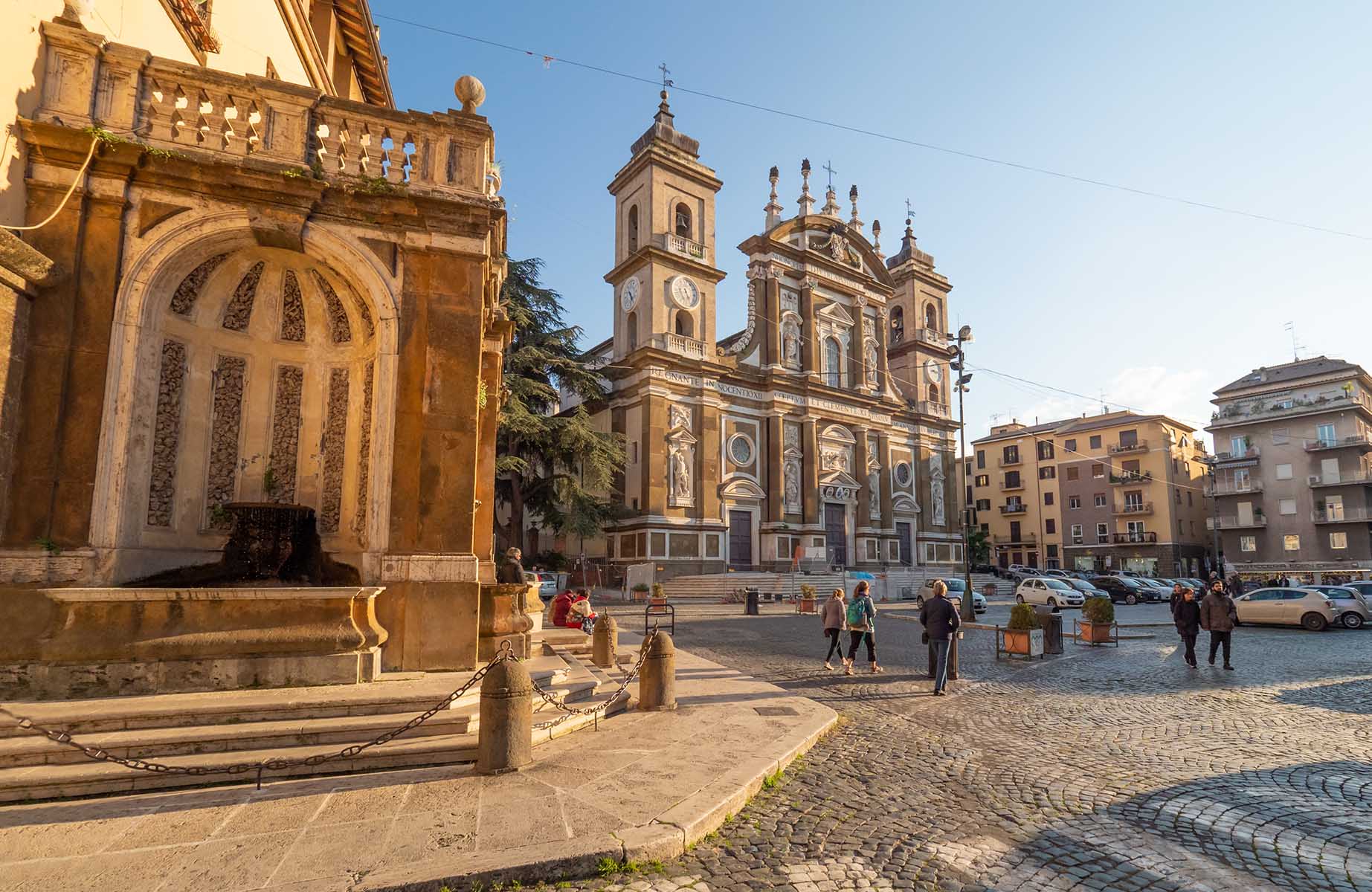
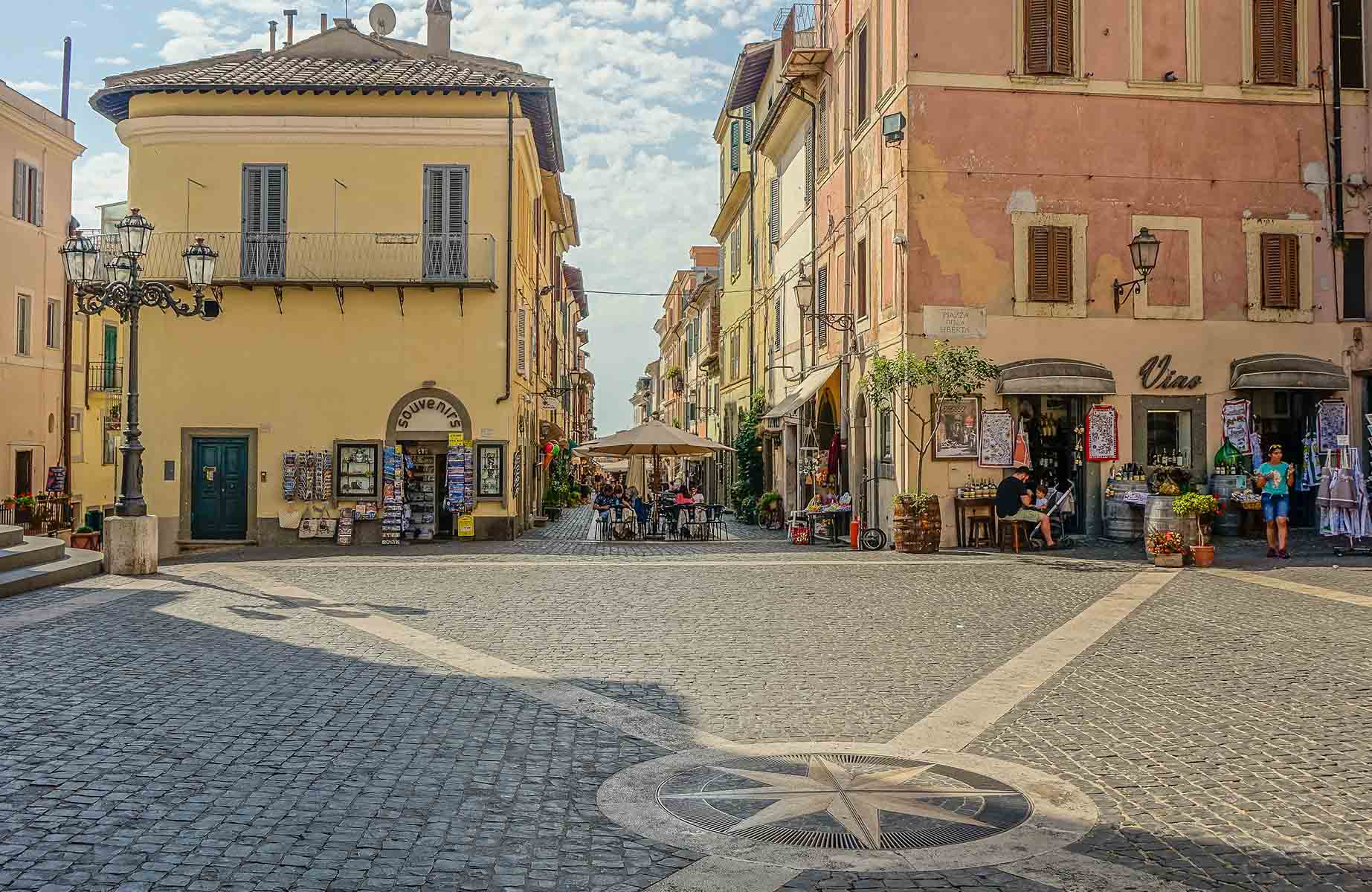
Peaceful and quiet Frascati offers an ideal getaway from Rome’s hustle and bustle. Just a 30-minute train ride away, this picturesque town in the Castelli Romani region has long been a popular retreat. It boasts historical ties to the Vatican (having produced numerous popes) and a cool origin story: Some say Frascati was founded as Tusculum by Telegonus, son of Odysseus and Circe.Today, this town of 23,000 residents exudes old-world charm, with life unfolding at a gentle pace. Immerse yourself in the laid-back atmosphere by sitting in a sunlit square and savoring a chilled glass of Frascati, the local white wine.
This place is best explored on foot, with a stroll through town leading to the San Pietro Apostolo Cathedral on the main square. Its late-17th-century Baroque facade remarkably survived the devastating 1943 bombings that destroyed much of the cathedral’s interior. A short walk away the Torre San Rocco, a 14th-century bell tower, offers a glimpse of the town’s medieval past.
Villa Aldobrandini stands as Frascati’s crown jewel. Built in the early 1600s, this princely residence offers stunning views of the town, complemented by elegant gardens, cascading fountains and waterfalls. It has hosted illustrious guests like Johann Wolfgang von Goethe, who was so captivated by the scenery that he kept a painting of it in his room in Weimar, where he later died. Although the villa itself remains a private home, its gardens are accessible to visitors, making it a perfect quiet retreat. At sunset, enjoy the panoramic terrace with views of Rome’s distant hills.
Where to Eat in Frascati:
When taking a day trip from Rome, it’s a joy to rediscover Roman cuisine in all its flavorful rusticity: amatriciana, carbonara, cacio e pepe for primi, followed by coda alla vaccinara or saltimbocca alla romana for secondi — to name but a few from the array of specialties.Our top tip would be to have a focaccia with mortadella for lunch (the local snack par excellence) and to indulge in nostalgic jam tarts at Antico Forno Molinari.
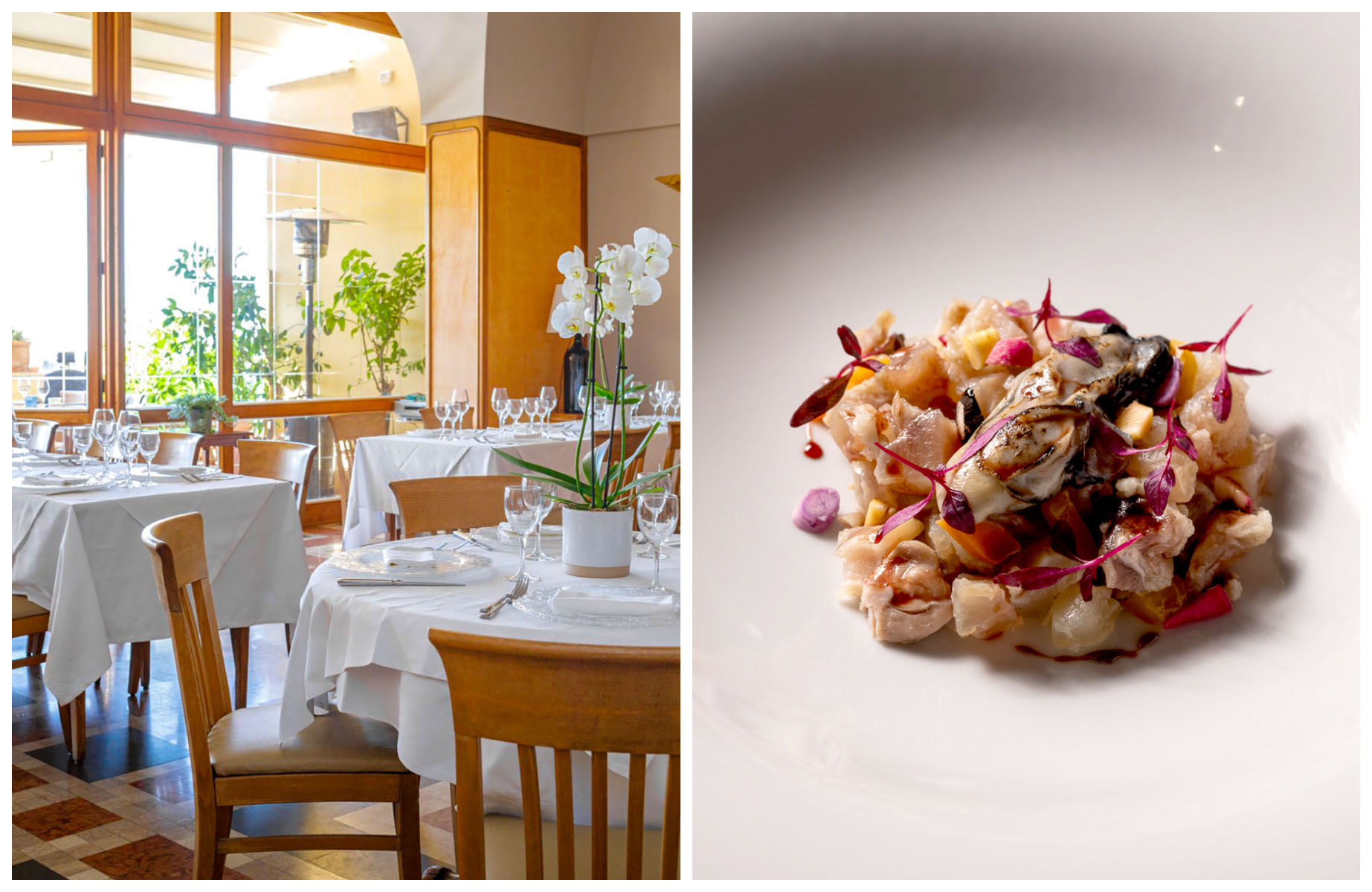
For dinner, choose the traditional cooking at Cacciani, a restaurant with stunning panoramic views operated by the same family for over a century. Alternatively, visit ConTatto, where the owners, Luca in the kitchen and Lorena in the front of house, creatively reinterpret regional dishes with innovative twists. They also use the venue’s natural storehouse — a rocky 550-foot-long tufa cave — to produce, preserve and age ingredients.
2. Tivoli, Rome's Gorgeous Rival
Why Go:
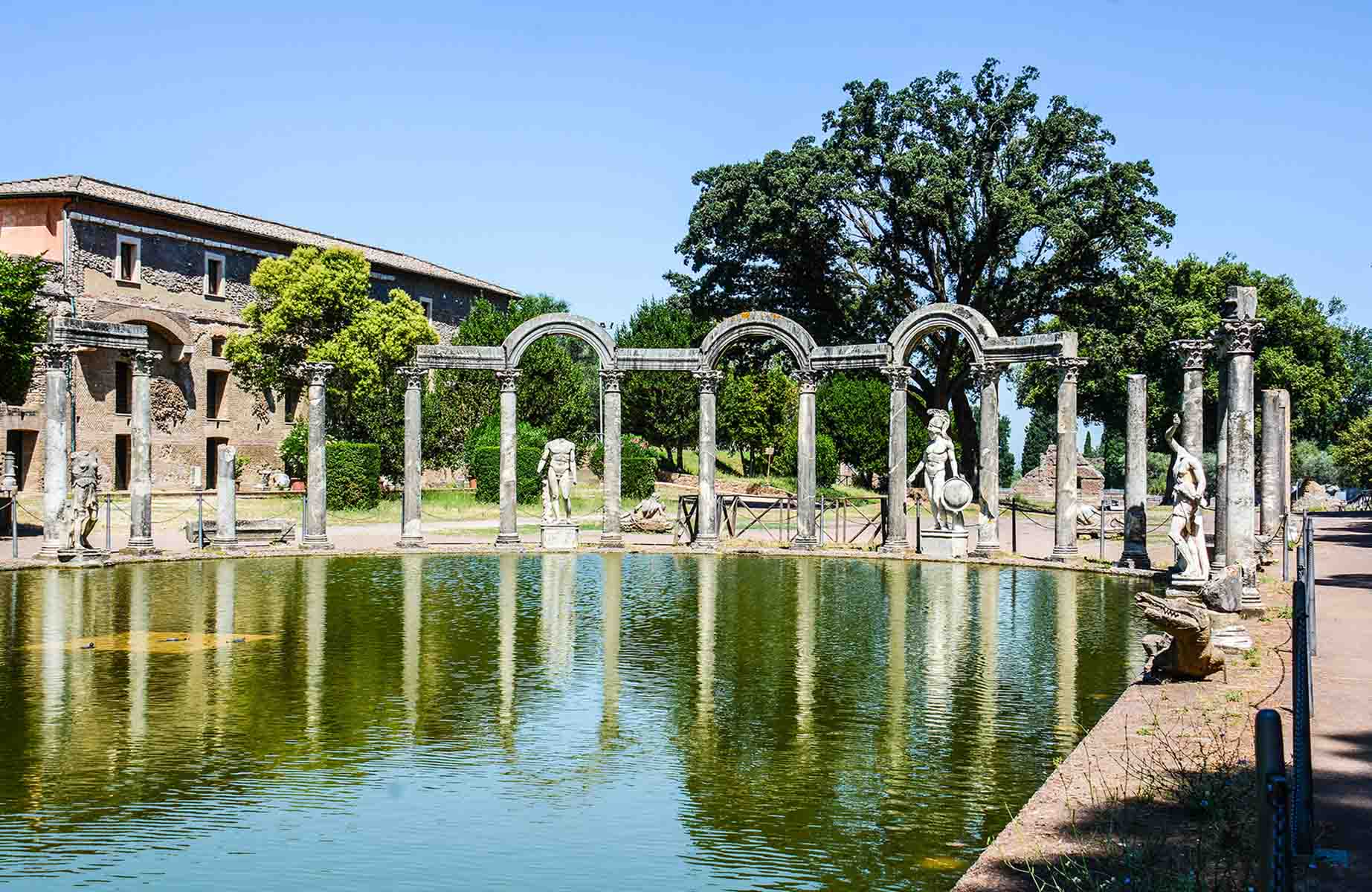
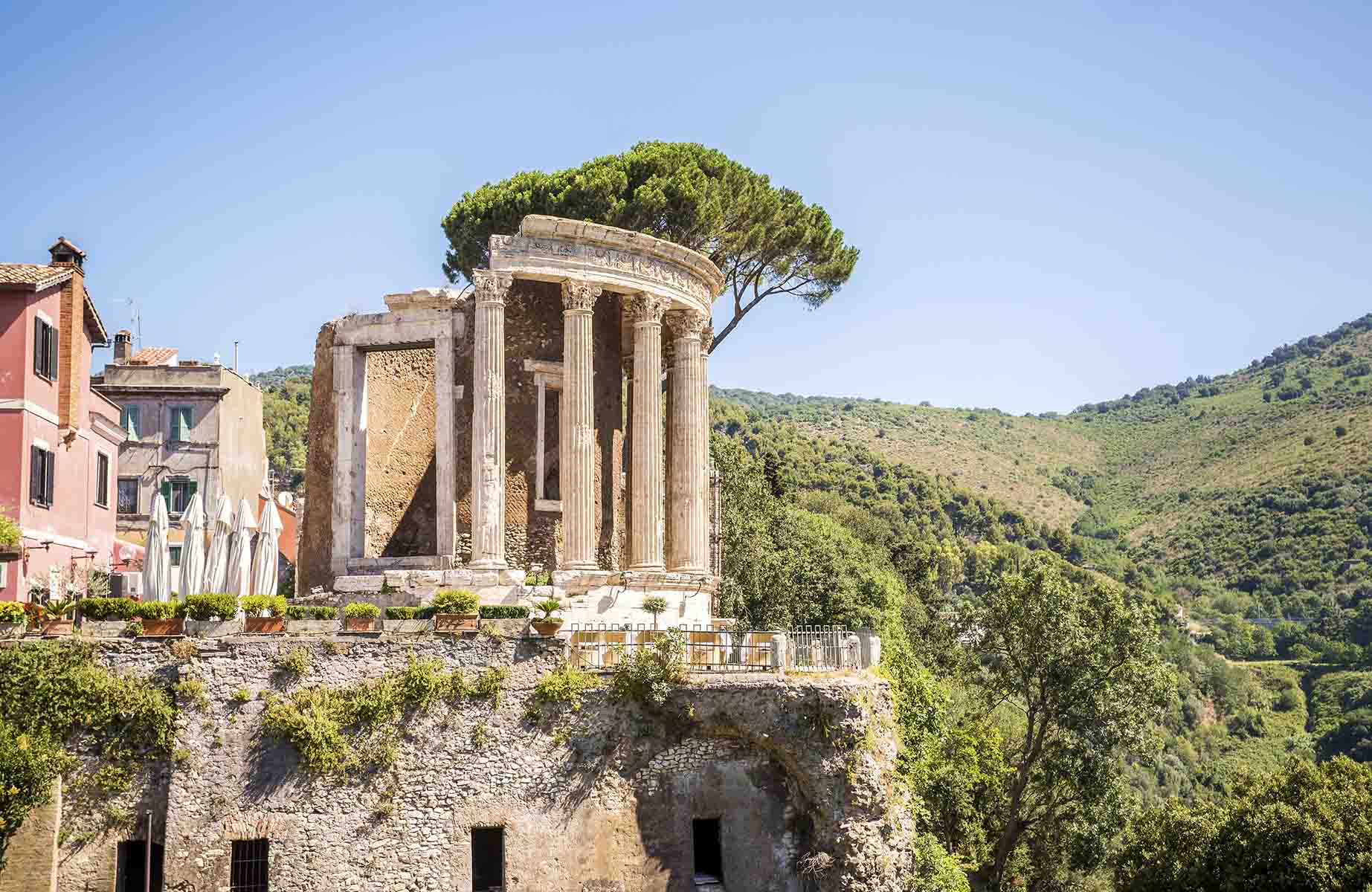
From Roma Termini, it takes just 35 minutes to get to Tivoli, home to two UNESCO World Heritage sites, Hadrian’s Villa and Villa d’Este. A favorite resort of Emperors Augustus and Hadrian, Tivoli wasn’t just prized during the Roman Empire for its beauty: It was a center of power, viewed as a rival to Rome as far back as Virgil’s time.Tivoli’s rich heritage is a gift for the curious traveler. Hadrian’s Villa, an imposing 200-acre complex, is a feast for the eyes and the perfect spot for quiet contemplation. Sixteenth-century Villa d’Este, commissioned by Cardinal Ippolito d’Este, the governor of the time, is a masterclass in Renaissance aesthetics, with its dreamlike garden whose fountains inspired the composer Franz Liszt to write The Fountains at Villa d’Este. And then there’s Villa Gregoriana, with its romantic gardens featuring natural grottoes, waterfalls and ruins, commissioned by Pope Gregory XVI.
Don’t miss the impressive Sanctuary of Hercules Victor, the Temple of the Sibyl and the Temple of Vesta, powerful reminders of the grandeur of antiquity.
Where to Eat in Tivoli:
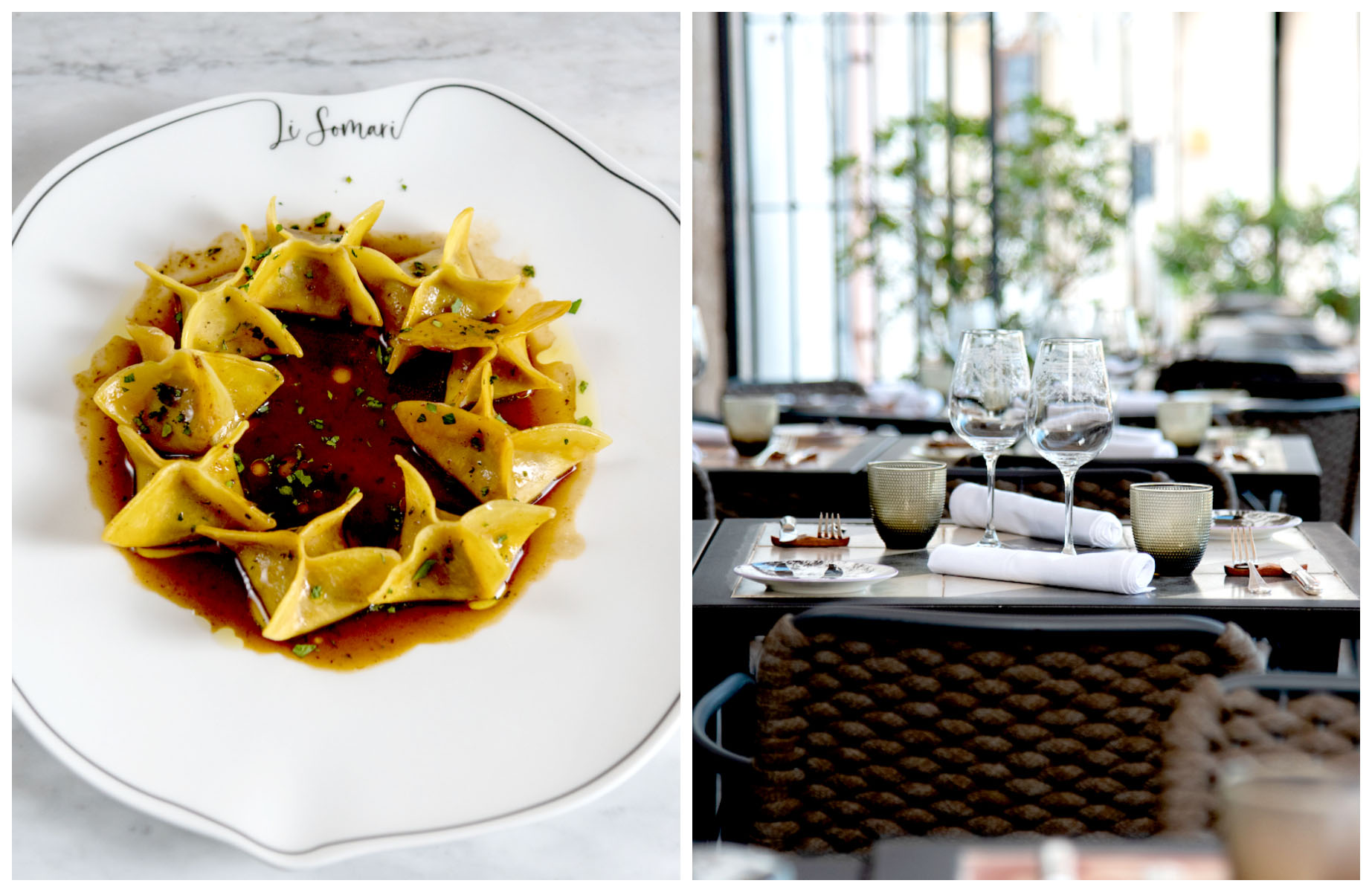
At Li Somari, his trattoria near Villa d’Este and Villa Gregoriana, Chef Adriano Baldassarre creates uplifting cuisine that celebrates cucina povera and reflects his commitment to promoting local ingredients and regional dishes.
At the foot of the Temple of Vesta, you can dine at Sibilla, a lovely family-run restaurant that has been going for 300 years and counting. The food is regional, although there are also some fish dishes, and the inviting space has seen many a prestigious guest pass through its doors — from Yoko Ono to Princess Margaret to Neil Armstrong.
3. Castel Gandolfo, Where Popes Come to Unwind
Why Go:
Forty minutes south of Rome, this hilltop town is home to the Papal Palace of Castel Gandolfo, the summer residence of many popes since 1620. The estate, parts of which date back to the 13th century, spans 135 acres and includes the Palace, Villa Barberini, Villa Cybo and the Vatican Observatory. An excursion to Castel Gandolfo offers the chance to explore the magnificent gardens of the Pontifical Villas, with their rows of aromatic olive trees and iconic stone pines. During a tour of the residence, visitors get to see the rooms of the palace, the popes’ portraits and the impressive collection of popemobiles.Where to Eat in Castel Gandolfo:
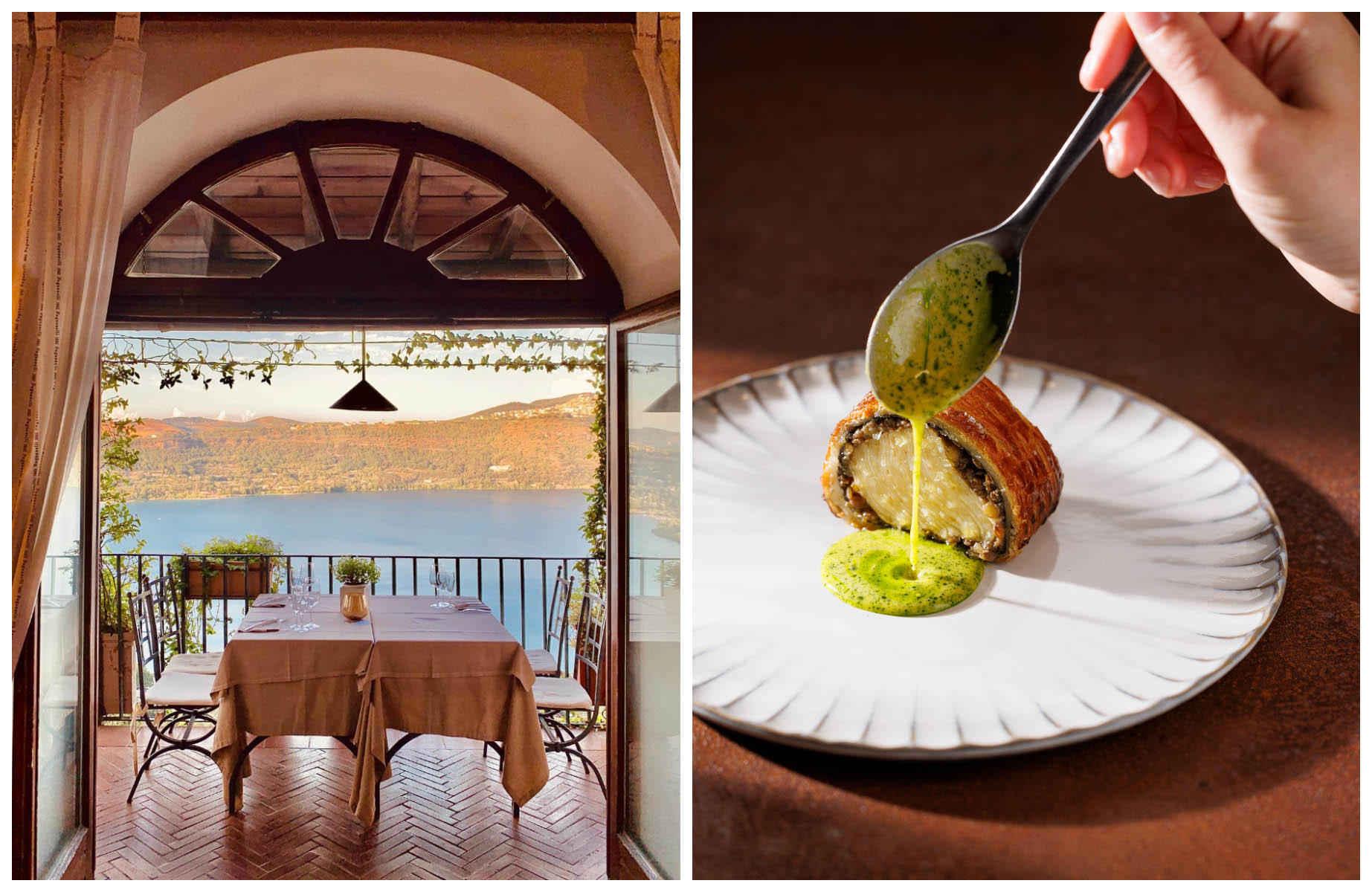
Another attraction of this tiny village is, of course, its lake, lying just below. The deep-blue waters of Lake Albano reflect the ochre light of Lazio, making its shores a pleasant setting for a stroll and a pause by the pontoons. Take in the view from Antico Ristorante Pagnanelli, dating back to 1882. Here, fish and meat are paired with citrus fruits and wild herbs from the region in refined, elegant recipes. It is also well worth taking a look around the wine cellars, which are hewn from the rock.
Another option is to take the bus or a taxi a couple of miles further out to the town of Ariccia to dine at Sintesi (One MICHELIN Star). Here, a culinary vision that is both technical and conceptual brings out the flavors of carefully selected local ingredients.
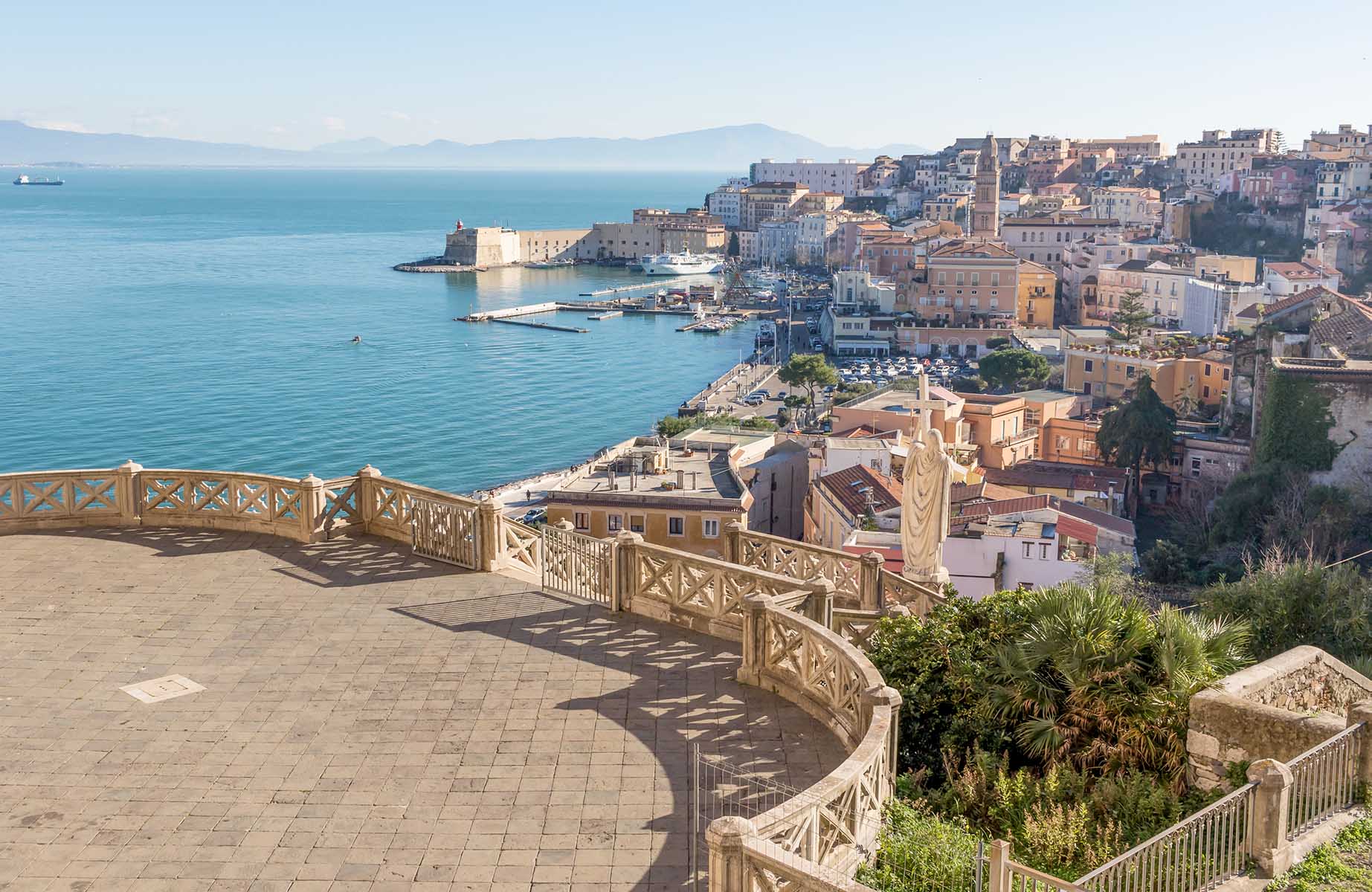
4. Eating By the Water's Edge in Gaeta
Why Go:
It takes an hour and a half by train to reach Gaeta, where a picturesque waterside setting awaits. This gem by the water, on the edge of Campania, offers a chance to experience history at close quarters, from Saracen attacks, through independence, to Byzantine and then Norman domination.As you meander, you’ll come across an Angevin-Aragonese castle, a Roman mausoleum and churches in a variety of architectural styles. Not to be missed is the Sanctuary of the Most Holy Trinity, founded in the 11th century on Montagna Spaccata (“the Split Mountain”).
The view of the cliffs from this verdant valley is as impressive as the legend associated with the site. It holds that at the death of Christ, Gaeta was struck by a wind from Jerusalem, which created a deep crack in the rock of a grotto. Centuries later, after a church had been built over the grotto, a Turkish traveler, entranced by the legend, laid his hand on the stone. The softened stone sank in easily, leaving a mark that is still clearly visible today.
Where to Eat in Gaeta:
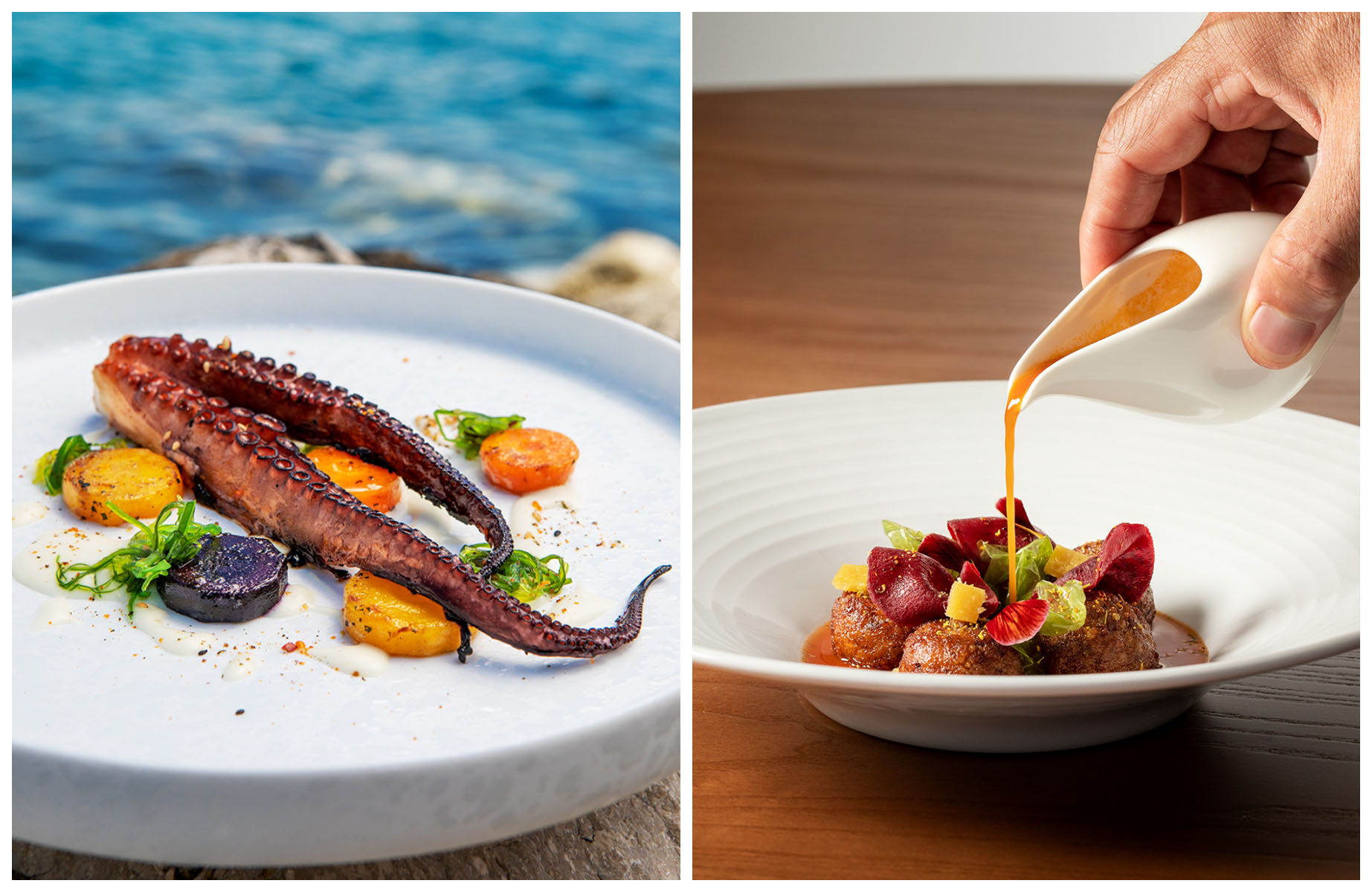
There’s no shortage of culinary specialties in Gaeta. The town is renowned not only for its delicious olives, but also for its tiella, a pie stuffed with fillings that can include local seafood, like mussels or octopus, plus vegetables and cheeses — reminiscent of the famous tielles from Sète, France. In fact, some believe that Italian immigrants brought this recipe to the South of France. The tiella at Antico Forno Giordano is a particularly delicious snack on the go.
Also take the opportunity to check out Dolia Gaeta, an upscale and elegant recently opened restaurant serving modern, creative cuisine with an emphasis on fish.
To Keep Exploring Beyond Rome
After a busy day in Gaeta, one can opt to return to Rome or stay overnight to make the most of sundown over the Mediterranean. In summer, the Grand Hotel Le Rocce, 4 miles from the town center, is an appealing prospect, with its exceptional view over the crystal-clear water.
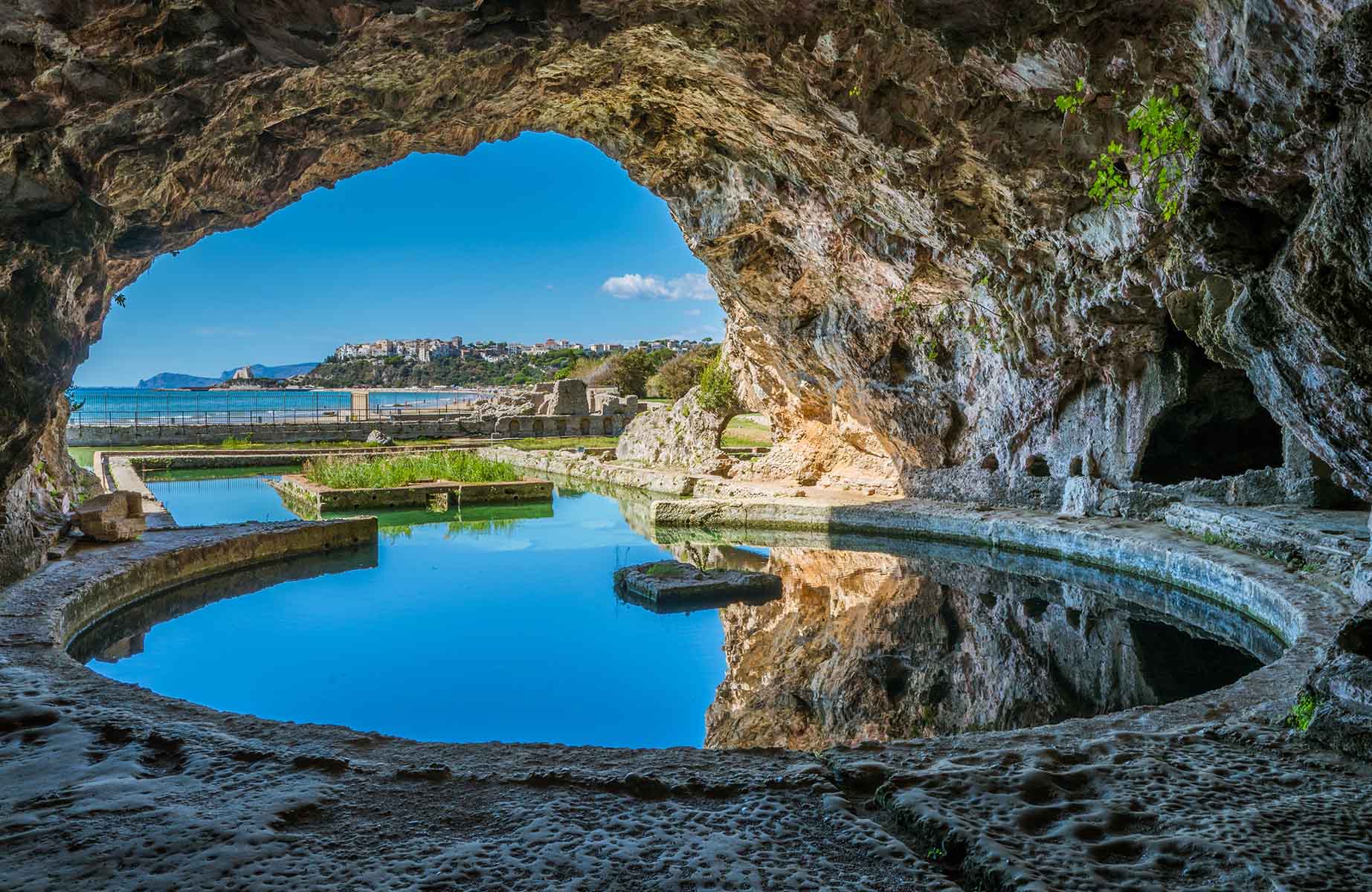
Continue your adventure with a 20-minute bus ride to Sperlonga, home to Emperor Tiberius’ villa. You can spend the day at the beach or explore the remarkable ruins, appealing to both history enthusiasts and art lovers. In 1957, ancient statues depicting scenes from Homer’s Odyssey were uncovered in the Grotto of Tiberius. These statues are now displayed in the local museum. Think of it as a quick journey into the realm of myth and legend before heading back to the Italian capital.
Hero image: A breathtaking view of Lake Albano from Castel Gandolfo, one of our favorite day trips to take from Rome. © aoldman/iStock
Related Articles:
- Browse our Rome Travel Guide for all our top tips on where to eat and stay
- Europe in Spring: 8 Beach Destinations - and Where to Eat
- Rome’s Top Rooftop Bars for Stunning Views and Sips