06 May 2026

Share


Chef Jorge León was six years old when he left his Indigenous community with his mother for a house on the outskirts of Oaxaca.
There, in the same brick property where they now operate Alfonsina restaurant, his mother Elvia León sold tortillas and simple dishes to her neighbors to support her family: scrambled eggs in salsa, brothy beans ladled out of the pot.
“We all learned to cook by necessity,” Jorge says.
The mother-son pair now work together in the kitchen at Alfonsina, where they prepare dishes that evoke those early days of simple, ingredient-led food.
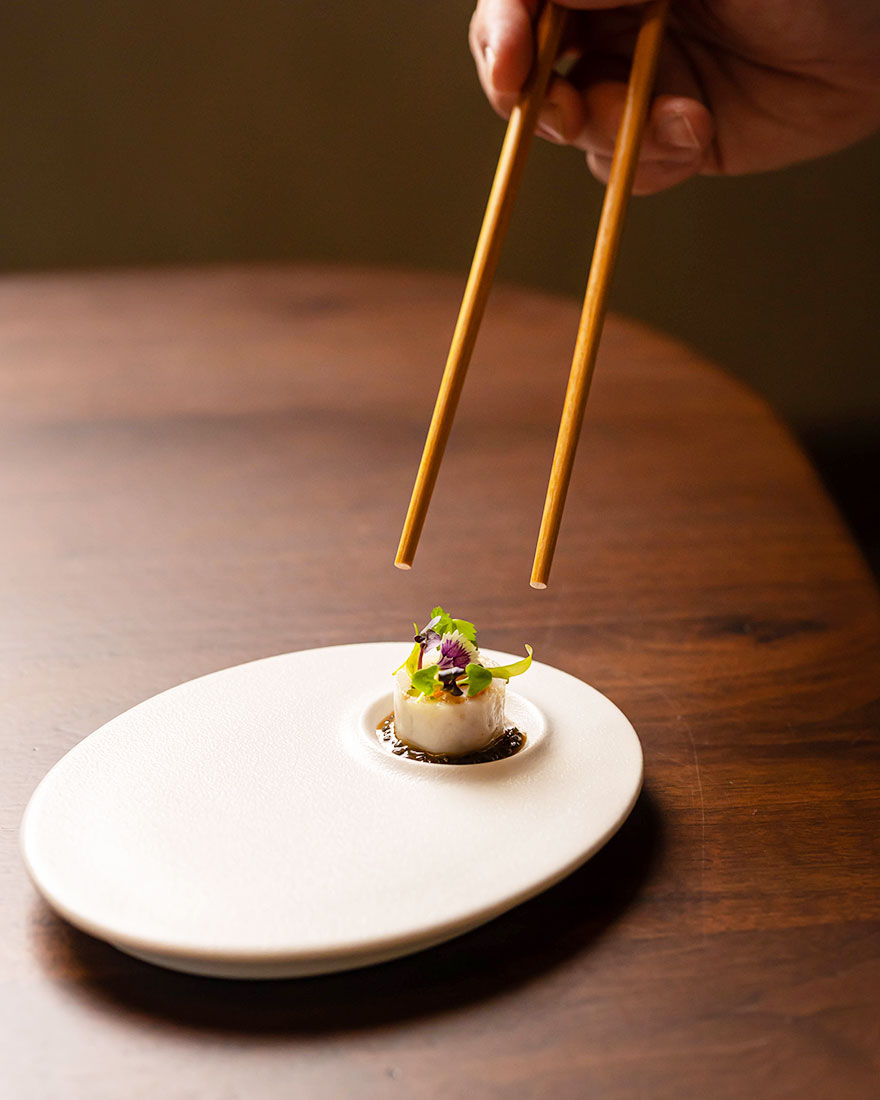
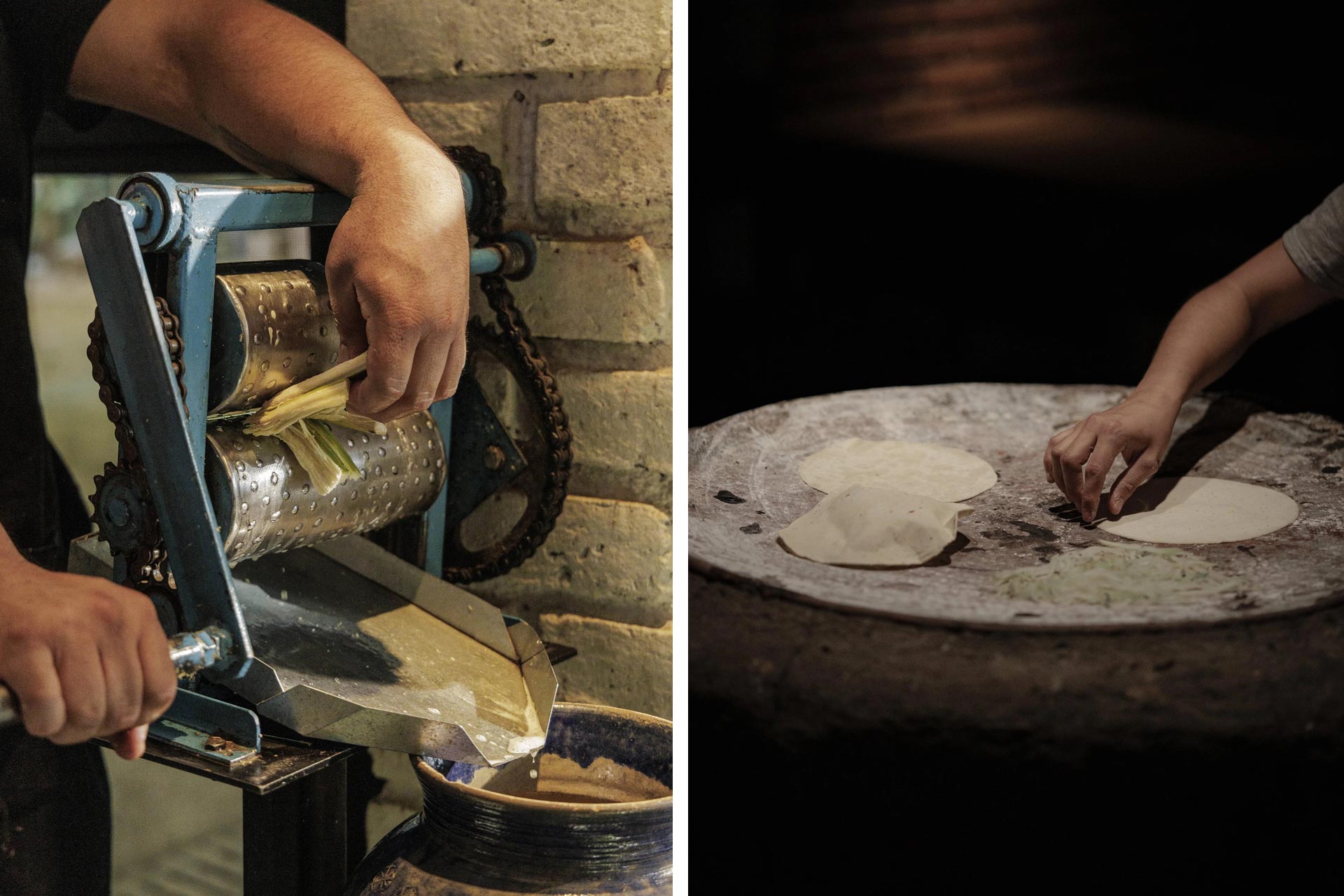
Elvia still prepares the tortillas at a comal with heirloom corn and grinds charred tomatoes and chilis in a mortar and pestle into salsa. Jorge, with experience at some of the world’s best restaurants under his belt, creates the tasting menu now recognized with a Michelin Guide Bib Gourmand.
“These are dishes that I learned to eat and then learned to make, and today we give people from all over the world the opportunity to come and try them,” Elvia says.
Jorge entered the culinary world not with a passion for food, but for photography. He wanted to save for his first camera, and the only job he could find was washing dishes at Casa Oaxaca, the stalwart establishment in the city’s grand downtown.
It was an inspiring time of transition in the restaurant world, when the foams and spheres of molecular gastronomy were being supplanted by a fierce locavore mission.
Jorge later joined the kitchen of Pujol in Mexico City, the landmark fine dining restaurant that would become one of Mexico’s only two Two-Star establishments, and continued in the world of pioneering Mexican chef Enrique Olvera, who is known for adapting time-honored dishes into exquisite contemporary cuisine.
“I saw that too when I went to New York, when I went to Paris, when I had the opportunity to go outside of Mexico, and it became clear to me that what mattered was doing things right: finding a good ingredient in the area and executing it in the most honest way possible,” he says.
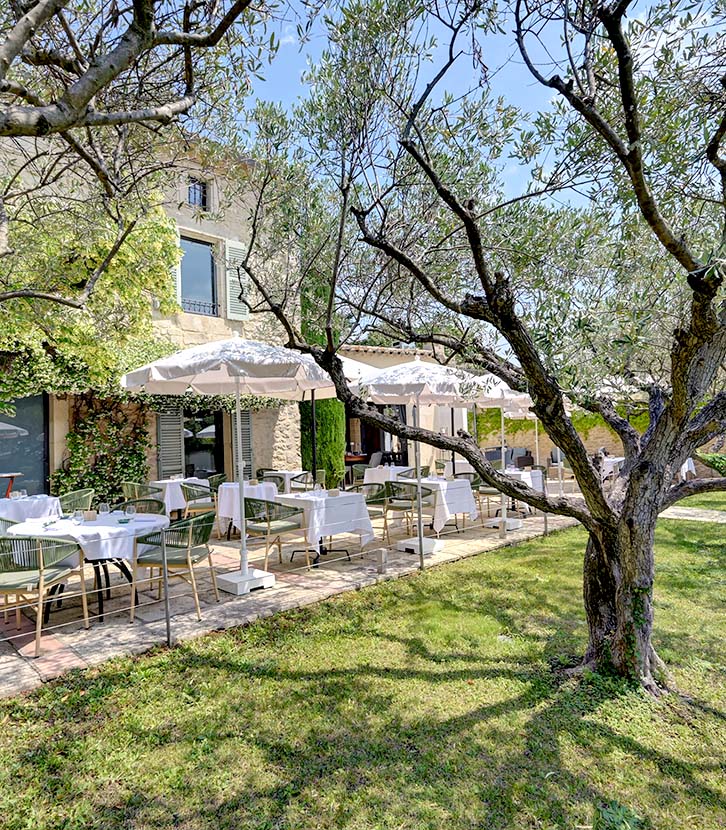
In 2018 he opened Alfonsina on the patio of his childhood home, filling the canopied space with wooden tables and an open kitchen where he enlisted help from his mother and cousins.
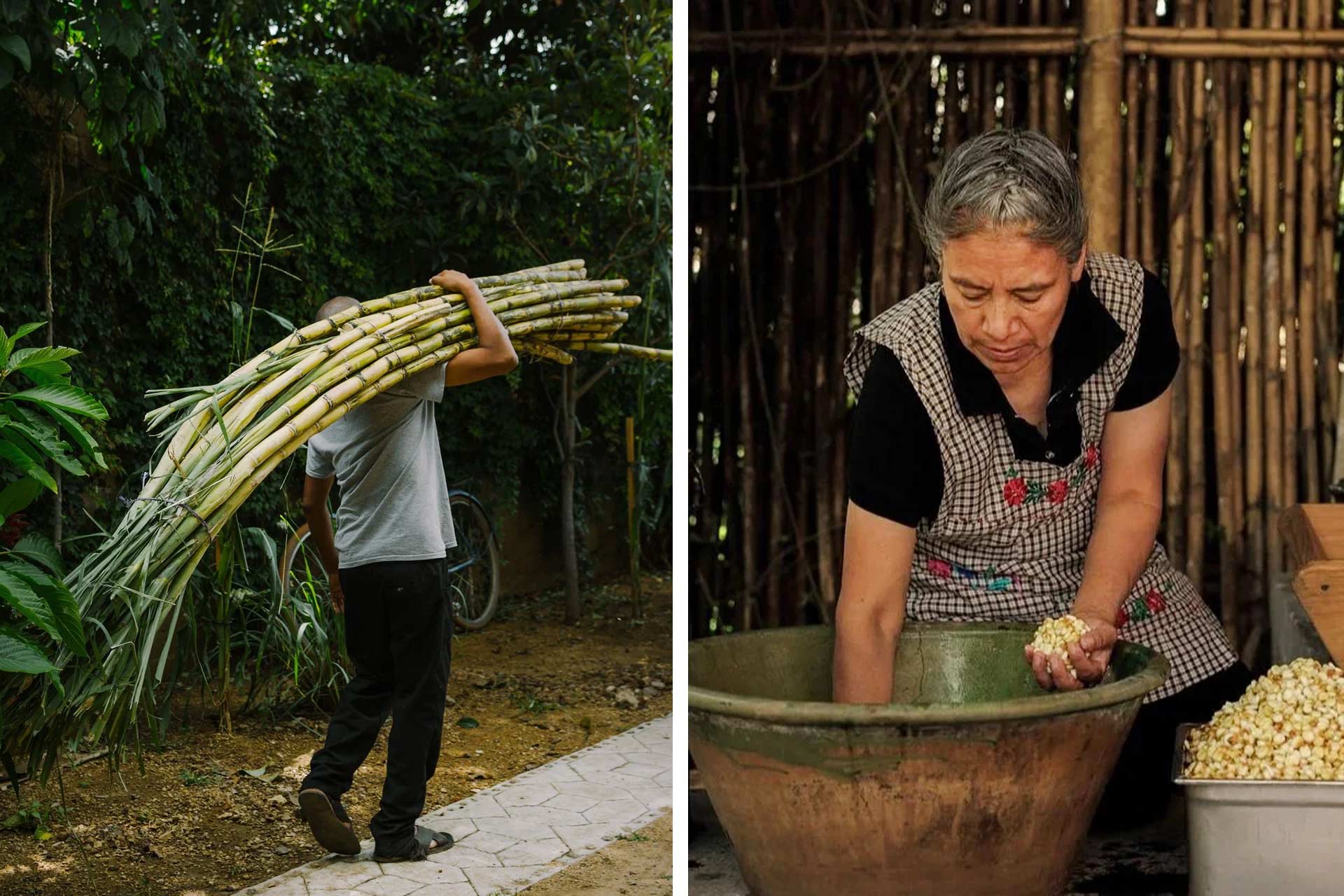
He named the restaurant after his maternal grandmother Alfonsina, whose story of cooking to live he learned was also his own. Back in the Indigenous pueblo, Santo Domingo Nundó, part of the Mixtec culture found throughout central Mexico, Alfonsina ran a community mill where neighbors would bring corn for her to nixtamalize — treating the kernels with cal, an alkaline solution, and grinding them into masa, the dough that can be formed into tortillas and other Mexican staples.
“It became a very important name for me because it still reflects the need to survive: my grandmother to bring food to her children, my mother to feed her siblings, and me to work, to learn a trade,” he says.
“The very strong bond that exists” between the restaurant’s offerings and the food his family cooked, he adds, “is due to the ingredients that I have perfect memories of.”
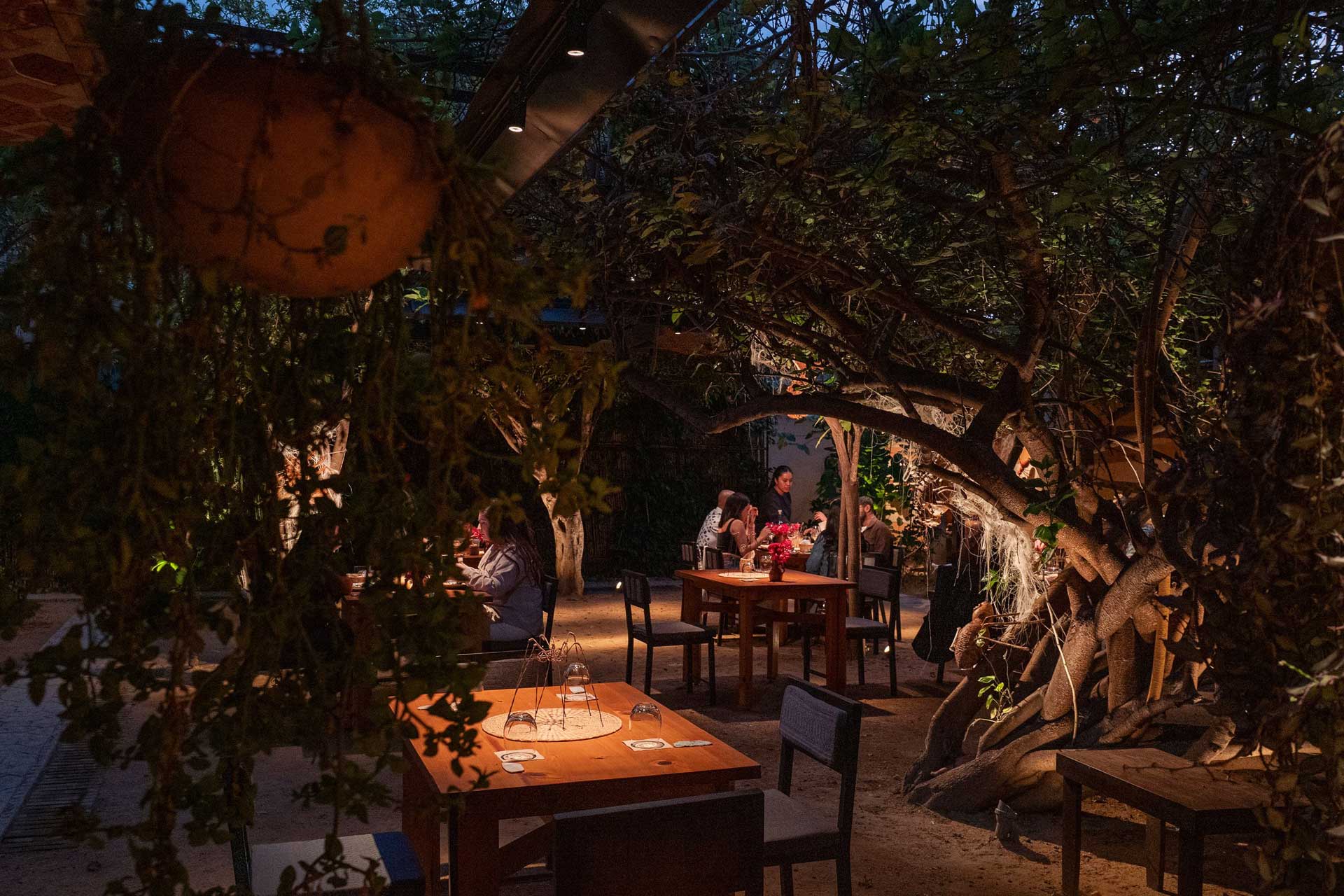
The corn the restaurant uses to make tortillas, purchased from producers in the nearby Mixtec community, has a deeper flavor than the genetically modified crops sold throughout the country.
Their pork, beef and chicken is from small, local backyard farms, and they mill their own sugar from sugarcane grown a half hour away.
Dishes often reflect a modern interpretation of the state’s rural traditions. To make picadillo, a typical mélange of chopped meat, vegetables and sweet elements like raisins that vary by region, Jorge substitutes most of the meat with seeds and wild greens.
“Meat in these communities is often a cause for celebration or a luxury, unlike here in the city,” he says. “We're fortunate enough to know where these ingredients come from, and we reflect that in everything you'll try.”
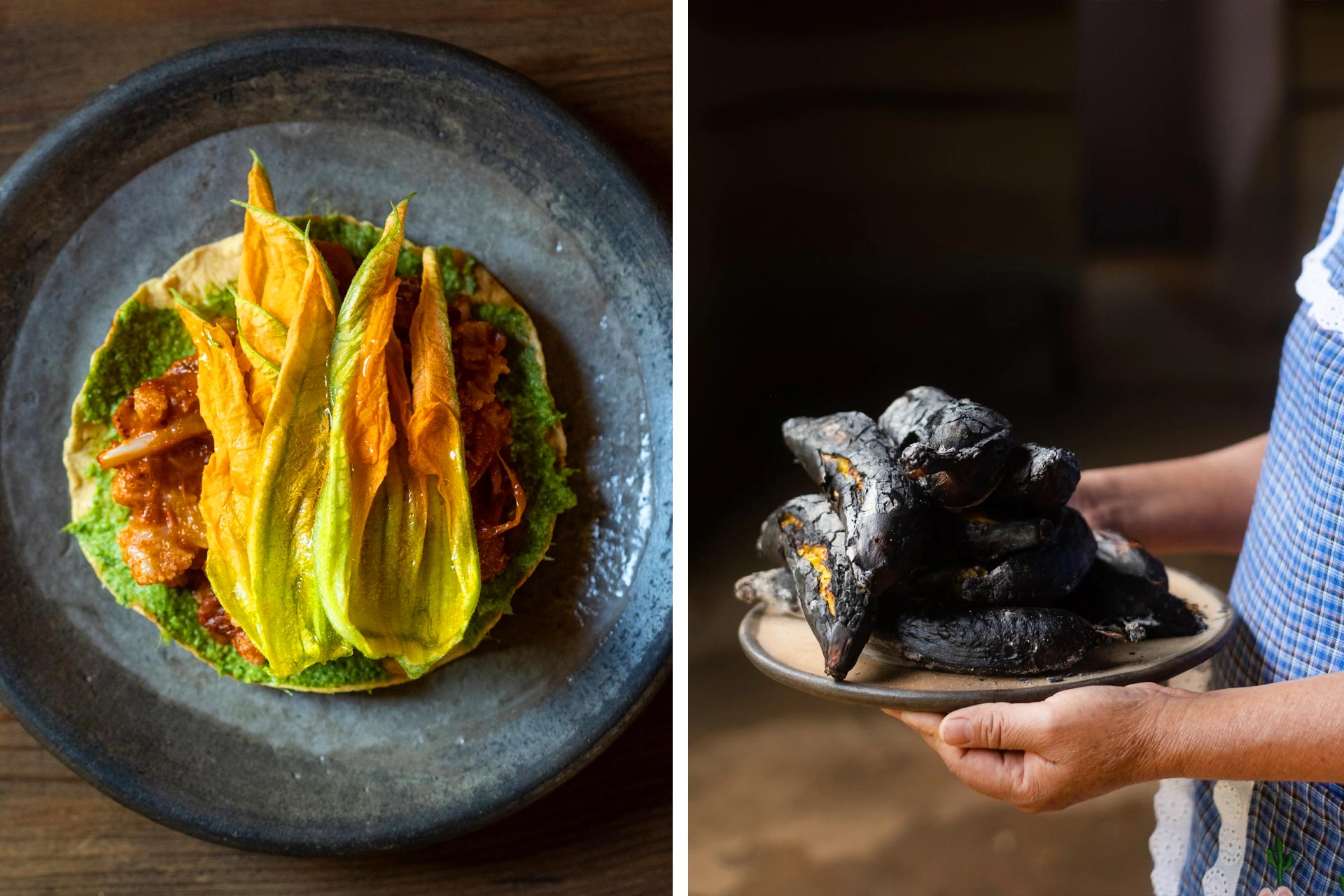
Together in the kitchen, mother and son have learned to communicate better, sharing and valuing the distinct perspective each brings on cooking and creating.
“From a young age, cooking was something that truly complemented our relationship, and even now we still connect. She tells me about dishes she remembers, and I interpret them from my own perspective,” Jorge says.
“For me, it's as if he brought the necessary knowledge that was missing, and perhaps I could practice it too,” Elvia adds.
Related articles:
Hero image: Chef Jorge León and his mother, Elvia. © Alfonsina