16 May 2024
Share


Welcome to Tartu, a leafy university city built around the banks of the Emajõgi River – a spot that comes alive in the summer as all manner of food, drink and entertainment venues spring up along its banks. Second in size only to Tallinn, Tartu is often referred to as Estonia’s spiritual and intellectual heart, yet once you arrive you'll find that it’s also a surprisingly compact place. With everything within easy reach that means there's plenty of time to explore – even on a short break – and there’s always something to see or do thanks to the creative types who are drawn here by its unique charm. There’s plenty of history to be found here too though, from the imposing buildings in the Town Hall Square to the green space of Toomemägi park – a gift from Emperor Paul I to the University of Tartu.
For 2024, Tartu has been awarded the title ‘City of Culture’; a yearlong celebration designed to highlight the richness and diversity of cultures across the continent. Tartu has chosen the ‘The Art of Survival’ as the underlying theme for its celebrations and, with a varied programme of 300 events taking place across the year, 2024 is surely the perfect time to explore this wonderful city.
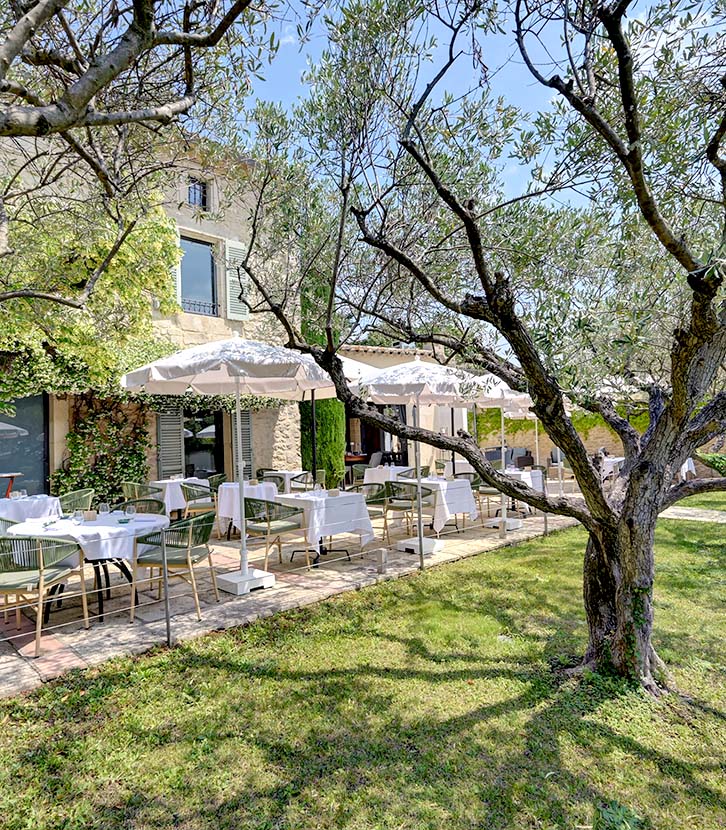
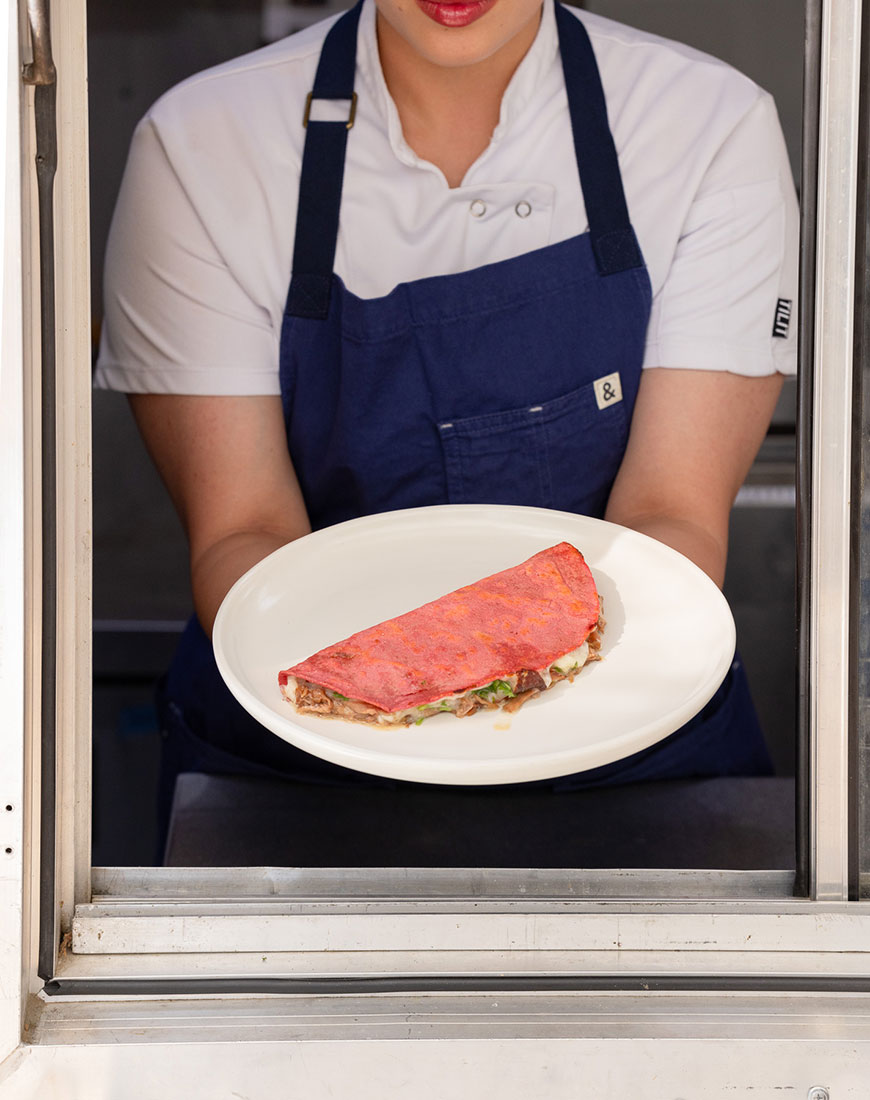
Join us on a tour of the area and its Michelin-recommended establishments: restaurants Joyce and Hõlm and the Lydia Hotel.


 6 min.