31 March 2026

Share


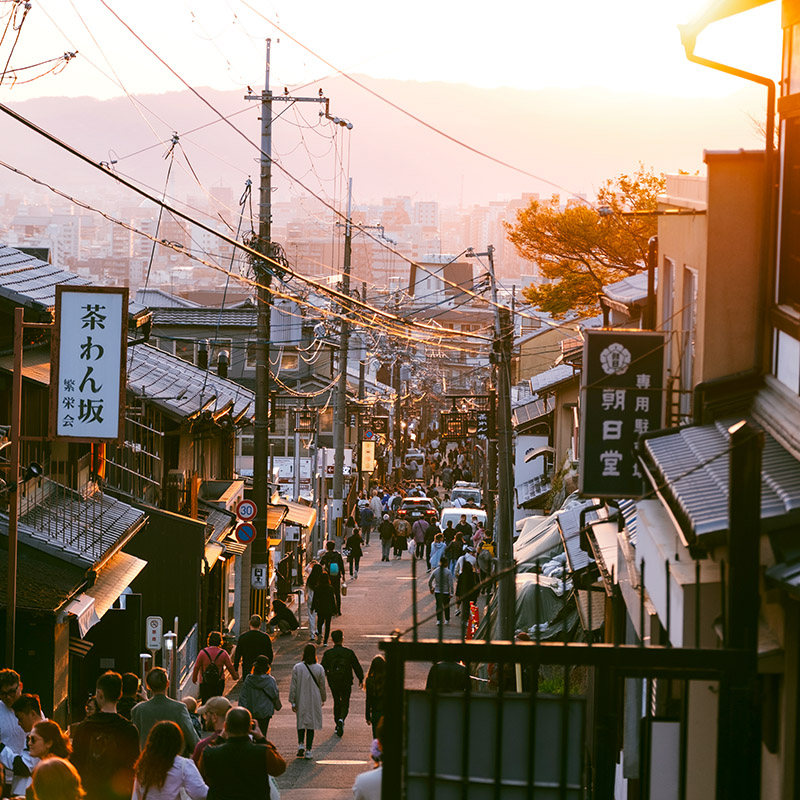
Kyoto captivates year-round, but spring is when the city feels most alive. As cherry blossom season sweeps in, marking the start of Japan’s academic and fiscal year, Kyoto takes on a renewed energy — temples, gardens and riverbanks framed by fleeting sakura blooms. Yes, this is peak travel season, and the crowds follow. But step just beyond the busiest streets and you’ll find a quieter, more intimate Kyoto — laneways, neighborhood cafés and lesser-known temples where spring unfolds at a gentler pace.
From iconic hanami (the tradition of flower viewing) spots to under-the-radar experiences, here are eight essential things to do in Kyoto in spring.
1. Picnic in the Shade of Cherry Blossoms
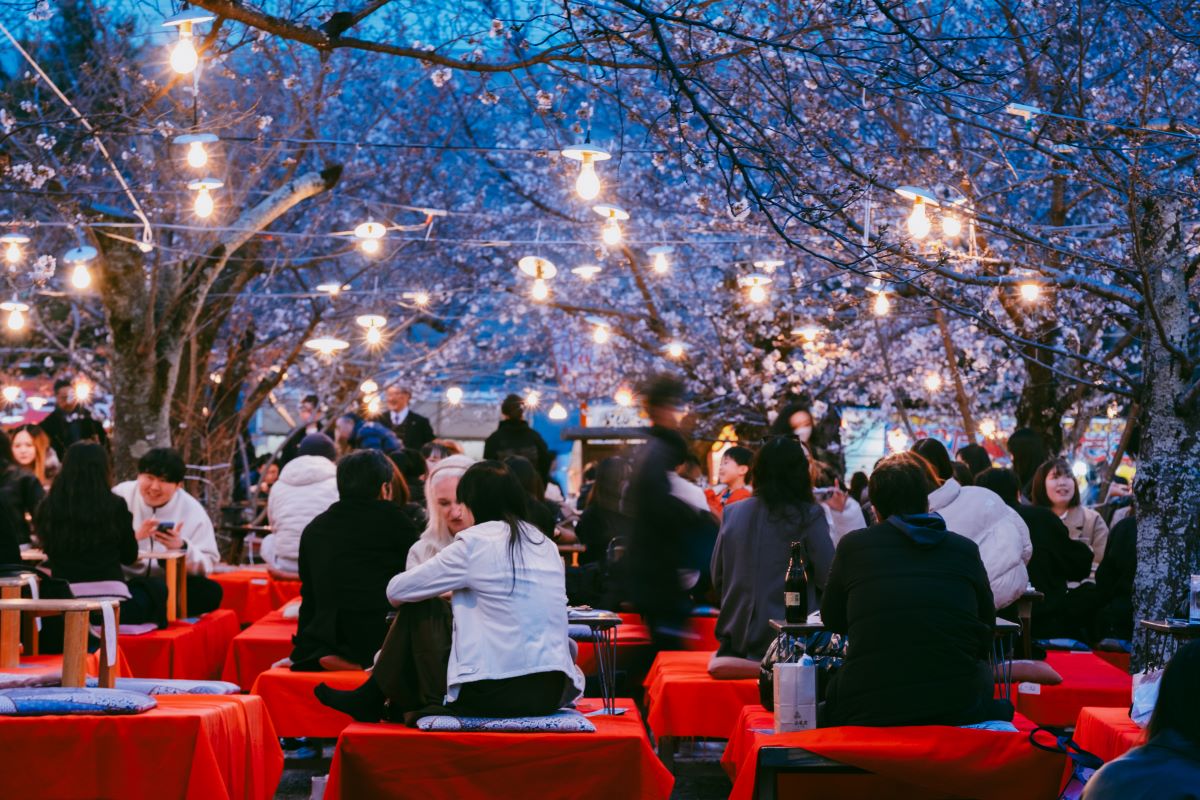
Make the most of the spring weather and join the locals in the cherished custom of hanami. Typically this means picking a convenient spot, spreading out a picnic blanket and enjoying lunch or a snack as you contemplate the fleeting beauty of the flowers.Select an exquisite spring-themed bento from a local eatery or simply pick up some supplies from the nearest convenience store. Find a spot along the banks of the Kamogawa River, which runs through the city center, or head to the Kyoto Botanical Gardens for a leisurely hanami experience away from the crowds.
2. Light Up the Night
Venture out after dark during cherry blossom season, when Kyoto takes on a more cinematic mood. Across the city, temples, shrines and gardens stage evening illuminations, casting sakura in a soft otherworldly glow — petals lit against centuries-old architecture, the air hushed, almost reverential.For something more contemporary, make your way to Nijō Castle, where projection mapping, music and lights animate the grounds in a striking counterpoint to the blossoms. The layered spectacle — heritage site meets digital art — makes it an especially compelling option if your trip falls just before or after peak bloom, when the crowds thin but the atmosphere still lingers.
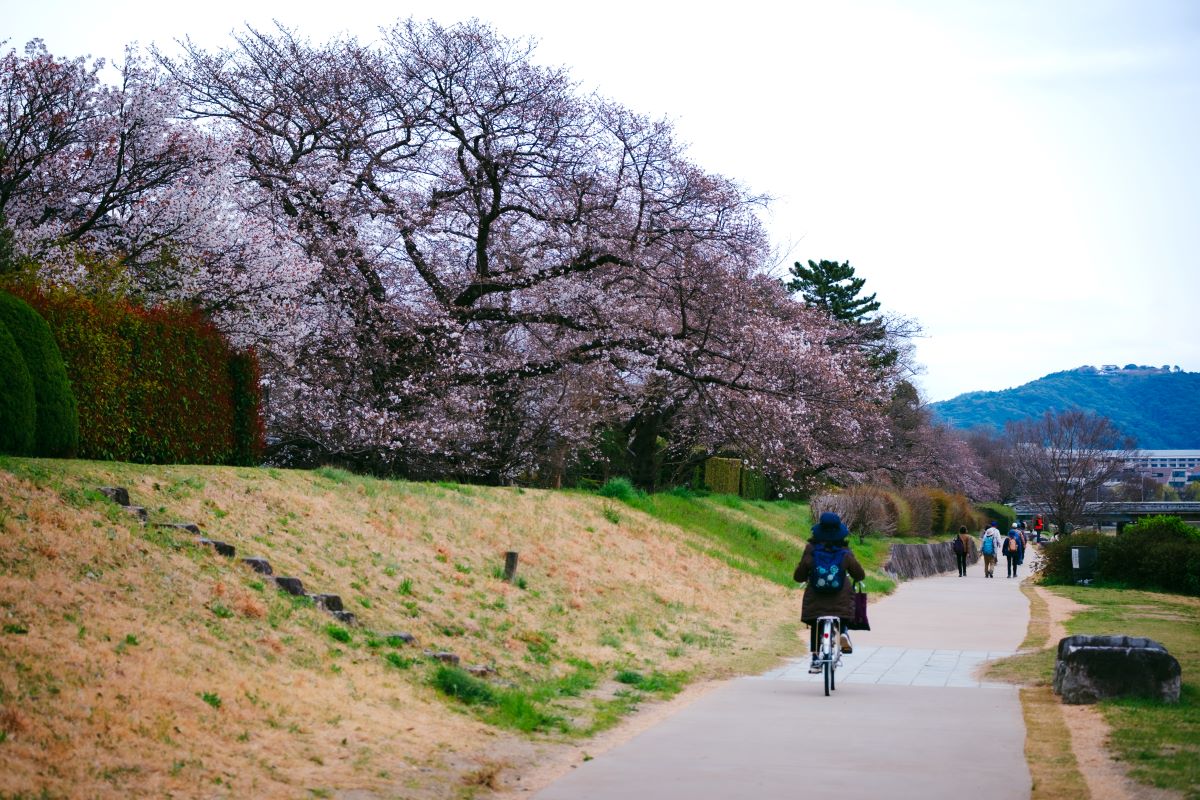
3. Get On Your Bike
Cycling is one of the most rewarding ways to experience Kyoto, and spring — mild, fragrant, awash with blossoms — is prime time to get in the saddle. Start with the Philosopher’s Path, a mile-long canalside trail in Higashiyama where cherry trees form a soft canopy overhead. It’s a gentle, scenic introduction — just be prepared to share the route with strolling pedestrians during peak bloom.The real pleasure, though, lies in veering off course. On two wheels, Kyoto reveals its quieter side: residential backstreets, local coffee spots and temple corners that rarely make the guidebooks. With more hotels now offering complimentary bicycles — and rental hubs scattered across the city — it’s an easy, intuitive way to explore beyond the obvious.
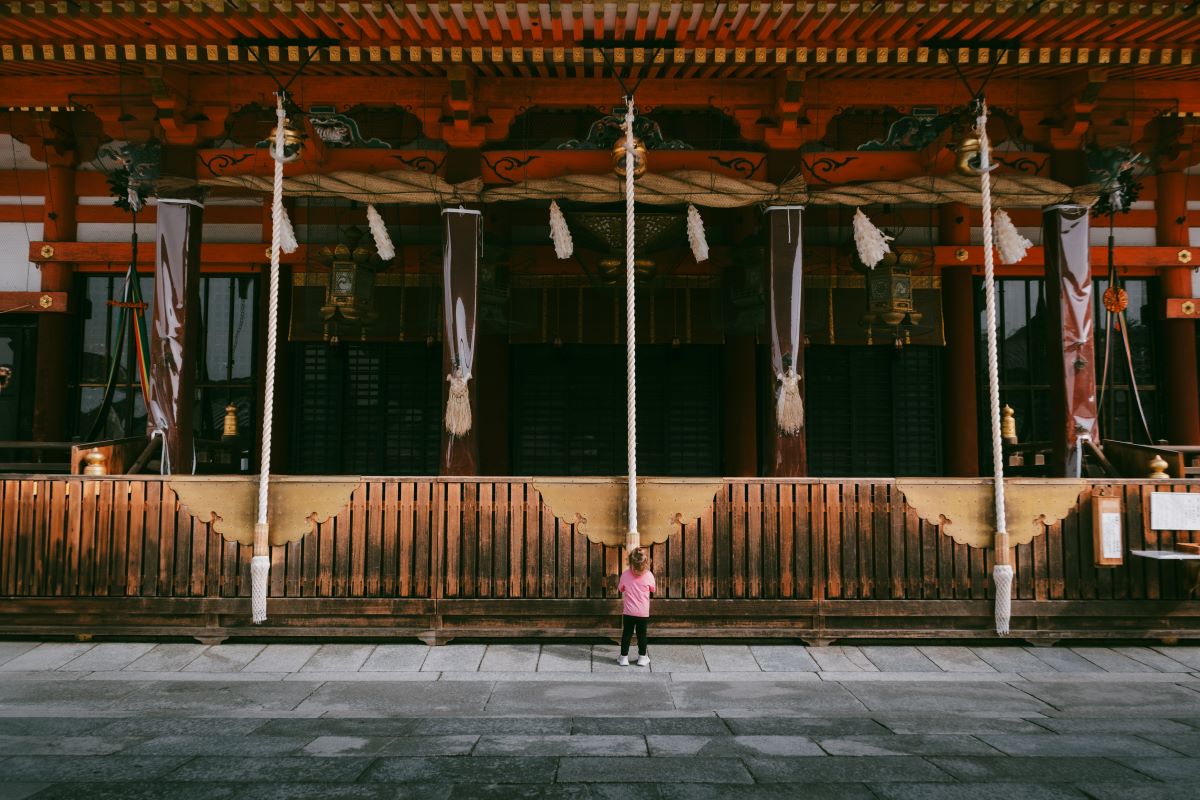
4. Rise With the Dawn
Set off for a refreshing early morning walk to one of Kyoto’s myriad temples and shrines. Get your perfect shots for social media ahead of the crowds or simply revel in the relative tranquility of the morning.After your walk, head to one of the city’s many kissaten (traditional coffee shops) and enjoy a hearty “morning set” for breakfast. For instance, Ichikawaya Coffee is located in a historic machiya (townhouse) and serves hand-roasted coffee in tableware made by the owner’s family. For an elegant start to the day, visit the main shop of Inoda Coffee, a fixture in Kyoto since 1940.
For particularly beautiful views, try catching the sunrise at the Togetsukyo Bridge, which spans the Katsura River in the Arashiyama district.
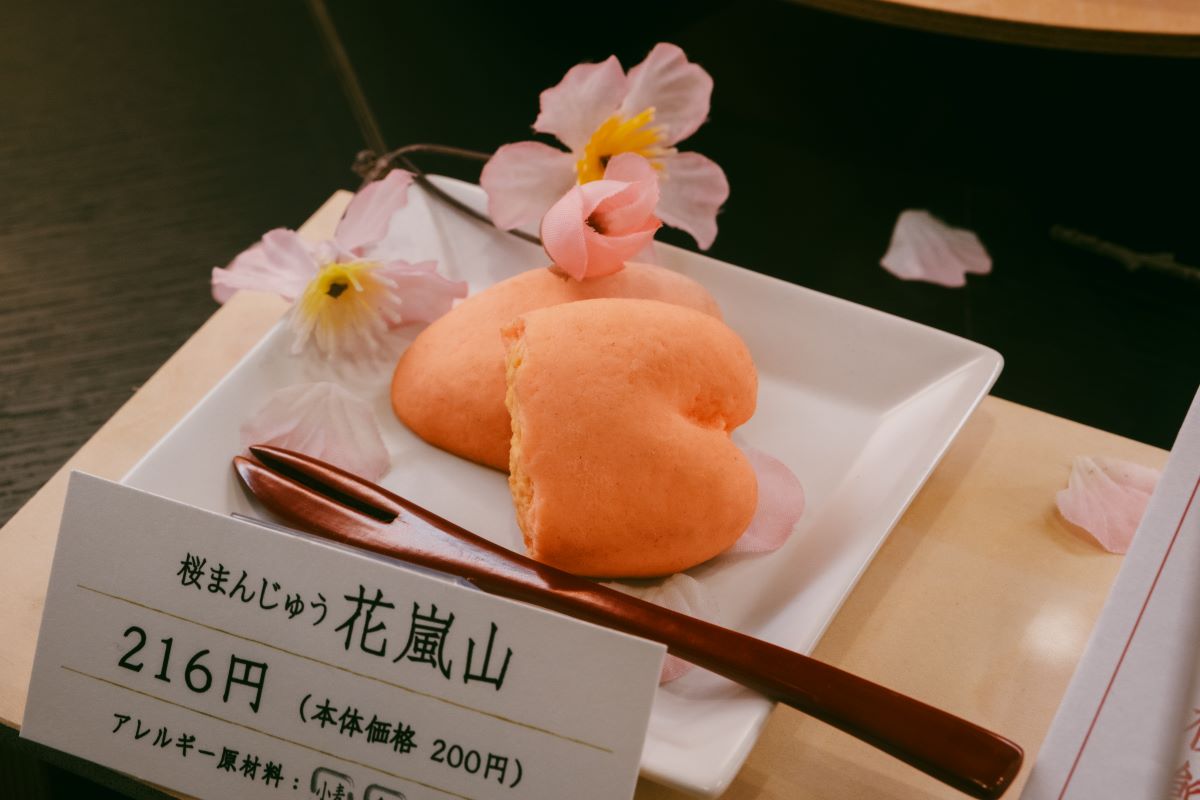
5. Sample Kyoto’s Spring Confectionery
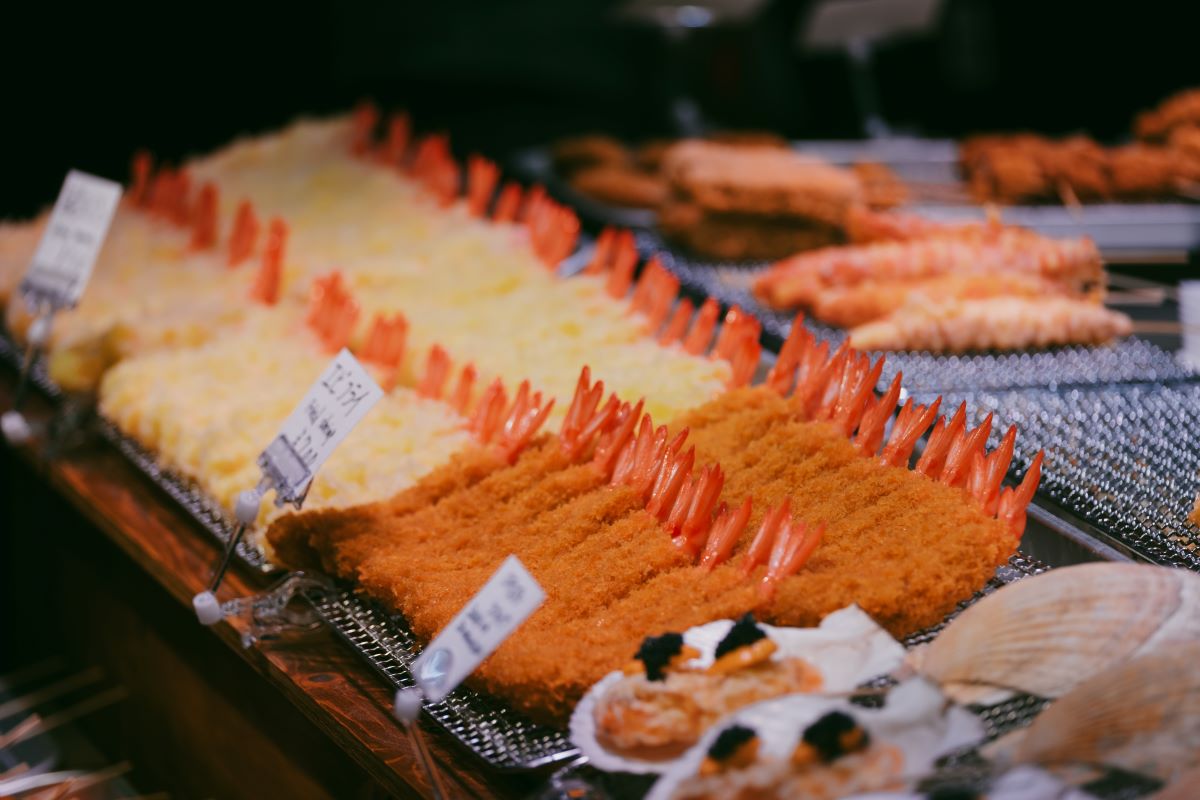
Spring in Kyoto plays out as much in the display cases as it does in the gardens. This is the season of wagashi at their most poetic — delicate, fleeting and often shaped to echo the cherry blossoms themselves — alongside a new wave of café desserts that lean into the same palette.Start at Nishiki Market, the city’s storied food arcade, where traditional sweets sit alongside more contemporary creations. Look for sakura mochi — blush-pink rice cakes filled with sweet red bean paste and wrapped in a lightly salted cherry leaf — and hanami dango, the trio of pastel dumplings that have become a seasonal staple.
Elsewhere, Kyoto’s cafés riff on spring with quiet flair: Think sakura-infused cheesecakes and meticulously layered fruit parfaits that feel almost architectural. It’s a season that invites indulgence — one bite at a time.
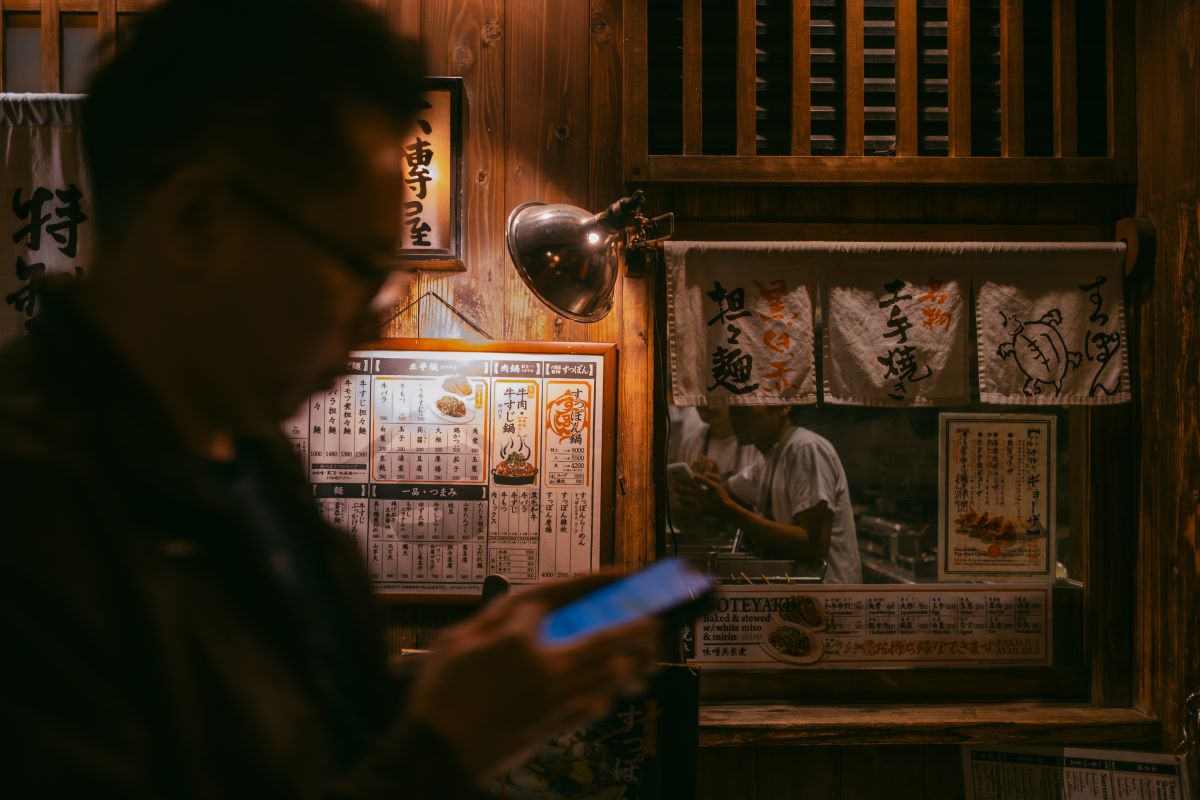
6. Dine Out in Geisha Town
The nation’s best-known geisha district, Gion, is brimming with traditional wooden machiya lining narrow stone-paved streets. Gion is also home to some of Kyoto’s most celebrated eateries, so indulge all your senses by partaking in a memorable meal in a quintessential Kyoto atmosphere.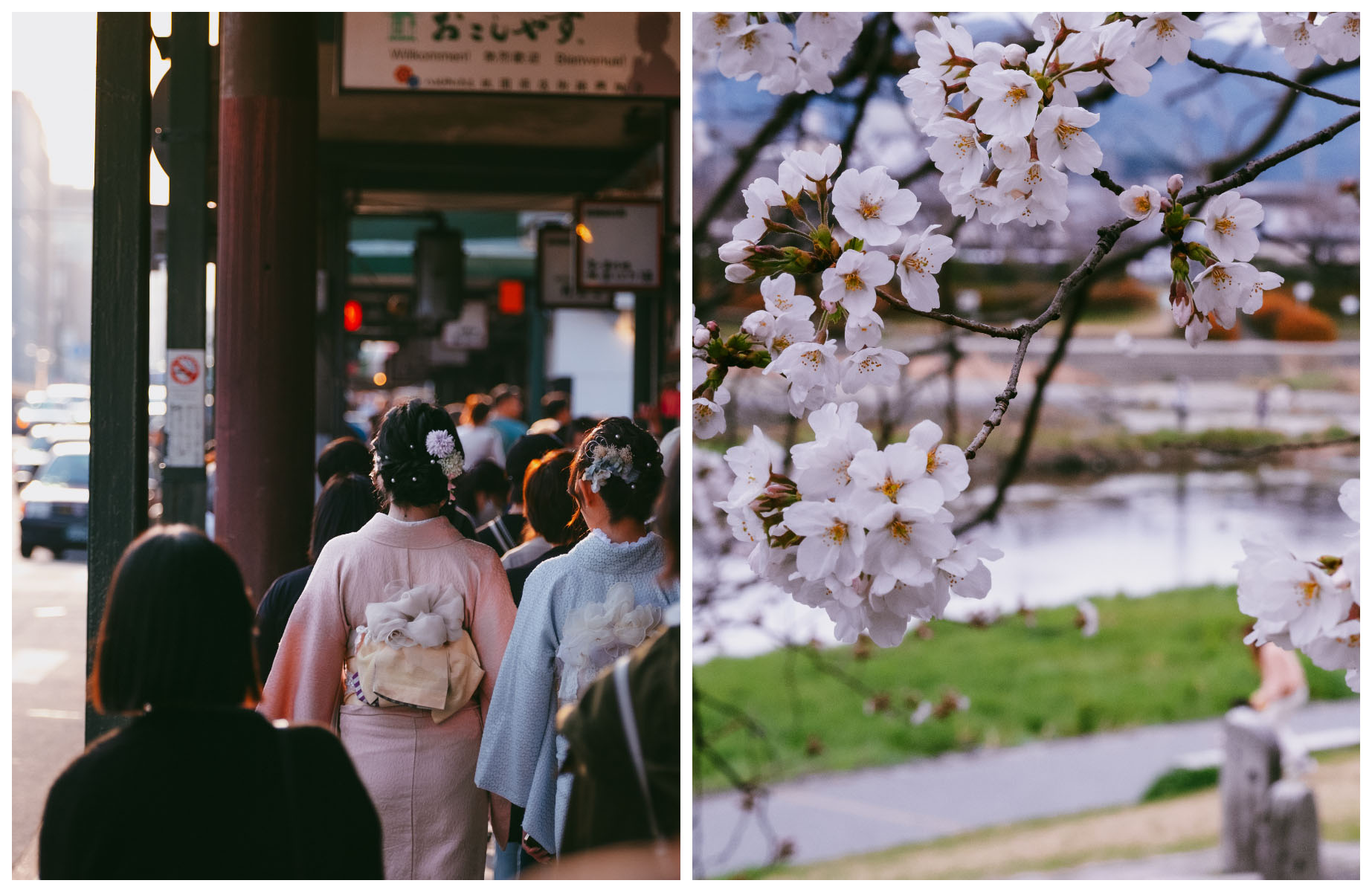
7. Get Into Kyoto’s Spring Festivals
Don’t miss the chance to take in the pageantry and spectacle of Kyoto’s spring festivals. Geisha and maiko (apprentices) are on stage daily at the Miyako Odori Geisha Dance throughout April, offering a rare chance to see their exquisite performances.Watch traditional archery on horseback on May 3 at the exciting Shinji Festival, or marvel at the splendor of the Aoi Matsuri on May 15, as participants in lavish period costumes parade through the city streets.
8. Don Your Own Kimono at Iconic Temples
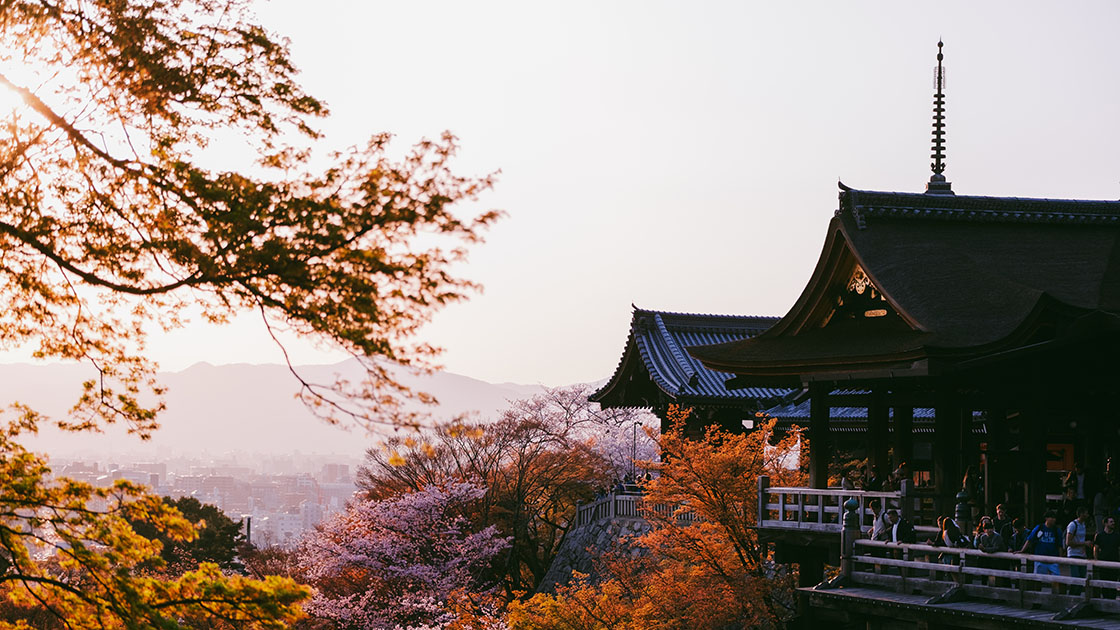
Undeniably touristy, yet it’s a highlight for many visitors, so if you fancy trying on a kimono, this is the perfect place. Donning a kimono can add a whole new layer of fun — literally — when visiting iconic sites such as Kiyomizu-dera Temple or Yasaka Shrine, and there are rental shops catering to tourists all over the city. After you’ve chosen your kimono, obi (sash) and accessories, the skilled staff will have you dressed and out the door surprisingly quickly. If this is your first kimono experience, allow yourself ample time to get used to walking with shorter steps as you set off.Related Articles:
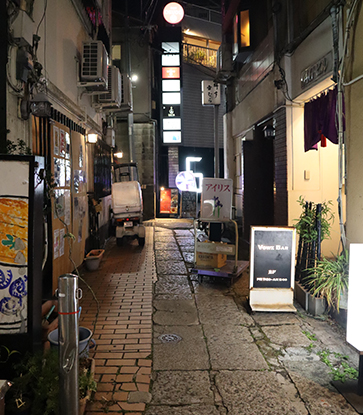
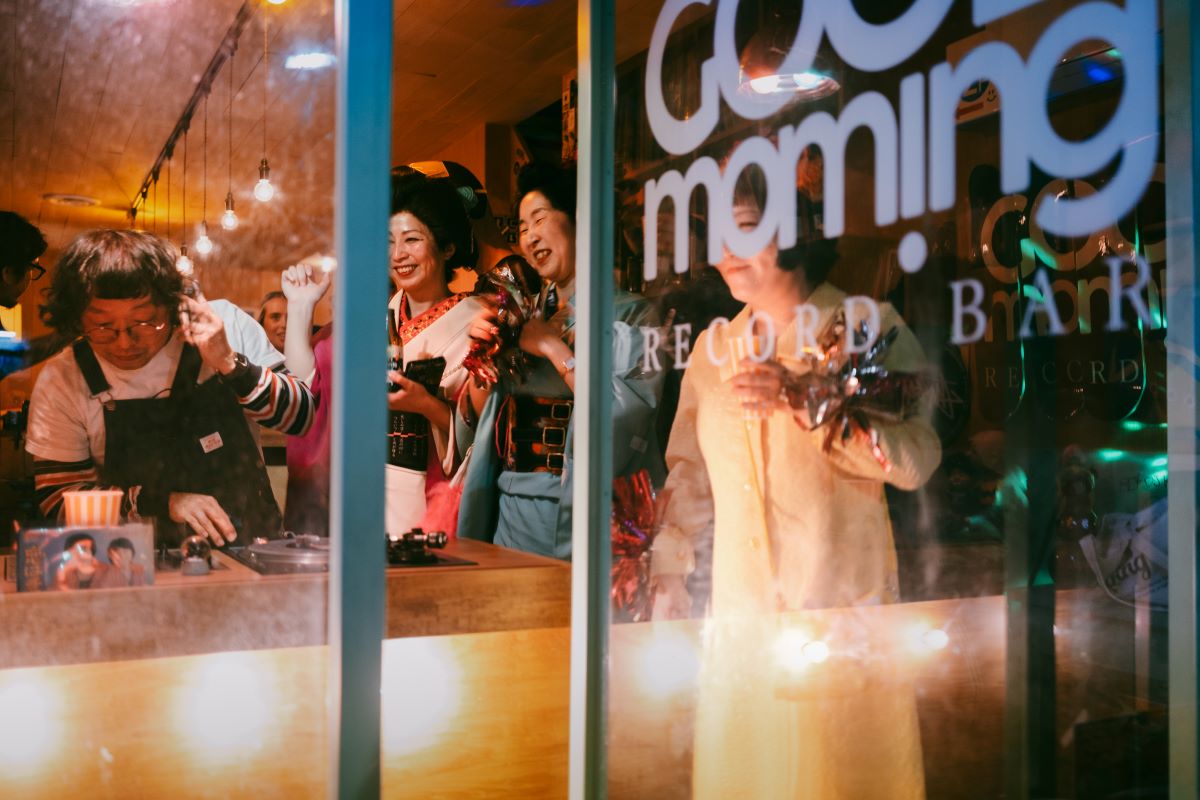
Hero Image: Geisha seen at a vinyl bar at nightfall in Kyoto in spring. © Colin Wee/The MICHELIN Guide