26 March 2026
Share


With The MICHELIN Guide for Great Britain & Ireland 2026 having been announced in February – with a pair of new Two-Star restaurants leading the charge – there has rarely been a better time for food lovers to visit. From buzzing big cities to serene countryside, you’ll find restaurants that rival the best in the world. But, beyond its quality, what makes British and Irish food so special? What makes the UK and Ireland stand out and why should they top a hungry local or curious visitor’s list? Here are five reasons why the UK and Ireland’s restaurants are among the best in the world.
1. A Global Outlook
Where cuisine types like French and Japanese have distinct, world-renowned personalities, ‘British food’ in modern times feels more elusive. Ask even a Brit to define it, and they may get stuck after fish & chips and the traditional Sunday dinner of roasted meat and vegetables. But this perceived absence of national cuisine is not a fault, it’s an opportunity. Over the past few decades, both the UK and Ireland have provided a second home for cooking styles from around the world, in part thanks to our local population’s insatiable culinary curiosity.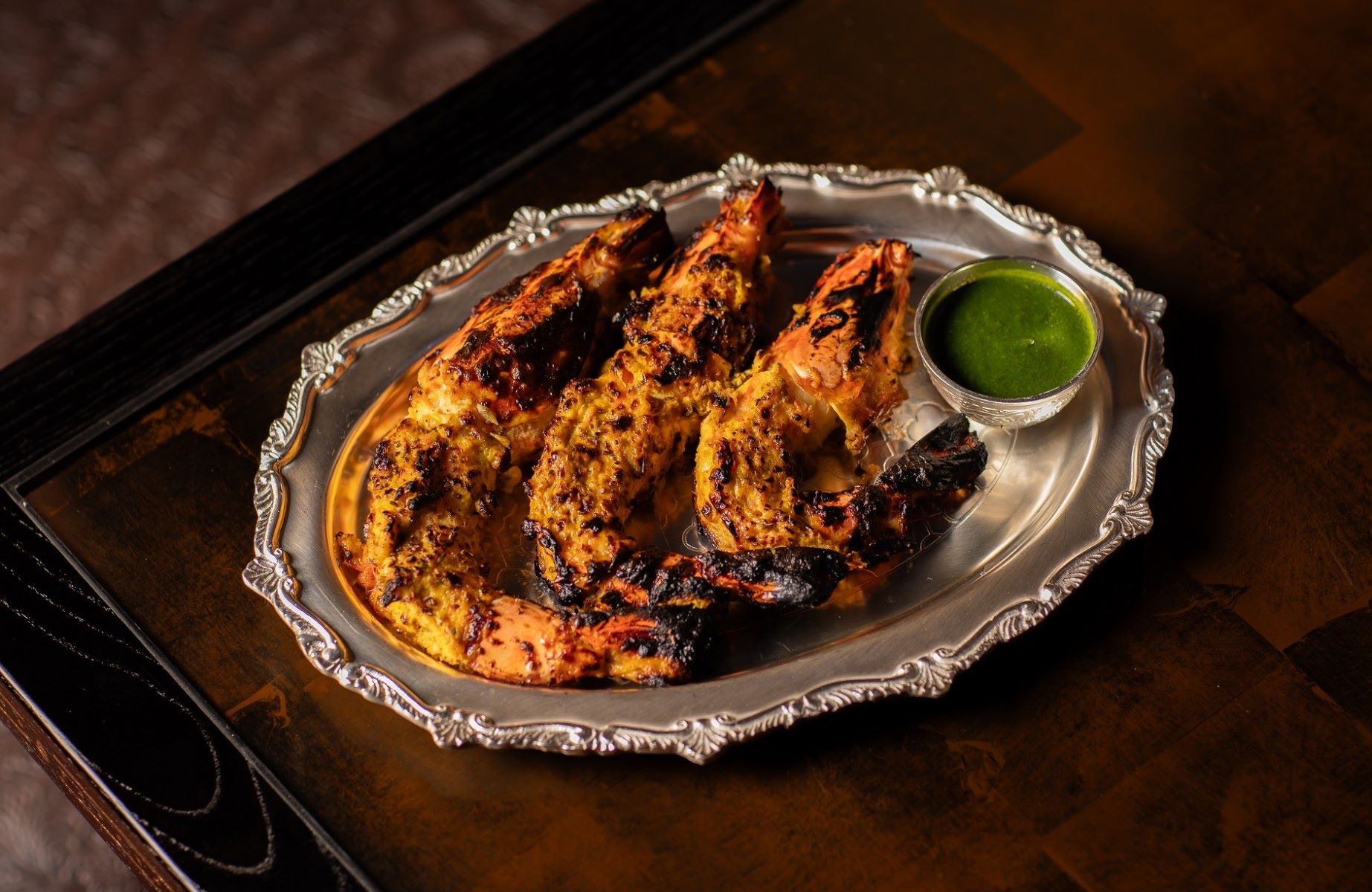
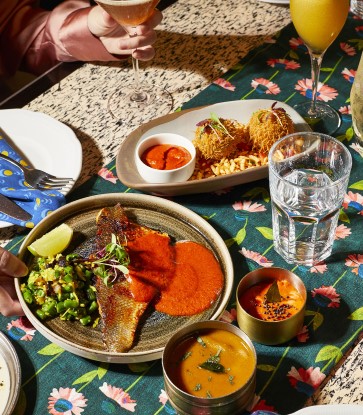
London in particular is a city for whom the phrase ‘melting pot’ could have been invented, with more authentic international restaurants being added to The MICHELIN Guide every year. In London’s buzzy central Soho neighbourhood alone, going for dinner means choosing between Indian or Italian, French or Filipino, even Taiwanese, Thai or Turkish cuisines. In fact, this year’s awards reflect this outlook. There were new Stars for Spanish and Indian restaurants, alongside Bib Gourmands awarded for great value cooking at Vietnamese, West African and Korean eateries to name a few.
It’s this global openness that has attracted the very best of the world’s chefs to our shores. It’s why Alain Ducasse, Hélène Darroze and Pierre Gagnaire came over from France, and why chefs like Rafael Cagali and Ahmet Dede brought their home cuisines of Brazilian and Turkish to share with British and Irish diners. In style as well as cuisine, our Stars are also wonderfully varied – ranging from intimate chef’s tables to top-drawer pubs.
2. It’s the Home of the Local Pub
While it’s this diversity that makes the UK and Ireland so exciting, there’s a lot to be proud of in our traditional dishes too. Steak & kidney pie, sausage & mashed potato and the obligatory Sunday roast may seem simple, but when done well there’s little more enjoyable – and there’s nowhere better to enjoy them than in a proper pub.With the warmth of their atmosphere and simplicity of their design, pubs are a quintessential style of eatery that visitors from all over the world are keen to experience. Harking back to the days of the coaching inn, they are still very much pillars of the community that will often provide shelter (many have rooms upstairs) and nourishment to the weary traveller.
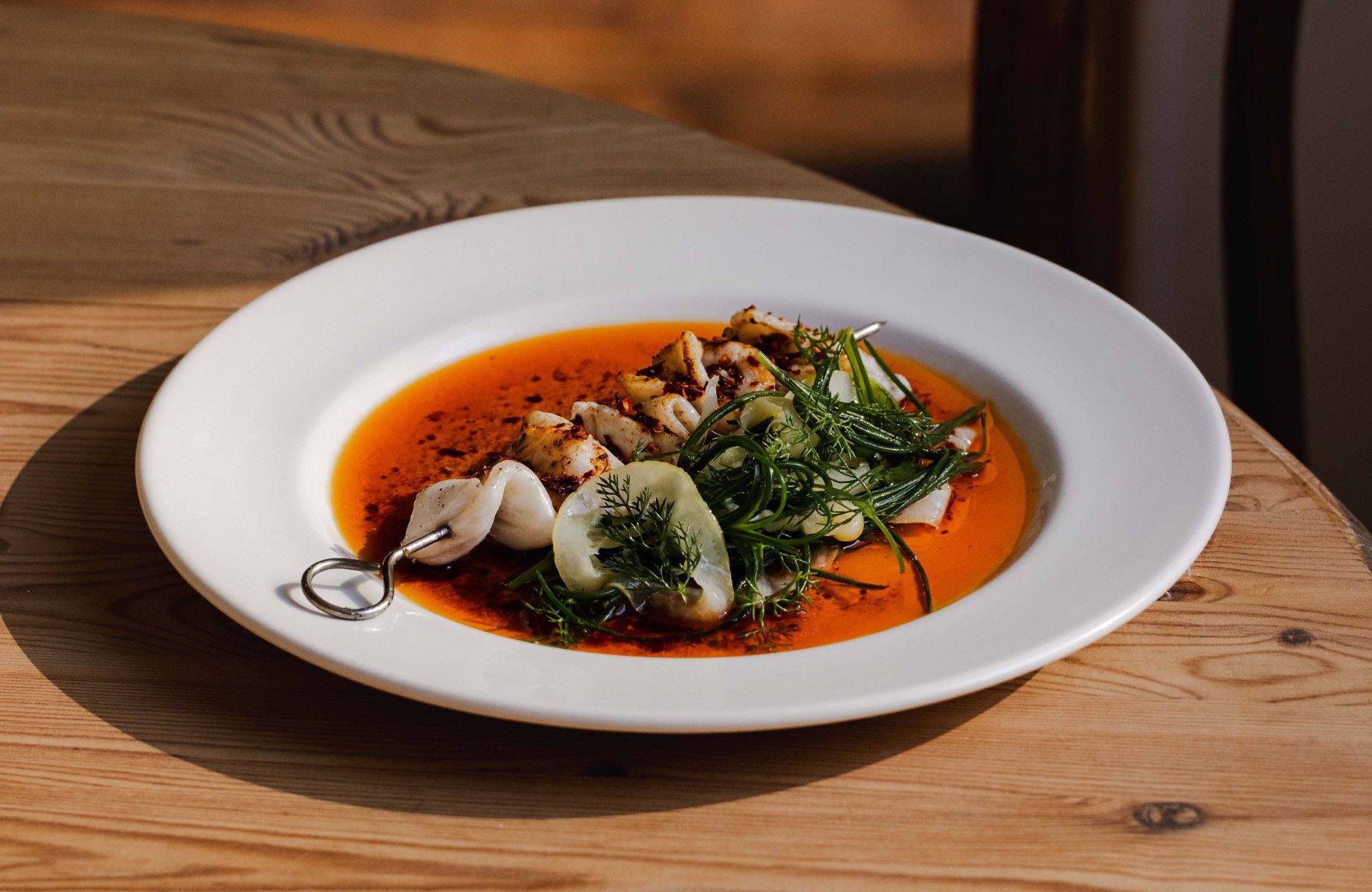
Pub dining received an extra boost this year with a MICHELIN Star awarded to The Kerfield Arms in London, joining The Harwood Arms as the capital's only pubs with the distinction. The pinnacle of pub cuisine is still Tom Kerridge’s The Hand and Flowers in Buckinghamshire; the only pub in the world to hold Two MICHELIN Stars, it changed the limits of what’s possible for this kind of cooking.
MICHELIN-Starred pub food can also be found at The Cross near Warwick and The Dog and Gun Inn in the Lake District. For those searching for a great value pub meal, there are a range of Bib Gourmand inns: from village locals like The Reindeer in Nottinghamshire to coastal treasures such as The Royal in East Sussex. And to find out why Irish hospitality is so globally revered, look no further than Spitalfields in Dublin.
3. Homegrown, Game-Changing Chefs
The UK and Ireland also boast a glittering array of homegrown chef talent. After all, Gordon Ramsay – one of the most famous chefs in the world – was born in Scotland and forged his reputation in London, where he has held Three Stars since 2001. Heston Blumenthal too, has had a global influence with his restless invention at The Fat Duck.In the 2026 Stars, we've also seen top talents branching out and expanding their businesses with more accolades, from Clare Smyth's new 'luxury bistro' Corenucopia to Ugly Butterfly by Adam Handling on the Cornish coast, along with Michael Caines' first London restaurant and Gordon Ramsay opening Europe's highest restaurant.
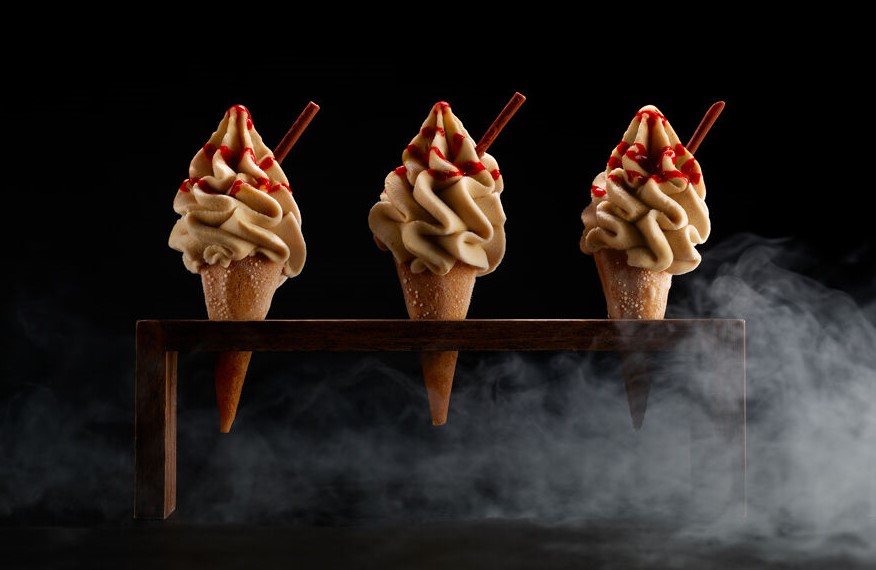
It would be impossible to name every pathbreaking British and Irish chef, but in today’s landscape a special mention must be given to Simon Rogan, for his 'Our Farm' development and pioneering of farm-to-plate cuisine for over 20 years; to JP McMahon, steadfast champion of Irish produce and Galway in particular; to Tom Kerridge, for elevating pub food to Two-Star level; and to Jason Atherton, a skilled chef and restaurateur who has rapidly expanded his empire around the world and this year earned a second Star for Row on 5 in London.
4. A New Generation of Talent
It’s not just the present, but the future, of British and Irish gastronomy that is in good hands, with an exciting new vanguard of chefs. Among the 2026 awards, several restaurants were awarded their first Star, marking them as places to watch in the coming years: The Boat, The Wilderness, Forest Avenue, 1887, FIFTY TWO and JÖRO.Alongside them, Nieves Barragán Mohacho continued her career evolution with a Star for Legado, her second Spanish restaurant in London to receive the accolade after Sabor. While she has been a London fixture for some time, Legado's success confirms her influence on modern London dining.
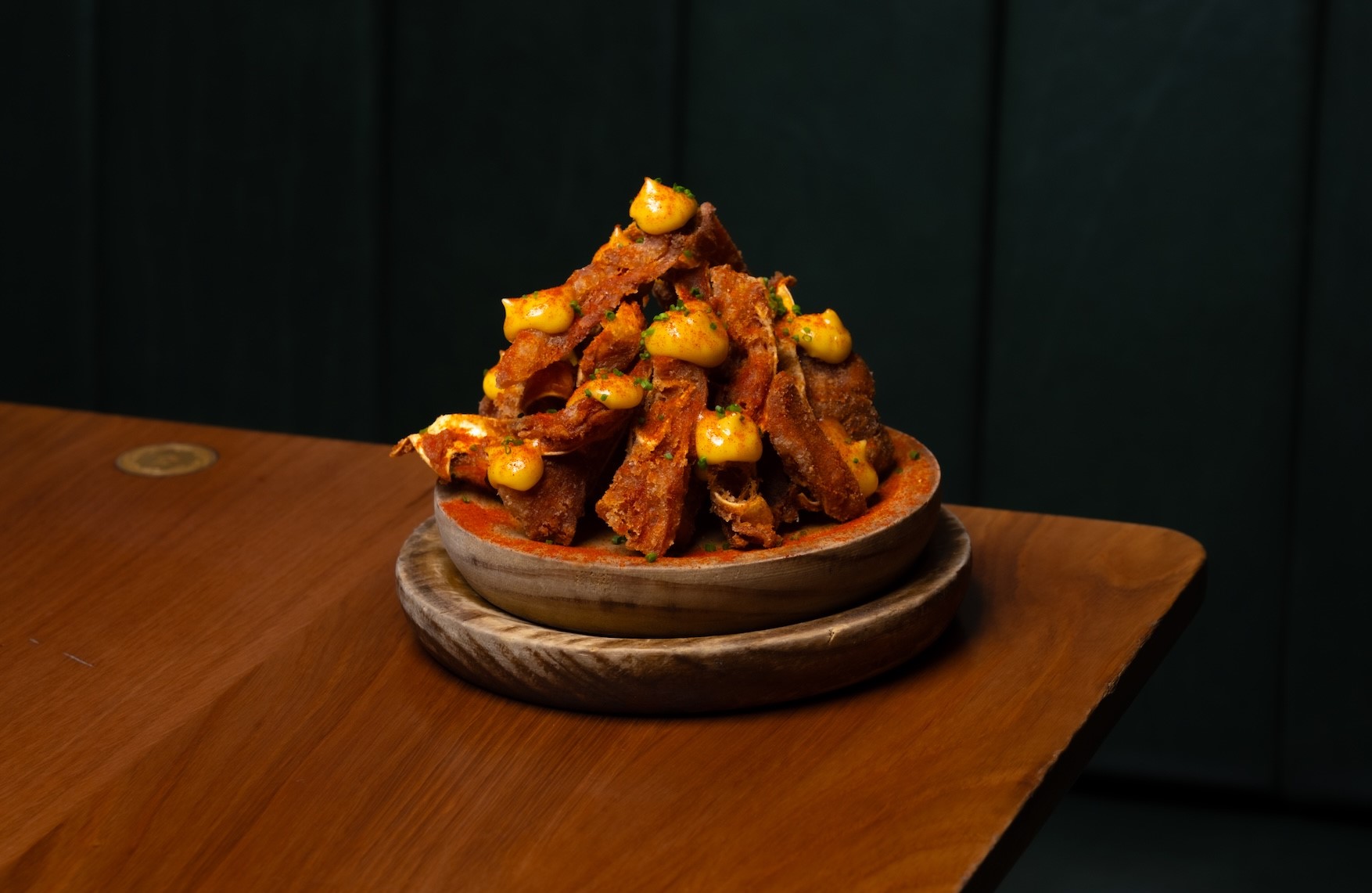
Other top talents to watch include Lorna McNee from Glasgow’s MICHELIN-Starred Cail Bruich, who looks poised to become a household name; Santiago Lastra and his innovative Mexican cooking using only British ingredients at KOL in London; Tomos Parry, dictating London’s culinary tempo with the wildly successful Brat and Mountain; and Tommy Banks, master of field-to-fork dining at The Black Swan in Yorkshire.
5. Only the Best Produce
Any top chef will tell you that without ingredients of quality, you’re going to struggle to cook something truly special. The UK and Ireland are fortunate to have one of the most abundant and diverse larders in the world. Every corner of these countries is known for its superb produce, from seafood on our coasts to meats reared in our countryside. To get a snapshot of the best ingredients around, look out for Orkney scallops, Carlingford oysters, Perthshire strawberries, Herdwick hogget from the Lake District and brilliant lamb from the Welsh valleys.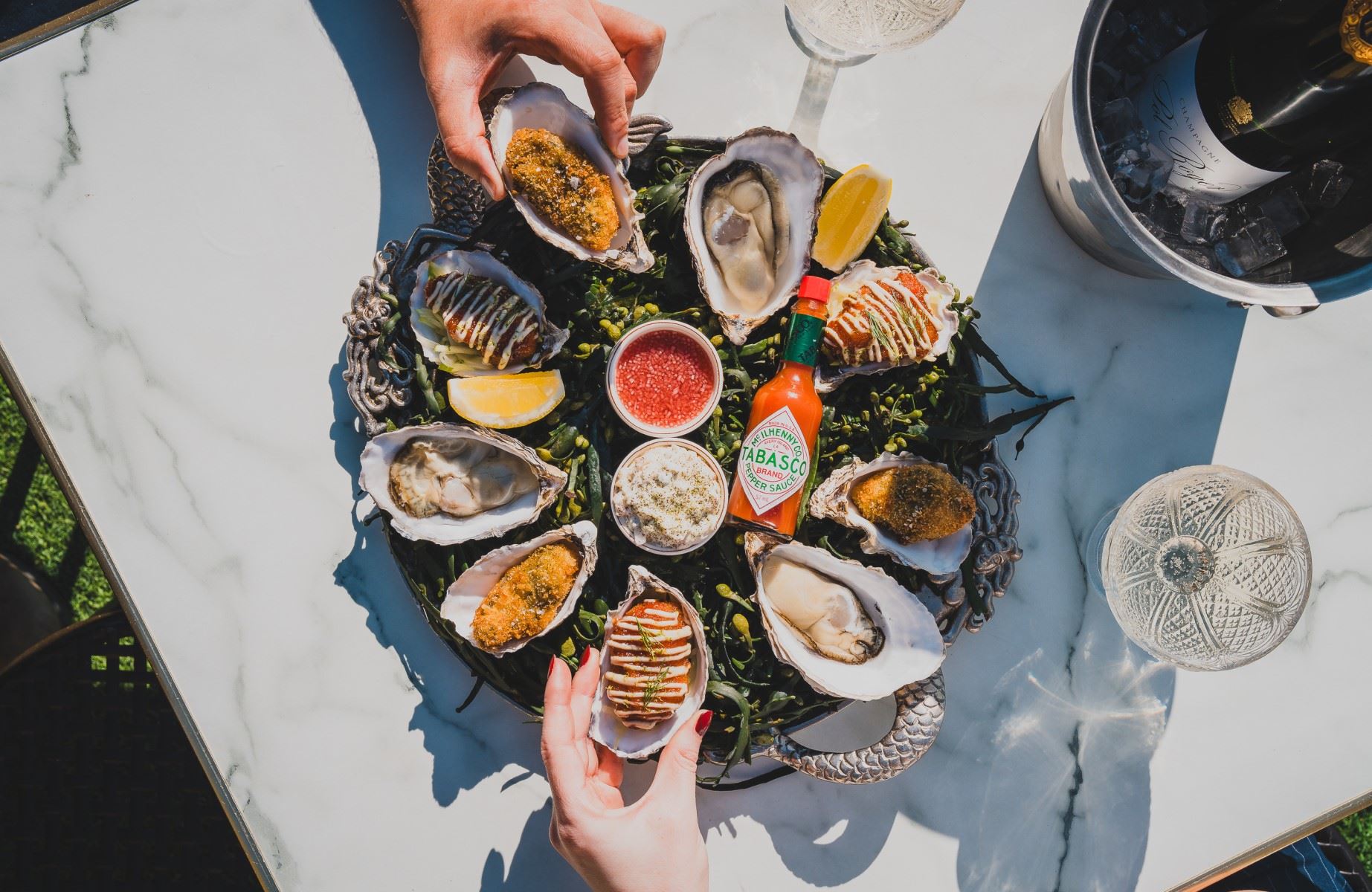
If you want an unadulterated taste of quality produce, you can’t go wrong with a visit to St. JOHN. A groundbreaking British restaurant, it takes traditional, no-nonsense dishes like mince on toast and elevates them to MICHELIN-Star standards. If you want to see the growing process in action, head to the countryside and explore the likes of Homestead Kitchen and Daylesford Organic Farm, where the ingredients are grown in touching distance of the dining room.
Ultimately, that is why the UK and Ireland’s dining scenes are so extraordinary. It’s because of restaurants like Row on 5 and Humble Chicken, because of chefs like Heston Blumenthal and Simon Rogan – and because few people can say no to a proper pub lunch.
Related Articles:
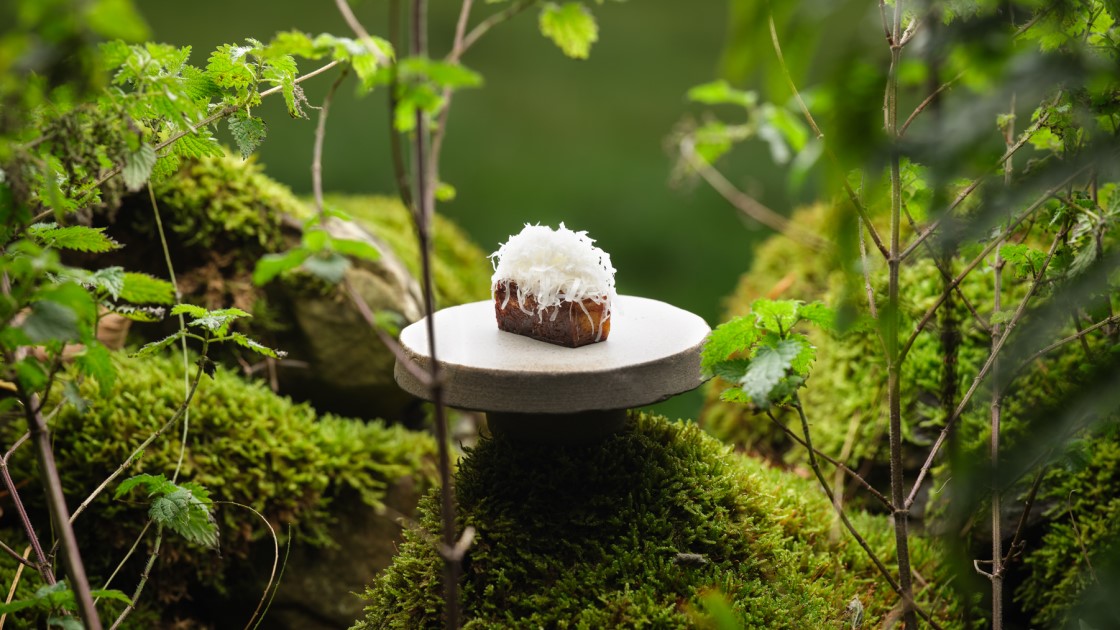
Hero Image: One of the signature dishes from L'Enclume, Simon Rogan's Three-MICHELIN-Star restaurant in the Lake District. © Cristian Barnett/L'Enclume