30 January 2026

Share


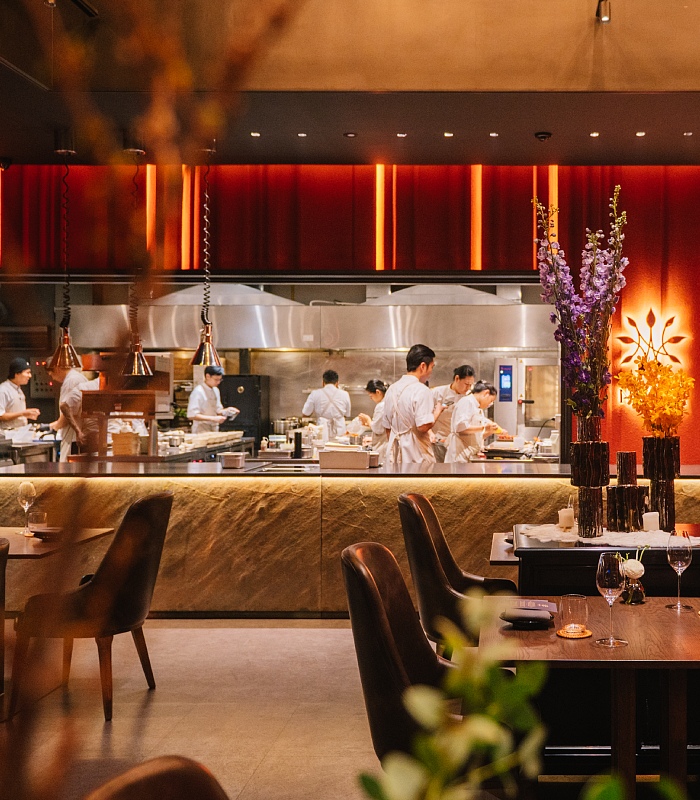
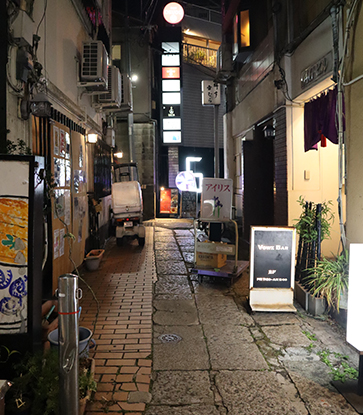
To understand KHAO, a superficial familiarity with Thai cuisine is not enough. Jimbocho, in the heart of Tokyo, is a renowned, historic neighborhood, thought to be the world’s largest used-book town. On a quiet side street, beyond the rows of nostalgia-inducing bookstores, KHAO quietly reveals itself. Run by husband-and-wife team Koichi Ishiyama and Eri Hozumi, the restaurant earned One MICHELIN Star in the MICHELIN Guide Tokyo 2026, just one year after opening. But what makes KHAO different to Tokyo’s countless other Thai restaurants?
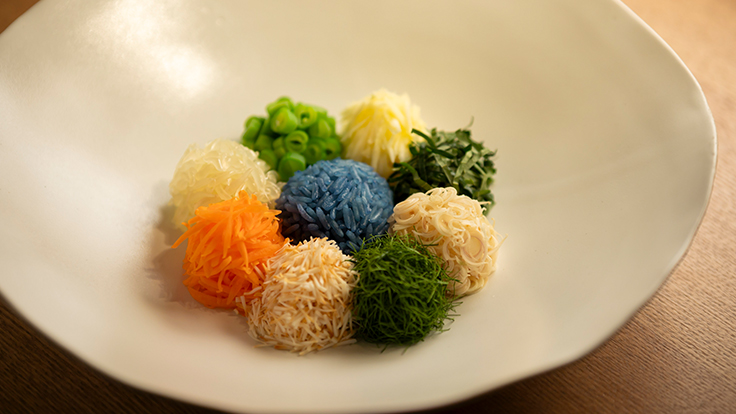
Hozumi’s fascination with Thai cuisine began in childhood, sparked by a handful of dishes encountered at a local restaurant. The flavors of green curry, tom yum kung, jasmine rice and lemongrass tea lingered, leaving a lasting imprint.
After turning twenty, she began working in a Thai restaurant before traveling to Thailand at twenty-three with the intention of learning authentic cooking techniques at their source.
It was during her apprenticeship in Thailand that she met Ishiyama. More than a decade on, her cooking continues to evolve in unique ways, yet its foundations remain firmly rooted in those Thai lessons.
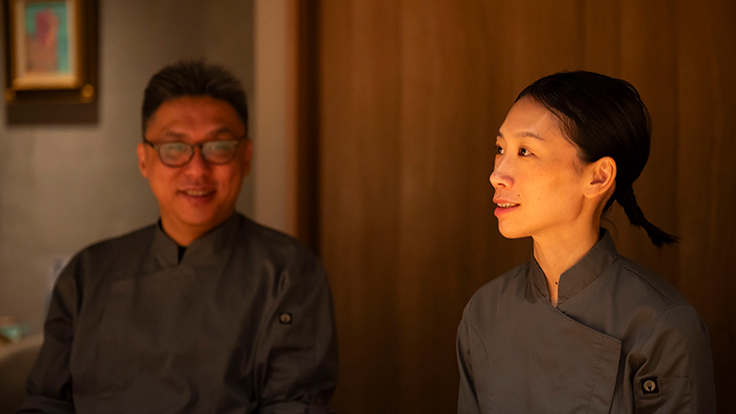
After three years in Thailand, the couple returned to Japan and opened a restaurant in Nagoya. In 2024, they opened KHAO in Tokyo, channeling their shared vision into every dish. The name KHAO was chosen by Ishiyama. Meaning “white” in Thai, it reflects purity and a pure, innocent heart.
The menu is offered exclusively as a set course, reflecting the couple’s philosophy in every detail. Dining here feels like a journey through Thailand. One might imagine traveling from Japan to Bangkok, then on to Chiang Mai, passing through regions home to diverse ethnic communities and enduring hours on winding buses. Only then does the long-sought dish finally appear. That sense of arrival is translated into gentle, precise expressions using Japan’s seasonal ingredients.

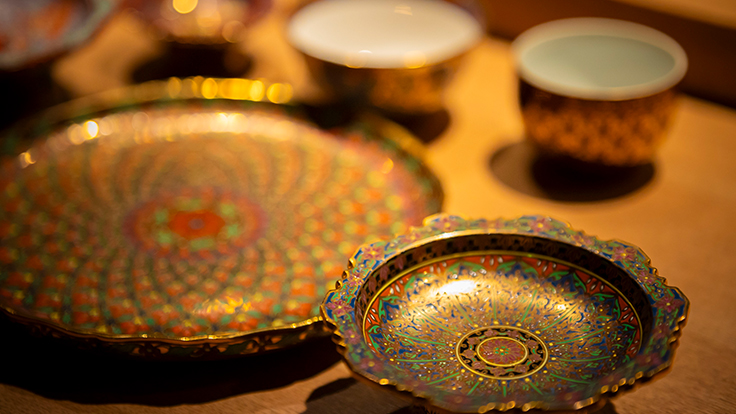
Summing up the cuisine is difficult, but Hozumi points to two guiding ideas: care and faithfulness. Quality ingredients are a given; equally strict attention is paid to how each is cut and handled. While recalling flavors tasted across Thailand, heat, acidity and distinctive aromas are gently softened and arranged. The course centers on lesser-known regional dishes, interwoven with favorites from cities such as Bangkok. Fermented seasonings made from beans appear frequently, creating a natural affinity with Japanese ingredients. Tableware is equally considered, featuring carefully sourced Benjarong ceramics from Thailand.
“Our hope is that newcomers discover the appeal of Thai cuisine, while seasoned global diners encounter something found nowhere else,” Hozumi reflects.
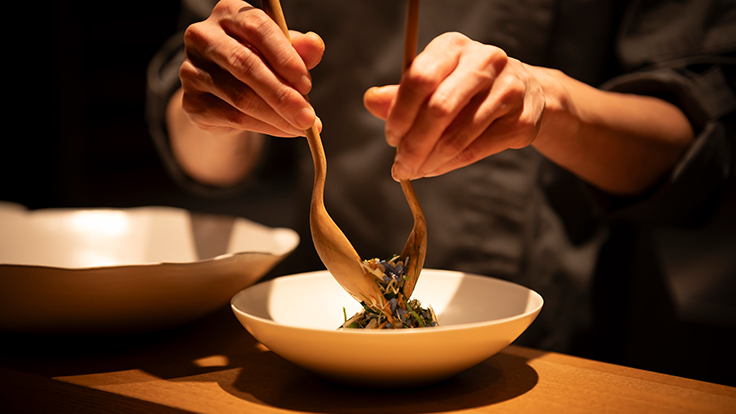
Her movements as she carefully plates each dish, are straightforward, serious and precise, yet filled with a gentleness and elegance that shows her affection for her ingredients. Such scenes linger, forming part of what makes a visit memorable.