08 February 2026

Share


If there is one “new” Thai dish worth putting in front of global diners right now — one that feels instantly lovable but still deeply rooted in tradition — khao kluk kapi, fried rice mixed with shrimp paste, might be it. Few dishes win over both Thai locals and first-time visitors quite so fast. It is fragrant, punchy and perfectly balanced, thanks to a lineup of condiments that hit sour, spicy, sweet and salty notes all at once. Even the shrimp paste stays mellow and rounded — flavorful, not intimidating.
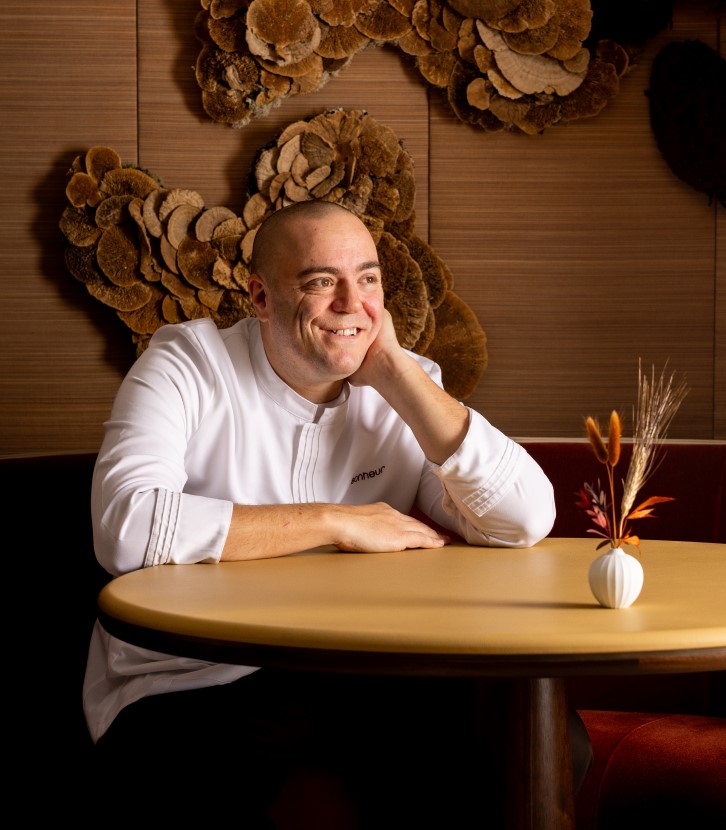
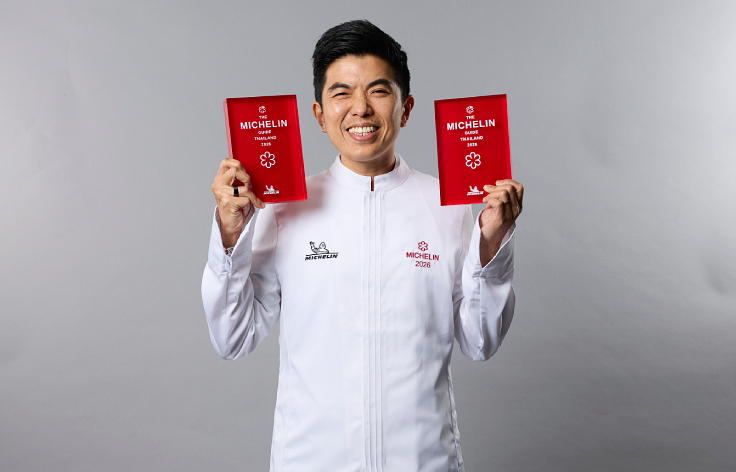
At Le Du in Bangkok, Chef Thitid “Ton” Tassanakajohn has turned this everyday Central Thai comfort dish into a fine dining signature at his One-MICHELIN-Star restaurant in The MICHELIN Guide Thailand 2026. And here is the twist: unlike many chefs who keep reinventing their dishes, his version has stayed firmly the same. No seasonal makeover. No dramatic rework. Just one relentlessly refined plate.
Tassanakajohn unpacks how a humble bowl of khao kluk kapi became a signature dish, shaped through repetition and restraint rather than constant reinvention.
Becoming the signature khao kluk kapi
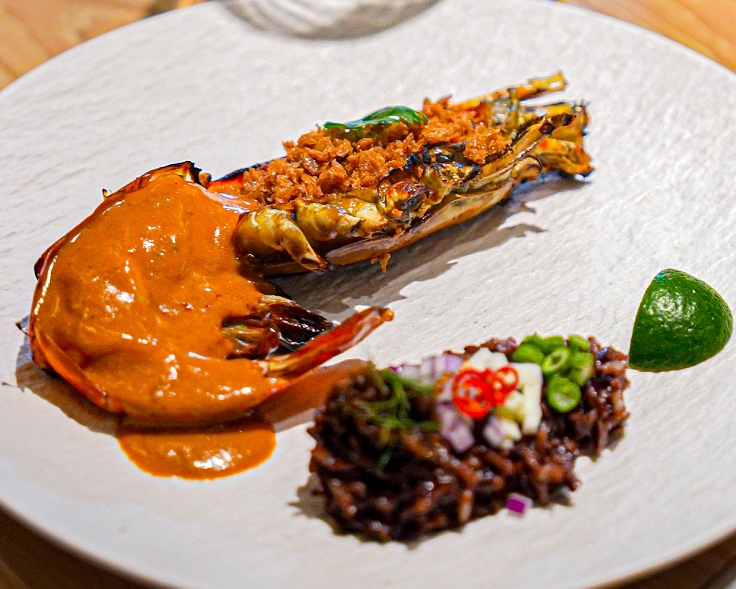
For the chef, khao kluk kapi has been part of Le Du since the restaurant’s early days in 2013, when it helped pioneer Thailand’s modern Thai fine dining scene — reinterpreting Thai flavors through Western techniques. The dish quickly became one of the clearest expressions of Le Du’s identity. It delivers the full Thai flavor spectrum while staying rooted in seasonality, a core philosophy of the restaurant.There is also a personal story behind it. The Thai celebrity chef has always loved khao kluk kapi, and he wanted to elevate what many people see as a humble, everyday dish into something worthy of a fine dining table — both visually and in flavor. At the time, he and his young, ambitious kitchen team rebuilt the dish from the ground up, rethinking every ingredient. One major shift was replacing dried shrimp with what he considers some of the best prawns in Thailand.
“At the time, I spent days thinking about how to make khao kluk kapi feel more luxurious and taste even better,” he says. “We decided to use the best river prawns in Thailand instead of dried shrimp — specifically river prawns from Songkhla Lake. Then I thought about what international diners usually associate with Thai food, and that is tom yam. That was when the idea came to combine river prawn khao kluk kapi with the flavors of tom yam — and that became Le Du’s version of the dish.””
The science behind the dish
Serving khao kluk kapi to Thai diners came with real pressure — after all, it is a dish most Thais grow up eating and know by heart. But earning acceptance from local diners also became a major milestone for Tassanakajohn. Once the dish was introduced, the response from Thai guests exceeded expectations. That success is part of why Le Du’s khao kluk kapi remains deeply personal to him. Even more unusual, the dish has stayed in a single, original form — untouched by major reinvention — for more than a decade.“I still find it strange to say this dish really has only one version,” he says. “It’s rather rare, perhaps. We try to make every dish better over time. After many trials, every version kept coming back to this one. The most we could do was improve the ingredients, like sourcing better river prawns from the best locations available in Thailand at the time.”
But no matter how premium the ingredients are, one thing matters just as much — the dish has to taste undeniably good. Tassanakajohn believes that the familiarity is exactly why Le Du’s khao kluk kapi has stayed memorable year after year. “It comes down to the cooking temperature of the river prawns, the richness and balance of the sauce, and the texture of the rice,” he says. “Most importantly, it is about building umami through multiple Thai ingredients in a single dish — shrimp paste, fish sauce, shrimp fat as well as our house-made roasted chili paste blended with dried shrimp. Together, they create a very rounded flavor.”
“Khao kluk kapi is the perfect meeting point of Thai flavors,” he continues. “It is a taste people naturally love — from shrimp paste to tom yam aromatics like seasonal lime, galangal, lemongrass and kaffir lime leaves. We select them by season and toast them until fragrant. Then you have a chewy, satisfying rice texture, and shrimp-fat sauce that ties everything together. For me, that is the real secret behind this dish at Le Du.”
Header image: The khao kluk kapi at Le Du, a One-MICHELIN-Starred restaurant in Bangkok. © Le Du