31 March 2026

Share


At first glance, pasta sauce seems deceptively simple. Tomatoes simmered with garlic in olive oil, basil added at the end, a pot of pasta water bubbling nearby. Yet for Mirko Febbrile, the force behind Bib Gourmand spot Fico and MICHELIN Selected Somma in Singapore, respecting that simplicity is where the real work begins.
The young Italian chef grew up in Puglia, the sun-soaked region forming the heel of Italy’s boot, where cooking is a dialogue between seasonal produce, coastal waters and long-standing family traditions. Meals rely more on instinct than elaborate technique — an approach that trusts ingredients and recognises when to leave them alone.
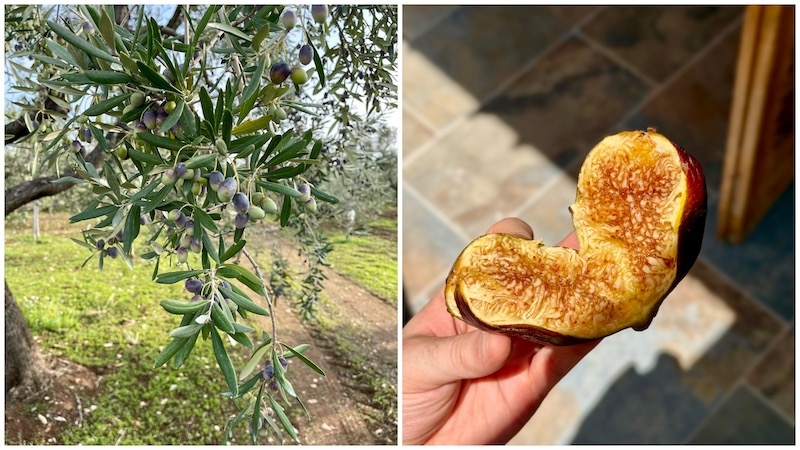
“My earliest memories are simple ones,” he says. “My aunties making pasta by hand at the table, vegetables coming from farmers my family had known for years and everyone coming together to nonna’s home during August to make tomato sauce preserved in bottles for the winter.”

Those memories continue to guide his cooking today. At Fico, the East Coast Park restaurant inspired by the convivial spirit of a southern Italian farmhouse, pasta remains close to the dishes he grew up with. “We don’t think too much,” he says. “There is a lot of spontaneity and heart.” At Somma, his fine dining restaurant in New Bahru, the same foundations are approached with greater precision. The flavors of Puglia remain central, but dishes are examined more closely.
For home cooks hoping to recreate some of that spirit, Febbrile shares two foundational sauces — a bright tomato sauce and a classic pesto — along with a few lessons that can transform a simple plate of pasta.
Cooking the Puglian way
Understanding Febbrile’s pasta sauces requires looking at Puglia itself. Cooking in the region draws heavily from what land and sea provide: vegetables harvested at peak ripeness, seafood from the Mediterranean and olive oil pressed from local groves. Rather than elaborate preparations, dishes are often built around a handful of ingredients.
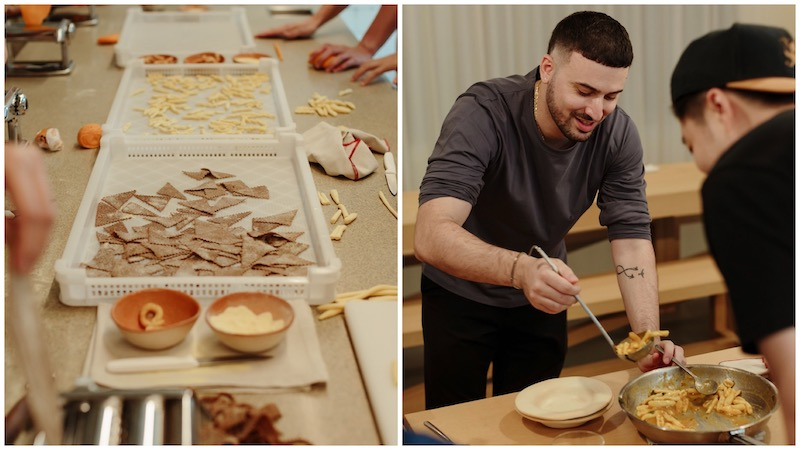
This restraint carries through to pasta. Unlike the long-simmered ragùs of northern Italy, many Puglian sauces begin with the ingredient itself. Orecchiette might be tossed with bitter cime di rapa (an Italian leafy green vegetable), garlic and anchovy, while seafood pasta often relies on the natural juices of shellfish.
“Flavour comes from sun-ripened produce, good olive oil and letting the ingredient really take centre stage. In many ways, the sauce is simply an extension of the ingredient.”
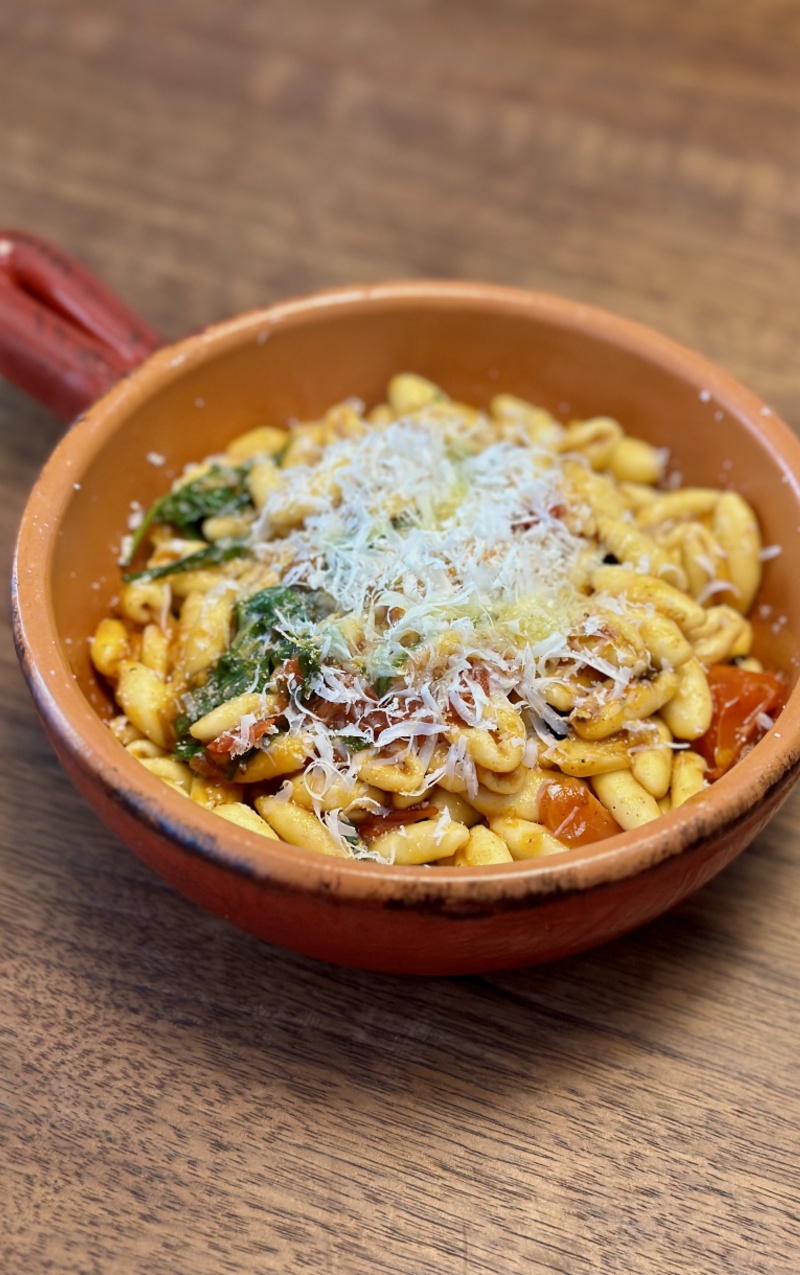
One dish from Febbrile’s childhood still influences his cooking: cavatelli with tomato, rocket and ricotta forte, a fermented sheep’s milk cheese whose intense flavour transforms a simple tomato sauce.
“You don’t need much of it,” he says. “But once it melts into the sauce, it shifts the whole balance.”
The lesson? Depth in pasta rarely comes from adding more ingredients. More often, it comes from understanding how one element changes the dish.
© Mirko Febrille
Why technique matters
When pasta dishes rely on only a handful of ingredients, every detail becomes important.
“Simplicity becomes compelling when it is supported by real depth. When a dish has only a few ingredients, there is nowhere to hide.”
One of the most overlooked tools in achieving that depth is pasta water, especially in the pesto recipe he provided (see below). As it contains starch released during cooking, a small amount helps emulsify the sauce and bind it naturally in harmony.
“The starch is what helps the sauce come together,” he says.
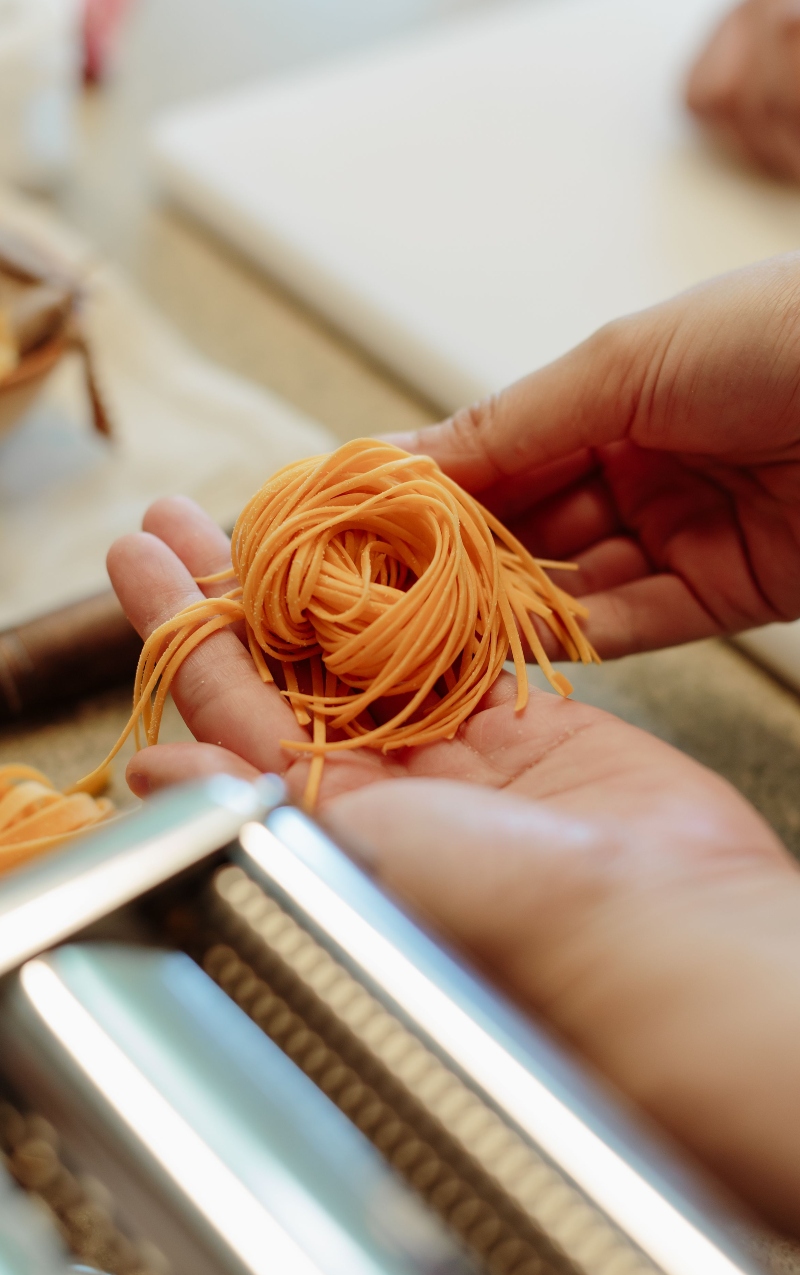
Good pasta water should also be properly seasoned. Febbrile recommends salting generously before pasta goes in, ensuring noodles carry flavour before meeting the sauce.
Finishing pasta in the pan is equally important. Rather than spooning sauce over cooked noodles, he prefers transferring pasta directly into the sauce a minute or two before it is ready. As it finishes cooking, pasta absorbs liquid and the starch tightens everything together.
“Those final minutes in the pan are often where the dish truly comes alive.”
© Sayher Heffernan
Tomato sauce and pesto
Two of the most fundamental sauces in Italian cooking are also among the most misunderstood: tomato sauce and pesto.
A good red sauce, Febbrile says, should taste unmistakably of tomatoes.
“It should feel bright, slightly sweet, and balanced with olive oil and salt,” he says.
The quality of tomatoes matters most. When fresh tomatoes are not at their best, good canned tomatoes often produce better results. As they simmer gently, natural sweetness develops and the aroma deepens.
Olive oil also plays an important role. Beyond adding richness, it softens acidity and carries the aroma of garlic and herbs through the sauce.
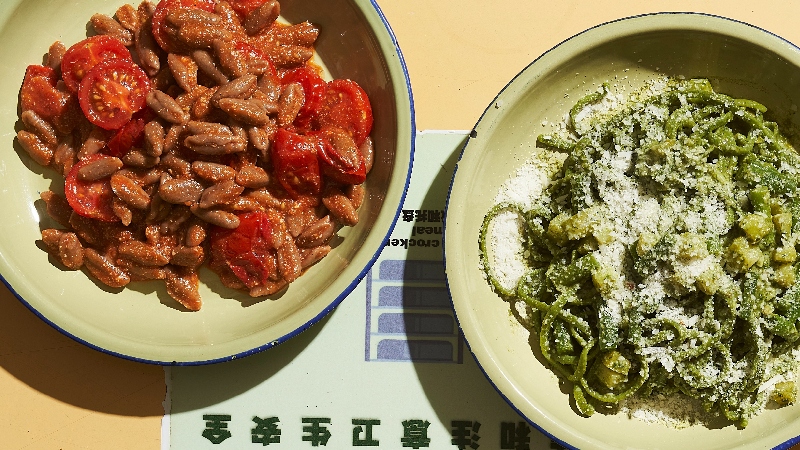
Pesto, meanwhile, depends on balance. Basil, nuts, garlic, cheese and olive oil must complement one another without any single ingredient dominating. Febbrile prefers pesto with a slightly rough texture, so the flavour of basil and pine nuts remains distinct. Although traditionalists favour mortar and pestle, he admits he prefers a blender — provided everything is kept cold.
“The key is to avoid overheating the basil, because heat can make the pesto bitter and dull the colour,” he says.
But what of ingredients and being faithful to the cuisine?
“Italian cooking is not about reproducing a place but about understanding the logic behind the dish.”
In the end, the test of a good pasta dish is simple.
“If a pasta dish doesn’t make you want to finish the sauce with bread,” he says with a cheeky grin, “something went wrong.”

RECIPES
San Marzano Tomato Sauce
Serves 4Ingredients
500 g fresh San Marzano tomatoes or canned San Marzano tomatoes
2–3 tbsp extra virgin olive oil
1 small garlic clove, lightly crushed
4–5 fresh basil leaves
Salt, to taste
© Franz Navarrete
Method
1. Bring a pot of water to a boil and blanch the tomatoes for about 30 seconds. Transfer them to iced water, peel the skins, and remove the tough core.
2. Pass the tomatoes through a food mill or crush them gently by hand. This gives the sauce a natural texture, smooth but still slightly rustic, rather than a purée.
3. In a saucepan, warm the olive oil over medium heat and add the garlic. Let it gently infuse the oil for about 1 minute, without colouring.
4. Add the tomatoes and a pinch of salt. Let the sauce simmer gently for 20 minutes, stirring occasionally.
5. As the tomatoes cook down, the sauce will naturally thicken and the aroma will become deeper and slightly sweet, a good sign that it is ready.
6. Remove the garlic, add the basil leaves, and adjust seasoning if necessary.
Pesto alla Genovese
Serves 4Ingredients
2 g rock sea salt
7 g garlic clove
mild fruitiness so the basil remains the dominant flavor, like taggiasca)
180 g extra virgin olive oil (Use a delicate extra virgin olive oil with a
100 g Parmigiano Reggiano DOP, finely grated
60 g Pecorino Sardo DOP, finely grated
50 g pine nuts (good quality)
100 g fresh basil leaves (leaves only, avoid bruised ones)
Method
1. Place the basil leaves, pine nuts, garlic and salt in a blender.
2. Add the grated pecorino and parmigiano.
3. Begin blending while adding the olive oil until the mixture forms a sauce.
4. Blend only briefly for about 30-40 seconds, the pesto should remain slightly rough in texture.
5. Taste and adjust seasoning if necessary.
EXTRA TIPS
Keep everything cold.
Before making pesto, chill the blender jar, cover and all the ingredients. Keeping everything cold prevents the basil from overheating.
Emulsify with pasta water.
When finishing pasta with pesto, add a little pasta cooking water. The starch helps the pesto bind with the pasta and melt the cheese instead of separating into oil.
Make extra and freeze it.
Pesto freezes very well. Preparing a larger batch and storing it in small portions in the freezer is a great way to have it ready for a quick meal.-
Header Image © Sayher Heffernan