26 March 2026

Share


Edomae, the style of preparation used at New York’s Sushi Sho, has its origins in early 19th century Japan, a time when the bounty of seafood hauled in from Tokyo Bay couldn’t count on refrigeration to keep it from spoiling.
Fish were salted, simmered, marinated in soy sauce and cured in vinegar before being served over rice in little harbor stalls by the old town of Edo, now known as Tokyo. The clever preservation awoke new flavors in the fish and helped convert it into the booming city’s favorite fast food, until the arrival of the icebox shifted preferences towards a raw serving tradition.
In a cuisine where the byword today is “fresh,” the growing prominence of the old-world techniques marks an appreciation for subtlety and craftsmanship honed in sushi’s past. “These methods guide the flavors that lie dormant within the fish to a deeper, more expressive place,” says Chef Keiji Nakazawa, who helped revive the style at his restaurants in Japan.
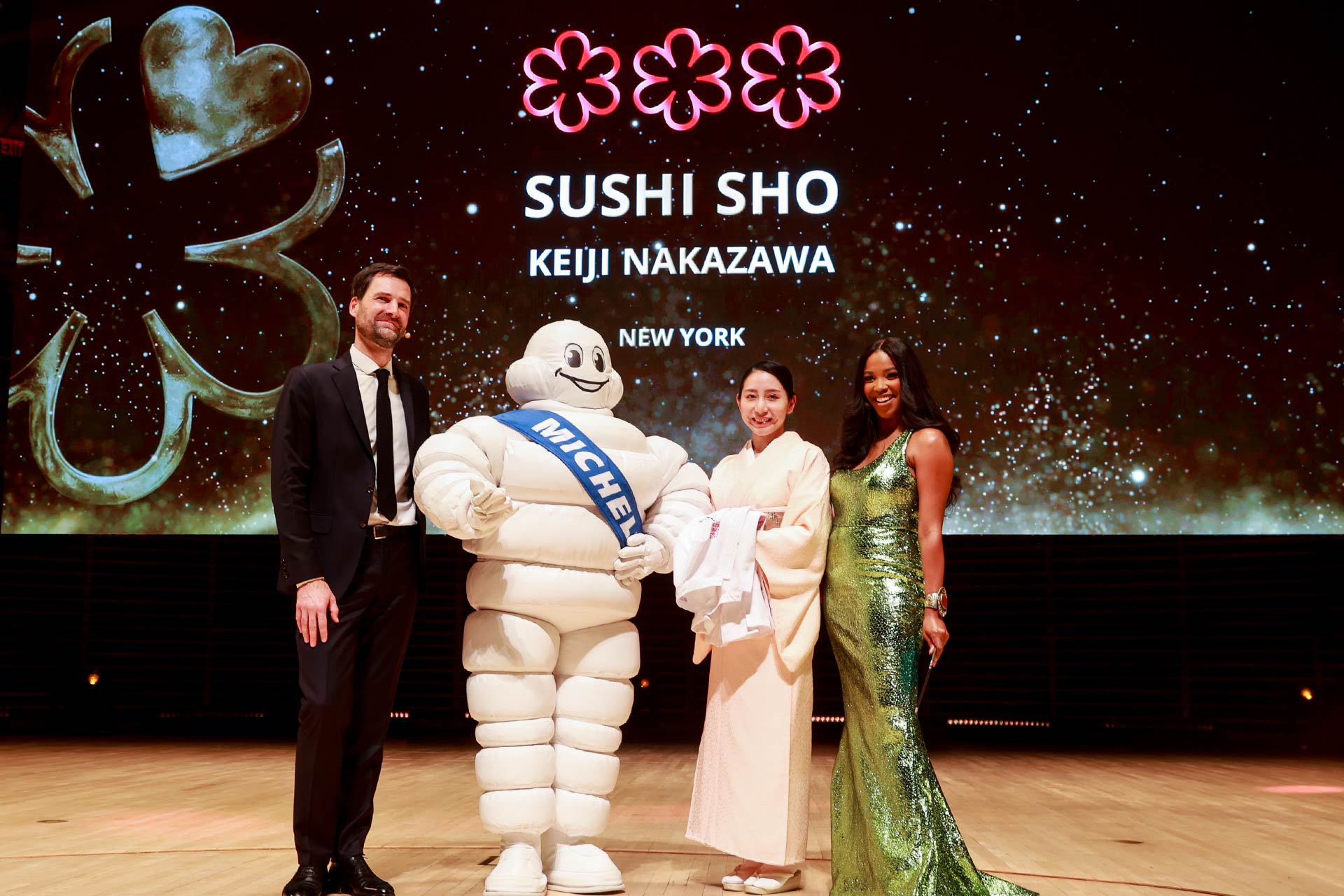
By the time he opened the New York outpost of Sushi Sho in 2024, Edomae style had taken hold at top-level omakases around the world. Last year, Sushi Sho earned its Third Star, the only sushi restaurant in the U.S. to currently hold the honor.
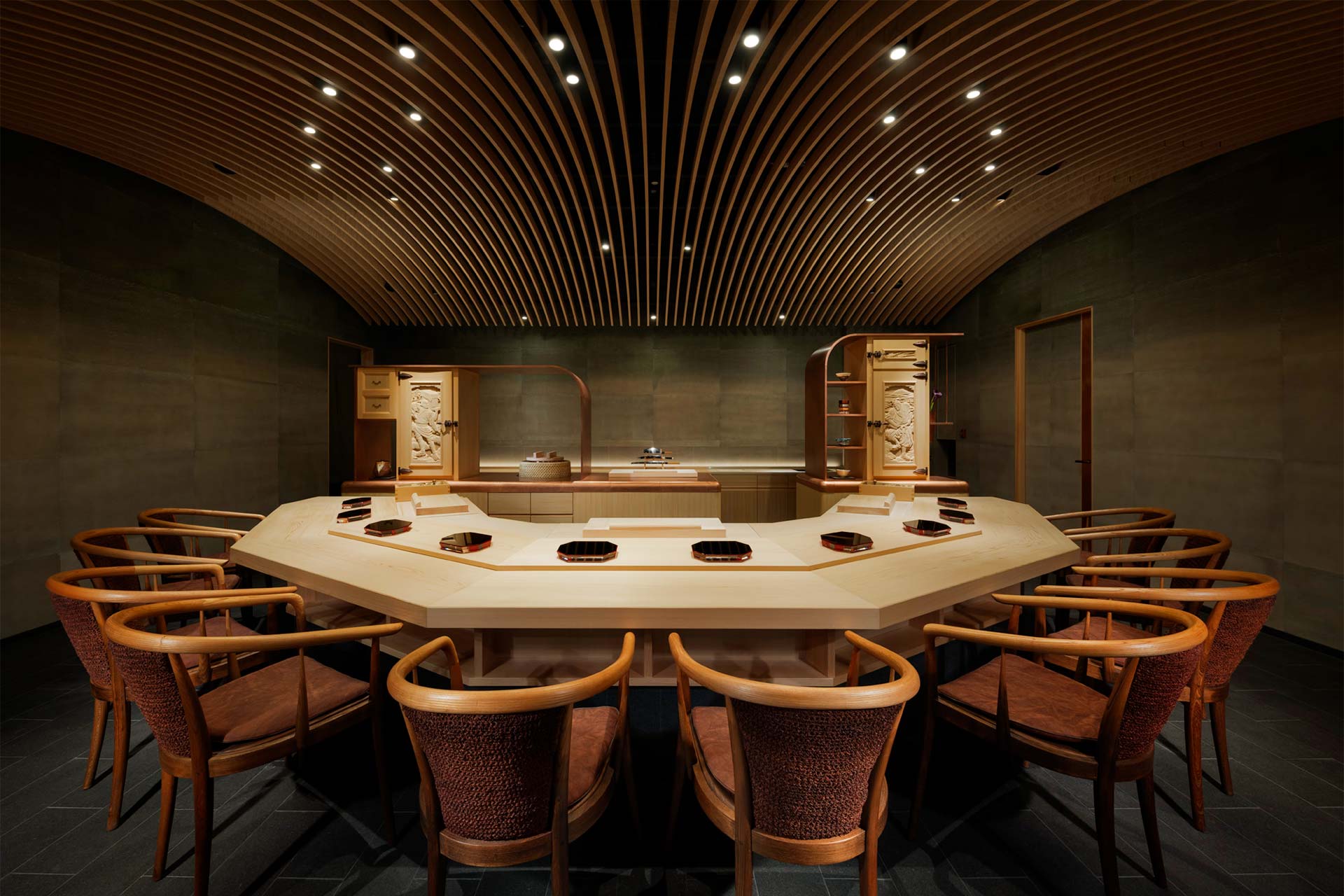
In practice, Edomae plays out like an ancestral ritual at Sushi Sho’s elegant horseshoe-shaped bar, an anachronism in the heart of Midtown Manhattan. Carvings on either end depict two of the cuisine’s founding fathers, whose fermentation tradition Nakazawa meticulously honors.
Guests begin with an omakase tasting of alternating tsumami (small dishes) and nigiri, and can order à la carte after that. “We carefully assess the condition of each ingredient every day and present each item in the order that allows it to be enjoyed at its very best,” Nakazawa says.
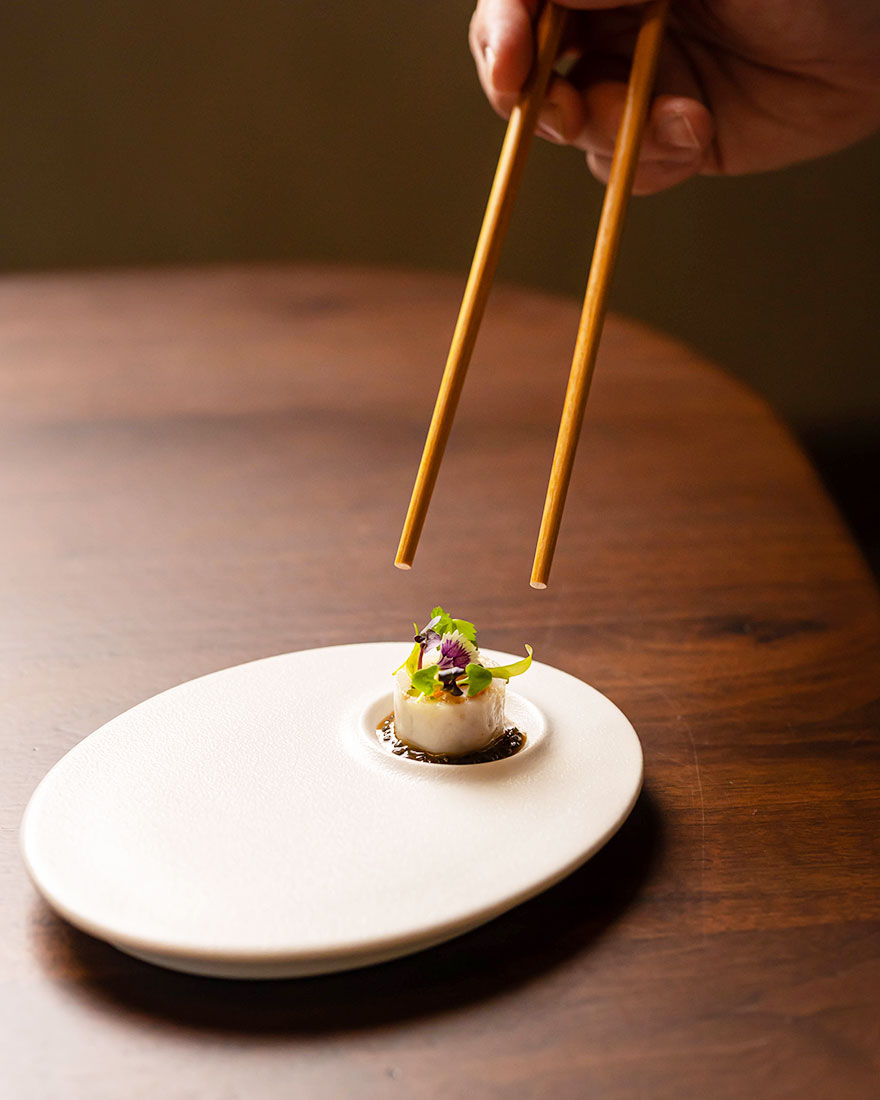
Beet-red tuna is set to rest for days, oxidizing to a pale gray and bringing out an acidity that matches the restaurant’s vinegar-treated rice. Delicate uni is toughened up in a bath of alum and water. Kohada, gizzard shad fish that’s shiny and silver like a herring, is a classic of the form. “Although it is a small fish, its flavor changes dramatically depending on the balance of salt and vinegar, making it a perfect example of the depth and nuance of Edomae,” Nakazawa says.
Nakazawa first salts the fish to draw out excess moisture, then cures it in vinegar, which enhances its umami flavor and exposes a gentle sweetness.
The recipe is not set: Sushi Sho chefs closely observe the fish as it arrives in the kitchen, noting its origins and testing its feel, then adjusting its preparation as fit.
“Preparing kohada is not about adding flavor; it is about gently opening the umami that already exists within the fish,” Nakazawa says. “When handled with care, kohada reveals its true, nuanced beauty — and that moment is something I deeply cherish.”
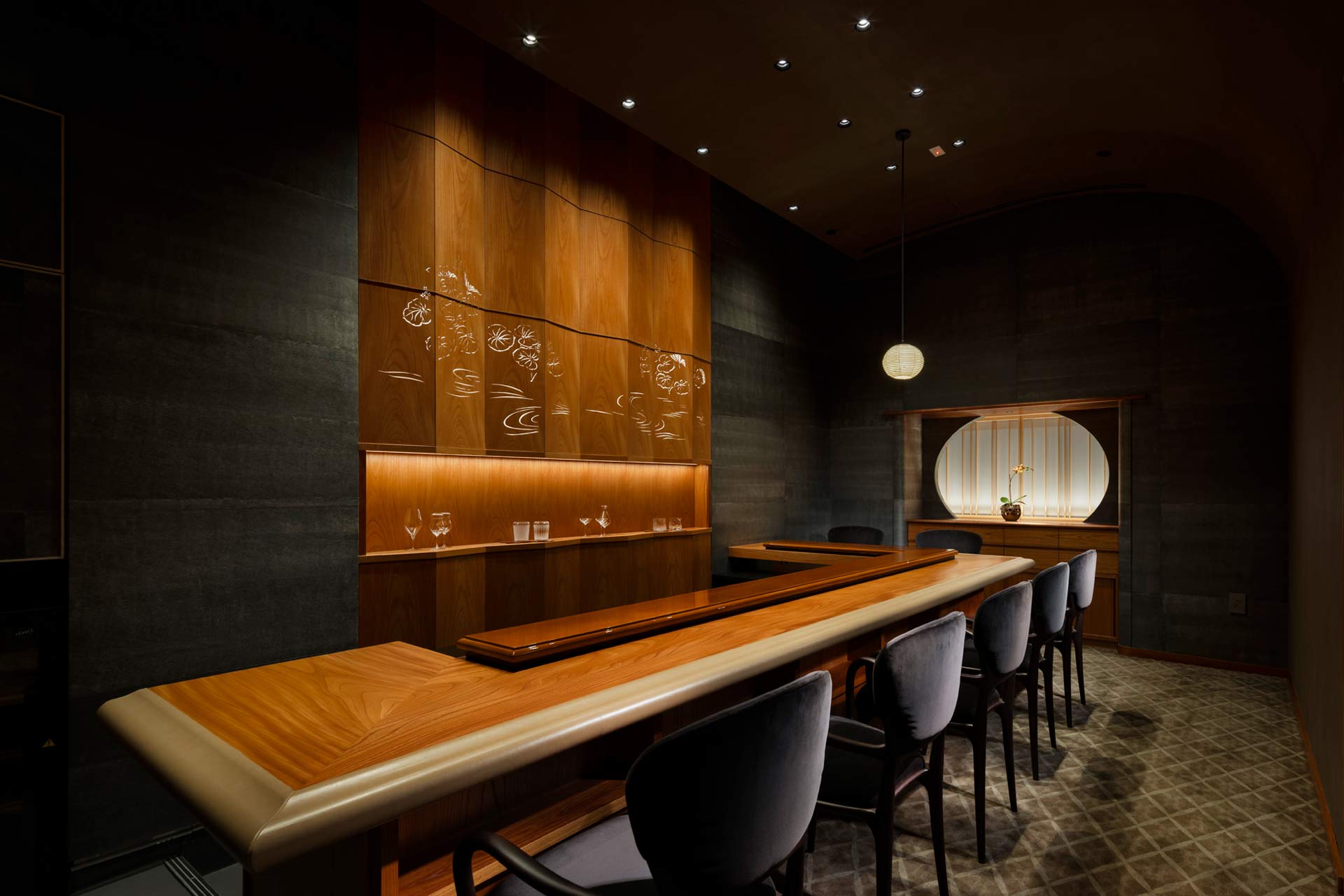
Nakazawa began training in sushi when he was a teenager, working at more than 20 restaurants across his native Japan before opening his own in Tokyo in 1989. With success in a form that ran counter to the contemporary scene, he grew into one of Japan’s greats. Dozens of sushi chefs that he’s trained have carried on his name and style into their own restaurants.
“Passing down techniques and philosophy to the next generation, and ensuring they are carried forward beyond that, has become my mission,” Nakazawa says.
His New York debut, he says, was an opportunity to share Edomae with a population of diners with discerning taste and great global influence.
“Presenting Edomae sushi in New York has been a profound learning experience for me and an important challenge for the future of sushi. Many guests here approach the food without preconceived notions, receiving the flavors with openness, and their reactions often teach me something new,” Nakazawa says.
Related Articles:
Hero image: © Chef Keiji Nakazawa