20 April 2026
Share


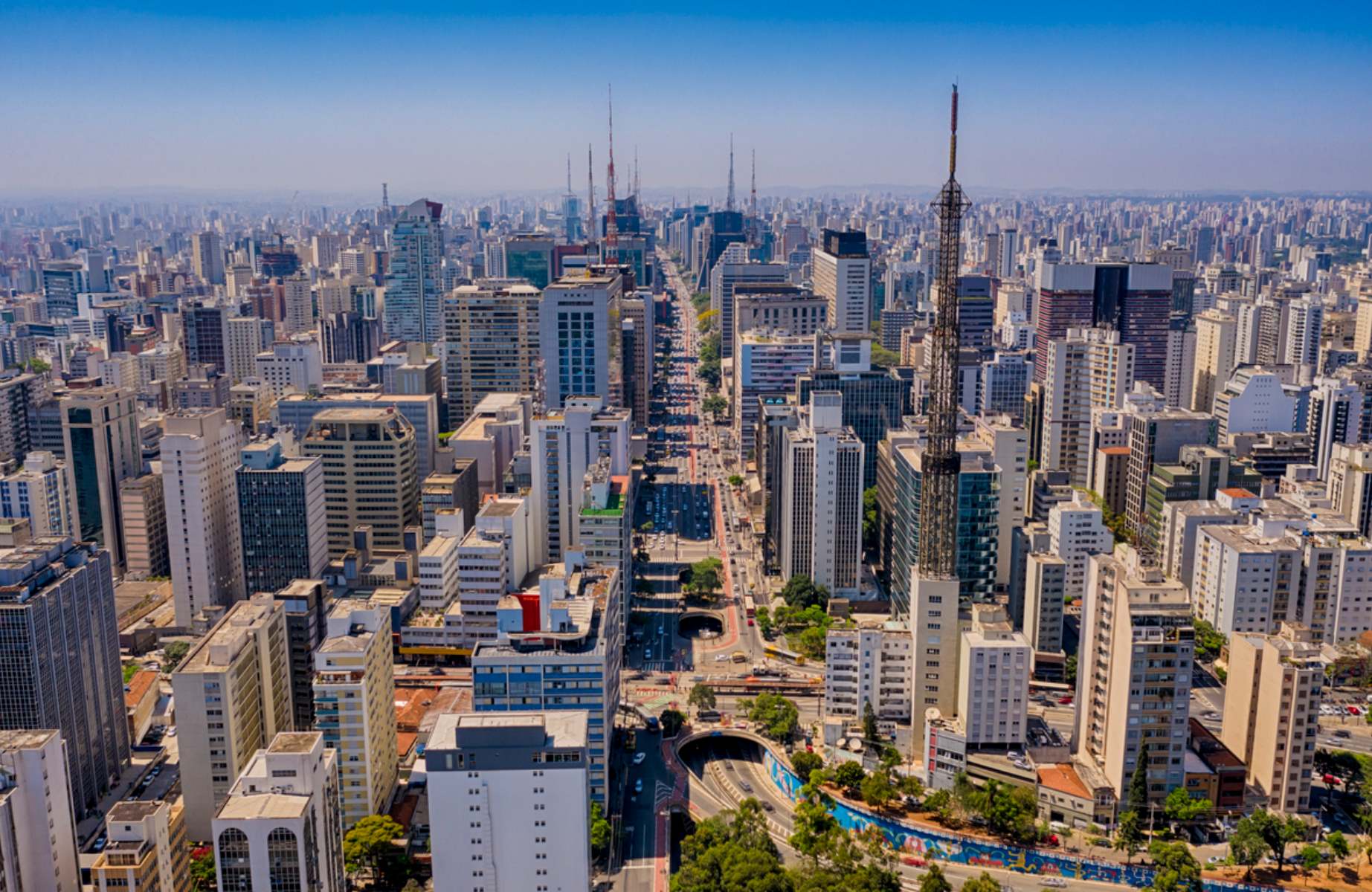
Few cities in the world captivate from the moment you arrive, but São Paulo is undoubtedly one of them. A restless, ever-evolving metropolis, it pairs a skyline of towering high-rises with vivid street art and a culinary scene that now ranks among the most compelling anywhere. The city has just entered a new chapter, becoming home to Brazil and Latin America’s first two Three-MICHELIN-Starred restaurants — Evvai and Tuju — firmly cementing its status as a global dining capital.
In Latin America’s largest city, more than 80 cuisines unfold across its neighborhoods, from the pared-back elegance of Japanese izakayas to the soulful comfort of botecos serving steaming feijoada. Beyond the table, São Paulo reveals a rich cultural landscape of internationally renowned museums, ambitious galleries and pockets of greenery woven into the urban sprawl — plus an energy that rarely slows.
The challenge, of course, is choosing where to begin. You won’t see it all in one trip, but this three-day itinerary offers a sharp, flavorful introduction to the spirit — and complexity — of São Paulo.
Day 1: From Downtown to Paulista, in the Heart of São Paulo
Morning
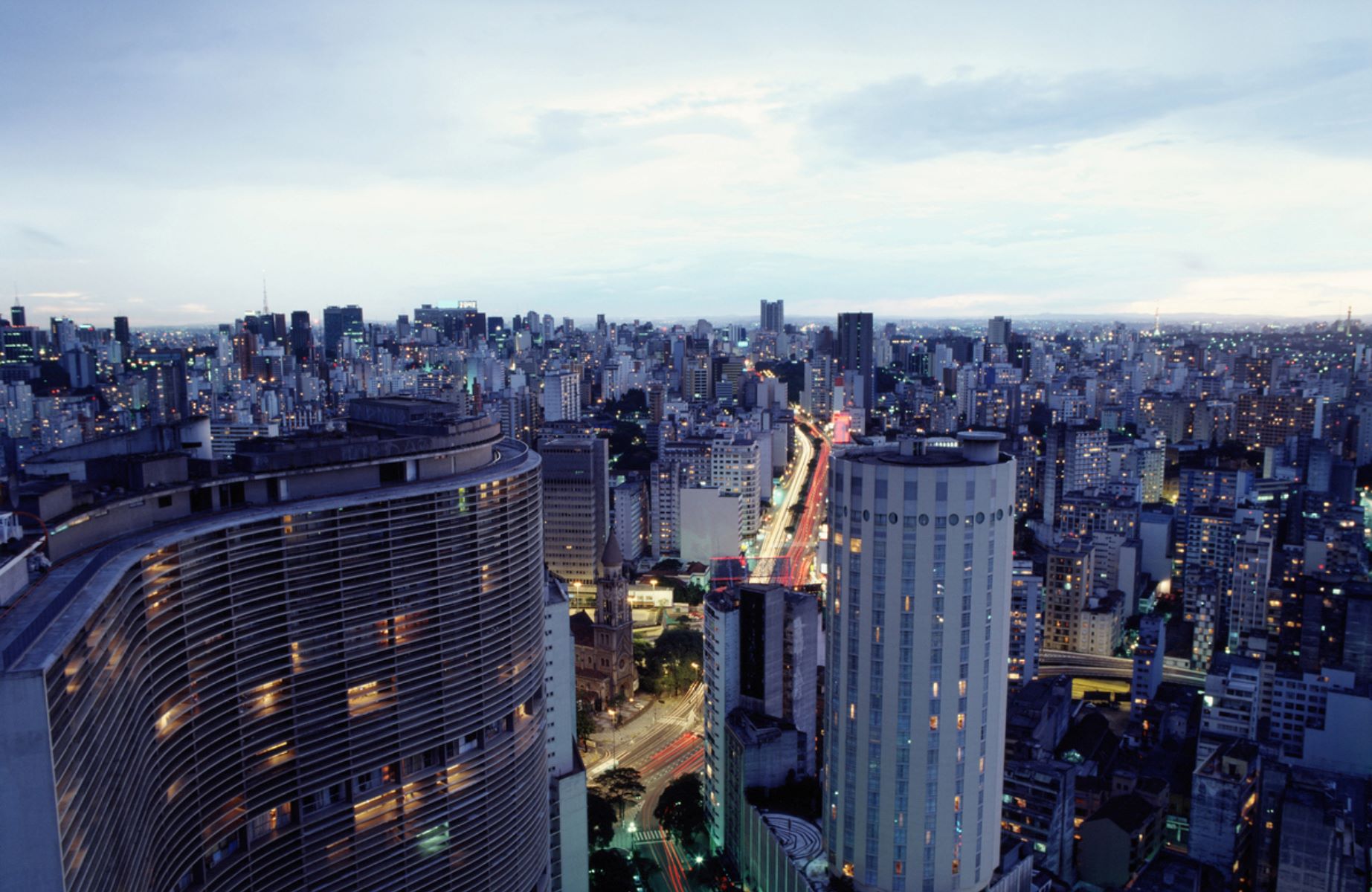
São Paulo’s downtown area has seen remarkable revitalization in recent years. The organic reoccupation of this historic part of the city, marked by the opening of bookstores, cafés and restaurants, has restored the charm and vitality that have always made it a central hub in São Paulo’s cultural life.Kick off the day by visiting the iconic Praça da Sé: the city’s central point, a stage for historical events and a meeting point for people from diverse backgrounds — a true portrait of São Paulo. Here, monuments, sculptures and palm trees frame the impressive Catedral Metropolitana de São Paulo — better known as Catedral da Sé — built in the 20th century and considered one of the largest neo-Gothic temples in the world. Insider tip: on Saturdays and Sundays, enjoy a buffet brunch in Sé’s upper halls, followed by a guided walking tour of the building.
Nearby, you’ll find numerous city landmarks, such as the Pateo do Collegio, São Paulo’s first building and the city’s birthplace, and the Centro Cultural Banco do Brasil, a historical building housing a cinema, theater, auditorium, shop and major exhibitions. Also nearby is the classic Café Girondino, an ideal stop to recharge with a coffee and pão de queijo.
After a brief detour to the Martinelli Building — São Paulo’s first skyscraper and an architectural symbol — continue your walk by crossing the Vale do Anhangabaú via the Viaduto do Chá. On the other side you’ll find everything from the famous intersection of Ipiranga with São João, immortalized in Caetano Veloso’s song, to the Copan building, Theatro Municipal, Rock Gallery and the new Sesc 24 de Maio.
Lunch
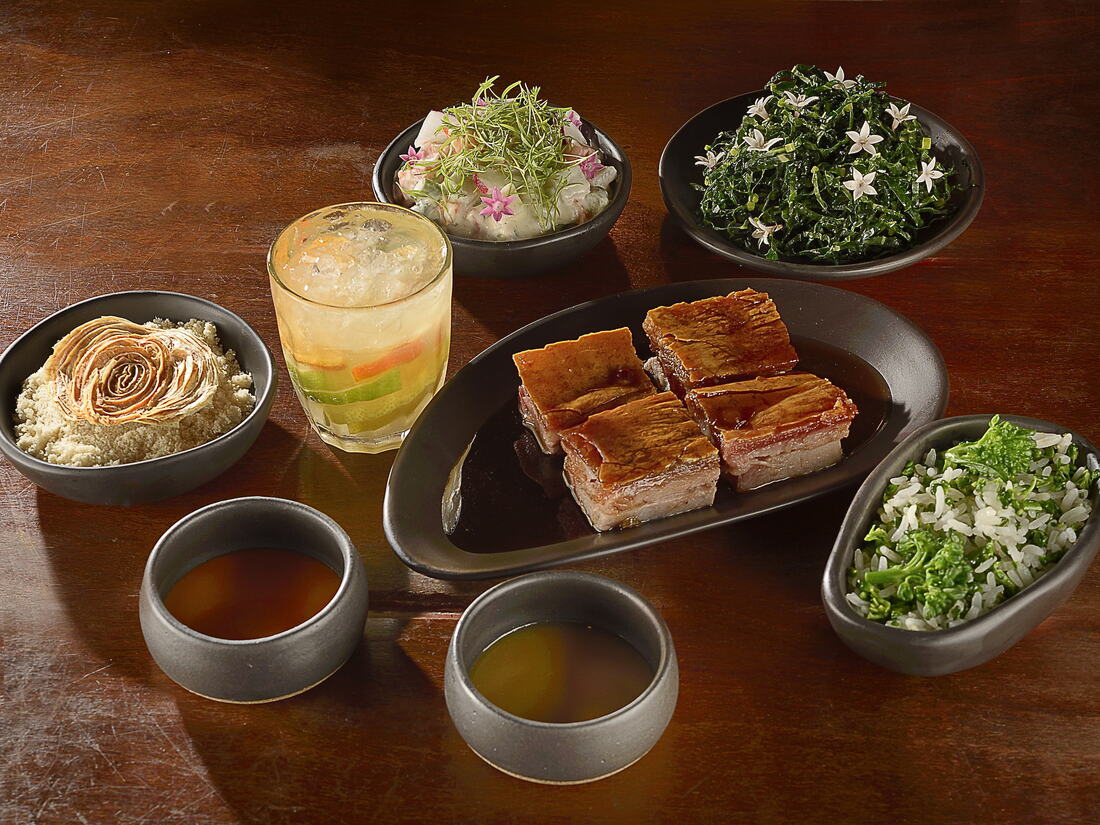
Opened 10 years ago at a corner in the República area, A Casa do Porco was a pioneer in the downtown’s revitalization, helping to drive its transformation. Here, Chef Jefferson Rueda pays homage to his rural roots and the pig — the animal that shaped the culinary heritage of São Paulo's interior — with a fun and flavorful menu. The tasting menu takes diners from pizza to a milkshake with a hamburger (of pork, naturally), through more elaborate dishes, many prepared with ingredients sourced directly from the establishment’s farm in São José do Rio Pardo.To avoid a lengthy wait, stop by A Casa do Porco before it opens, put your name on the list, and continue exploring until your table is ready. This way, you can enjoy this Paulistan classic — a recipient of the Bib Gourmand award — without braving the regular queues.
Afternoon
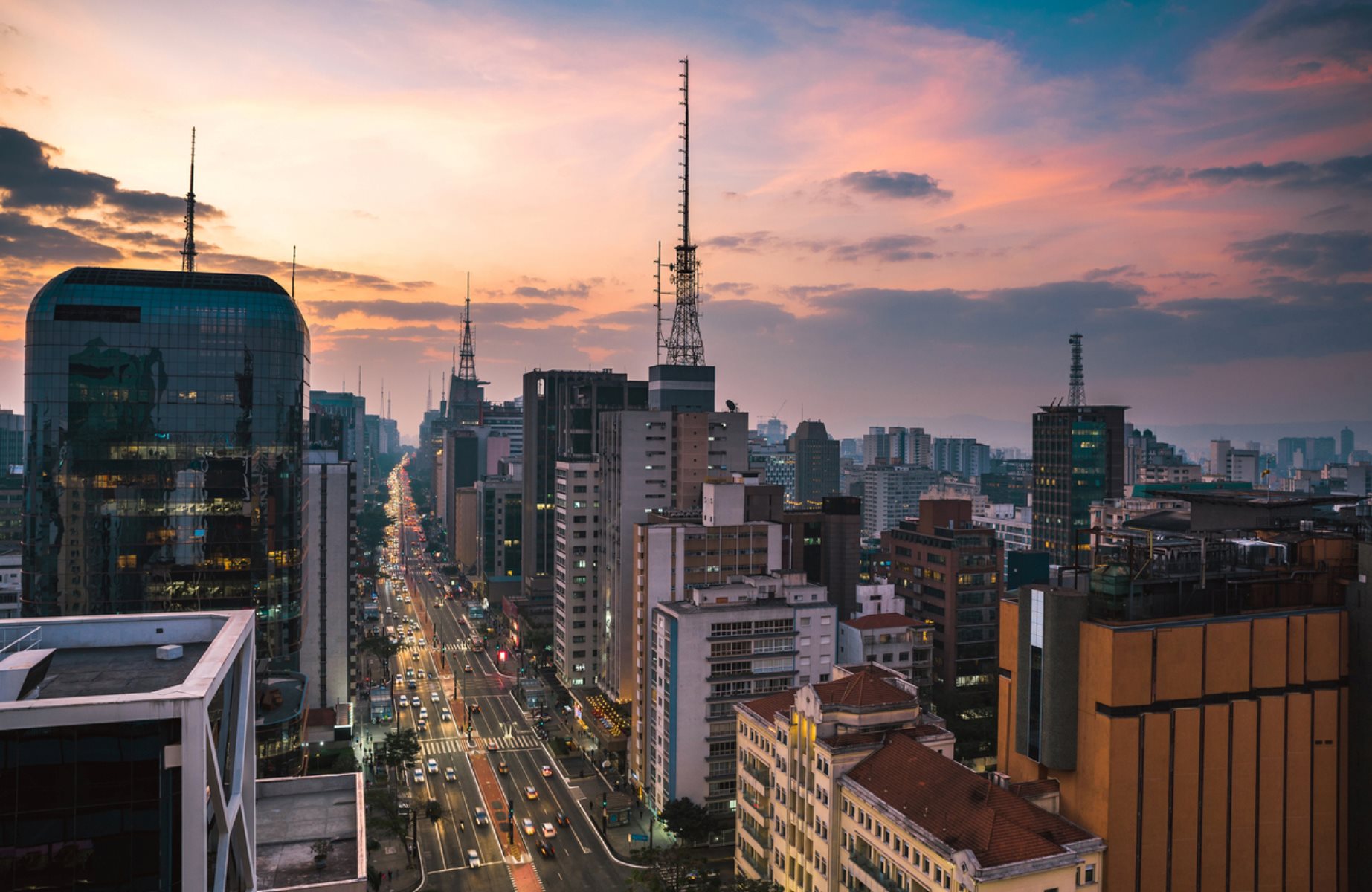
Avenida Paulista is São Paulo’s main artery, encompassing everything that keeps the city vibrant: offices, shops, cafés and a rich cultural circuit. Spending the afternoon here — regardless of the day of the week — is a worthwhile immersion in what the metropolis has to offer.Start at the Museu de Arte de São Paulo (MASP), designed by Lina Bo Bardi and famous for its open space that has become an iconic postcard image. The museum just unveiled the Edifício Pietro Maria Bardi, its biggest expansion since its founding in 1968. With 14 floors and an additional 86,000 square feet, developed by METRO Arquitetos Associados, the new structure increased exhibition capacity by 66% — meaning more art to explore.
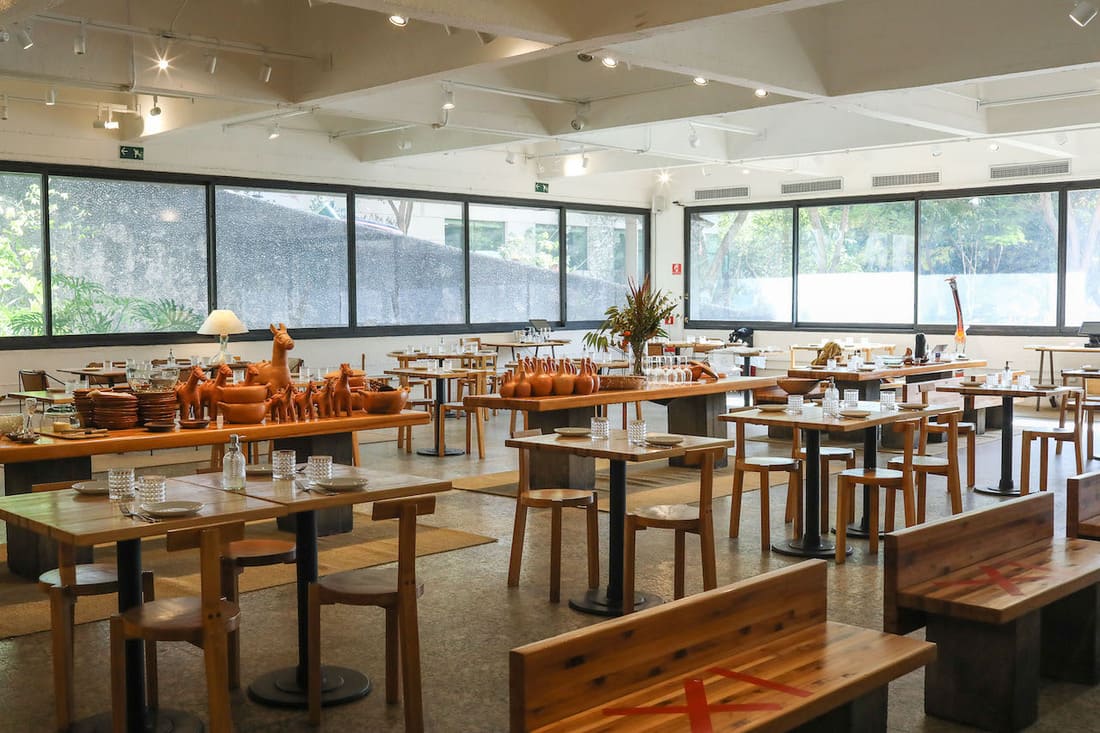
After visiting both buildings, recharge at A Baianeira - MASP, a restaurant located in the second basement of the 1960s structure, holder of MICHELIN’s Bib Gourmand designation. The space, perfect for a coffee and snack — or even a full meal — is led by Chef Manuelle Ferraz, a native of Minas Gerais, which borders Bahia and inspired the eatery’s name. Her cooking bridges the two regions, bringing comforting, traditional recipes to life with refined technique and top-quality ingredients.
Once refreshed, wander through Paulista and observe the hustle. It’s almost an anthropological exercise, offering a clear portrait of the diversity that defines the city. It’s worth visiting Parque Trianon, Casa das Rosas, or going to the top floor of Sesc Paulista for the panoramic view. At the avenue’s end, the Instituto Moreira Salles (IMS) offers a program focused on photography and visual arts, plus Balaio IMS, a ground-floor restaurant helmed by Chef Rodrigo Oliveira, also awarded the Bib Gourmand.
Dinner and Hotel
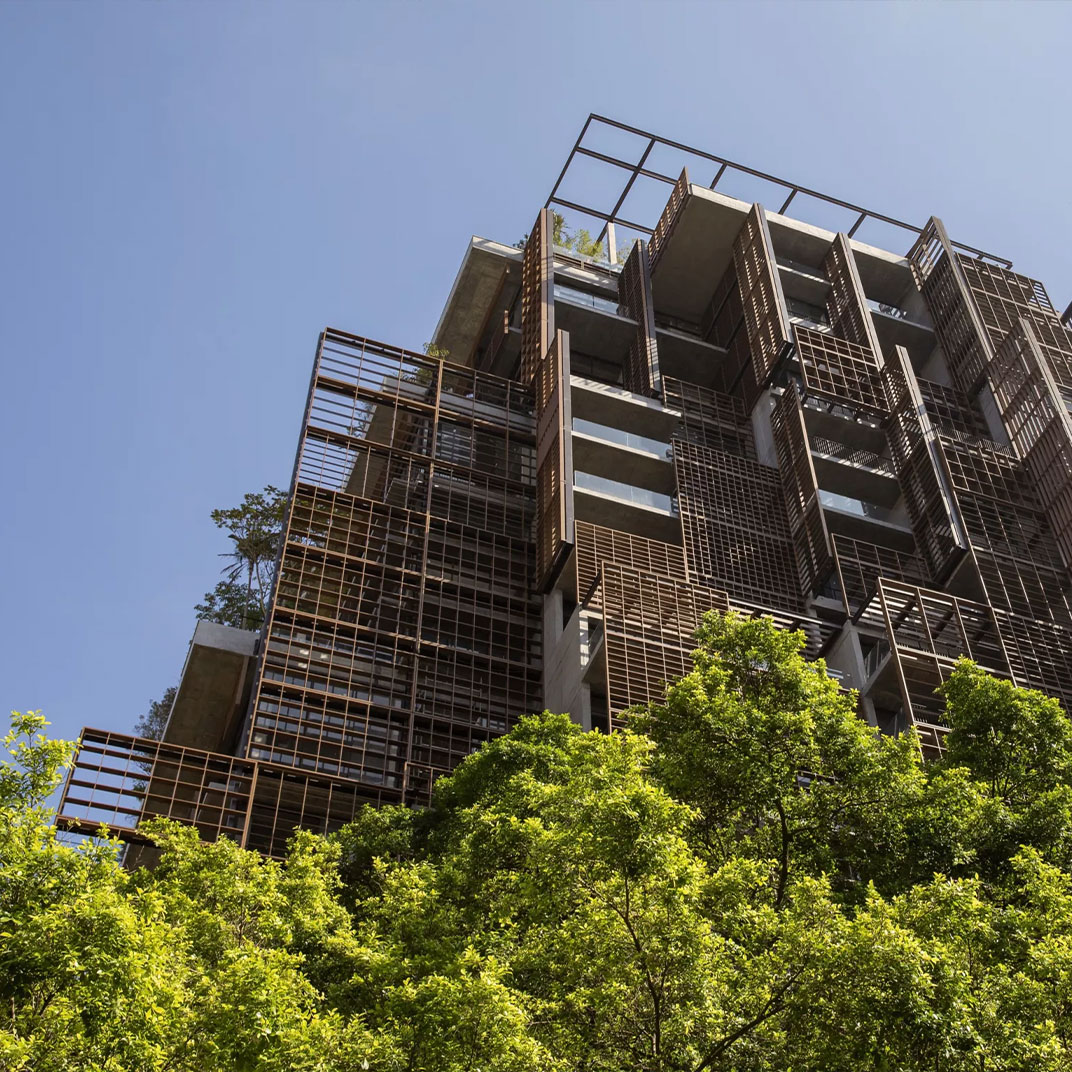
For a reliably excellent meal, head to Rosewood São Paulo at Cidade Matarazzo, just minutes from Paulista. This Three-MICHELIN-Key hotel hosts several restaurants, including Le Jardin, an elegant haven inspired by a winter garden. Open 24/7, this MICHELIN Guide recommended spot offers a relaxed dinner, with choices from sandwiches and pizzetas to dishes like duck rice or sautéed shrimp with pumpkin mousseline — always served with charm.Staying at the Rosewood, now one of the city’s most iconic hotels, is an experience in and of itself. It combines restored historic buildings, interiors by Philippe Starck and a tower designed by Jean Nouvel, wrapped in a wood structure and over 10,000 native Mata Atlântica trees. Not surprisingly, the establishment was nominated for the first MICHELIN Architecture and Design Award in 2025. To wind down after a busy day, the state-of-the-art spa is never a bad idea.
Day 2: From Vila Madalena to Pinheiros
Morning
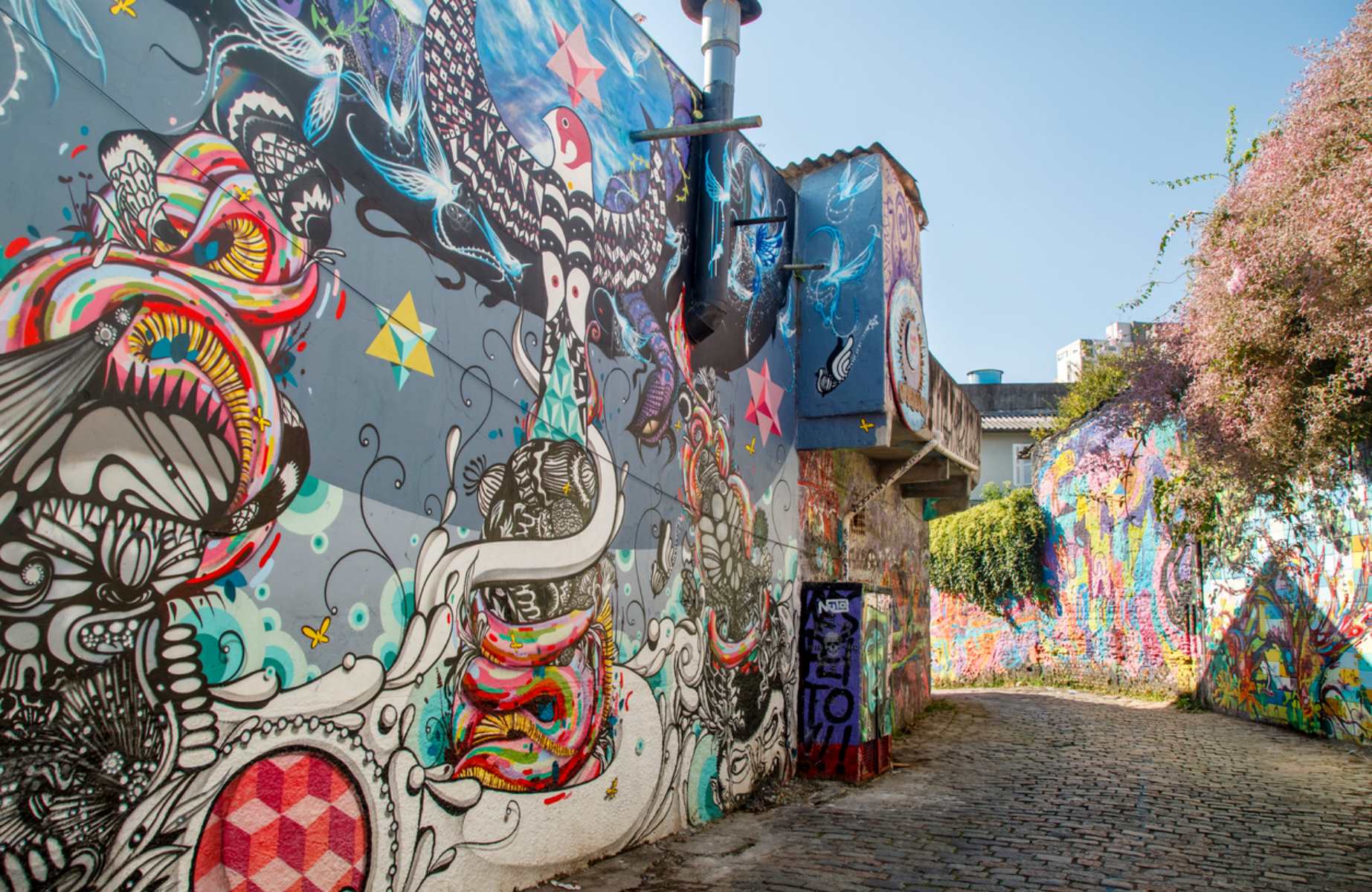
In the country’s largest city — within the world’s leading coffee-producing nation — the day naturally starts with a good coffee. In Pinheiros, Coffee Lab is a must for coffee lovers. Founded by award-winning barista Isabela Raposeiras, the venue blends an industrial aesthetic with a creative spirit. Between filter brews, infusions and guided experiences, it turns the act of drinking coffee into ritual — almost a lesson on origin, method and flavor.After getting your morning buzz, stroll through Beco do Batman in Vila Madalena. One of São Paulo’s famed urban art highlights, the alley serves as an open gallery, continually renewed by graffiti from local and global artists. The vibrant walls, visual interventions and heavy visitor flow create a living snapshot of the city’s creative energy.
Lunch
For lunch, head to Corrutela, led by Chef César Costa, located next to Escadaria do Patapio near the alley exit. A Bib Gourmand, it's known for its forward-thinking practices such as in-house composting, solar energy and artisanal corn milling, with the freshly ground corn quickly transformed into dishes like polenta. Its seasonal menu, guided by ingredient availability, pairs unexpected flavors — think daily fish ceviche with pink pitaya–tinted tiger milk and purple yam, or smoked wagyu tongue with cauliflower. All of it unfolds in an industrial-chic dining room with an open kitchen, where the cooking is part of the spectacle.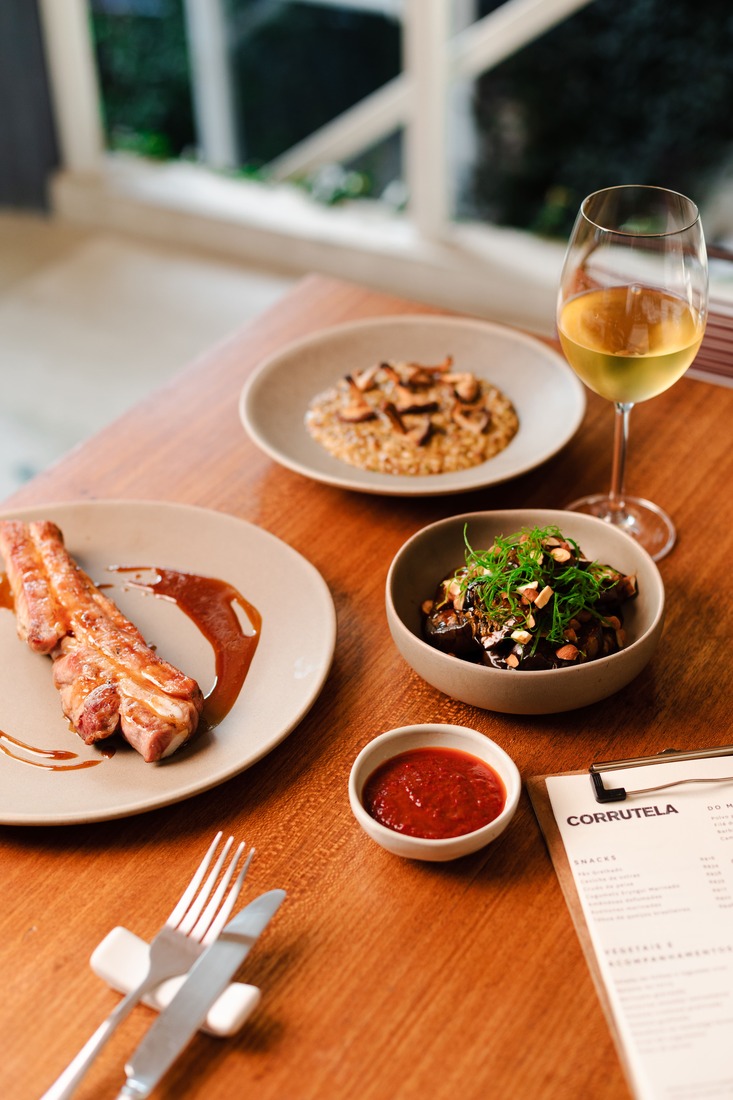
Afternoon
Pinheiros is a pedestrian-friendly neighborhood with a relaxed vibe. After lunch, stroll streets blending old-fashioned charm with artistic liveliness. On and around Rua dos Pinheiros, you’ll find a selection of design stores, elegant thrift shops, cafés with a personal touch, independent galleries and fashion brands reflecting the contemporary São Paulo lifestyle.For culture vultures, the nearby Instituto Tomie Ohtake is a great option, with inspiring exhibitions and activities. On Saturdays, visit Praça Benedito Calixto to explore one of São Paulo’s traditional fairs known for its crafts and antiques.
A short walk leads to Avenida Faria Lima, recently established as a main financial hub of the metropolis. Nearby, the Museu da Imagem e do Som (MIS) and the Museu Brasileiro da Escultura e Ecologia (MuBE) offer programs and displays that merit a spot on your itinerary.
Dinner
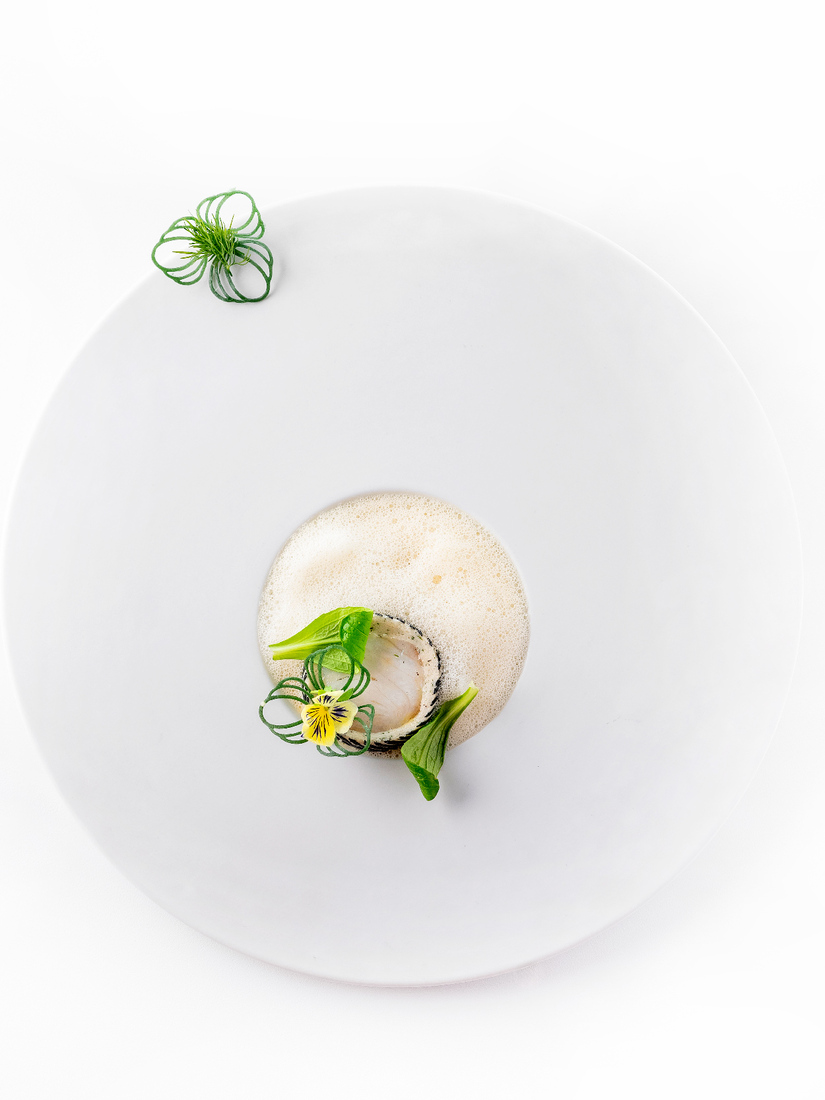
For dinner in the neighborhood, head to Evvai, a restaurant that has just been awarded Three MICHELIN Stars — the first, alongside Tuju, in the country and in Latin America to receive this distinction. Here, Chef Luiz Filipe Souza celebrates São Paulo’s Italian heritage with a distinctly Brazilian accent. The tasting menu, Oriundi — a term used for descendants of Italians scattered around the world — is a true ode to this cultural fusion.
The dishes move with precision between tradition and innovation, from the emblematic Scallop Bomba to the delicate Cupuaçu Absoluto dessert. At each stage, diners are presented with a card illustrated by the chef himself, revealing the stories behind each creation — an experience that goes beyond taste, delving deep into the city’s emotional memory.
Hotel
Rest up in style at the One-Key Emiliano São Paulo in Jardins, tucked between Avenida Paulista and Faria Lima. A classic of Paulistan hospitality, it couples minimalist lines, Japanese aesthetic inspiration and impeccable service. The hotel offers a high-end spa and gym, and even a helipad with a private helicopter. Elegant rooms in muted tones with a wide pillow selection and city views ensure a restful night after an intense day.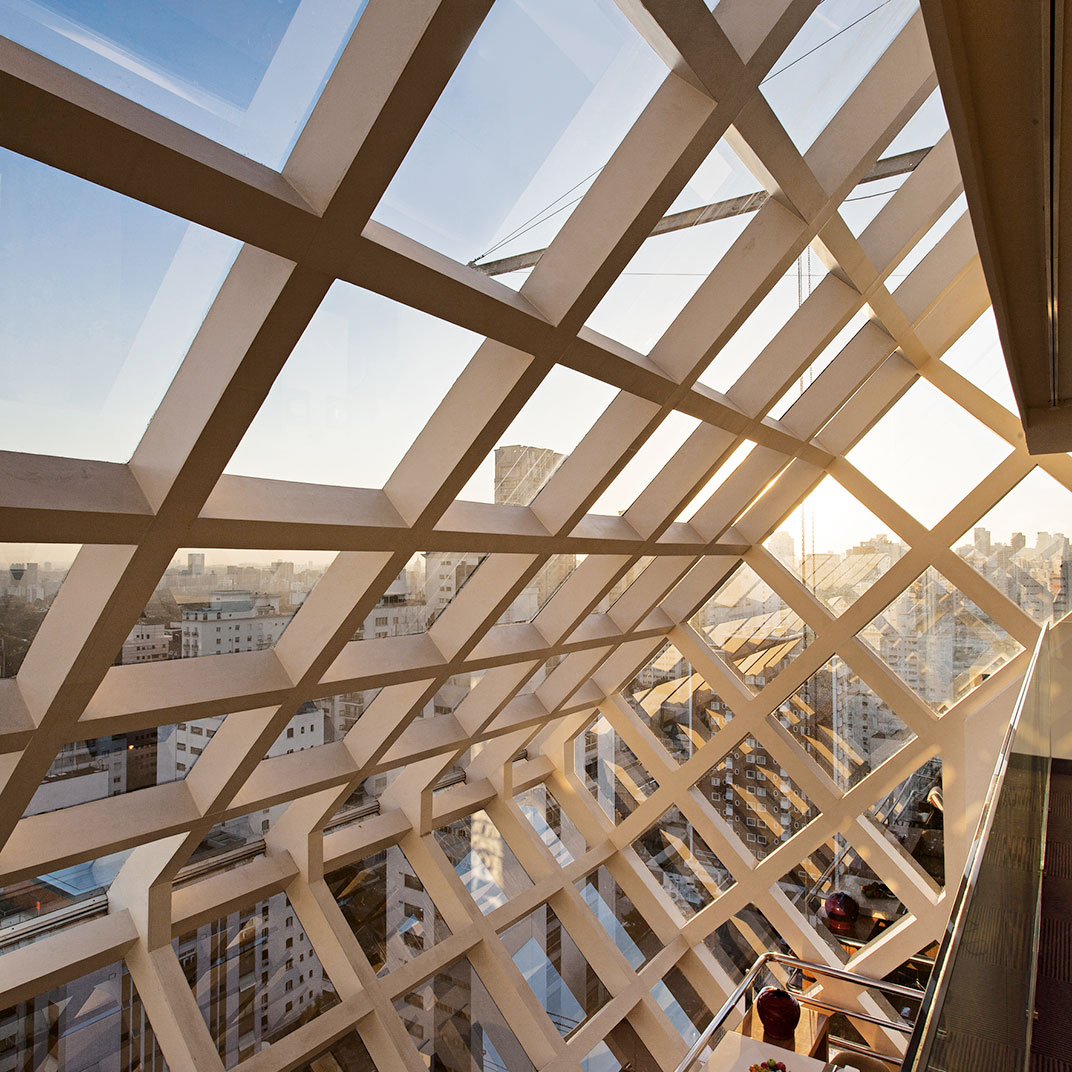
Day 3: From the Jardins to the Park
Morning
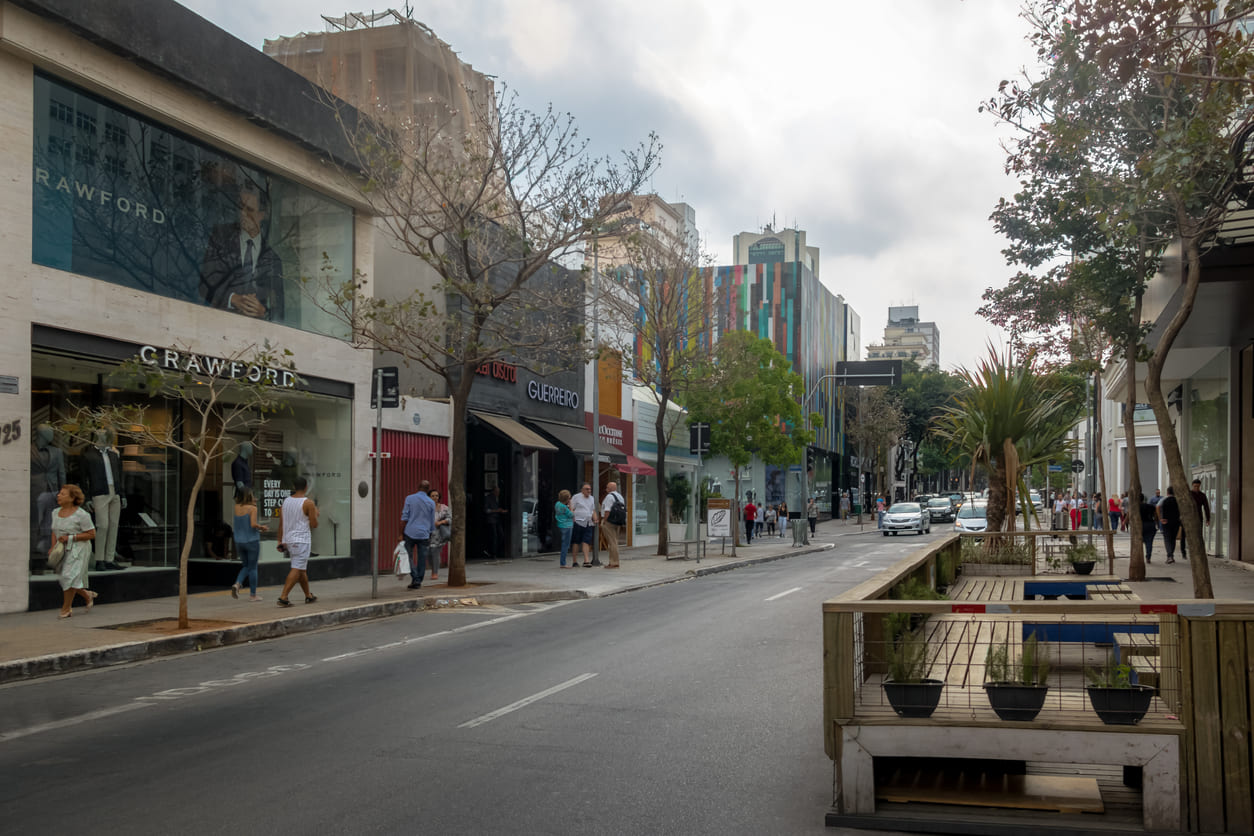
Get your daily caffeine dose a few minutes from the hotel at Café Zinn on Rua Haddock Lobo. Here, proprietary blends, espressos, filtered coffees and French press brews are crafted with beans grown by owner Daniela Coelho’s family. The atmosphere is laid-back and perfect for a calm start — alongside a generous slice of chocolate cake topped with creamy brigadeiro syrup.From there, the Jardins area is a hub of designer stores as well as art galleries and decoration spaces. Between Gabriel Monteiro da Silva and Oscar Freire, it’s worth exploring notable artists’ work — like those shown at Galeria Luisa Strina and Zipper Galeria — visiting establishments that forecast design trends, and getting lost amid the storefronts.
Lunch
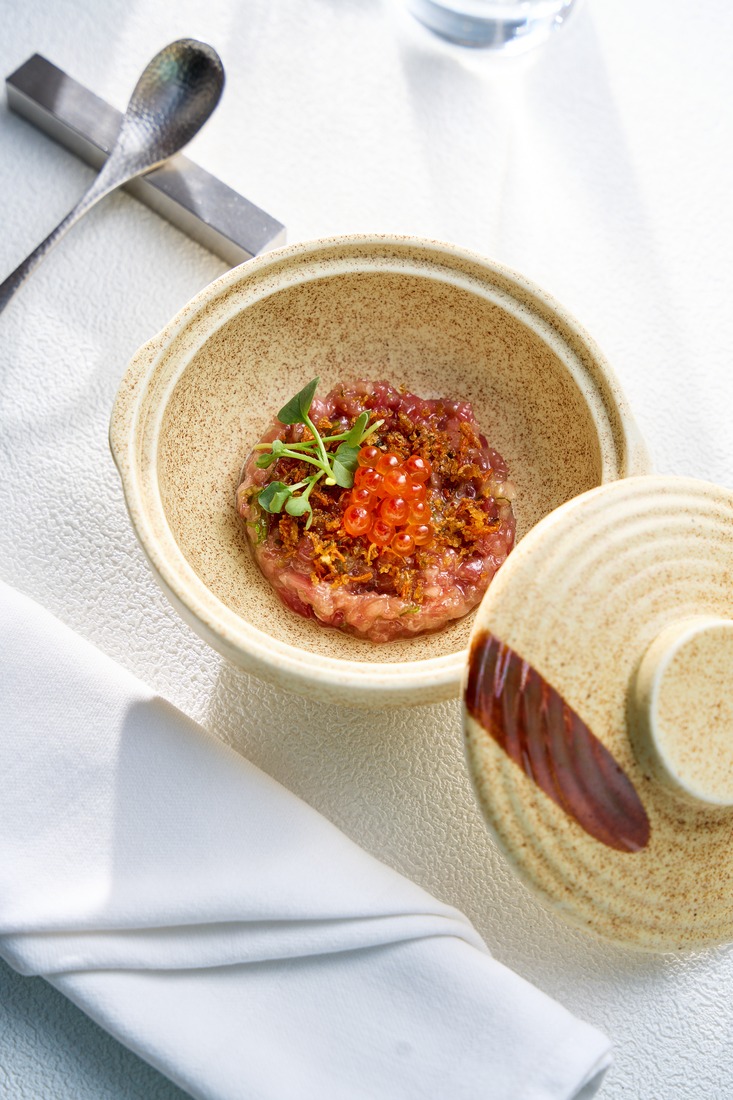
Choosing where to have lunch in Jardins is no easy task. The area is home to Starred restaurants, Bib Gourmands and MICHELIN-recommended venues, covering options from traditional steakhouses to contemporary Brazilian cuisine. But being in the city that houses the largest Japanese community outside of Japan, we recommend embarking on a culinary journey to the Land of the Rising Sun — without leaving São Paulo.On Alameda Lorena, Chef Tsuyoshi Murakami found the perfect spot to celebrate his native land’s kitchen. Born in Hokkaido and Brazil-raised since childhood, he leads his namesake Murakami restaurant with One MICHELIN Star. There, he orchestrates a charming and skillful gastronomic experience. The menu offers two paths: Sushi Experience, crafted personally by the chef, and the Murakami Experience, blending starters, sushi, sashimi, tempura and a main wagyu dish.
Afternoon
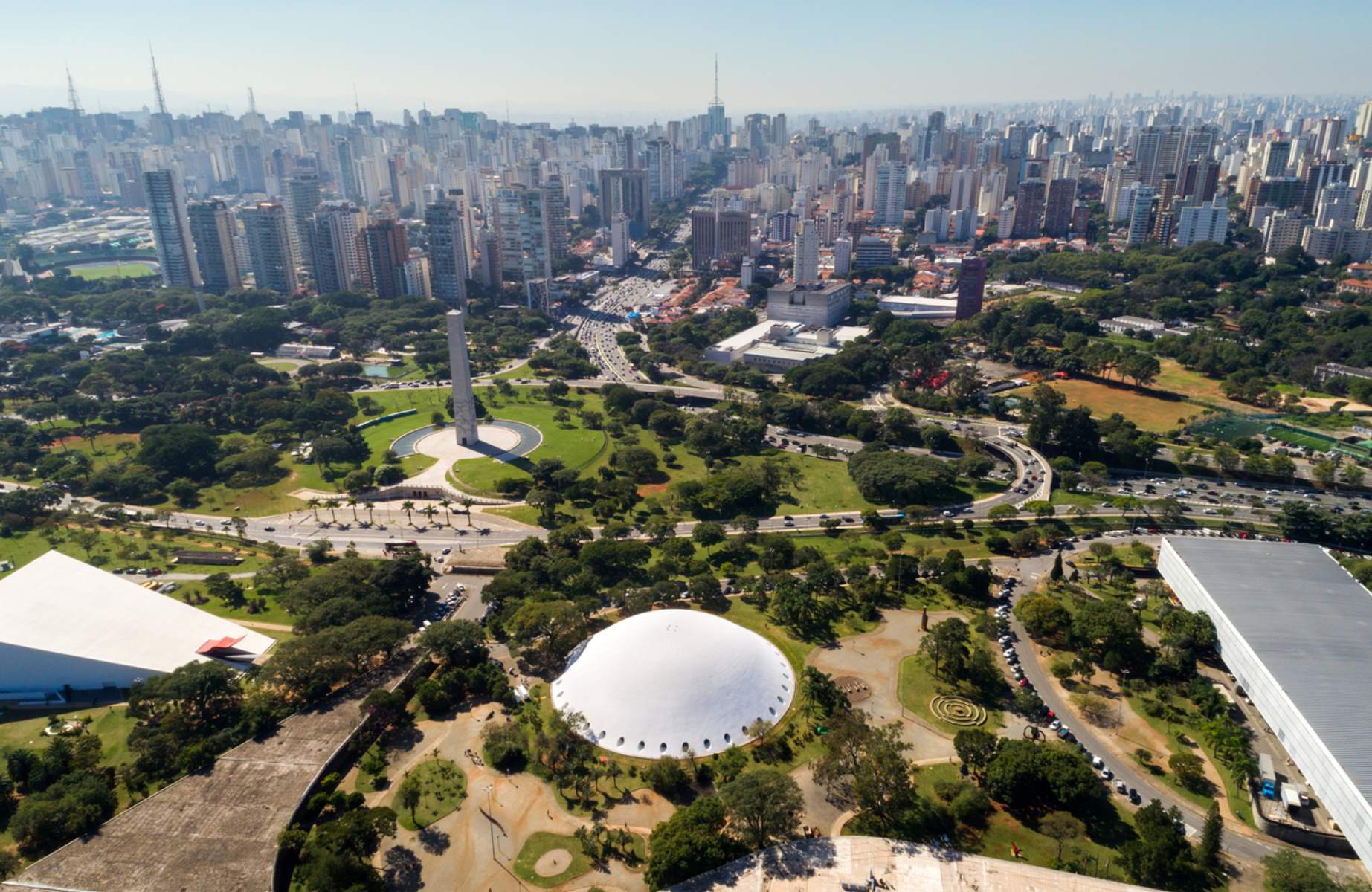
Following lunch, there’s nothing better than an unhurried walk. Though known for its gray landscape of buildings and intense vertical growth, São Paulo has plenty of breathing spaces between its streets. The most emblematic is Parque do Ibirapuera, a city heritage site inaugurated in 1954 and the most visited park in Latin America, welcoming around 14 million people annually. Ideal for sports, walks or simply unwinding by the lake or along its tree-lined paths.Culturally inclined visitors will find excellent programs housed in milestones of Brazilian modern architecture, many signed by Oscar Niemeyer. Here, noteworthy venues include the Museu Afro Brasil Emanoel Araujo, Pavilhão Ciccillo Matarazzo — home to one of the world’s most important biennales every two years — and the Auditorium Ibirapuera, showcasing high-level concerts and performances.
Dinner
A quick trip across the Pinheiros River will lead you to Vista. Set on the terrace of The Museum of Contemporary Art, University of São Paulo, this restaurant offers contemporary Brazilian cuisine and one of São Paulo’s most privileged views. The menu honors typical ingredients from the country’s five regions, with balanced and flavorful dishes like the chef’s moqueca and crispy pururuca. For a sweet touch, the toucinho do céu with pumpkin is irresistible. For a laid-back setting, sidle up to the counter for snacks and well-crafted cocktails.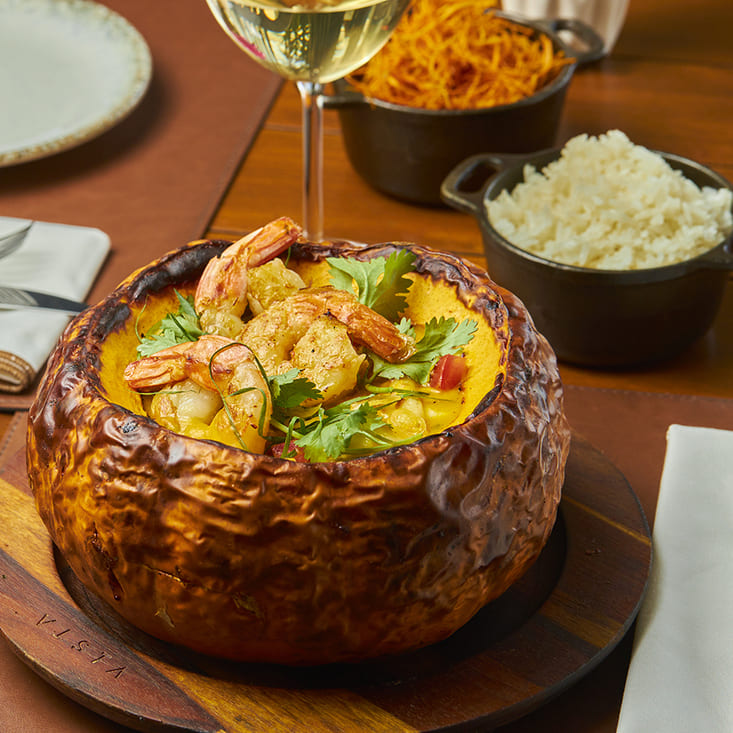
Hotel
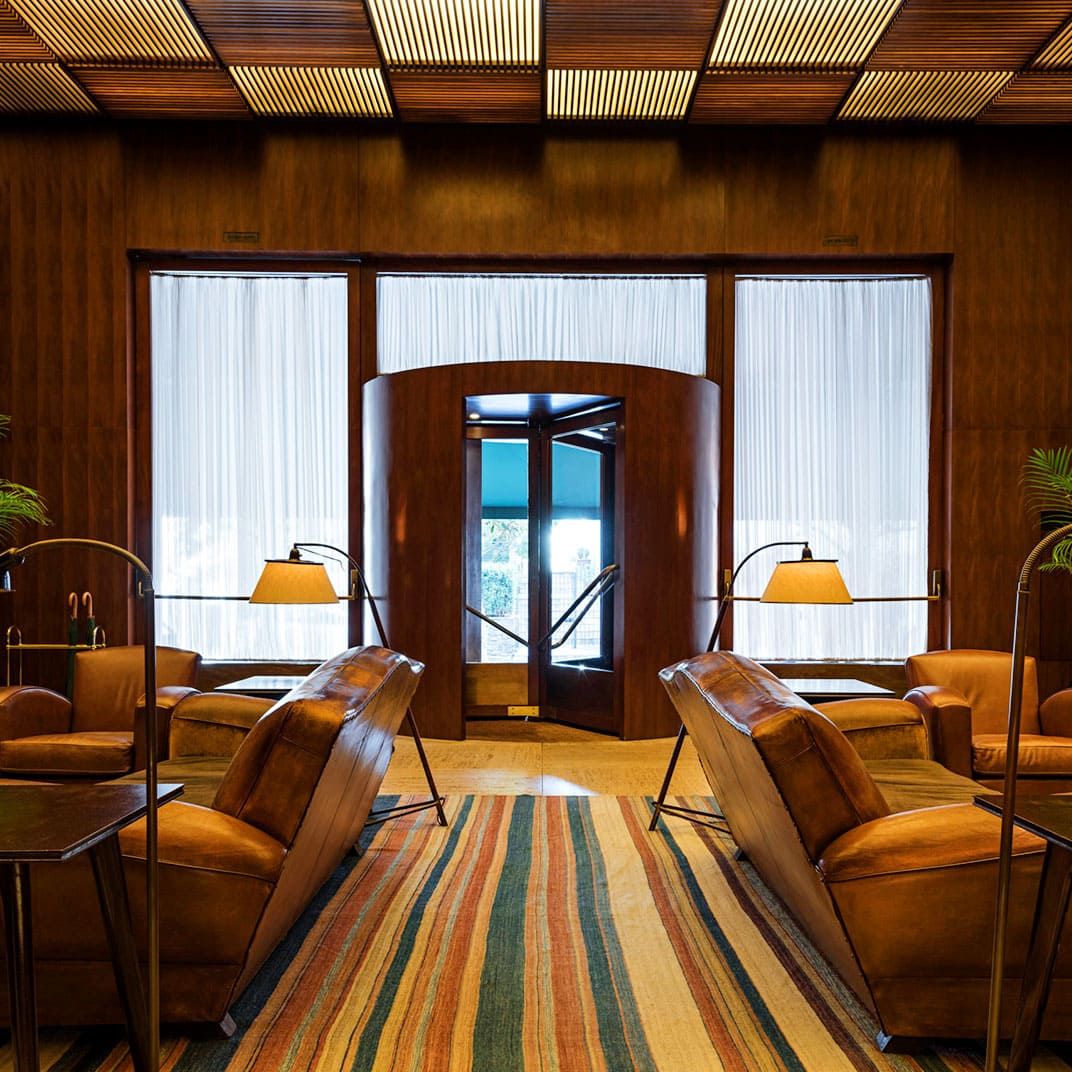
After three intense days in Brazil’s most dynamic city, hit reset in the spacious and elegant rooms at Fasano (One MICHELIN Key), a benchmark hotel that decades ago set a new hospitality standard in São Paulo. Alongside the namesake restaurant, the establishment symbolizes glamour.With discreet and understated design featuring materials like wood and leather, Fasano is a retreat for demanding travelers and connected Paulistanos, providing attentive service and classic luxury hotel comforts — from head to toe. It’s a stylish way to bid farewell to the city after culture- and flavor-packed days.
If you’re interested in continuing to see São Paulo from new angles, it’s worth exploring the program Vai de Roteiro by the Municipal Secretariat of Tourism. These are guided tours — many are free or at promotional prices — through emblematic places like the Martinelli Building, Football Museum, Ipiranga Museum and Bom Retiro neighborhood.
Related articles:
Hero Image: © stocklapse/iStock