19 May 2026

Share


Some people take selfies with iconic buildings. We prefer to savor iconic local dishes. Here is a list of must-try foods when visiting Poland — best enjoyed both in their classic form and as interpreted by talented local chefs.
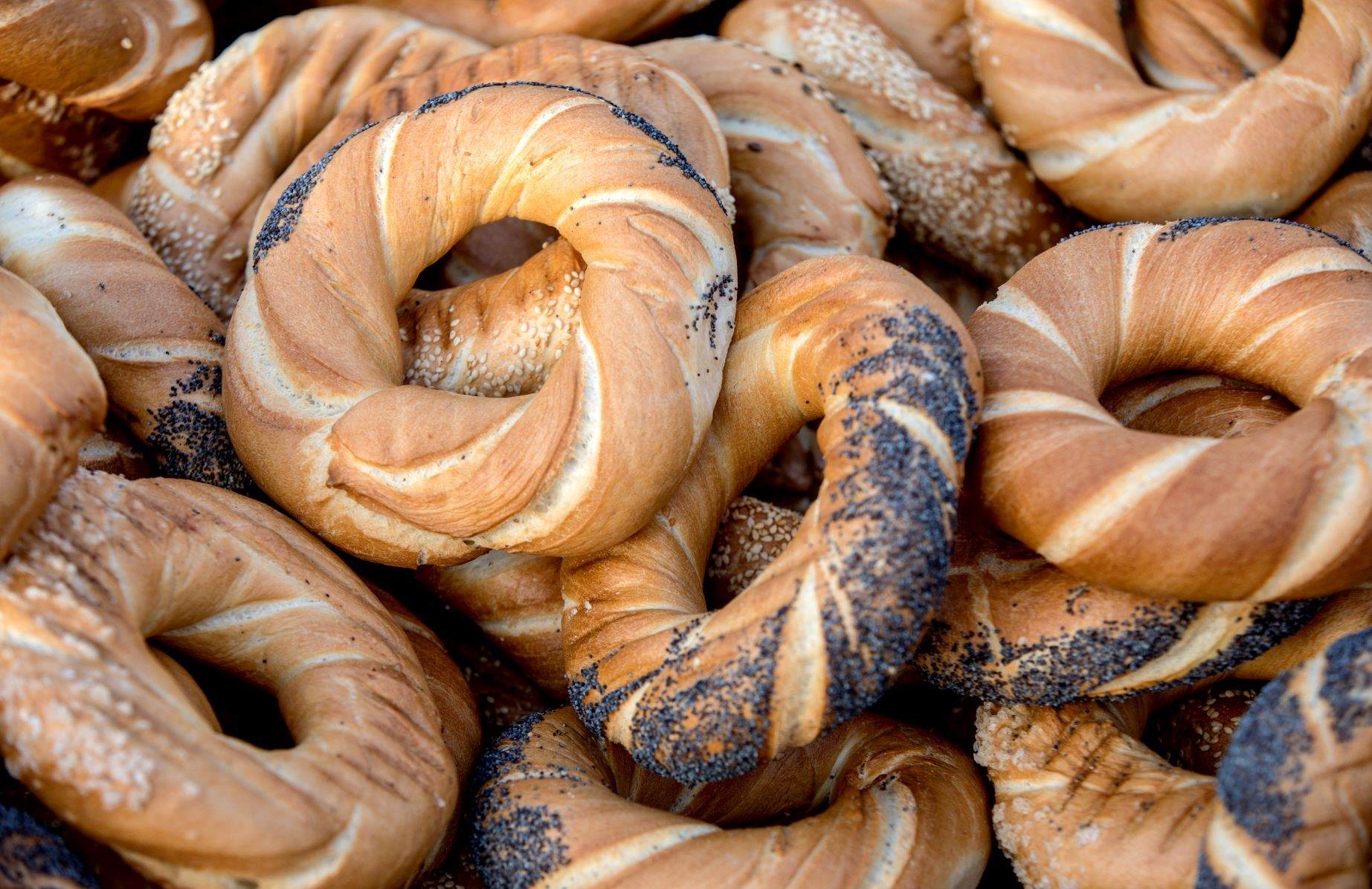
Obwarzanek Krakowski
from Kraków
Think of it as the older cousin of the world-famous New York bagel — because the Big Apple owes its beloved baked good to Jewish immigrants from Central Europe who crossed the Atlantic in search of a new home, bringing along their culinary traditions. Back in the day on the streets of old Kraków, one would find both bagels and obwarzanki being sold side by side. While Ashkenazi-style bagels could be found in the past across Poland, obwarzanki were and are distinctly linked to Kraków.
The name “obwarzanek” comes from the method by which this ring-shaped bread is prepared. Proofed wheat dough is first shaped into twisted rings and then briefly boiled before being baked in a hot oven. This quick bath gives obwarzanki their signature shiny crust and pleasantly chewy texture. What obwarzanki share with bagels is the preparation method (boiling and baking), but compared to a New York bagel, the obwarzanek is lighter, less fluffy and more crispy. They are usually sprinkled with poppy seeds, coarse salt or sesame seeds and make for an ideal breakfast bread or midday snack.
If you stay at one of the MICHELIN-selected hotels in Kraków — such as Hotel Pod Różą or the Two-Key Hotel Copernicus — you will be right in the Old Town, where carts selling freshly baked obwarzanki appear on street corners and along narrow historic alleys.
Crayfish
from Gdańsk, Gdynia and Sopot
Although Poland lies on the Baltic Sea, its traditional cuisine has long relied more on freshwater fish such as zander, pike perch or trout. Yet another delicacy once abundant in Poland’s pristine lakes is crayfish — freshwater crustaceans that have played an important role in the regional cuisine of Kaszuby and Pomerania.
They are often served simply: boiled with a generous amount of fragrant dill and accompanied by butter or creamy sauces. Crayfish also appear in more elaborate preparations, such as aromatic soups or rich sauces served with fish.
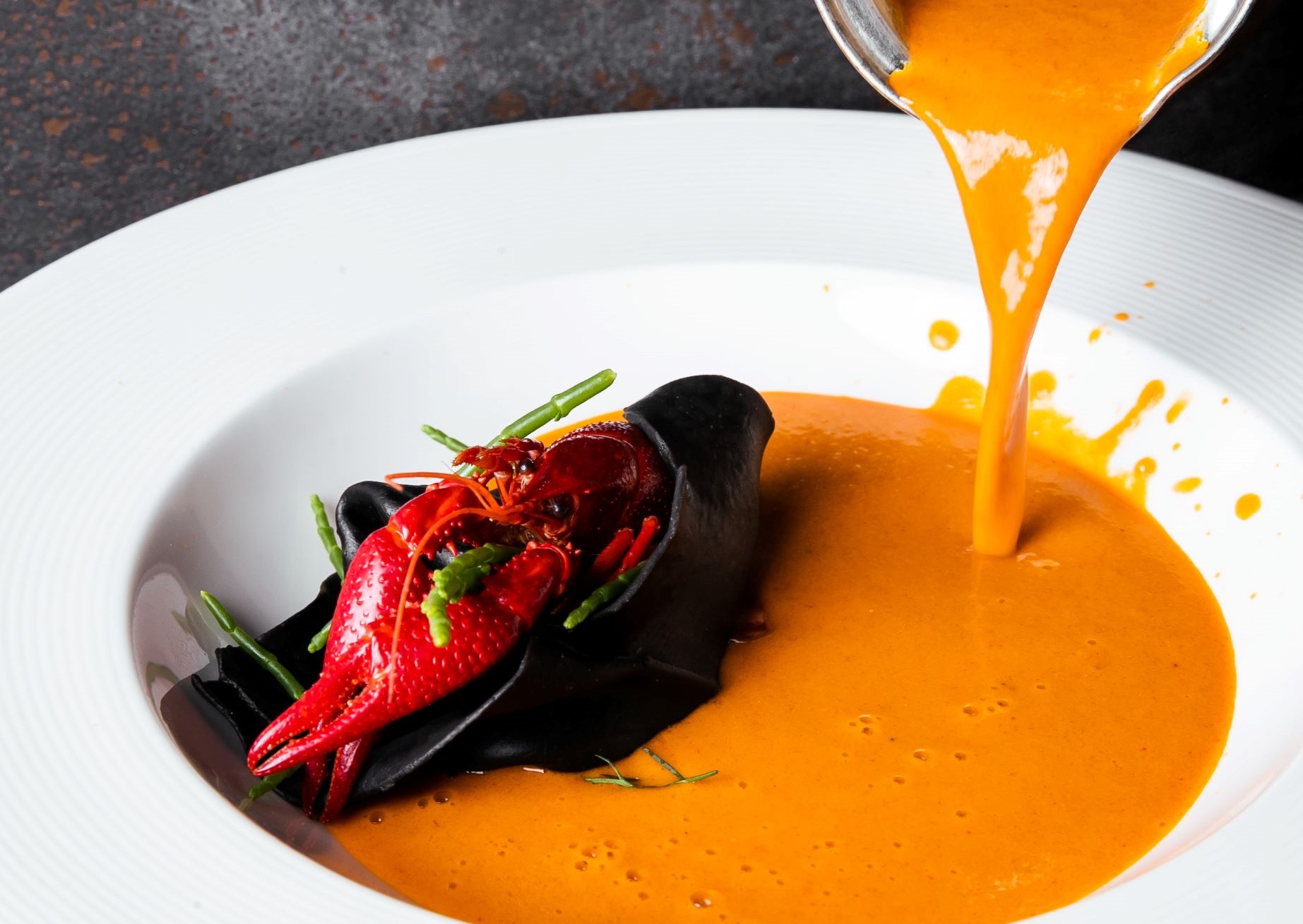
Today, chefs eager to explore the local pantry are bringing crayfish back to the table in creative ways. At Mercato in Gdańsk, a MICHELIN-selected restaurant, one seasonal menu featured halibut-filled ravioli served with crayfish bisque, pickled cucumber, shiso and lemongrass. If you crave something heartier, another MICHELIN-selected restaurant, Tygle, often serves a robust crayfish soup accompanied by fish dumplings, trout and trout roe. At Restaurant Fino, the dish “Zander & Crayfish” features delicately sweet crayfish tails and a refined crayfish bisque that perfectly complements the zander.
Pyzy
from Warsaw
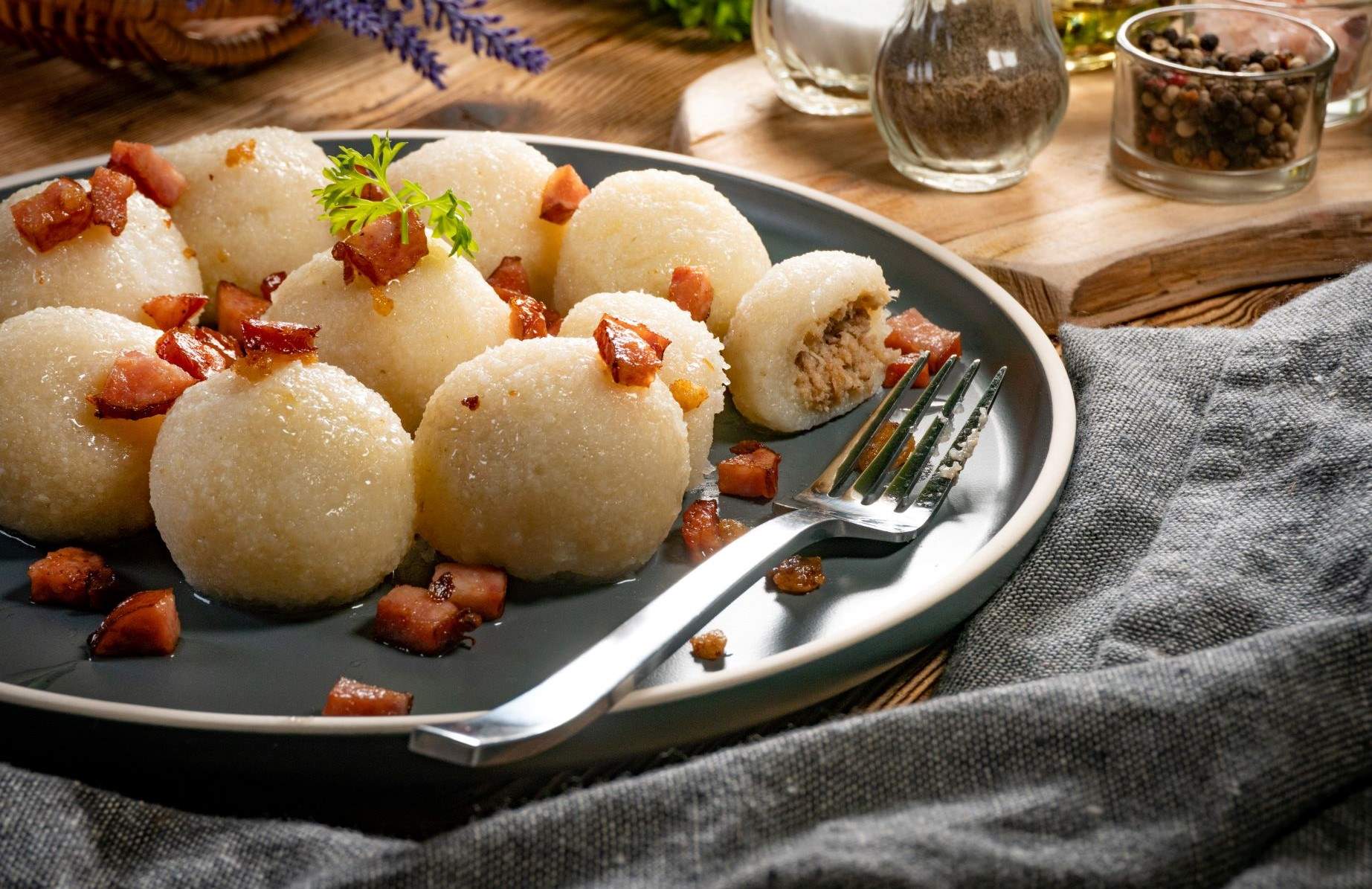
Poland is a country of dumplings, which come in many shapes, sizes and fillings. One variety is pyzy — round balls of potato dough made from both cooked and raw potatoes, which give the dough its distinctive pale color. Roughly the size of a ping-pong ball, they’re often filled with minced meat and are traditionally served with pork cracklings or small cubes of sautéed bacon.
Pyzy frequently appear on the menus of traditional bary mleczne (“milk bars,” old-school cafeterias offering cheap and nutritious food), but perhaps the most famous place to try them is Pyzy, Flaki Gorące, a small and informal spot in Warsaw’s Praga district.
If this sparks a deeper curiosity about the rich universe of Polish dumplings, also visit the MICHELIN-selected Źródło, located in the same neighborhood. This contemporary bistro celebrates traditional Polish flavors while giving them a personal, modern twist. You’ll always find some form of dumplings on the menu — from kopytka, diamond-shaped pillows reminiscent of gnocchi, to leniwe, or “lazy pierogi” made with curd cheese, to the impressive kartacze, large, oblong dumplings filled with meat.
Bigos Wrocławski
from Wrocław
Wrocław’s cuisine has long been a melting pot, reflecting the multicultural character of the city where different religions, cultures and influences met, and where culinary trends and novelties were eagerly embraced. After all, throughout its history Wrocław has been part of the Kingdom of Poland, the Habsburg Empire and the Kingdom of Prussia, to name just a few.
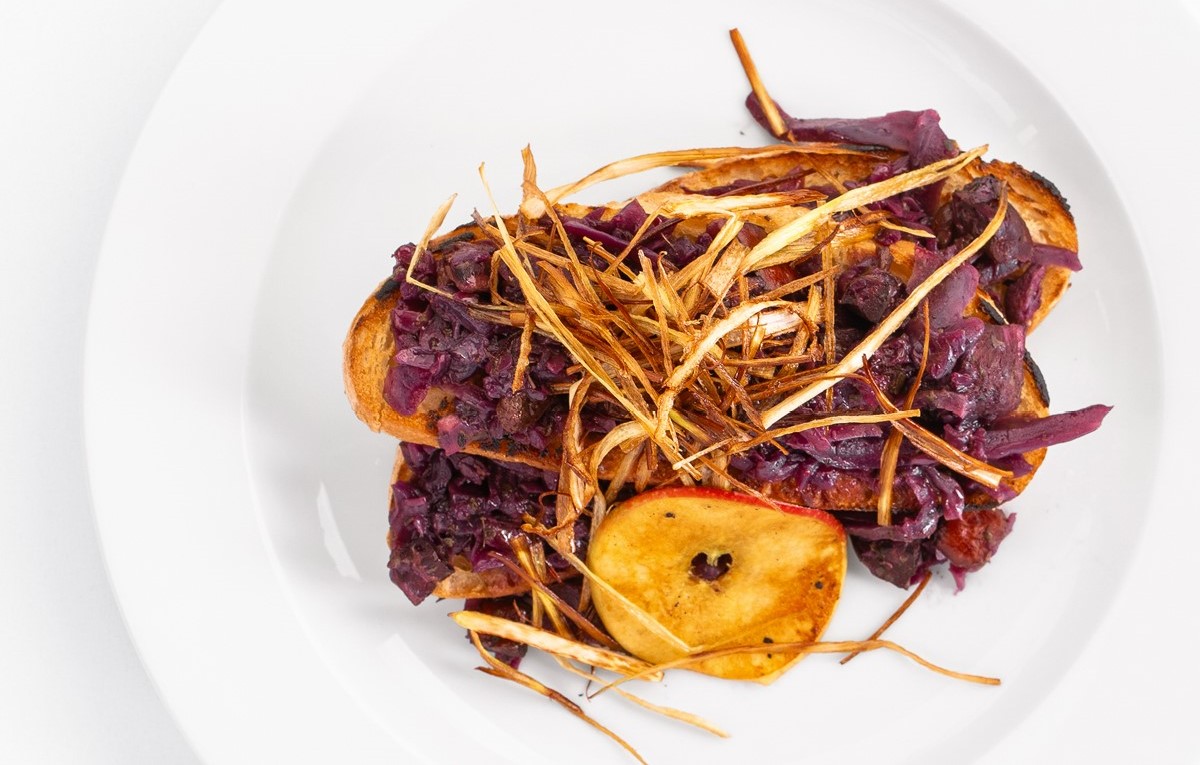
For centuries, though, bigos has been a popular — and adaptable — staple of Polish cuisine. At its core, bigos is a stew made of chopped meat, sauerkraut and cabbage, but there are countless variations allowing for different combinations of meats, from pork to beef to game to smoked sausages, as well as the addition of vegetables, spices and wine. Wrocław’s verion, the famous bigos Wroclawski, is prepared with red cabbage, apples, onions and meat, gently seasoned with cloves. Sweet and sour, full of umami, warming and hearty, it’s a satisfying dish that plays with different flavors on your palette. Got to MICHELIN-selected restaurant Wrocławska to try!
Pierogi
from Wrocław
After World War II, Wrocław saw an influx of people from Poland’s former eastern territories, including present-day Ukraine, and they brought their own culinary traditions and dishes. As a result, contemporary Wrocław cuisine often carries strong Eastern European influences.
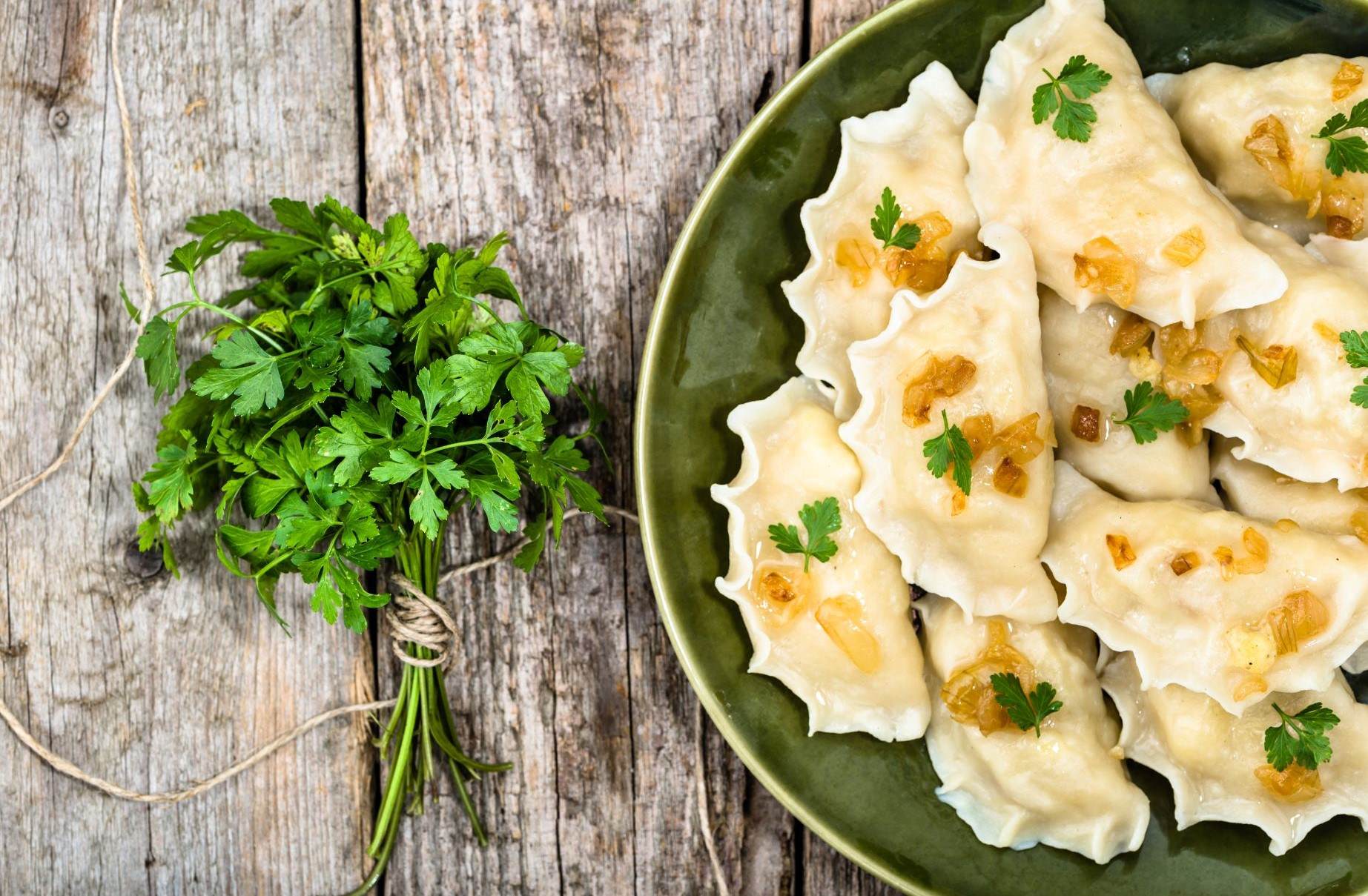
One of the most emblematic of those dishes is surely pierogi — filled half-moon-shaped pockets of dough stuffed with a variety of savory or sweet fillings including meat, mushrooms, cheese and fruit. The most beloved style, known as “ruskie,” includes curd cheese, potato and onion, often served with fried onions or sour cream.
What might seem like a fairly homey dish has also found a place on restaurant menus, with chefs giving pierogi their own personal touch. At Młoda Polska, a MICHELIN-selected restaurant, they are served with a creamy local curd cheese called tłuścioch. At the Bib Gourmand IDA kuchnia & wino, the chef prepares them with crispy oyster mushrooms and aromatic herb oil.
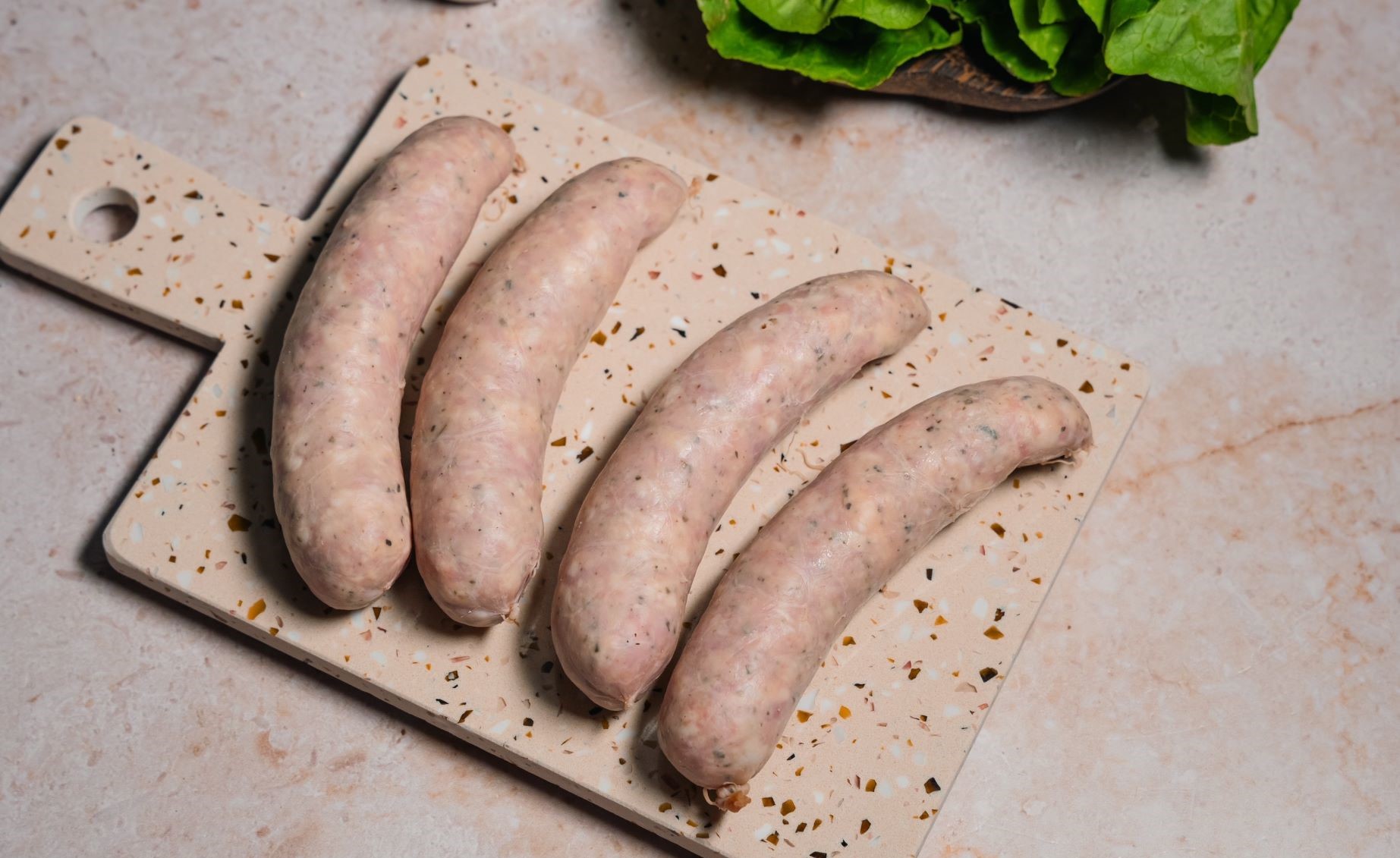
Kiełbasa Biała Parzona Wielkopolska (White Sausage)
Poznań
Sausages may be the most emblematic of Poland’s cuisine, from raw ones to smoked, from pork, venison to lamb or blood sausage, and if you are a connoisseur of them, you can’t miss kiełbasa biała parzona Wielkopolska, a traditional white sausage from the Wielkopolska (Greater Poland) region. This steamed white sausage has been awarded the Protected Geographical Indication. It is made of medium-ground pork seasoned with dried marjoram, garlic and black pepper that counterbalance the meat’s mild flavor. The meat is uncured and unsmoked, giving it a pale color and it must be produced no later than 48 hours after the pig is slaughtered.
The sausage is available in commonly served with horseradish, mustard or in soups like żurek (sour rye soup)—where it is either sliced or served whole in the broth. You will find it it any butchers shop in Poznań.
St. Martin’s Croissants
Poznań
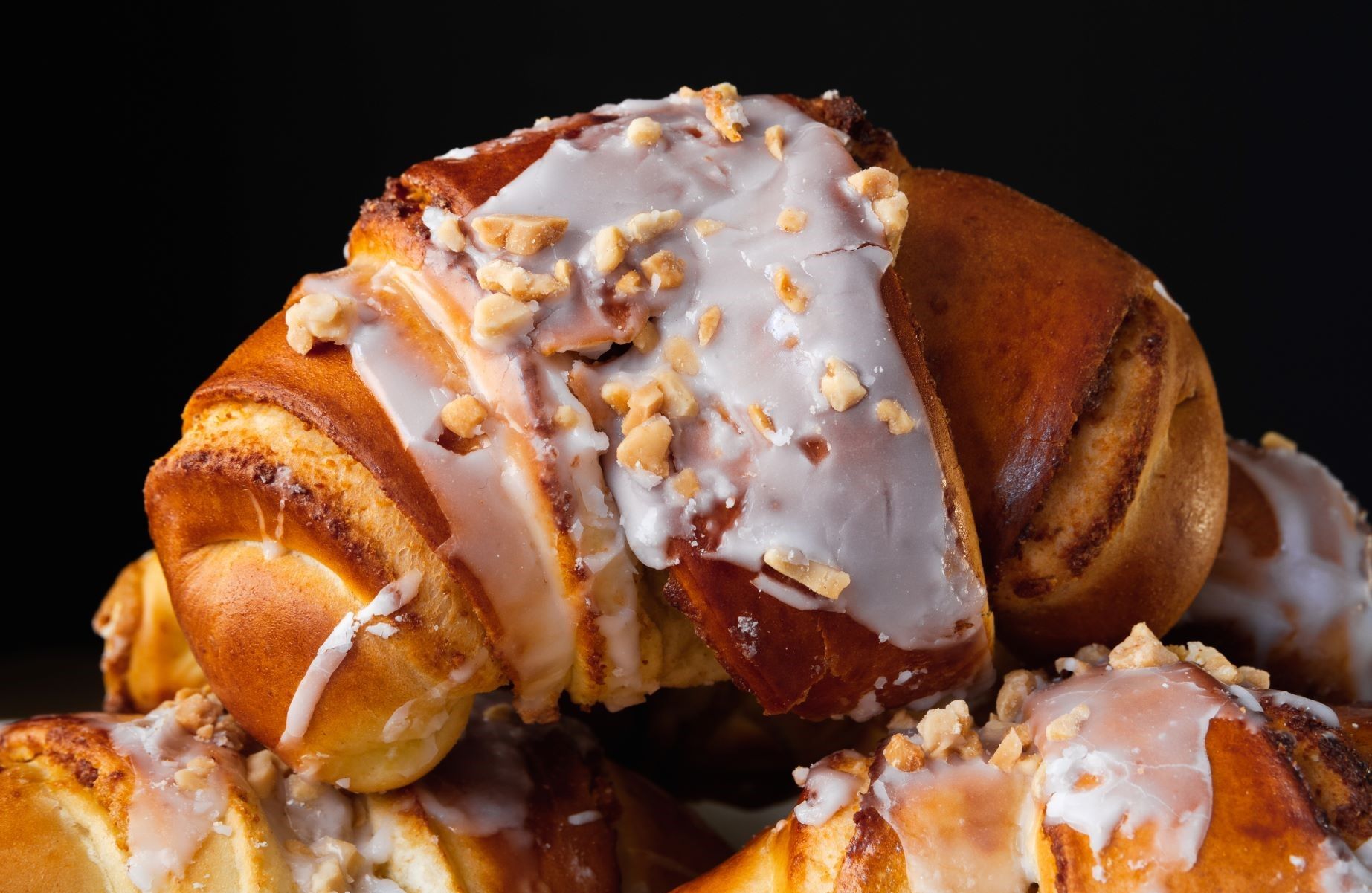
Let’s finish with something sweet — or even very, very sweet. St. Martin’s croissants are not your usual light viennoiserie of Parisian cafés and boulangeries. These crescent-shaped pastries are made using so-called half-French pastry, also laminated with butter but slightly more doughy than the traditional French version. Inside, instead of airy layers, you will find a rich, moist filling made of milled white poppy seeds, nuts, raisins, candied orange peel and honey. And if that’s not enough, the whole creation is finished with a thick icing sugar glaze and even more candied orange peel and nuts — because why not?
Traditionally these pastries were baked in Poznań to celebrate St. Martin’s Day, as the patron saint of the city, on November 11. Yet they became so popular that many bakeries now prepare them throughout the autumn, and sometimes even all year round. At the pastry Karpicko St. Martin’s Croissants are available all year round, baked with traditional recipes.
Articles you may like:
Illustration Image: Pierogi, one of the most emblematic dishes of Poland © freeskyline/iStock