20 June 2016

Share


What is siap?
Siap was originally a Hokkien word, corresponding to the Mandarin se (涩), which means astringent. Siap is commonly noticed in unripe fruits like persimmons and strawberries, or the skins of fruits such as grapes, blueberries. It also occurs in tea, coffee, red wine and chilli, where it’s generally regarded as an unpleasant characteristic. In foods, siap often combines with bitterness and/or sourness, rendering them doubly unpalatable.

The science of siap
A siap taste boils down to the presence of tannins in a food, which bind to the proteins in our saliva, producing particles that increase friction on the tongue surface, while thinning out the remaining saliva and making it less lubricative.
Unripe fruits such as persimmons are rich in free tannins. As these fruits ripen, the tannins bind together in long chains, and are no longer able to interact with saliva. This is why ripe fruits lose their siap quality, although some - like cranberries, the epitome of siap - are destined to remain so.
How do you avoid it?
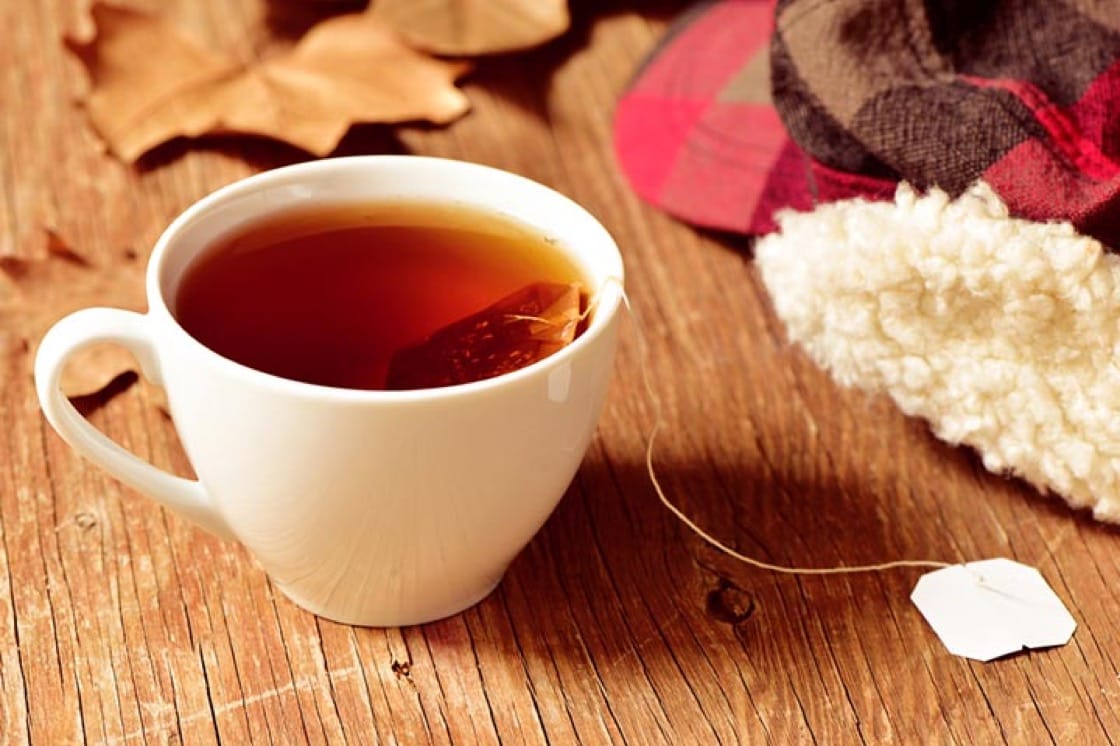
Know the recommended steeping time (and temperature!) for each type of tea - steep it for too long your tea for too long, and more tannins than necessary will enter the brew, making it siap. Tannins dissolve into coffee and tea at the highest rates around 80°C, which makes cold brewing an excellent choice for avoiding the siap taste.
Swirling or decanting very tannic wines reduces their siap quality by dissolving oxygen into the wine, which then oxidises the tannic acids, taking the edge off their astringence.
Usage
It’s usually reduplicated, as in: “This is the worst kopi-O ever, siap-siap and watery.”