27 April 2026

Share


Vancouver’s links to Asia date back generations, with newcomers from across the continent arriving in western Canada for education, to find work or build businesses, or to seek a better life for their children. By Canada’s 2021 census, more than 50 percent of Metro Vancouver residents identified as a visible minority, many with roots in China, Taiwan, India, the Philippines, Vietnam and elsewhere across the Asian continent. From government and the arts to universities, the Asian community has a significant influence on all aspects of present-day life and culture in Vancouver.
Nowhere, perhaps, is this influence felt more strongly than in the city’s culinary scene. Many of Vancouver top chefs and restaurateurs have Asian heritage. These professionals are drawing on elements of Asian cuisine and culture – whether from their own background or from culinary influences that they have adopted – to craft uniquely local dishes for the city’s diners.
From Taiwan to Tokyo: Chef Peter Ho’s Yakitori Journey and Cultural Fusion at Sumibiyaki Arashi
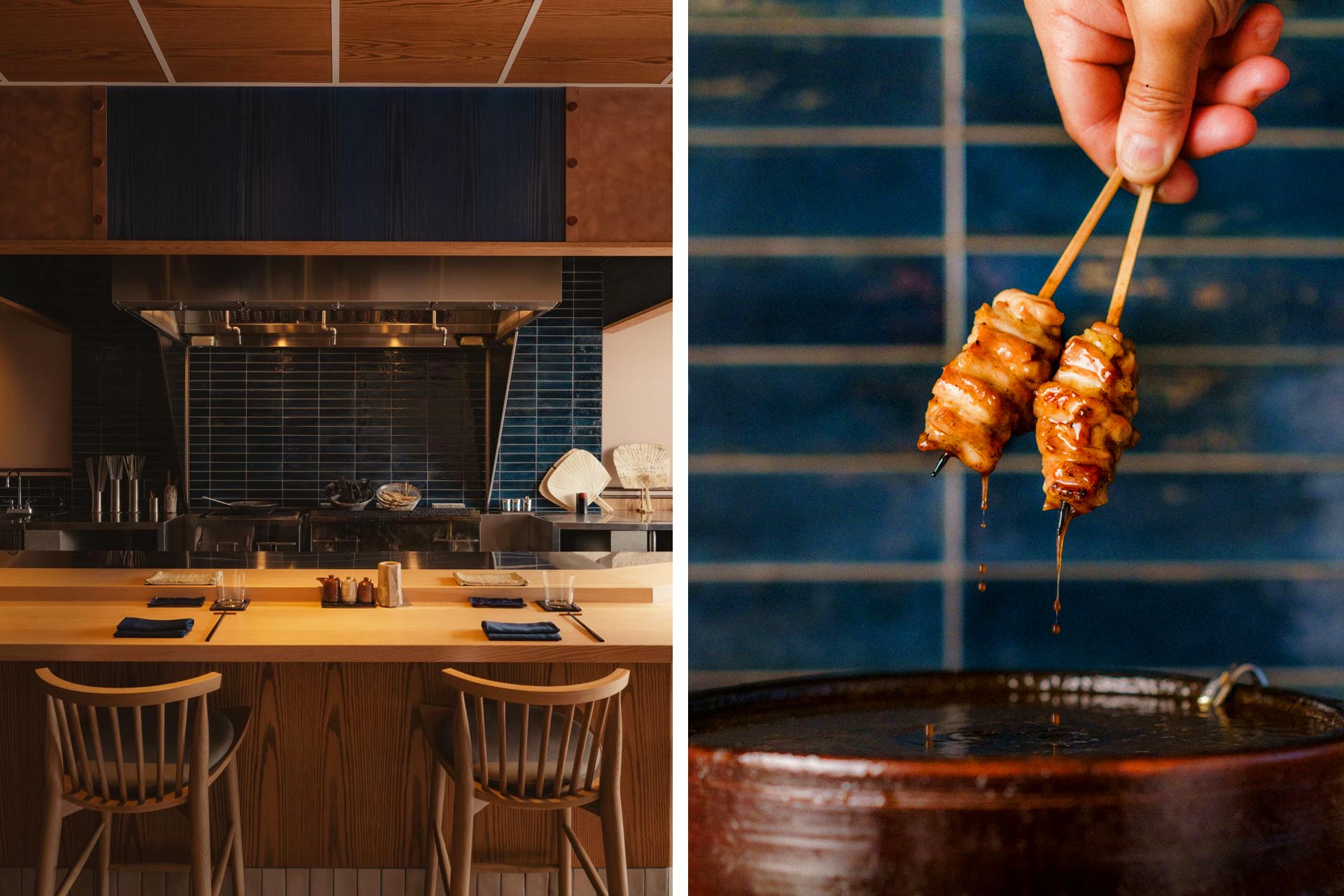
Peter Ho, chef/owner at Sumibiyaki Arashi, was born in Taiwan, arriving in Vancouver with his family when he was eight years old. But his grandparents, who embraced many elements of Japanese culture, took him regularly to Japan. “I grew up really liking the food,” Ho says. “Eventually I wanted to learn more about Japanese cuisine.”
He studied Japanese in high school, spent a year as an exchange student in the Osaka area while attending the University of British Columbia and eventually did a six-month apprenticeship at RyuGin, a MICHELIN-Three-Star restaurant in Tokyo, where he recounts, “I found a real passion for charcoal grilling.” This experience helped inspire Sumibiyaki Arashi, where the omakase-style menu centers around yakitori, skewers grilled over high-grade binchōtan charcoal.
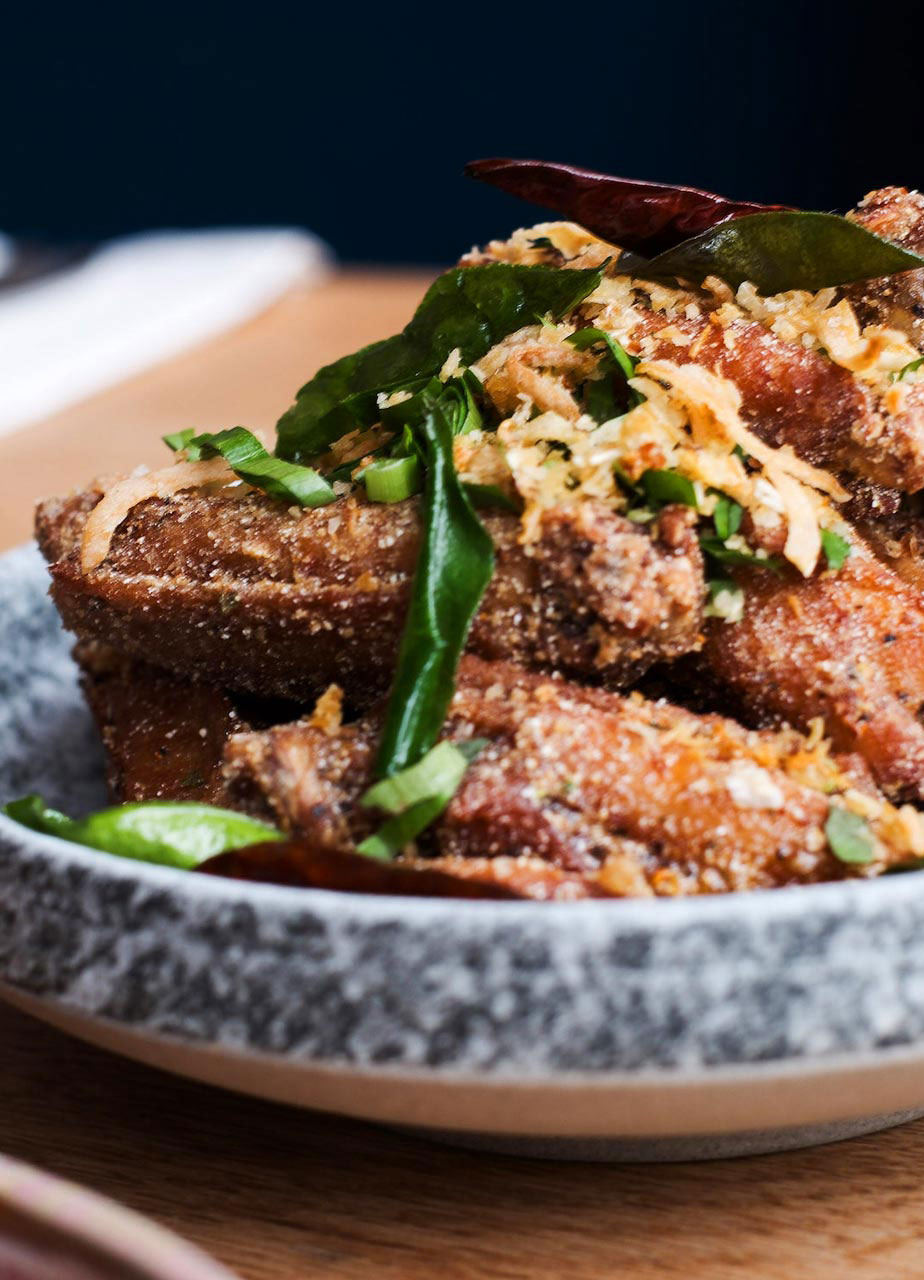
To complement his focus on yakitori, the chef is developing new dishes that draw from his Taiwanese background. He’s frying, then grilling fermented tofu, adding Taiwanese seasonings that might more typically be used in fried chicken. He’s riffing on lu rou fan, Taiwanese braised pork, substituting chicken for the meat. “Little things like these,” he says, “showcase my heritage and the food that I grew up eating.”
Chef Shin Iwamoto Elevates Udon with Tradition and Innovation
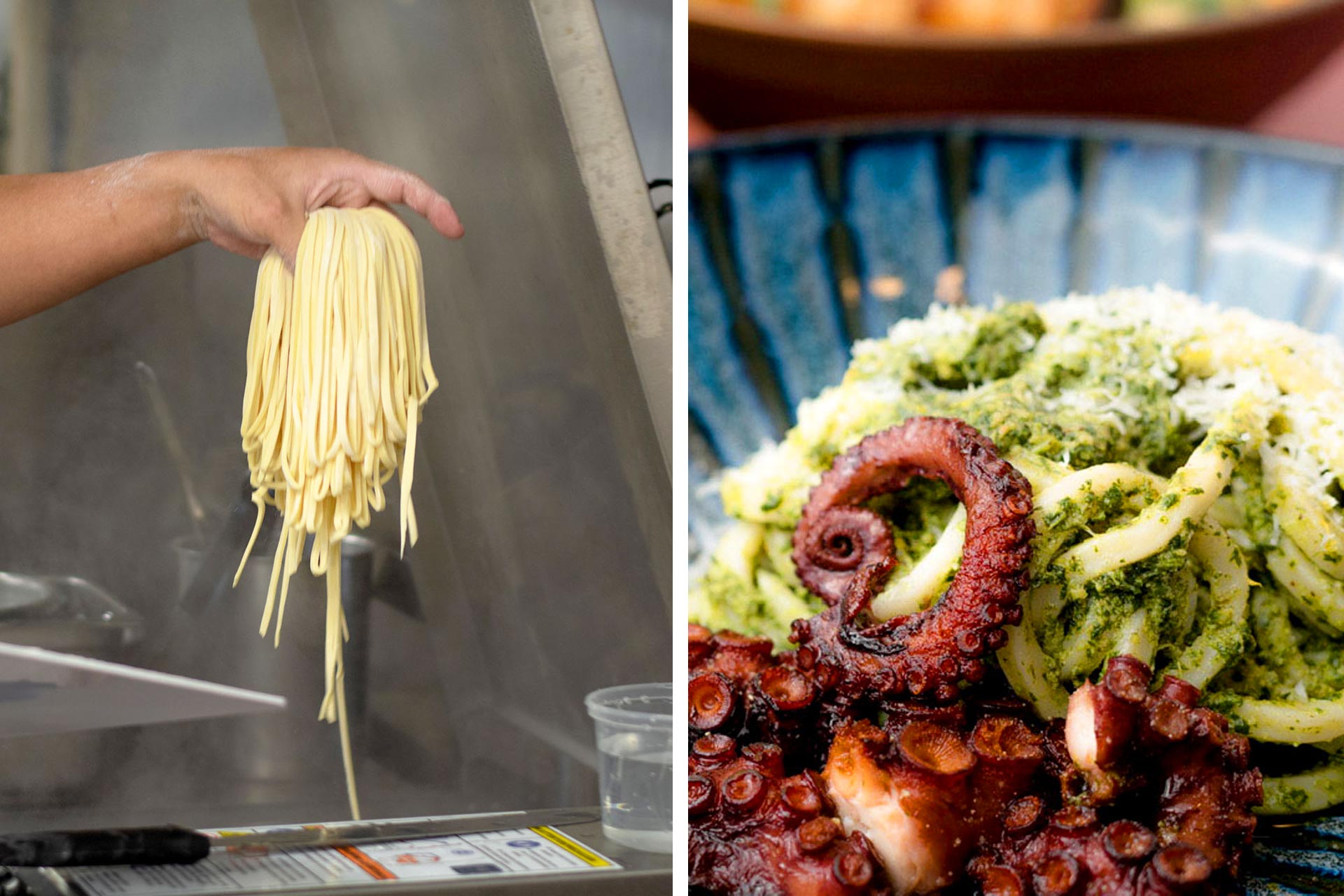
Shin Iwamoto, Chef/owner at Motonobu Udon, grew up on Kyushu Island in southern Japan, where his grandmother became his udon inspiration, cooking her noodles outdoors over an open fire. It’s her recipes that form the heart of his restaurant menu.
While Vancouverites have an abundance of ramen restaurants to choose from, Motonobu Udon was the first eatery to focus specifically on udon. “Udon has more freedom, more flexibility to make different kinds of sauces, different kinds of soup,” Iwamoto insists. “There is more room to improve or create something fun.”
While much of the chef’s menu highlights traditional Japanese udon, he has also developed new dishes. For Ankake Ebi Yuzukosho, which he calls his signature dish, he flavors its rich broth with yuzu koshu, a fermented chili paste popular in his home region of Kyushu that includes the peel of this citrus fruit. Completing this dish are prawns, seaweed, shitake mushrooms, and of course, udon from his grandmother’s recipe.
A Father-Son Duo Brings Authentic North Indian Flavors to Karma Indian Bistro
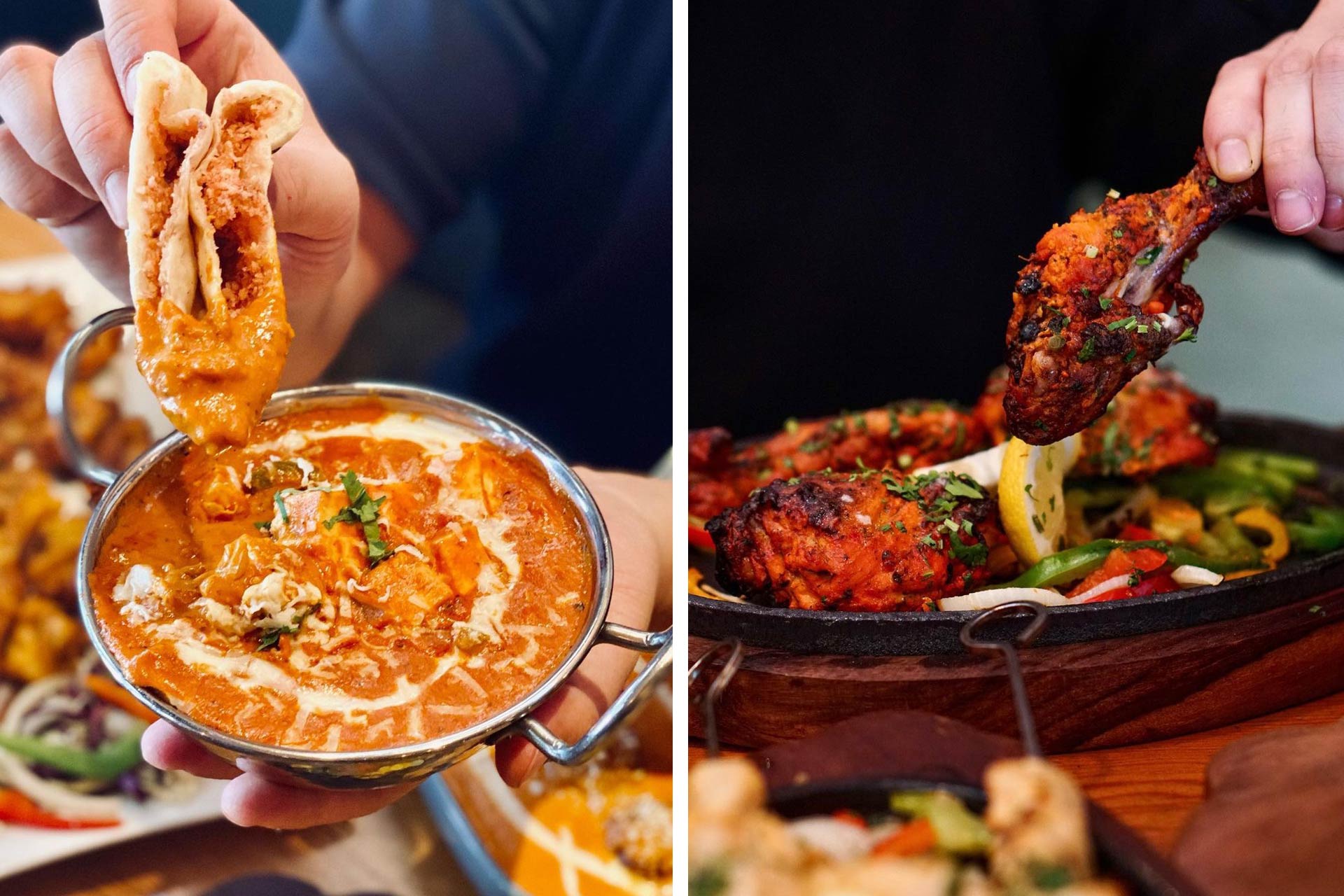
Vishal Kumar and his son, Rahul, immigrated to Canada from India, the elder in 2009, the younger following in 2014. Now the owners of Karma Indian Bistro, where Vishal is the executive chef and Rahul runs the front-of-house, they’ve brought the flavors of their home country to Vancouver.
“Most of our food is from north India,” Rahul says, from butter chicken to lamb korma, a creamy cashew and onion curry. “We do a few dishes from the south, like chicken vindaloo, which is one of our most popular items.”
What’s it like to run a business with your dad? When the Kitsilano space where Karma is now located became available, Rahul says that he encouraged his father to open the restaurant with him. “I wanted to spend time with him — to work with him, look at how hard he works, and get inspired to do the same.”
Vietnamese Heritage Meets Modern Vancouver at Anh and Chi
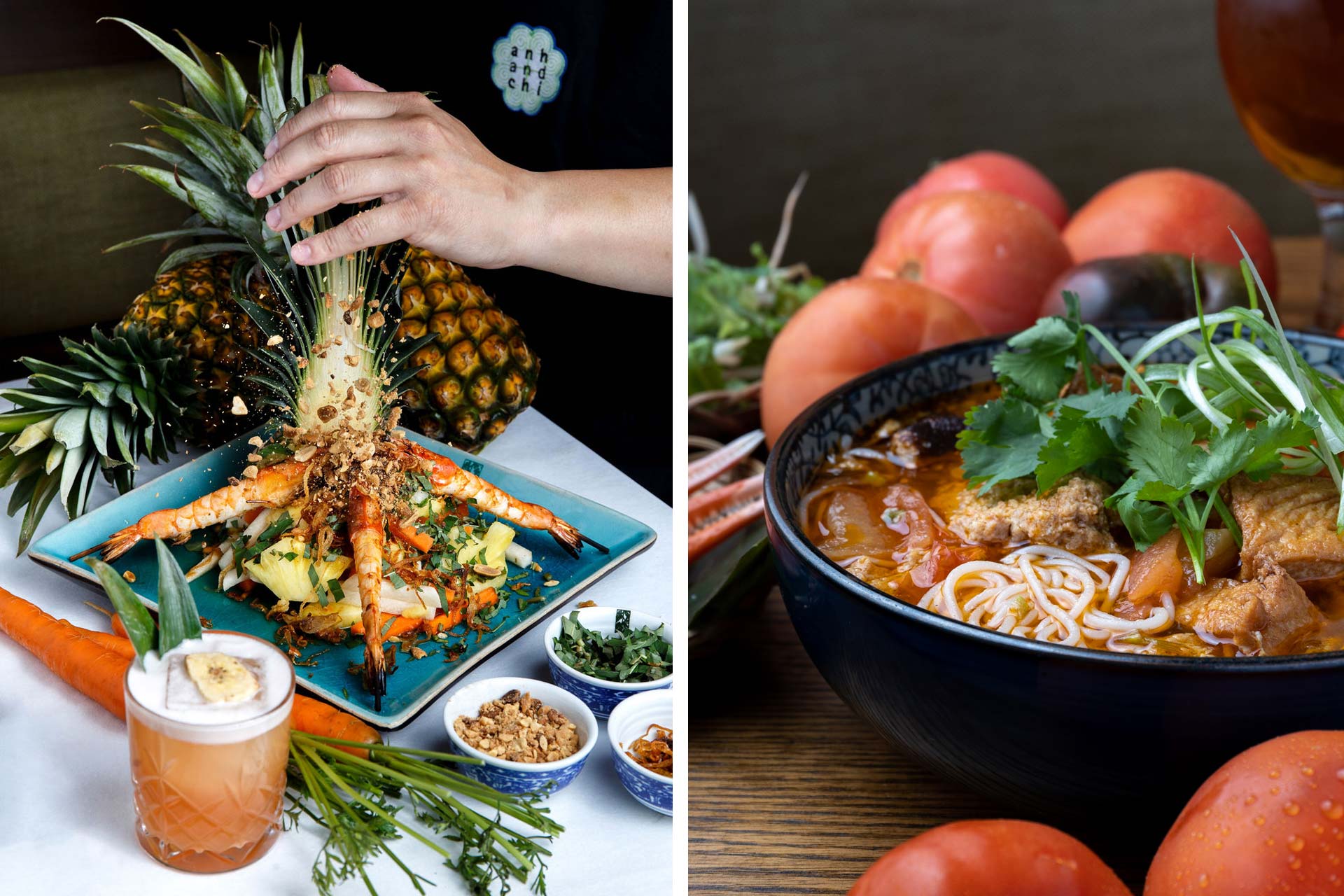
Anh and Chi is another family-run business, a contemporary Vietnamese restaurant that brother and sister Vincent and Amélie Nguyen opened in 2016. Their mother, Lý, is the restaurant’s executive chef.While the Nguyen siblings grew up in Vancouver, the family had brought their Vietnamese traditions to Canada when they arrived as refugees in 1980, and they’ve maintained that mix at Anh and Chi. As Amélie explains, their recipes are authentically Vietnamese, but “the vibe is very Canadian. We're very true to our Vietnamese Canadian roots.”
Amélie says she assumed that pho was the first dish that her mother had learned to make from her own mother, until she found out that her grandmother’s specialty was actually another soup. “My grandma's nickname in her village was Ba Bún Riêu, which means Grandma crab tomato soup.” Her grandmother passed down her recipe for this soup, Bún Riêu Cua, a version of which is on Anh and Chi’s menu today.
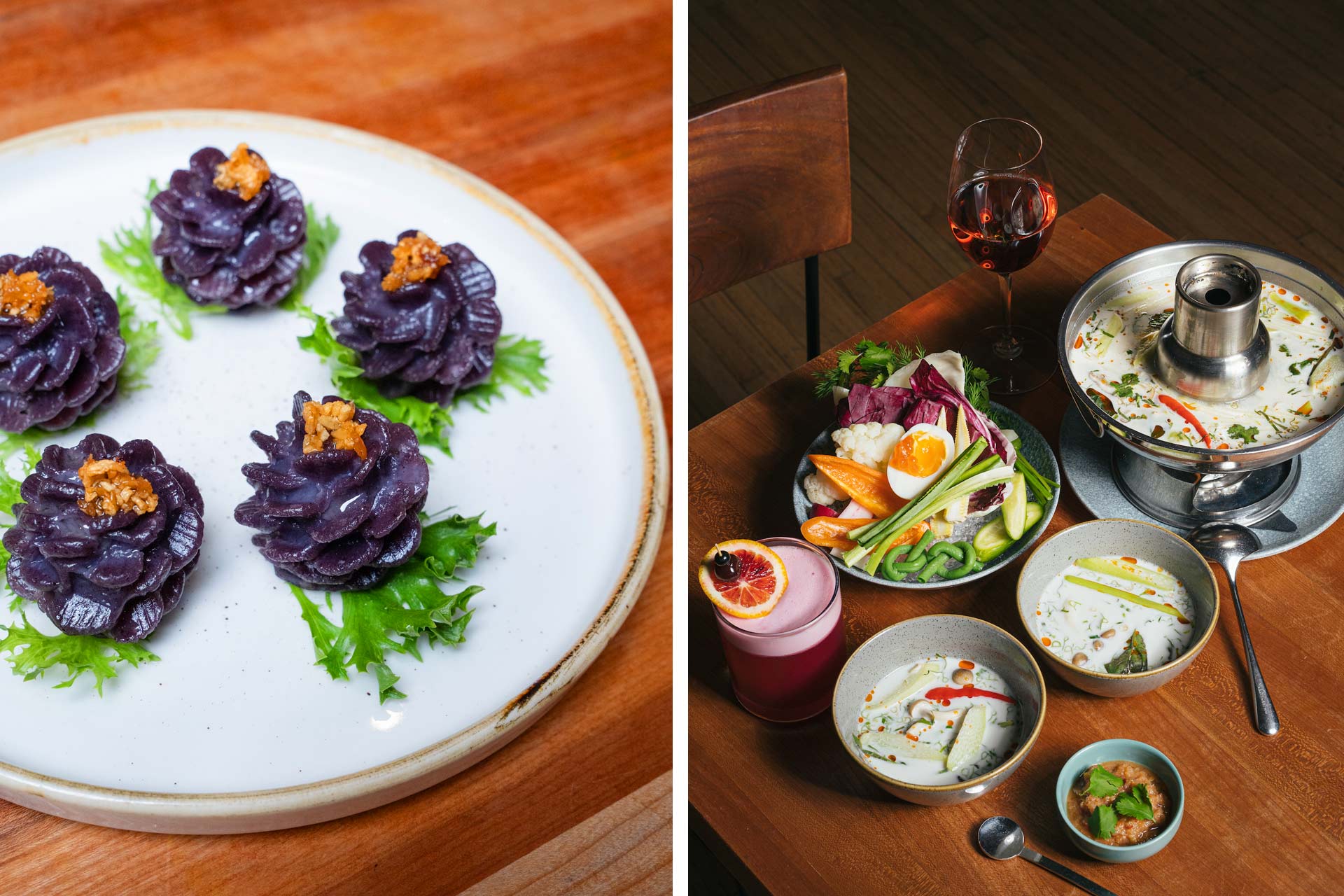
Chef Angus An Blends Taiwanese and Thai Traditions with Canadian Ingredients at Maenam
Like Sumibiyaki Arashi’s Peter Ho, Angus An, Executive Chef of Maenam, was born in Taiwan, coming to Canada at age 11. He was raised in a food-focused family, where both his parents were good cooks, and all important gatherings centered around home-cooked meals. These childhood experiences spurred his career; although he began his post-secondary studies at the University of British Columbia intending to be an architect, he realized that his true passion was in the culinary realm.After training at the French Culinary Institute in New York, he traveled to London, where Chef David Thompson’s Nahm Restaurant provided An’s immersion into Thai cuisine. At Nahm, he also met Kate Auewattanakorn, the Thai woman who would become his wife and business partner.
In Vancouver, where Maenam opened in 2009, “we are fortunate to have a huge Asian population, so there’s a lot of fresh produce and seasonal vegetables, from water spinach to Taiwanese cabbage, grown locally,” An says. But certain ingredients that An calls “non-negotiable” in creating Thai flavors — including shallots, garlic, galangal, lemongrass, makrut lime leaves, and chiles — can be more challenging to source in B.C. “Shallots and garlic, you can get around here,” he says, “but lemongrass, especially Thai lemongrass, is much more fragrant. A lot of these things only grow in tropical regions.”
Canadian food culture is built on its immigrant communities, who adapt familiar dishes using products available in their new country, An contends. “When we came from Taiwan, my family had certain recipes that we liked to cook, but there might be specific ingredients you can't find. You're going to have to find acceptable substitutes. And I think that's how cuisine evolves.”
At Maenam, An concludes, “our food is equally Thai as it is Canadian.”

Hero Image: Dish collage - © Leila Kwok/Anh and Chi | © Motonobu Udon | © Alaina Michelle Photography/Maenam | © Juno Kim/Sumibiyaki Arashi | © Kumofoodlist/Karma Indian Bistro
Thumb Image: © Alaina Michelle Photography/Maenam