13 February 2026
Share


Black food in America has always had motion; it crosses regions and borders, shifts with generations and responds to circumstance. It absorbs influence, adapts and carries knowledge forward through both change and preservation. What lasts is not a single tradition, but a way of working and living that stays in tandem with an ever-changing history.
That movement shows up in kitchens across the U.S. now in distinct ways. In Philadelphia, Honeysuckle grows from study, dialogue and layered cultural reference. In Houston, ChòpnBlọk places Nigerian and West African cooking in a contemporary frame shaped by migration and personal history. In New York City, Gramercy Tavern’s legacy continues under new leadership. Together, these kitchens show how Black food and Black culture continue to take form through attention, context, time and how varied and rich it all is.
Below, learn more about three Black MICHELIN Guide chefs who are constantly pushing the bar and invigorating the dining landscape.

Ope Amosu, ChòpnBlọk (Bib Gourmand)
Houston, Texas
Ope Amosu’s relationship to West African food began well before he considered a career in the kitchen. Raised between Nigeria, London and the United States, he learned early how food means different things to different people. In his family’s home, Nigerian meals like obe ata (a West African pepper stew) were part of daily life but beyond that space, those same foods were often flattened or misunderstood, detached from their histories and relegated as “less than” compared to more popular global cuisines.
Before entering the restaurant world, Amosu worked in business, and while on the road traveling, he missed the food he knew so well. “It was at this time where I started truly yearning for my culture again, I was just trying to find places I could go to hear the language, taste the food and hear the music,” he says. Food was always a constant and direct callback to his culture wherever he was, even when it wasn’t yet a profession.
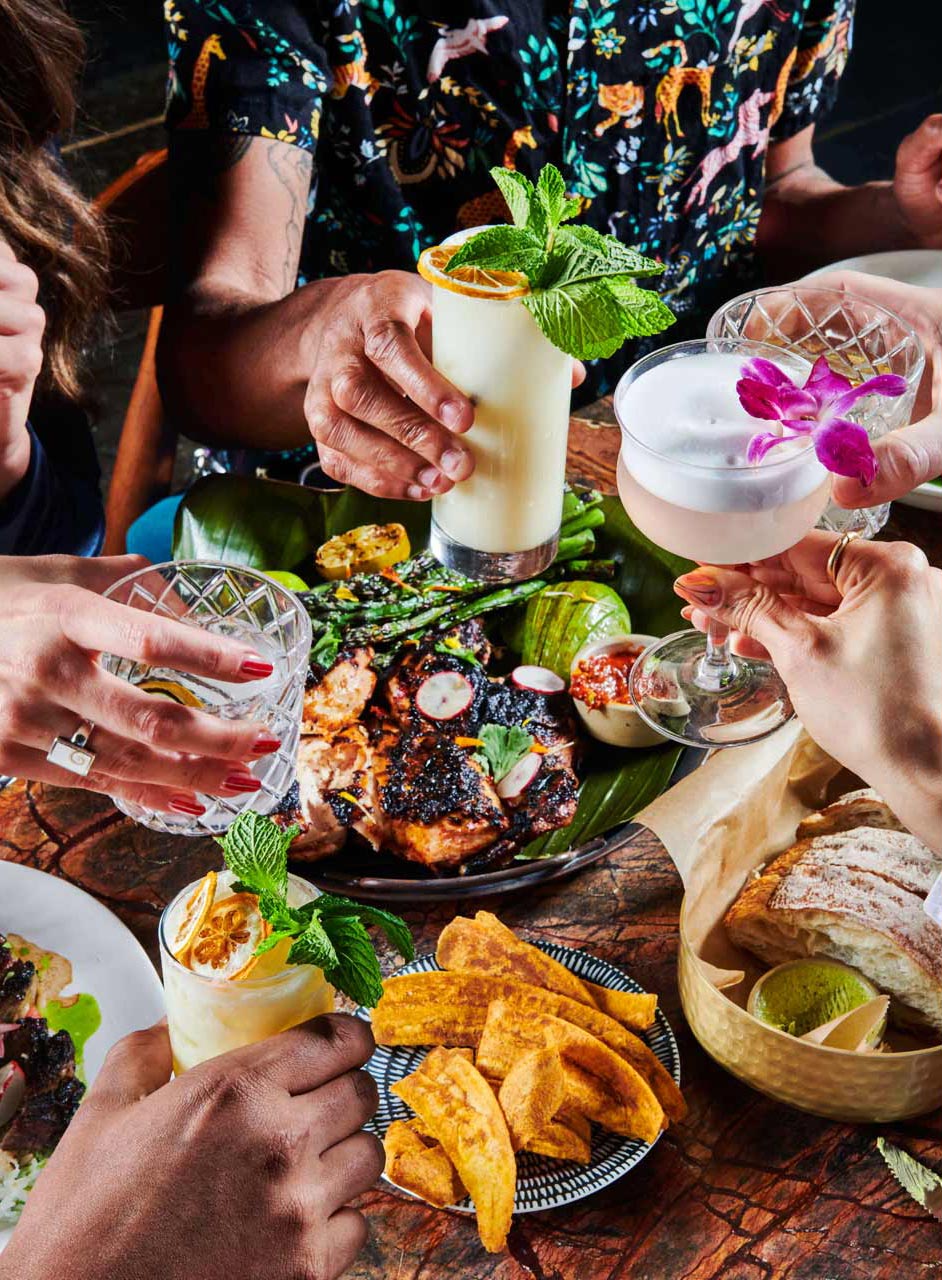
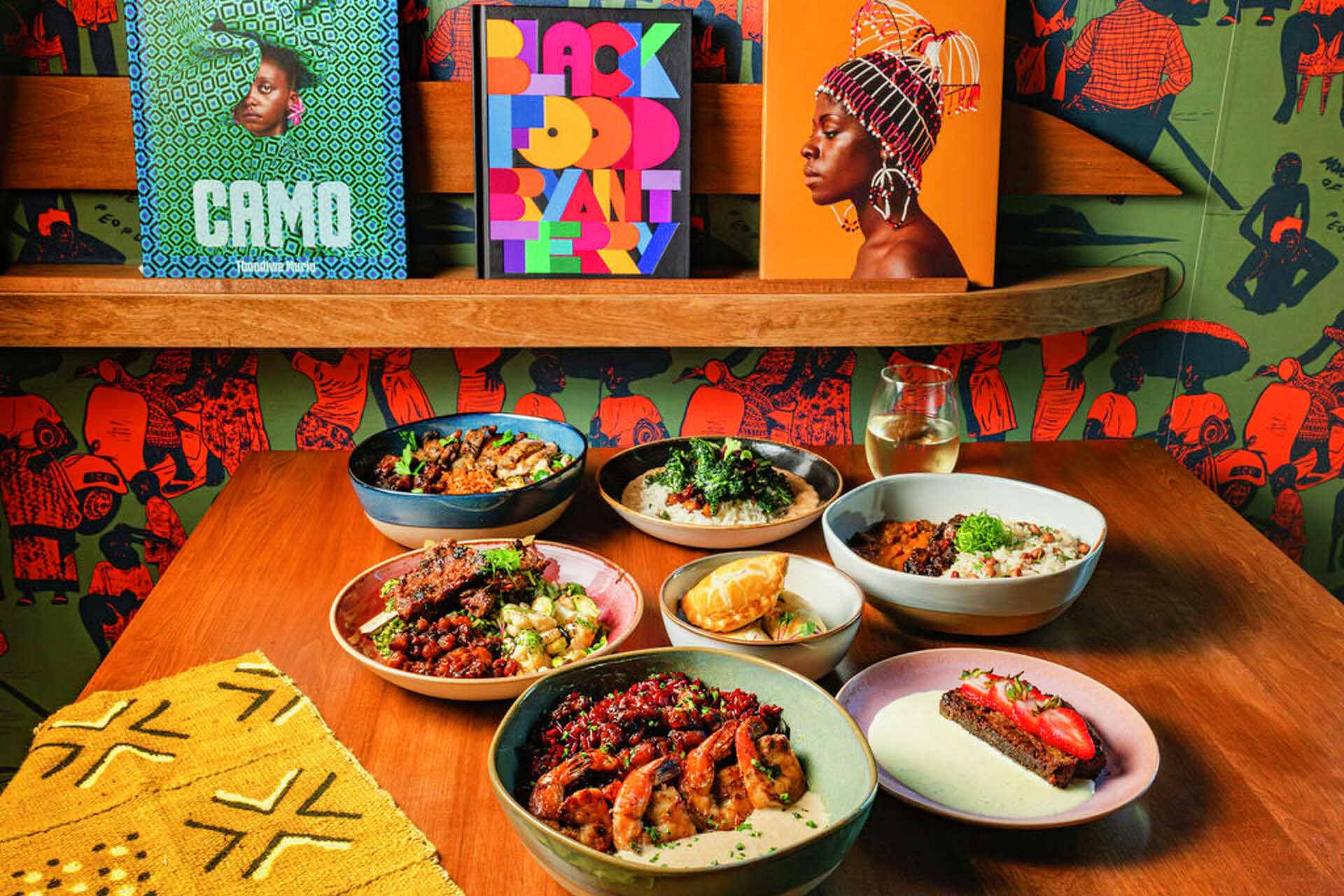
Inspired by a proliferation of successful fast-casual spots, Amosu started shaping his vision for what would become his restaurant, ChòpnBlọk. “I was like, I'm going to go ahead and create the first modern West African-inspired food and beverage concept to showcase the beauty of our culture,” he says. ChòpnBlọk’s menus draw from Nigerian and broader regional traditions, placing West African ingredients and techniques at the center of the table. Dishes like polo club suya, a smoky grilled beef skewer sprinkled with a peanut-based spice blend called yaji, and jollof jambalaya are traditional West African dishes, but also show how connected African and African American foodways are.
Leadership, for Amosu, is inseparable from the collective effort that occurs in the restaurant, and he is attentive to the ways care and accountability show up across both the kitchen and the dining room. His team understands “that our work is rooted in heritage, community and journey,” he says. “Every dish carries history, migration, resilience and celebration.” Cooking West African food in the U.S. comes with responsibility, particularly when so much context has been lost or distorted over time.
That responsibility also informs how Amosu thinks about what comes next. He hopes for a dining culture that approaches African food with curiosity and understanding rather than novelty. “I hope it expands curiosity, respect and imagination,” he says. “That people begin to understand African food as layered, refined, regional and deeply intentional… normalized as essential to the global dining conversation.”
“We’ll continue to move with the flavors, stories and traditions that shaped us because that’s who we are and that’s how we’ll always show up.”
Omar Tate & Cybille St. Aude-Tate, Honeysuckle (Recommended)
Philadelphia, Pennsylvania
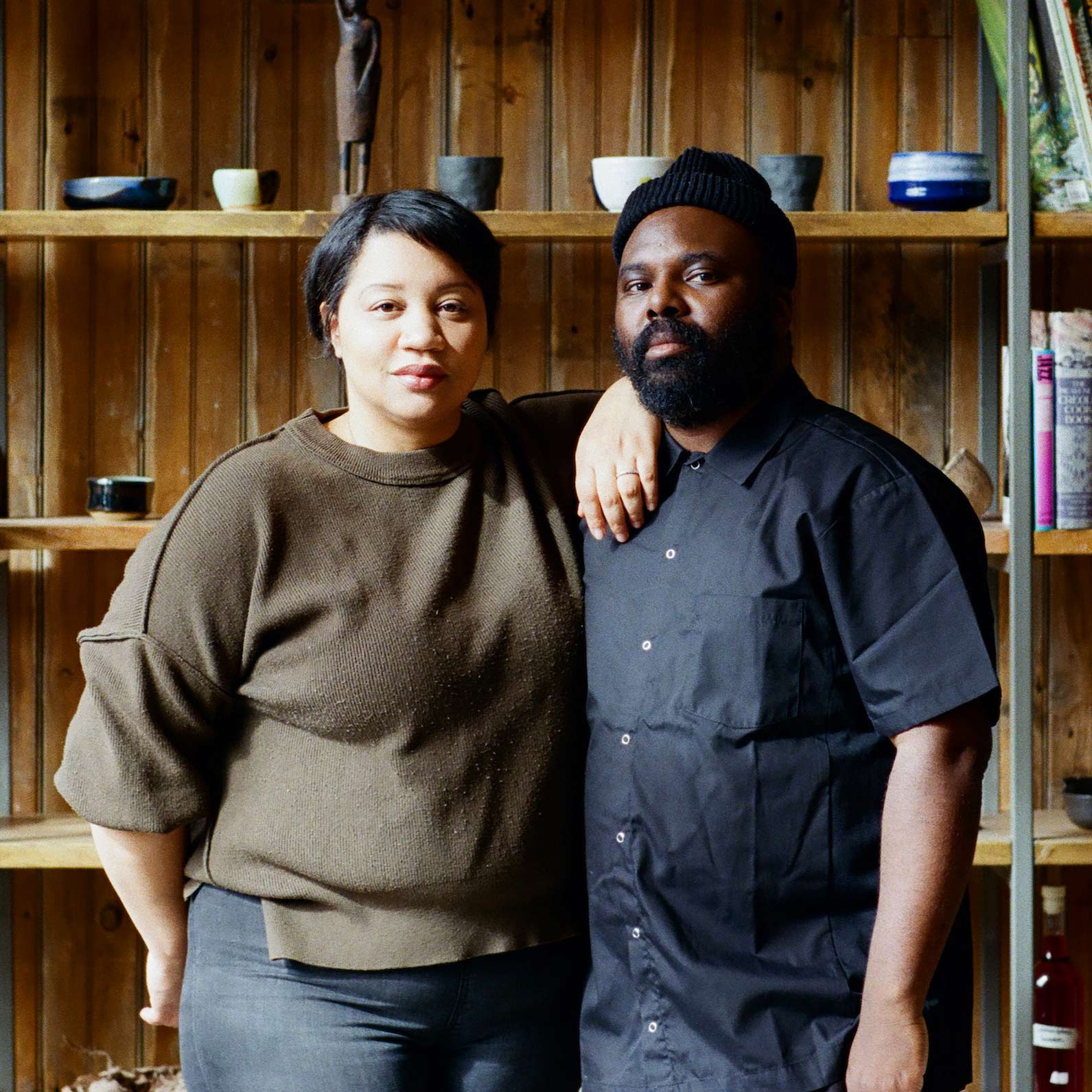
Honeysuckle grew out of years of exploration that moved between kitchens, archives, conversations and cities. Co-founded by husband-and-wife Chefs Omar and Cybille St. Aude-Tate, the restaurant reflects a way of thinking about food that is shaped by sense of place — Philadelphia remains central to the restaurant’s identity — as much as by technique. Before Honeysuckle became a full-service restaurant in Philadelphia, it existed as a trailblazing Afrocentric grocery and café, where dinners and pop-ups brought together cooking, art and storytelling. Those early gatherings allowed ideas to take shape slowly.
Omar's cooking draws from Black food traditions across the diaspora, but it remains grounded in the rhythms of the seasons and place. His culinary path includes time in professional kitchens like Nectar in Philadelphia and The Henry in New York City, as well as years of independent study. He has spoken often about learning through books, oral histories and observation, paying attention to how food reflects migration, labor and survival. Cybille brings a complementary history to Honeysuckle. As a Haitian American chef, her relationship to food is shaped by the culture and traditions of Afro-Caribbean people, diasporic displacement and the ways culture is preserved through ritual and daily practice.
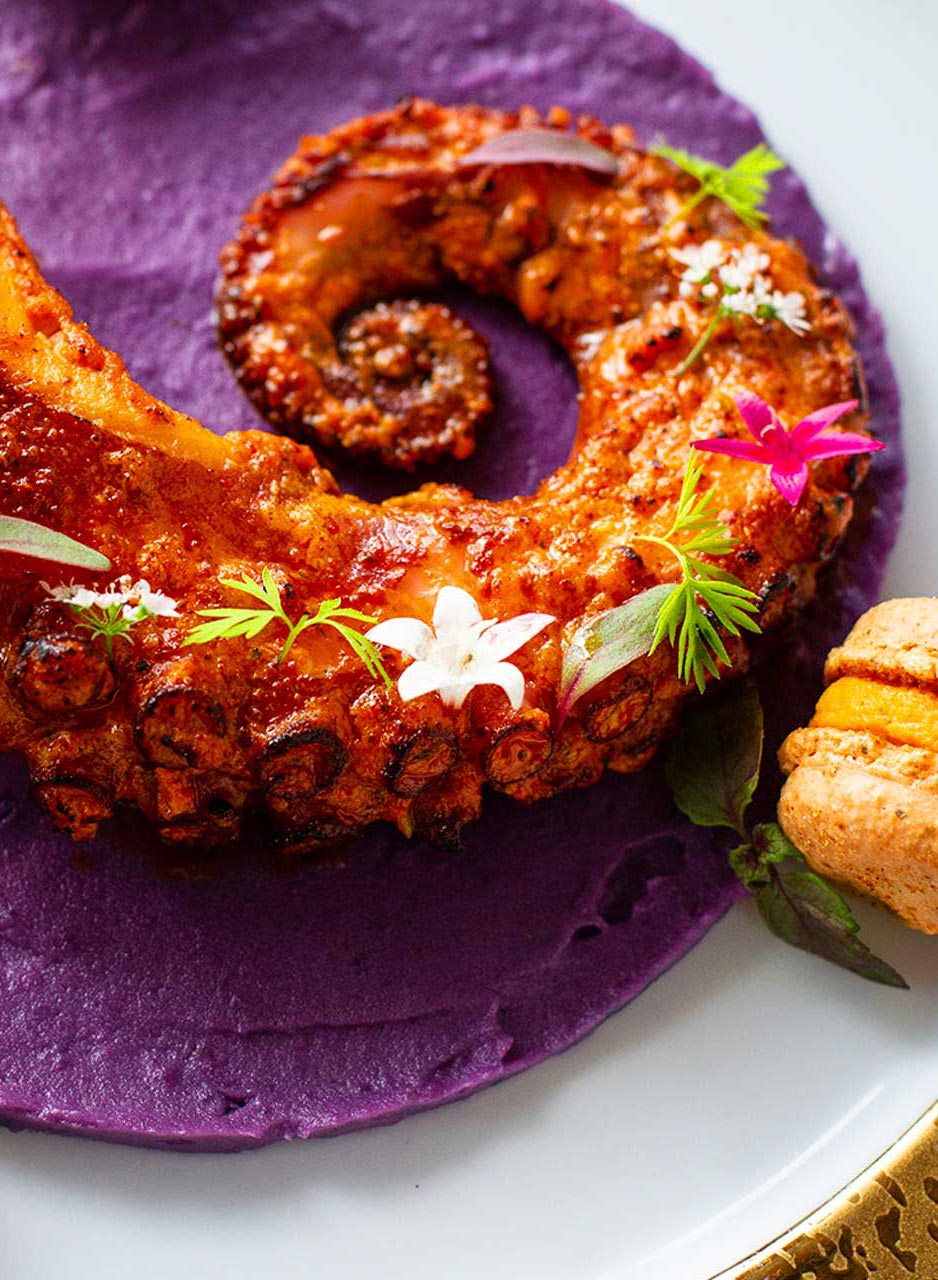
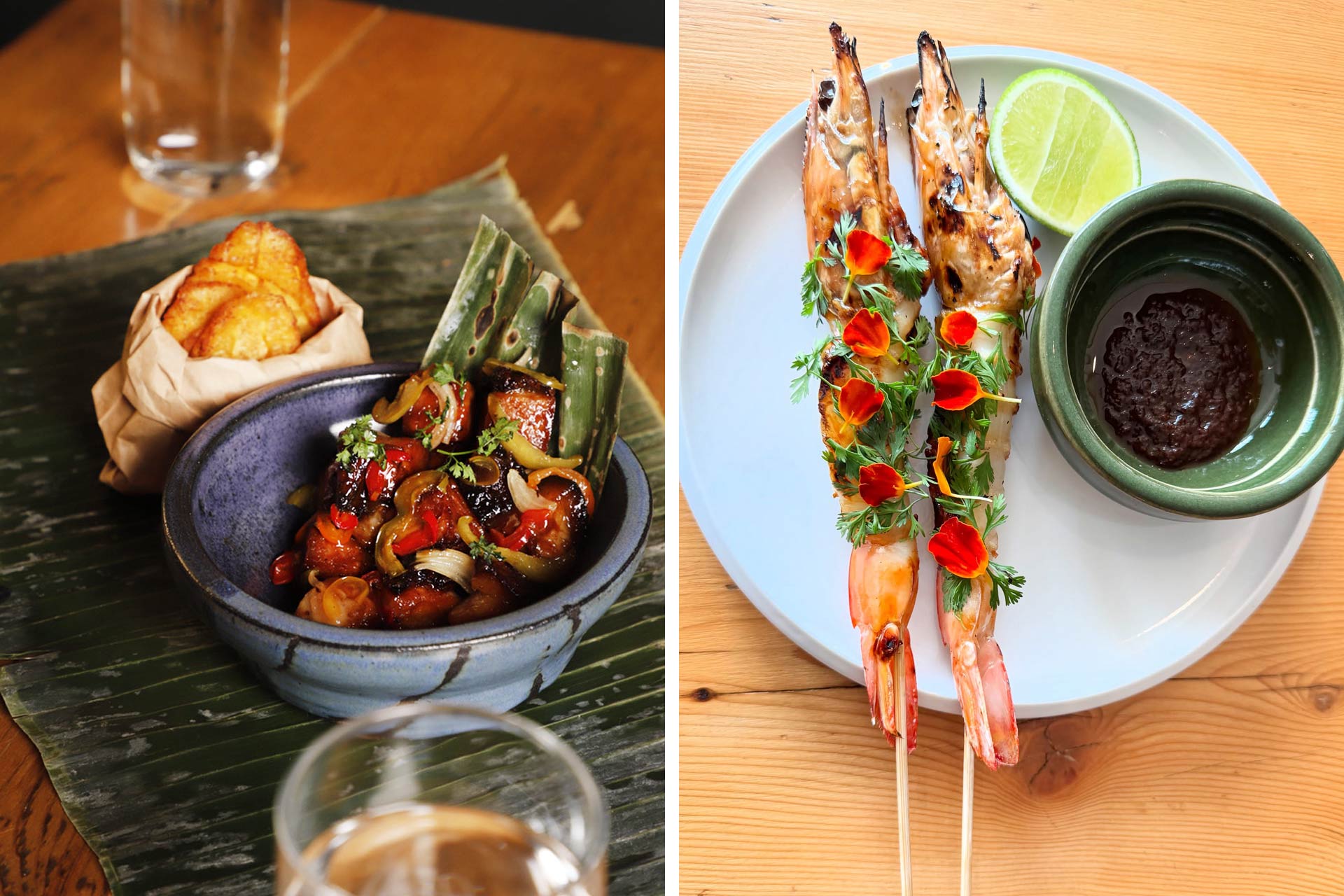
Together, Omar and Cybille approach Black food through the lenses of history, art, music and politics. At Honeysuckle, that perspective is celebrated through rotating in-house art installations and seasonal local produce that showcases indigenous ingredients and ancestral grains sourced from a network of Black farmers and Honeysuckle’s own farm in Pipersville, Pennsylvania. Dishes may reference archival material or ancestral techniques, but they arrive at the table as food first, allowing diners to engage through taste. Legim, a hearty Haitian stew with chayote, eggplant, summer squash, cabbage and coconut rice shares the menu with fried catfish and peppers, and pippin’ pepper prawns with shitto (Ghanian hot chile sauce) — all dishes that weave across the African diaspora carefully and all telling stories of their own.
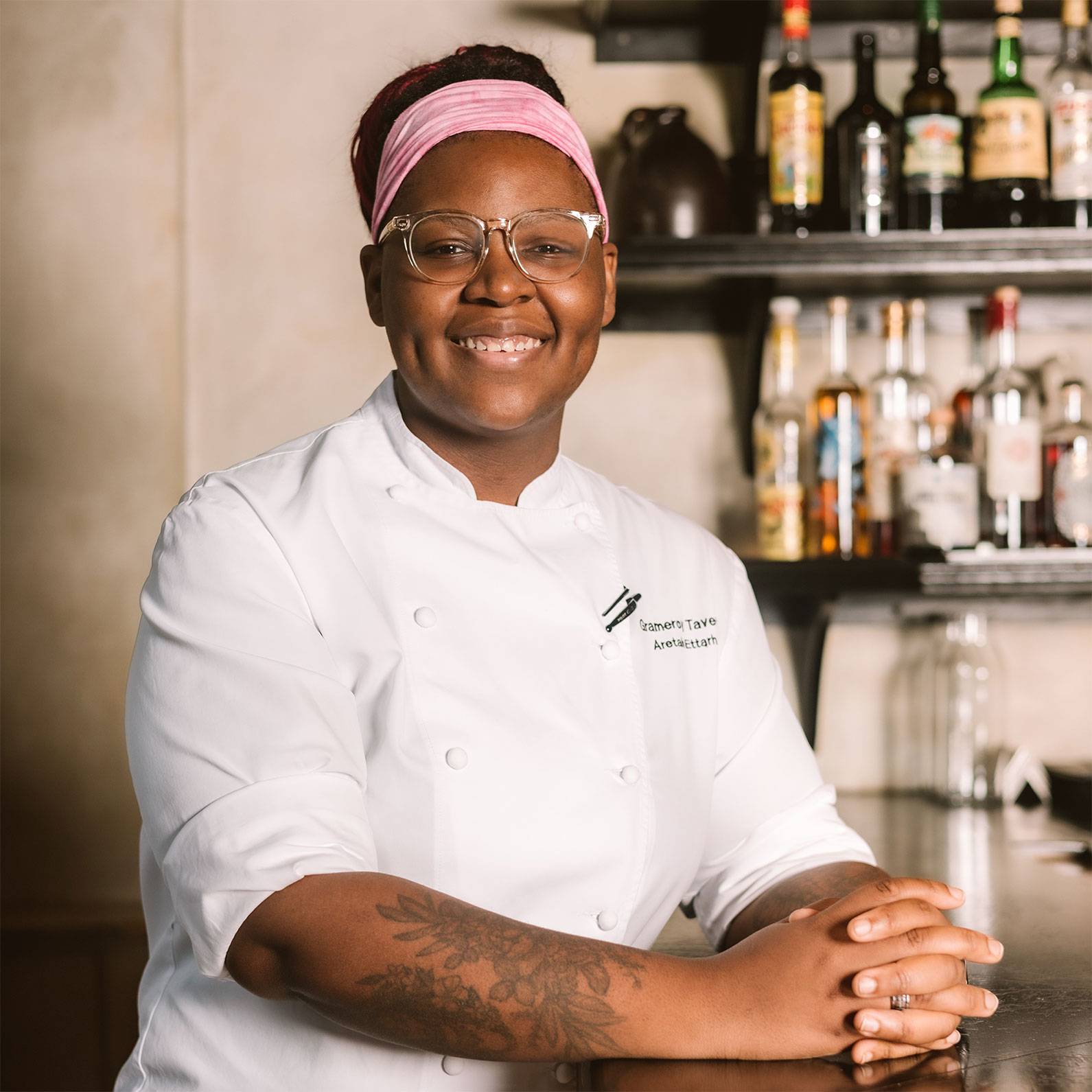
Aretah Ettarh, Gramercy Tavern (One Star)
New York City, New York
Aretah Ettarh’s path through the kitchen has been shaped by intention and longevity. After graduating from the University of Delaware and The Culinary Institute of America, she built her career inside fine dining, moving steadily through professional kitchens. Now a leader in the kitchen at Gramercy Tavern, alongside Executive Chef Michael Anthony, Ettarh operates within a restaurant known for its scale and history, having first opened in 1994 by legendary restaurateur Danny Meyer and known for its impeccable service, dedication to community and pioneering farm-to-table ethos.For Ettarh, leadership at this level is as much about stewardship as it is about creativity. “The work that I, and the team, do at Gramercy Tavern has never inherently been about getting awards and recognition,” she says. “While yes, it’s a restaurant that has a long-storied legacy, it’s also a place that never wants to stay stagnant,” she says. “We push ourselves to stay fresh, relevant and original.”
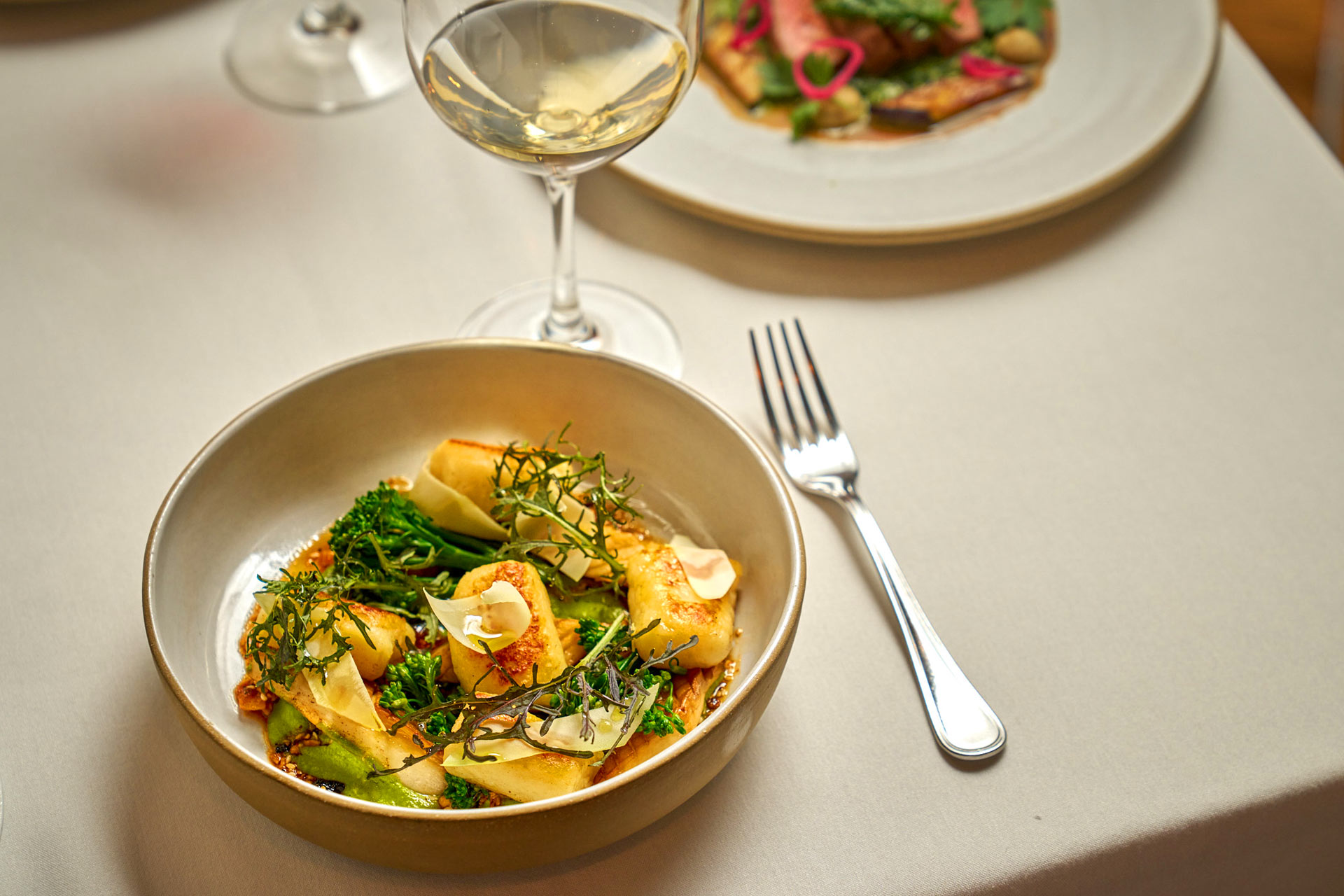
As such, well-loved dishes might have many lives. Ettarh’s very first composed dish — hay-smoked gnocchi, which she came up with while smoking potatoes for another dish — might be served with basil and almonds one season, then asparagus, mushrooms and chiles the next.
Ettarh’s presence at the helm carries weight, particularly as a Black woman leading one of New York’s most established dining rooms. She is clear-eyed about that reality without allowing it to eclipse the work itself. “It’s certainly not lost on me that being a Black chef, and a Black woman no less, at the helm of a restaurant like Gramercy Tavern is still considered a big deal,” she says. “And frankly, I consider it a big deal.”
At the same time, she understands the position as something larger than individual accomplishment. “I also know that being in this position is bigger than me,” she continues. “It’s a real opportunity to remind cooks and chefs who look like me that they don’t have to limit their dreams and aspirations.”
Related Articles:
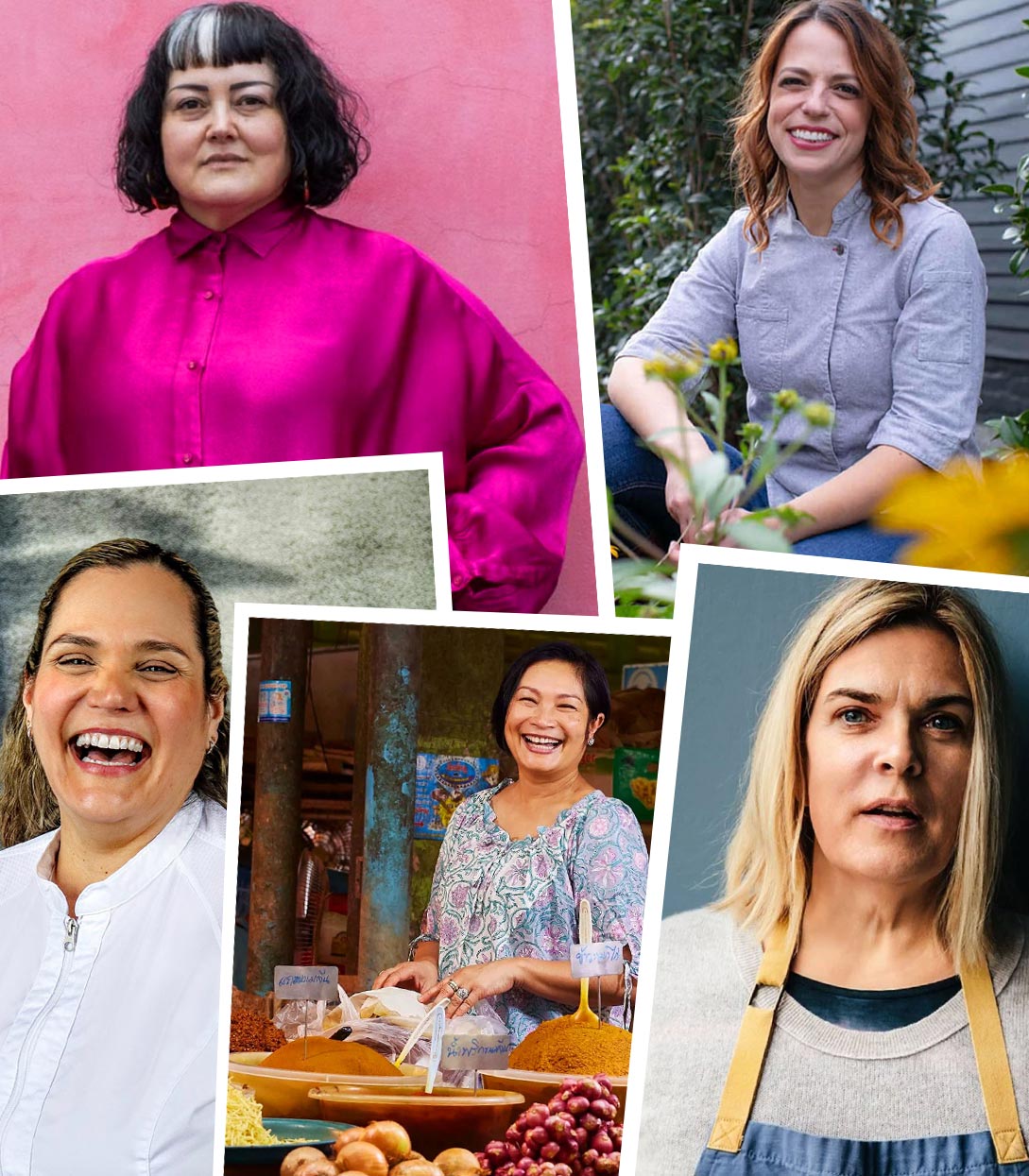
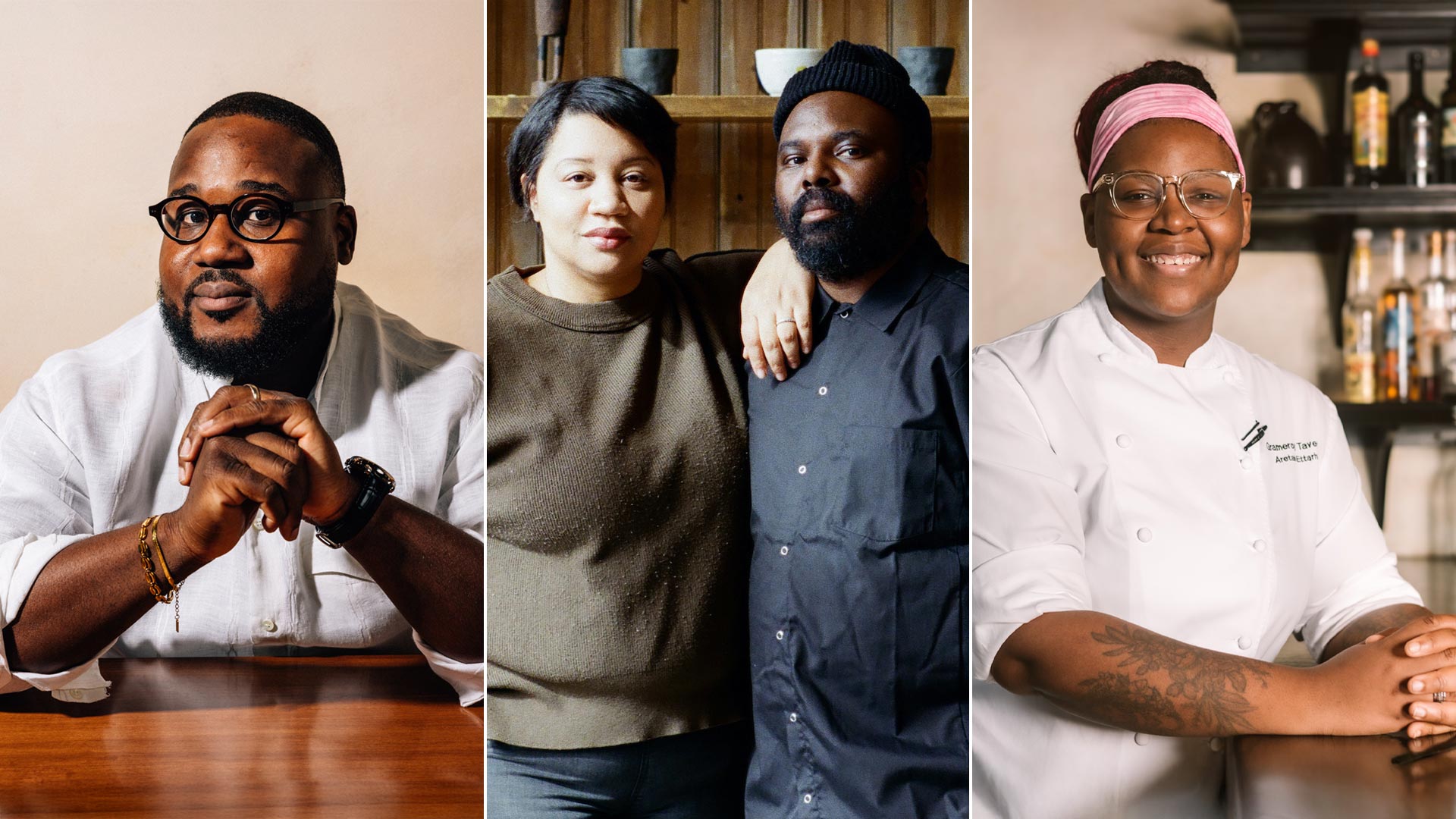
Hero image: Collage - Chef Ope Amosu. ©Arturo Olmos | Omar Tate & Cybille St. Aude-Tate of Honeysuckle. ©Clay Williams/Honeysuckle | Aretah Ettarh, Chef de Cuisine of Gramercy Tavern. ©Rashida Zagon
Thumb image: ChòpnBlọk. ©StuffBenEats/ChòpnBlọk