08 May 2026
Share


From New York to Chicago, Houston to Washington, D.C., a new generation of chefs is shaping what it means to serve Indian cuisine at the highest level. These kitchens honor the deep history and regional complexity across India, while experimenting with new presentations and flavors.
As Chef Vijay Kumar of Semma in New York CIty observes, Indian cuisine is now being recognized “with much more depth and nuance of India’s vastness, giving chefs the opportunity to tell those stories more authentically.” Chef Mayank Istwal of Musaafer, in Houston, sees a dynamic future that is simultaneously "fiercely rooted and boldly experimental, both more regional and more global, on equal footing with any other major culinary tradition.”
Semma and Musaafer, along with Indienne in Chicago and Rania in Washington, D.C. each offer a vision for the cuisine, reflecting the future of Indian food in the United States.
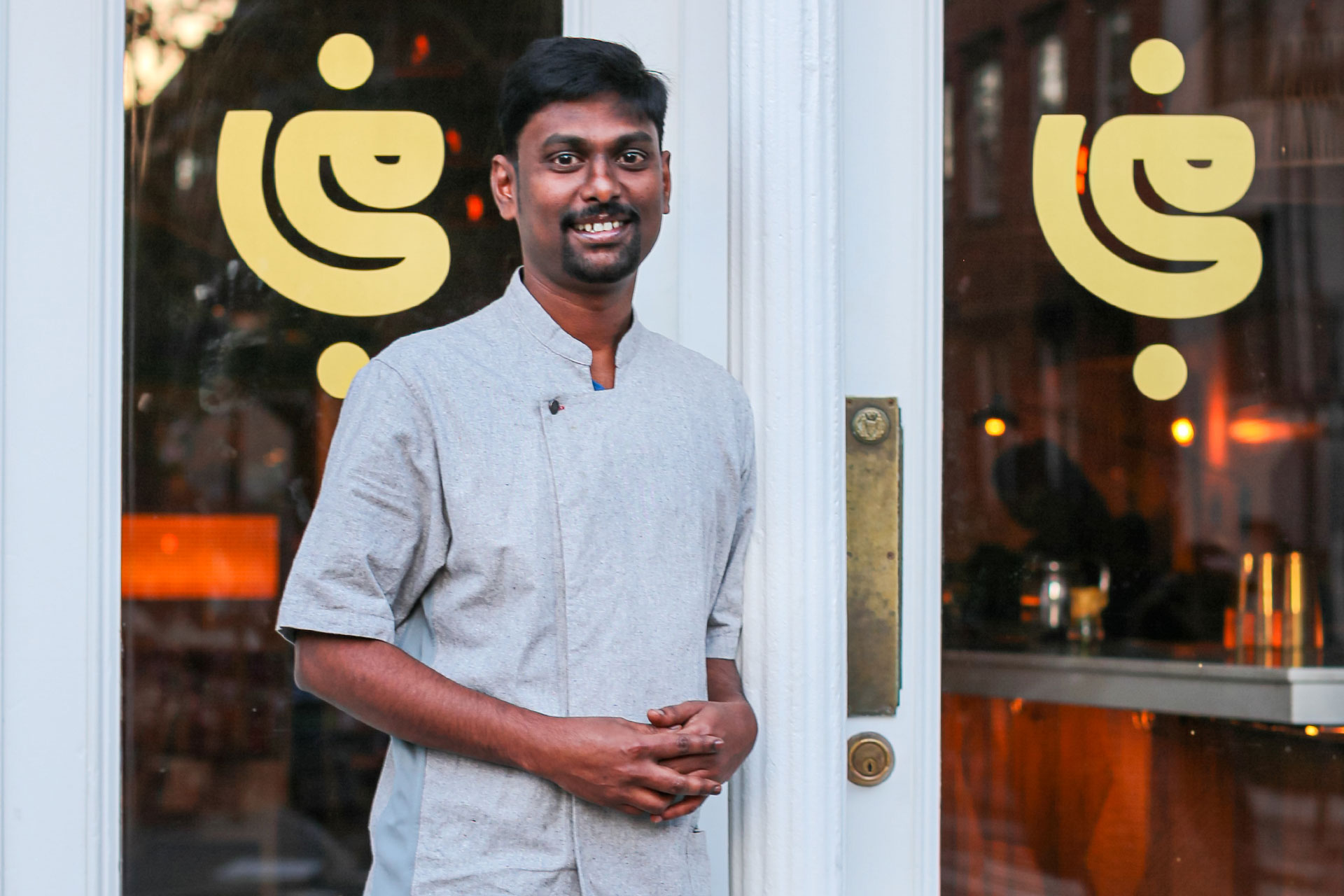
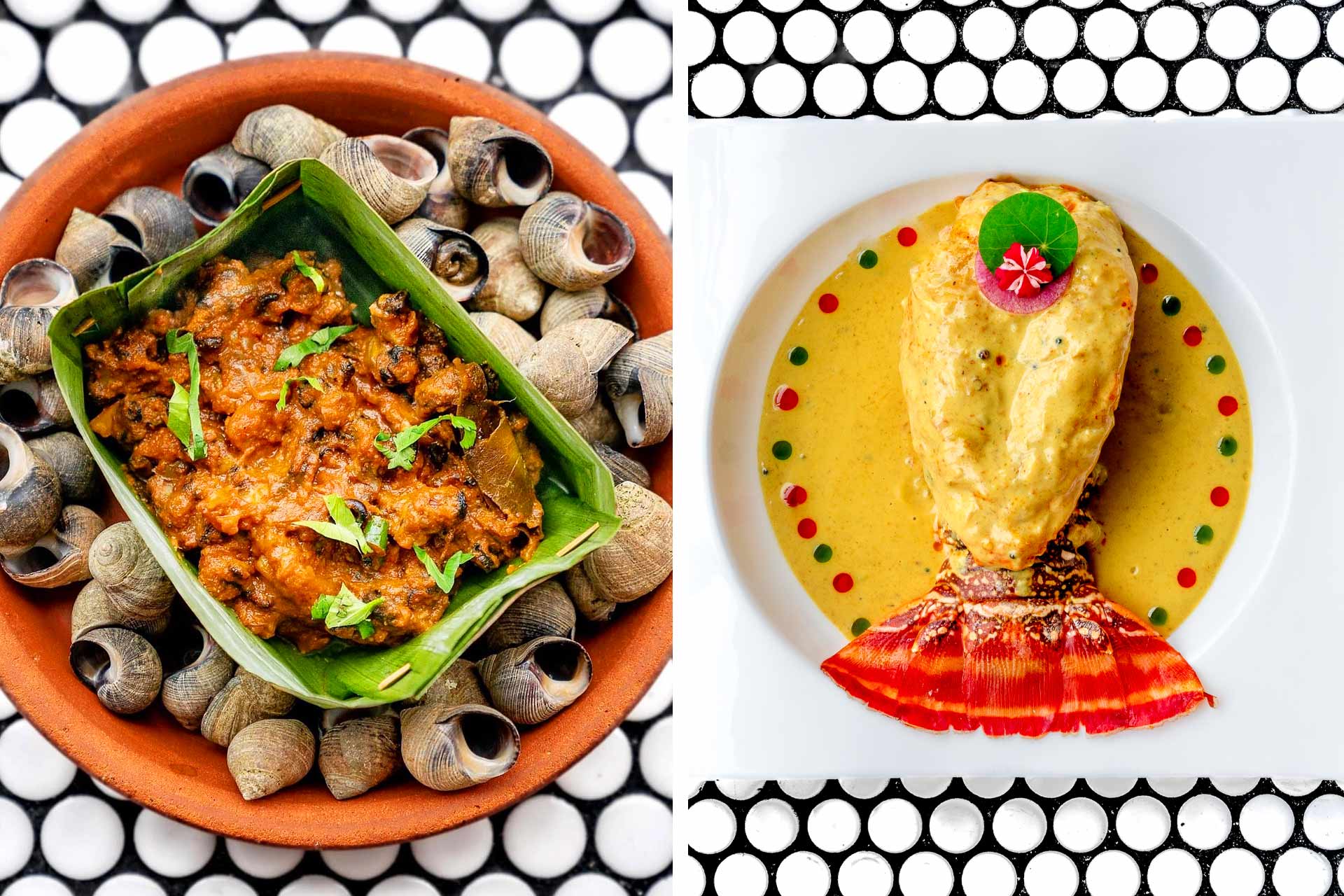
Semma
New York, NY
At Semma, Vijay Kumar brings the flavors of Tamil Nadu to New York, honoring South Indian cooking with precision and care.
For Chef Kumar, food was always the center of his family and his world. “That early exposure and closeness is what first drew me to the kitchen.” After honing his craft at restaurants around the world (and even on a cruise ship), he returned to the dishes of his childhood with ingredients like goat intestines, deer shanks and snails.
“I built the menu by looking back at the food I grew up eating in Tamil Nadu from small roadside spots, foods in villages, local markets and dishes my mother and grandmother made,” Kumar says.
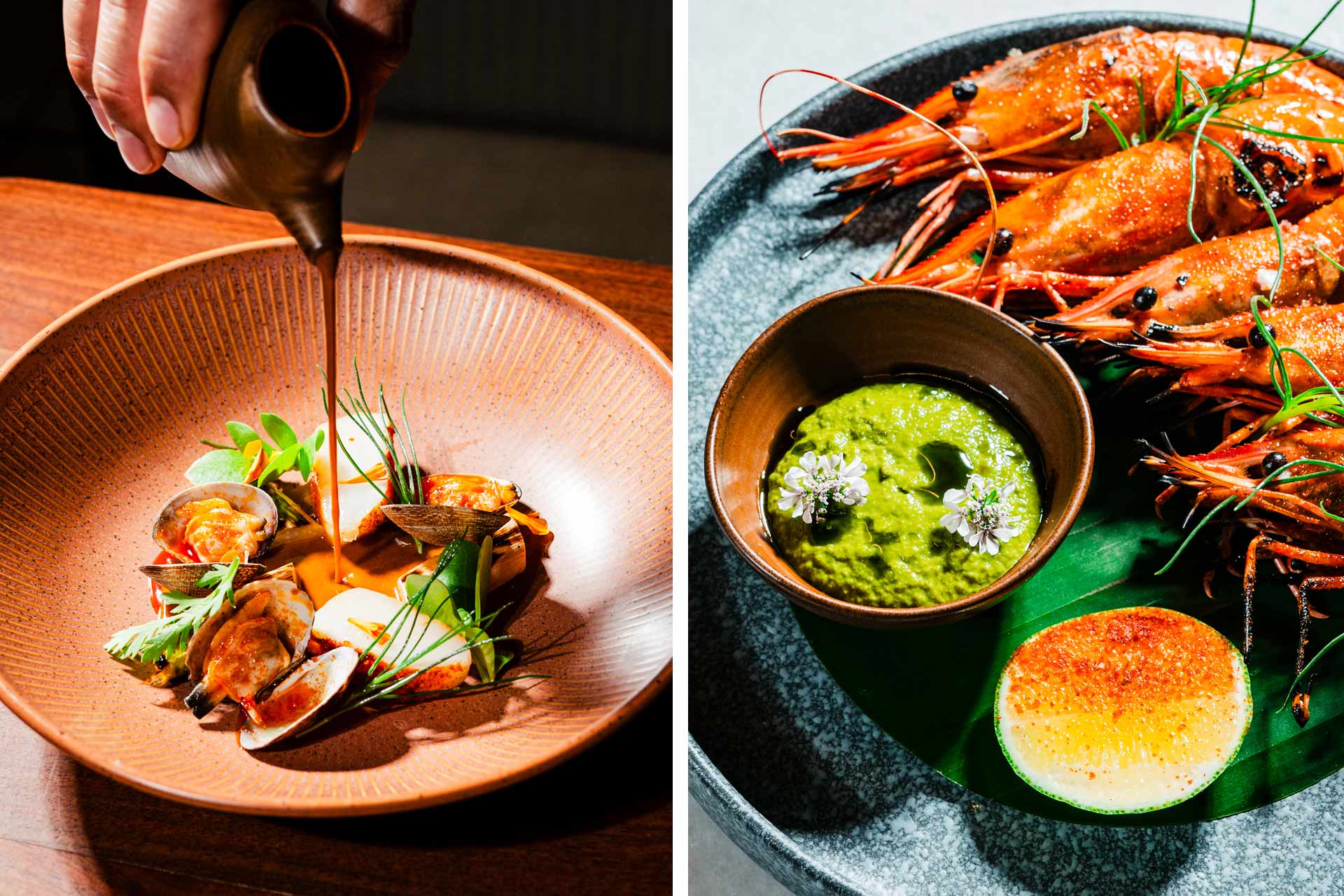
Standout dishes reflect both memory and mastery. The nathai pirattal, a snail curry, exemplifies rural Tamil Nadu cooking rarely seen elsewhere, combining humble ingredients with advanced techniques and layered masalas. He reminisces, “I have vivid memories of foraging for snails after a heavy rain when I was young, something many families in my village did.”
Kumar emphasizes the balance between tradition and innovation: “The foundation of the dish always has to stay traditional, especially the spice combinations, techniques and the way flavors are built. Once those elements are respected, we can think about how to present it or adapt it slightly for a restaurant setting without losing the identity of the dish.” Sourcing plays a critical role in preserving authenticity, with local farmers providing seasonal produce and high-quality Indian spices ensuring every plate is true to its roots.
Guests leave Semma with a deeper understanding of South Indian flavors. “If they walk away having experienced flavors or ingredients they’ve never encountered before and with a new appreciation for that part of India, then we’ve done our job.”
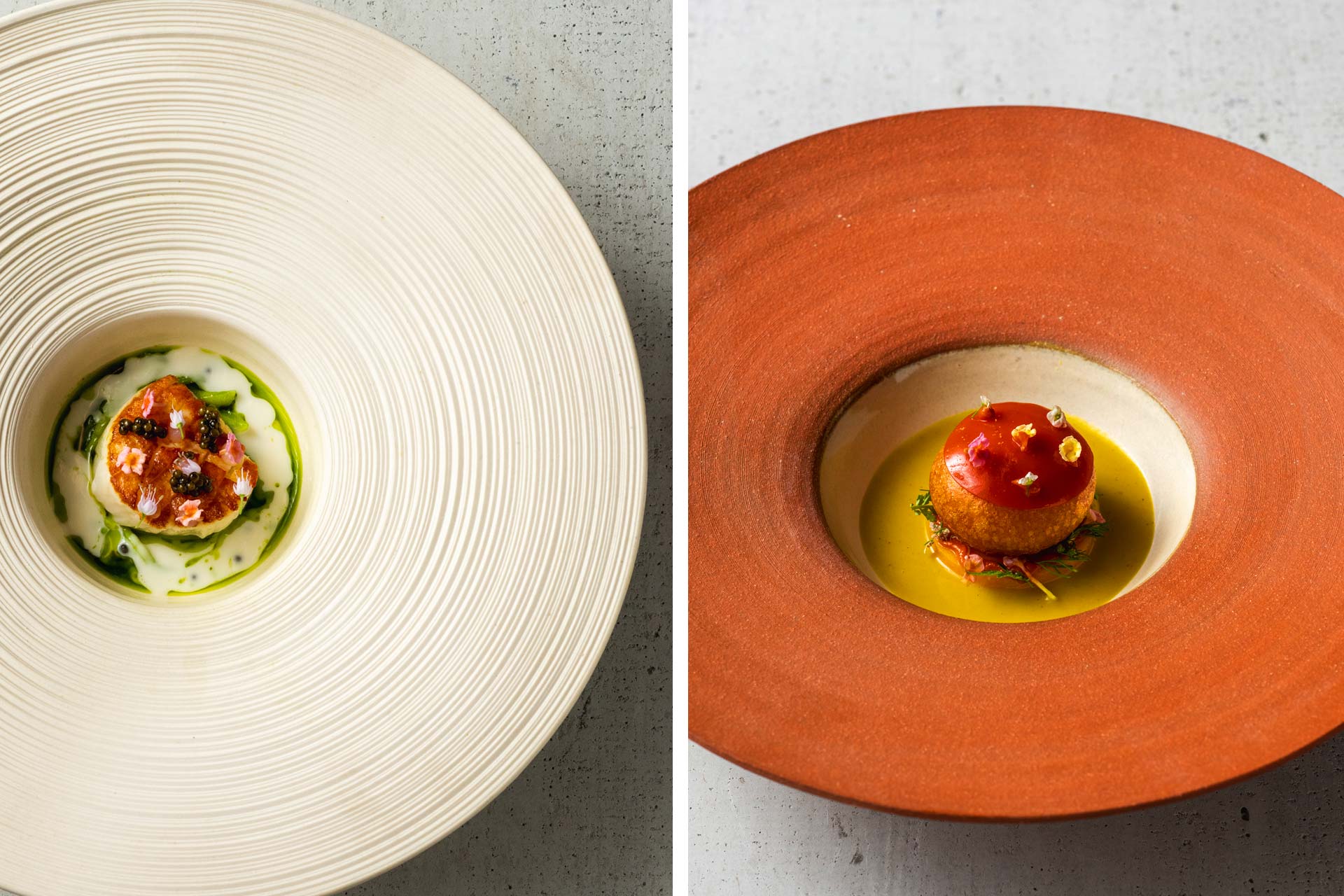
Indienne
Chicago, Illinois
In Chicago, Indienne takes complex Indian flavors and expresses them through Chef Sujan Sarkar’s vision. He explains, “It’s less about reinventing Indian food and more about refining how it is experienced.”
Sarkar’s culinary path began in Kolkata and later Mumbai, where food was inseparable from daily life. After a journey through culinary school and kitchens in London, he returned to India, which was a turning point where he began to shape his own perspective on Indian cuisine. He explains, “Each of these moments pushed me to better understand my voice as a chef.”
Chef Sarkar’s roots give him a distinctive understanding of Indian flavors, while his journey taught him a wider perspective. “Indienne exists grounded in memory but shaped by experience. It allows me to look at Indian cuisine with both respect and objectivity.”
The Indienne menu is an exercise in thoughtful curation, built from memories and intentionally building from there. He explains, “you have to understand the foundation of a dish before you change it. The flavor, the balance and the cultural context are non-negotiable. Once that is clear, you can begin to reinterpret with intention.”
Sarkar points to his chicken katli, a reinterpretation of a traditional Indian sweet in a savory format. It’s built in layers, with a sous vide chicken breast, chicken gushtaba (meatball) and chicken mousseline (purée) finished with black truffle. “It represents what we try to do at Indienne, taking something deeply familiar and transforming it into a completely new experience, while still retaining its core identity.”
For guests, Chef Sarkar wants them to “leave with a shift in perception,” gaining a deeper appreciation for the nuance, restraint and expressive power of Indian cooking.
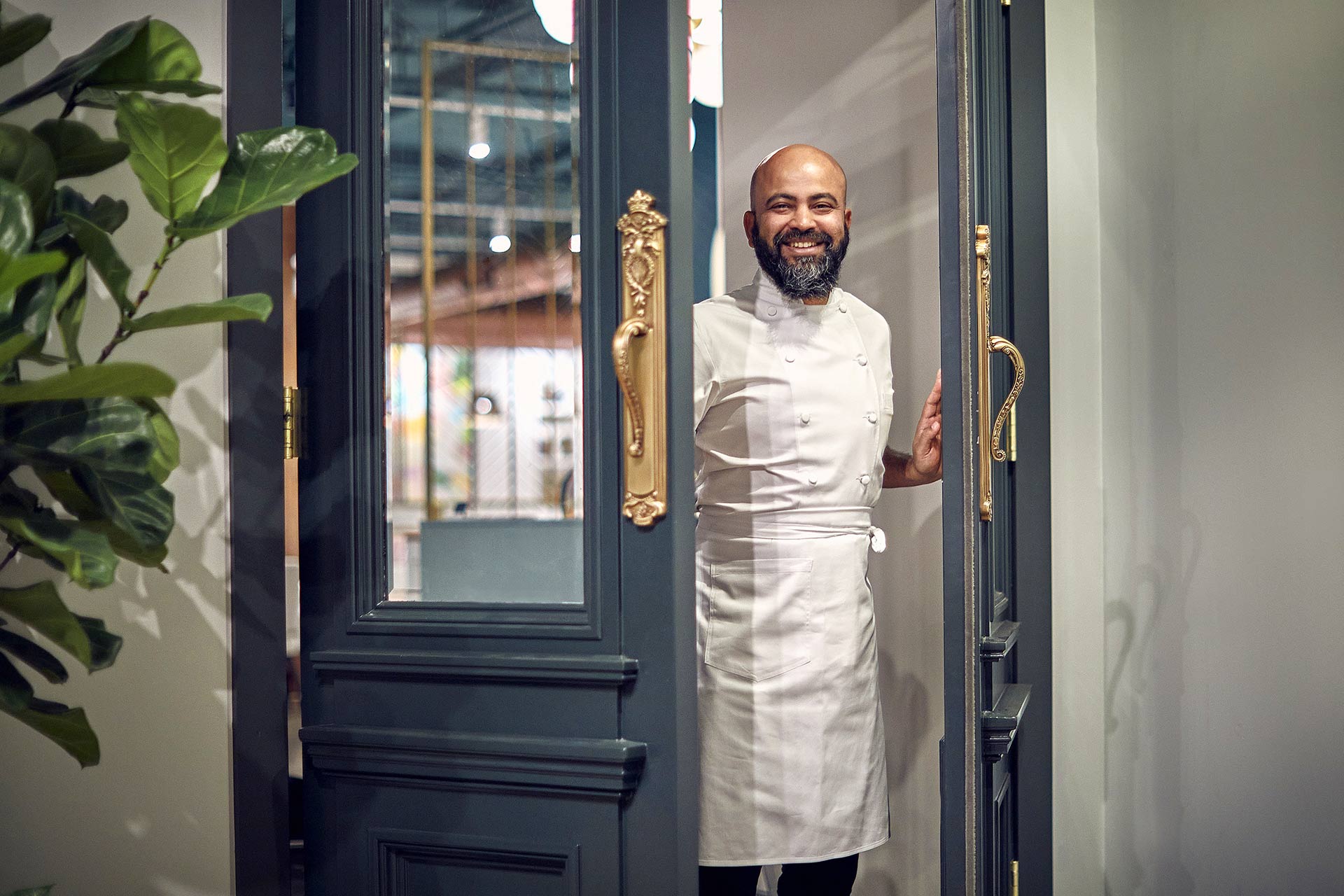
Musaafer
Houston, Texas
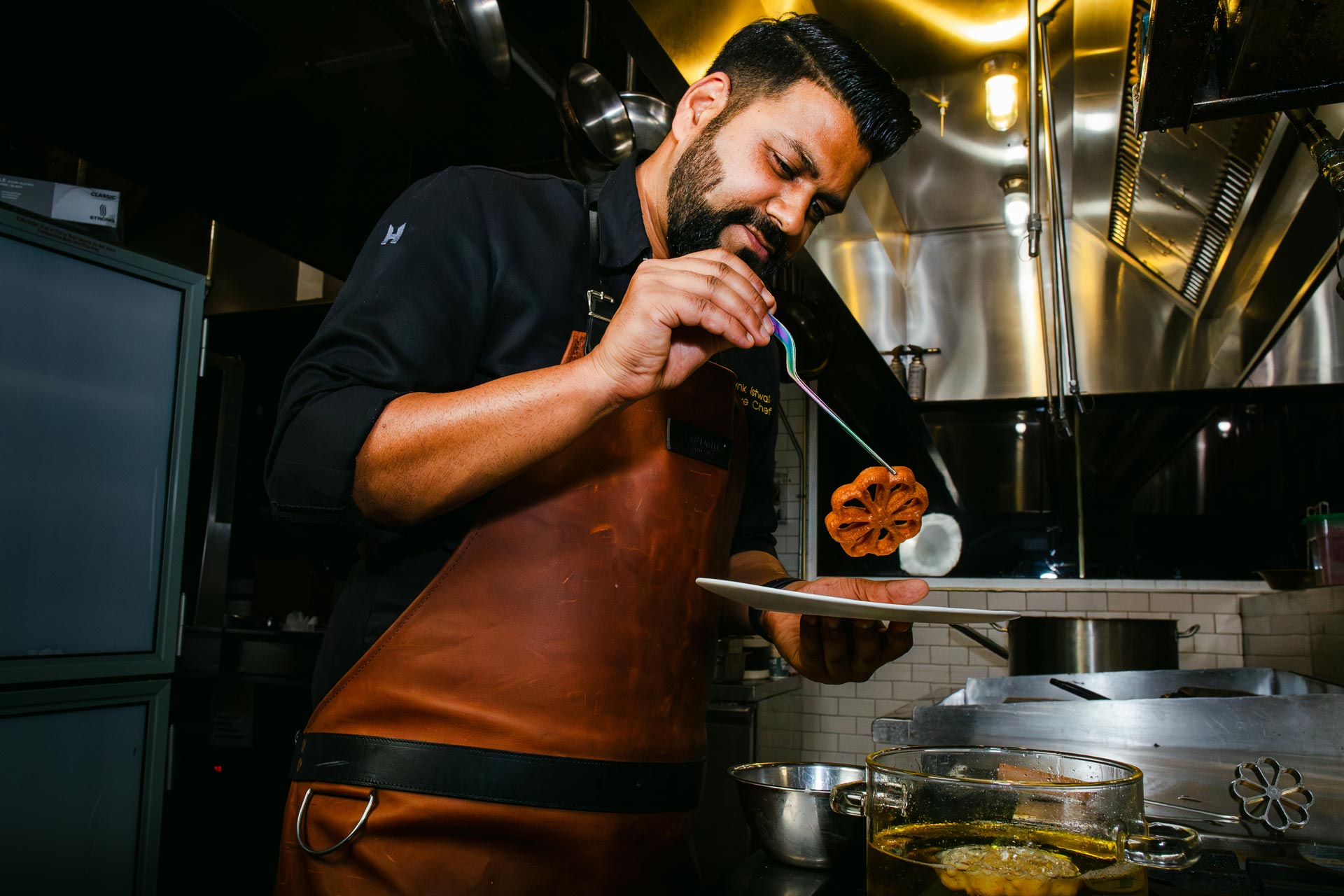
Musaafer is a journey through India, inspired by Chef Mayank Istwal’s own culinary expedition across the country’s regions. He first explored “home kitchens, markets, royal recipes and street food” to build the foundation and then imagined how to present those flavors to Houston diners.
Istwal’s inspiration began with nourishment on his family farm in Uttarakhand, which borders Nepal and China. “Every meal was a celebration of freshness. The ingredients came straight from our kitchen garden to the table, often harvested just moments before they were cooked,” he recalls. Time spent with his grandfather, a traditional medicine practitioner, foraging in the Himalayan foothills further shaped his reverence for ingredients and their stories.
At Musaafer, tradition is a guide that opens the door for exploration. “The starting point for every dish is a simple question: What is sacred here? Sometimes it is a specific spice blend, sometimes a cooking method, sometimes the emotional memory attached to a dish. Those core elements remain non-negotiable.” Around them, Musaafer innovates.
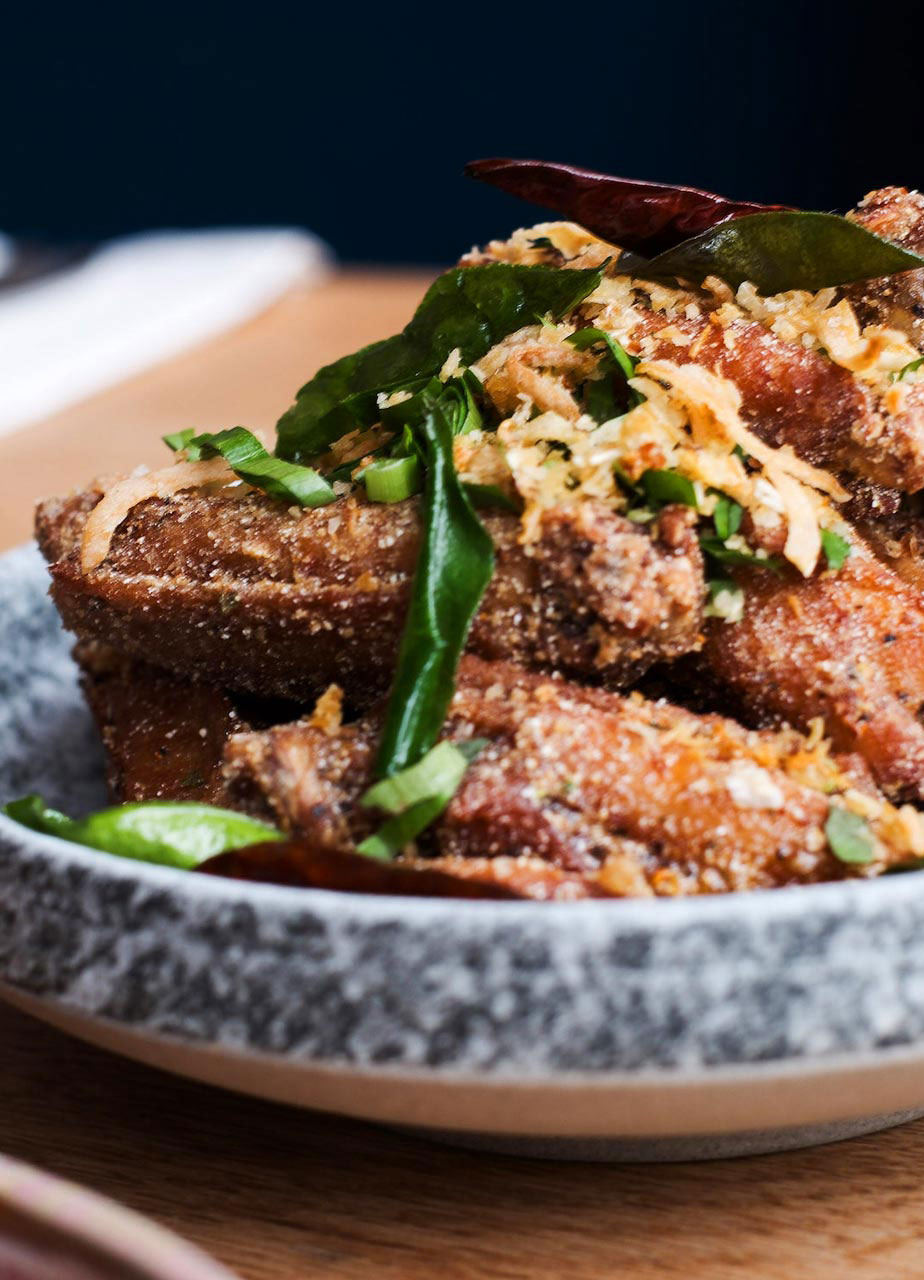
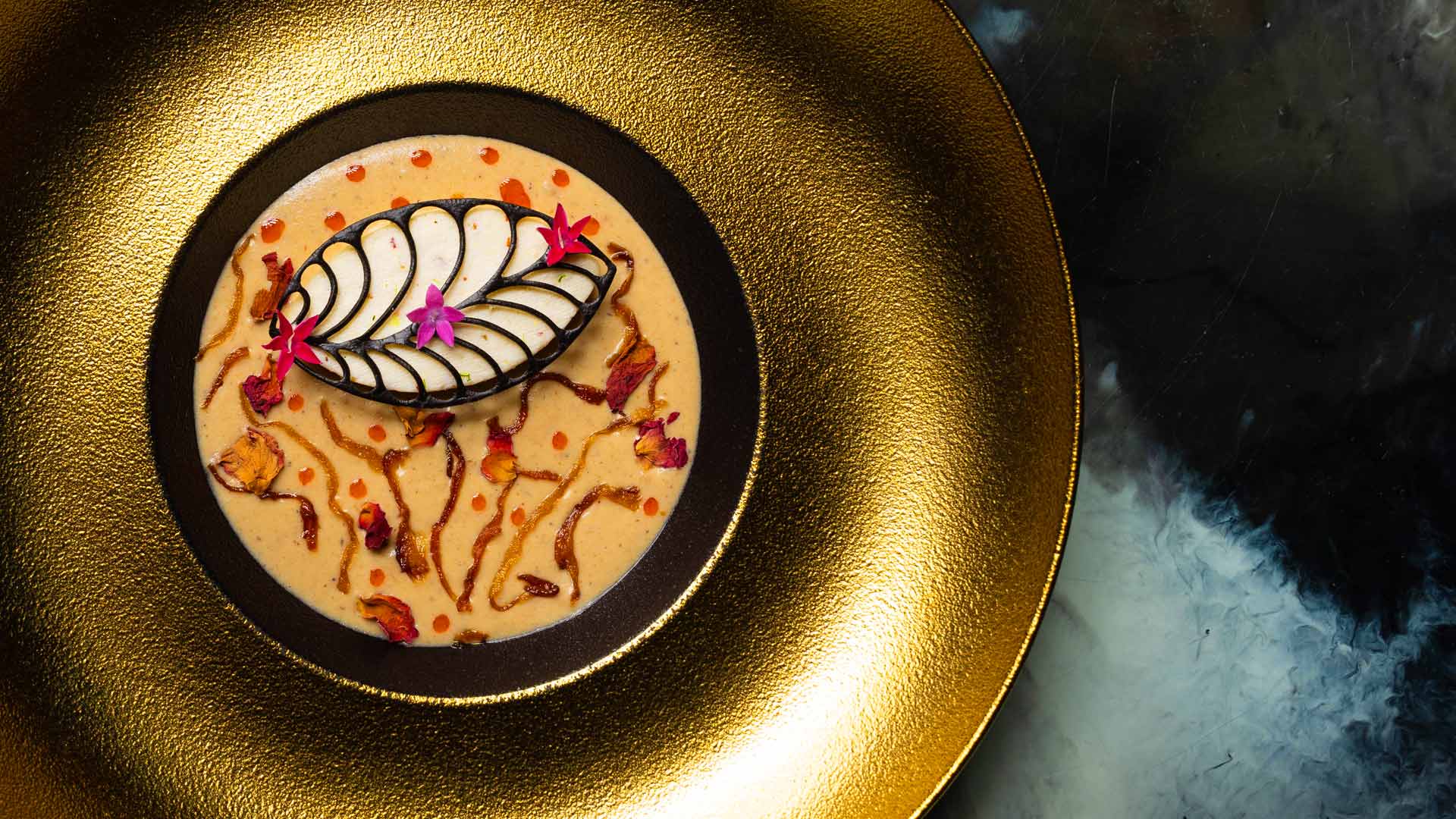
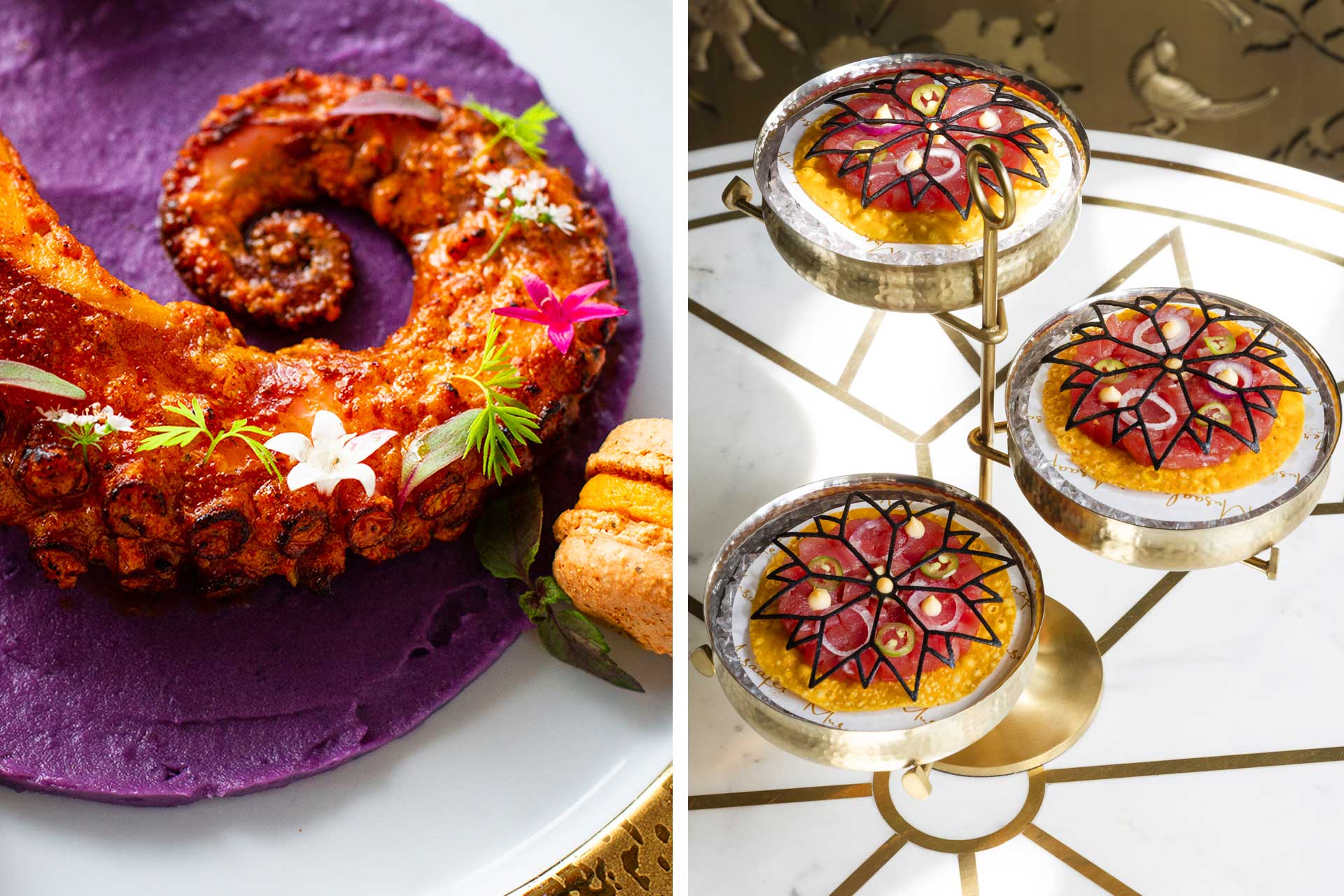
According to the chef, a defining dish is the lychee ceviche, which appears jewel-like and balances sweetness, acidity, spice and texture. Guests gravitate towards the paneer rezala (creamy curry with cheese), which he says tastes “both indulgent and unexpectedly light.”
Taking what he learned in his childhood, Chef Istwal maintains a sourcing philosophy that focuses on close relationships with farmers. “We champion local, seasonal produce from Texas while also bringing in key ingredients from India when they are essential to authenticity.”
Musaafer aims to transport diners across India through each bite, allowing them to walk away with a deeper appreciation of Indian cuisine. Istwal says, “If they remember one dish that surprised them, one story that stayed with them and the feeling of being genuinely cared for, then Musaafer has achieved its goal.”
Rania
Washington, D.C.
In Washington, D.C., Rania reinterprets Indian flavors through the lens of European fine dining techniques.
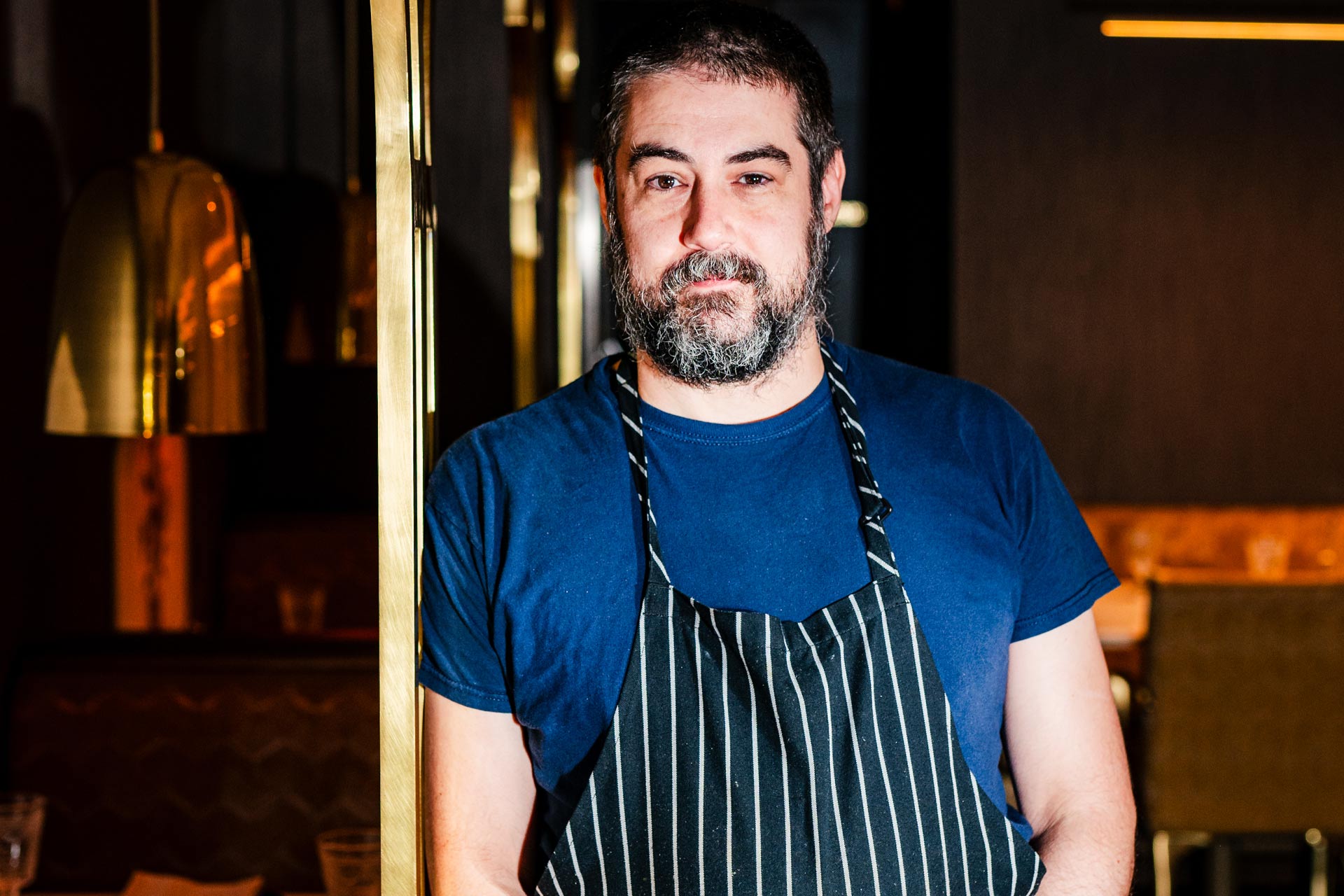
When the restaurant first opened, Chefs Chetan Shetty and Peter Boboris built the foundation together. Chef Shetty drew upon the flavors of his Western Indian heritage and Chef Boboris honed techniques with a deep respect for the “great sauce work” of Indian cuisine. Continuing the restaurant’s original vision, Boboris has thought of new ways to incorporate his learnings from New York, France and London through his experiences at MICHELIN-Starred restaurants like Atera, Daniel and The Clove Club and with chefs like Paul Liebrandt.
Dishes demonstrate how classic Indian flavors are reinterpreted. “I try to make the dish as traditional as possible and then take it from there,” Boboris explains. “Pani puri was traditionally an Indian street food served with potatoes. We decided to serve it with tuna tartare.” Other highlights include duck vindaloo with gochujang and tandoori-marinated squab with makhani sauce. Most recently, he added a dry-aging program and has started creating house-made koji.
For diners at Rania, the goal for Boboris is straightforward: “I want them to feel very welcome and enjoy the food.”
Related Articles:
Hero image: Paneer Rizala © Raydon Creative/Musaafer
Thumb image: Tandoori Octopus © Raydon Creative/Musaafer