15 May 2026

Share


The energy is electric when you wander through a city with a vibrant street food scene. From the appetizing aromas wafting off the sizzling grills, the crowds jostling to find the next tasty tidbit, to the countless succulent snacks to sample, there’s so much to savor, whether in tiny sidewalk stands, roaming food trucks or jam-packed night markets.
In Vancouver, you don’t have to head to the streets to capture this dynamic vibe. Several Vancouver restaurants are bringing this street food energy indoors.
Angus An, Executive Chef of Maenam, sees a larger trend in the food industry toward more relaxed dining that has parallels in street eats. Whether you’re enjoying your meal outdoors in a roadside stall or in a comfortably appointed restaurant dining room, An says, “People want an honest meal. More family-style food, more rustic food and less pretense. Something easy and super delicious. That’s what street food is.”
Below, we dive into some of Vancouver’s top spots bringing street-style food to the table.
Good Thief’s Street Food Energy
When Amélie and Vincent Nguyễn decided to open Good Thief, the sister-and-brother team saw this new venture as the “rebellious sibling” to Anh and Chi, their popular Vietnamese restaurant next door. “You come to Good Thief to be surprised,” says Amélie. “Every time I go, there's something new.”
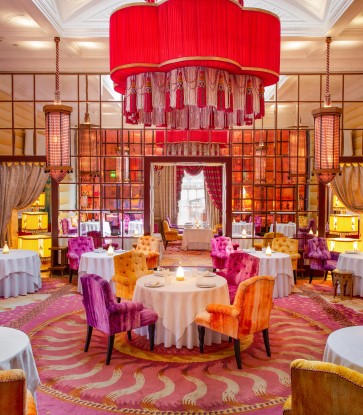
Inspired by the wealth of street food options in their native Vietnam, the Nguyễns’ concept behind Good Thief was nhậu, which Amélie describes as tapas-style eating and late-night drinks, typically enjoyed outdoors on plastic tables and low stools. “Then during the design period, my brother got carried away and brought in the beautiful furniture and lighting,” she laughs, “and I was like, dude, we're supposed to be much more casual than this.”
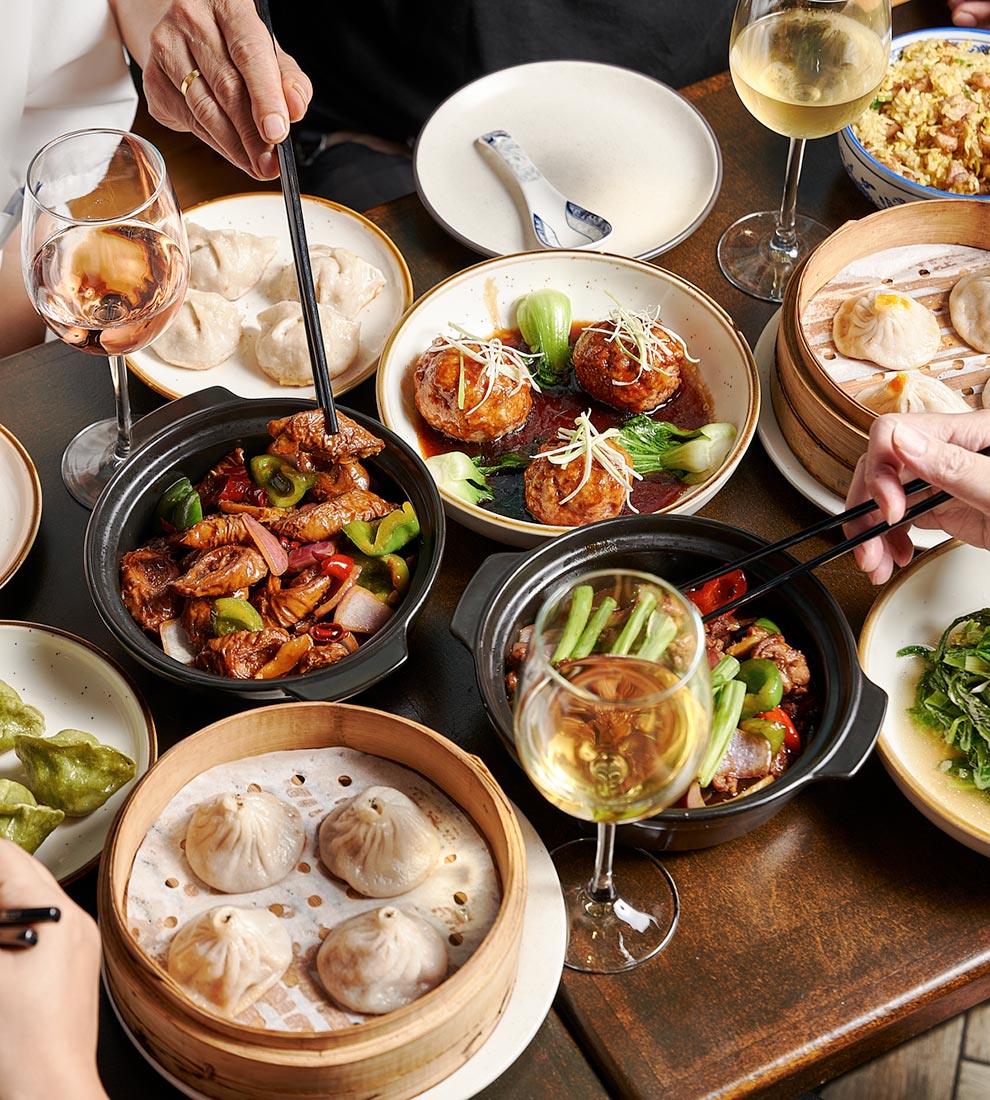
“At Good Thief, we definitely want you to feel like it’s lively, everything is affordable and everything is shareable,” as it would be if you were eating on the street, Amélie says. Dishes like crispy frogs’ legs or prawn toast have their origins in Vietnamese street foods, while others start with Asian traditions and get, well, more rebellious — consider the pho-tine, pairing Canadian cheese curd-topped fries with braised beef and pho gravy.
While you might not perch on plastic stools at Good Thief, Amélie insists, “We’ve got to keep that street food energy.”
Beyond the Street at Song by Kin Kao
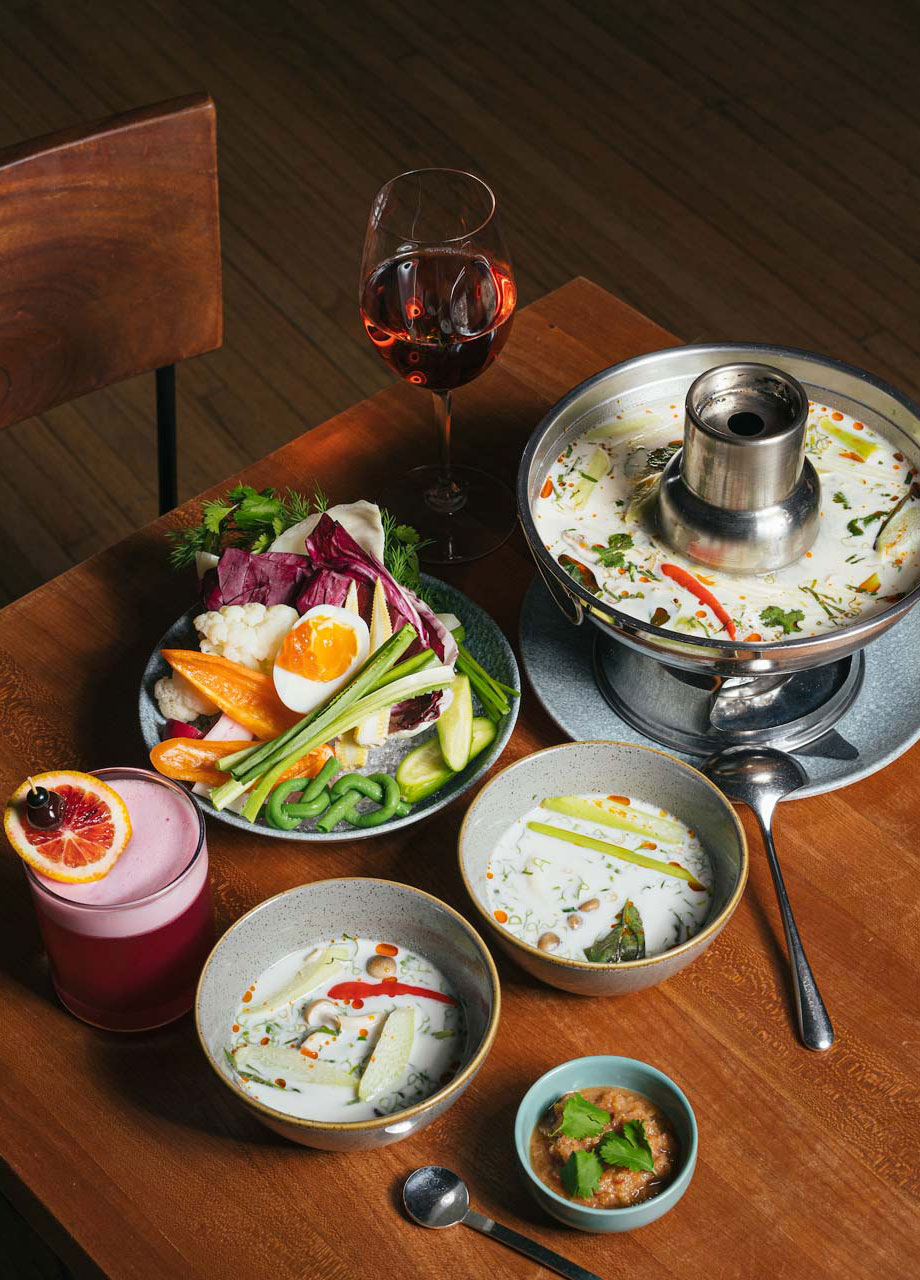
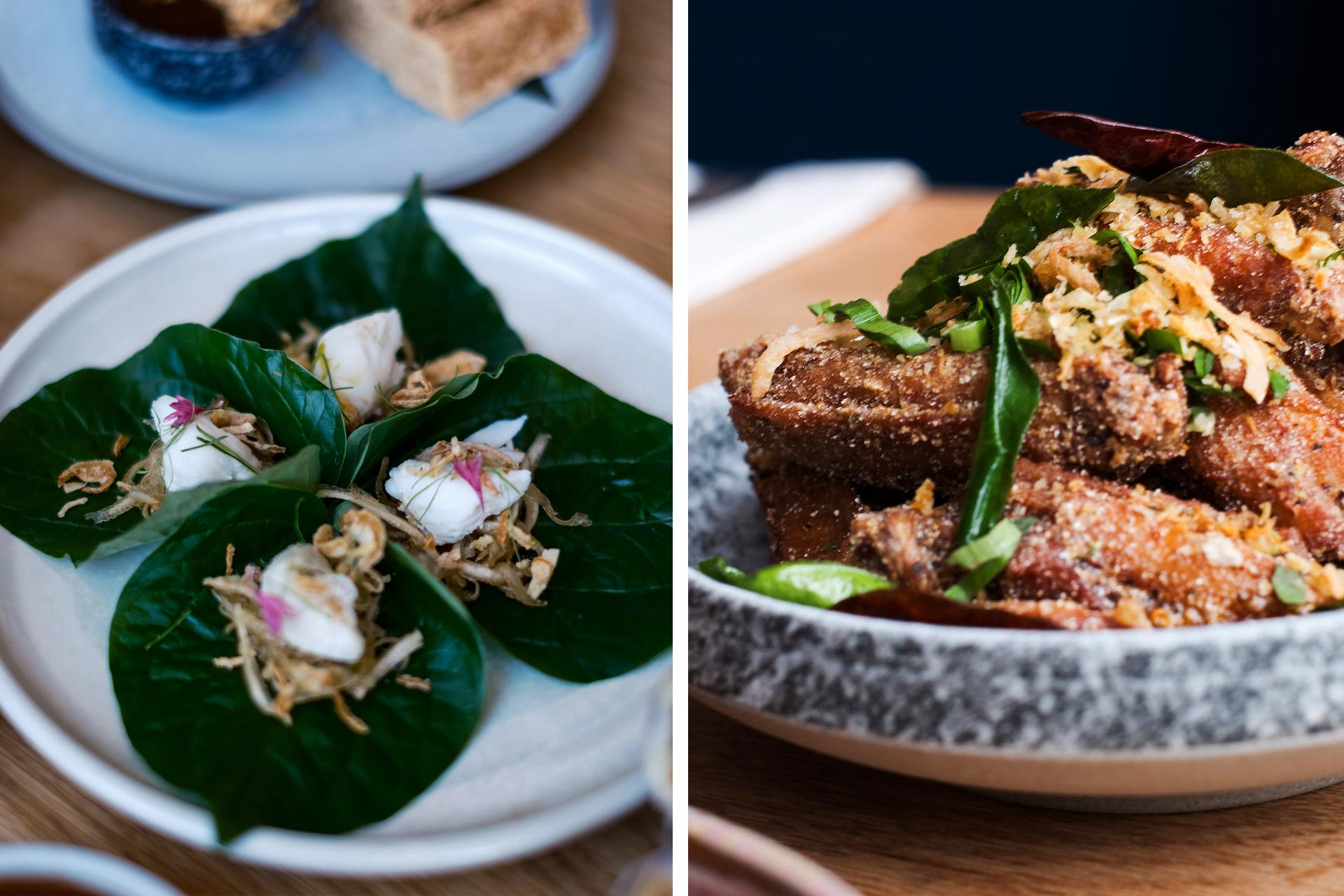
Terrence Feng travels to Thailand regularly, scouting ideas for his restaurants. The owner of Song (by Kin Kao) samples bite after bite at street stalls, snapping photos and sending them to his team’s group chat, prompting discussions on how to recreate a dish or riff on an idea at their Vancouver Thai restaurant. “I’m overwhelmed with the number of amazing dishes that people would love and do not see” in Vancouver, he says.
With Song offering a more elevated dining experience, Feng notes that these street-inspired dishes are simply a starting point, citing their pad Thai topped with pork jowl. “Pork jowl is a street food dish, but ours is different in that we sous vide it for up to 10 hours.”
Chicken wings, also common at Thai street stalls, get an inspired treatment at Song. The restaurant creates its own laab spice, a Northern Thai flavor typically found in salads, using it to season their extra crispy, deep-fried chicken. Street food, elevated.
Taking Street Style Indoors at Motonobu Udon
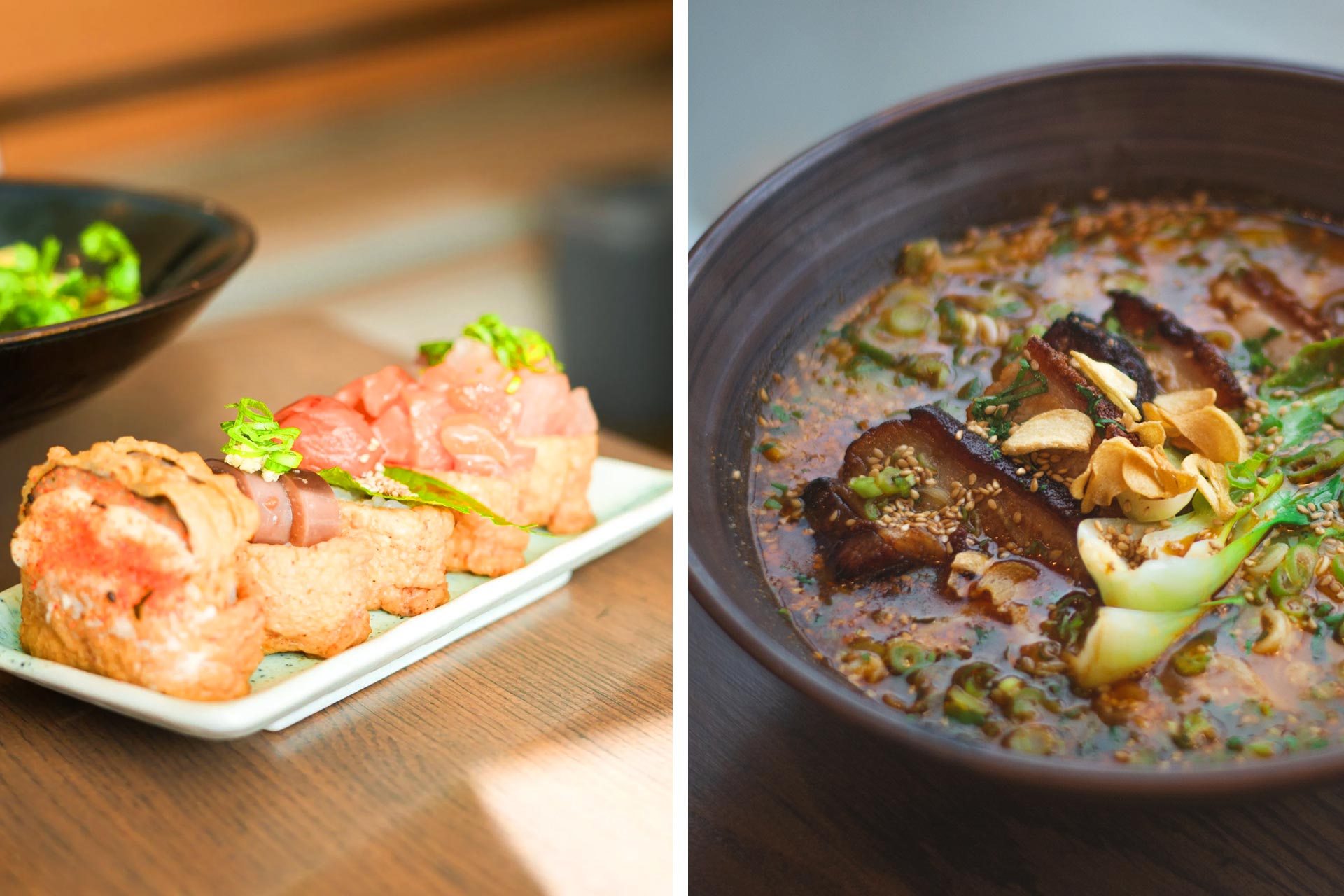
Japanese cities like Osaka and Fukuoka are known for their street food, says Shin Iwamoto, chef/owner at Vancouver’s Motonobu Udon. Takoyaki (octopus balls) and okonomiyaki (a savory pancake) are common dishes in Osaka. In the chef’s home region of Kyushu, street stalls, known as yatai, are set up nightly in Fukuoka, serving ramen, gyoza or yakitori.
Iwamoto draws inspiration from these casual plates while adding his own well-crafted spin. To prepare his spicy tantan udon, for example, he starts by making a ramen-like broth, boiling chicken and pork bones for roughly eight hours until the fat emulsifies, turning white and creamy. He blends that broth with dashi and tops it with pork belly and Shanghai bok choy.
In Japan, Iwamoto says, many eateries capture the relaxed street-food ambience without literally being on the street. “You can go in, eat what you want to eat, invite your friends,” just like the atmosphere he’s fashioned at his Vancouver udon restaurant.
Channeling India’s Street Foods at Karma Indian Bistro
In India, “Street food is a big part of food culture for us,” says Rahul Kumar, who runs Karma Indian Bistro with his father, Vishal. “Usually, Indians eat their dinner quite late, so about 4 p.m. or 5 p.m., it's snack time. People gather around for chai, go out and grab a bite off a cart outside.”
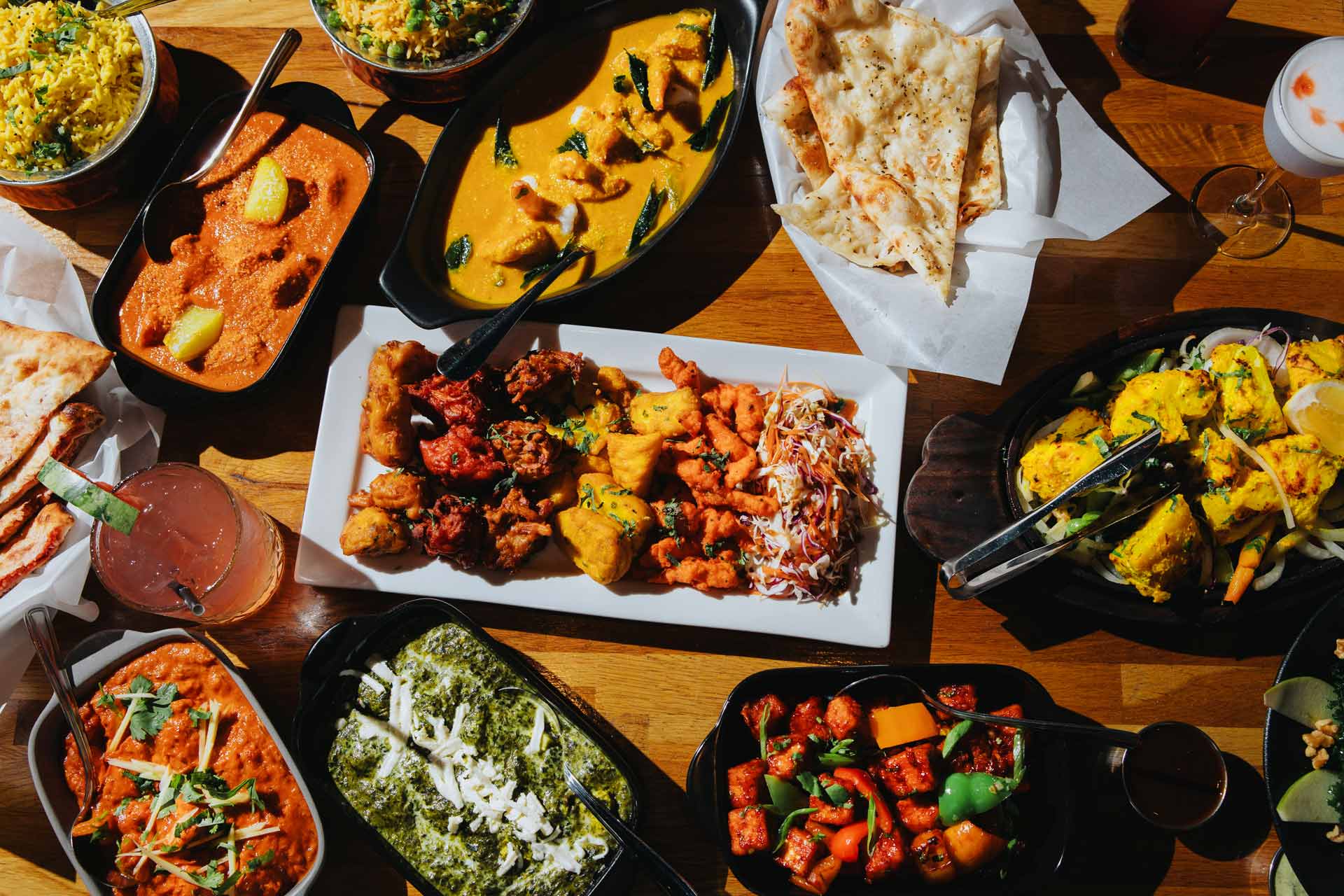
At their Kitsilano restaurant, the Kumars channel this street food vibe. “On the streets of India, you'll see a lot of the vendors cooking on charcoal. They put the meat on a skewer, cook it on top of the charcoal, so it gets charred, smoky, nice and juicy,” Rahul explains. Inspired by these street grills, Karma prepares a mixed tandoori platter, with chicken, lamb, fish and prawns. “We serve it on a hot plate. It comes out smoking.”
Samosas are another popular street food, and Karma serves a samosa chaat, pairing the crispy pastries with garbanzo bean curry, yogurt and chutney.
“When you are on the street,” Rahul says, “the energy is different. We try our best to translate that here at Karma.”
Playing with Your Food at Maenam
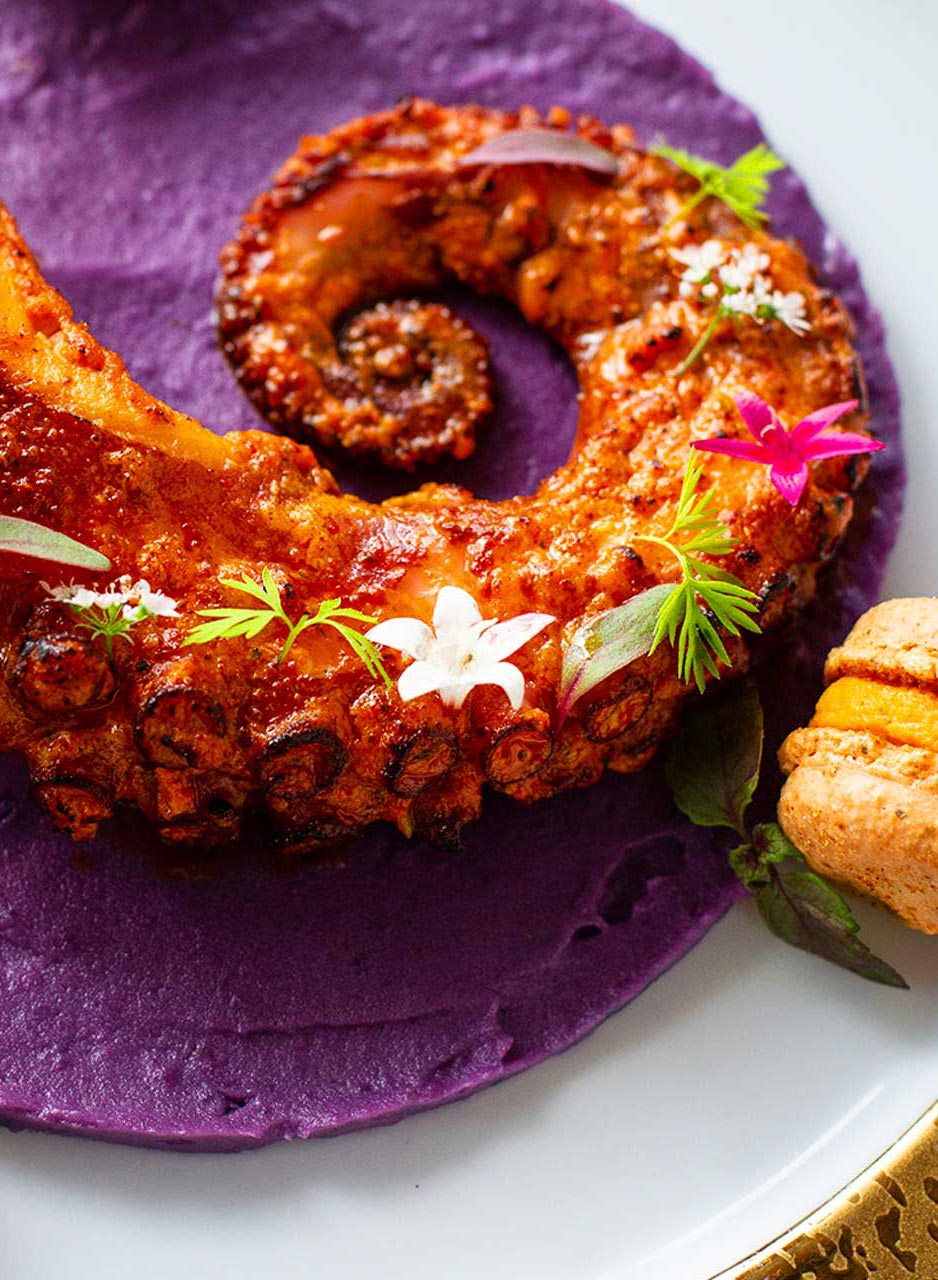
“It's difficult to recreate that rustic feeling of a skewer you bought off the back of a motorcycle in a restaurant. But it’s really about representing that flavor,” says Maenam’s Angus An. At his Vancouver restaurant, the chef reinterprets Thai street food with family-style menus full of small bites and sharing plates.
Compared with the molecular gastronomy trend that captivated the culinary community in recent years, today’s diners want an honest meal, An contends. “Having good science behind certain cooking methods is great, but at the end of the day, people want to eat food that looks like food and tastes good.”
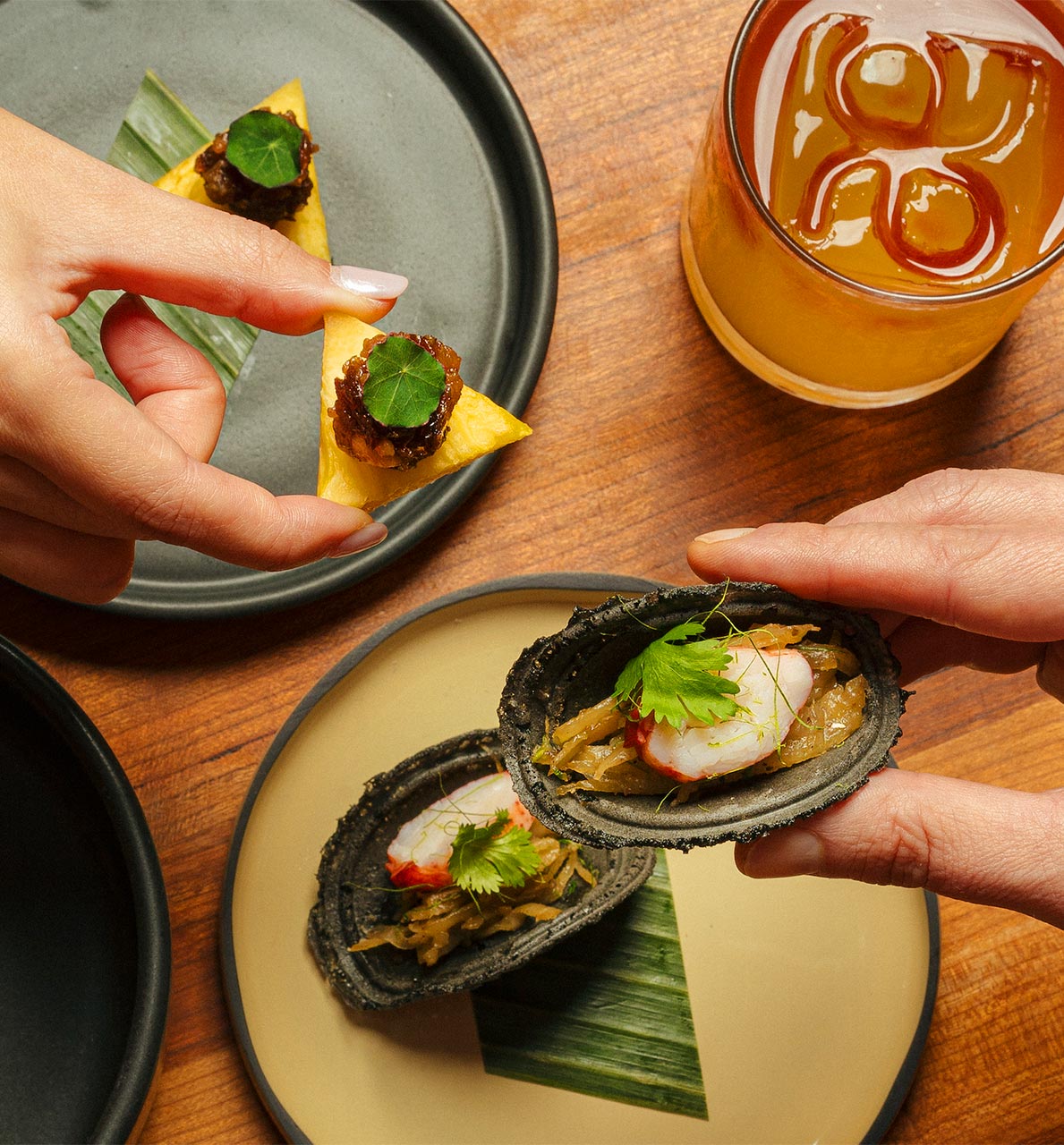
Even on his multicourse chef’s menu, An starts with snacks, like tod mun goong (prawn cakes) and ma hor, minced chicken served atop compressed singo pears, and says, “I don't even give utensils. I want you to go in there with your fingers and pick it up and eat it.”
Because, An says, “it’s a lot of fun when you play with your food,” whether you’re eating in a high-end restaurant or out on the street.
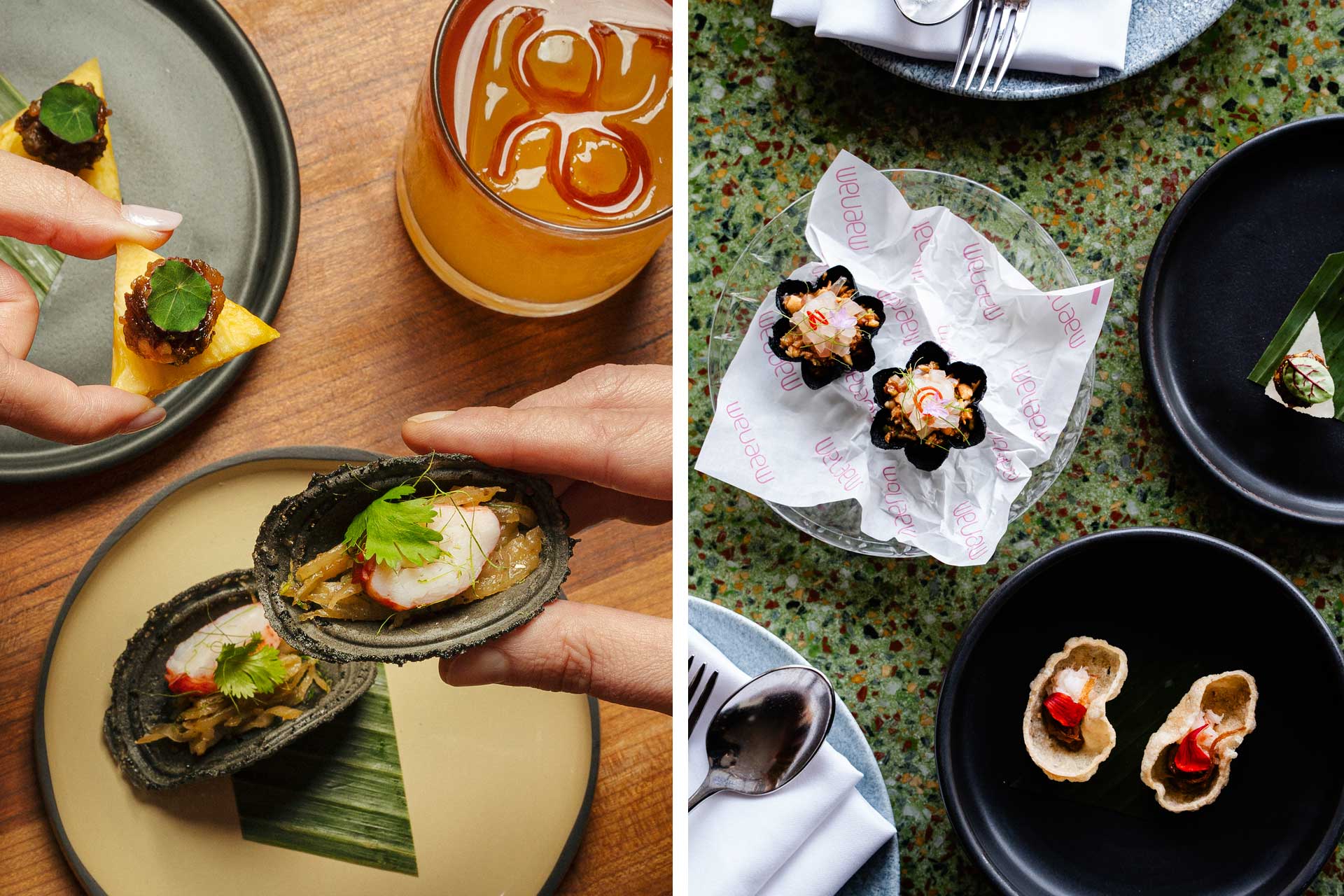
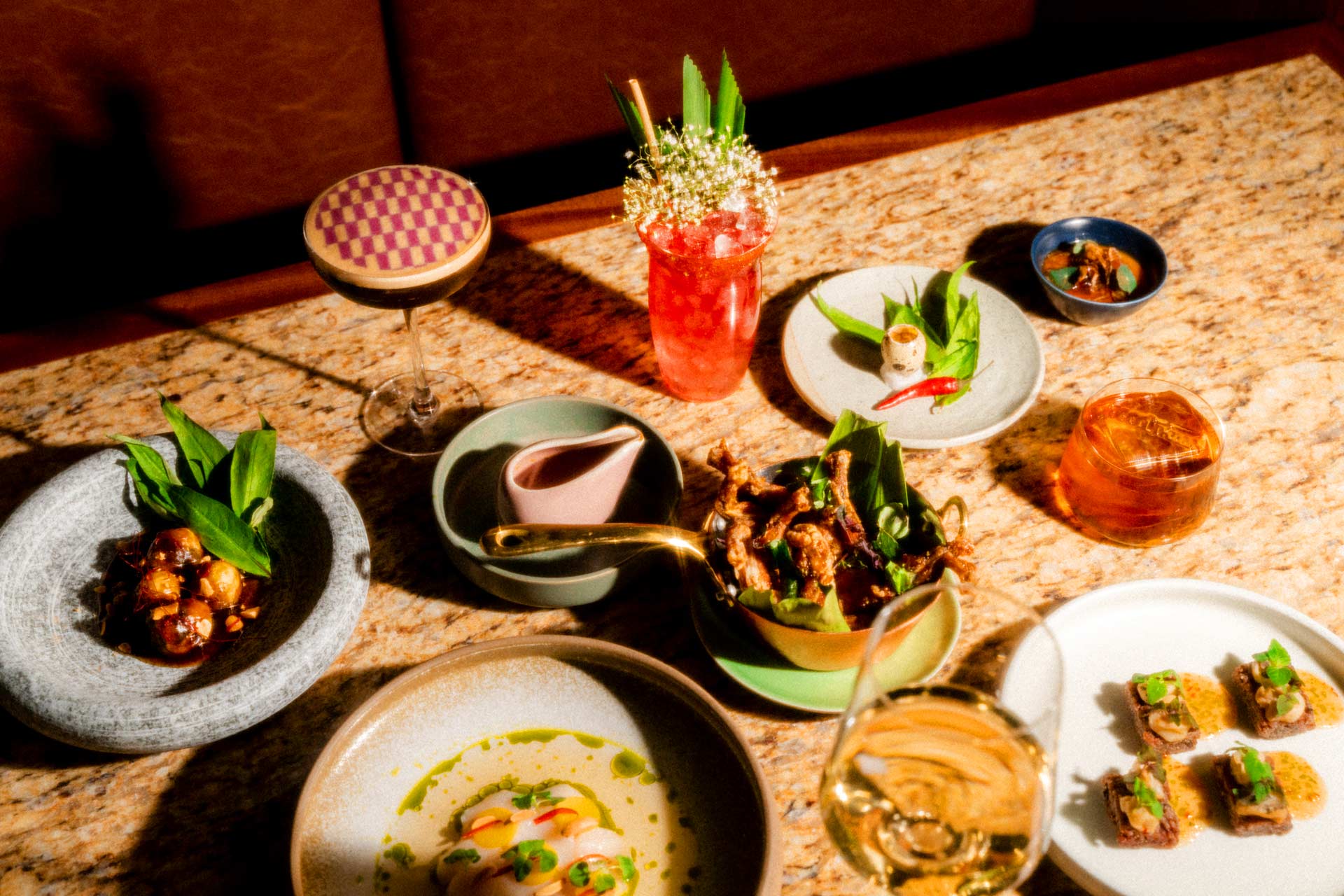
Hero image: Street food fine dining at Maenam. © Olivia Horrell/Maenam
Thumb image: Chicken wings with laab spice. © Melody Lu/Kin Kao Song