15 April 2026
Share


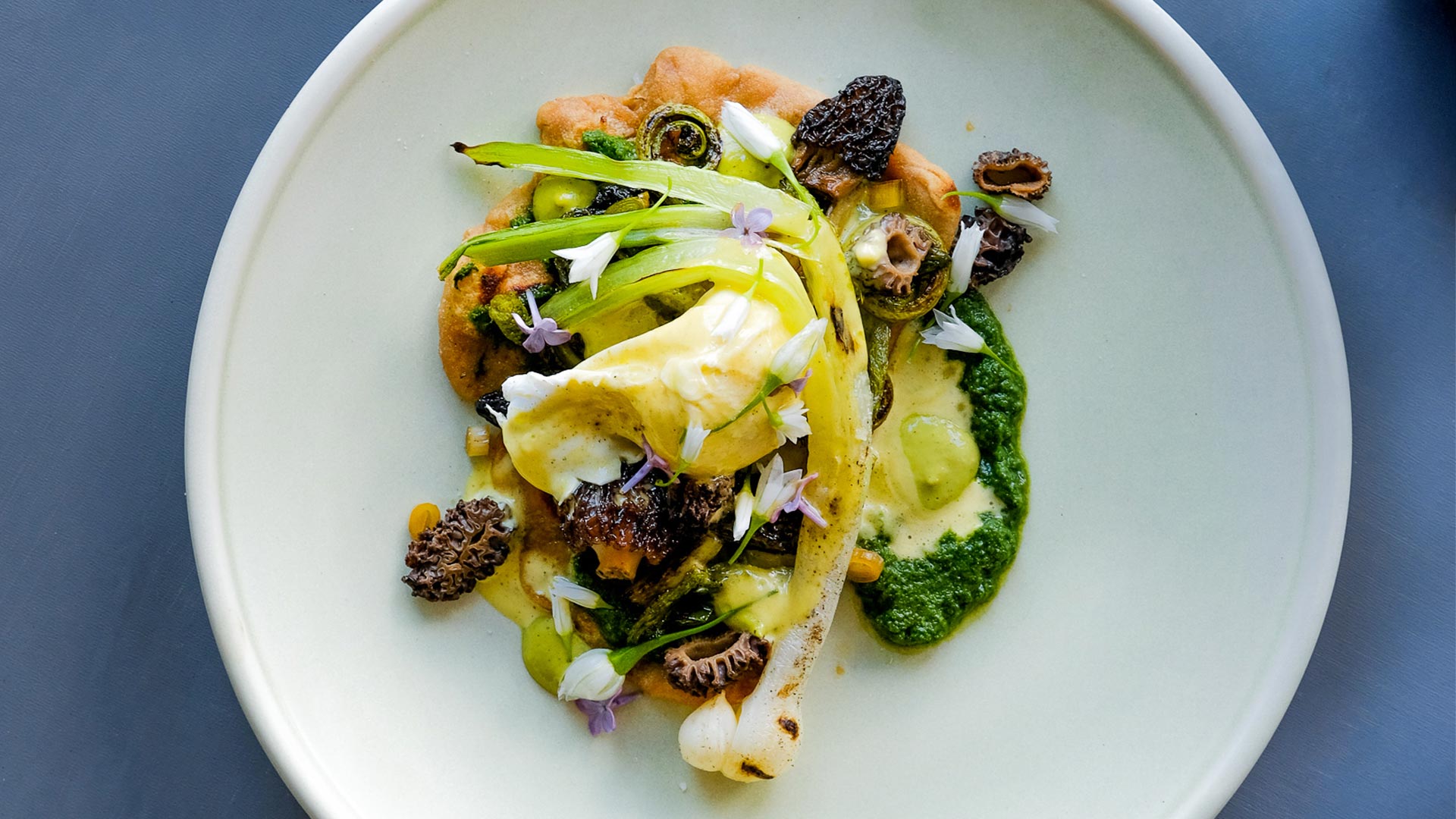
When you’re looking for what’s most exciting in Vancouver restaurants right now, look to the plants. Even in restaurants that aren’t exclusively vegan or vegetarian, many local chefs are focusing their creativity on vegetables, fruits, herbs and even flowers.
“Vegetarianism gets a bad rap sometimes where people feel it's restrictive,” says Matt Gostelow, head chef at The Acorn, a contemporary vegetarian restaurant that has been looking for new ways to use British Columbia-grown ingredients since opening on Main Street in 2012. “But I feel like it's more inclusive. It doesn't matter what your dietary restrictions or preferences are — everyone should be able to eat here and be satisfied.”
And with an increasingly broad range of locally grown produce available to area chefs — ingredients like citrus fruits, magnolia flowers or rice, that might seem more at home on a tropical island than in Western Canada — Vancouver cooks have a broader, ever more delicious plant-based palate to work with.
The Acorn Champions Zero-Waste Cooking with Local Ingredients
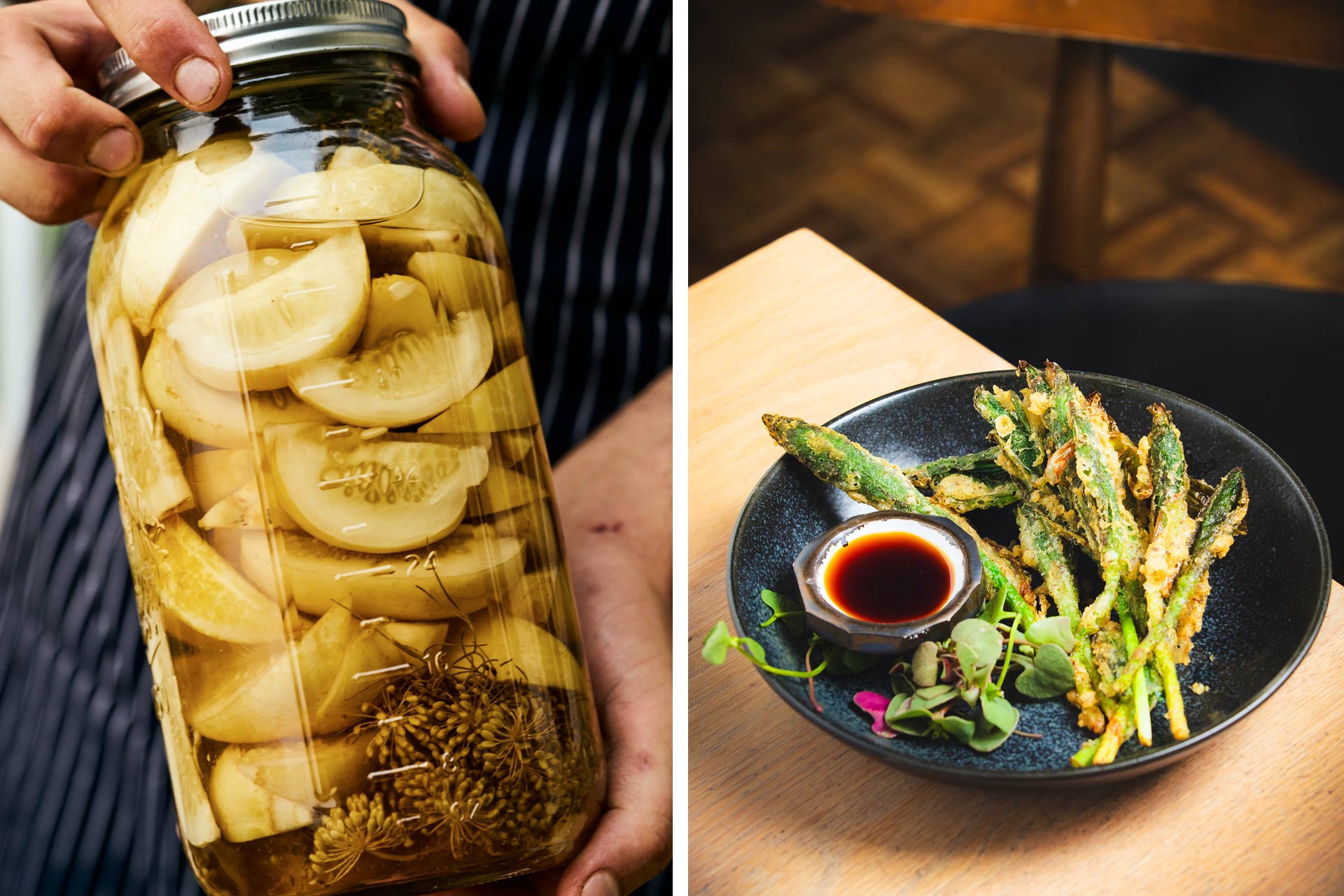
At The Acorn, their zero-waste philosophy motivates Gostelow and his team to use every part of a vegetable like squash, beyond simply peeling it and preparing the flesh. They might toast the seeds as the base for a mole or pickle the squash and incorporate the resulting pickle brine into a sauce. “We know the hard work that goes into growing these vegetables, picking them, and delivering them, so we want to make sure that we get the most out of them,” he says.
Relying only on regional ingredients also inspires cooks to find new ways to create the flavors they want. “We don't have tamarind here, but we have rose hips,” Gostelow explains. “And rose hips have that similar sweet and sour flavor profile.”
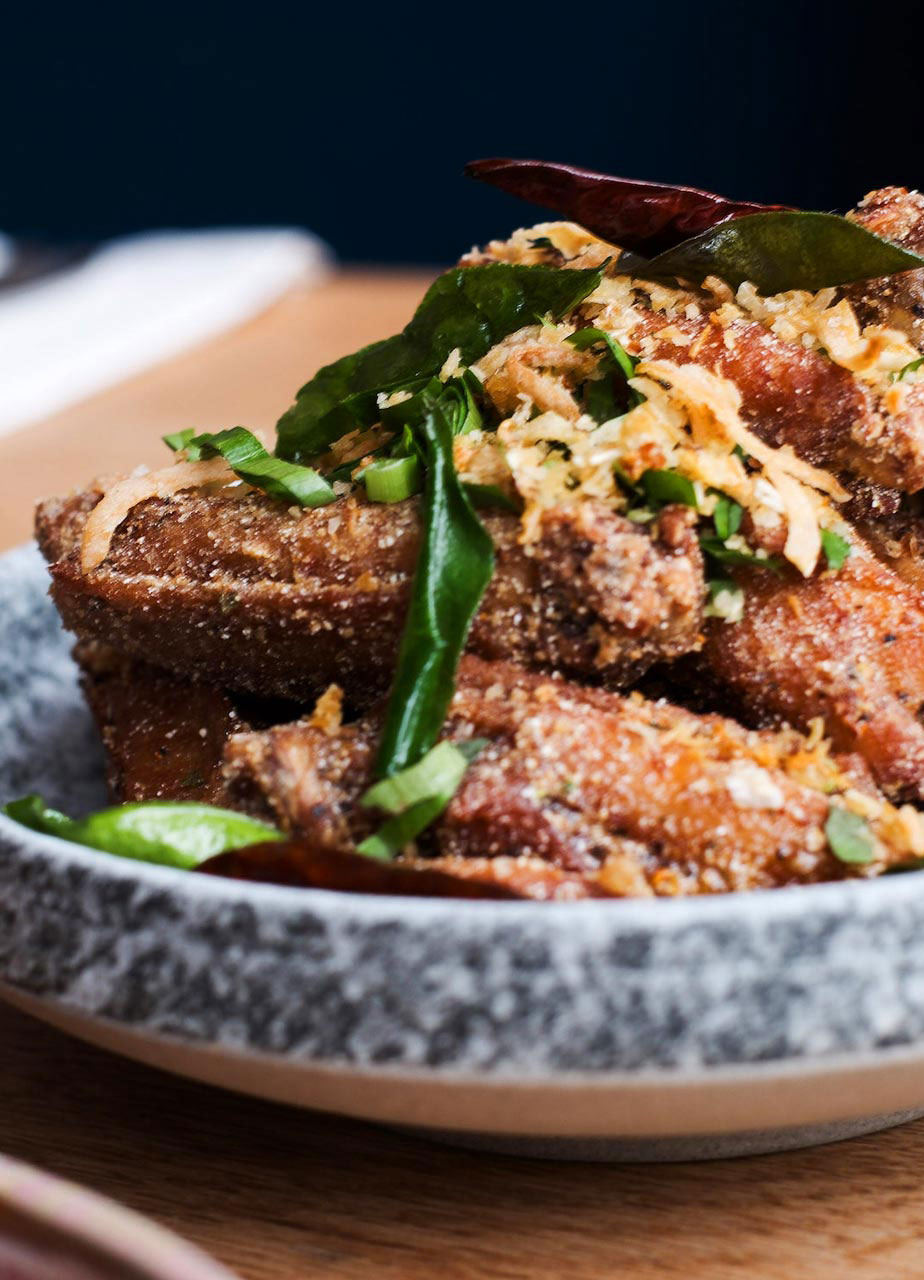
The Acorn brines locally grown green blueberries to create a caper-like berry. From green pinecones that one of their foragers brings in, they make a pinecone molasses that becomes the base for a caramel sauce.
They also look for ingredients that aren’t typically found in Canada, like rice. Masa Shiroki, who established Canada’s first sake winery when he opened Artisan SakeMaker on Granville Island, now grows rice for his sake and to supply a small number of restaurants. With this BC-grown rice, Gostelow says, they’ve made everything from deep-fried rice cakes to rice pudding.
Burdock & Co’s Seasonal, Plant-Forward Vision
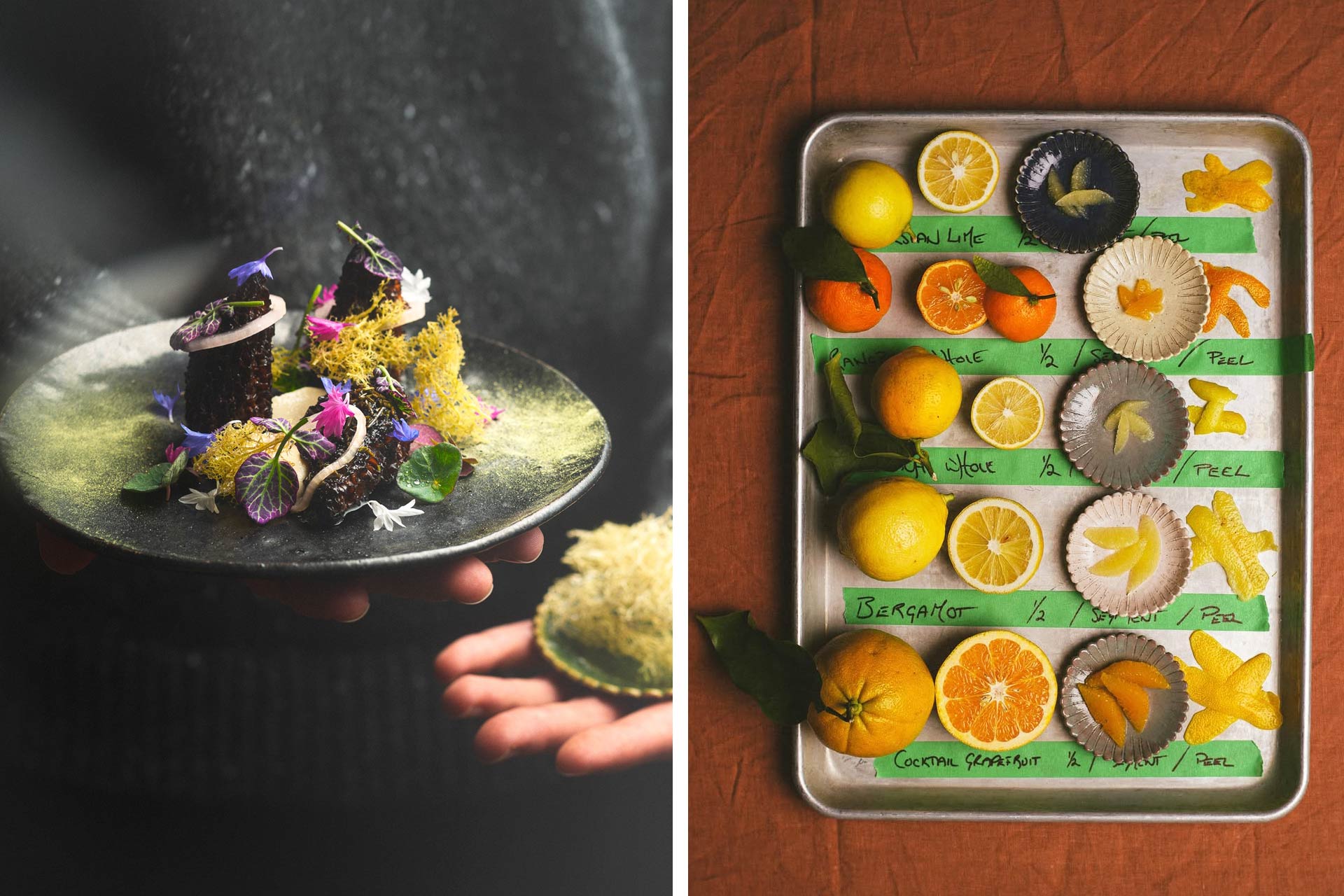
At Burdock & Co, also on Main Street, Chef Andrea Carlson designs six plant-forward tasting menus throughout the year that highlight products available in each season. Her early spring menu, offered in April and May, incorporates foraged ingredients including spruce tips and cottonwood buds from British Columbia’s Sunshine Coast.She’ll turn pine resin into a glaze for charcoal-grilled morel mushrooms that she stuffs with burdock and finishes with crispy lichen, emphasizing what she calls “wild, botanical flavors.”
In June and July, when the menu emphasizes flowers, the chef makes a white kimchi from magnolia petals, which she describes as “quite gingery.” She incorporates rose petals into a chilled soup made with Charentais melon from Fox Glove Farms, a specialty grower on Salt Spring Island.
Their winter menu focuses on citrus, a product not typically cultivated in Canada. The restaurant sources fruit from The Garden on Salt Spring Island, a small farm that produces more than two dozen varieties of citrus, including sudachi (a tart Japanese citrus), Meyer lemon and yuzu.
For that menu, Carlson wanted to create a dish that mimicked the flavor of monkfish liver, known in Japan as akimono or ankimo. “It’s so rich and beautiful but not sustainable. How can we make that, but make it vegetable?” Her solution was a celeriac akimono. Grilling the celeriac over charcoal and brushing it with a yuzu-based Japanese-style barbecue sauce, which gave the vegetable a monkfish-like “slippery, supple texture.”
At Farmer’s Apprentice, Local Ingredients Meet Global Inspiration
Like Burdock & Co, Farmer’s Apprentice, in the South Granville neighborhood, emphasizes seasonal ingredients sourced from area farms. Yet while the ingredients are local, head chef Alden Ong says their menu concepts are global. Because many Vancouver chefs have access to similar products, incorporating techniques or flavors from other cultures enables him to “bring a new light to the same vegetables.”“I derive a lot of inspiration from my Filipino and Chinese upbringing,” he explains. While Farmer’s Apprentice is not entirely vegetarian, “we've focused on treating the vegetable as the star.”
As an example, based on a Tausug-inspired chicken soup from the southern Philippines made with burnt coconut, Ong created a smoked cabbage dish with a burnt coconut sauce. It wasn’t something you’d find in his home country, but the sauce paired well with the smoky vegetable.
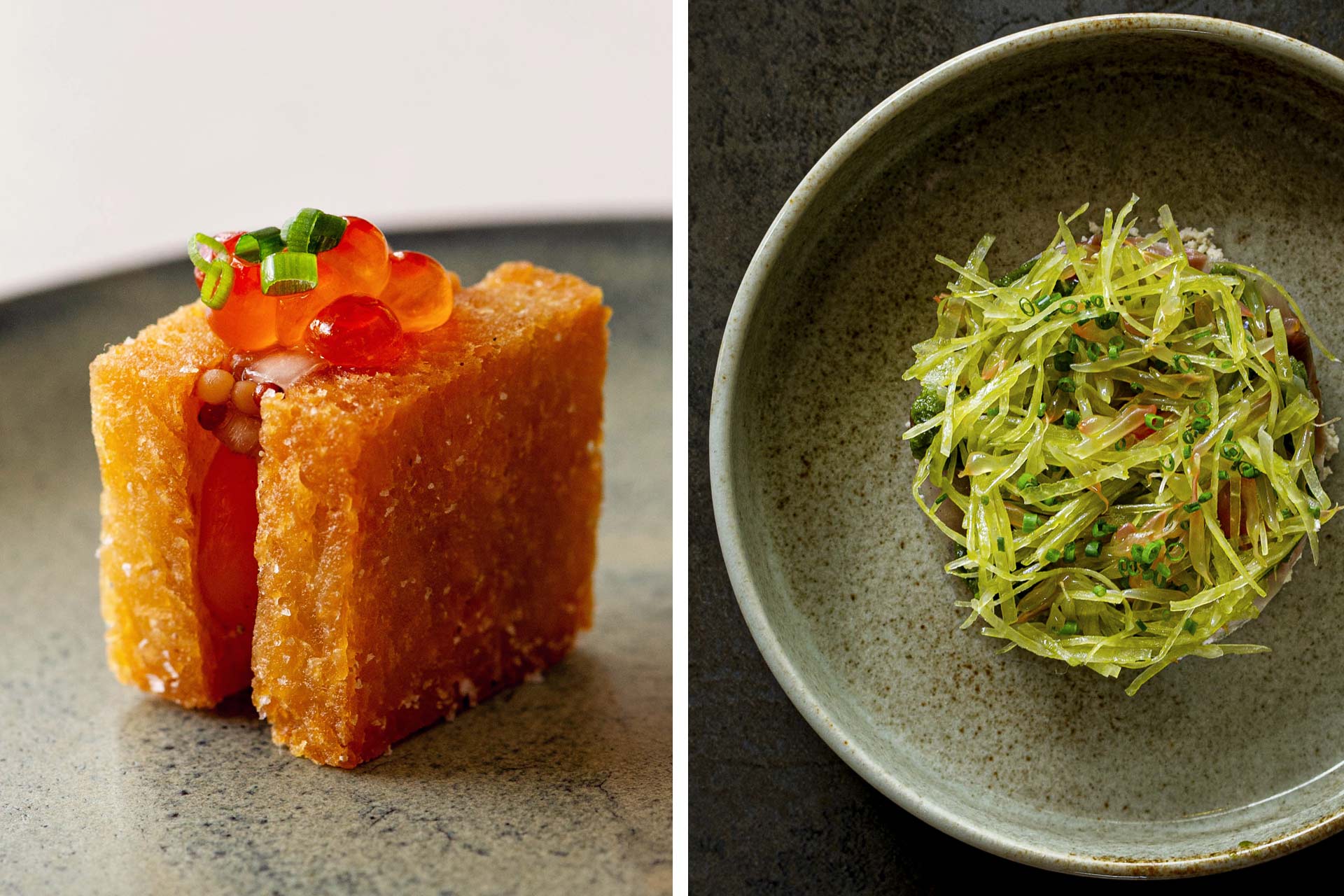
As food costs rise, chefs like Ong try to make the most of the ingredients they have. Even something as basic as olive brine, left over from their bar, can be used to create new dishes. The restaurant makes a celeriac “pasta,” blanching and drying the vegetable, then marinating it in olive brine, which gives it a chewy, al dente texture.
“It looks like pasta,” Ong says, “but it's pure vegetable.”
Folke Reimagines Vegetables With Innovative Cooking Techniques
Colin Uyeda, head chef at Folke, a fully vegan fine dining restaurant in Kitsilano, says that many of their guests are not exclusively plant-based eaters. Here, even humble ingredients like beets get special treatment. One of Chef Uyeda’s favorite dishes, he says, is their beet tartare, a staple on the menu since the restaurant opened. They roast, smoke, and partially dehydrate the beets, a technique that intensifies their flavor and makes the texture chewier, denser and almost meat-like. When diners finish their meal at Folke, he insists, “our goal is that you would leave without noticing or caring that you didn't eat any meat.”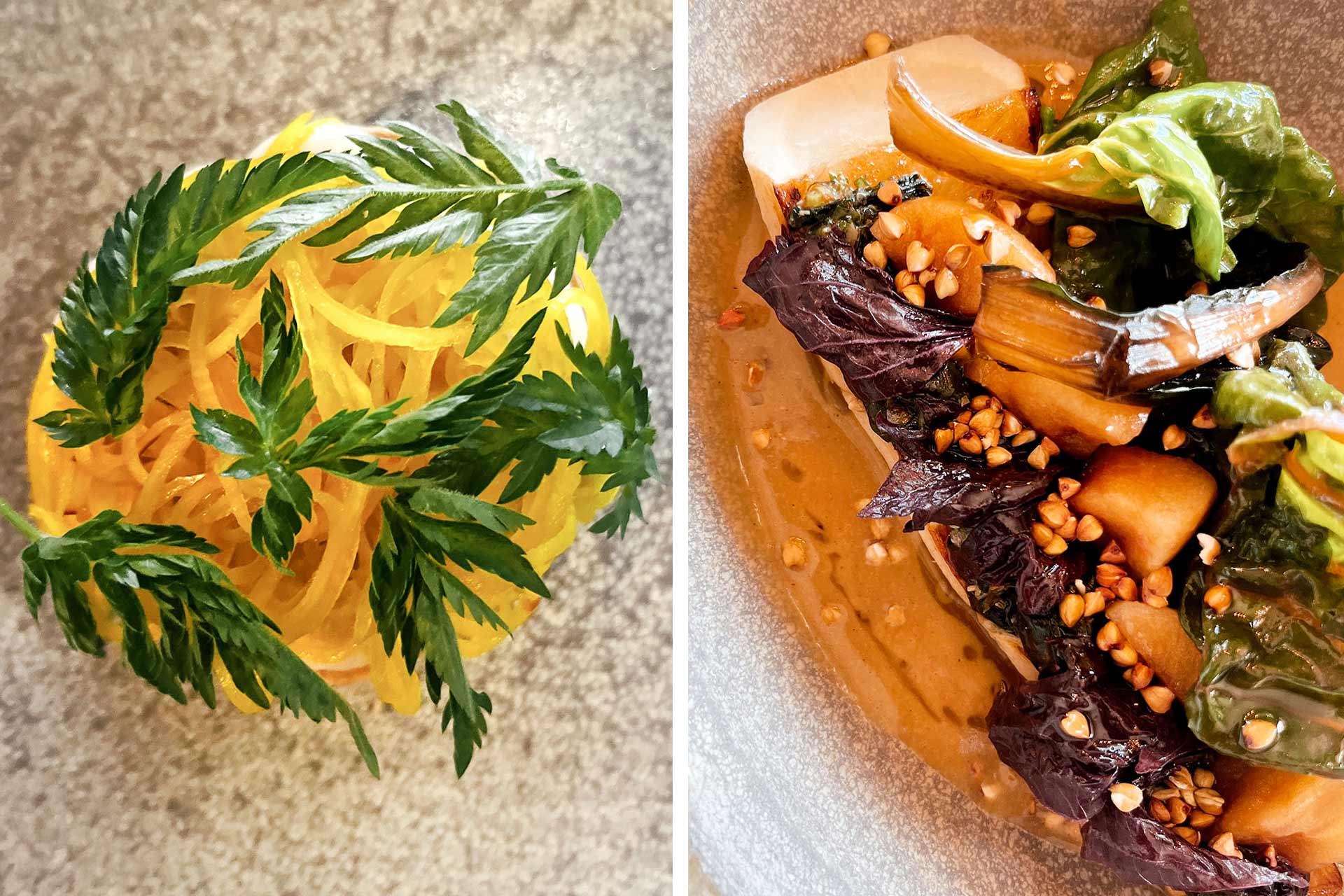
Hero image: © Lorenzo Ignacio/The Acorn
Thumb image: © Hakan Burcuoglu/Burdock & Co.